Industrial - Bachelor

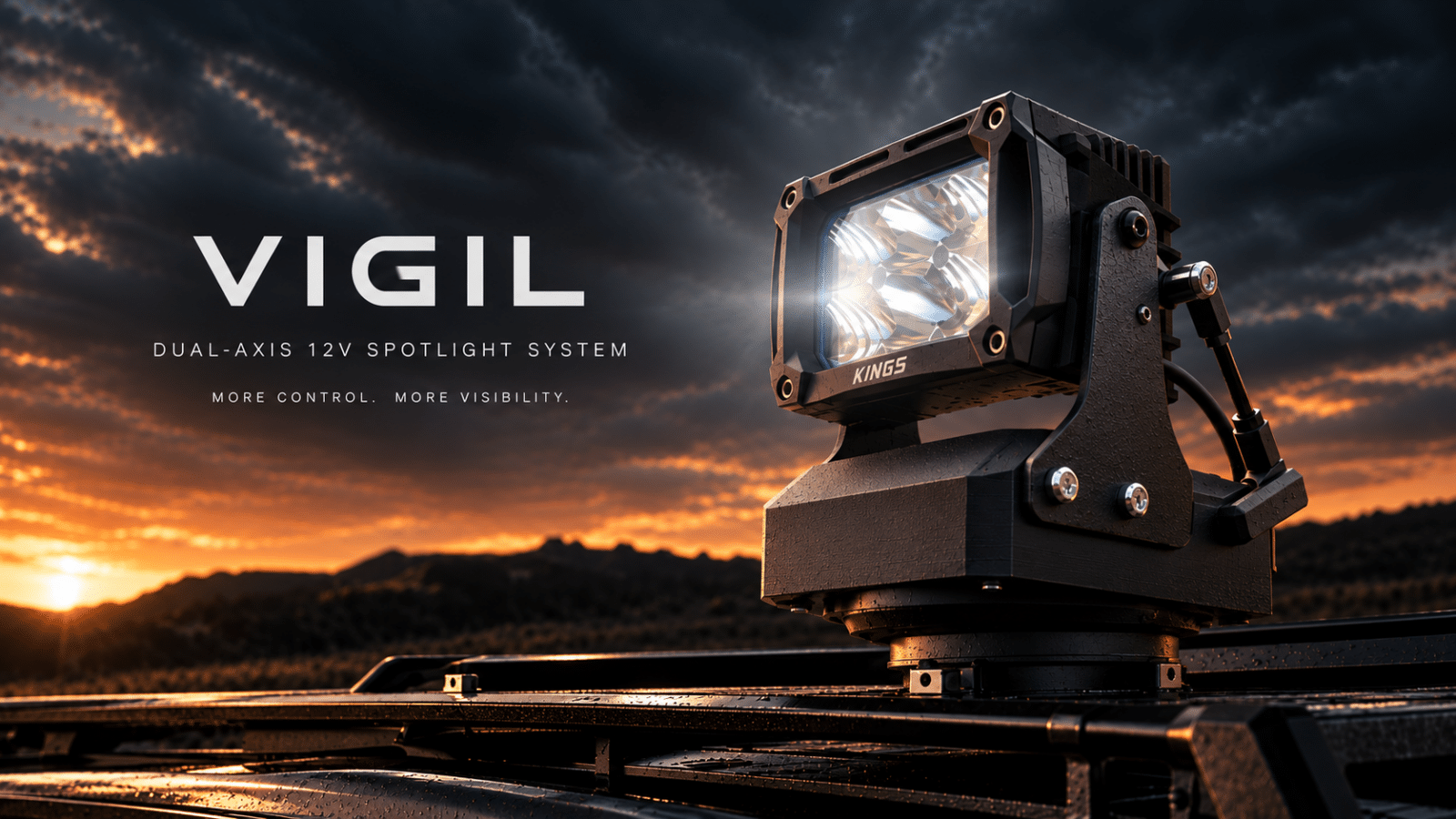
VIGIL: Dynamic Vehicle Lighting Solution

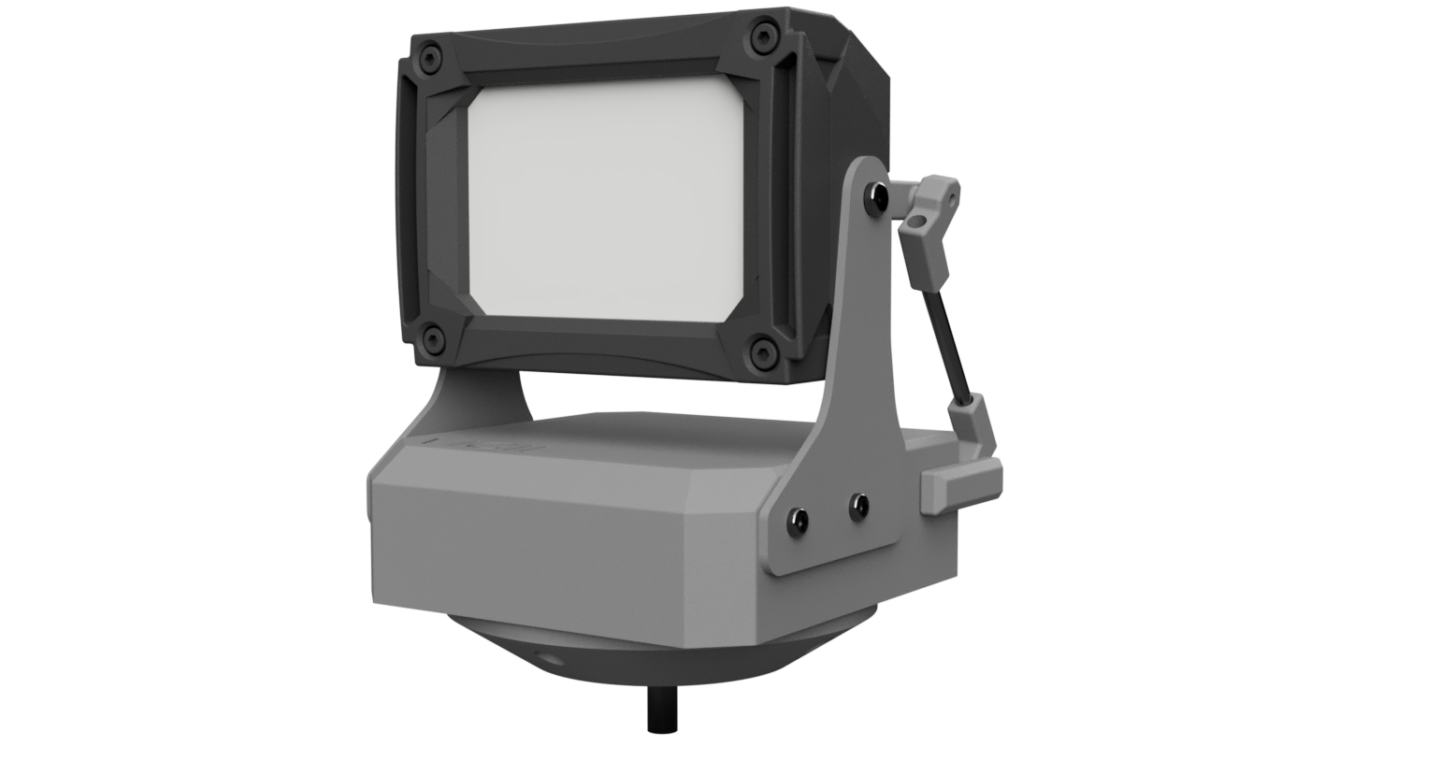
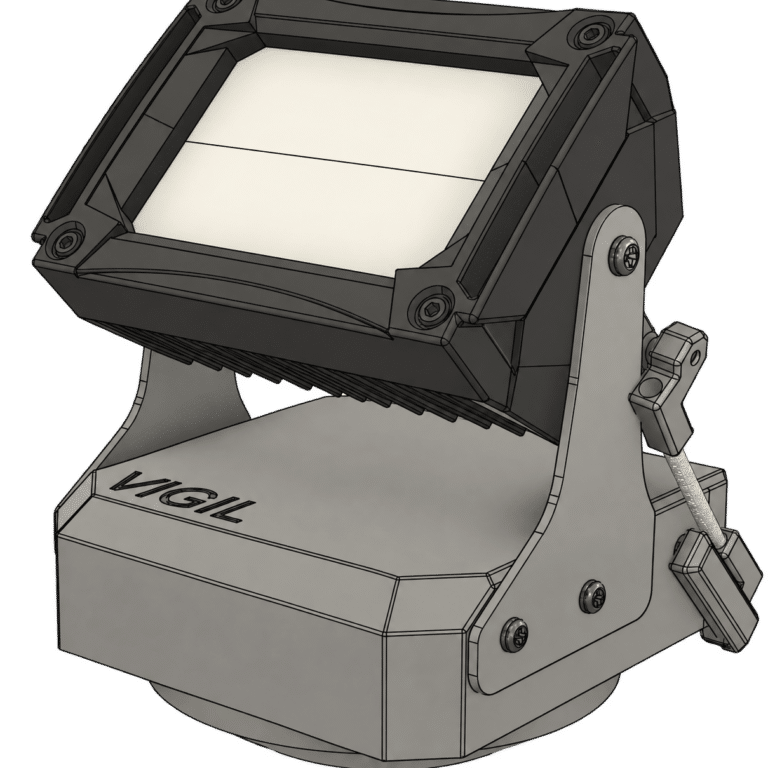
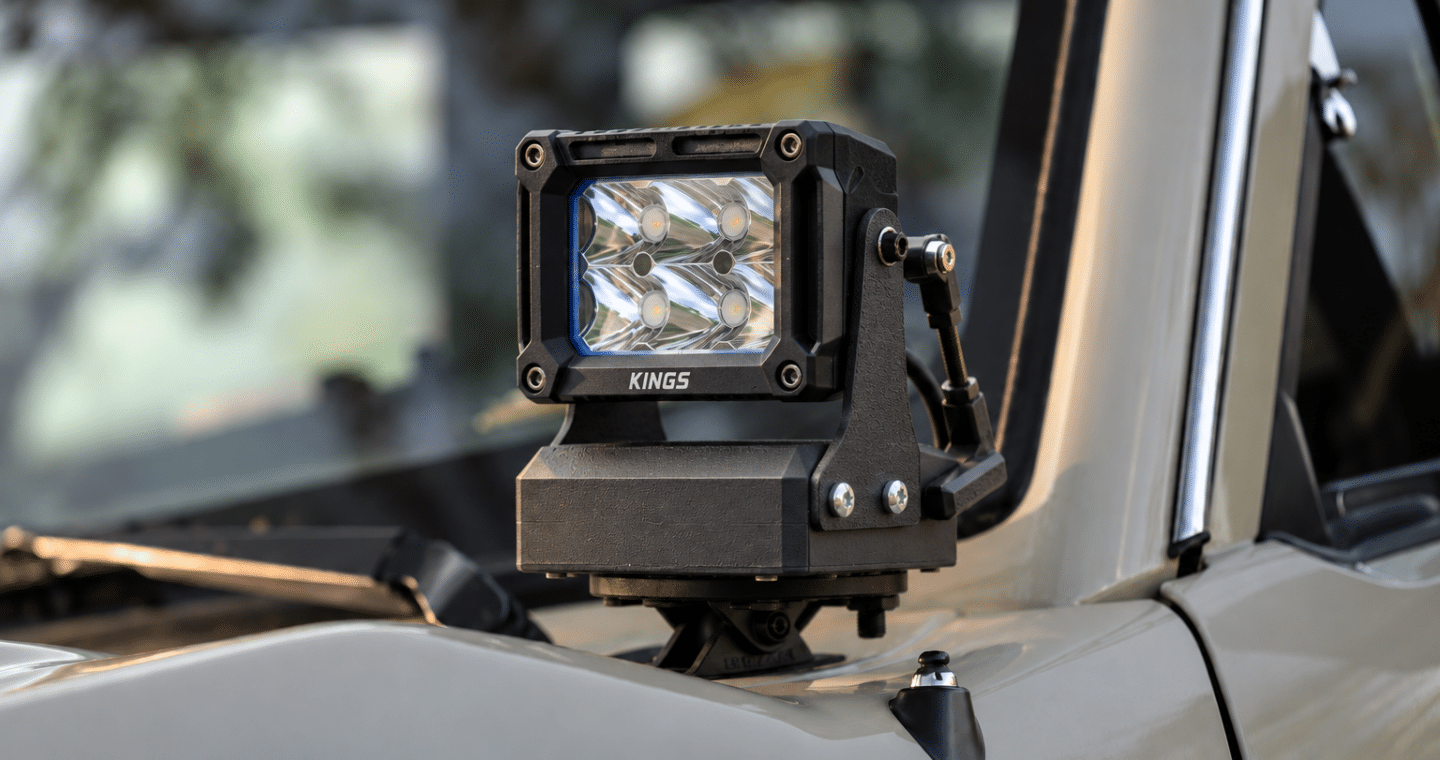
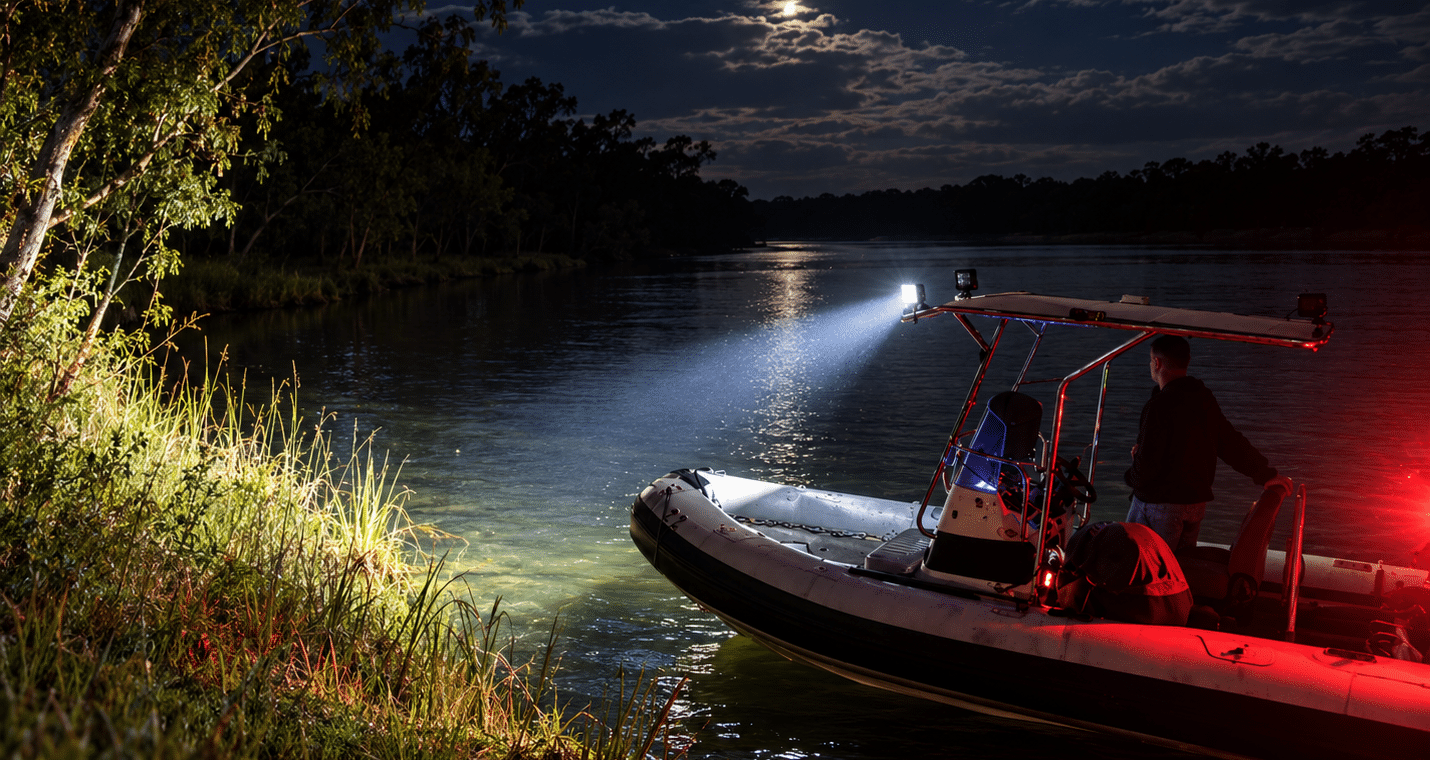
VIGIL is a motorised vehicle lighting project developed to improve the flexibility and usability of auxiliary lighting during 4WD activities and emergency situations. The project explores the design of a complete system, combining custom mechanical components, electronic controls and an intuitive in cab interface. Featuring dual axis movement, independent spotlight operation and remote joystick control, VIGIL allows users to direct illumination where it is needed without manually adjusting the lights.

More control. More visibility.

VIGIL is a dynamic auxiliary lighting system designed to change the way drivers interact with vehicle mounted lighting. Developed in response to the limitations of conventional fixed direction driving lights, the system allows users to remotely reposition their spotlights using an in cab joystick controller.

Combining mechanical engineering, electronics, product design and user centred thinking, Exploring how existing vehicle lighting can become more adaptable to the changing needs of offroad driving, search and rescue, property work and activities requiring directed illumination.

Lighting isn’t the problem. Direction is.

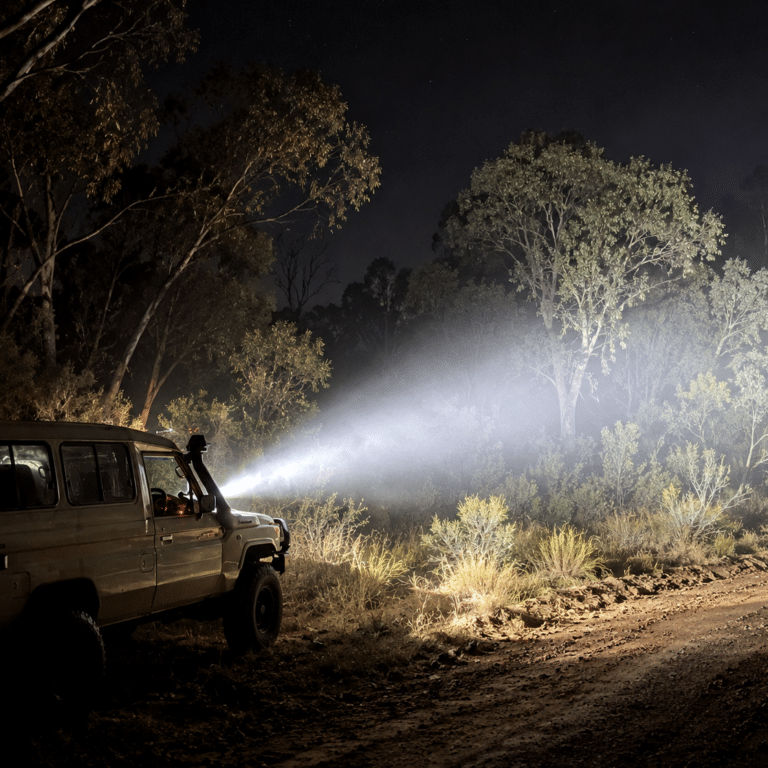
Modern aftermarket driving lights have significantly improved in brightness, beam distance and durability. However, most auxiliary lighting systems remain fixed in the direction they are mounted. During offroad activities, drivers often need to illuminate areas outside their vehicle’s forward direction, such as side tracks, obstacles, recovery points or surrounding work areas. Repositioning conventional lights can require stopping, leaving the vehicle or relying on another person.

This highlighted an opportunity to rethink vehicle lighting as an interaction and directional control problem, rather than simply trying to produce more light.

Exploring ways to move light.

After an overall concept was established, development shifted towards the mechanical system. The design was broken into two primary concepts: movement of the light and how to control that.

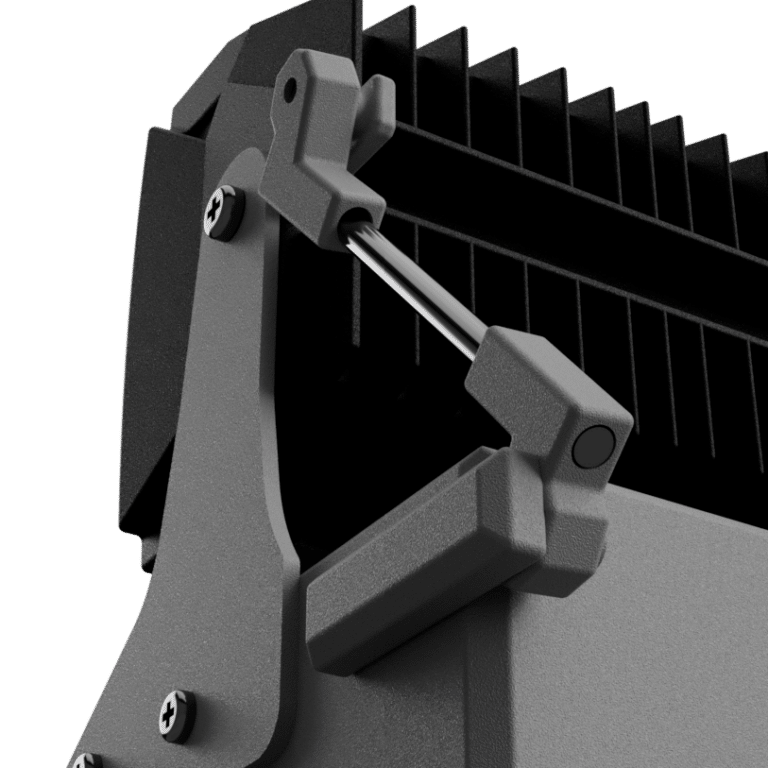
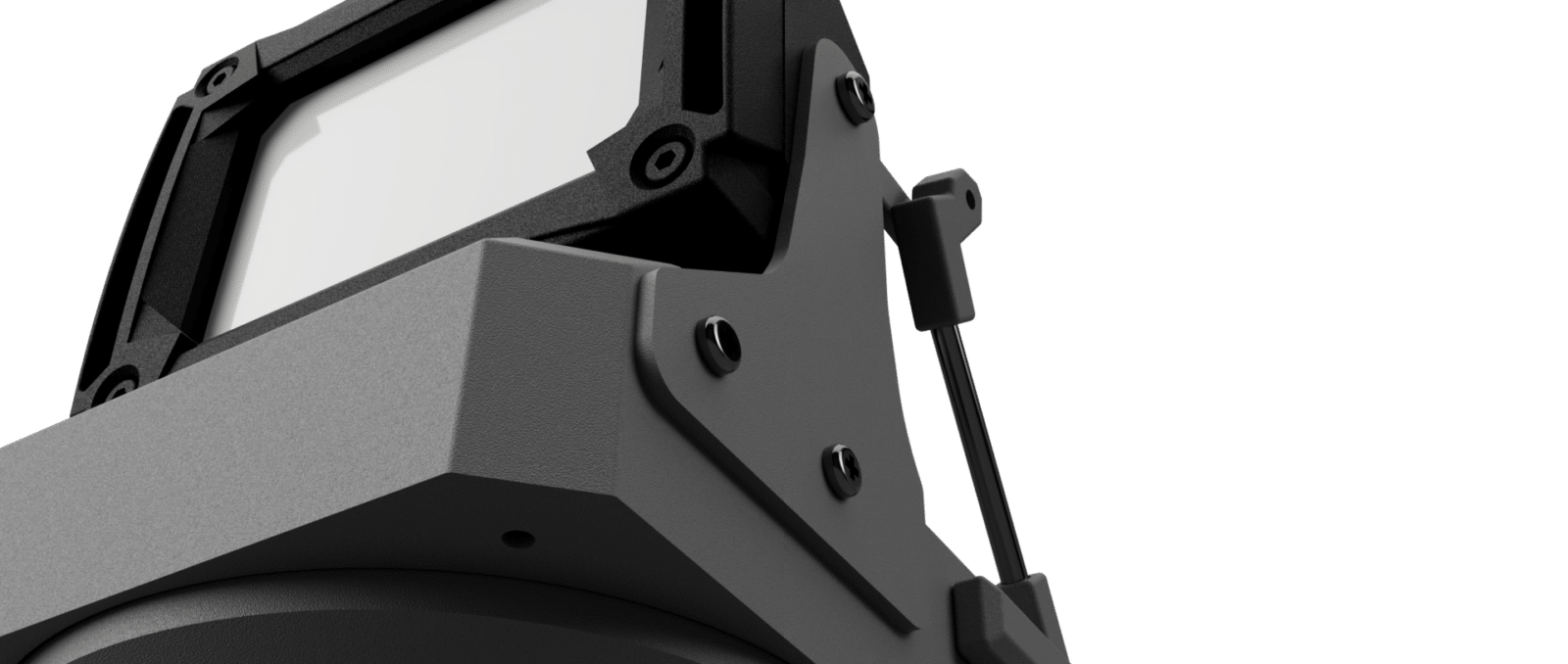
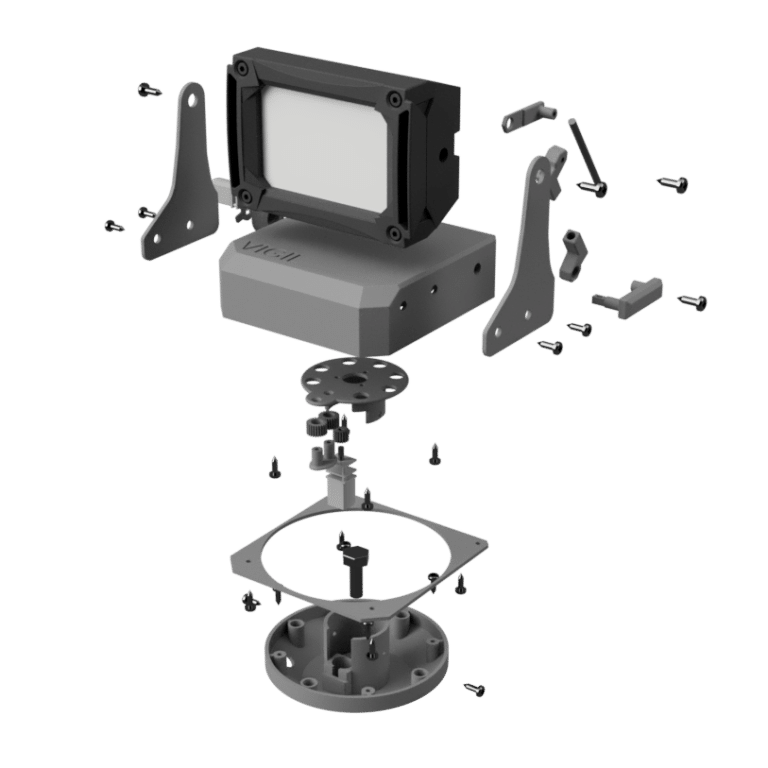
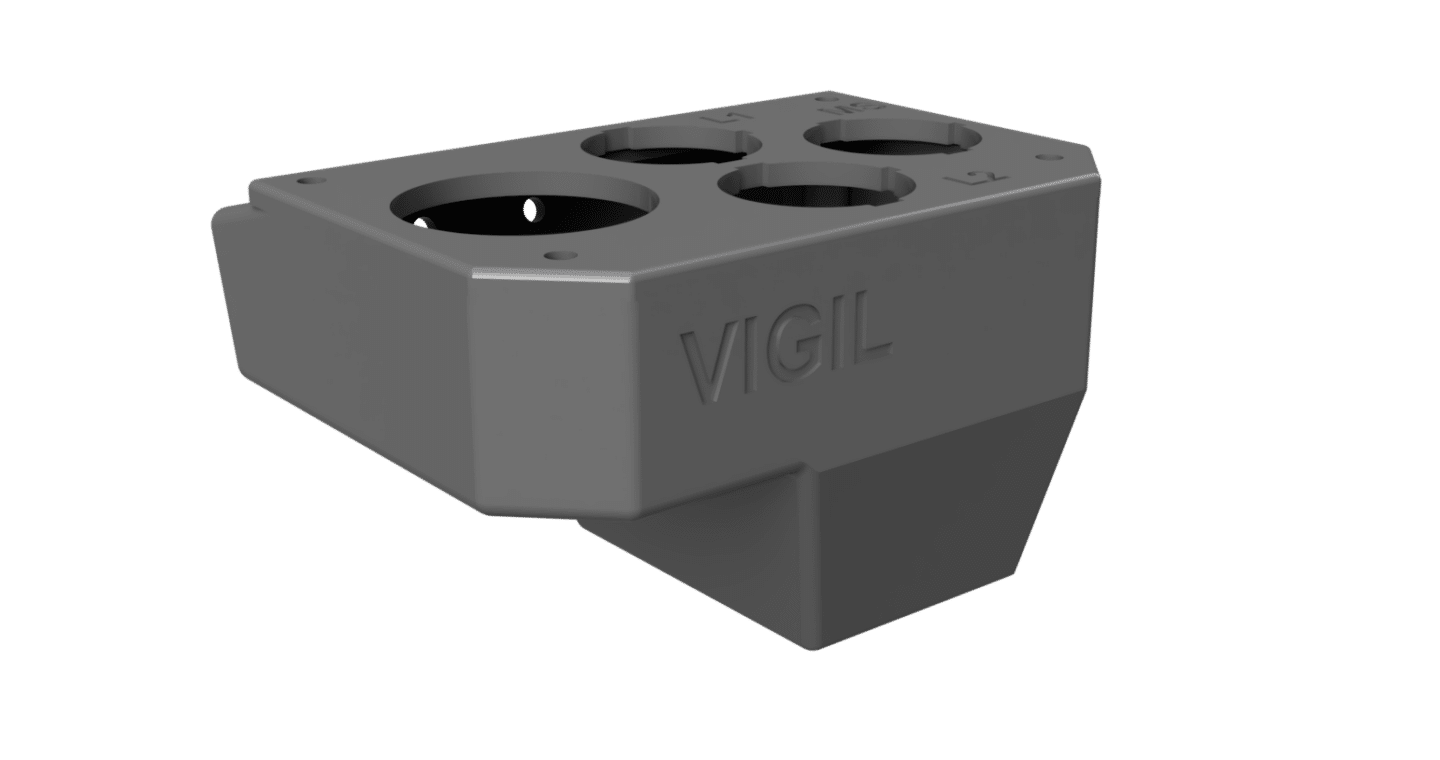
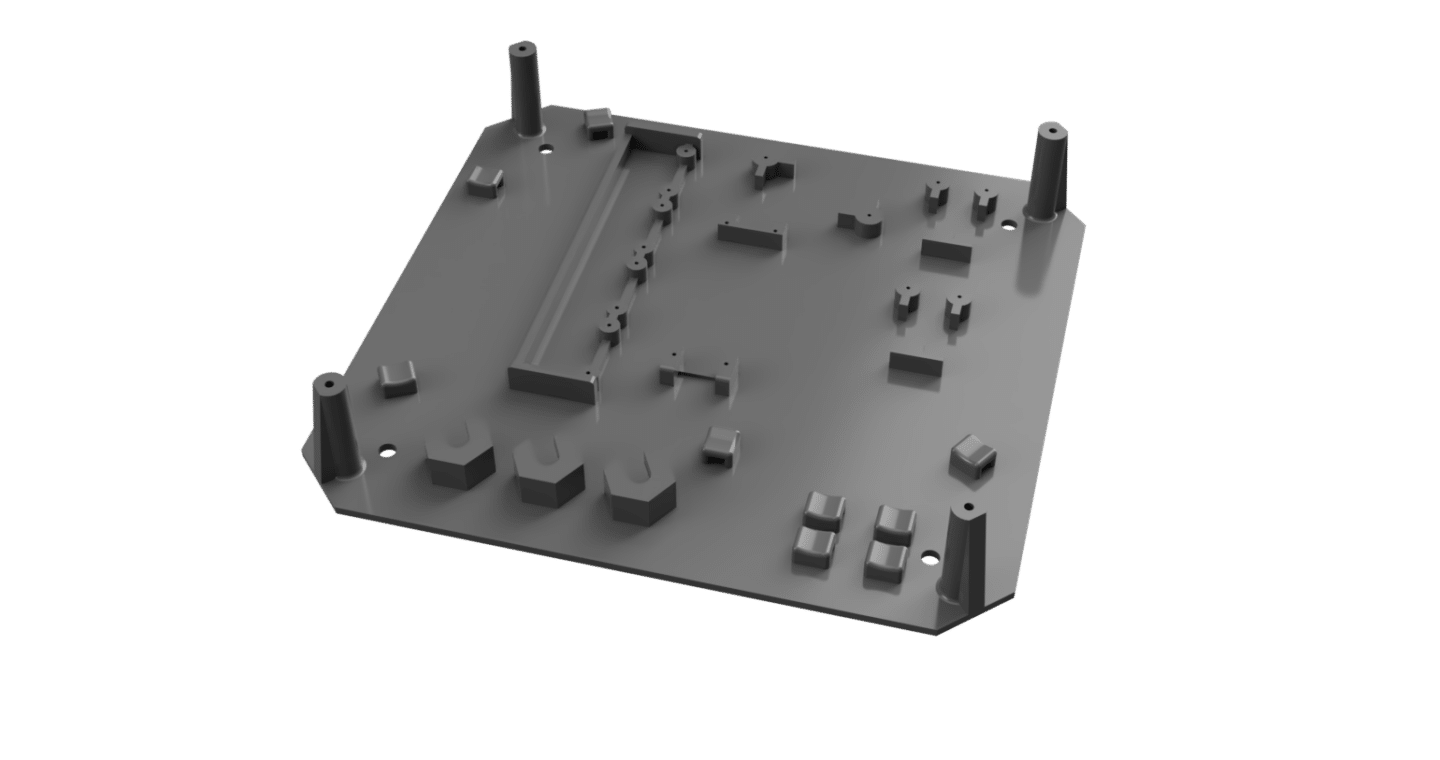
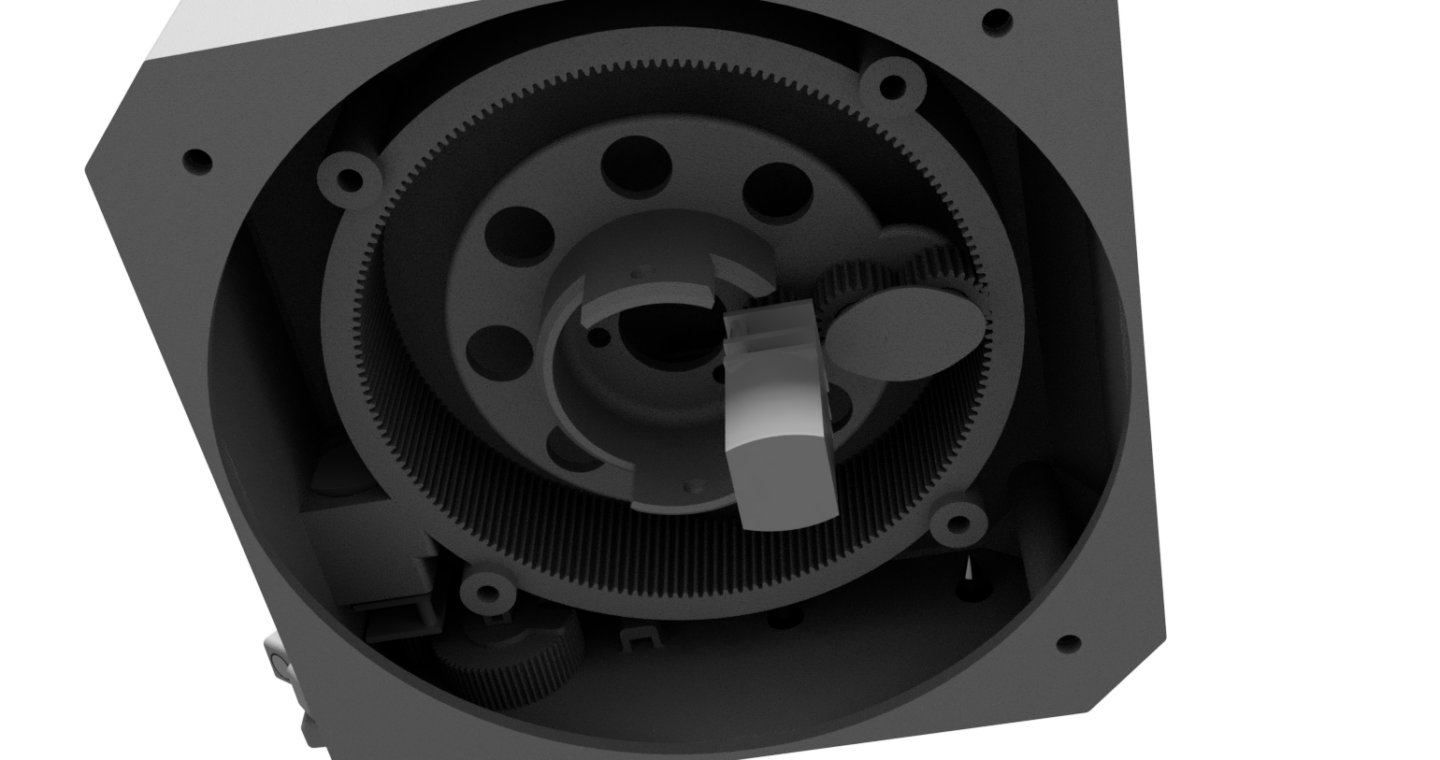
CAD development was used to investigate gear arrangements, motor placement, mounting geometry and component clearances. Particular attention was given to packaging the mechanisms within a compact housing while maintaining sufficient movement and structural support.

From digital design to physical prototype.

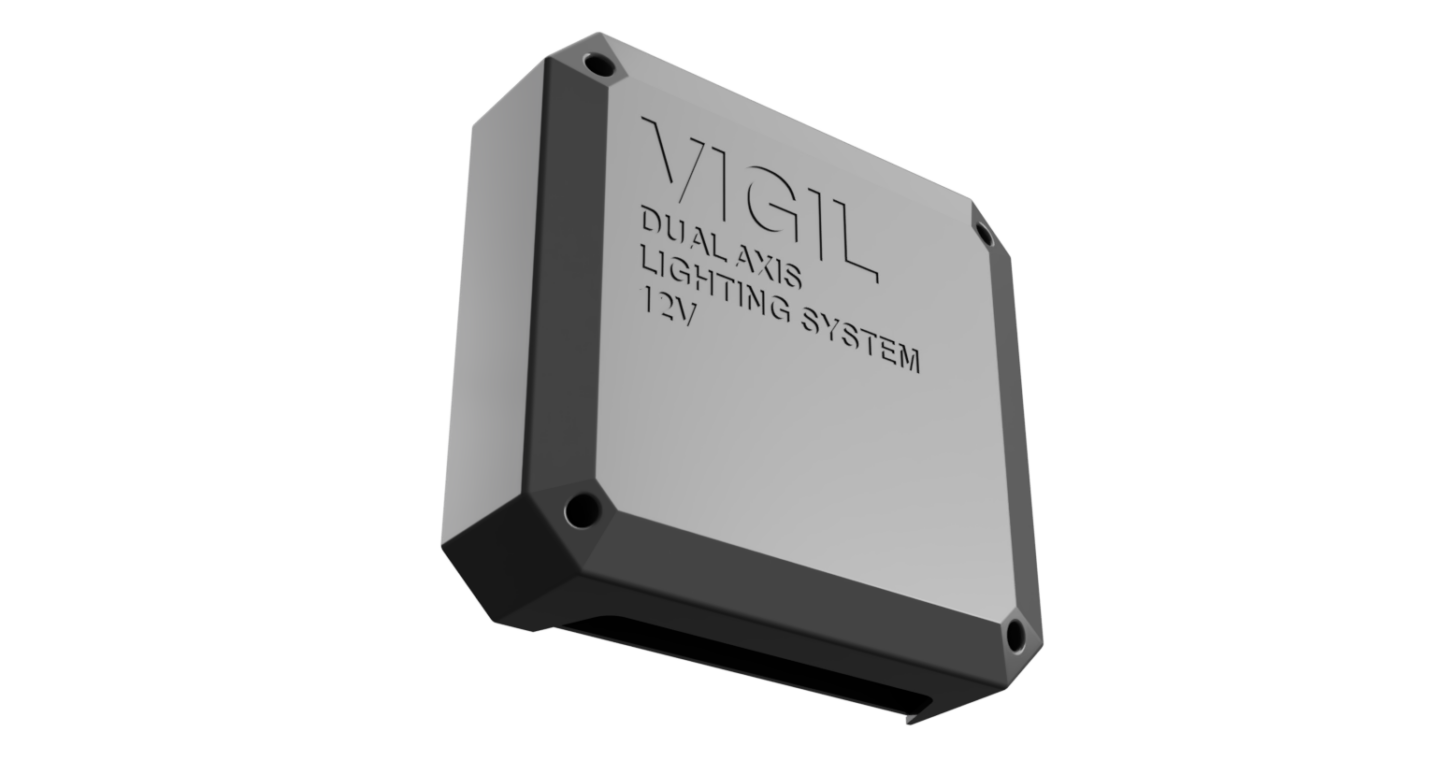
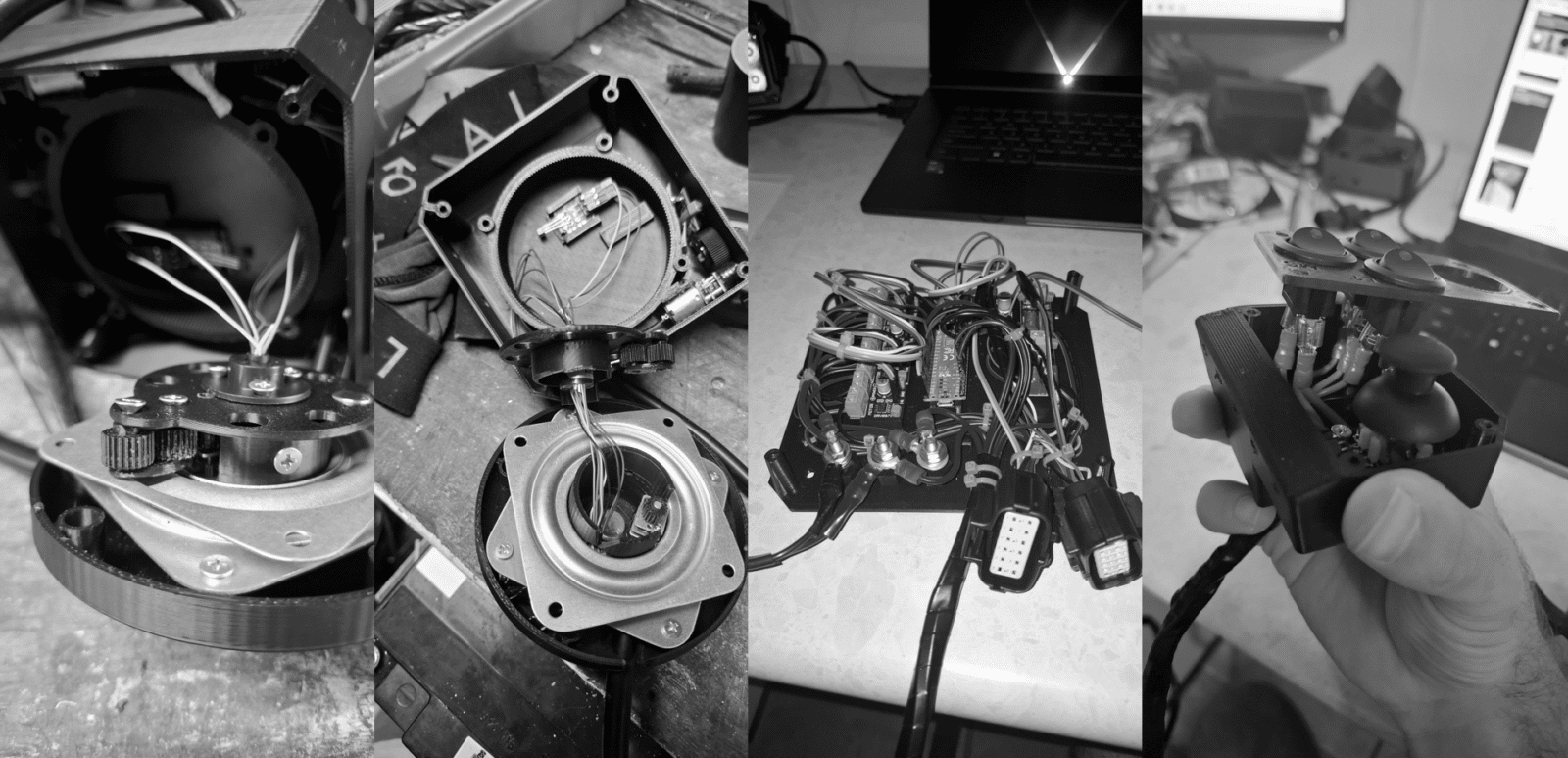
The project progressed from CAD development into physical prototyping, allowing the mechanical and electronic systems to be assembled and evaluated. PETG components were 3D printed to test the geometry, fit and functionality of the design.

The electronic system was developed to translate simple driver inputs into controlled mechanical movement. At its core is a Raspberry Pi Pico RP2040 microcontroller, which processes joystick inputs and button commands before communicating with the motor drivers and light switching circuits, a 12V vehicle supply powers the lighting and motor systems

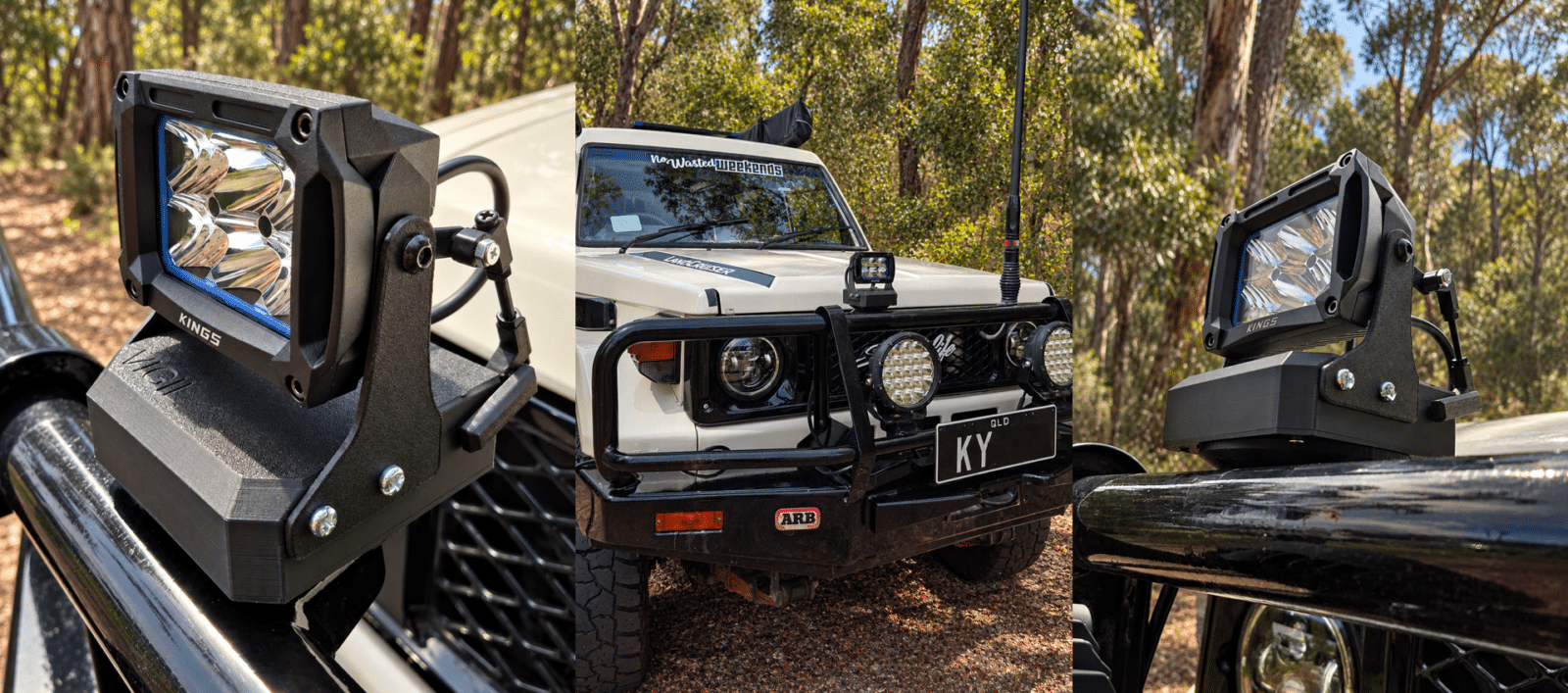
The resulting prototype demonstrates the integration of the mechanical, electrical and control systems into a functional proof of concept.

VIGIL demonstrates how mechanical design, electronics and user interaction can be integrated to address a practical limitation in existing vehicle lighting systems.

Kynan Bruce

Kynan Bruce is a Mechanical Engineering and Industrial Design student at QUT, driven by a passion for innovation, problem solving and design development. He combines technical engineering knowledge with concept thinking to turn ideas into practical solutions, with a particular interest in automotive technology, mechanical systems and hands on prototyping.

Vote For This Project

"*" indicates required fields

This field is for validation purposes and should be left unchanged.
This field is hidden when viewing the form
Project