Industrial - Bachelor

VERSA | Handheld Camera Support

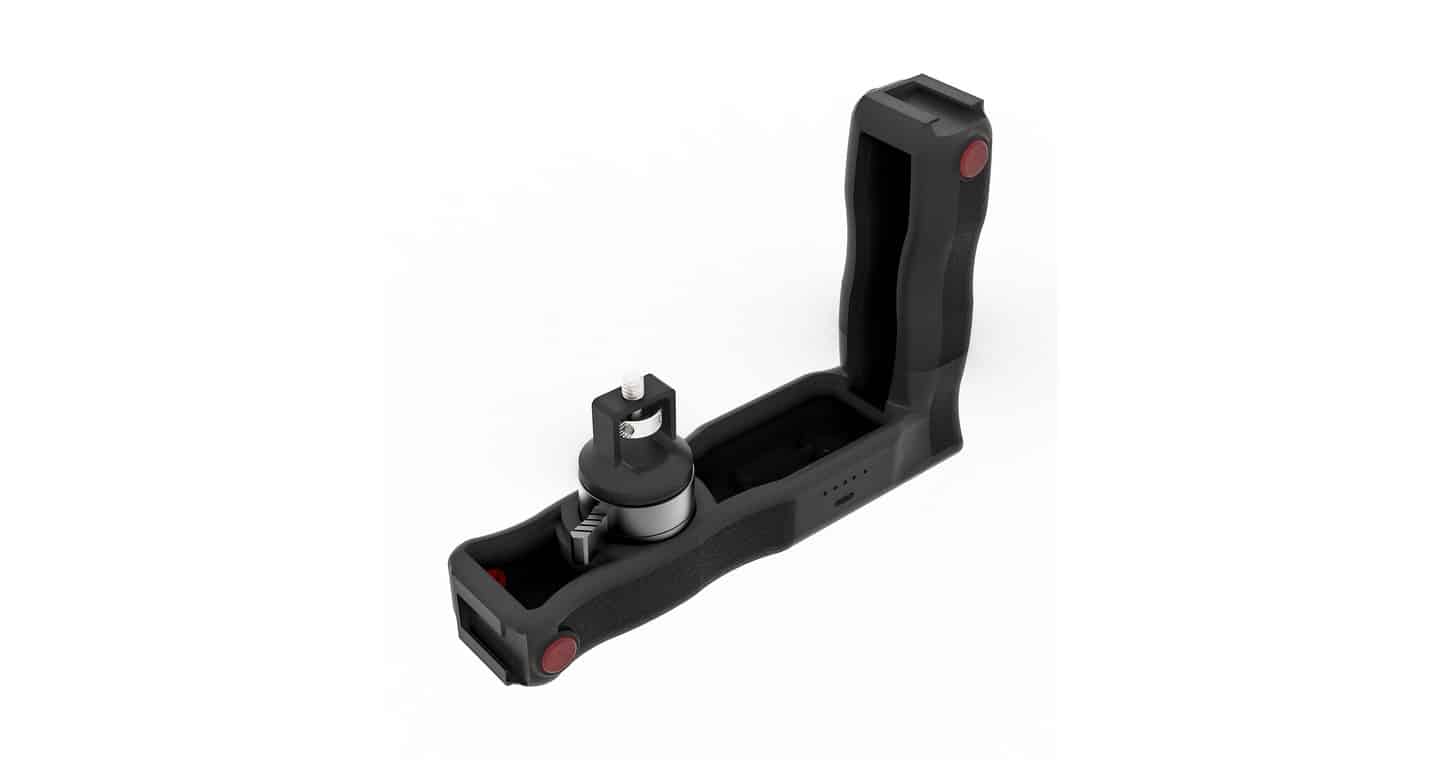
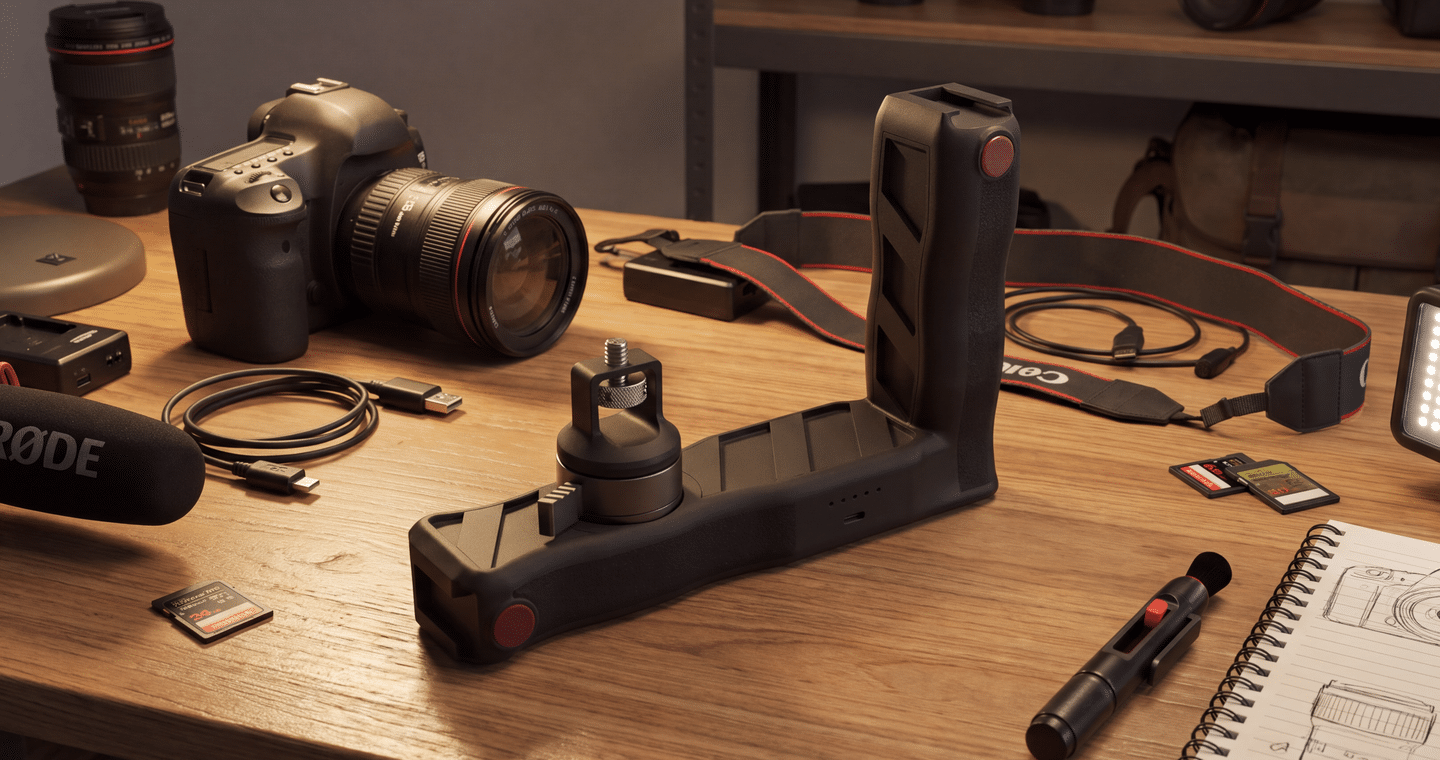
VERSA is a handheld camera grip for photographers with limited physical dexterity. It screws into any camera’s standard thread and lets the camera rotate between landscape and vertical while the hands stay in the same supported position. A second grip and shutter button let users share the load between hands during long shoots.

Photography is physical work

Raising a camera, holding it still and pressing a two stage shutter is demanding when repeated for hours. It gets harder with arthritis, tremor and age. 18% of Australians live with a disability, and 1 in 5 of those people report difficulty gripping or holding things (AIHW, 2024). None of the nine photographers with a hand condition in this study felt cameras are designed for hands like theirs.

Landscape to vertical

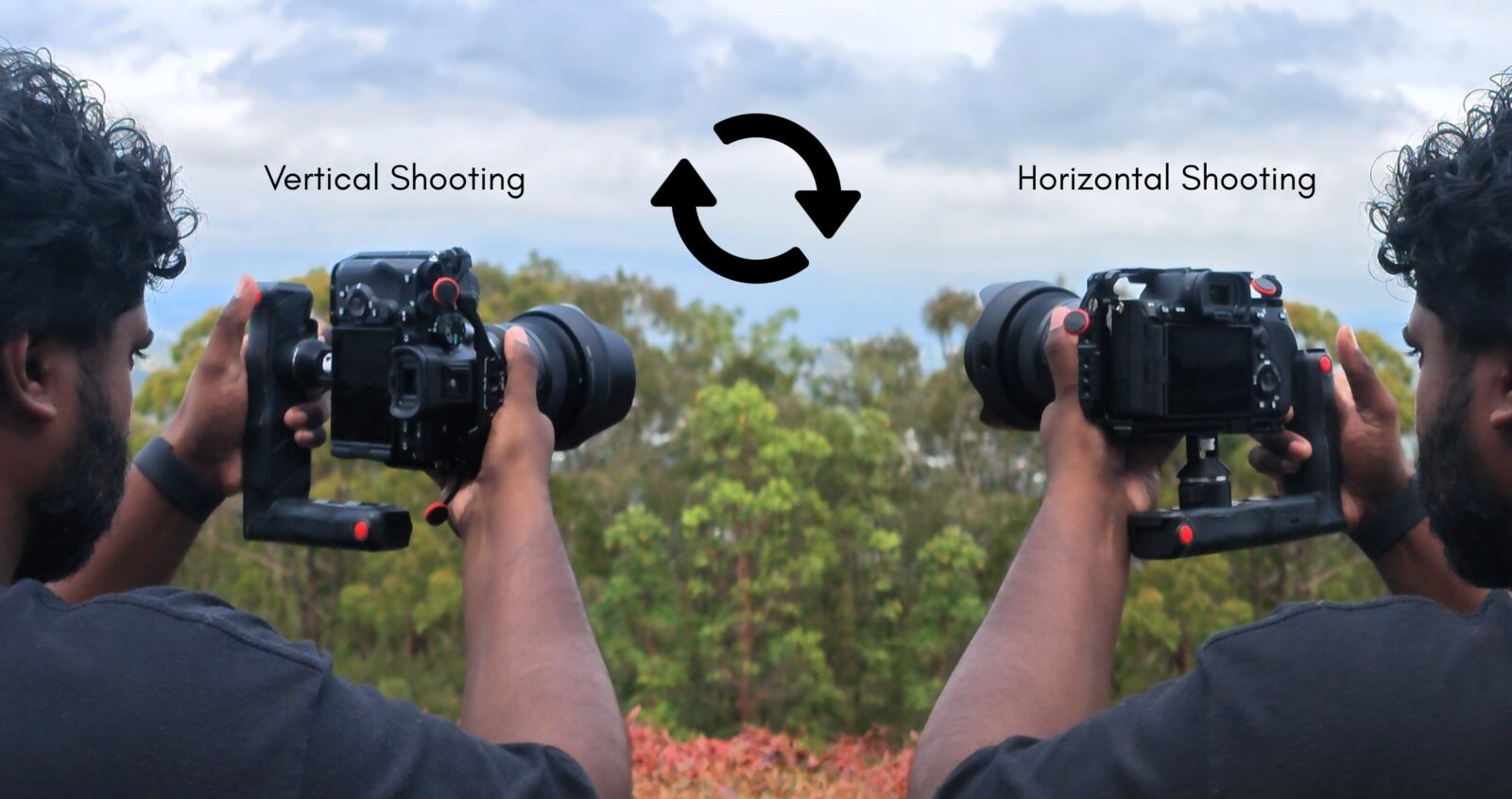
A photographer holds a camera on the VERSA prototype in vertical on the left and horizontal on the right, with arrows showing the camera rotating between the two while the hands stay in place.

The working prototype in the field. The camera rotates between horizontal and vertical on the mount, while both hands stay on the same two grips with a shutter button under each thumb.

Research

VERSA is built on an anonymous survey of 23 photographers, five semi structured interviews with camera handling observations, and a benchmark of 20 existing products. Photo quality drops early, with 8 of 13 saying their photos get worse at or before the point they feel tired. Support comes too late, as only 3 of 23 reach for support gear and most change their grip or posture instead. None of those with a hand condition could confidently shoot one handed, compared with 8 of 13 without. In the benchmark, the three products built for hand impairment scored lowest.

“It comes down to how much vertical I’m doing, way more vertical these days.”

Interview participant, VERSA research
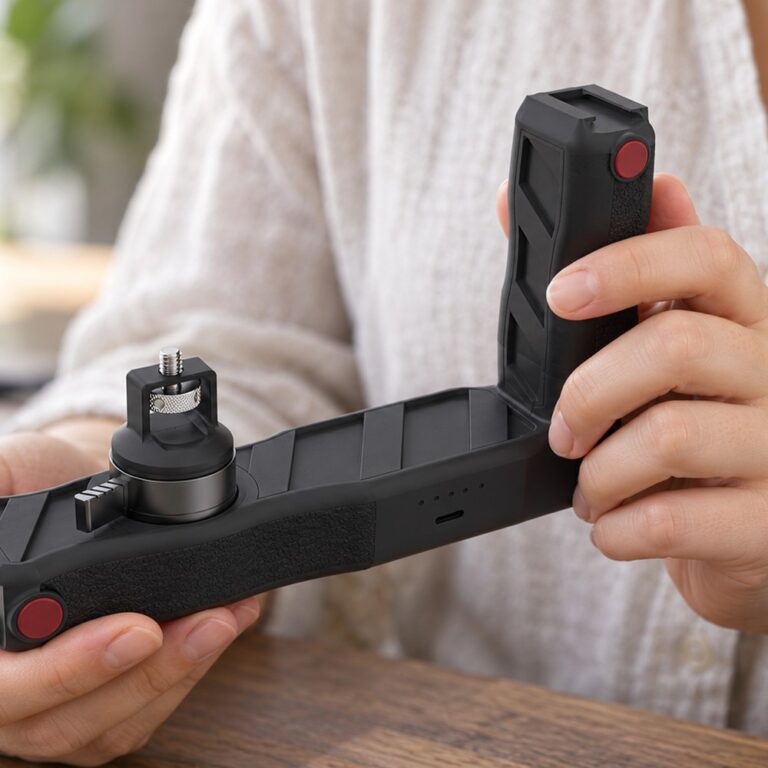
Two hands hold the VERSA grip, one on the vertical handle and one on the base, with a camera on the table behind.

The key insight

Cameras are designed to be held in landscape, with the grip, shutter and controls all placed for a horizontal hold. Social media now asks for vertical, and one interviewee summed it up simply when they said they are doing way more vertical these days. Turned on its side, the camera lifts the shutter hand and leaves the wrist rotated and unsupported. For a photographer with arthritis, tremor or reduced grip strength, that position becomes painful quickly. VERSA was designed around this moment, so switching to vertical no longer means changing how the hands hold the weight.
Name
VERSA Research Report
File Type
application
File Size
1 B
Download File

Design development

Nine design requirements guided every decision, from reducing fatigue and supporting vertical shooting to looking like camera gear and fitting cameras photographers already own. Five initial concepts explored grips, rings, supports and cages. The cage from Concept 5 became a single base that screws into the standard 1/4 inch thread, so VERSA fits any camera. The rotating mount from Concept 2 was kept but rehoused, so the camera turns while the hands stay still. A second grip and shutter button on the base give two load positions.

VERSA

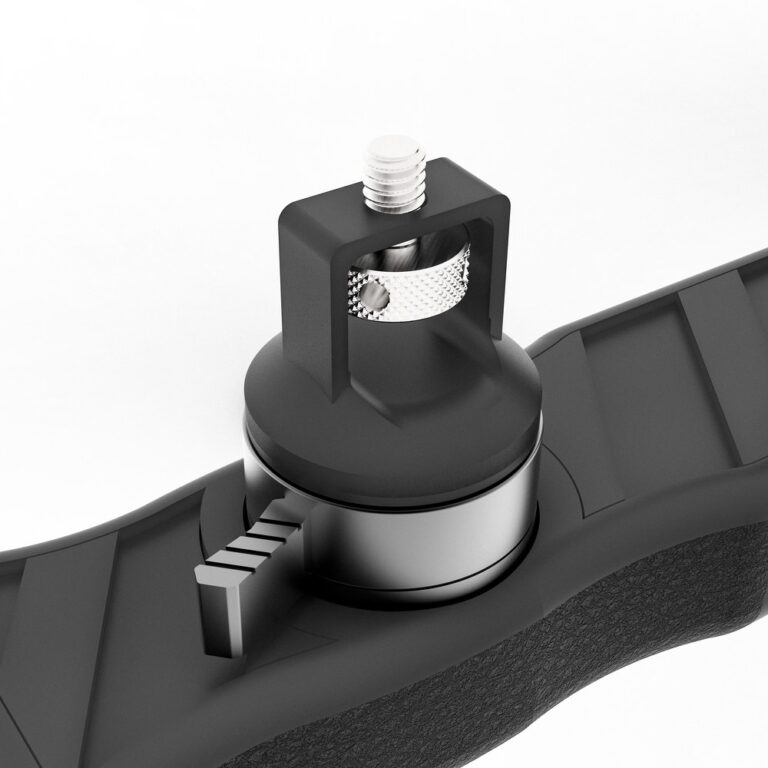
Close up of the VERSA rotating mount with its locking tab and silver camera screw.

Rotating mount

The camera turns, the wrist does not. VERSA rehouses an aluminium rotating mount inside its base, so the photographer can release the lock and rotate the camera from landscape to vertical in one movement. Both hands stay in the same supported position the whole time, with no need to lift the elbow or twist the wrist to reach the shutter. This directly answers the key insight from the research, where vertical shooting was found to load the wrist in a rotated and unsupported position.
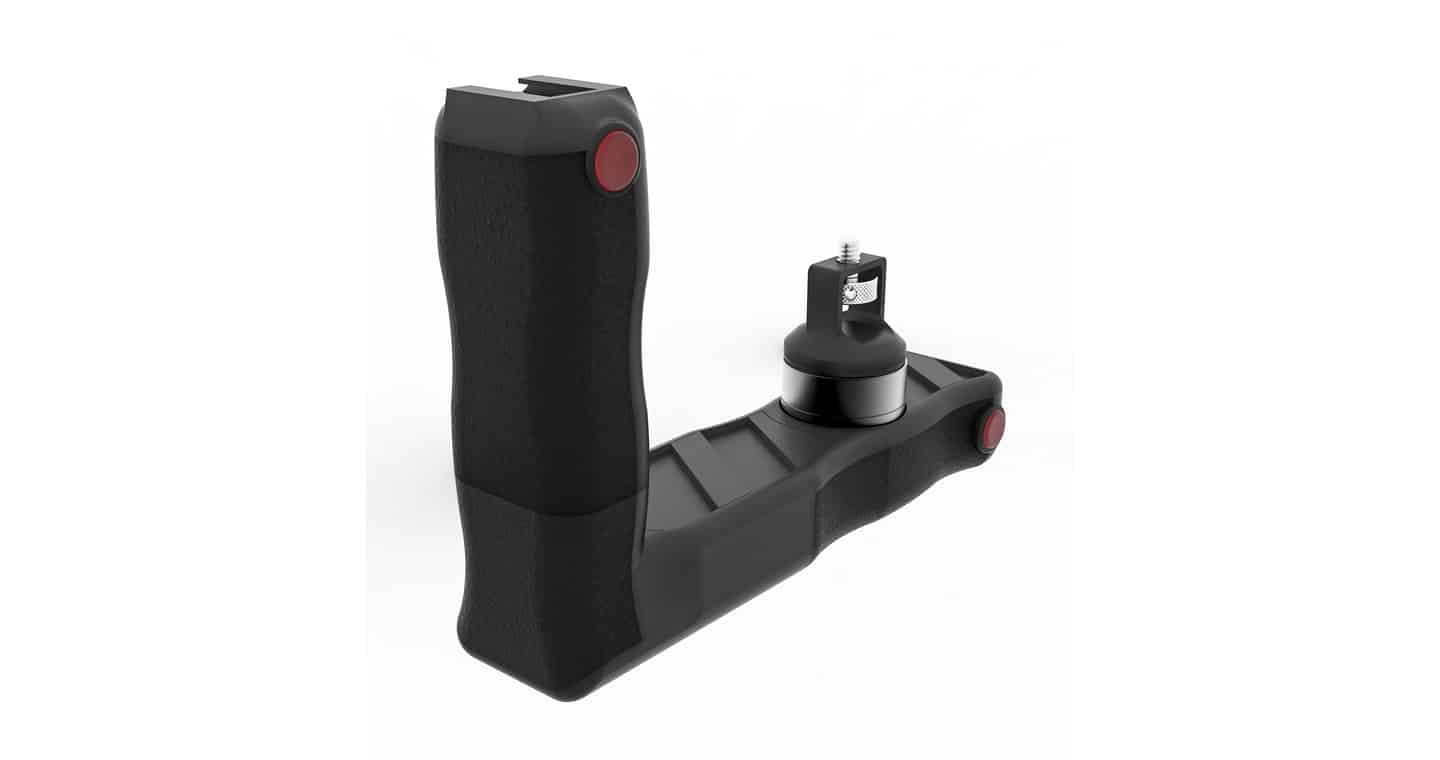
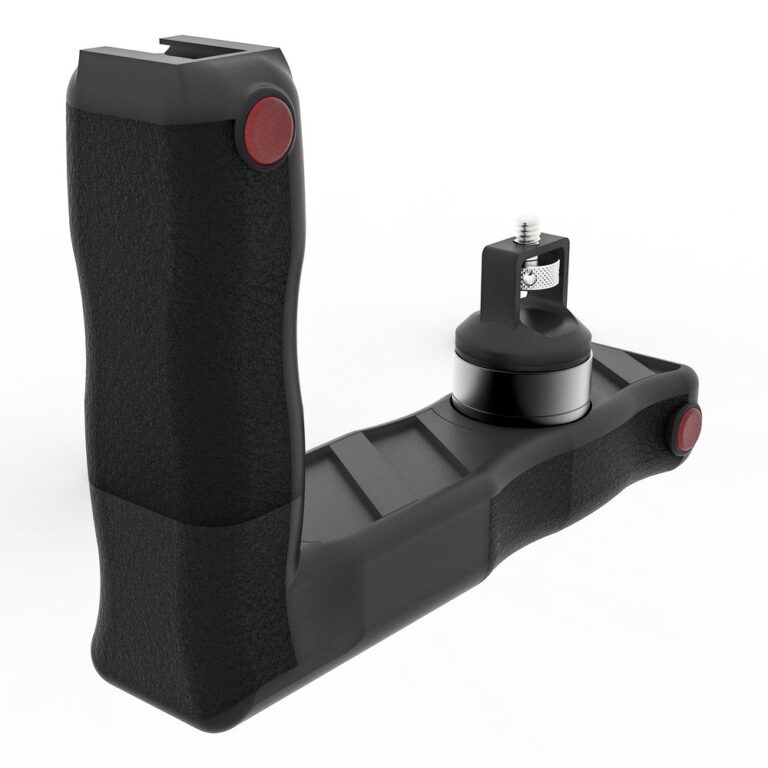
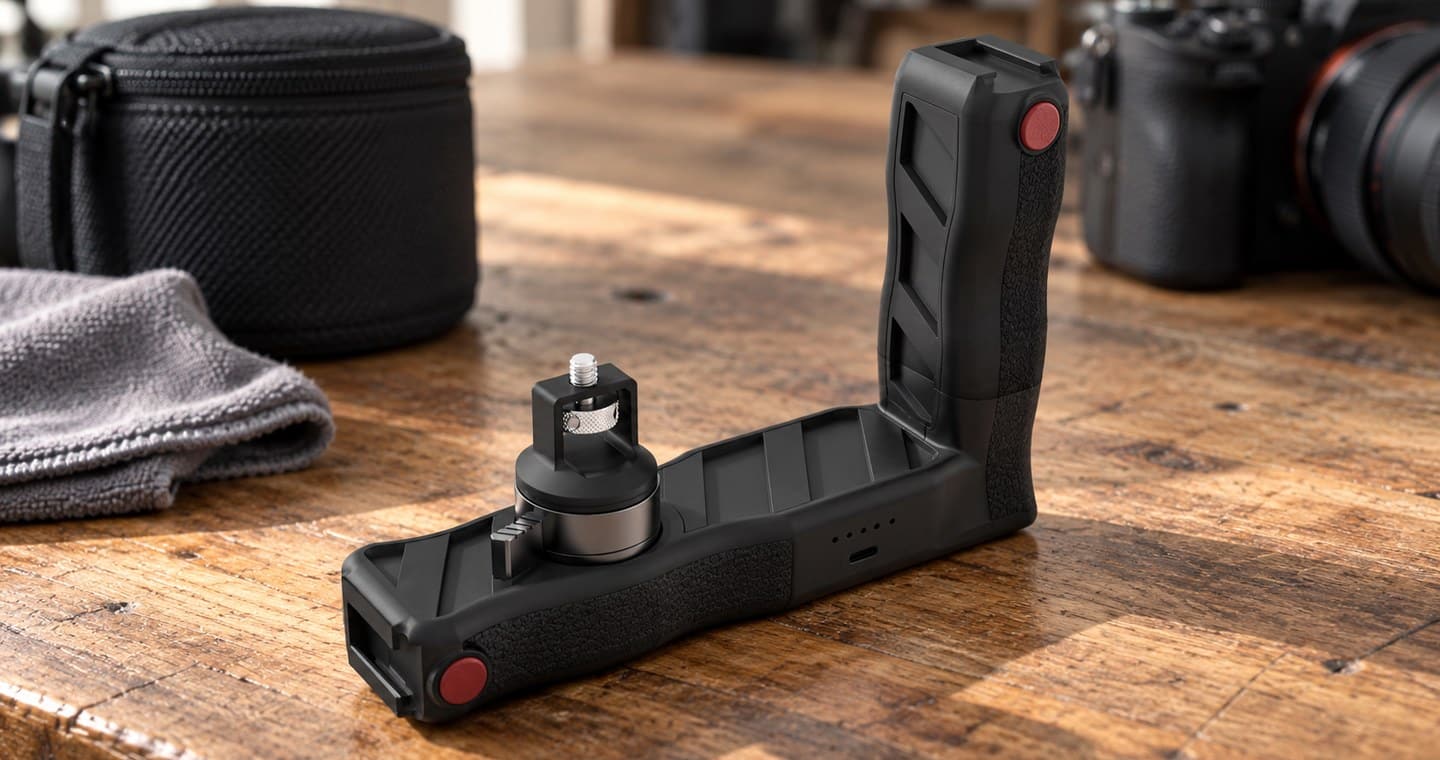
The VERSA grip standing upright, showing the vertical handle and base grip, each with a red shutter button.

Two grips and two shutters

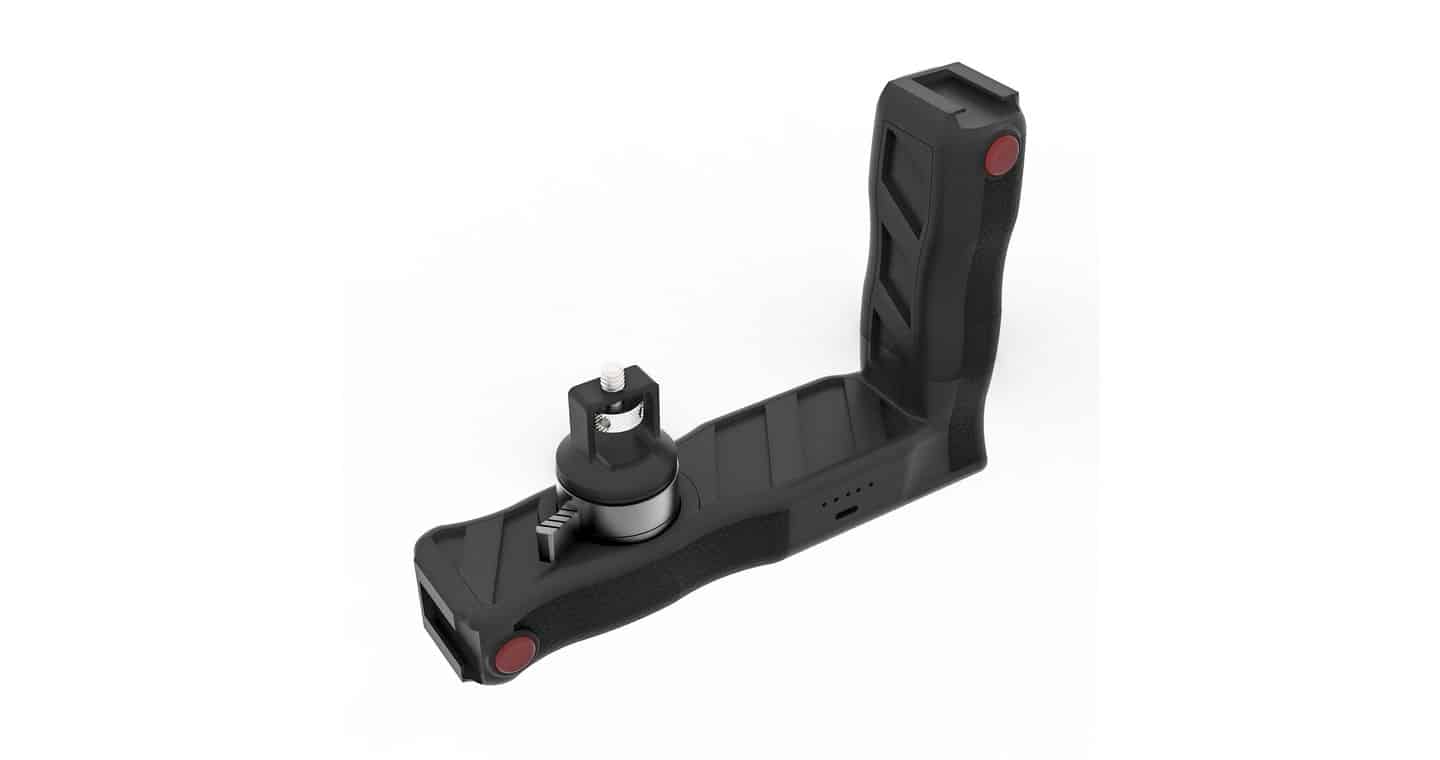
A vertical handle and a horizontal base grip each carry their own red shutter button. In landscape, the right hand sits on the handle with the thumb resting on the shutter. As fatigue builds, the left hand can take the weight and fire from the base button instead. Spreading the load across two hands and two positions reduces reliance on grip strength and the sustained physical load of holding a camera through a long shoot. It also means VERSA works for either hand.
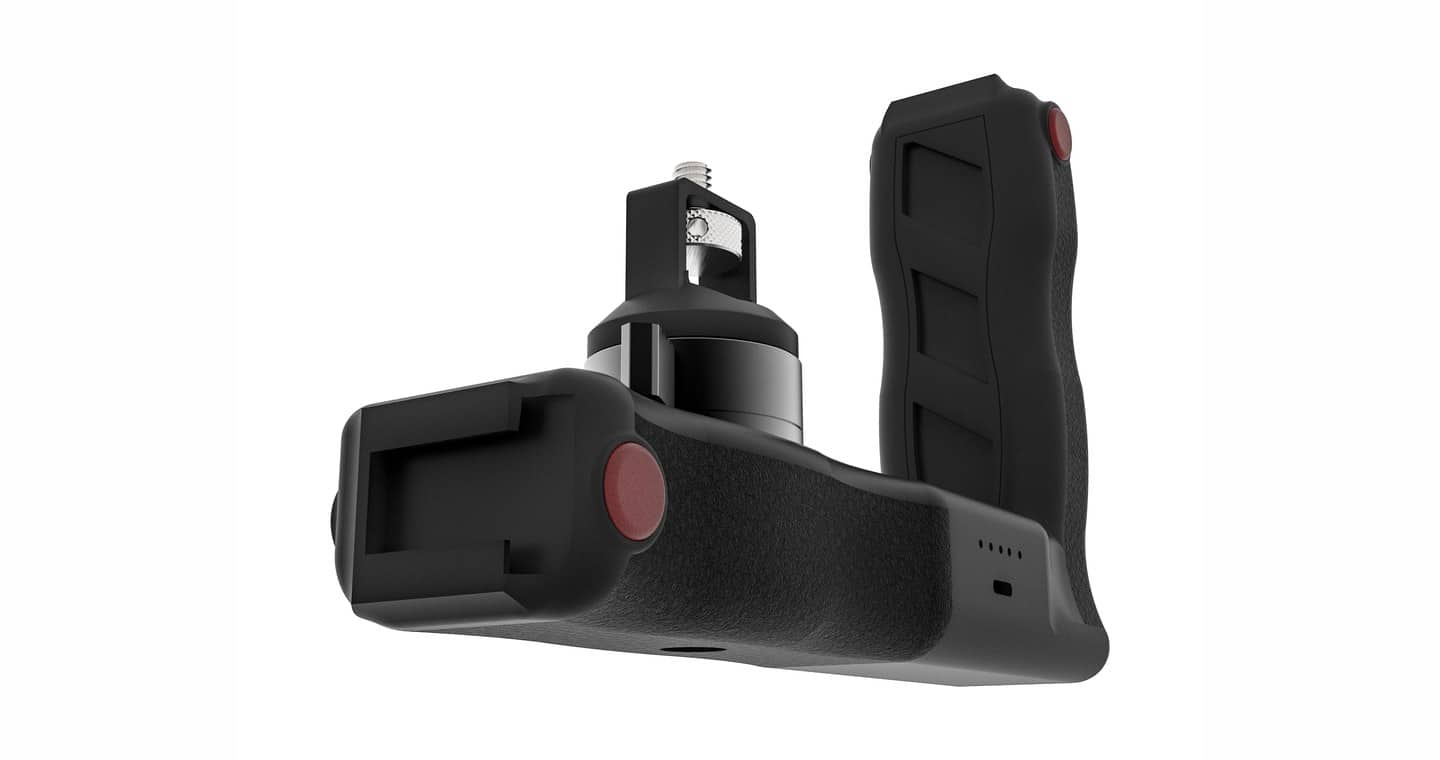
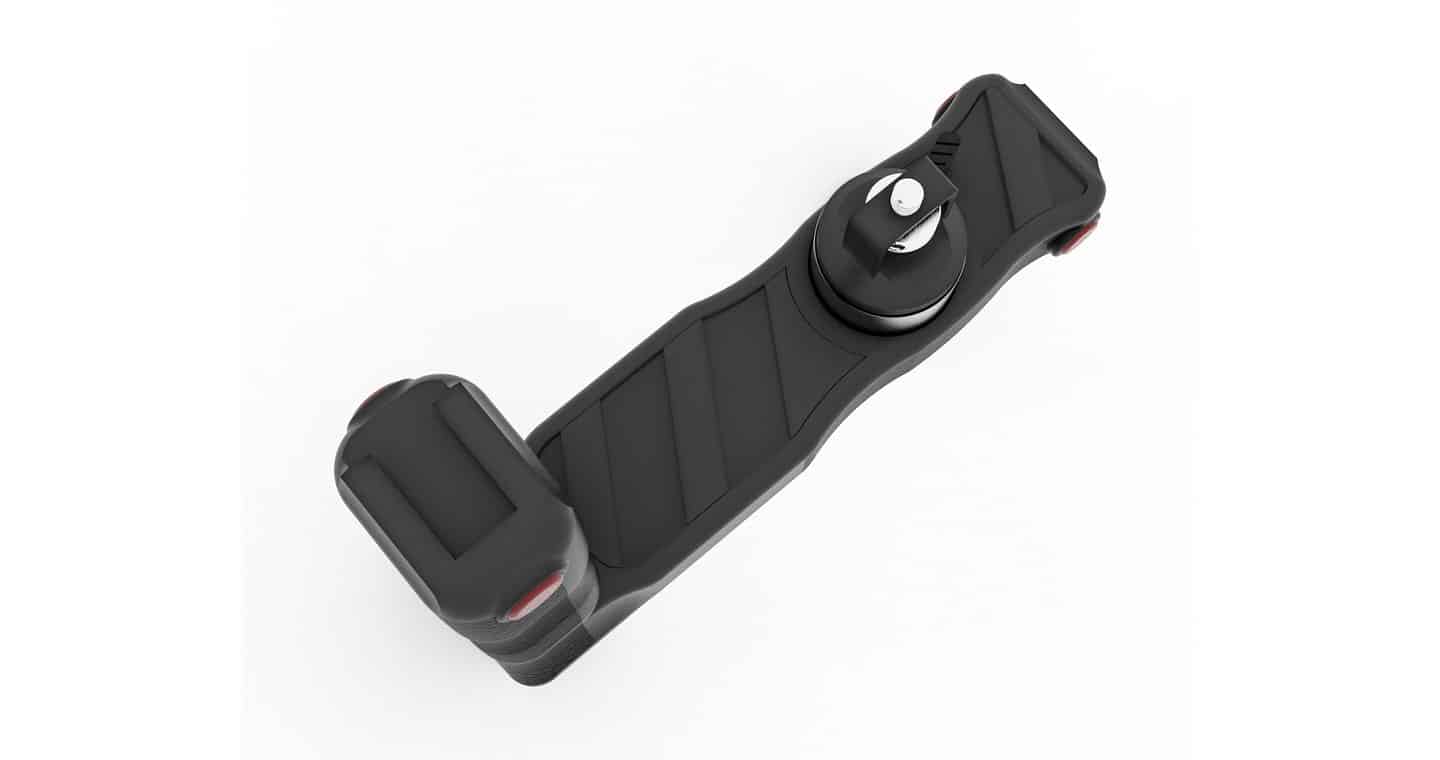
The VERSA base and handle in matte black with a pebble texture and a red shutter button.

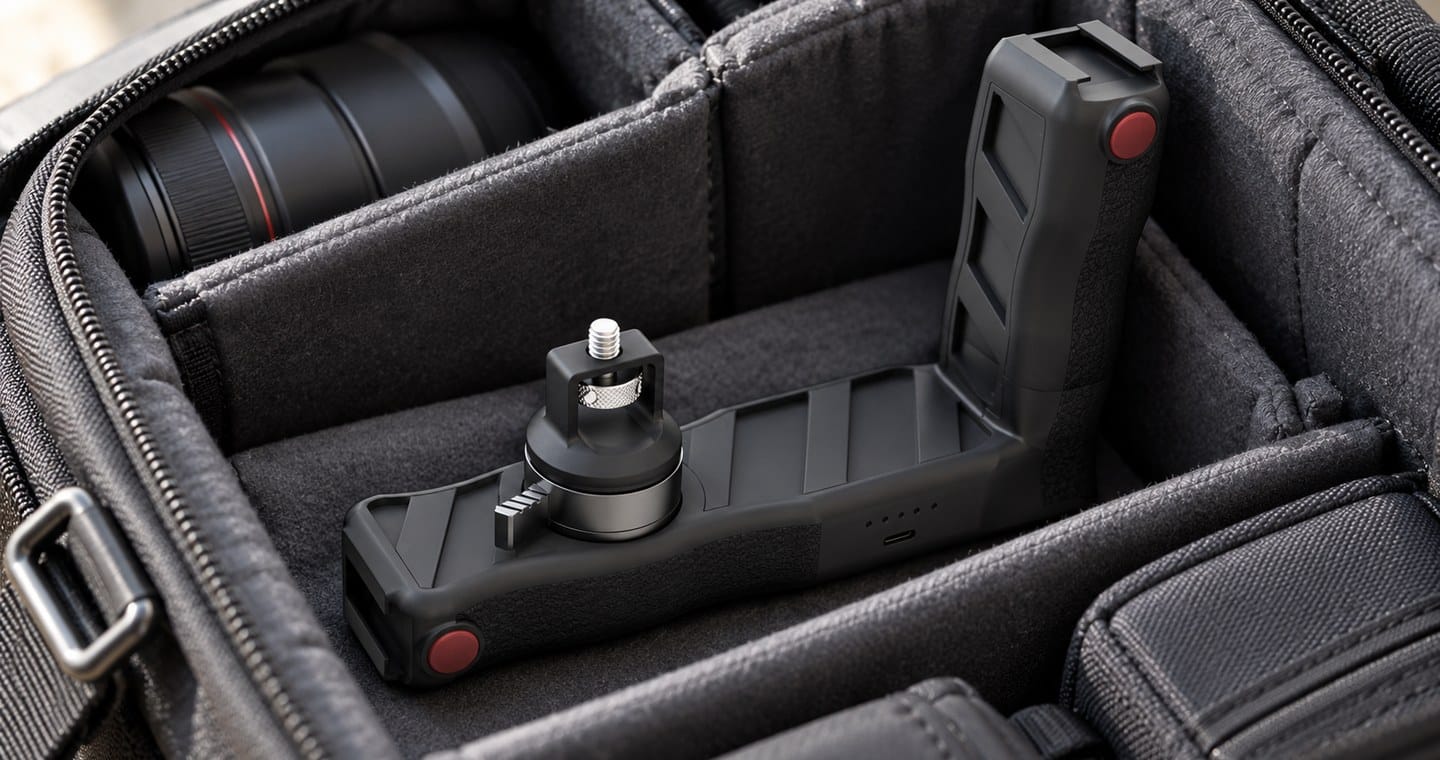
Looks like camera gear

Matte black PC ABS, pebble textured TPE grips and red accents mean VERSA reads as camera equipment, not a medical aid. It packs into a normal camera bag and sits naturally alongside other gear. This matters to the people it was designed for. 13 of 23 photographers surveyed said they would pay $150 more for an accessory that looks like camera gear, while the three products in the benchmark built specifically for hand impairment scored lowest overall.
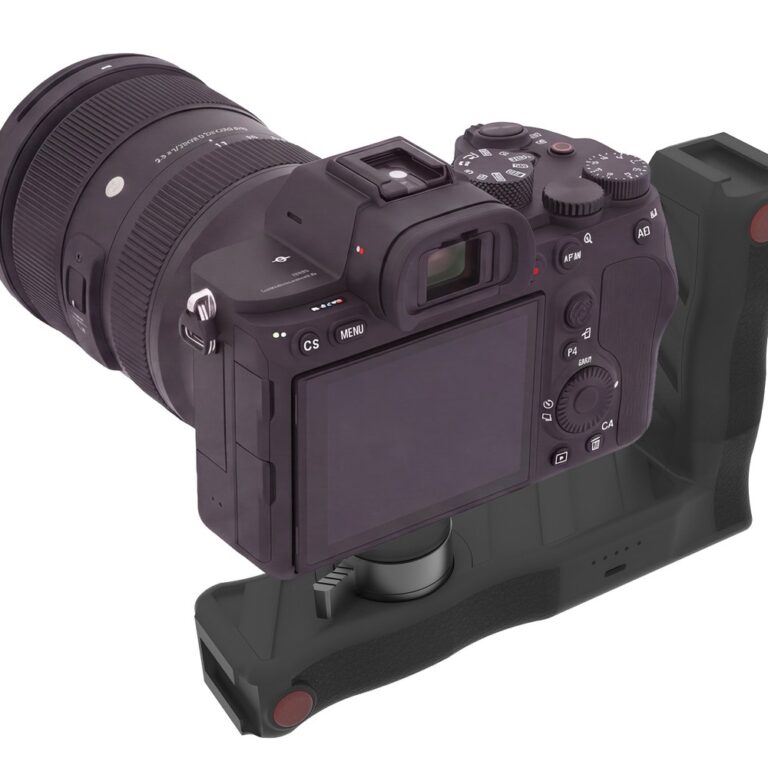
A mirrorless camera mounted on the VERSA grip, seen from behind.

Fits the camera you own

VERSA attaches through the standard 1/4 inch thread found on almost every camera, so photographers can keep using the camera they already own and already know. Two cold shoe mounts on the grip take the lights and microphones that content creators rely on, without adding a separate cage or rig. Keeping the system simple also keeps the added weight low, so VERSA supports the hands without creating another significant load to carry through the day.
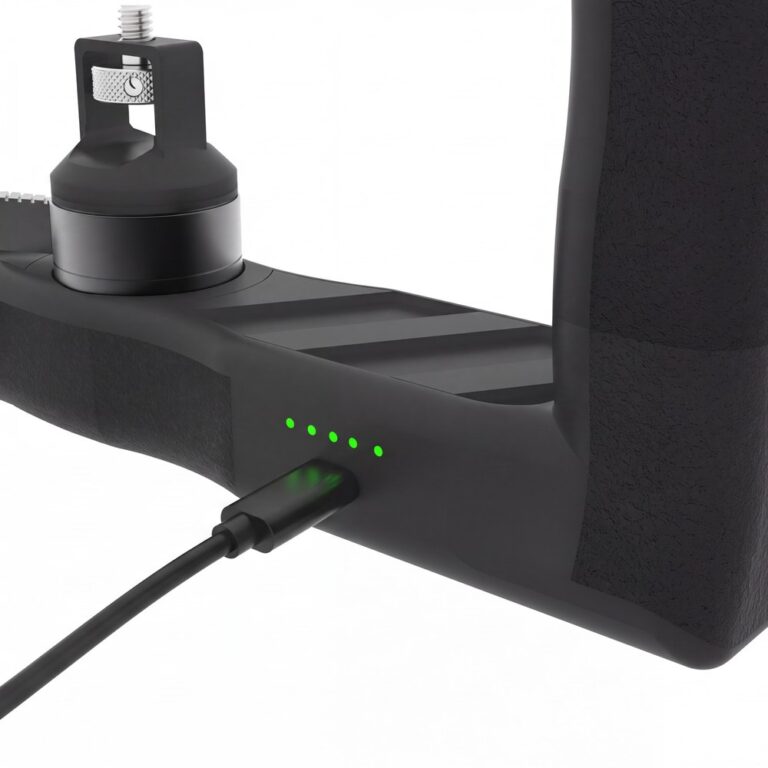
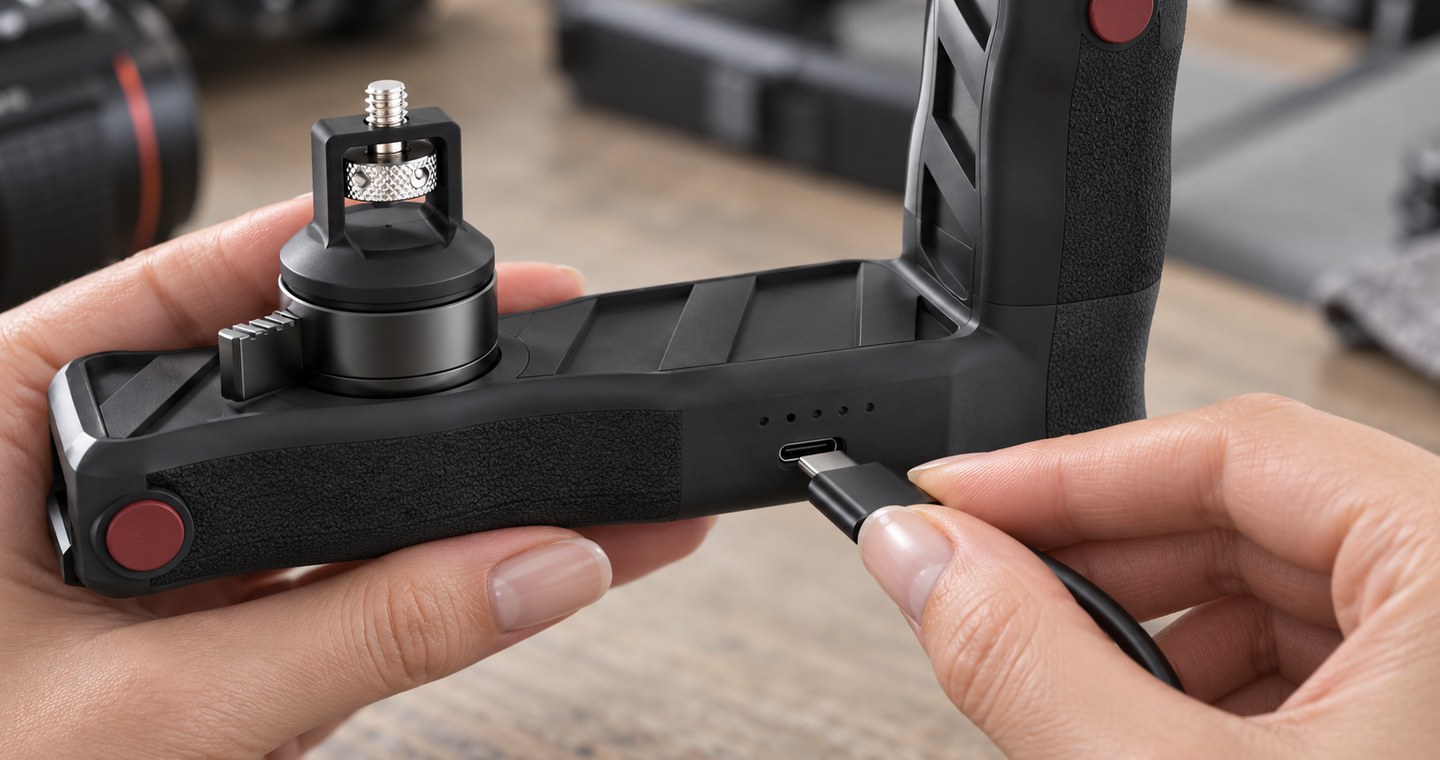
The VERSA grip charging through a USB C cable, with five green lights glowing on the base.

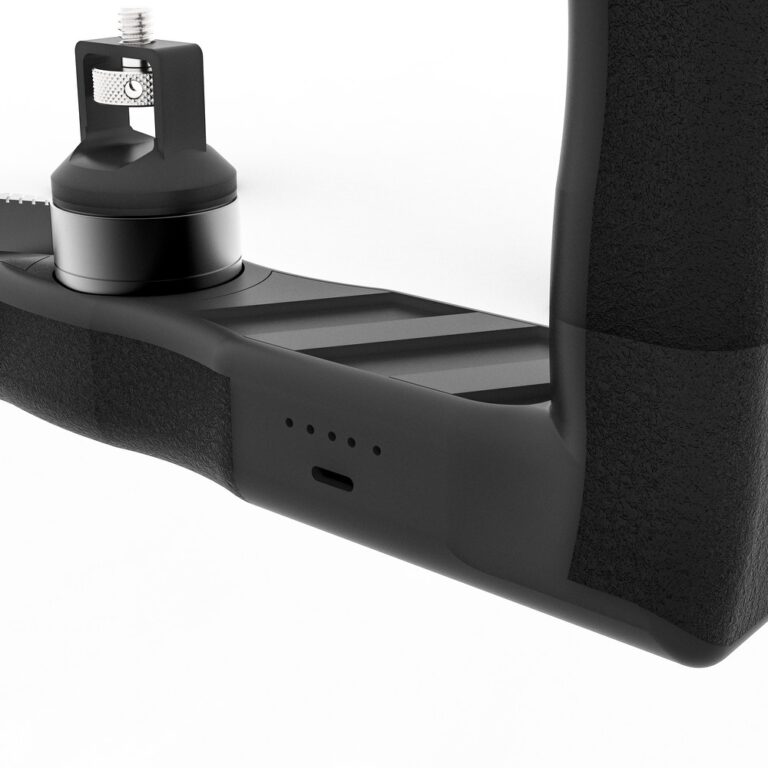
USB C charging

A built in battery powers the four shutter buttons, which connect to the camera over Bluetooth. It charges through a USB C port on the base, using the same cable photographers already carry for their other gear. A five light battery gauge sits next to the port, so the charge can be checked at a glance before heading out. Charging is done once before the shoot, which keeps VERSA ready to use from the first frame to hour three.

VERSA in use

In context images were created with AI assistance.

Exploded view

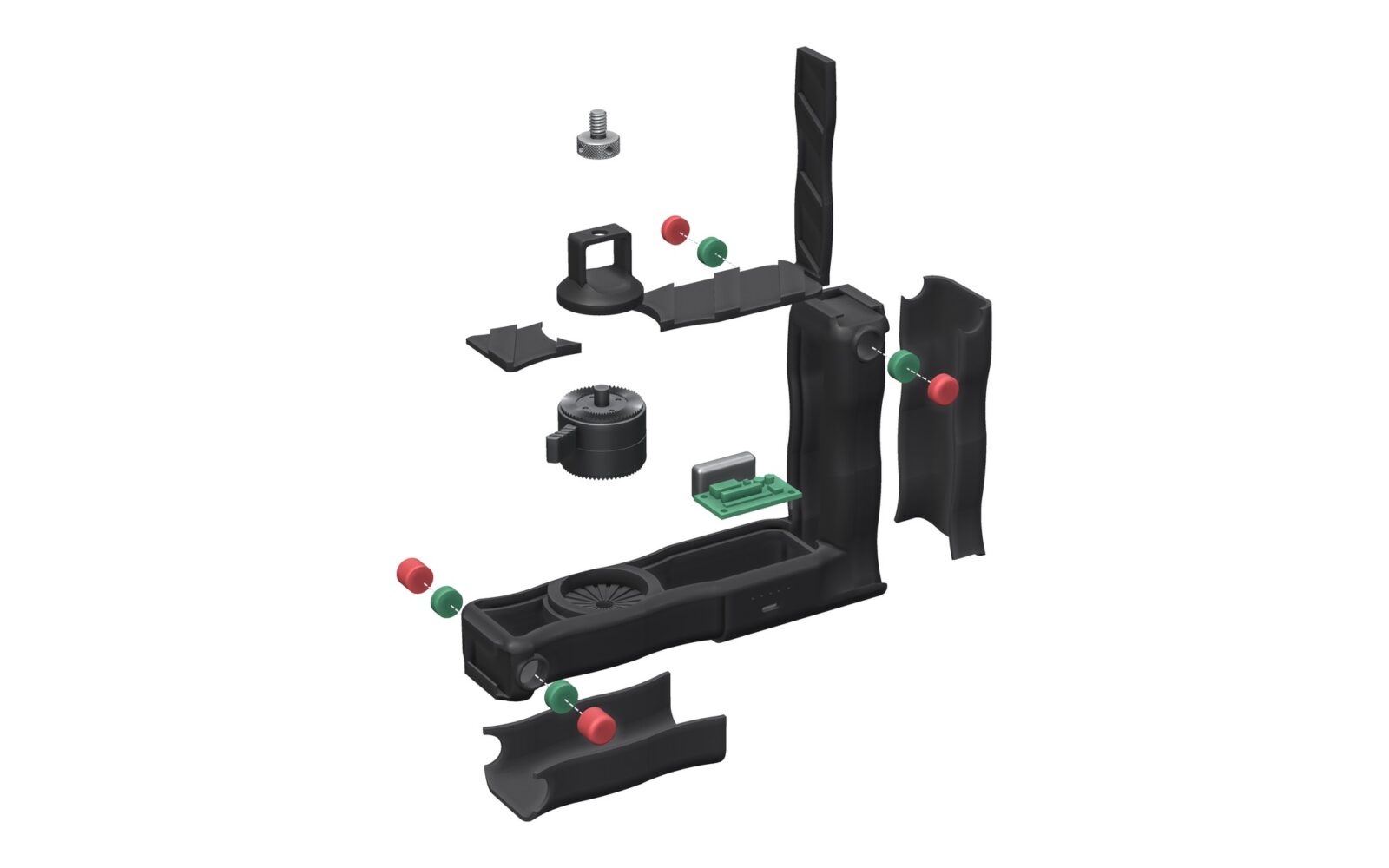
VERSA is made from thirteen parts. A 3D printed PC ABS body and covers house the electronics, with pebble textured TPE sleeves wrapping both grips. Four silicone shutter buttons sit over their switches, wired to a Bluetooth PCB, Li ion battery and USB C port in the base. An off the shelf aluminium rotating mount carries the mount head and stainless thumbscrew. The estimated cost is $85, keeping VERSA affordable and realistically obtainable for photographers.

Exploded view of VERSA showing the thumbscrew, mount head, rotating mount, circuit board and battery, shutter buttons and switches, grip sleeves and main body.

Edwin Joe

Edwin is a graduating Industrial Design student at QUT with a focus on ergonomics and inclusive design. He believes good products should adapt to the people using them, and he brings a background in photography and videography to how he researches, models and presents every design.

Vote For This Project

"*" indicates required fields

This field is for validation purposes and should be left unchanged.
This field is hidden when viewing the form
Project