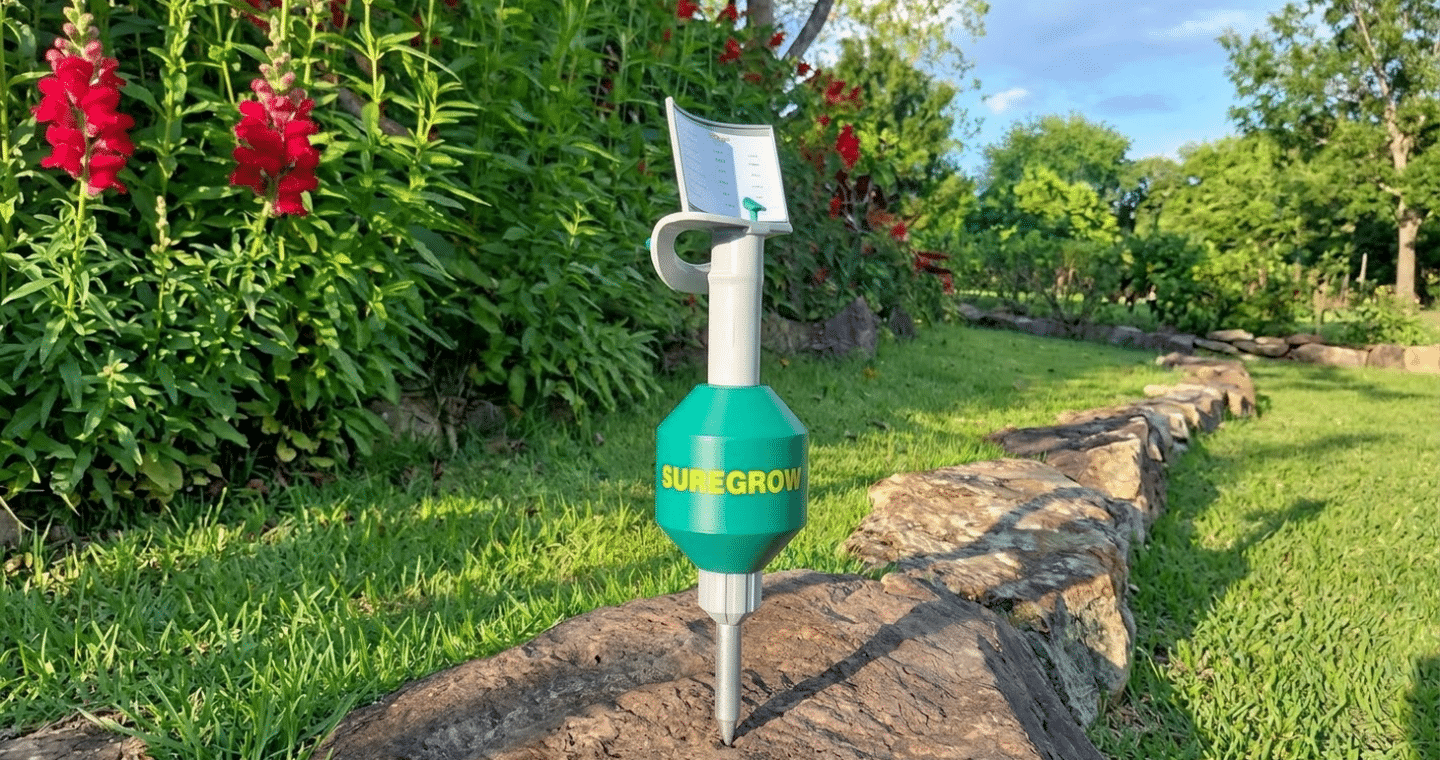
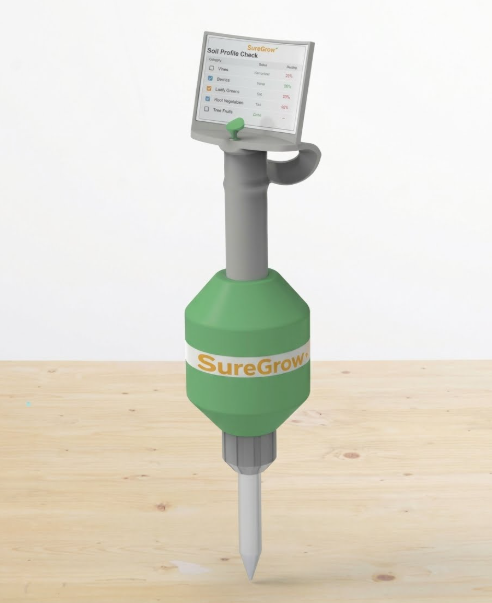
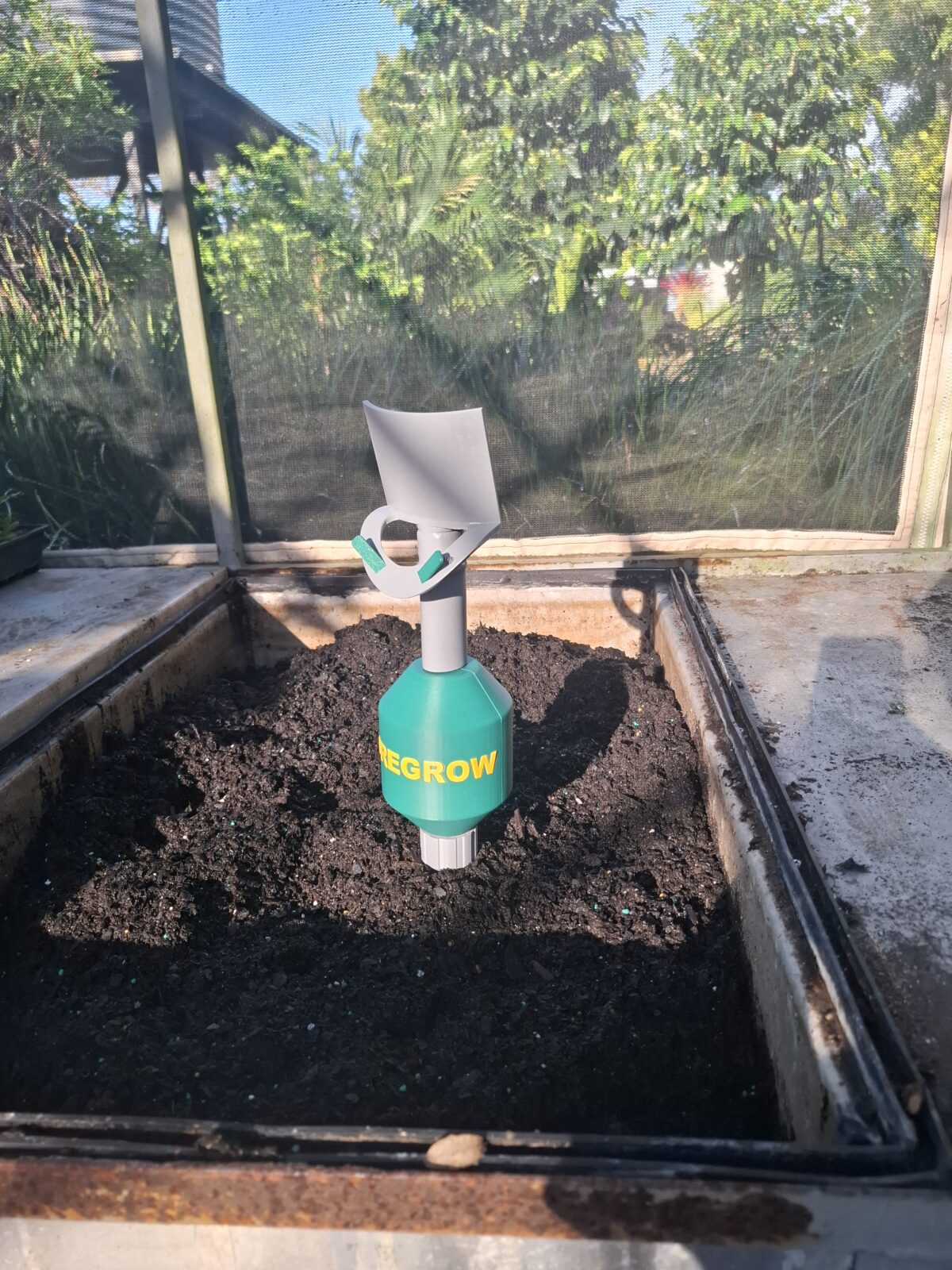
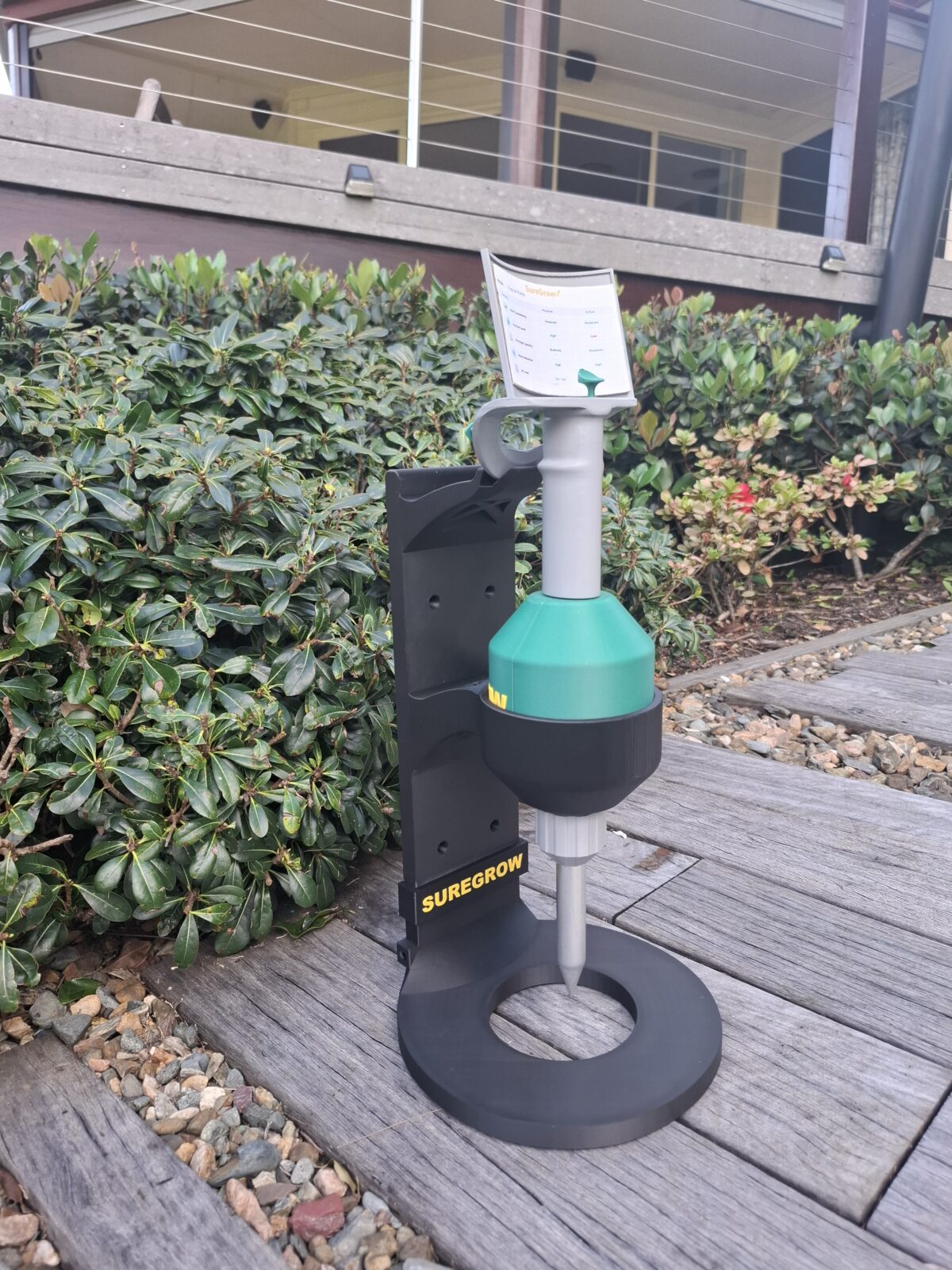
SUREGROW is a smart propagation media tester designed to improve plant success rates in Wholesale Nurseries. By identifying critical growing requirements for a select species, SUREGROW aims to reduce plant loss, minimise waste and improve nursery productivity and sustainability.
Wholesale Nurseries face challenges in consistently monitoring plant health throughout propagation, making it difficult to identify conditions that affect plant success rates. Reliance on visual inspections and inconsistent monitoring can overlook critical factors, particularly root development and growing media quality, leading to plant losses, wasted resources and increased production costs. This project explored how improved propagation monitoring through objective, practical data collection could help increase plant success rates.
Poor propagation outcomes cost nurseries more than plants — they cost time, materials and productivity.
Ron Barrow, (2025)
What is Success Rate
In this context, Success Rate can be defined as the proportion/number of plants that successfully establish or establish following planting or throughout any propagation stage.
(Accentis, 2020).
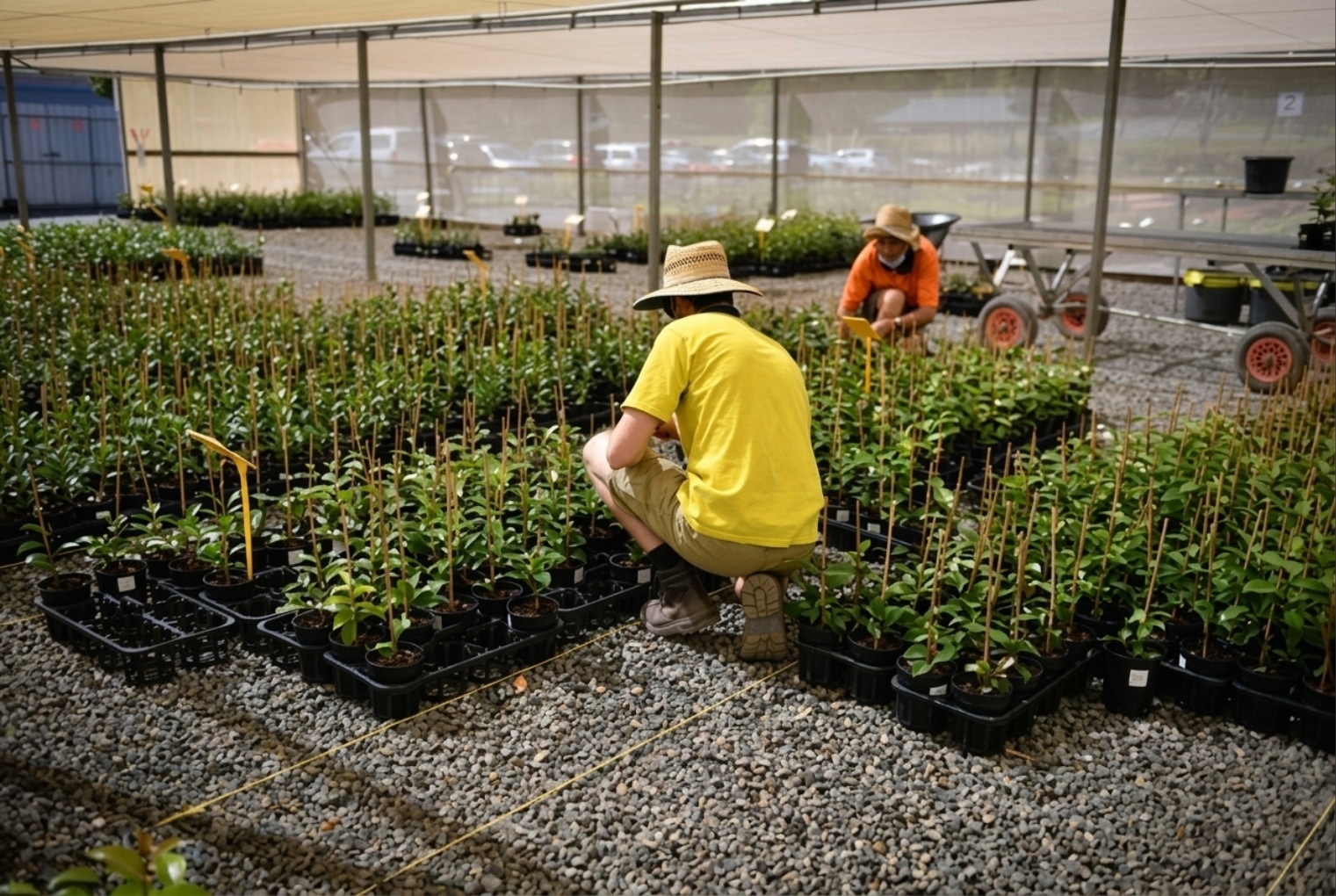
Image: Representation of Visual Monitoring Conducted within Wholesale Nurseries
Traditional nursery propagation relies heavily on visual inspections and inconsistent monitoring methods. As production scales and thousands of plants require ongoing care, identifying the conditions affecting plant success becomes increasingly challenging. Without objective data on the true factors that affect success rate and other critical development factors, nurseries risk overlooking early signs of failure, resulting in plant losses, wasted resources and increased production costs.
How can monitoring techniques and tools throughout wholesale nurseries can be improved to resultingly help improve success rate within the key propagation phases.
Research Question
The Solution
WHat is the Design Solution?
SUREGROW is a smart propagation media tester designed to improve plant success rates in wholesale nurseries. It integrates pH, nutrient and other critical growing media tests to provide objective data and support more informed decisions tailored to specific plant species or genera. By assessing propagation media at the first point of call, SUREGROW helps address critical factors affecting plant success throughout subsequent development stages. SUREGROW aims to reduce plant losses, minimise material waste, and improve overall nursery productivity and sustainability.
How does it work
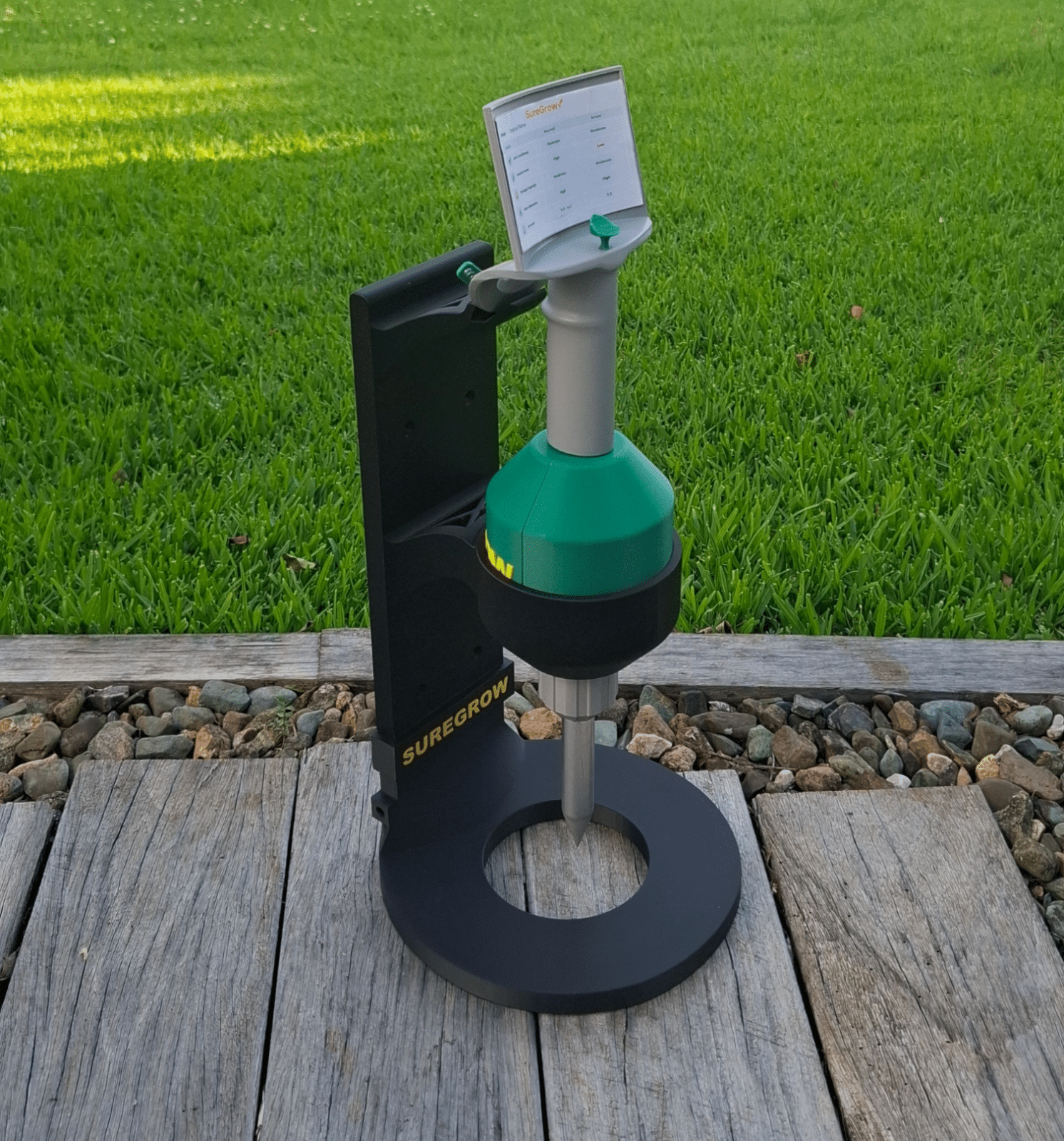
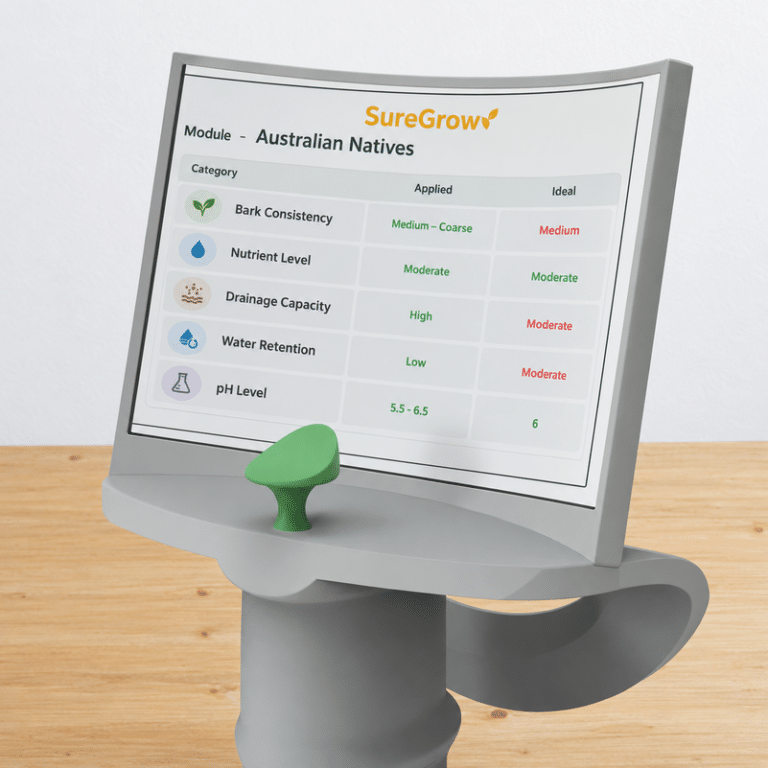
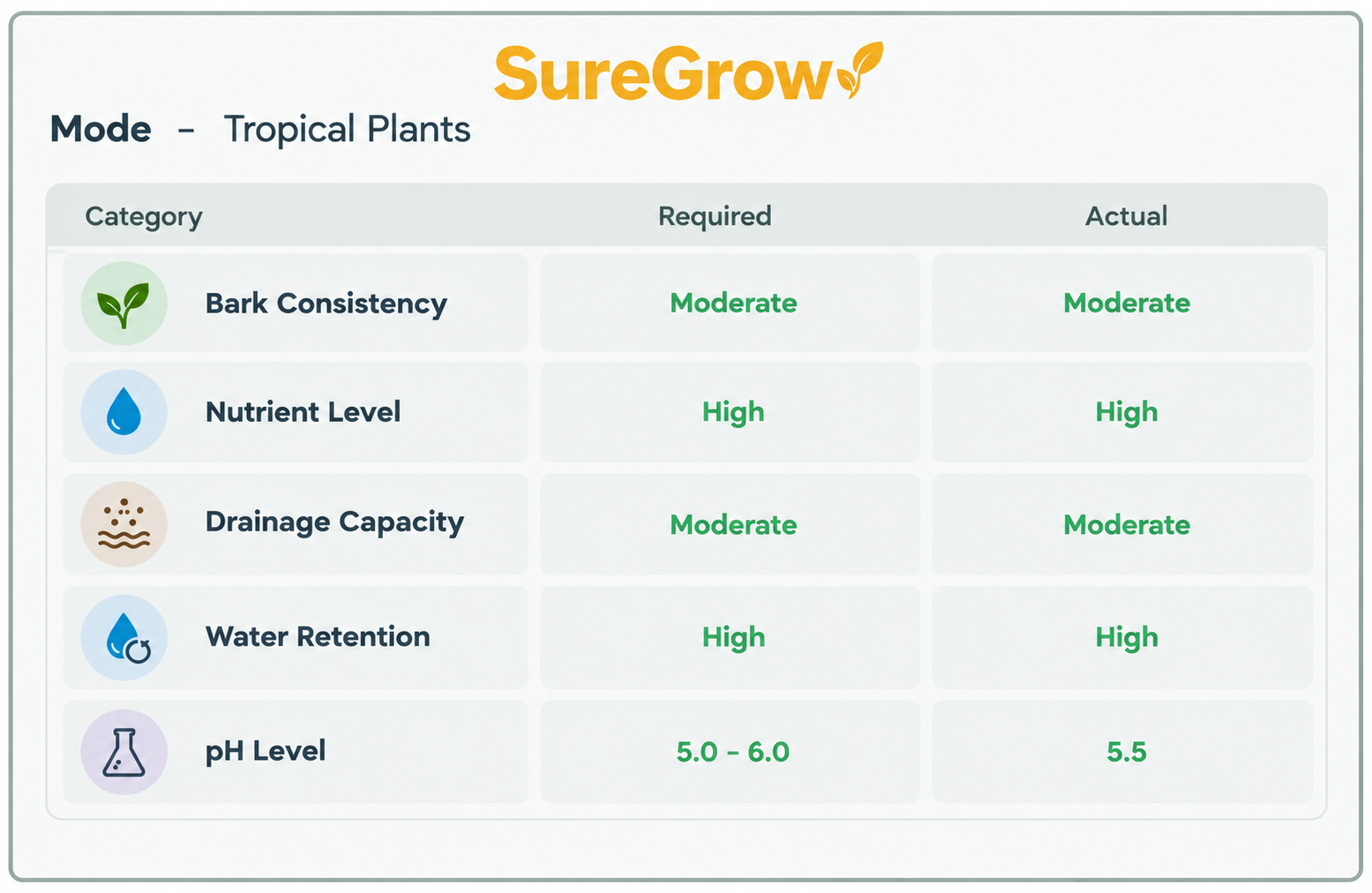
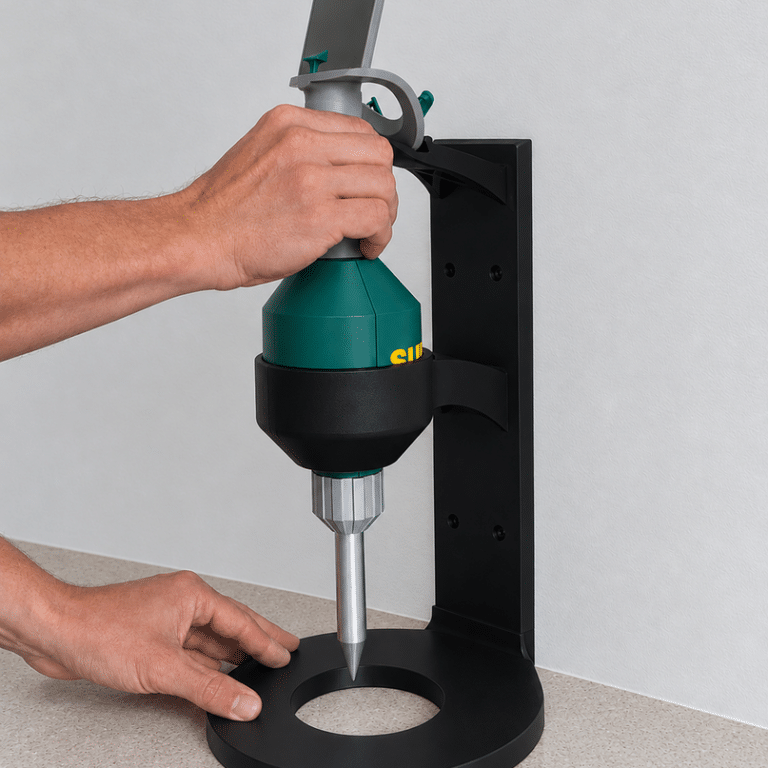
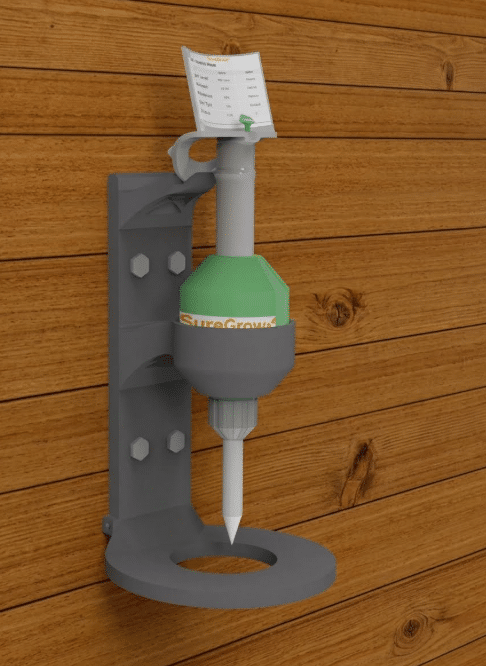
SUREGROW is removed from its charging stand and used to test propagation media through a selected preset or custom plant mode. The screen displays actual measurements alongside the required levels for each category, using colour-coded indicators to highlight any differences. If results do not match the required ranges, the corresponding ingredients are added to the media mixture, which is then mixed and retested until all measurements meet the specified requirements. Once the media is suitable, the collected data is uploaded to the cloud and linked to a specific batch for storage and future analysis. This allows plant development and media conditions to be monitored throughout subsequent nursery stages. SUREGROW is then returned to its stand.
Design Features
Research into wholesale nursery environments identified the importance of creating a monitoring tool that is practical, reliable and suited to everyday working conditions. From handling dirty hands and gloves to testing large quantities of propagation media, SUREGROW needed to simplify existing monitoring processes rather than introduce additional tasks.
These considerations became key design criteria, influencing everything from the tool’s physical construction and user interactions to its charging system and cloud integration.
This section explores how SUREGROW translates research findings and real-world nursery requirements into purposeful design features.
Building a tool designed around the realities of propagation.
Feature 1 – Analogue Thumbstick
The analogue thumbstick provides simple left and right controls, using natural thumb movements for intuitive operation. Its design eliminates the need to interact directly with the screen, accommodating nursery workers who wear gloves or have dirty hands. Moving the thumbstick to the left deletes and clears data visuals from both the screen allowing for a retest to be conducted. Moving it to the right clears the displayed data and visuals from the screen while also sending the collected data to the cloud for storage and future analysis. This provides an efficient way to manage testing results while maintaining a practical, user-friendly interaction suited to the demanding conditions of wholesale nursery environments.
Feature 2 – Digital Screen
The digital screen displays actual media measurements against required levels across five categories: Bark Consistency, Nutrient Level, Drainage Capacity, Water Retention and pH Level. Colour-coded indicators provide clear feedback, with green representing acceptable results and red highlighting areas requiring adjustment. The required column remains green as the reference, while the media is adequately prepared when all actual results are green. SUREGROW includes five preset modes: Tropical Plants, Australian Natives, Arid and Drought-Tolerant Plants, Ornamental Plants, and Vegetable Plants. Additionally, users can upload up to five custom modes through cloud integration, allowing testing requirements to be tailored to specific species or varieties within a genus for more targeted assessment.
Feature 3 – Easy Assessembly and Disassembly
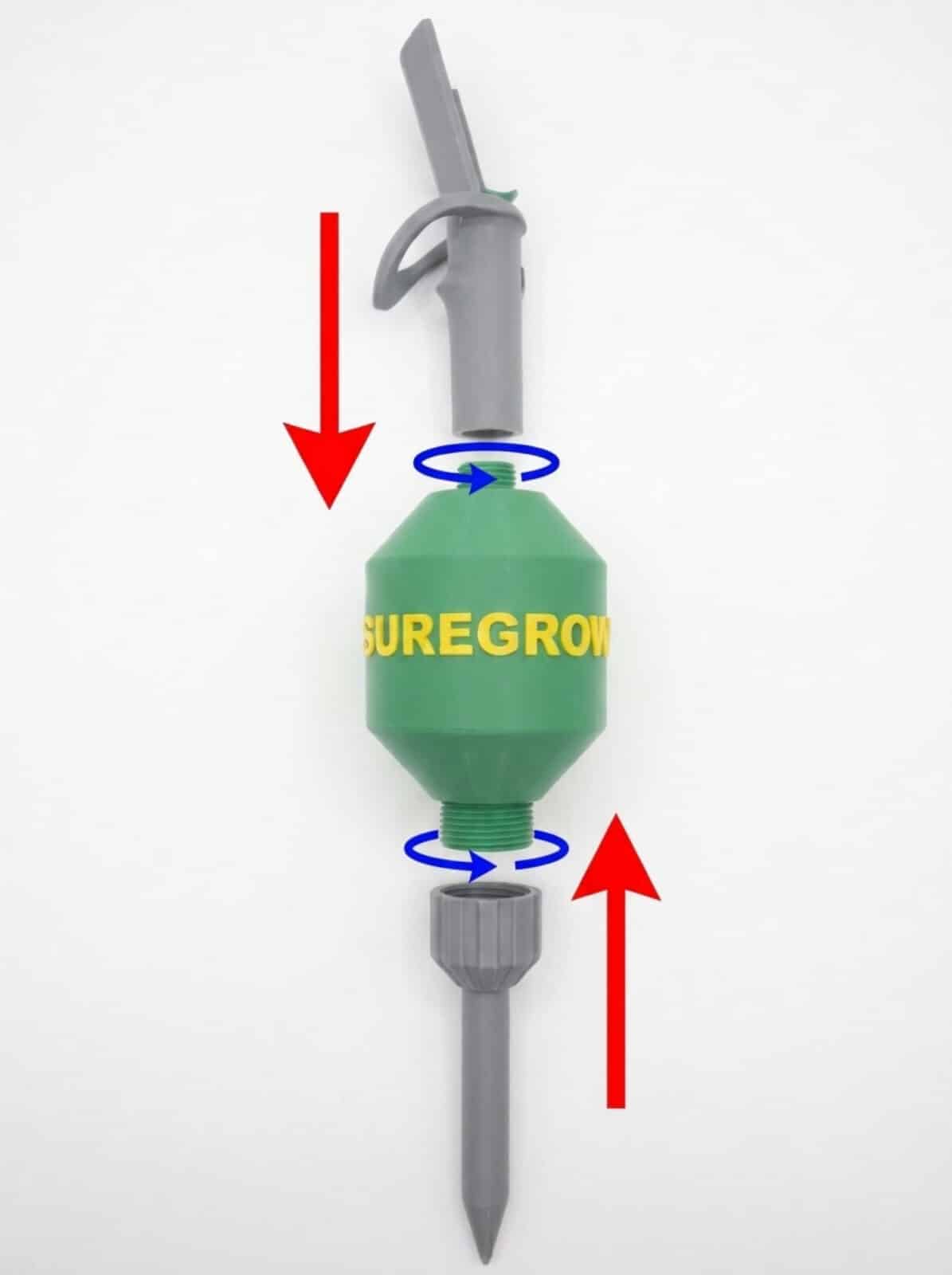
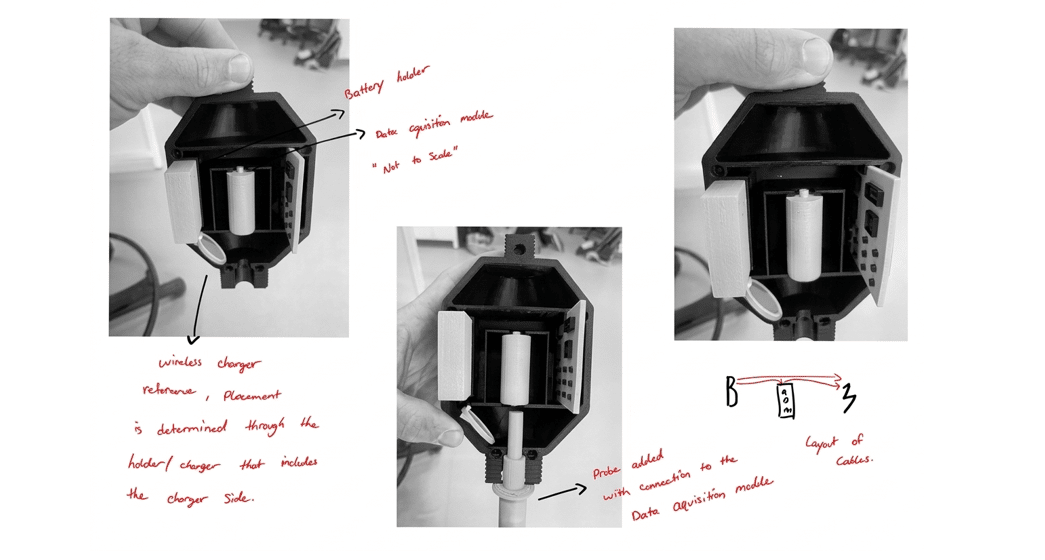
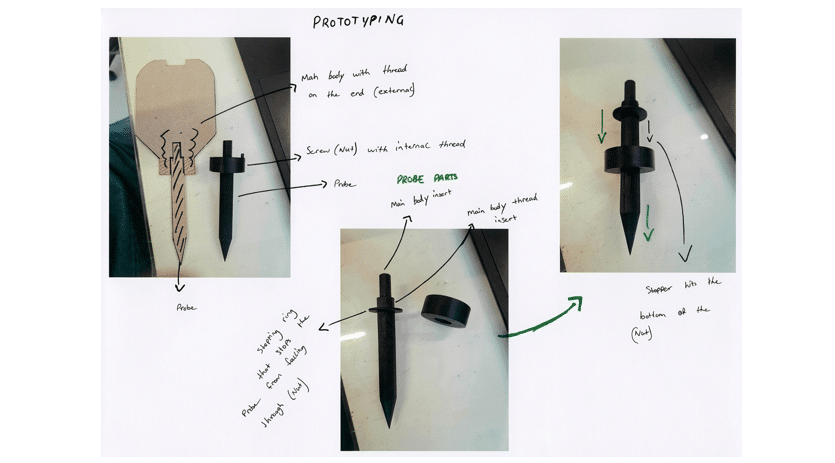
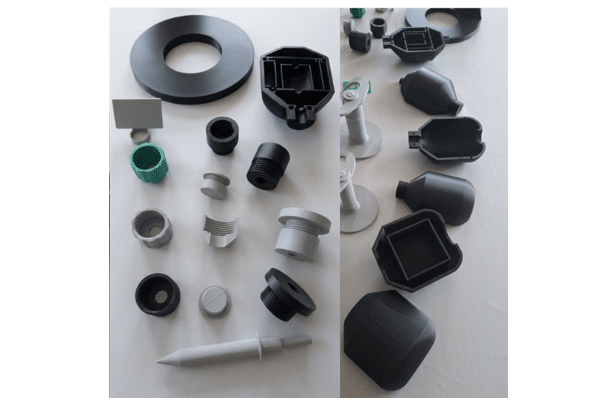
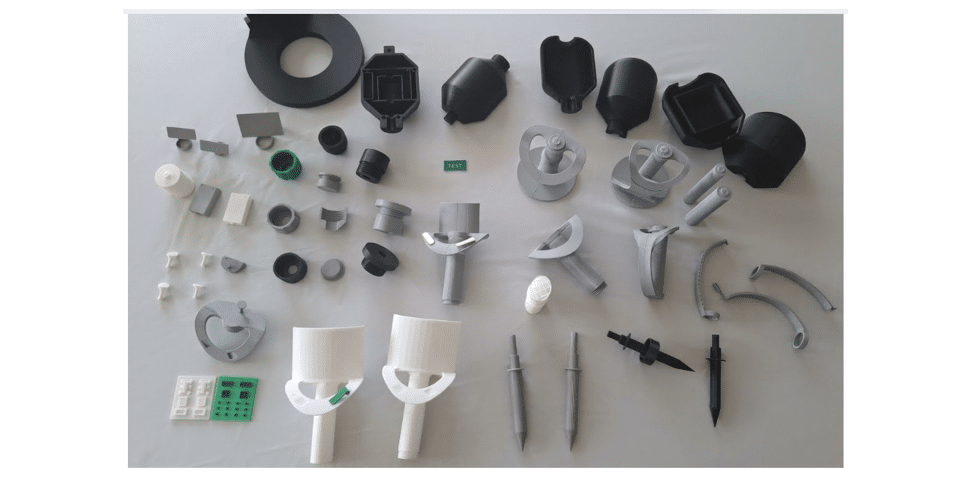
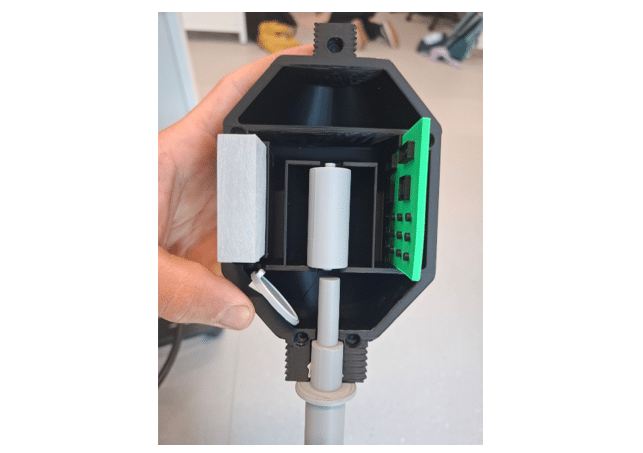
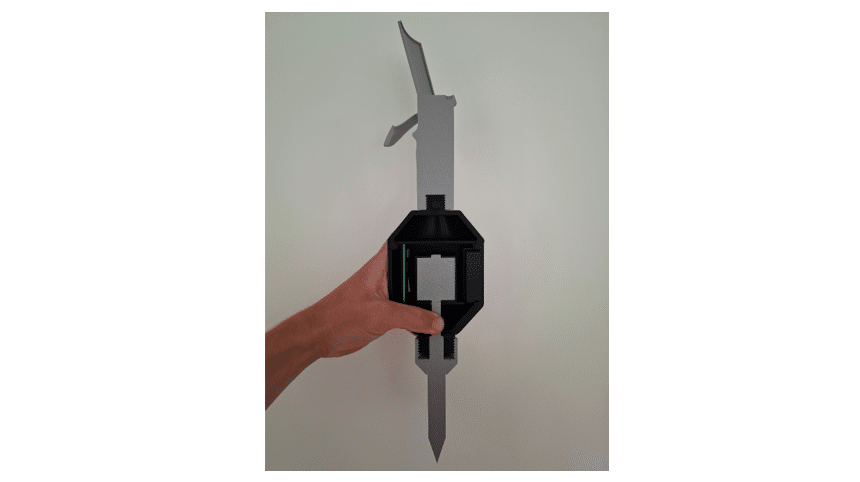
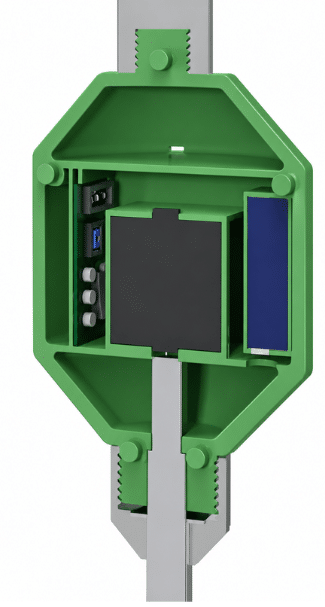
SUREGROW is designed for easy assembly and disassembly through three main sections: the handle, main body and probe. The main body acts as the centralised unit, incorporating extruded threads at either end that allow the handle and probe to securely screw into place. This simplified connection system eliminates the need for additional wiring, electrical connectors or complex fixings typically associated with multi-component products. By minimising the number of connections and assembly steps, the design makes the tool easier to maintain, clean and reassemble when required. This also provides greater flexibility for different uses and potential component replacement, without compromising the product’s overall functionality. The straightforward screw-fit design creates a practical, almost plug-and-play experience, allowing users to assemble and prepare SUREGROW quickly with minimal effort.
Feature 4 – Wireless CHarging
SUREGROW incorporates a built-in wireless charging system, activated when the tool is placed onto its charging stand and contact is established. Wireless charging was selected over conventional USB-C or USB-A charging ports to better accommodate the conditions of wholesale nursery environments. Traditional charging ports can collect dirt, dust, moisture and other foreign materials, potentially interfering with the connection and affecting the unit’s reliability. By removing the need for exposed charging ports, the design minimises potential maintenance issues and reduces the risk of contamination during everyday use. The integrated charging system also simplifies the user experience, allowing nursery workers to return the tool directly to its stand after testing without needing to manage additional cables or connections.
What Reassurance does this product give?
SUREGROW integrates cloud-based data storage to ensure all testing results are securely recorded and accessible for future reference. Each set of collected data is linked to its corresponding batch of propagated plants, allowing nursery workers to revisit the original growing media measurements at any point throughout the 12 propagation and development phases. If a batch begins experiencing poor growth or reduced success rates, users can review its stored media data to determine whether the original growing conditions may have contributed to the issue. This provides greater confidence when assessing potential causes of plant losses, helping distinguish between problems associated with propagation media and other factors within the nursery environment. By retaining accessible historical data, SUREGROW supports more informed troubleshooting, ongoing monitoring and improved decision-making throughout the plant development process.
material and Manufacturing considerations
Material
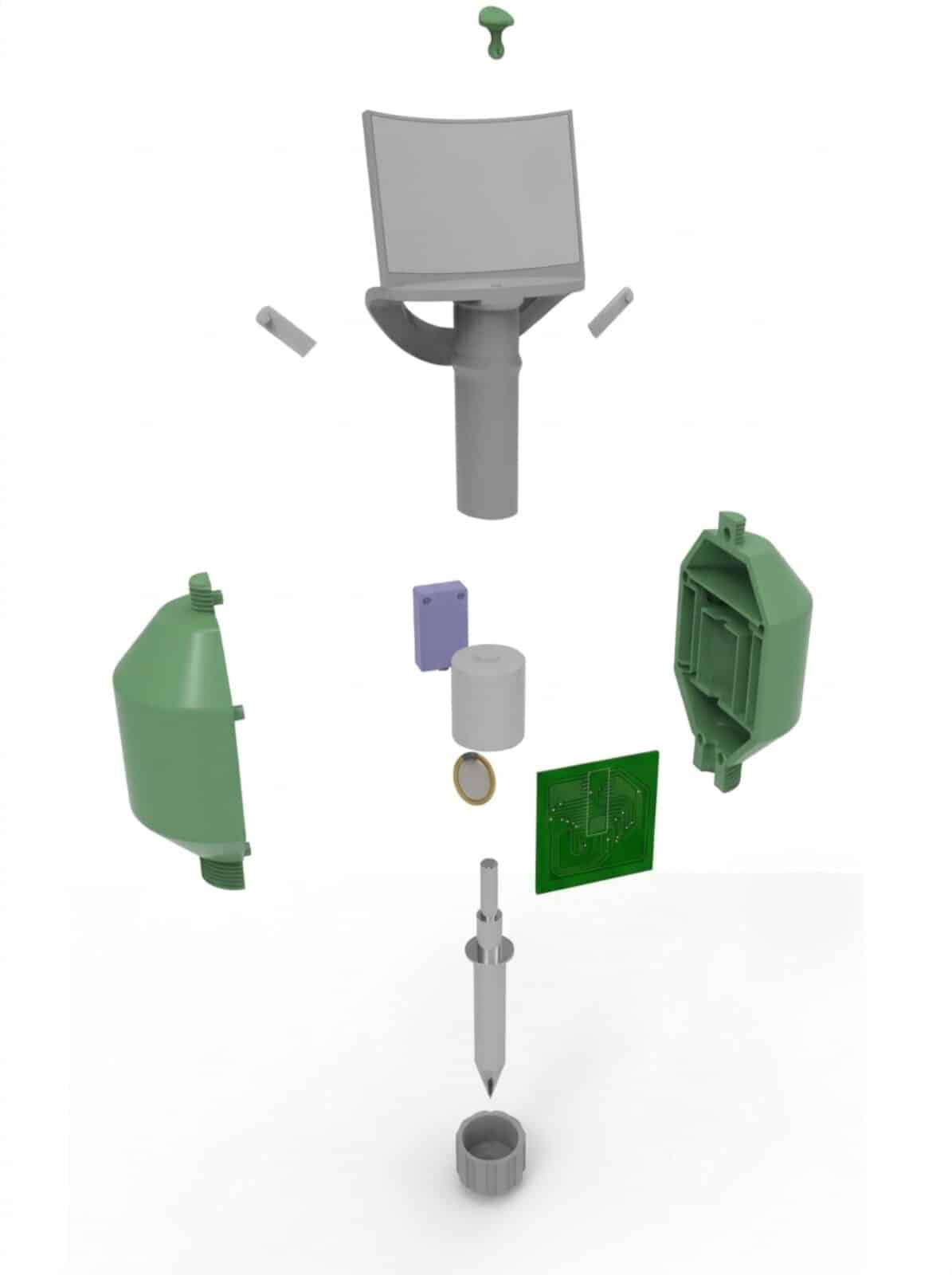
All materials used throughout SUREGROW were critically evaluated to ensure they were suitable for the range of conditions encountered within wholesale nursery environments. Considerations included durability, impact and scratch resistance, cleanability, functionality and long-term performance. Each material was selected to provide an appropriate balance of practicality, reliability and aesthetics, helping extend the product’s lifespan through regular use.
Probe:
Stainless Steel – Selected for its durability, corrosion resistance and electrical conductivity, making it suitable for accurate media testing. Its smooth, non-porous surface also allows for easy cleaning between different media mixtures.
Probe Locking Nut:
ABS/PC – Provides a strong and impact-resistant connection between the probe and main body. Its resistance to everyday wear and surface scratching helps maintain a secure and reliable assembly during repeated use.
Main Body Shells:
ABS/PC – Offers excellent impact resistance and durability, helping protect the internal electronic components from knocks and accidental drops. Its surface durability is particularly important in busy nursery environments where dirt, equipment and repeated handling are unavoidable.
Handle:
ABS/PC – Provides a lightweight yet durable structure suitable for frequent handling. Its resistance to impact and surface wear helps maintain the handle’s integrity, while allowing for an ergonomic form that can withstand regular use.
Mode Levers:
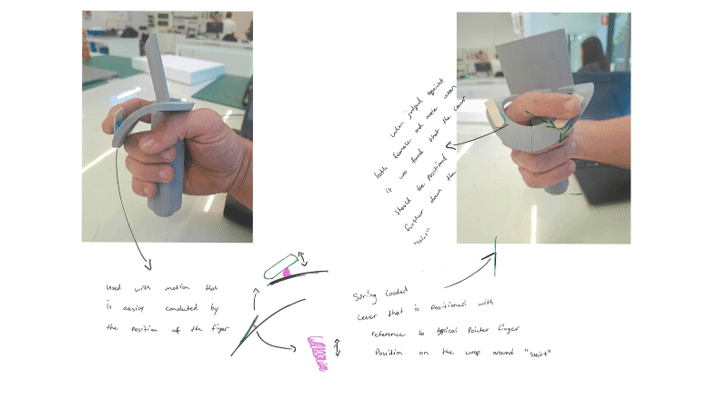
Stainless Steel – Selected for its strength, rigidity and corrosion resistance, allowing the levers to withstand repeated operation without easily bending or deteriorating. Its durability also supports long-term use in demanding nursery conditions.
Analogue Thumbstick:
ABS/PC – Provides a durable, lightweight control component capable of withstanding repeated thumb movements. Its impact and wear resistance help maintain functionality, particularly when operated with gloves or dirty hands.
Digital Screen:
Aluminosilicate Glass – Selected for its optical clarity, scratch resistance and strengthened surface properties. These characteristics help protect the digital display from frequent contact, accidental impacts and abrasive materials commonly encountered during nursery operations.
Manufacturing
SUREGROW’s manufacturing processes were selected with mass production, cost efficiency and consistency in mind. Each component requires a suitable manufacturing method that can produce accurate dimensions, maintain material performance and minimise unnecessary production steps. Priority was given to processes that support repeatable manufacturing, efficient assembly and a consistent finish across larger production quantities.
Probe:
CNC Machining – The external stainless steel probe shell is precision-machined from stainless steel bar stock, allowing accurate dimensions, smooth surfaces and consistent testing geometry. CNC machining also allows the required tip and connection details to be produced reliably. This process applies to the external probe housing only, with the internal sensing components, including electrodes and electronic sensors, manufactured and integrated separately according to their technical requirements.
Probe Locking Nut:
Injection Moulding – ABS/PC is injection moulded into the required locking nut shape, with internal threads formed directly within the mould. This provides consistent thread dimensions and a cost-effective solution for high-volume production.
Main Body Shells:
Injection Moulding – ABS/PC is injection moulded to produce the main body shells, allowing complex shapes, integrated features and consistent wall thicknesses. This process is highly suitable for mass production, reducing individual unit costs while maintaining repeatable quality.
Handle:
Injection Moulding – The ABS/PC handle is injection moulded to achieve its ergonomic shape and integrated connection features. The process allows consistent production of comfortable grip forms while minimising material waste and additional finishing requirements.
Mode Levers:
CNC Machining – Stainless steel is precision-machined to produce the mode levers, ensuring accurate dimensions and smooth movement. This provides the strength and dimensional consistency needed for repeated operation, while allowing the connection features to be manufactured accurately.
Analogue Thumbstick:
Injection Moulding – ABS/PC is injection moulded to create the thumbstick’s compact ergonomic form. This process allows consistent dimensions, smooth edges and a durable surface, making it an efficient and economical option for producing large quantities.
Digital Screen:
Chemical Strengthening and Precision Cutting – Aluminosilicate glass is cut to the required screen dimensions before undergoing chemical strengthening to improve surface durability and scratch resistance. The finished glass is then bonded into the screen housing to provide a protective and clear display surface.
Cameron is an industrial designer passionate about environmental and outdoor-focused products. He combines in-depth research with practical experimentation, using physical prototypes and iterative sketching to refine ideas. His approach prioritises intuitive usability, purposeful problem-solving, and realistic material and manufacturing choices to deliver functional, achievable designs.