Industrial - Bachelor

P975 Seating Module

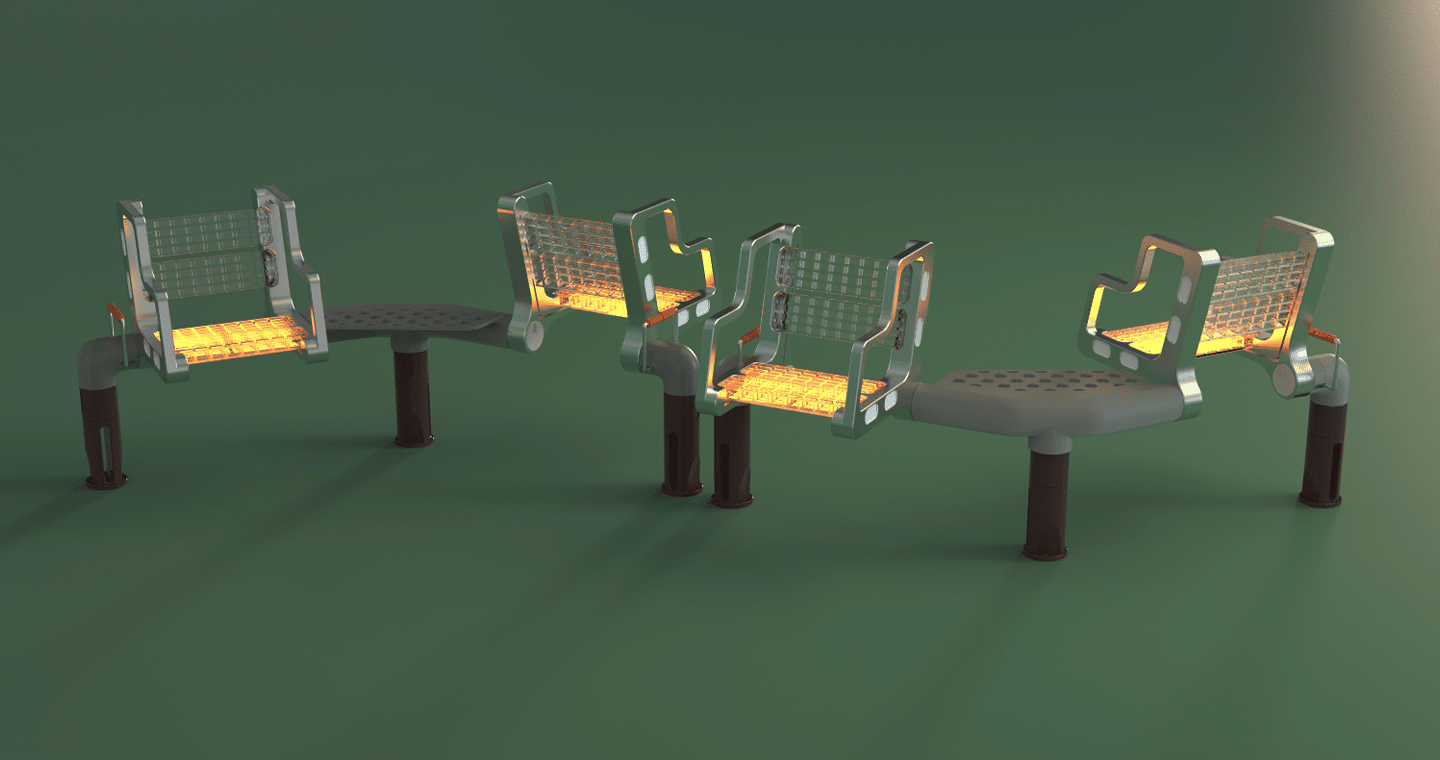
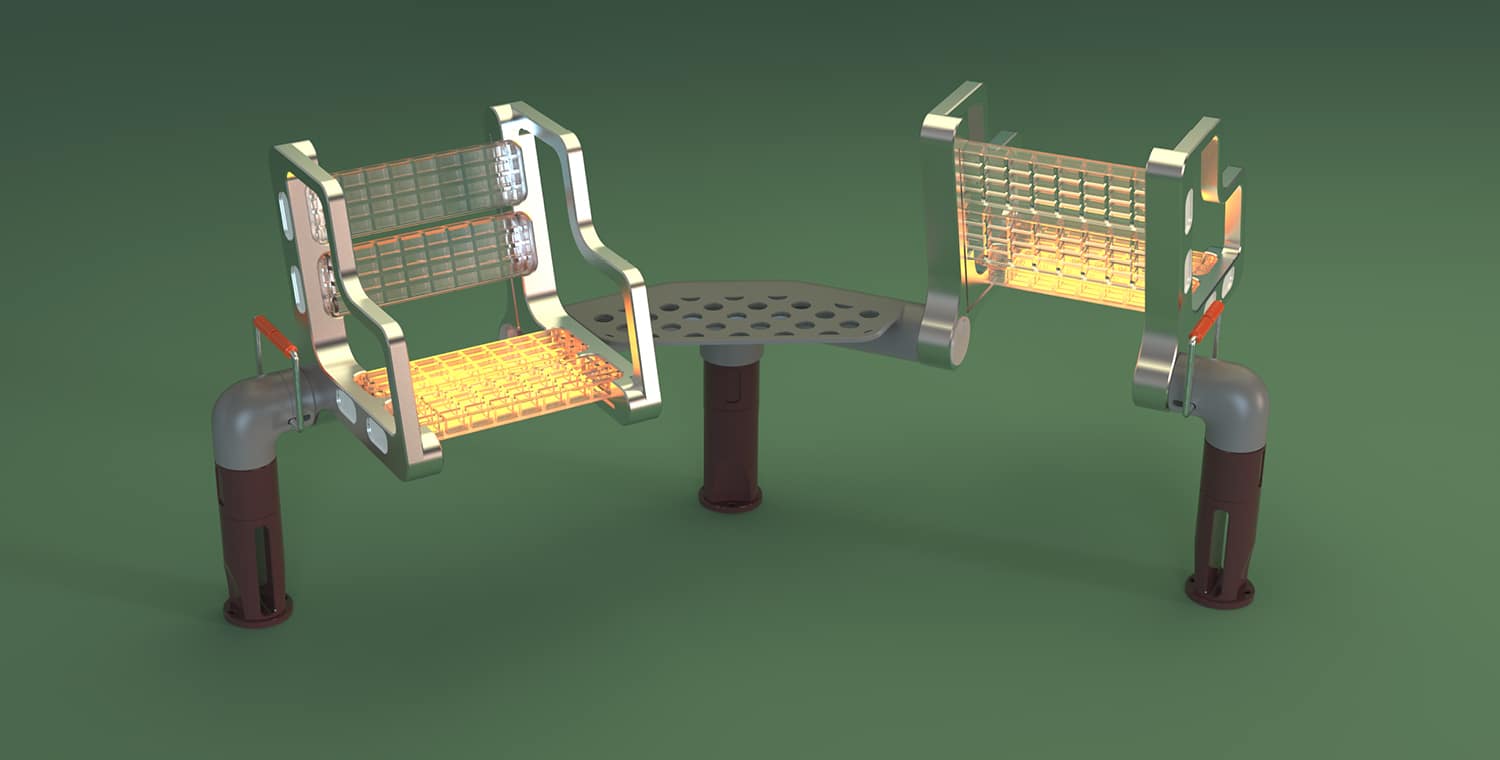
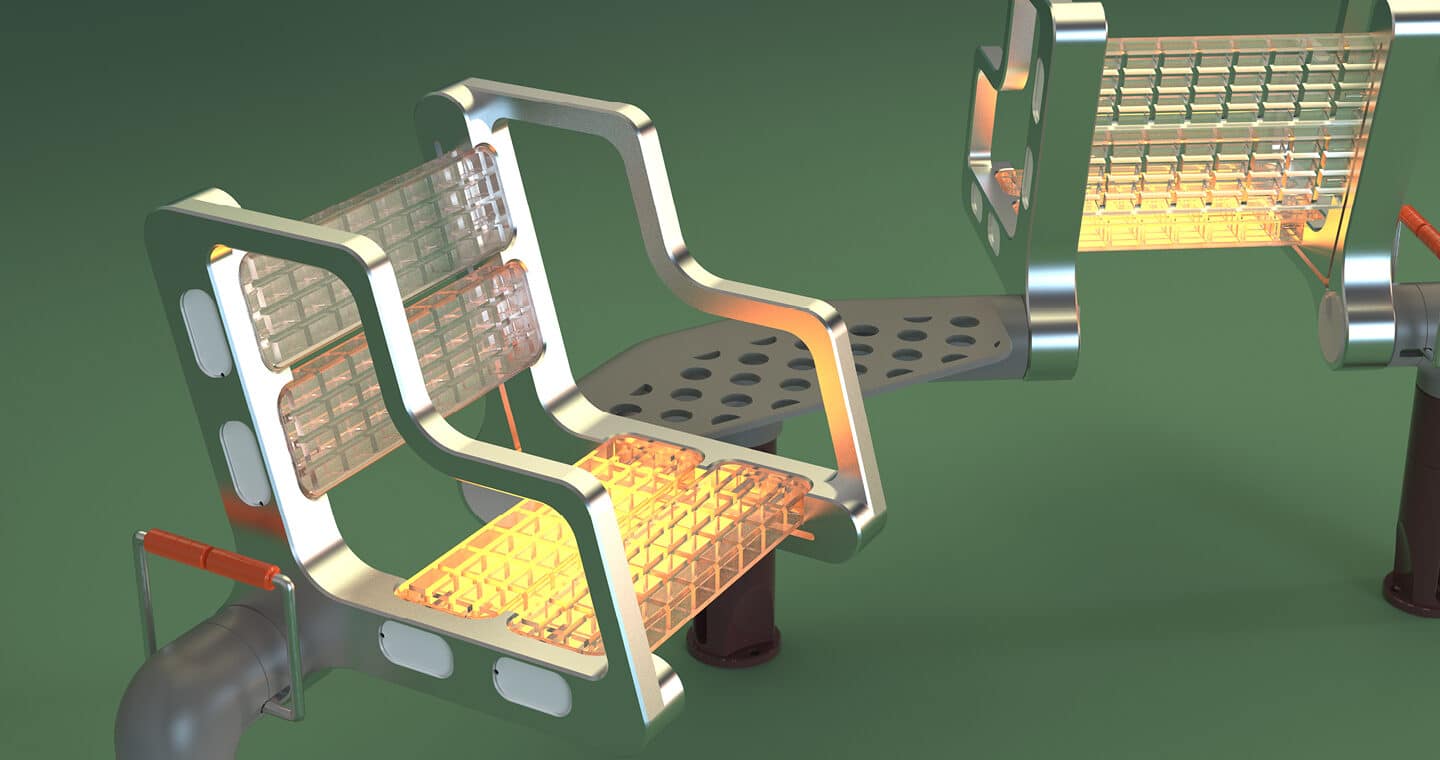
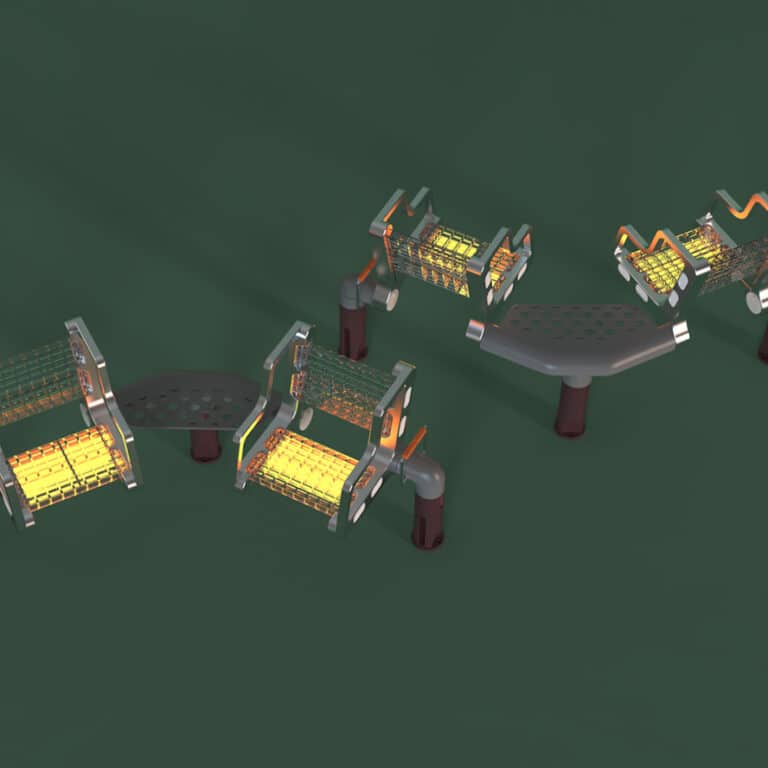
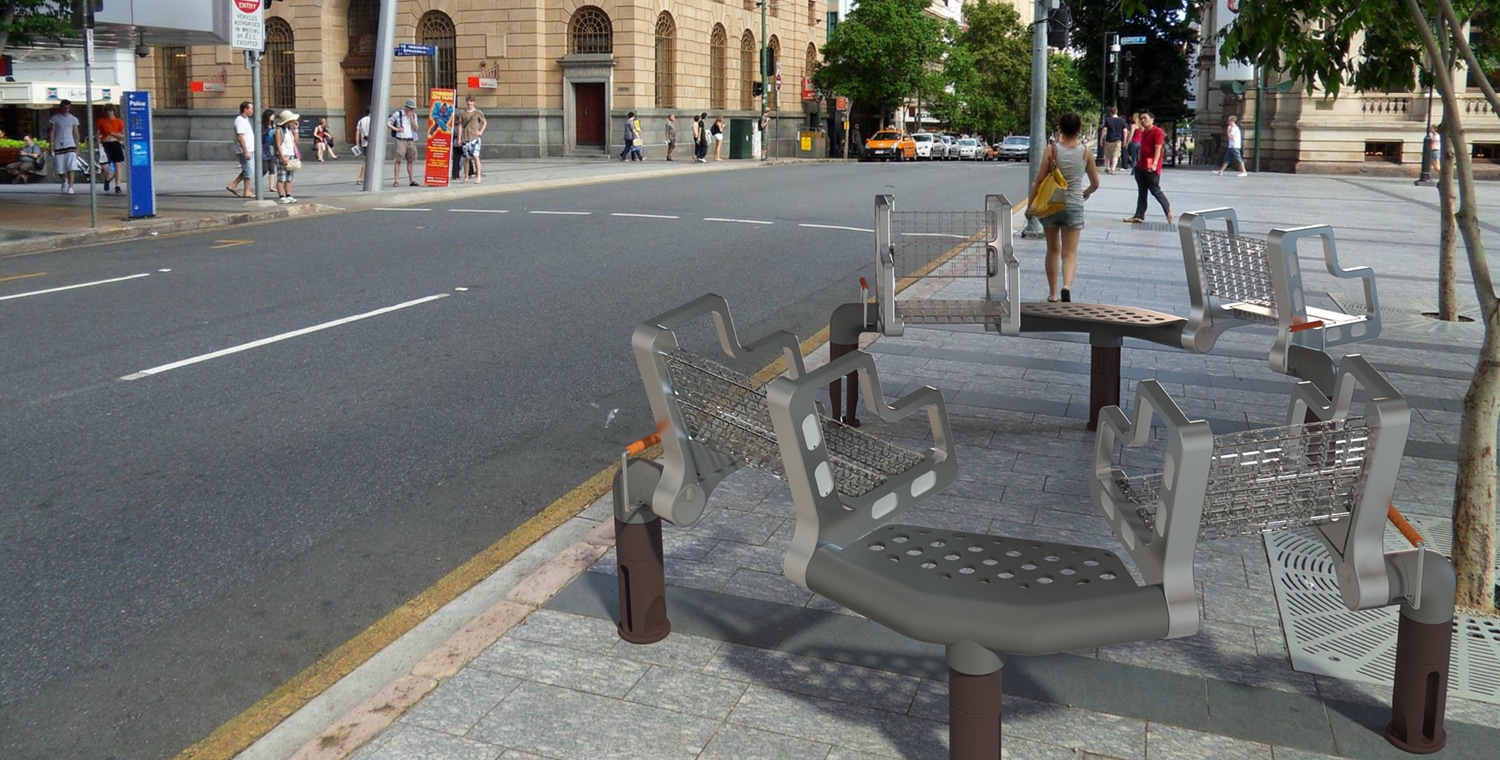
A new design for public facing spaces, the P975 looks to offer a more engaging, innovative and personal form of public seating found in transport facility hubs. The seating looks to improve public transport facilities through a design that serves from both a functional and social standpoint, with the intention of creating spaces that are ideally more comfortable and inviting with their inclusion.
Designing seating for future generations.

With growing population figures, it has been reported that by 2066, 21 to 23% of the total Australian population will be aged 65 years and above. With these increasing trends occuring over the next couple of decades, a variety of services and designs, such as seating found in public transport facilities needs to be adaptable to a ever-changing physical abilities. Additionally, seating should afford users more personal autonomy so that it can better cater to their social preferences.

Critical Research insights

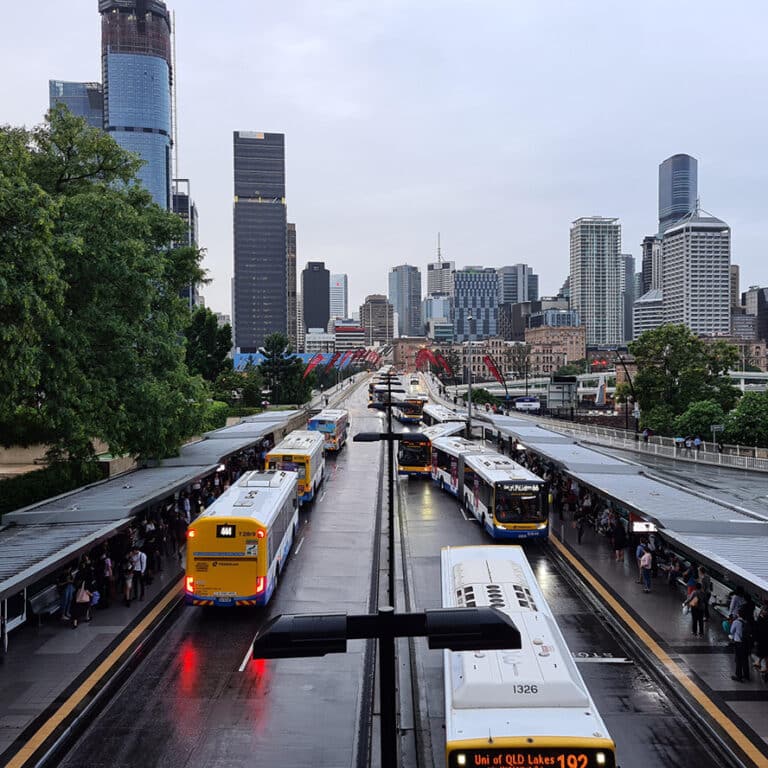
The goal from the outset of this project was improving the sociability and accessibility of the seating found in these facilities, and research revealed that addressing these aspects was far more complex than first perceived. Crucial qualitative data was collected from observations conducted at five locations throughout the Brisbane CBD and a focus group of nine individuals aged 70 and above. The combination of this data uncovered from these research endeavours alongside anthropometric data and standards compliancy became the backbone of the design going forth.

Opportunities

Design process

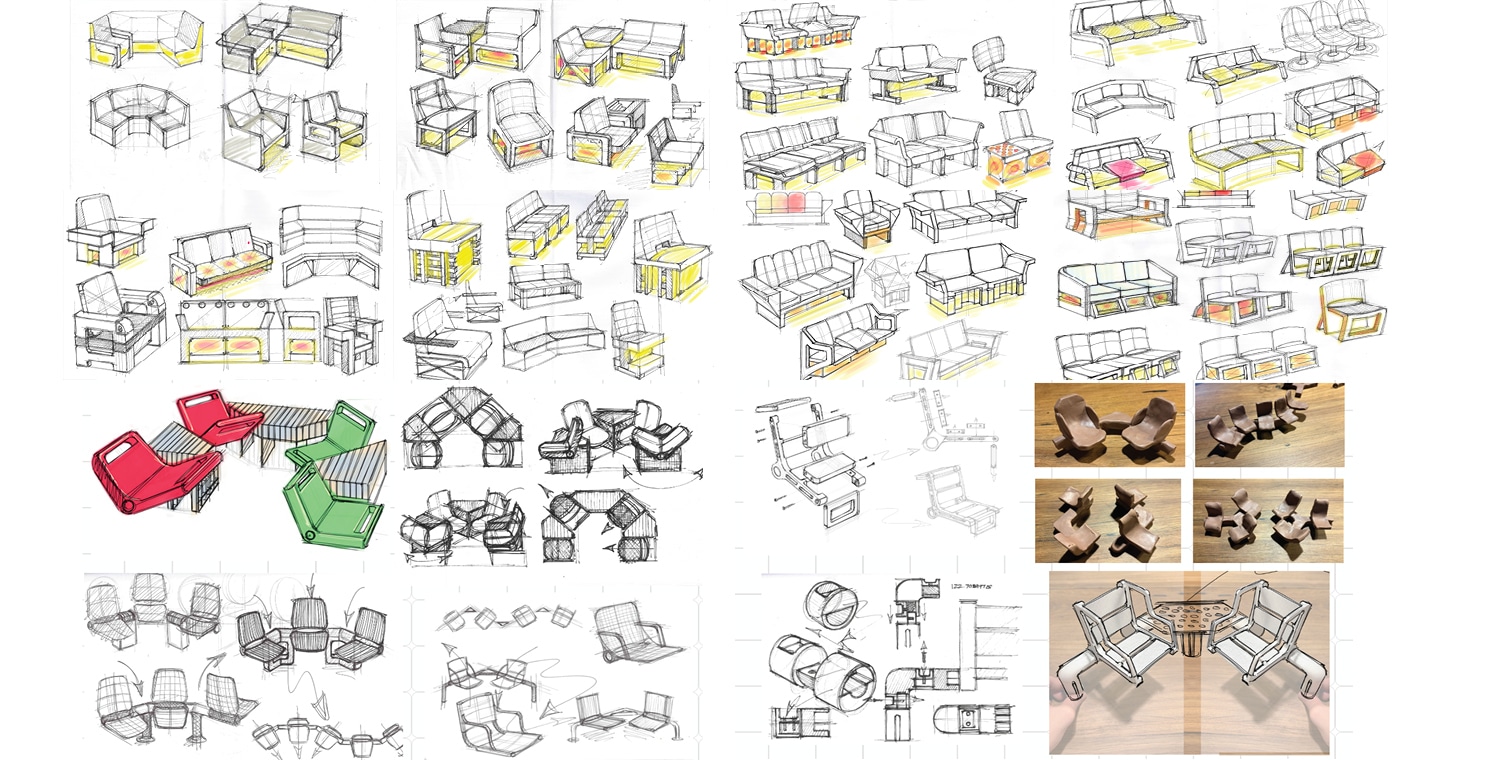
The design process took direct influence and guidance from the data identified in the research phases of the project. Initial ideation began with exploring form and function, how these elements intersect and how they could impact my design.

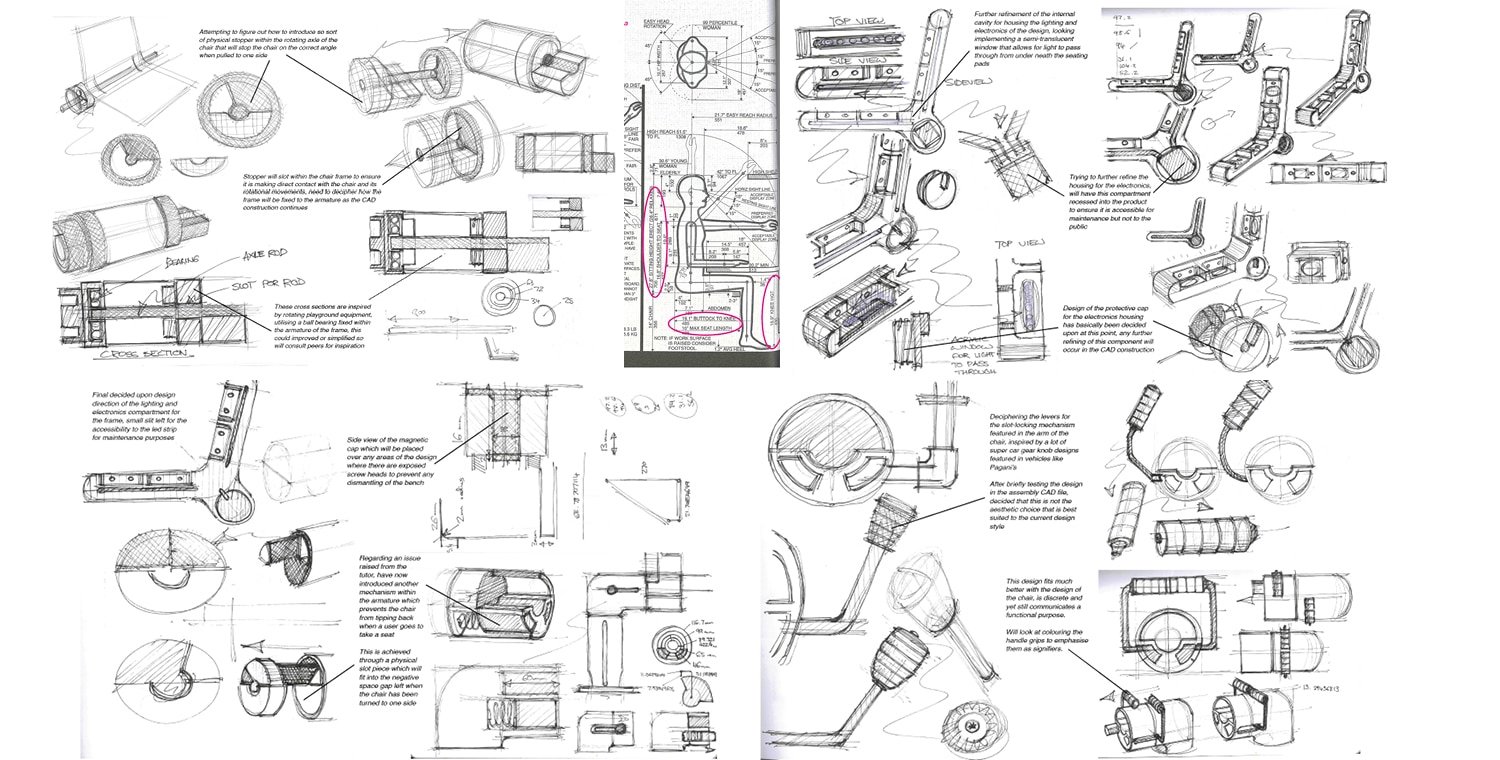
As the ideation process became more specific, more details such as manufacturing considerations and dimensional decisions were made as the project moved into the CAD development and subsequent final design.

solution

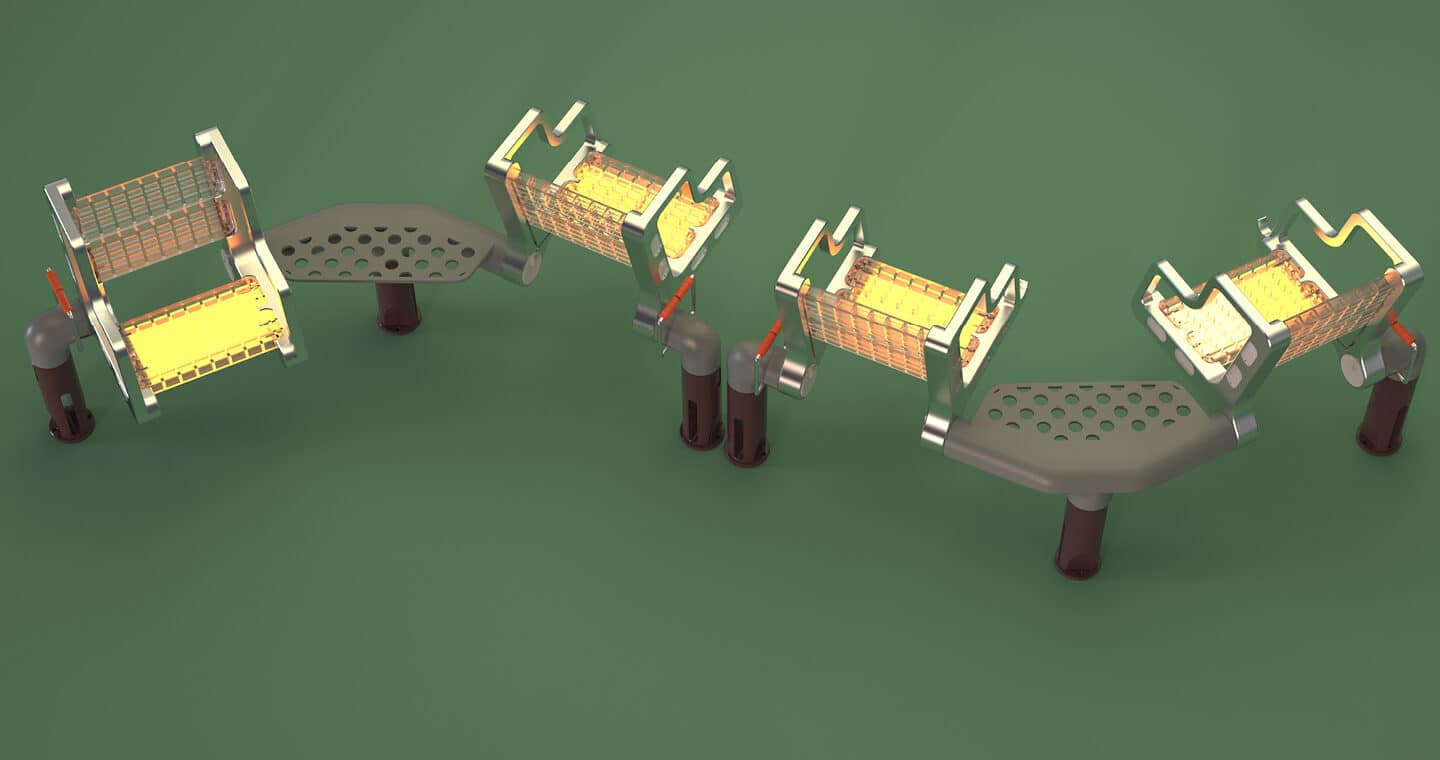
A new form of public seating design for public facing spaces, the P975 looks to offer a more engaging, innovative and personal form of public seating found in transport facility hubs that can accomodate for both different physical abilities and social preferences. Built for the next generation, the P975 looks to improve not just existing public transport spaces from a functional standpoint but also from a social standpoint, creating spaces that are more comfortable and inviting to substantially enhance there usability.

P975 Design Breakdown

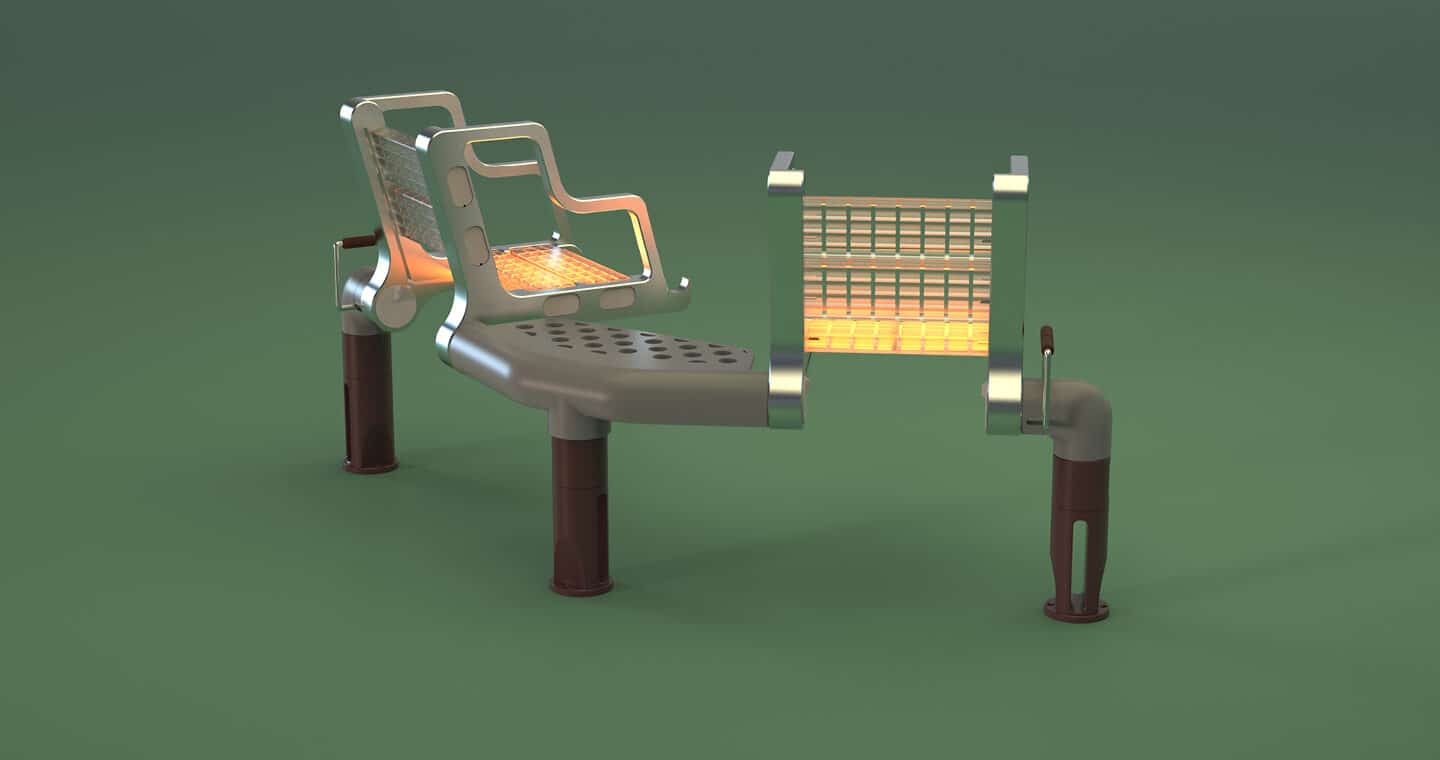
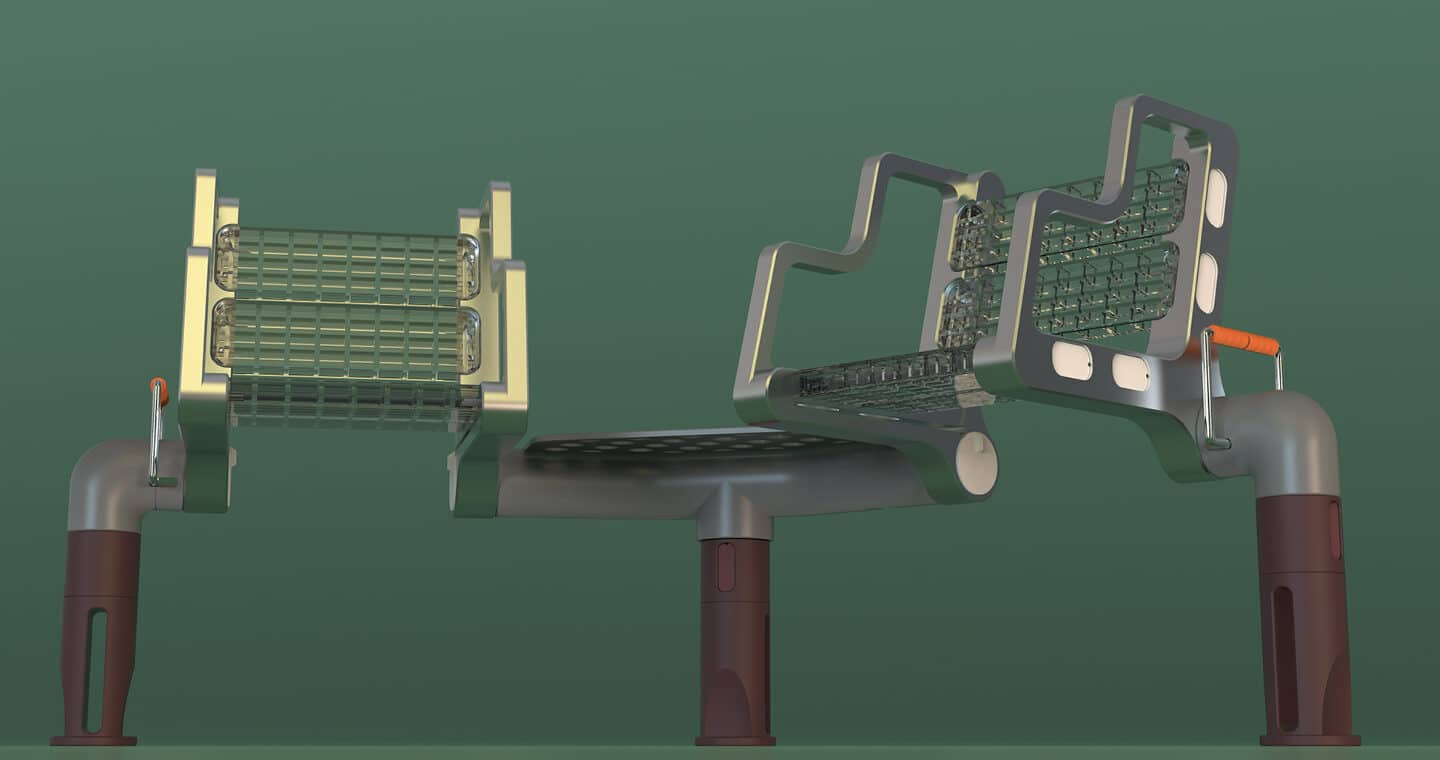
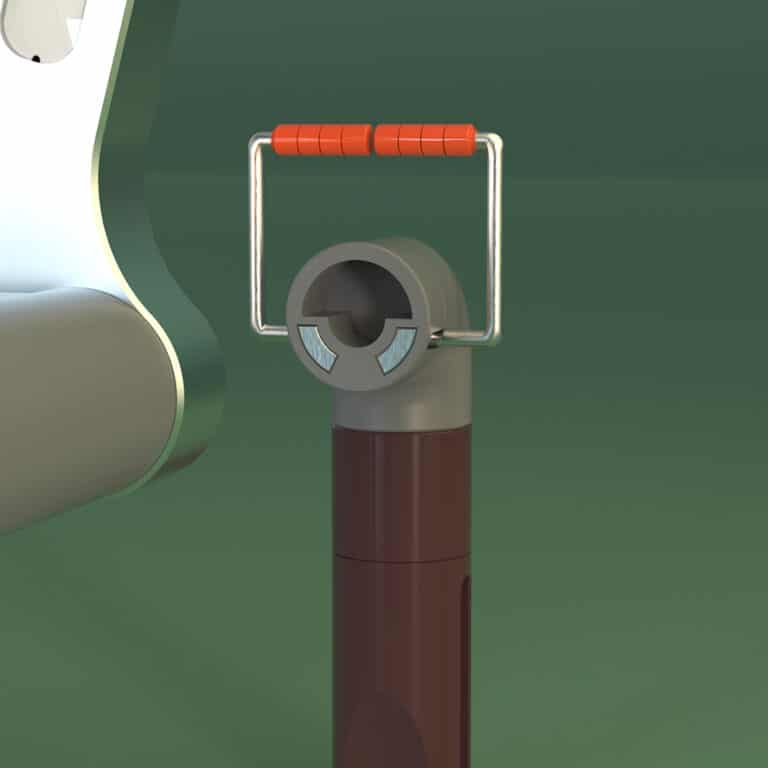
The chair is able to be rotated 180 degrees allowing for personal seating preference and autonomy, via a rotational system that utilises a slot found within the arm that allows the chair to freely rotate. By utilising the orange handled slot levers, the chair angle can locked into place avoid the chair tipping back. The lighting is incorporated within the seating frame to act as signifier for users, with the warm tone of the lighting chosen for its inviting and calming qualities.

Necessary Inclusions

Dimensional decisions were informed by anthropometric data of the 1 percentile elderly woman and the 99 percentile male, to best encompass both ends of the potential user spectrum. Necessary support features such as the inclusion of armrests and back support were included to address criteria identified by the focus group study who clearly identified these to be crucial features of seating, especially when it came to making decisions on the kinds of seating they gravitated towards.

Material Selections

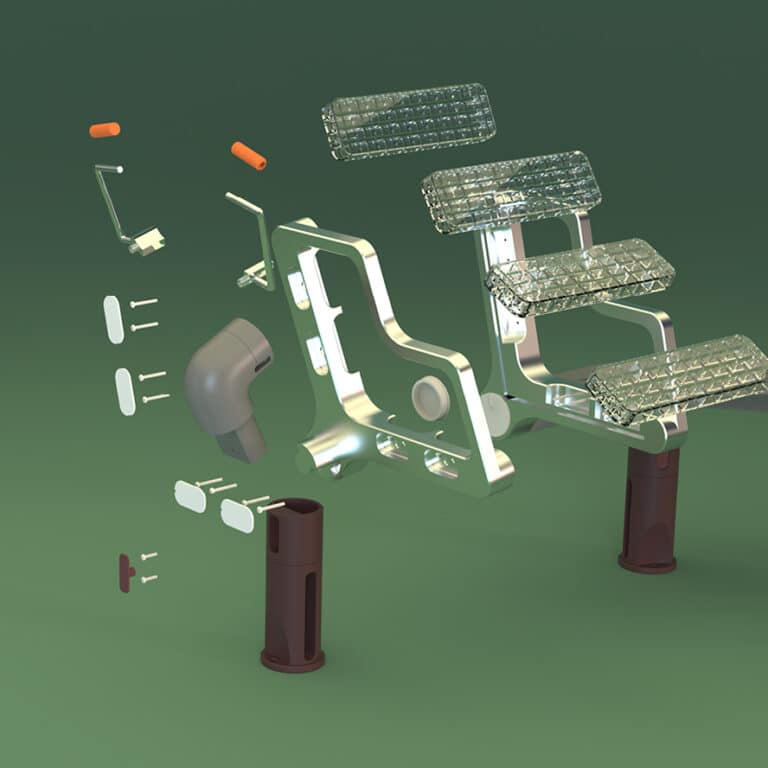
Comprising of a mixture of aluminium, polyethylene resin and mild steel parts, the P975 is fabricated with the Australian climate and recyclability in mind. Materials were chosen based off their use in existing public seating designs as well as their recyclability at end of use.
Total of 13 components all up (not including the electronic components required for the lighting), with all the aluminium and mild steel components to be CNC machined and the polyethylene resin and polyurethane components to be injection moulded. Overall costing was calculated off hypothetically 500 units being produced rounding out to an approximate total cost of $810 to $1632 per unit.
Name
Research Report
File Type
application
File Size
1 B
Download File

Askin Battley

Askin is a driven, creative and up-and-coming designer who strives to make meaningful comments or connections through his output. His skills lean towards visual presentation and aesthetics, however he is well versed in areas of art and design history. Both of these characteristics lend him the skillset to both visually and verbally communicate designs in a unique manner.

Vote For This Project

"*" indicates required fields

This field is for validation purposes and should be left unchanged.
This field is hidden when viewing the form
Project