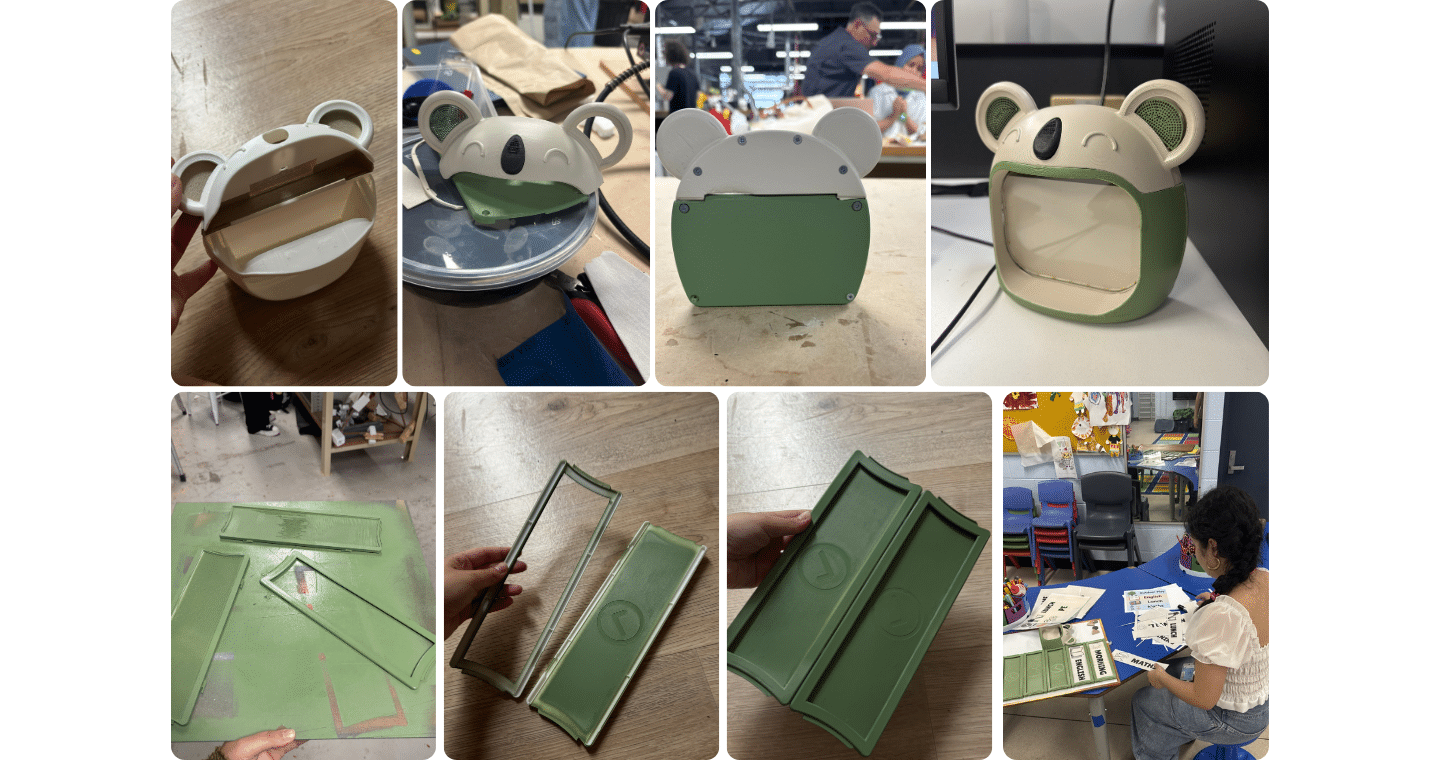
CO-ALA is an interactive classroom companion designed to help educators communicate unexpected routine changes consistently in Prep classrooms. Combining a familiar song, interchangeable pictograms and a modular routine board, CO-ALA establishes a predictable communication sequence. Through repeated use, it aims to create a recognisable transition ritual that supports children's developing self-regulation, confidence and independence.
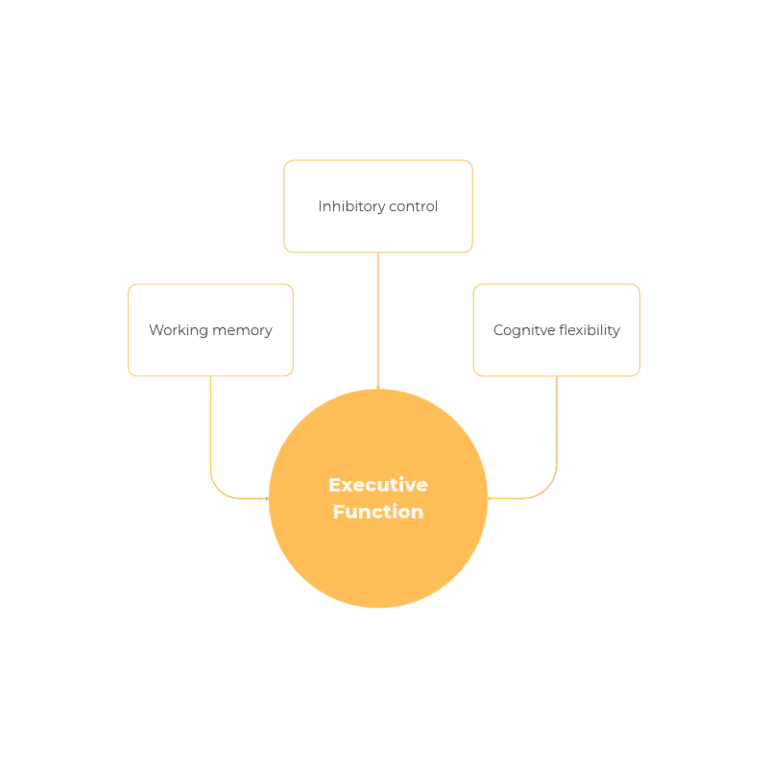
Self-regulation refers to a child’s developing ability to manage emotions, behaviour and attention in response to different situations. These abilities are supported by executive functions, including inhibitory control, working memory and cognitive flexibility, which enable children to manage impulses, retain instructions and adapt to changing expectations. For Prep children aged 4–5 that are entering school in Term 1, these skills are still developing, making unexpected classroom transitions particularly demanding, as sudden changes require children to shift their attention, adapt to unfamiliar expectations and regulate their emotional and behavioural responses with limited preparation.
WHAT ARE CLASSROOM TRANSITIONS?
Classroom transitions refer to periods when children move between activities, routines, environments or behavioural expectations throughout the school day. These may include moving from play to structured learning, returning from recess or adapting to unexpected changes in daily routines. For Prep children, dysregulation during transitions can often occur due to:
Current Classroom Practices
Advance Warnings | Verbal Cues and Prompting | Visual Supports
Educators employ various strategies to support children’s self-regulation during classroom transitions. Advance warnings prepare children for upcoming changes, while verbal cues and prompting communicate expectations and guide behaviour. Likewise, visual supports, such as routine schedules and pictograms, reinforce understanding of upcoming activities. Together, these strategies establish familiarity and predictability; however, their effectiveness can be limited when unexpected changes disrupt established classroom routines.
The value in supporting self-regulation
Entering formal schooling is a significant developmental milestone for Prep children, introducing new social, behavioural and learning expectations. Self-regulation is essential for navigating these demands, enabling children to manage emotions, maintain attention, follow instructions and engage in learning activities. Research associates developing self-regulation skills with positive educational outcomes and later developmental success.
However, classroom transitions can place additional demands on these emerging abilities. Research has shown that children demonstrate lower levels of self-regulation during transitions compared with play, small-group and whole-group activities, emphasising the importance of supporting children during these periods.
Unexpected or abrupt changes to classroom routines often require children to rapidly adjust their emotional and behavioural responses…
early childhood BEHAVIORAL researcher – QUEENSLAND UNIVERSITY OF TECHNOLOGY (qut)
The Problem
Visual timetables can be time-consuming at times when you have a sudden change because we do need to go through and physically change everything around so that the children can see that change…
Prep educator
With up to 35% of the school day spent transitioning between activities, classroom transitions represent a significant and recurring challenge for Prep children. These frequent shifts require children to redirect their attention, adjust behavioural expectations and regulate emotional responses, placing additional demands on their developing executive functions.
These challenges become particularly significant when unexpected changes disrupt familiar routines. Primary research revealed that 72% of educators identified unexpected changes as a key contributor to dysregulation, as uncertainty and limited preparation increase the cognitive demands placed on children’s developing executive functions. This can contribute to difficulties following instructions, managing emotions and engaging in classroom activities.
Proactive supports that reduce the need for verbal instruction will be better received…
Paediatric occupational therapist – melbourne
Problem statement
How Prep children can be better prepared for upcoming transitions and changes to support their self-regulation.
CONDUCTING primary RESEARCH
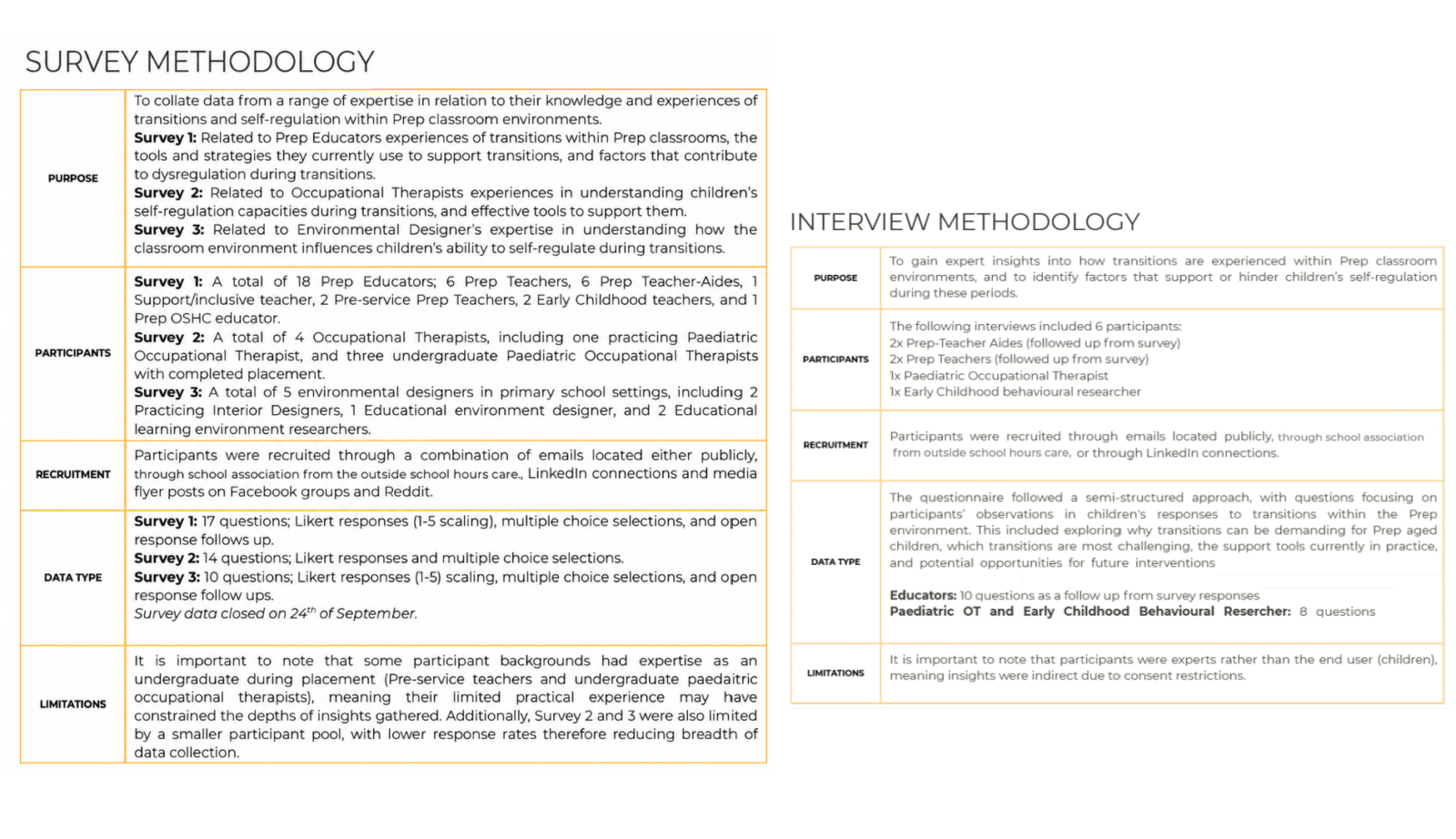
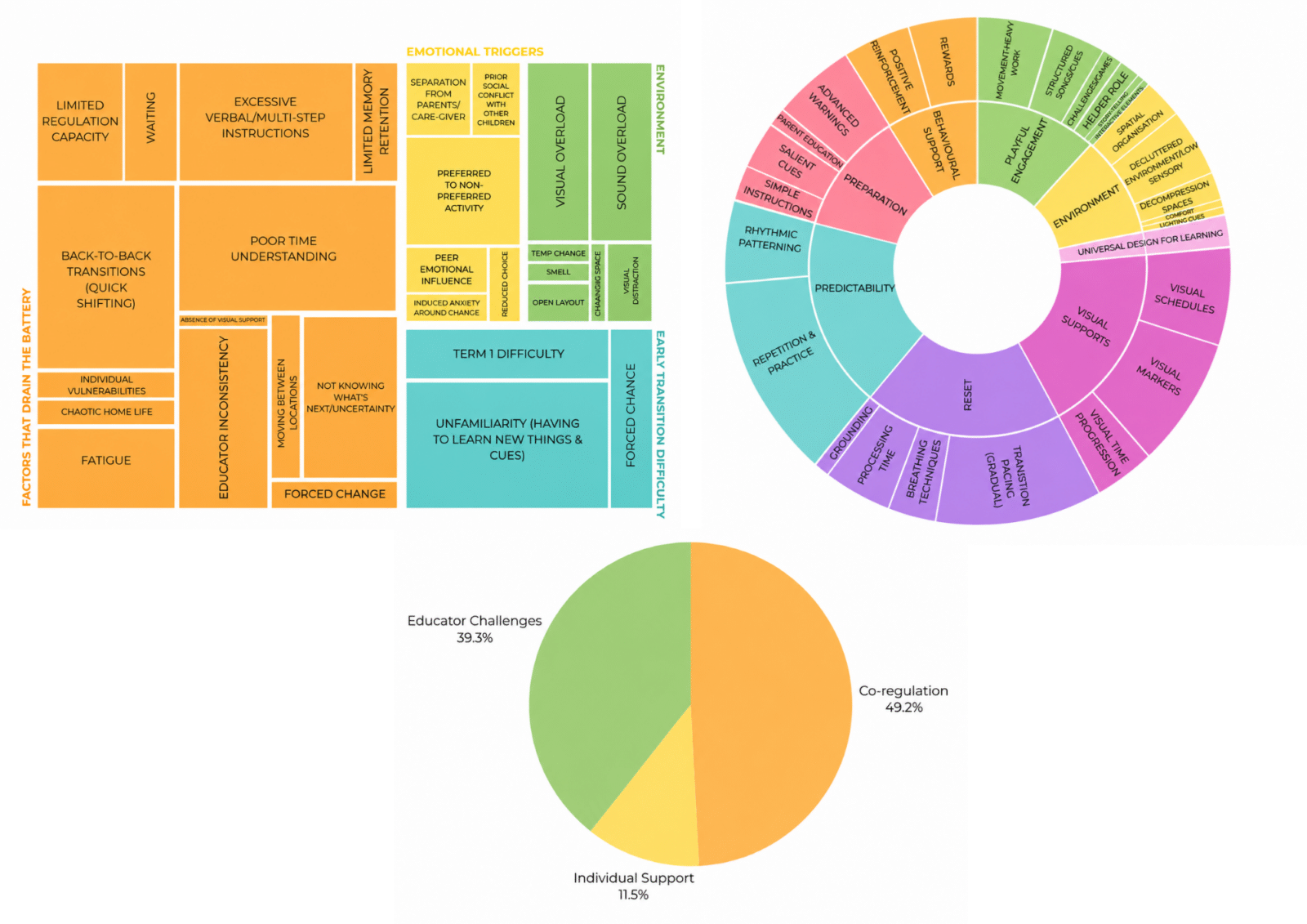
Through a combination of surveys with Prep educators, paediatric occupational therapists and environmental designers, alongside semi-structured interviews with educators, a paediatric occupational therapist and a behavioural researcher, primary research aimed to identify the key factors influencing children’s self-regulation during classroom transitions. Four prominent themes were identified: predictability, preparation, transition information communication and individual needs. Findings highlighted the importance of familiar routines and advance warnings in helping children anticipate upcoming changes, while unexpected disruptions and unclear communication increased uncertainty and placed additional demands on their developing self-regulation skills. Research also emphasised that children require varying levels of support, reinforcing the need for an accessible and adaptable approach to communicating classroom transitions that accommodates diverse developmental needs.
Predictability, preparation, transition information communication and individual needs were four key themes identified through the analysis and synthesis of primary and secondary research findings. Survey responses were compared to identify recurring challenges and opportunities, while semi-structured interview transcripts were analysed using inductive thematic coding. Recurring observations were organised into themes, codes and sub-codes, which were then translated into graphs to visualise patterns and relationships across participants.
Predictability
Familiar routines, repetition and consistent transition cues help children understand expectations and anticipate what comes next. However, unexpected changes can disrupt this predictability, creating uncertainty and placing additional demands on children’s developing self-regulation skills.
Preparation
Advance warnings and gradual transitions help children mentally and emotionally prepare for change. Research highlighted the importance of proactive preparation rather than relying on regulation strategies once difficulties have emerged.
Transition Information Communication
Clear, simple and visual communication helps children understand upcoming changes. Excessive verbal instructions, repeated prompting and complex visual supports can create additional cognitive demands, highlighting the need for intuitive and adaptable communication tools.
Individual Needs
Children require varying levels of support during transitions, making individual assistance challenging in busy classrooms. Transition tools should accommodate diverse developmental and sensory needs while encouraging independence and reducing reliance on educator prompting.
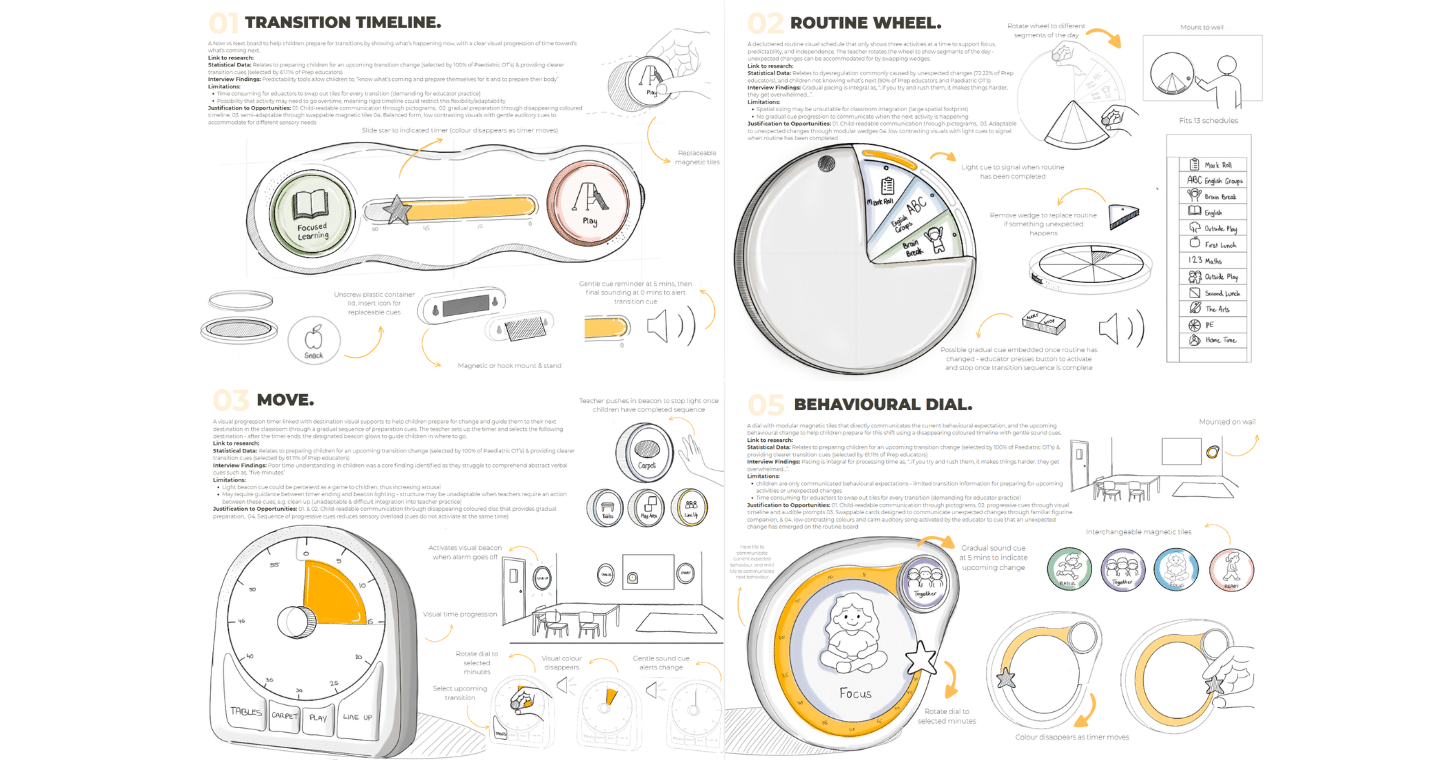
Design development
Research findings revealed opportunities to better support children’s self-regulation through accessible, intuitive transition tools that prioritise proactive preparation rather than responding to difficulties once they arise.
Intuitive Transition Communication
Simple, recognisable pictograms help children independently understand upcoming changes and expectations, reducing reliance on verbal instructions and educator prompting.
Gradual Transition Preparation
Familiar cues and progressive warnings prepare children for upcoming changes, allowing time to adjust without feeling rushed or overwhelmed.
Adaptable Systems
Modular, reconfigurable components allow educators to quickly communicate unexpected changes while maintaining familiar and predictable transition routines.
Inclusivity and Low-Demand
Calm sensory cues, minimal visual information and accessible interactions accommodate diverse developmental needs without creating sensory overload.
Simple Classroom Integration
Intuitive, quick-to-operate tools integrate seamlessly into existing classroom routines, allowing educators to activate or adjust transition supports in under one minute.
DESIGN PROCESS
design outcome
The solution
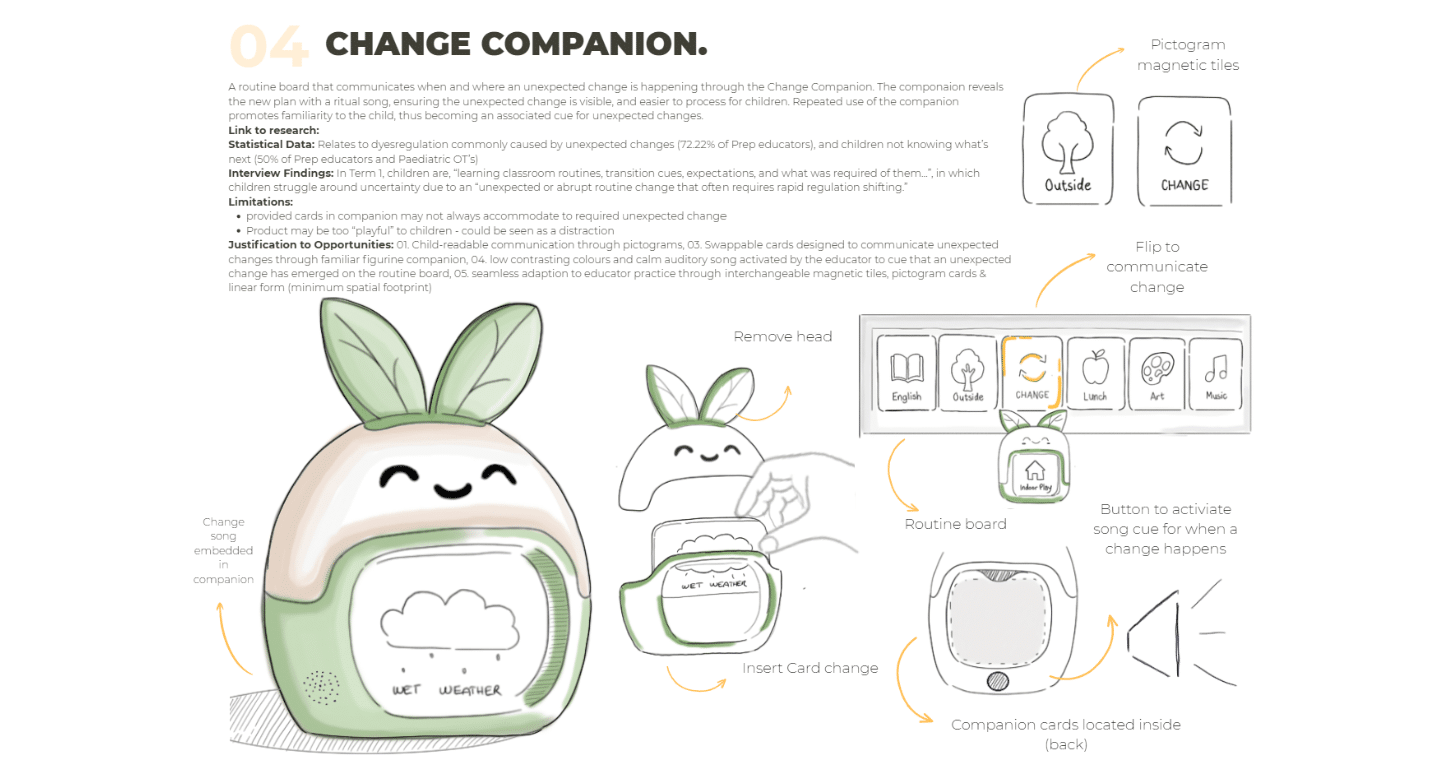
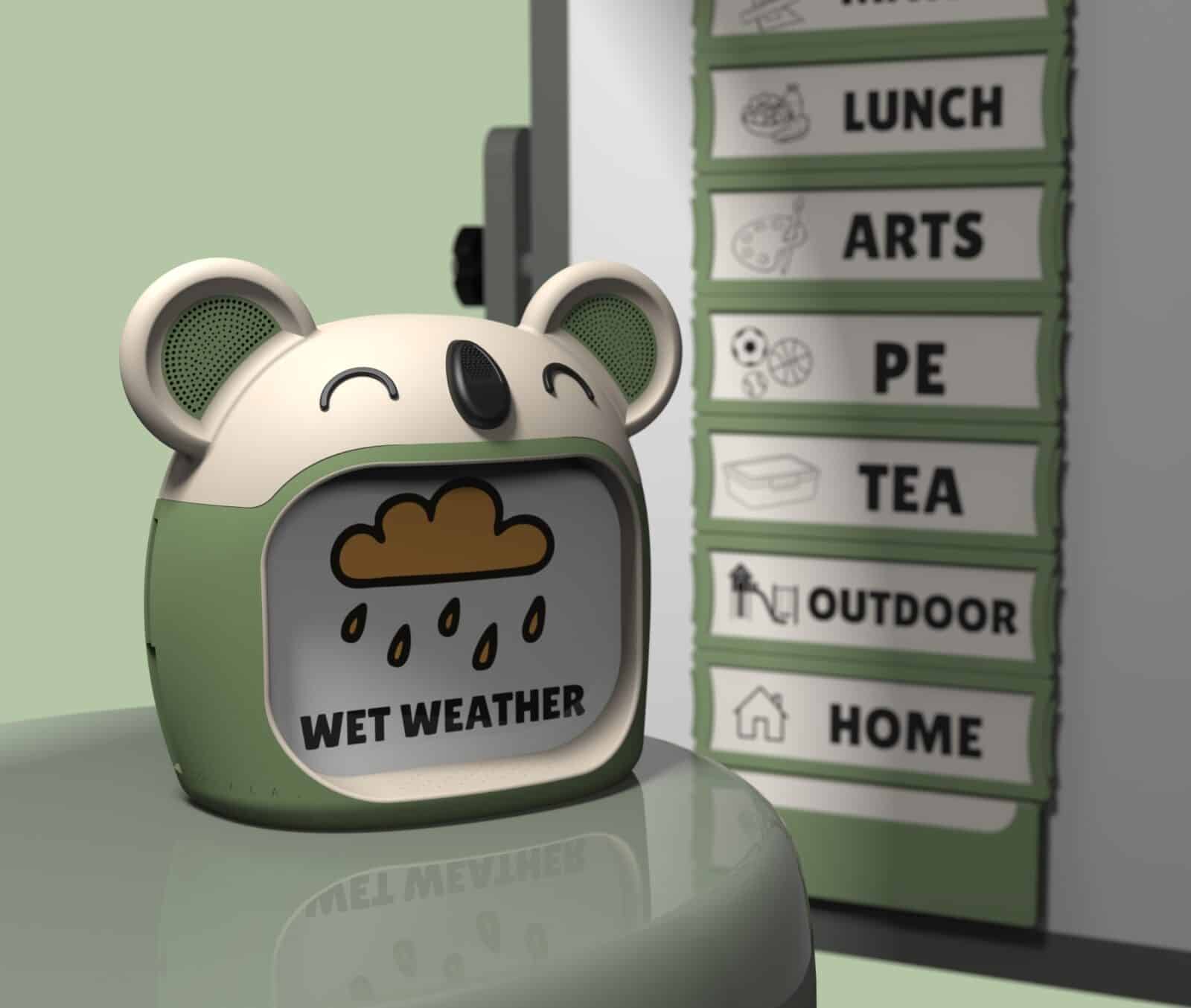
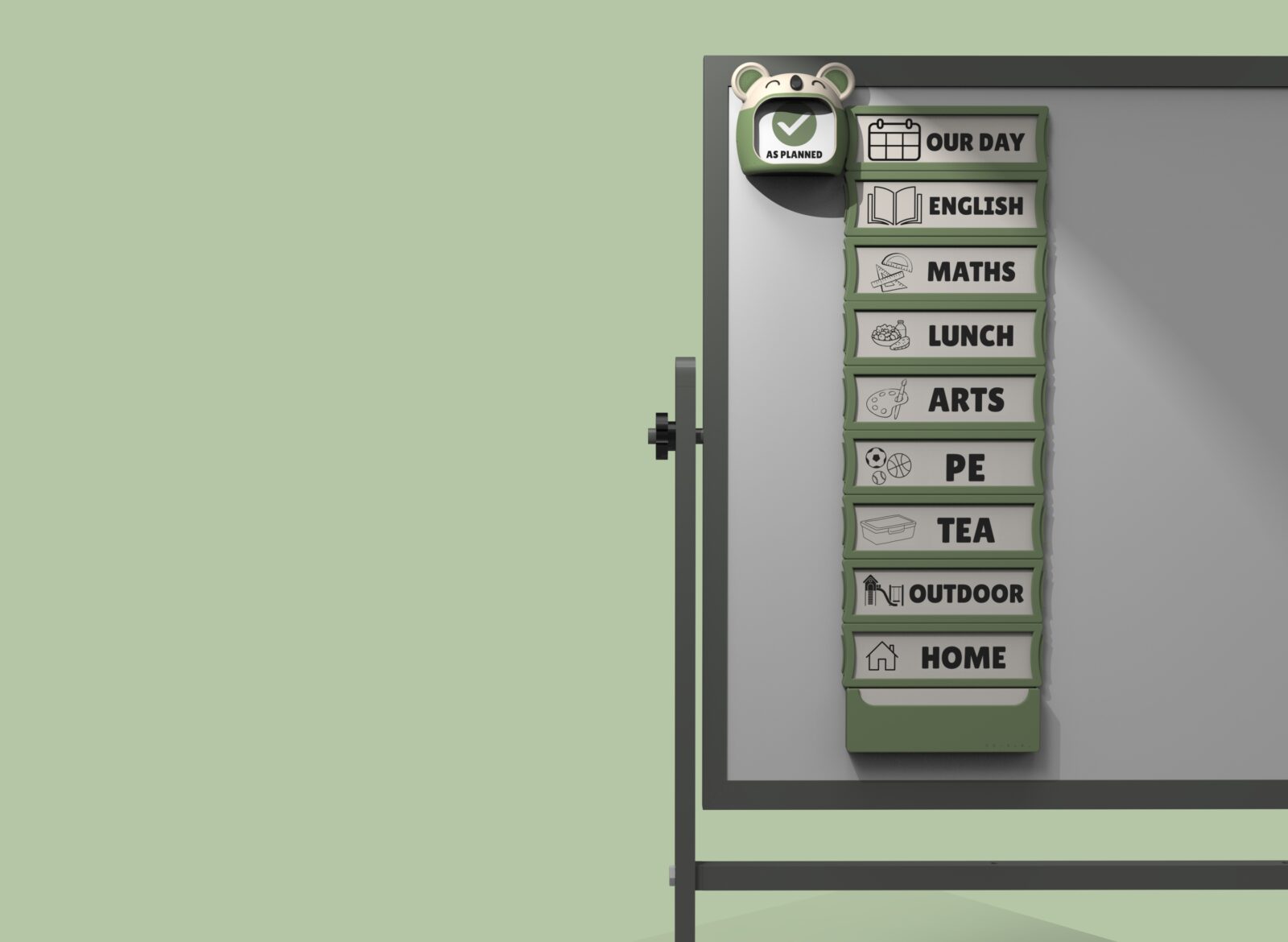
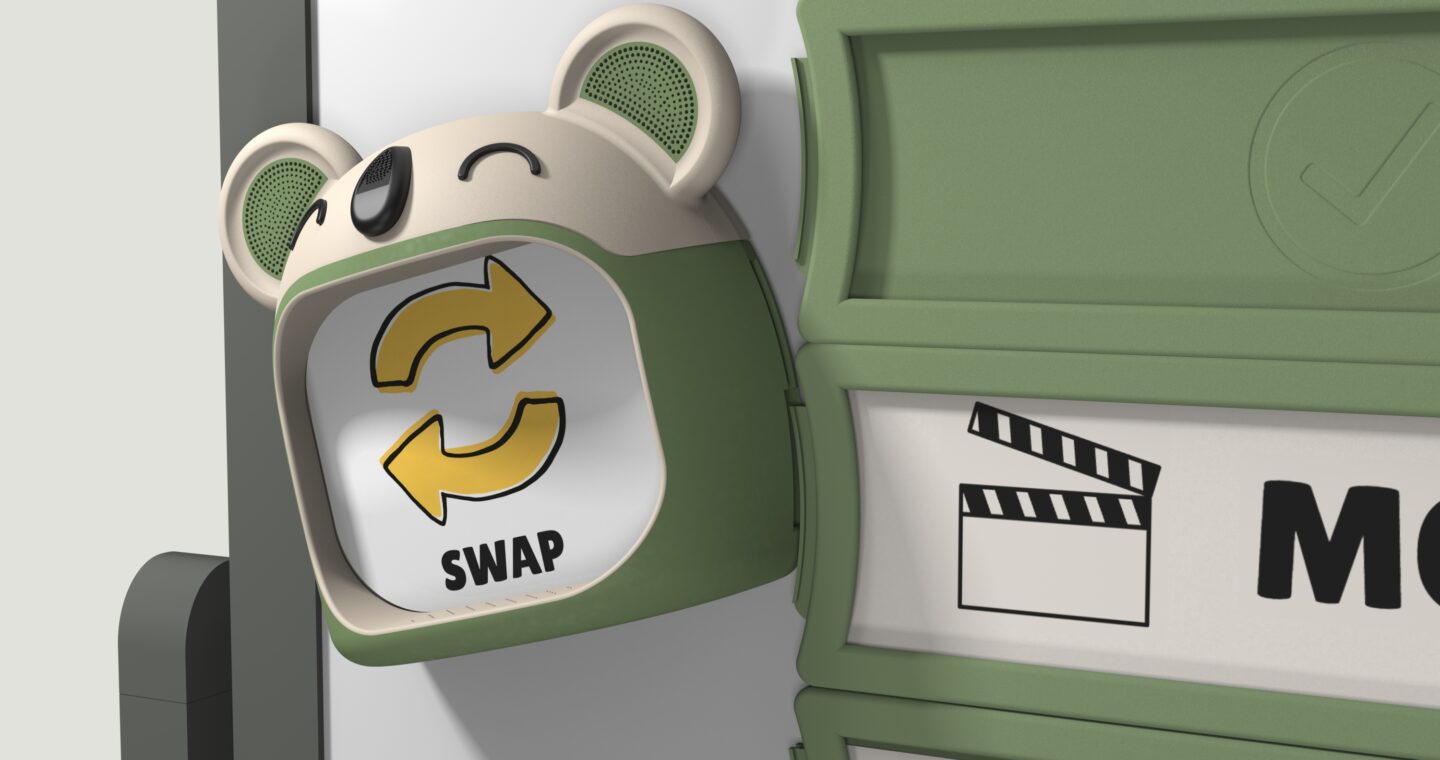
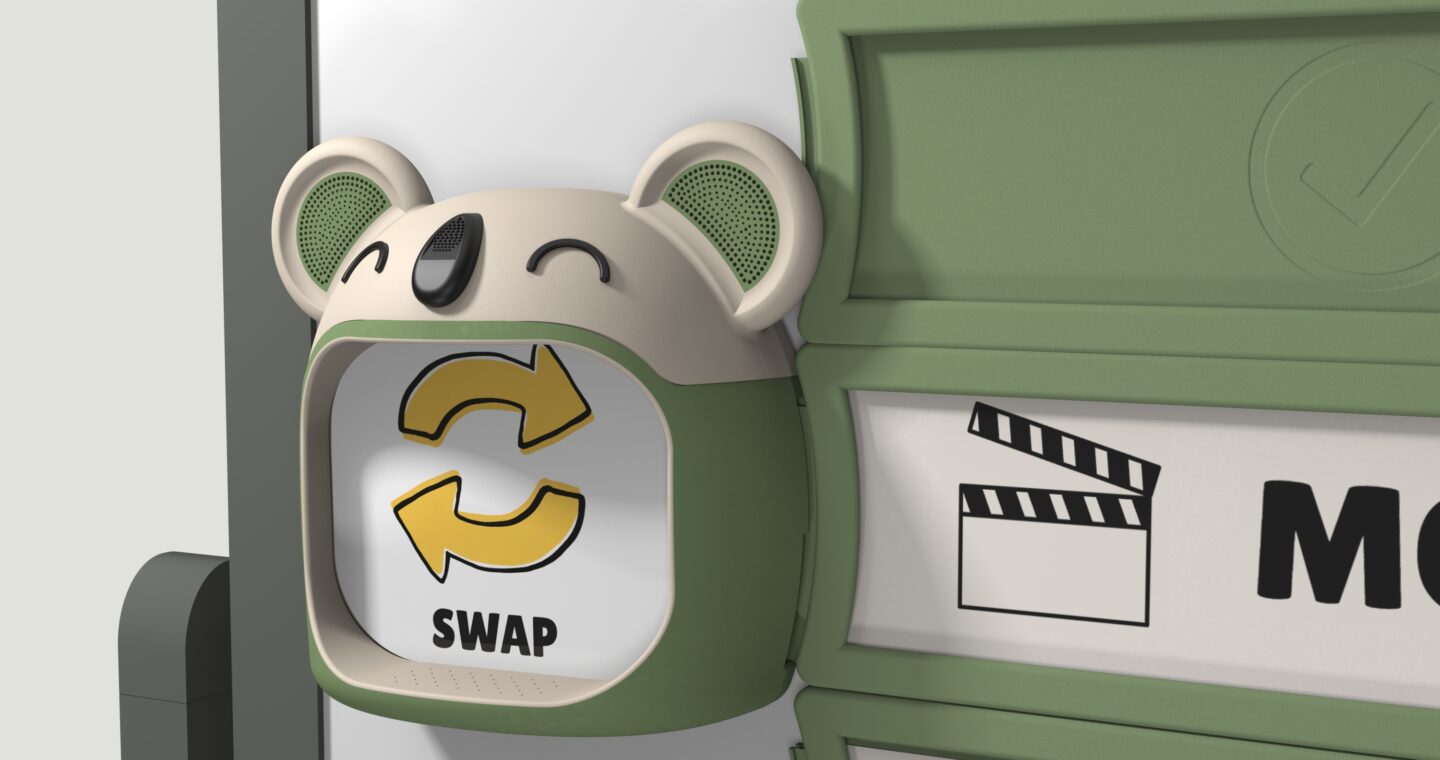
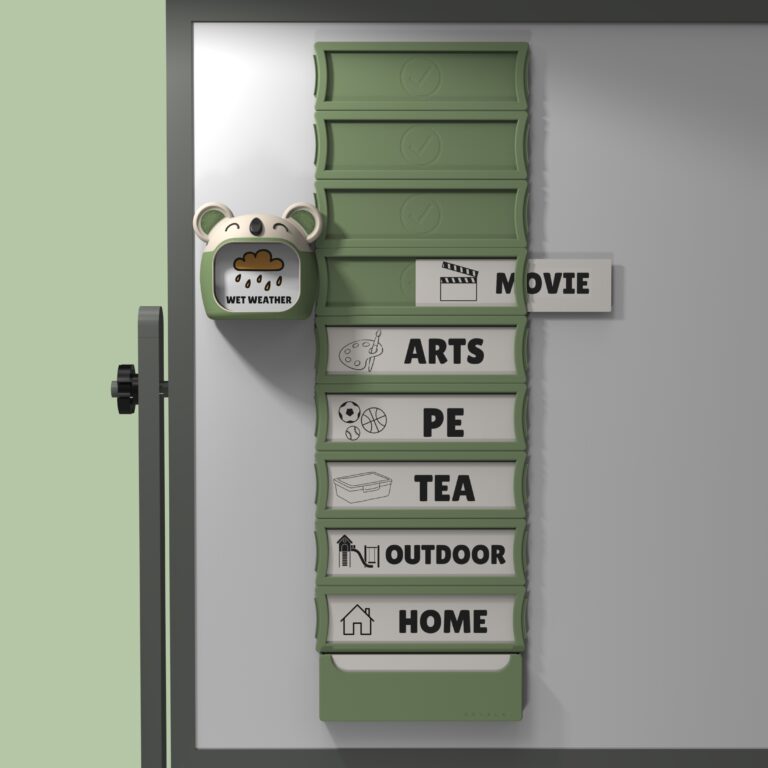
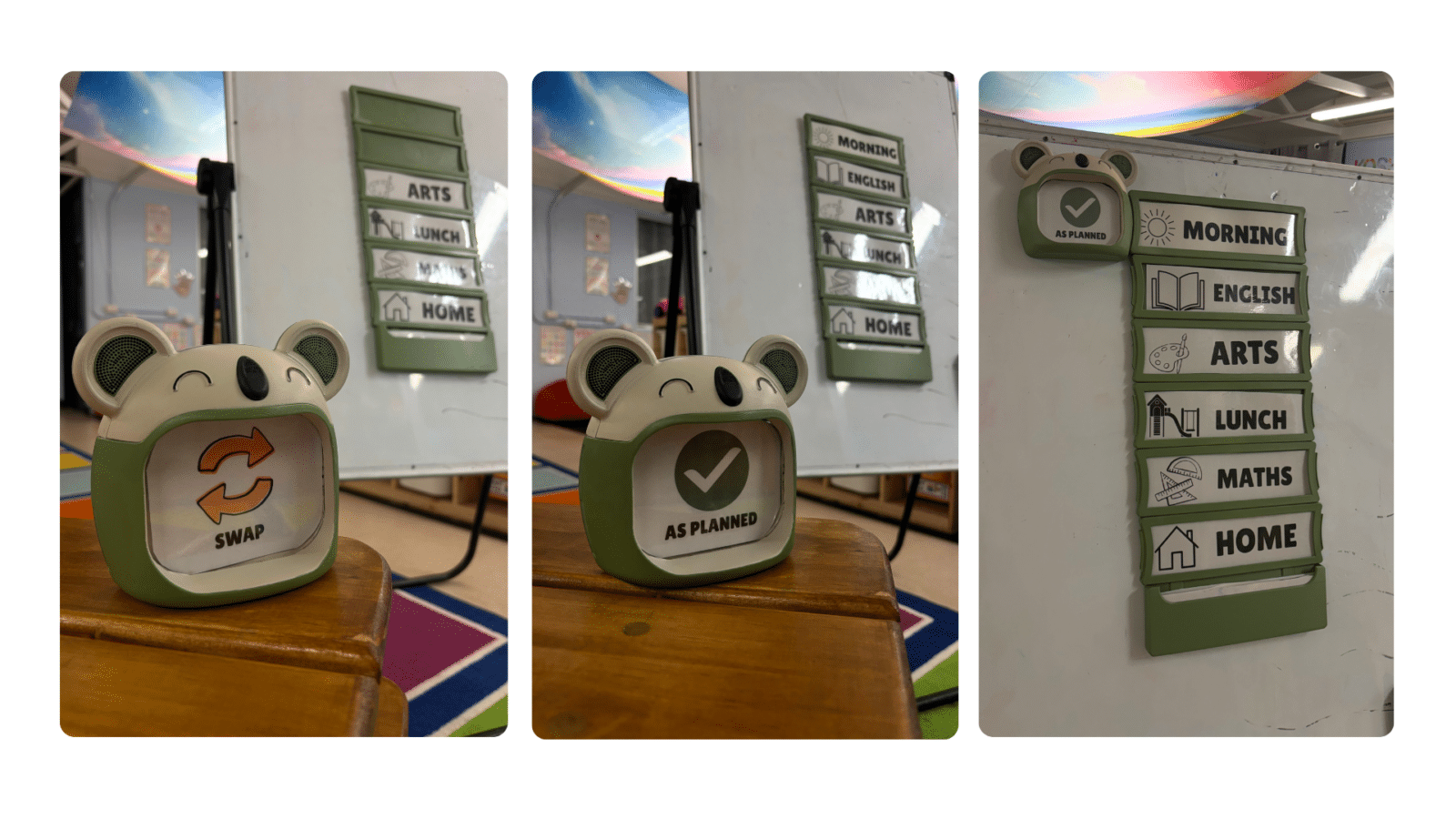
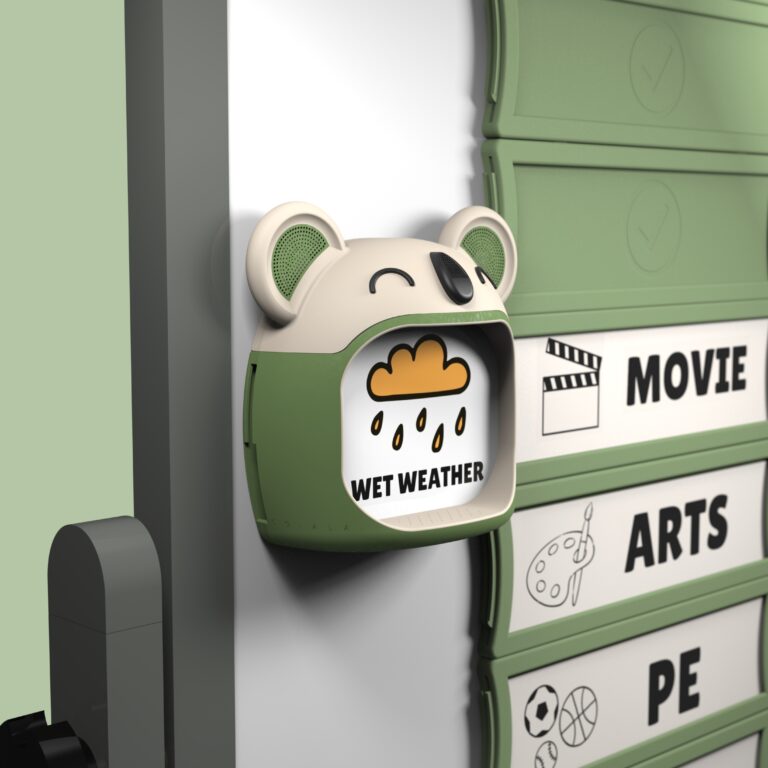
CO-ALA addresses these challenges through an interactive classroom companion designed to support Prep children during unexpected changes to daily routines. Combining familiar auditory cues, interchangeable pictograms and a modular routine board, CO-ALA provides educators with a consistent and adaptable approach to communicating change. A recessed button on CO-ALA’s nose activates a familiar song to signal a transition, while visual pictograms communicate why the routine has changed. The modular routine board then illustrates what will happen next, helping children understand new expectations. Through repeated use, CO-ALA aims to establish a recognisable transition ritual that reduces uncertainty, encourages independence and supports children’s developing self-regulation skills.
INTERCHANGEABLE CARD SYSTEM
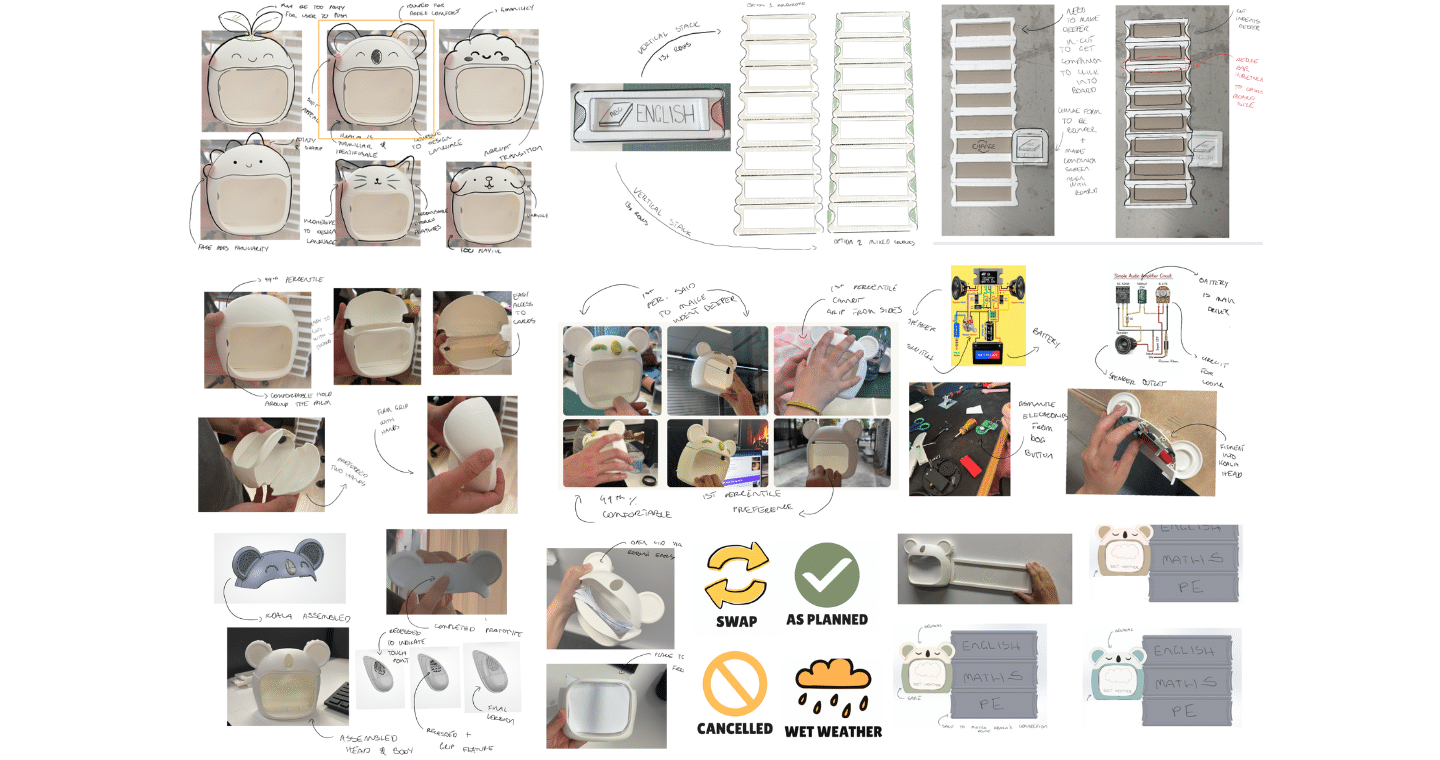
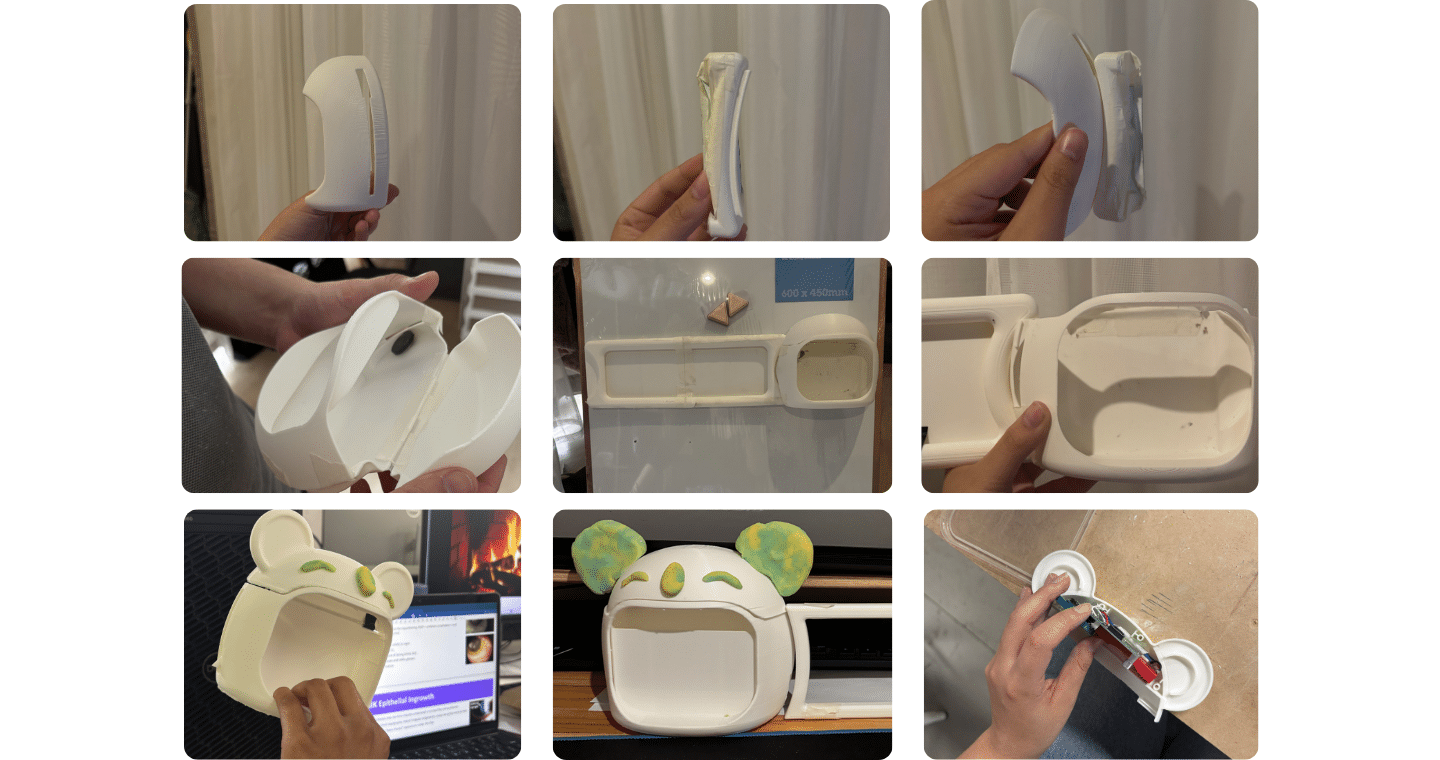
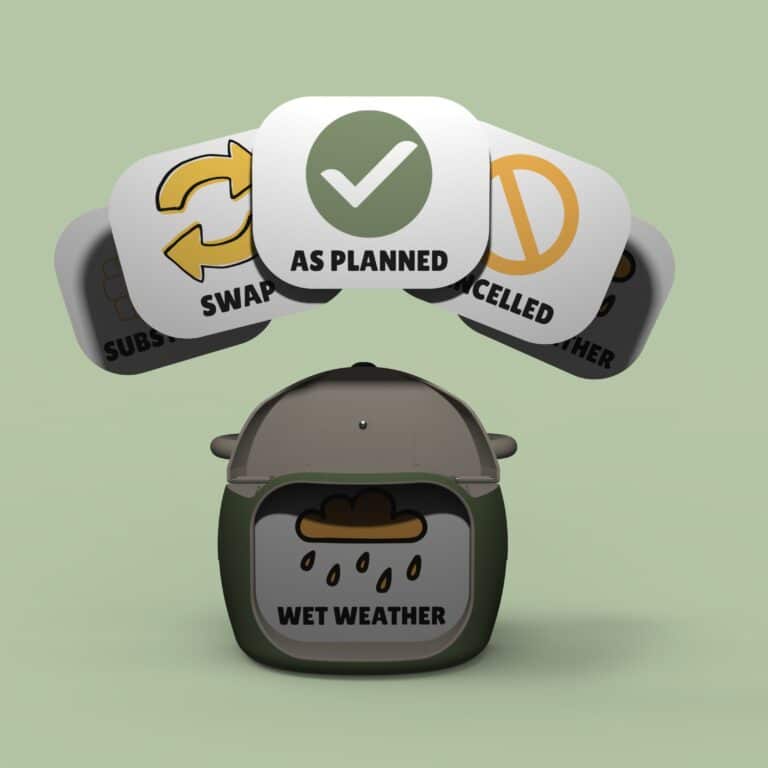
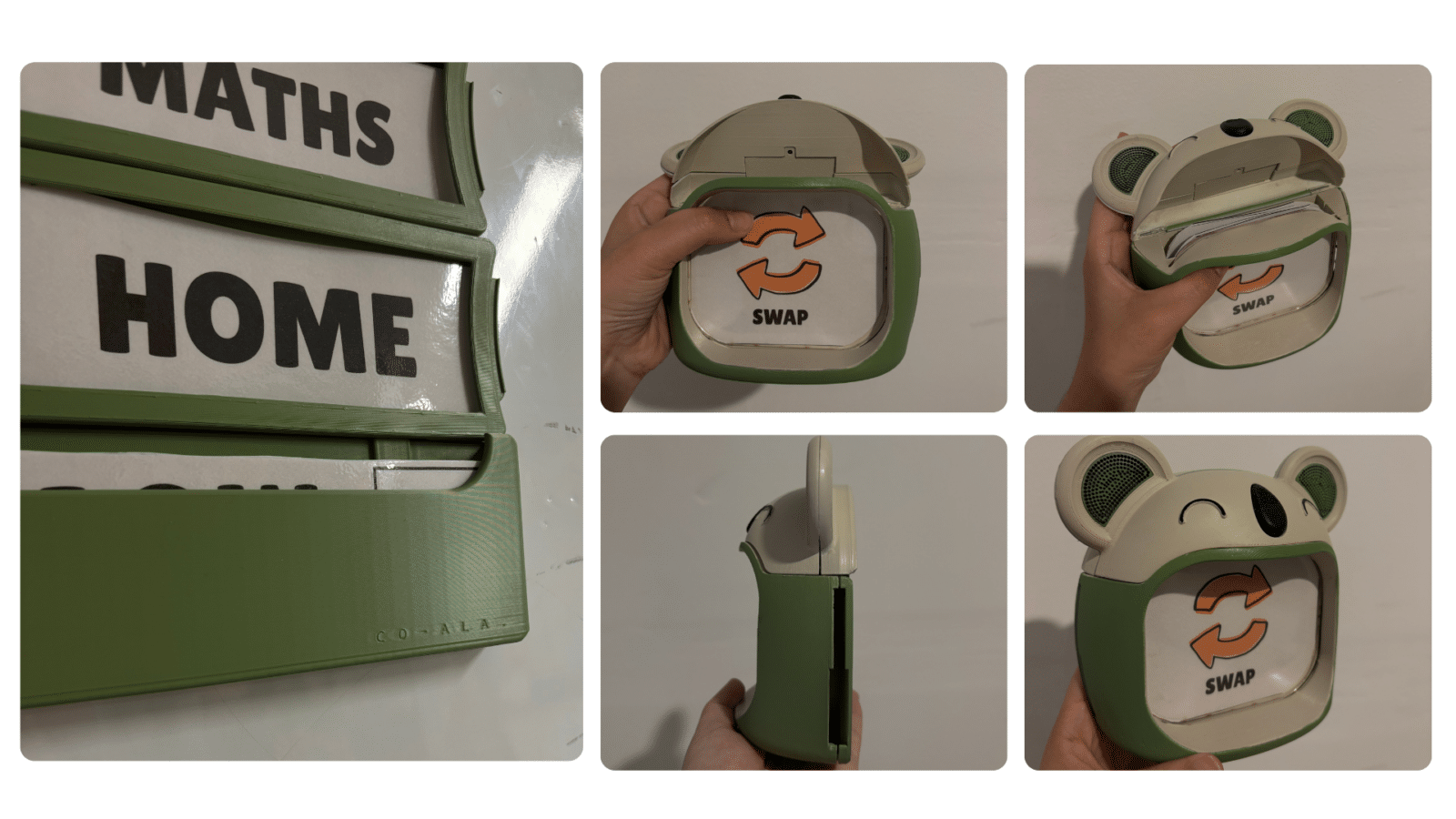
CO-ALA features a purposefully screen-free, interchangeable card system designed for intuitive educator operation and minimal sensory distraction. Customisable, pre-ordered physical pictogram cards provide familiar visual communication, while a writable polycarbonate panel offers whiteboard functionality for unexpected changes not covered by standard cards. A hinged opening mechanism, robust grip points integrated into CO-ALA’s ears and a soft magnetic closure enable quick, effortless card replacement. Together, these features reduce educator preparation time, accommodate diverse classroom scenarios and maintain a calm, low-stimulation experience for children.
VISUAL PICTOGRAMS
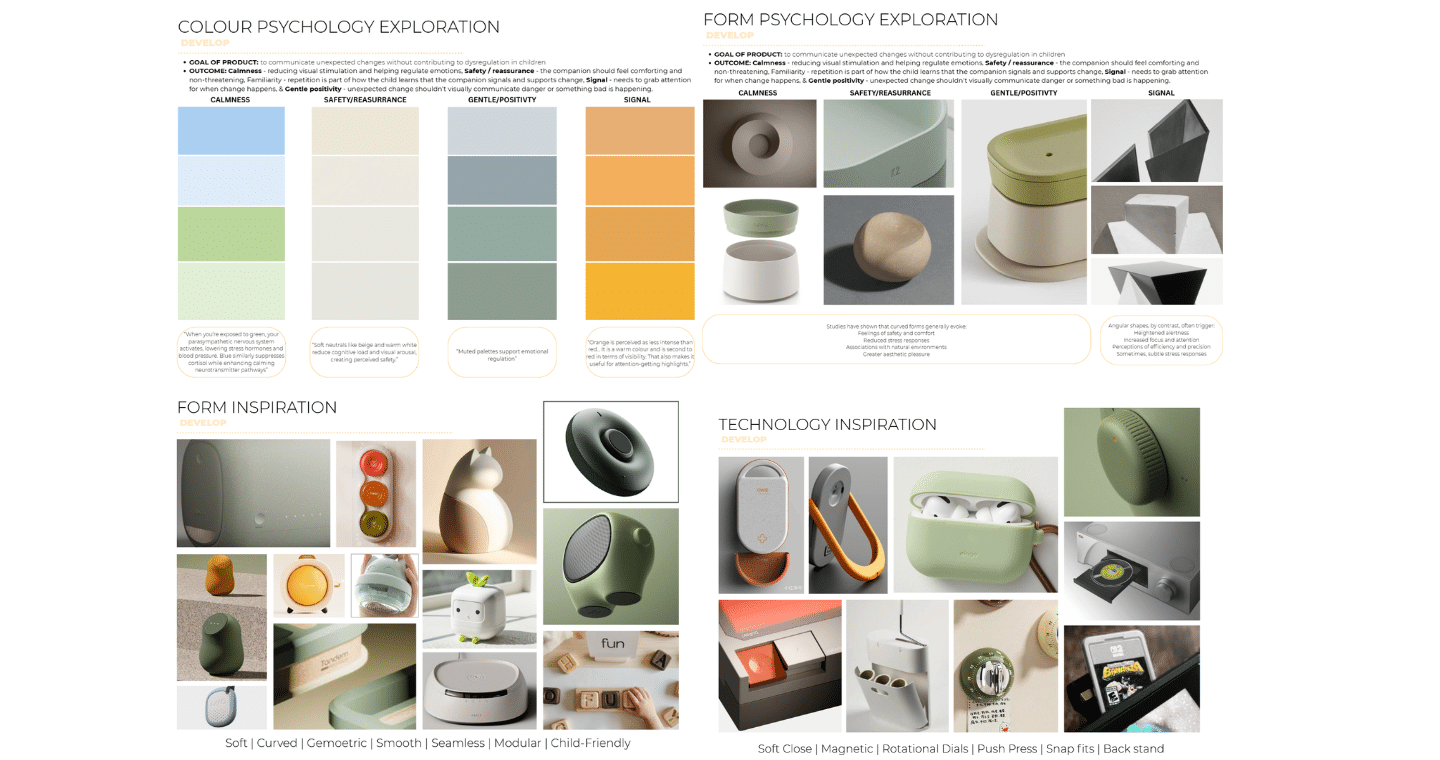
Through interchangeable visual pictograms, CO-ALA provides children with a simple and accessible way to understand why unexpected classroom routine changes occur. Each pictogram uses recognisable imagery and minimal information to communicate changes without relying heavily on verbal instructions, supporting children with varying developmental and communication needs. Colour psychology further informs the design, with orange signalling change and drawing attention, green conveying comfort and calmness, and beige promoting a sense of safety and reassurance. Together, these colours establish a gentle visual language that communicates essential information without creating unnecessary sensory demands. By combining familiar imagery with intentional colour choices, CO-ALA aims to reduce uncertainty, encourage independent understanding and support children’s developing self-regulation during unexpected transitions.
Secure Interlocking Mechanism and Ergonomic Grip
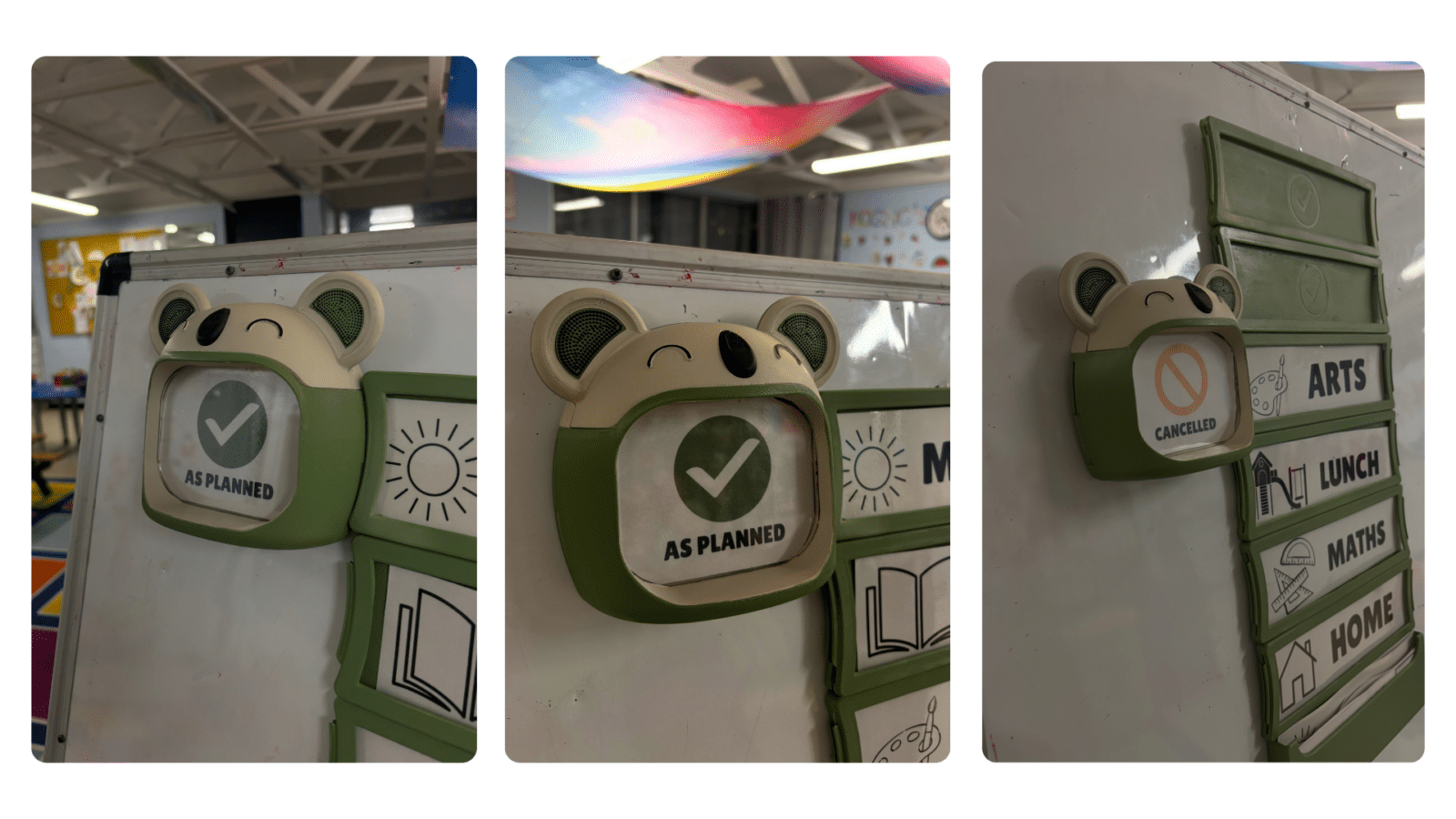
CO-ALA incorporates a secure interlocking mechanism designed to prevent children from easily detaching the product, ensuring stability and safety during classroom use. Accommodating hand sizes from the 1st to 99th percentile, an accessible ledge supports smaller hands, while soft-touch silicone grips along CO-ALA’s edges provide comfortable, non-slip handling for larger hands. The silicone’s durability and easy-to-clean properties further support frequent classroom use, balancing child safety, ergonomic accessibility and intuitive educator operation.
Recessed Button & Familiar Auditory Cues
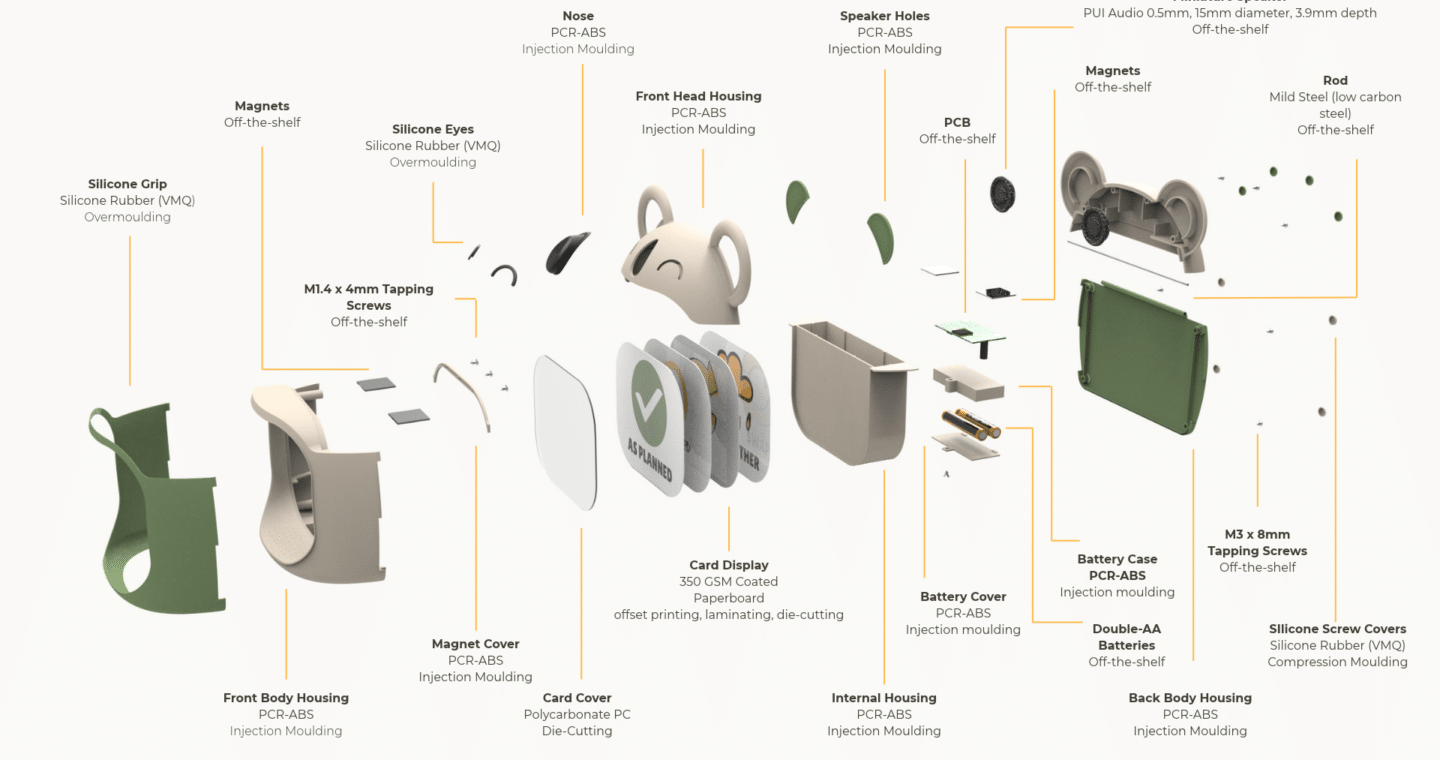
After securely interlocking CO-ALA onto the routine board, educators can press the recessed button integrated into CO-ALA’s nose to signal an unexpected change. An internal printed circuit board (PCB) controls the audio playback system, while integrated speaker perforations within CO-ALA’s ears allow sound to travel through the enclosure without compromising its playful, seamless aesthetic.
The button activates a familiar song, introducing playfulness while directing children’s attention towards the updated routine board. Through repetition, the melody becomes a recognisable auditory cue specifically associated with unexpected routine changes. This consistent communication ritual aims to reduce uncertainty, minimise repeated verbal prompting and support children’s developing self-regulation.
MODULAR ROUTINE BOARD
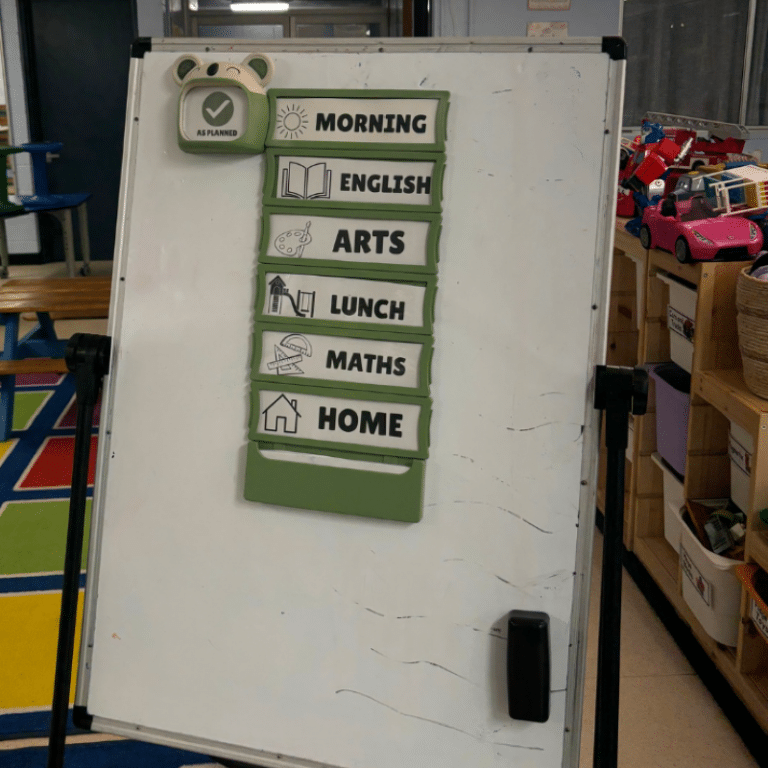
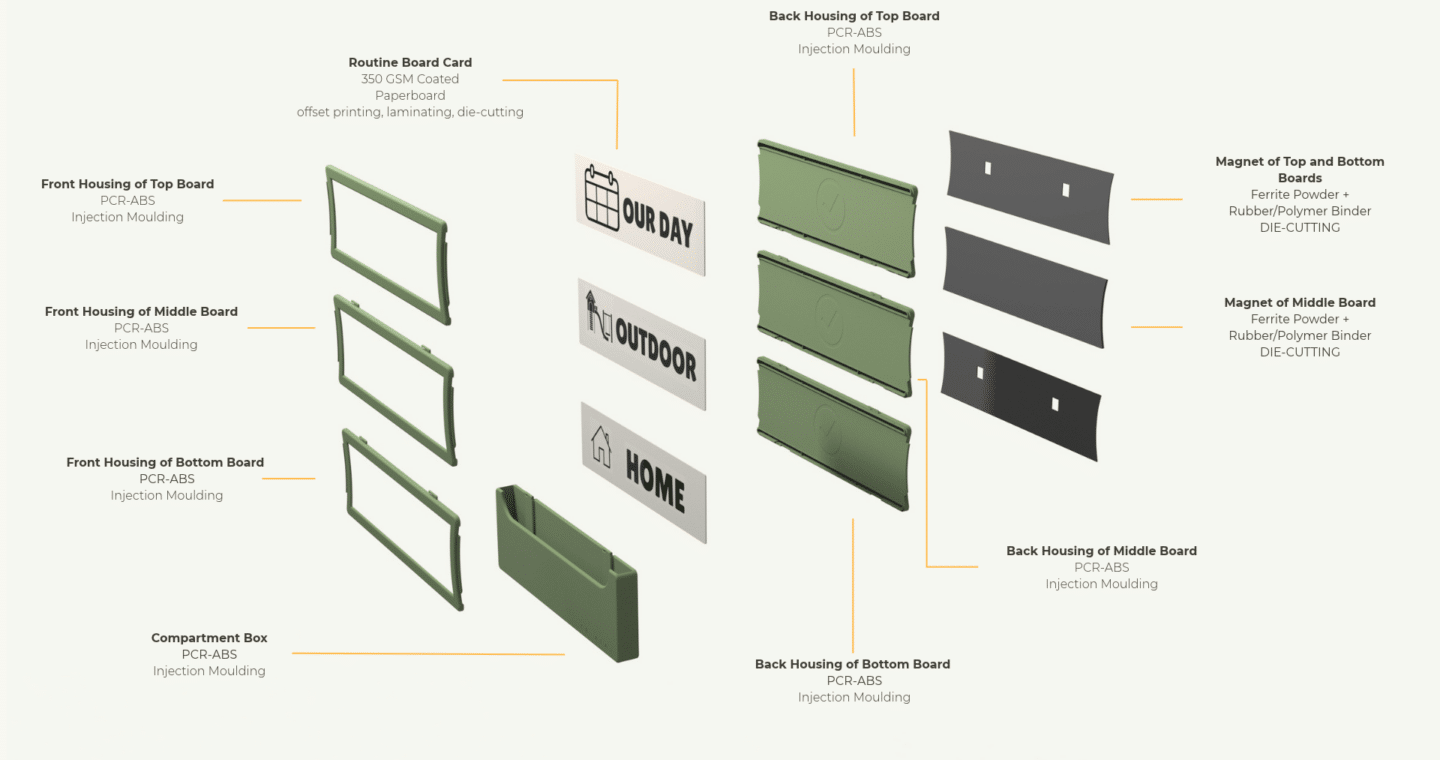
CO-ALA features a modular routine board designed for quick, intuitive communication of unexpected classroom changes. Individual routine cards slide out and can be replaced to illustrate the updated activity, minimising educator preparation time and classroom disruption. Integrated card storage keeps additional cards organised and readily accessible, while clip and snap-fit connections allow educators to configure between one and thirteen interconnected boards to suit classroom needs. By maintaining a familiar visual structure while adapting to unexpected changes, the system supports predictability, independence and children’s developing self-regulation.
MOUNTING
CO-ALA’s modular routine board offers flexible mounting options to accommodate different classroom environments. Integrated magnetic backing allows secure attachment to magnetic whiteboards, while pre-designed mounting holes provide an alternative for permanent wall installation. These options enable educators to position the board at an accessible, visible height, supporting seamless integration into existing classroom layouts.
MATERIALS AND MANUFACTURING
CO-ALA combines carefully selected materials and manufacturing processes to prioritise durability, sustainability, ergonomic comfort and practical classroom use.
Post-consumer recycled ABS (PCR-ABS) is used for CO-ALA’s enclosure and modular routine board, with injection moulding enabling durable, consistent forms while reducing reliance on virgin plastics. VMQ silicone rubber is overmoulded to create seamless, non-slip grips and facial details, while compression moulding produces the silicone screw covers.
Interchangeable cards are manufactured from 350 GSM coated paperboard through offset printing, lamination and die-cutting. A die-cut polycarbonate cover provides reusable whiteboard functionality, while flexible ferrite magnetic backing allows secure attachment to magnetic whiteboards. Integrated mounting holes also enable wall installation, accommodating different classroom environments.
Standardised screws and off-the-shelf components support Design for Manufacture and Assembly (DFMA), simplifying production, maintenance and component replacement. Screw-secured battery access helps restrict children’s access to batteries, supporting alignment with relevant Australian product safety requirements.
Kiara is an industrial designer who believes design should be purposeful, meaningful, and add value to people's lives. Passionate about research and human-centred design, she enjoys understanding users' needs and values. Through prototyping, user testing, and embracing feedback, she continually refines her ideas to create thoughtful, inclusive design outcomes.