THE BACKGROUND
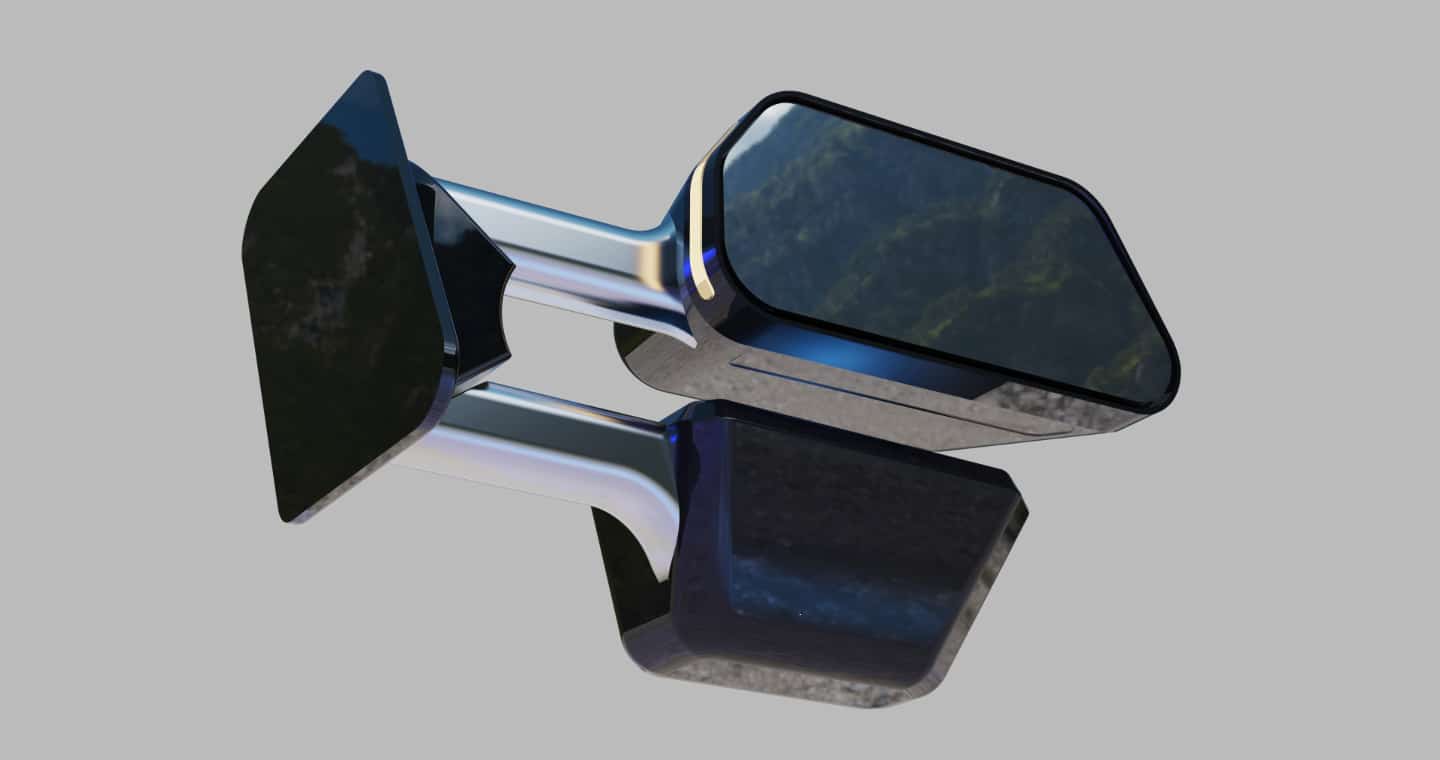
Rear view mirrors are one of the most fundamental safety features in a vehicle, giving drivers awareness of the traffic behind and beside them. Beyond visibility, they act as a shared point of communication on the road. Drivers use them to read the intentions of others, and road users rely on being seen in them. This made the mirror a natural starting point for the project. Already a trusted part of every vehicle, it sits in the driver’s line of sight and carries meaning for other road users.
The findings
-
Ambiguity of signals
Currently, ambiguity is a major source of stress on the road. The signals that exist do not cover the complexity of everyday scenarios, which causes confusion between road users and encourages decisions based on uncertainty.
-
Symbolism in communication
In the absence of clear signals, active transport users rely on symbolic methods to communicate and to judge whether a situation is safe. They read the speed of surrounding vehicles, the positioning of those vehicles, and the markings on the road, piecing these cues together to decide how to move.
-
Rear View Mirror anxiety
Rear view mirror anxiety was another major concern, especially among the observation group. Five of the six participants worried about informing those behind them of hazards, and feared being rear ended while doing so.
-
Hazard reporting concerns
Hazard reporting apps and systems aim to address concerns of informing those behind them, and a large portion of the research participants reported using these systems. They inform drivers of upcoming road anomalies, but they depend on active use of handheld devices to keep their databases current, which brings back the same safety trade-off.
“Even if the hazards right in front of me, I don’t think I have the courage to put myself in harms way…”
Survey participant on reporting hazards as an active transportation user
The problem
Hazard reporting systems ask road users to do the one thing they shouldn’t: look away. Whether driving, walking or riding, reporting means juggling an app while navigating complex traffic, with every glance at a screen a moment not spent watching the road. Faced with that trade off, many people choose safety over reporting. The hazards they pass, from debris and potholes to blocked paths and unsafe crossings, remain unmarked for everyone else. Over time, this leaves a gap between what road users encounter and what the system knows, and everyone travelling the same route is left in the dark. The result is a system that depends on people to report, but makes reporting the riskiest part of the journey.
DETECTION SIGNAL
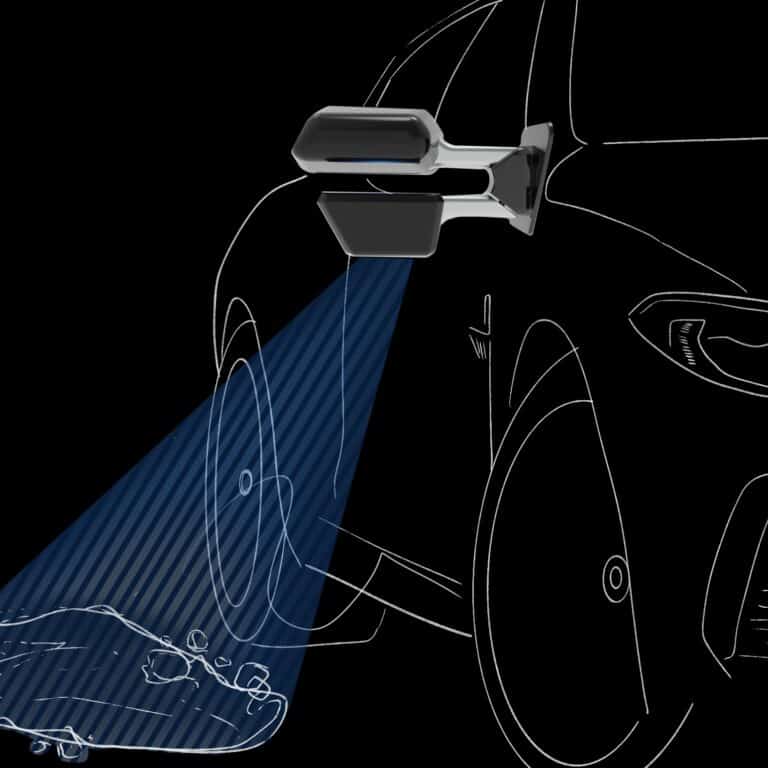
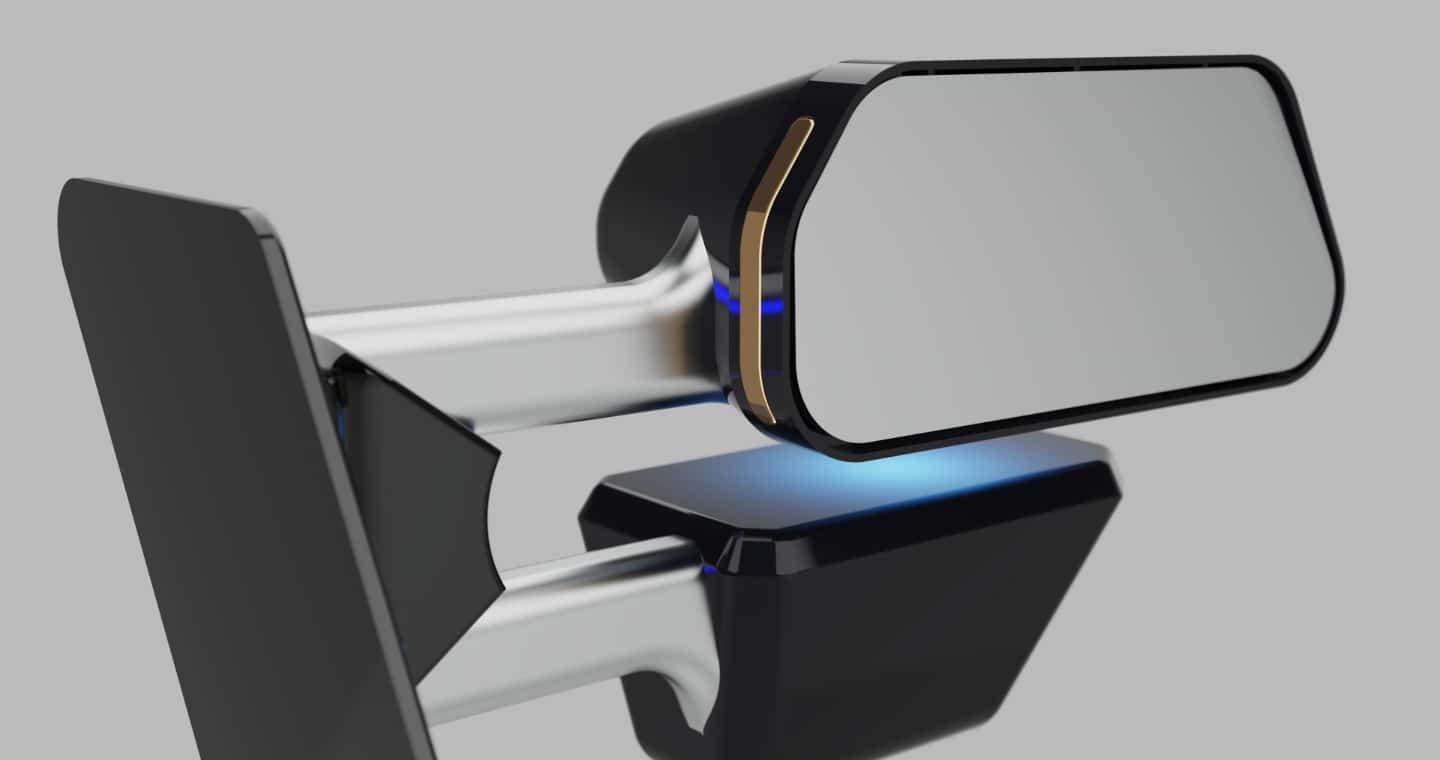
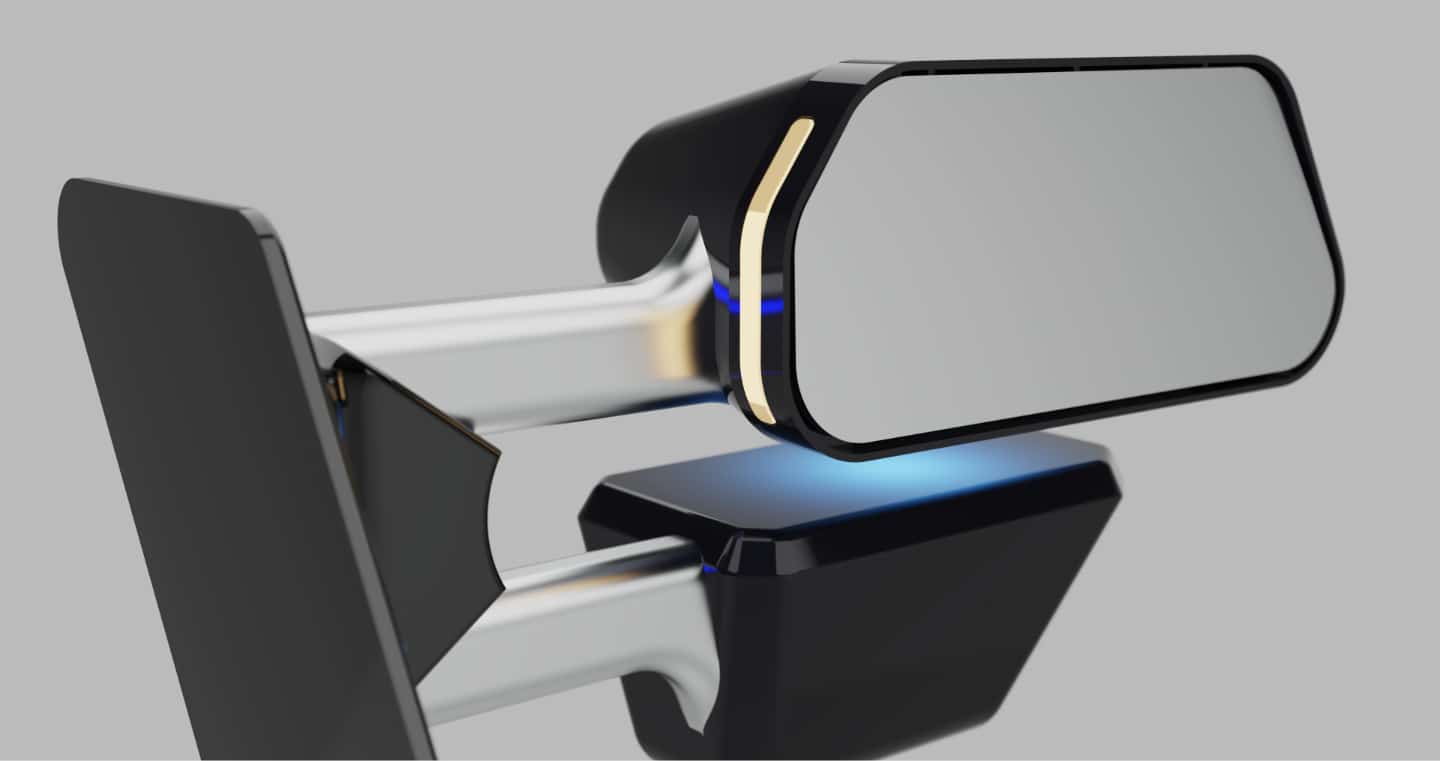
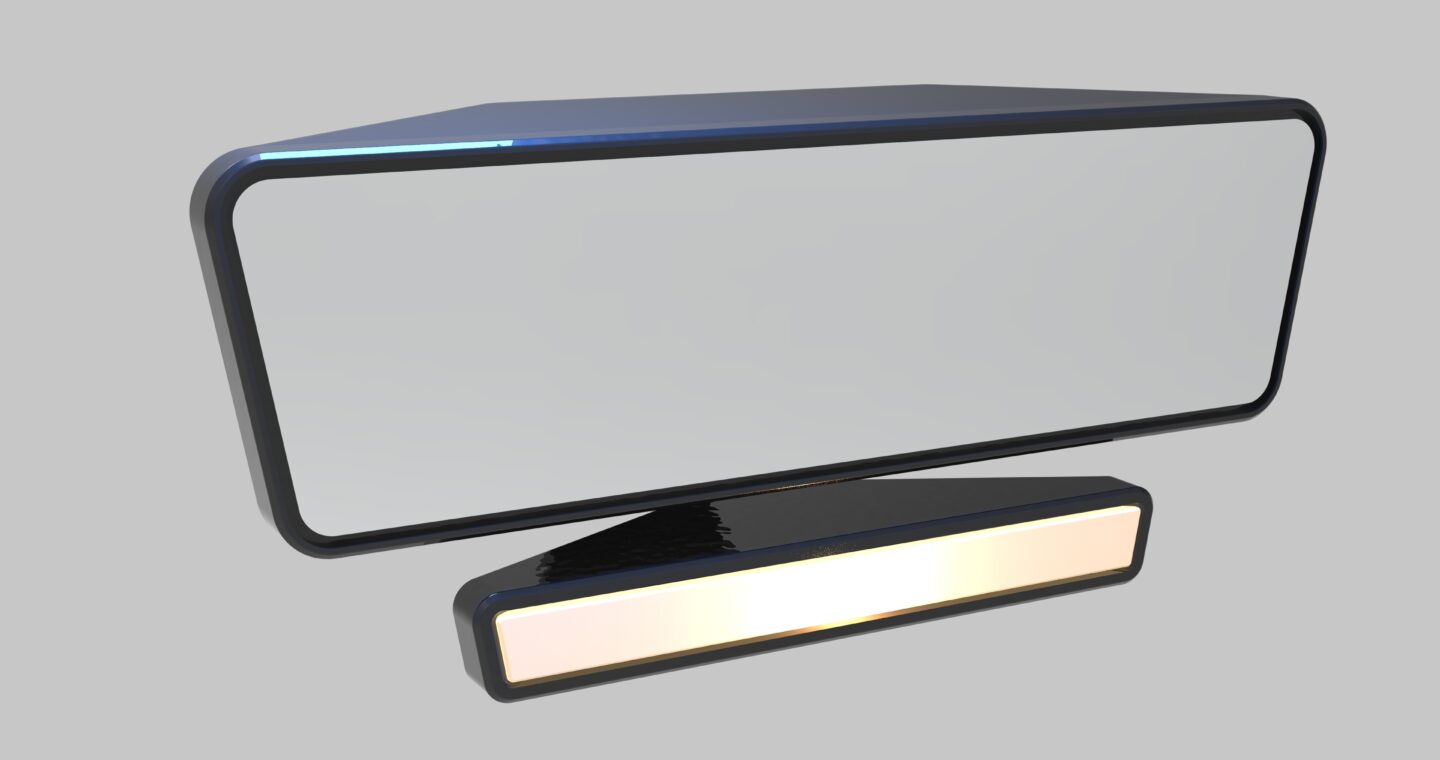
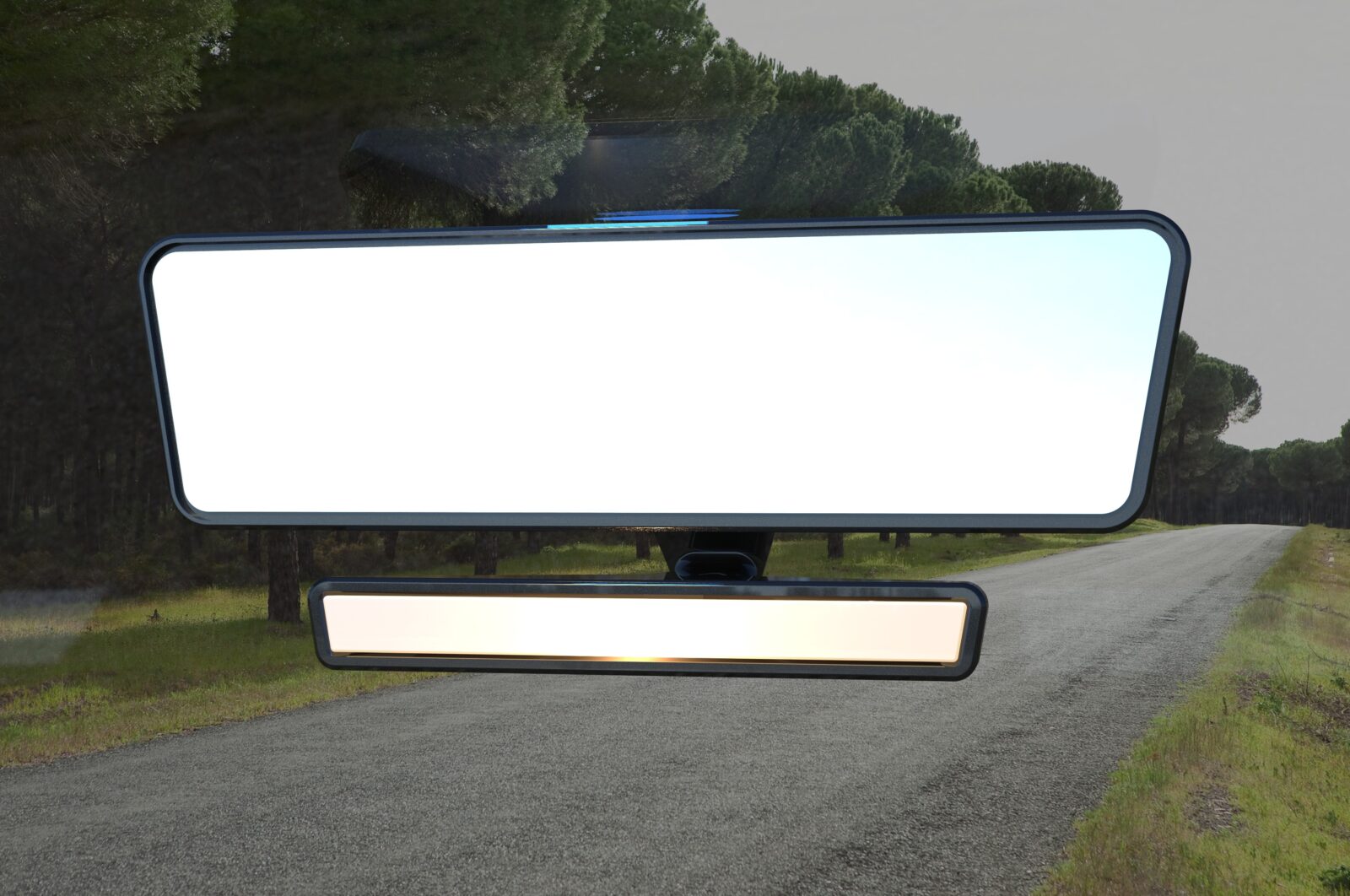
Subtle pulses of light indicate to driver that Mirage has found and reported a hazard, taking away any concern that they haven’t done their part.
WARNING SIGNAL
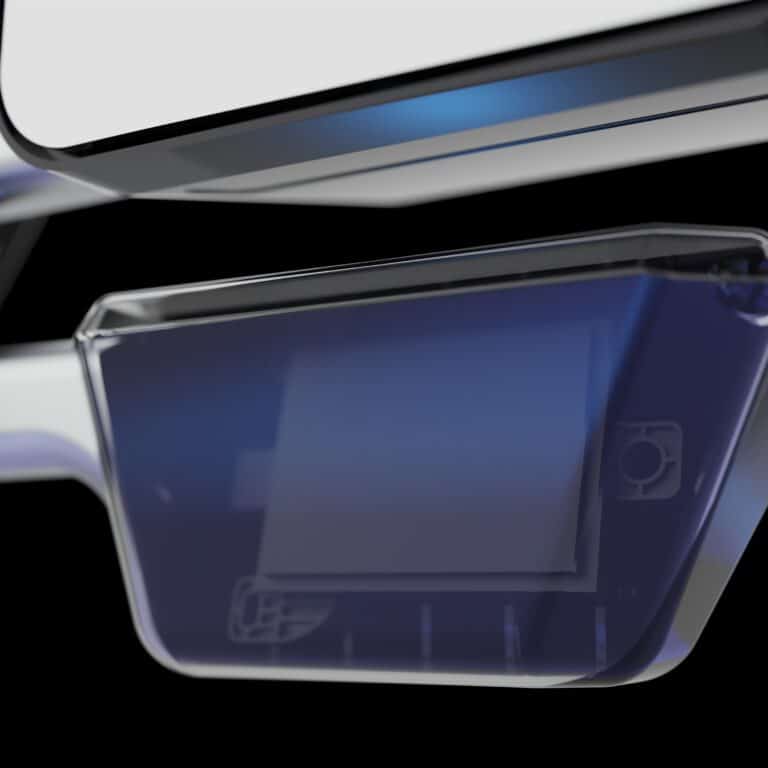
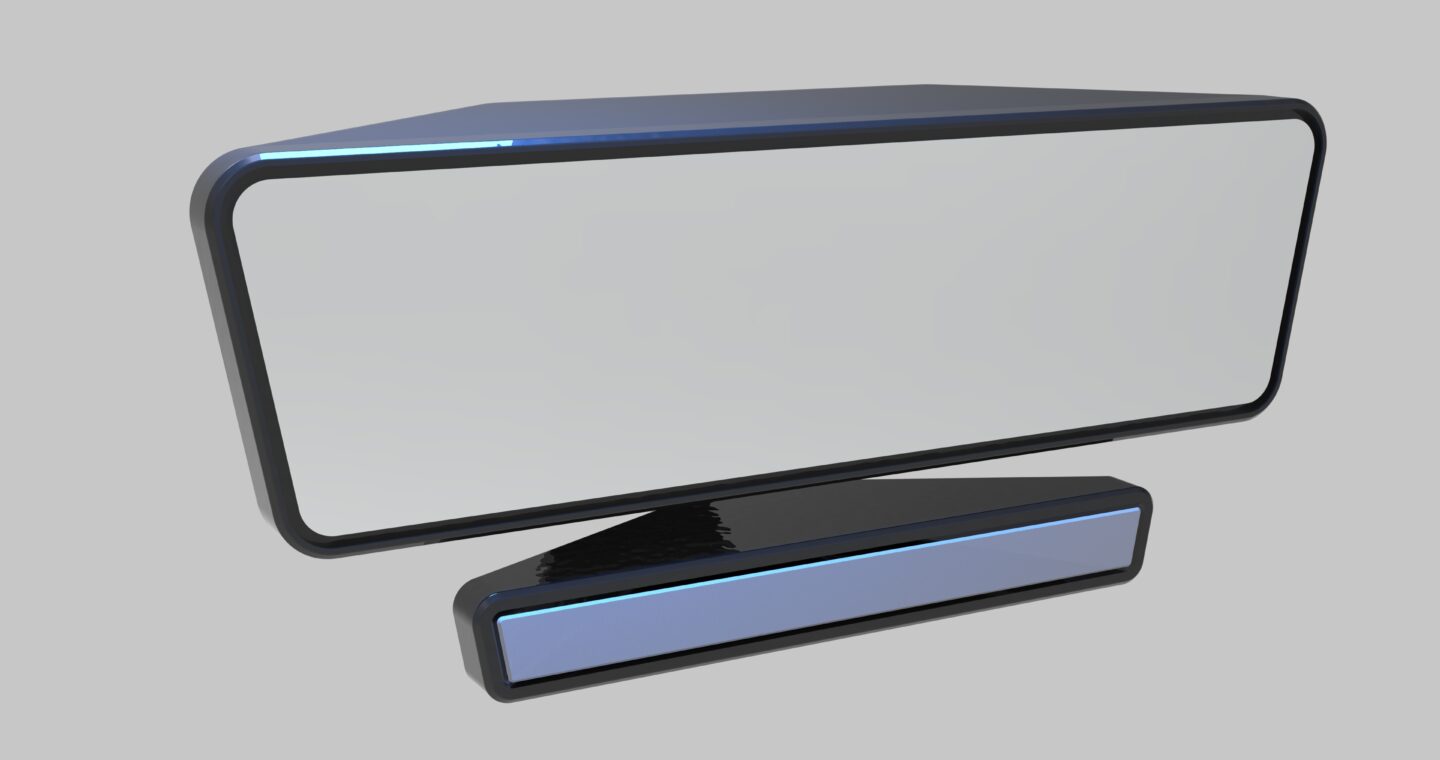
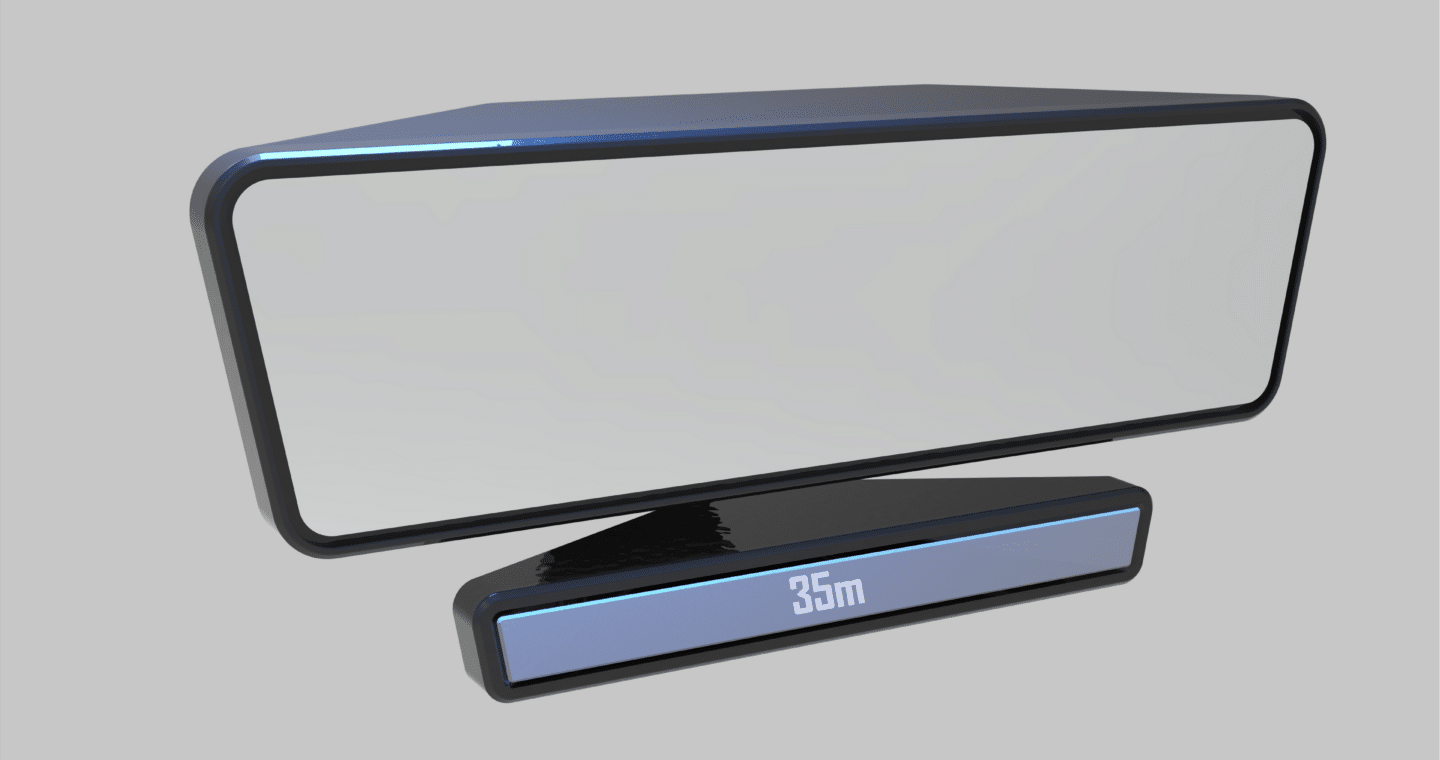
When driving into warning radius, internal warning system illuminates a light bar underneath the rear view mirror and reveals a distance to the hazard.
This warning allows drivers to better prepare for abnormal scenarios while remaining conscious of distraction. Warning fatigue was found to be a common reason users do not adopt safety technology, so Mirage purposefully keeps its warnings subtle enough to avoid fatigue, but clear enough to inform properly.
THE IMPACT
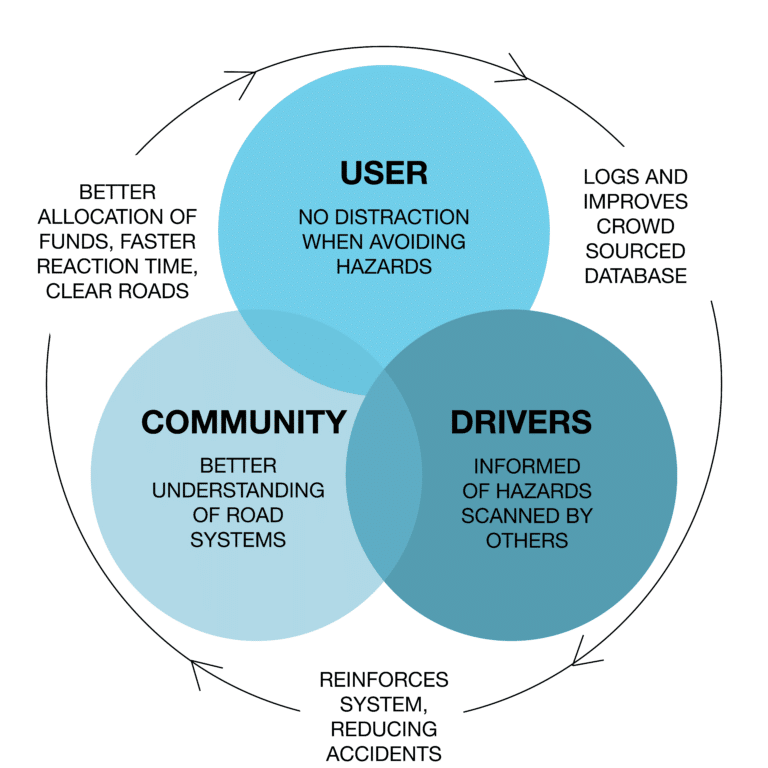
Mirage lets drivers protect others without taking their eyes off the road. Each journey sharpens a shared, live picture of road conditions, so warnings come earlier, signals are clearer, and uncertainty on the road gives way to confidence.
Clearer roads. Safer people. Zero reporting.