Industrial - Bachelor

CLAY: Adaptable Primary School Playground

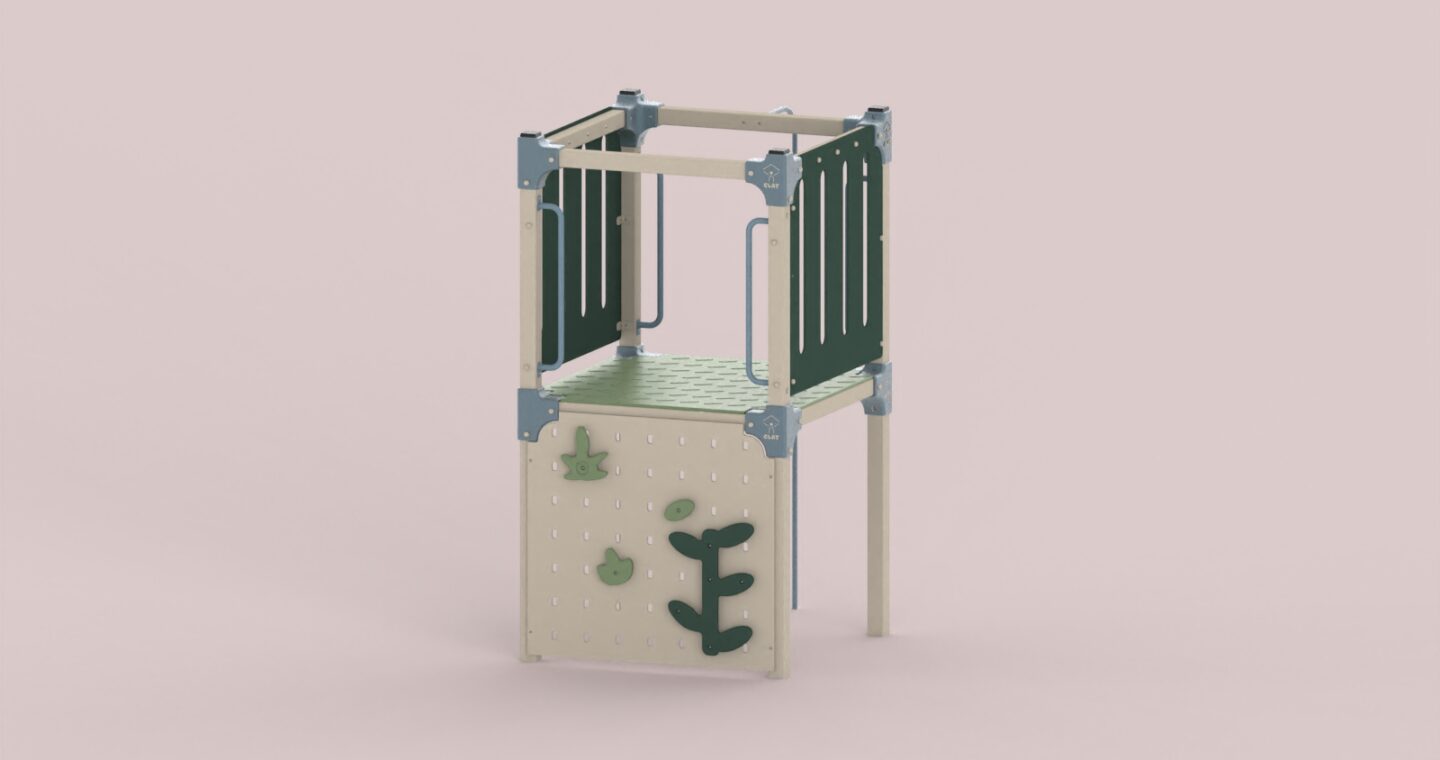
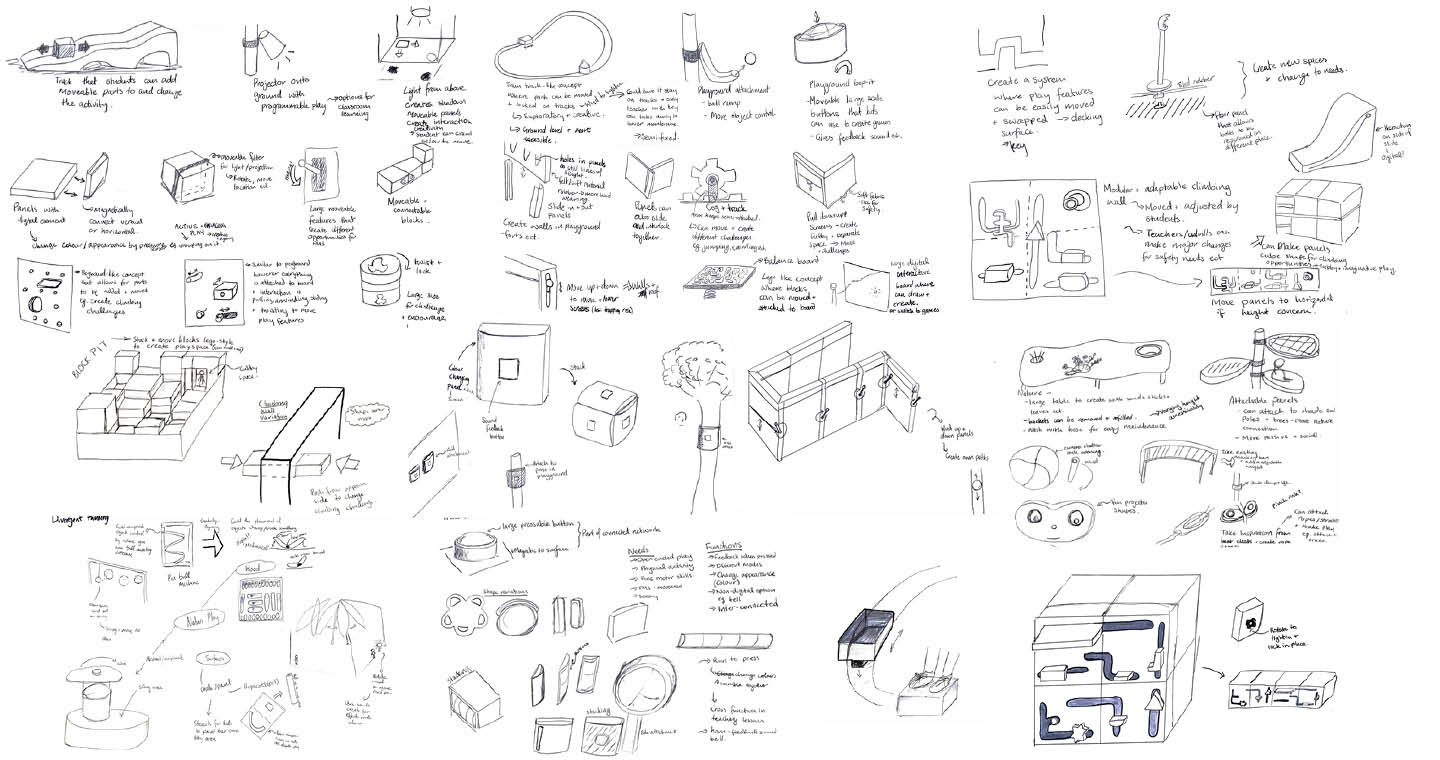
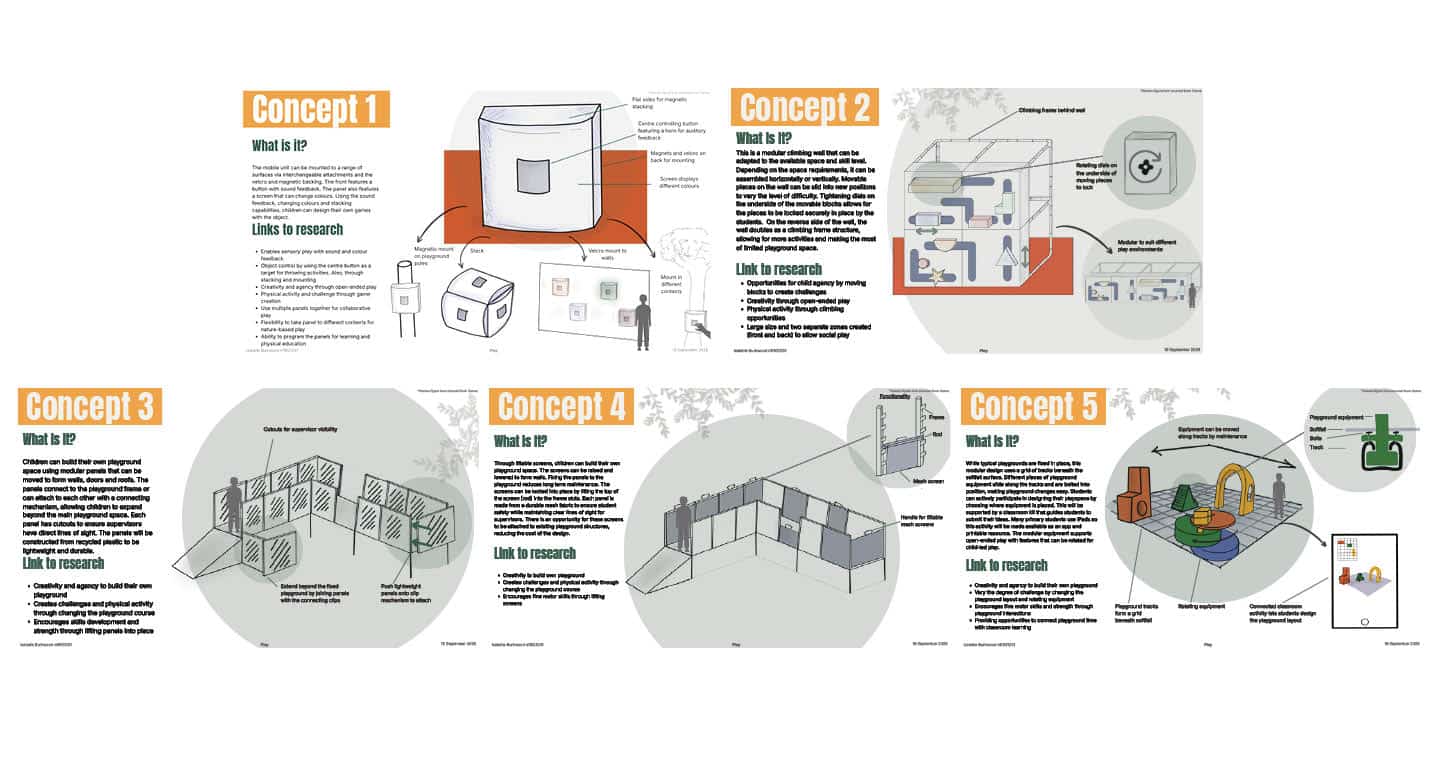
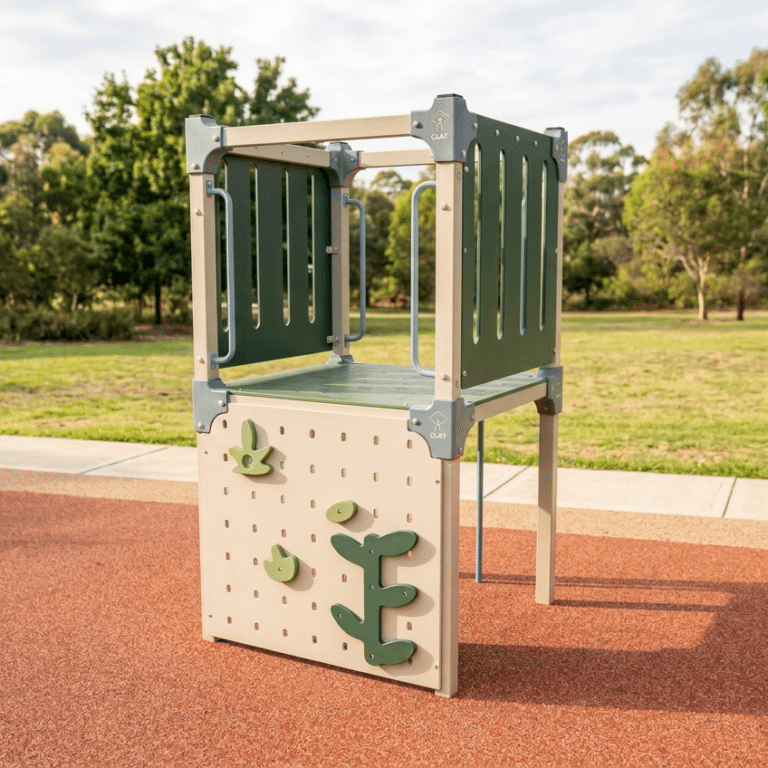
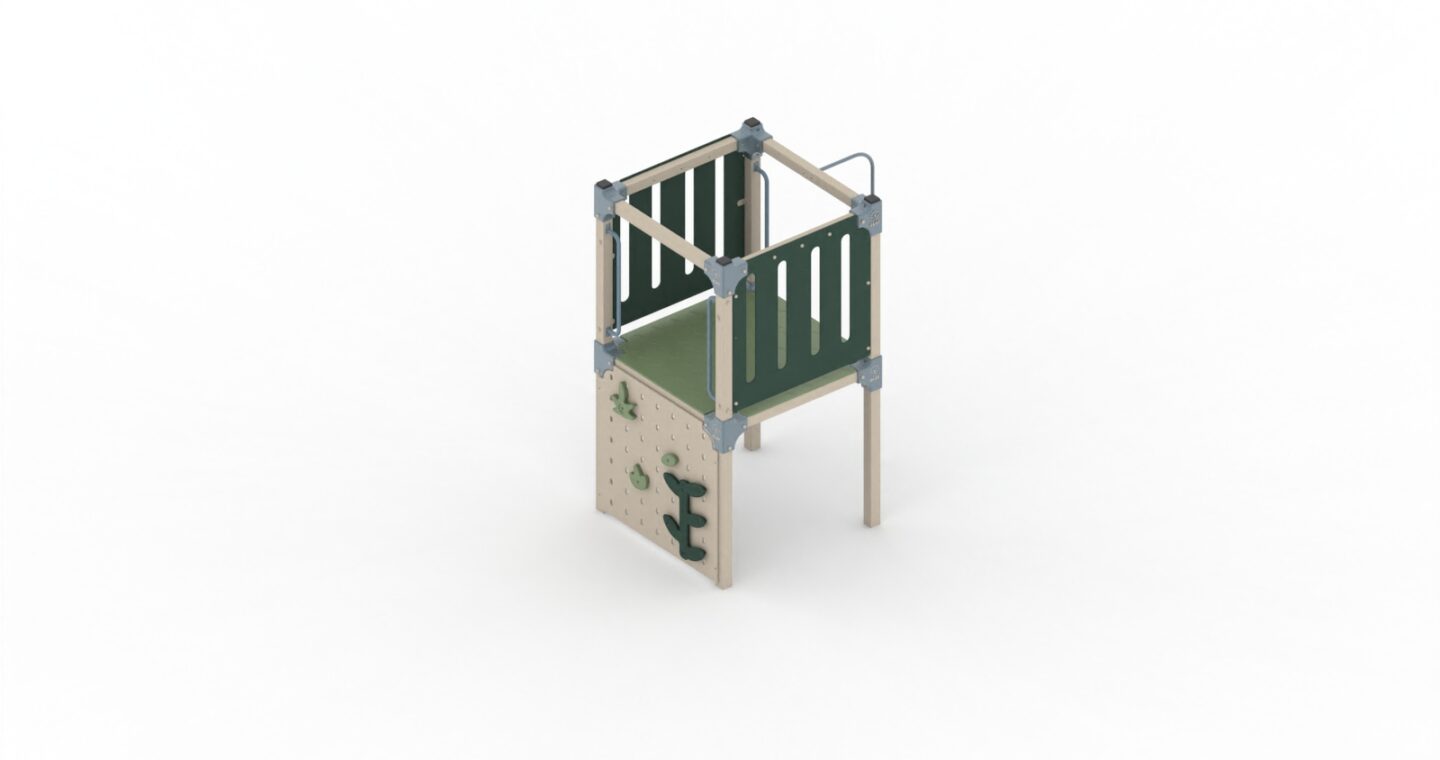
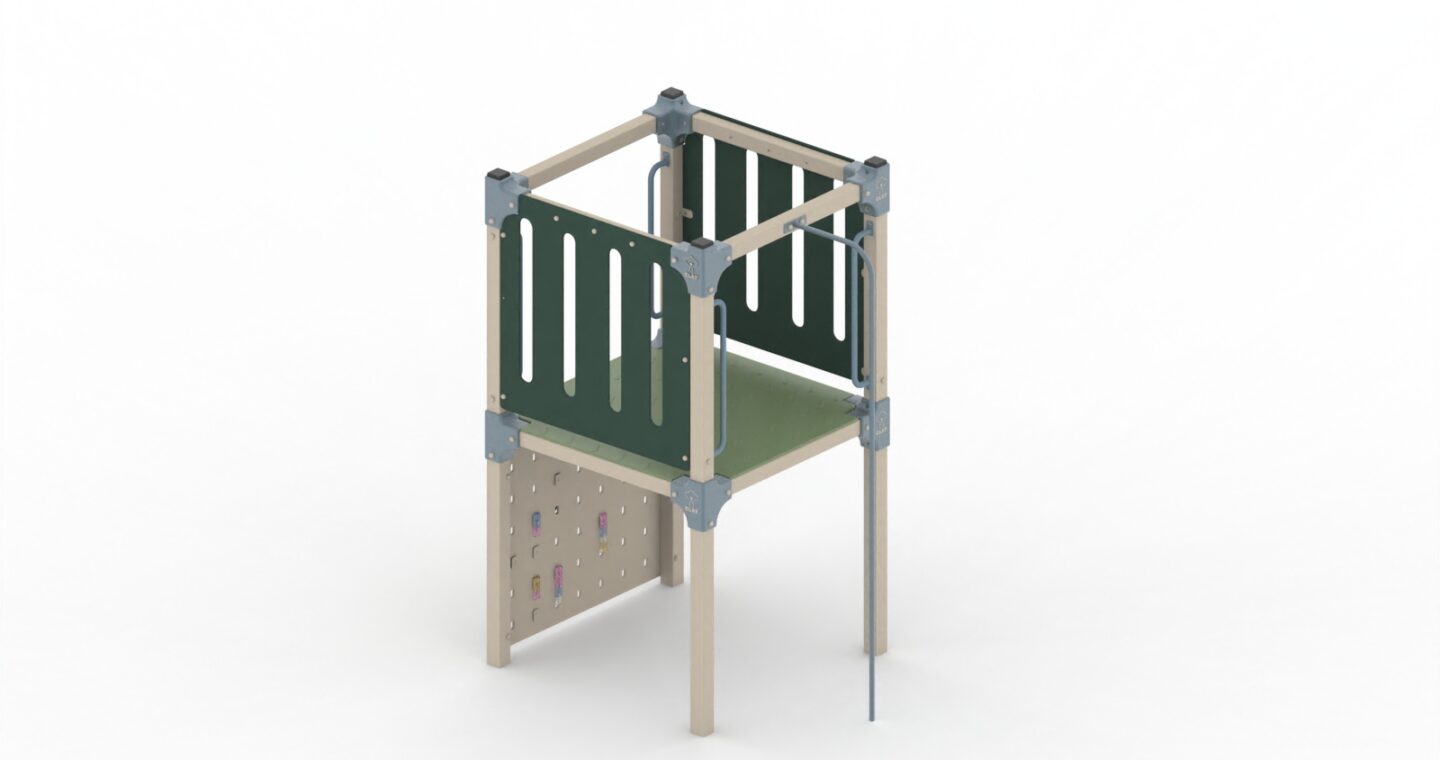
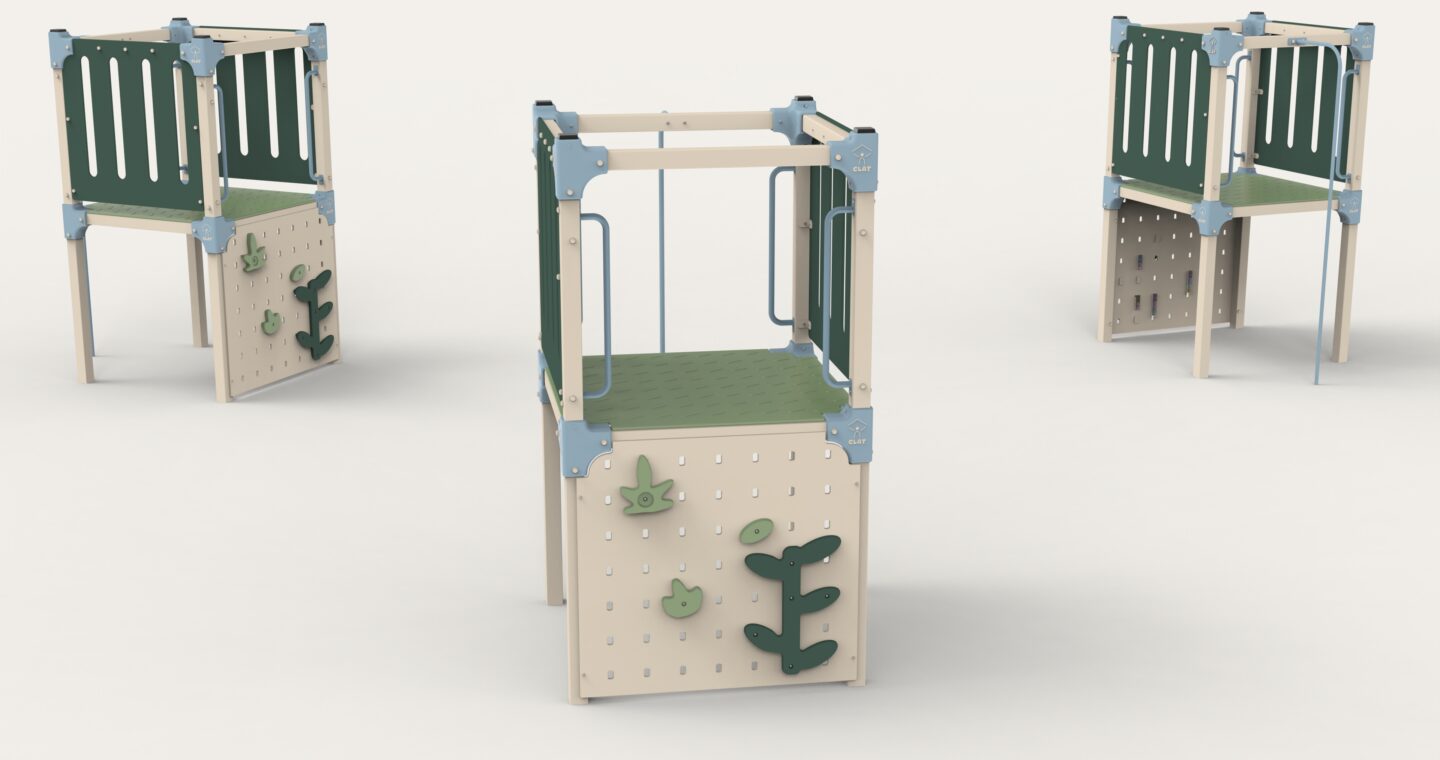
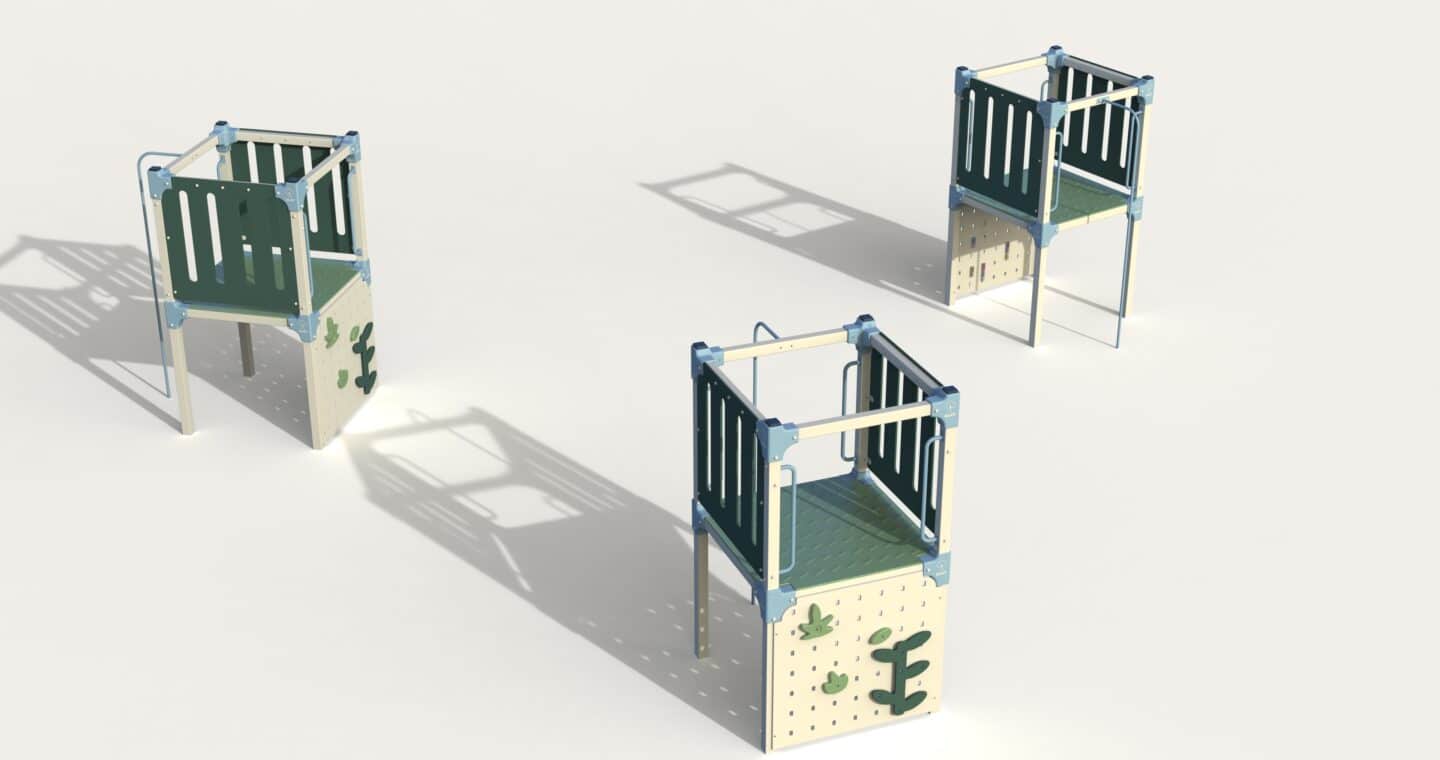
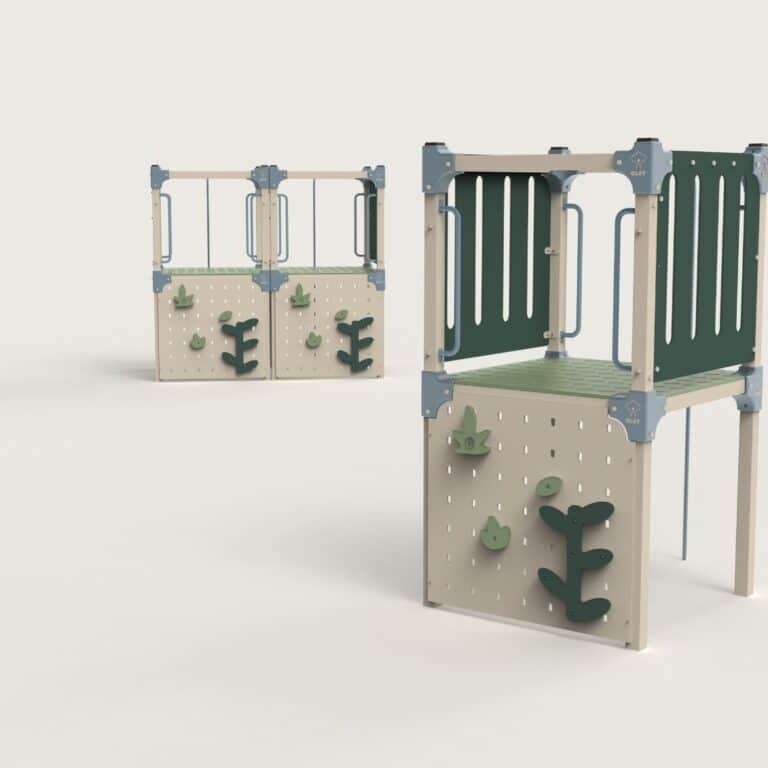
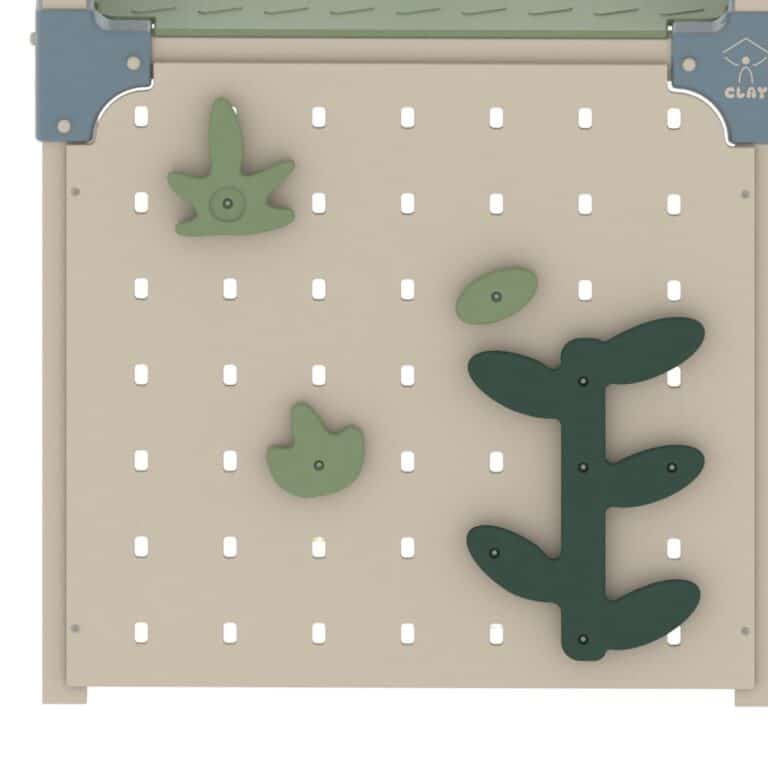
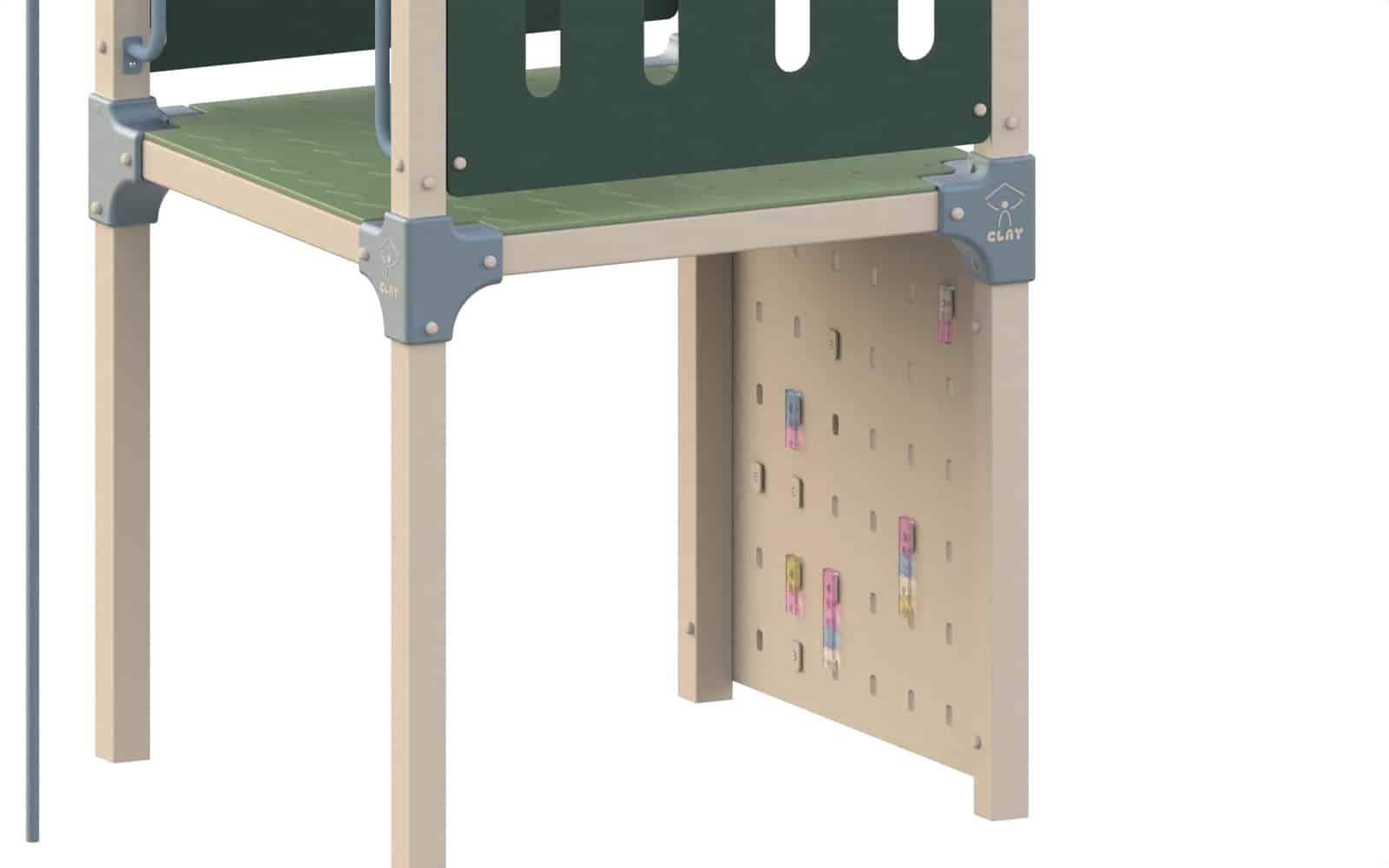
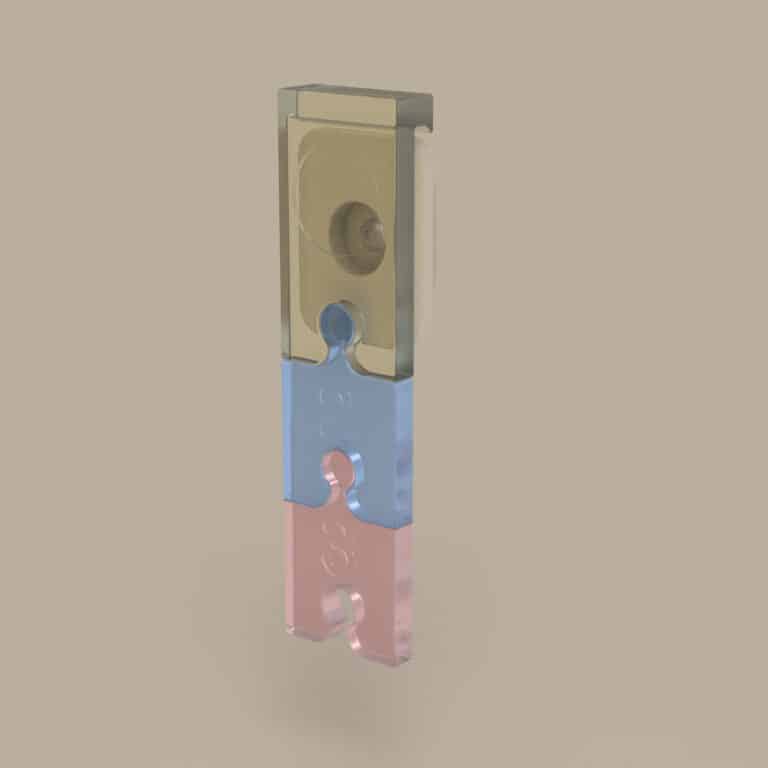
CLAY is a modular playground system for primary schools that gives students agency in the design of their play space. Climbing holds can be periodically moved and rearranged on the pegboard wall in response to student-led designs. On the reverse, puzzle block pieces support creativity and the development of fine-motor skills. Like clay, this playground can be shaped and adapted to suit the evolving needs of its users.

research and opportunity

Importance of playgrounds

Play is vital to a child’s development as it supports building cognitive, social and physical skills. Within schools, playgrounds form the primary context for play during break times, influencing student interactions and activity. Primary school is a critical period for children to develop healthy behaviours, including physical activity. As a convergence point for social interactions, physical activity and learning, the playground should be carefully designed to enhance value.

A key challenge is balancing opportunities for beneficial risk-taking with safety considerations. As standards and requirements have evolved, it is increasingly important to prioritise and support the child’s development while reducing hazards. Playgrounds must also accommodate many students at a time, often in a limited space. In some schools, increasing student numbers and new classrooms are further diminishing the available space for play.

Primary research

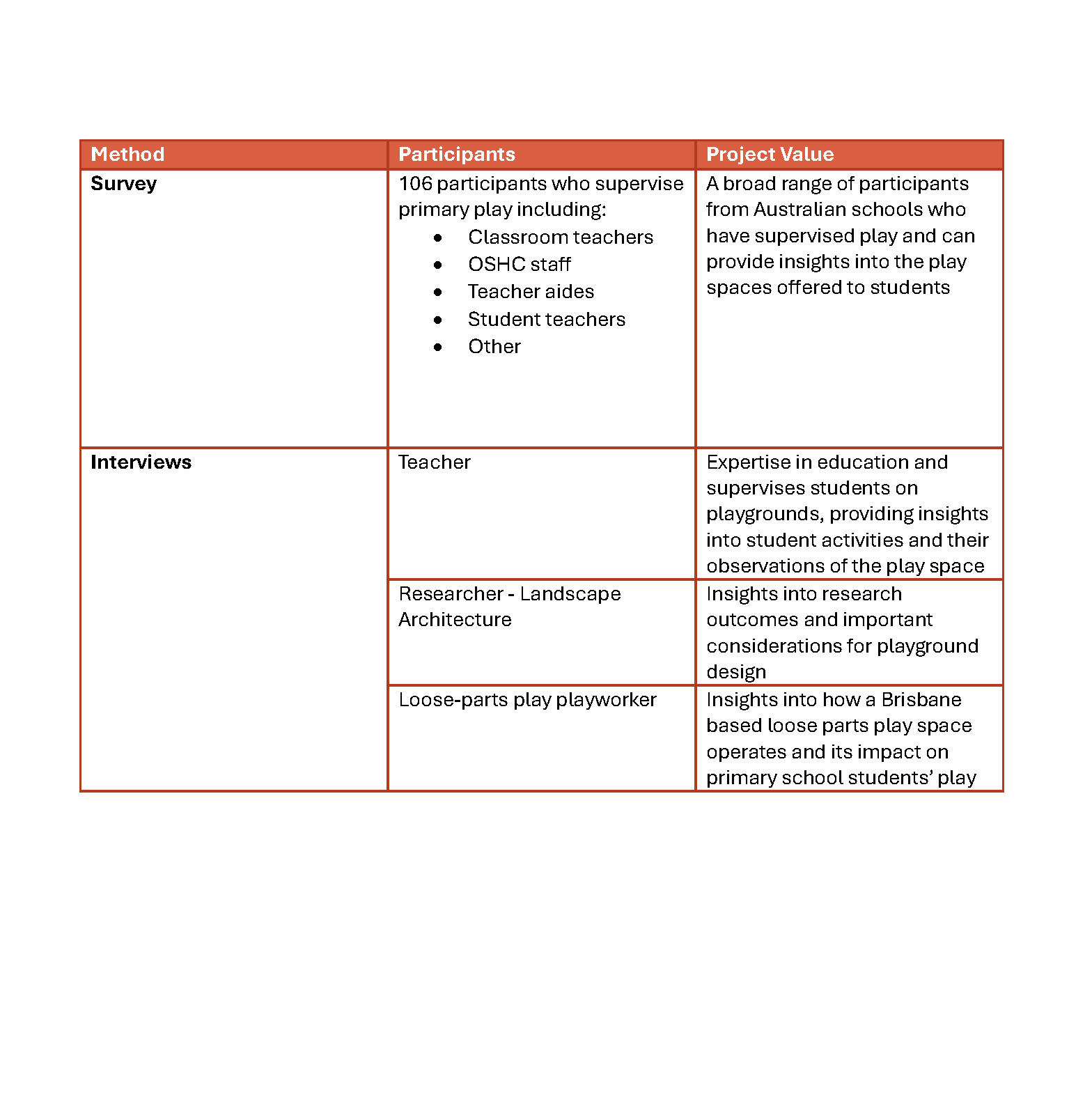
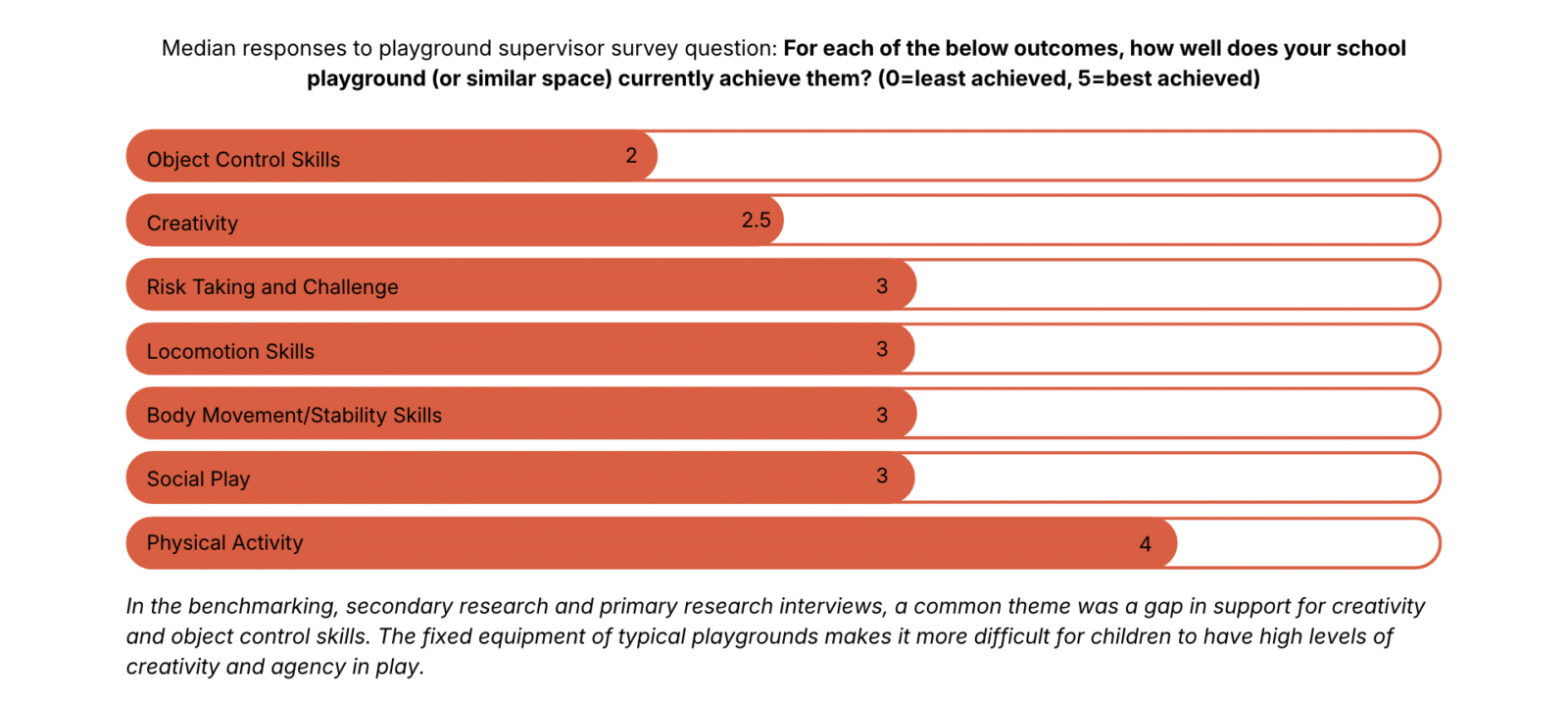
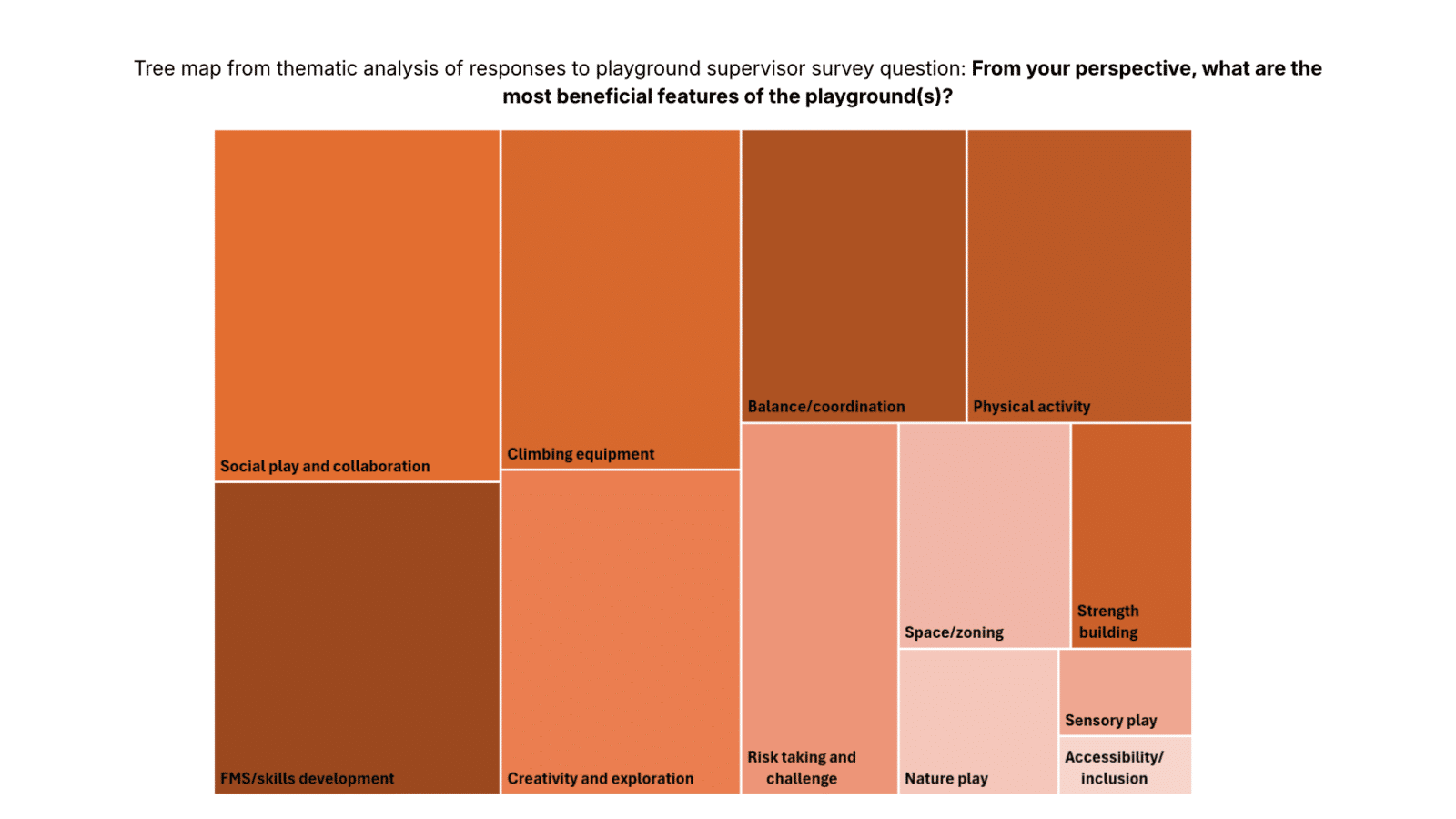
Primary research included an online survey with 106 playground supervisors and three interviews. These methods provided insights into current playground experiences and opportunities to redesign the play space.

Research insights

Design implications

List of design implications

Download the Report

Name
Research Report
File Type
application
File Size
1 B
Download File

Design DEvelopment

Design Outcome

CLAY explores how primary school playgrounds can become more adaptable and engaging by giving students an active role in shaping their play environment. Traditional playgrounds often rely on fixed equipment, which limits opportunities for students to influence their play structures and meet their diverse needs.
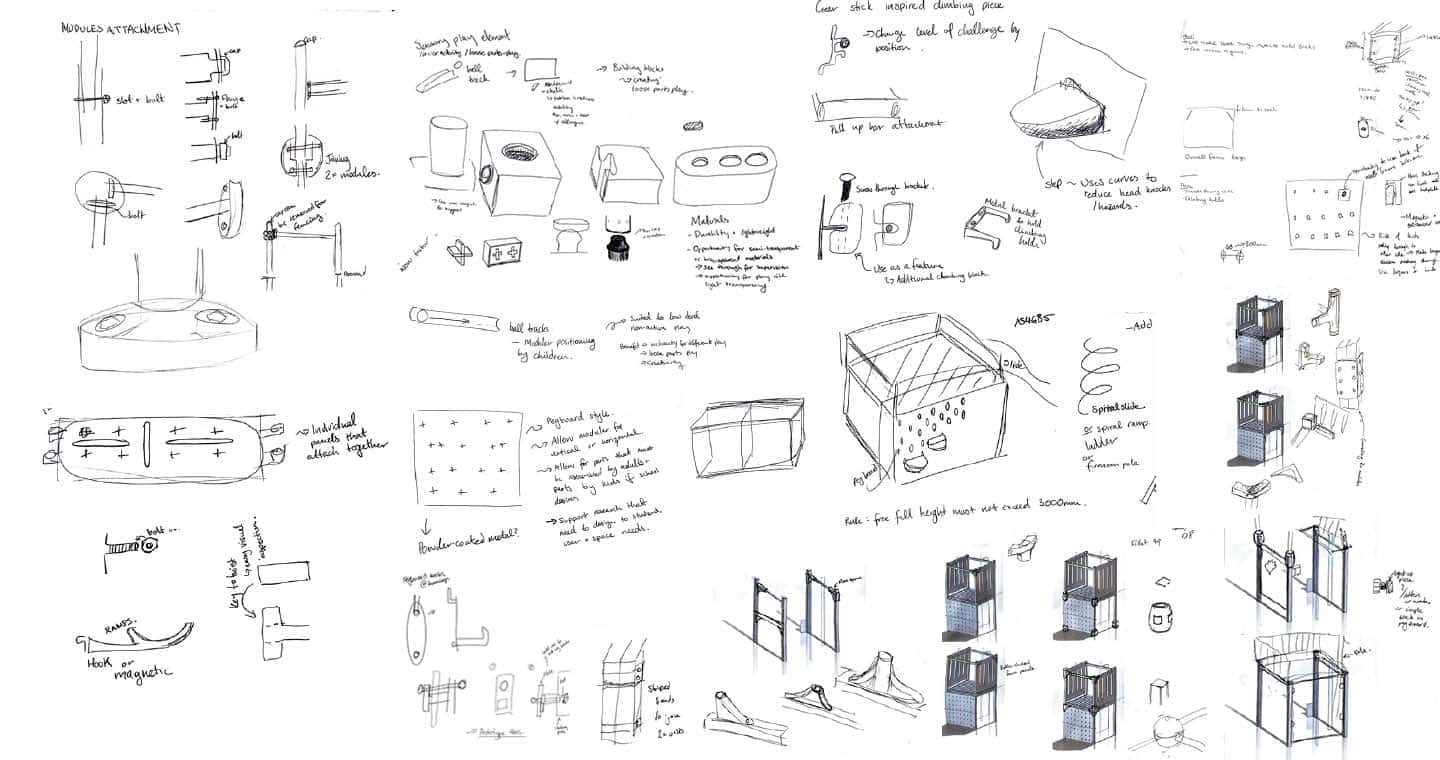
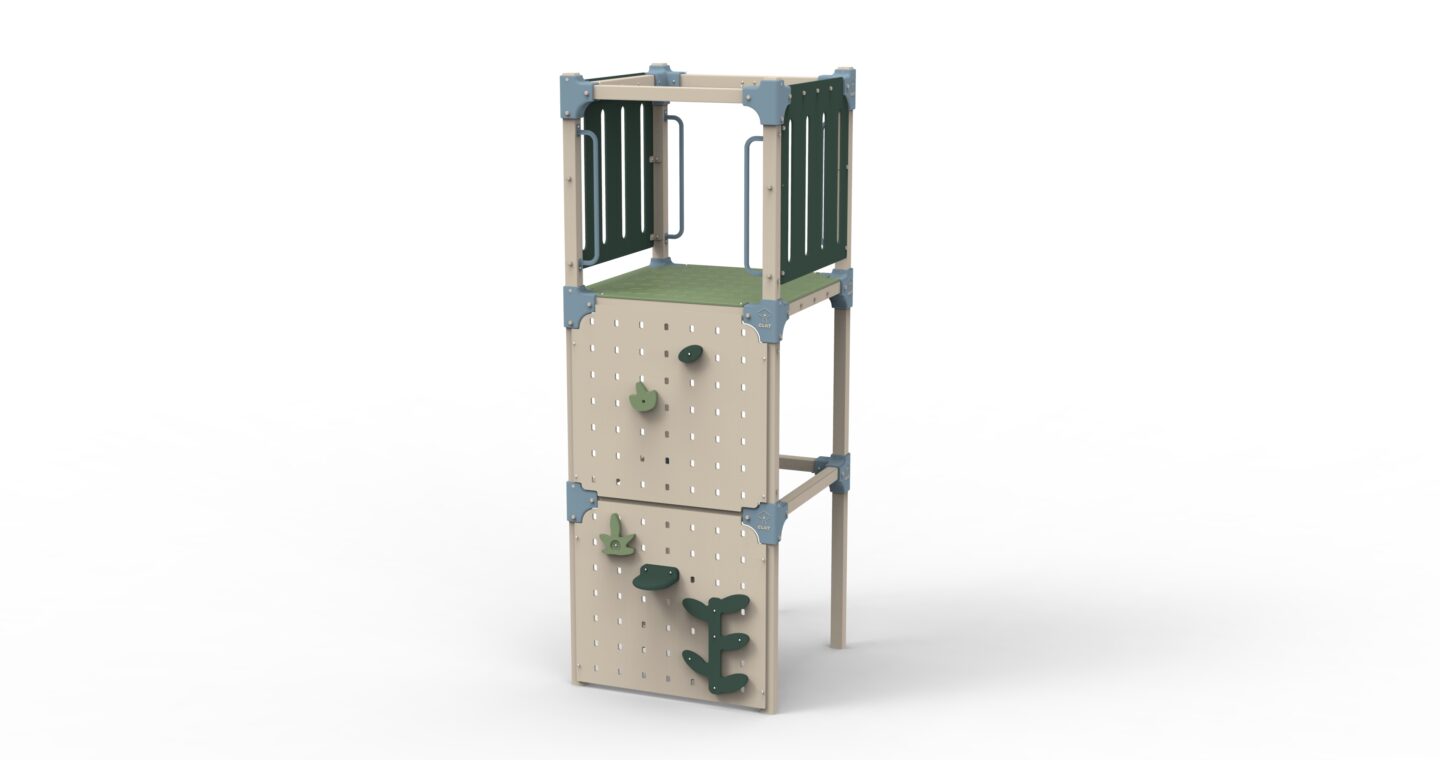
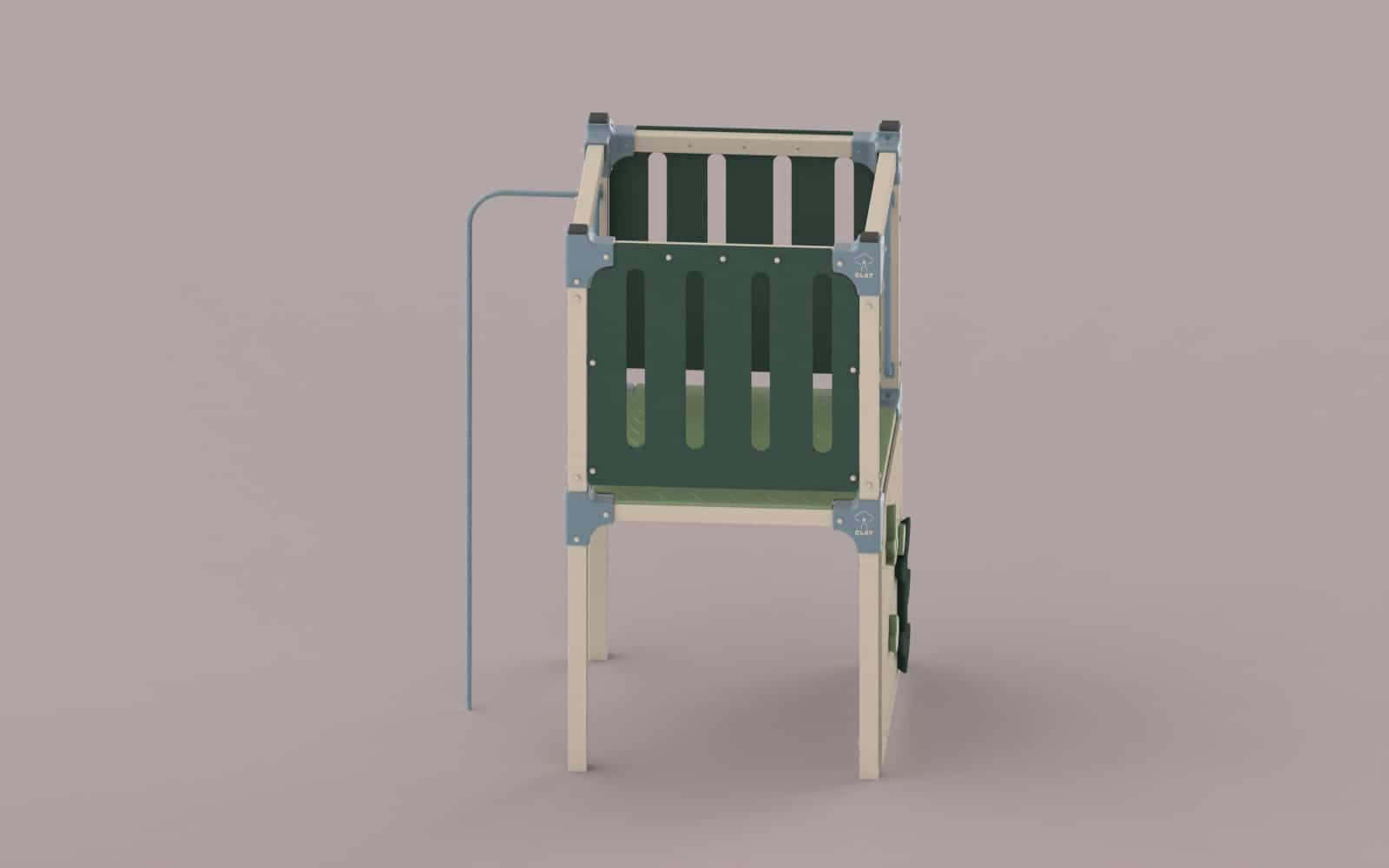
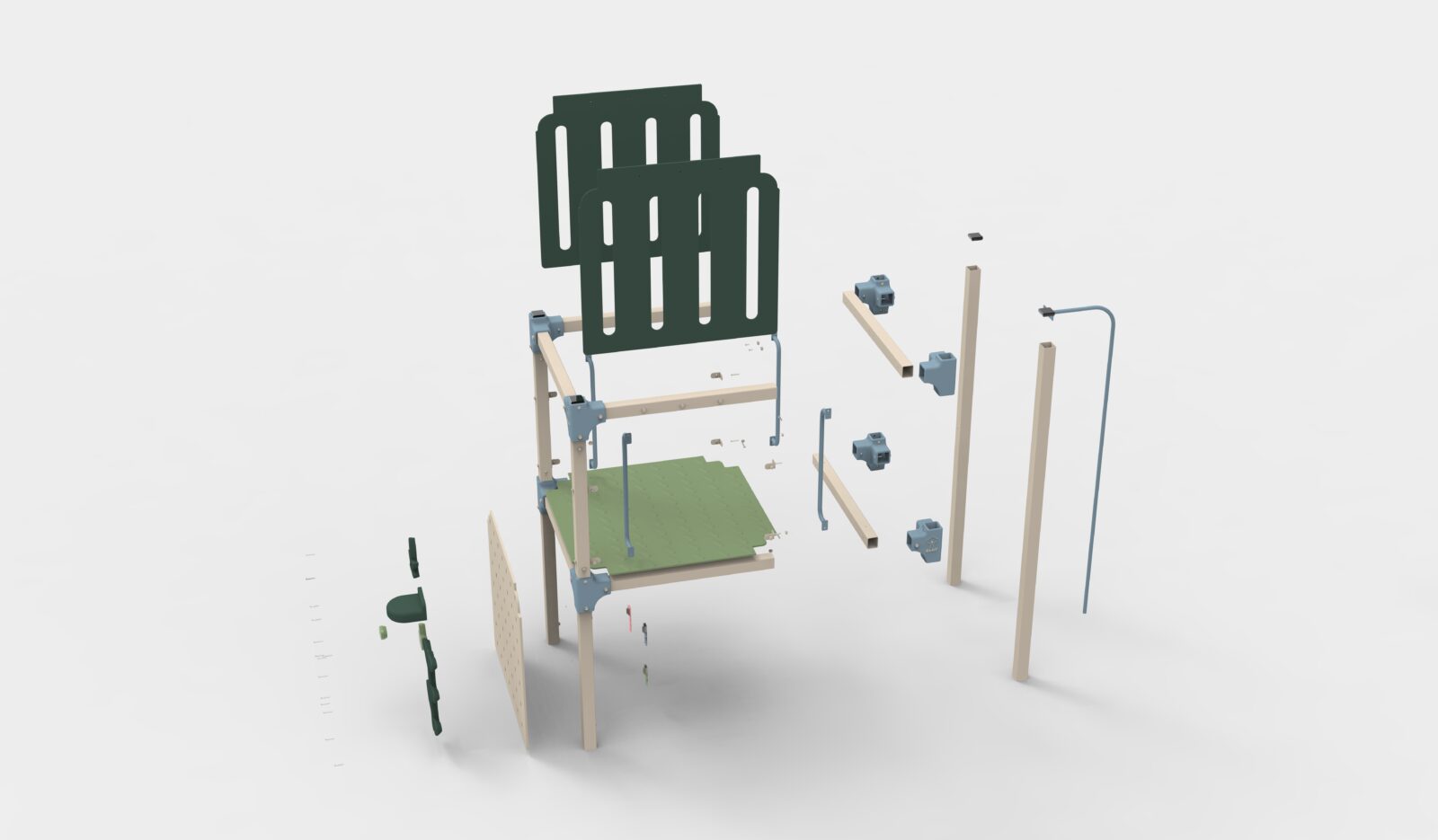
CLAY’s modular cube structure can be stacked and arranged to suit the needs of different schools. It is constructed from durable, weather-resistant materials, including powder-coated aluminium and HPL panels, for longevity in outdoor environments.
Its climbing wall encourages physical development by offering varying levels of challenge. The interchangeable leaf-shaped holds, inspired by Australian flora, can be bolted to different positions across the pegboard. In the classroom, students can design their own hold arrangements, which can then be implemented by installers, giving students a sense of ownership over their playground.
On the reverse side of the climbing wall, translucent puzzle block pieces offer a creative, lower-level activity and opportunities to develop object-control skills. Students can collaborate to balance and connect puzzle pieces, encouraging creativity and problem-solving. This also connects the playground to classroom learning by exploring patterns and the visual effects of light passing through the translucent material.

The features of this playground strengthen the physical, cognitive and social value of the playground, allowing students to shape their play experience.

Isabelle Burkwood

Isabelle is an emerging designer completing her studies in Industrial Design and Business Management. She has a passion for creating thoughtful and strategic user-centred solutions. Her approach combines creativity and problem-solving with a continual drive to learn. She is interested in the intersection of business and design to solve problems and deliver meaningful impact.

Vote For This Project

"*" indicates required fields

This field is for validation purposes and should be left unchanged.
This field is hidden when viewing the form
Project