Industrial - Bachelor
LiVO for Independent Living
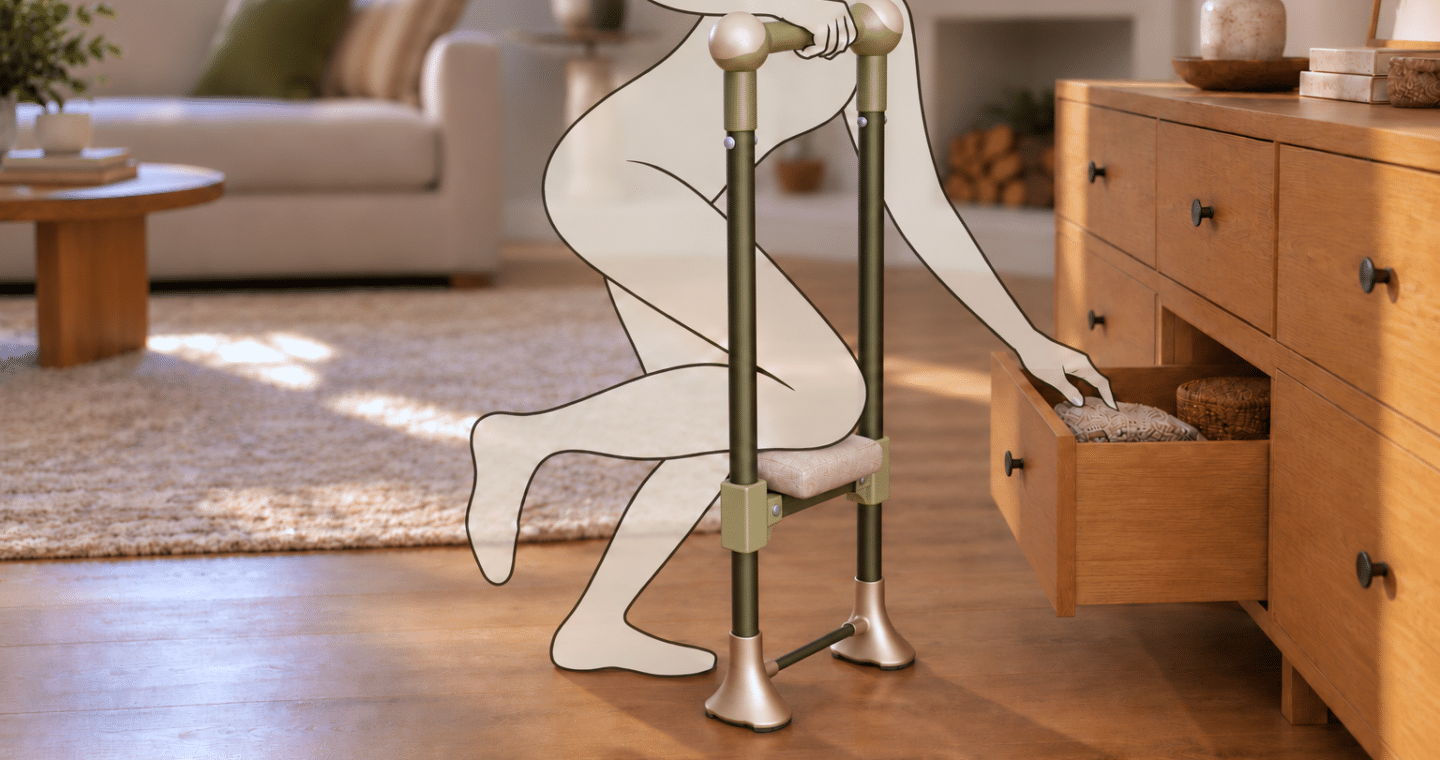
LiVO helps older adults access low cupboards and drawers at home. By combining a supportive handhold with a padded knee platform, it assists lowering, reaching and standing up again.

Ain Jeon
Industrial - Bachelor
LiVO helps older adults access low cupboards and drawers at home. By combining a supportive handhold with a padded knee platform, it assists lowering, reaching and standing up again.
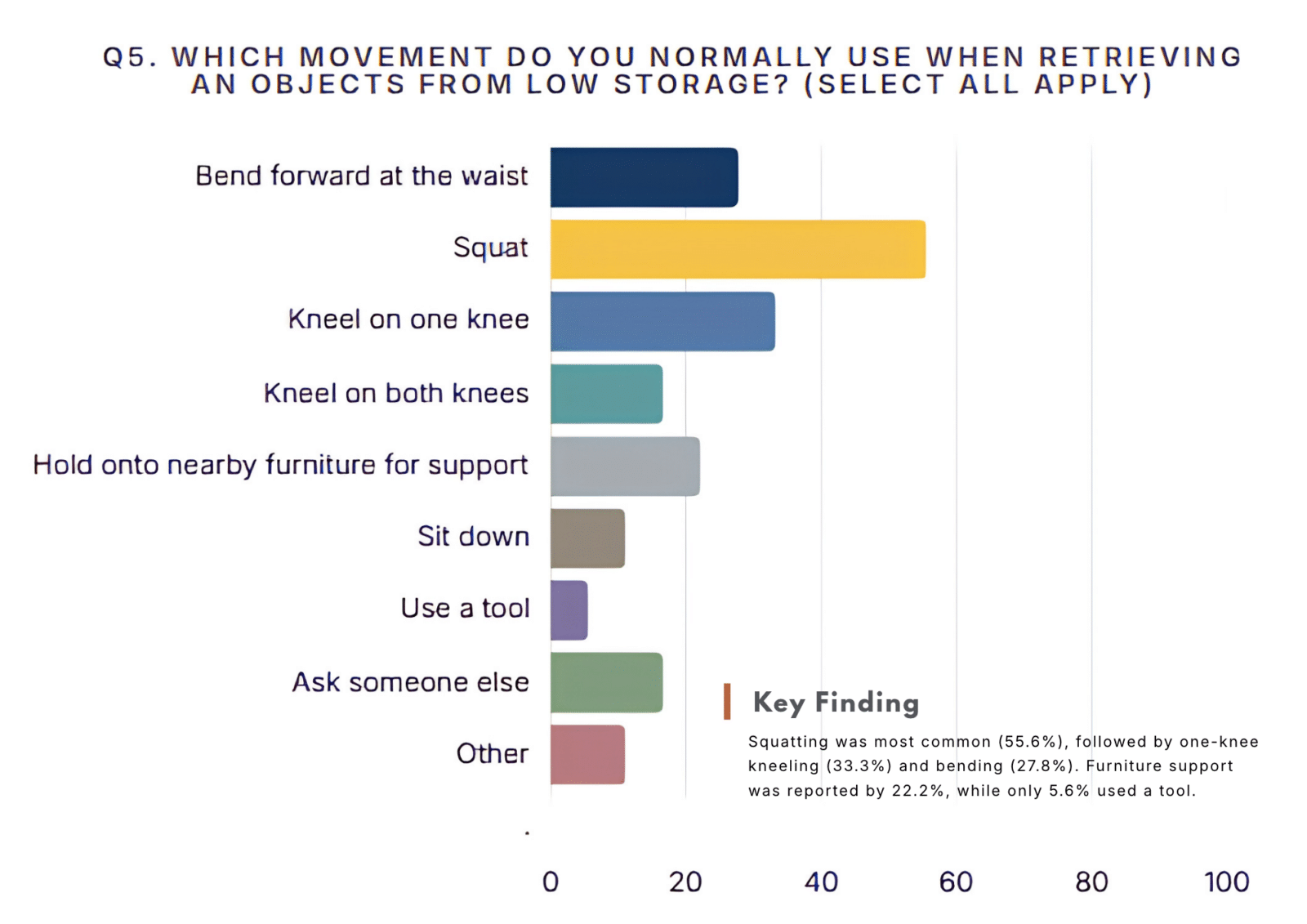
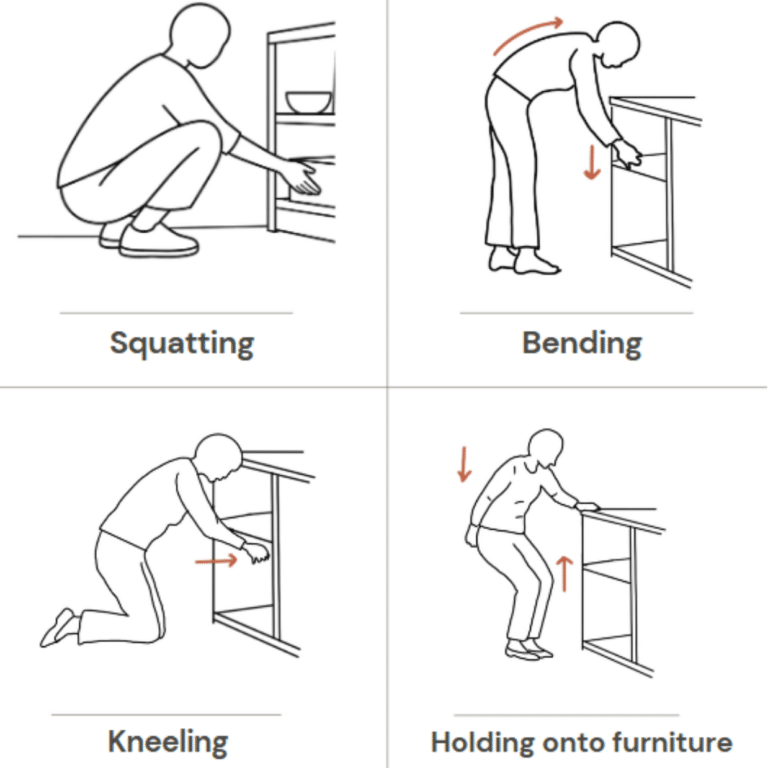
Reaching into low storage often means bending, squatting, or kneeling, then managing the effort of standing back up again. For older adults, this sequence can reduce comfort, challenge balance, and place pressure on the knees and back. This revealed an opportunity to support the full movement, not just the act of reaching.

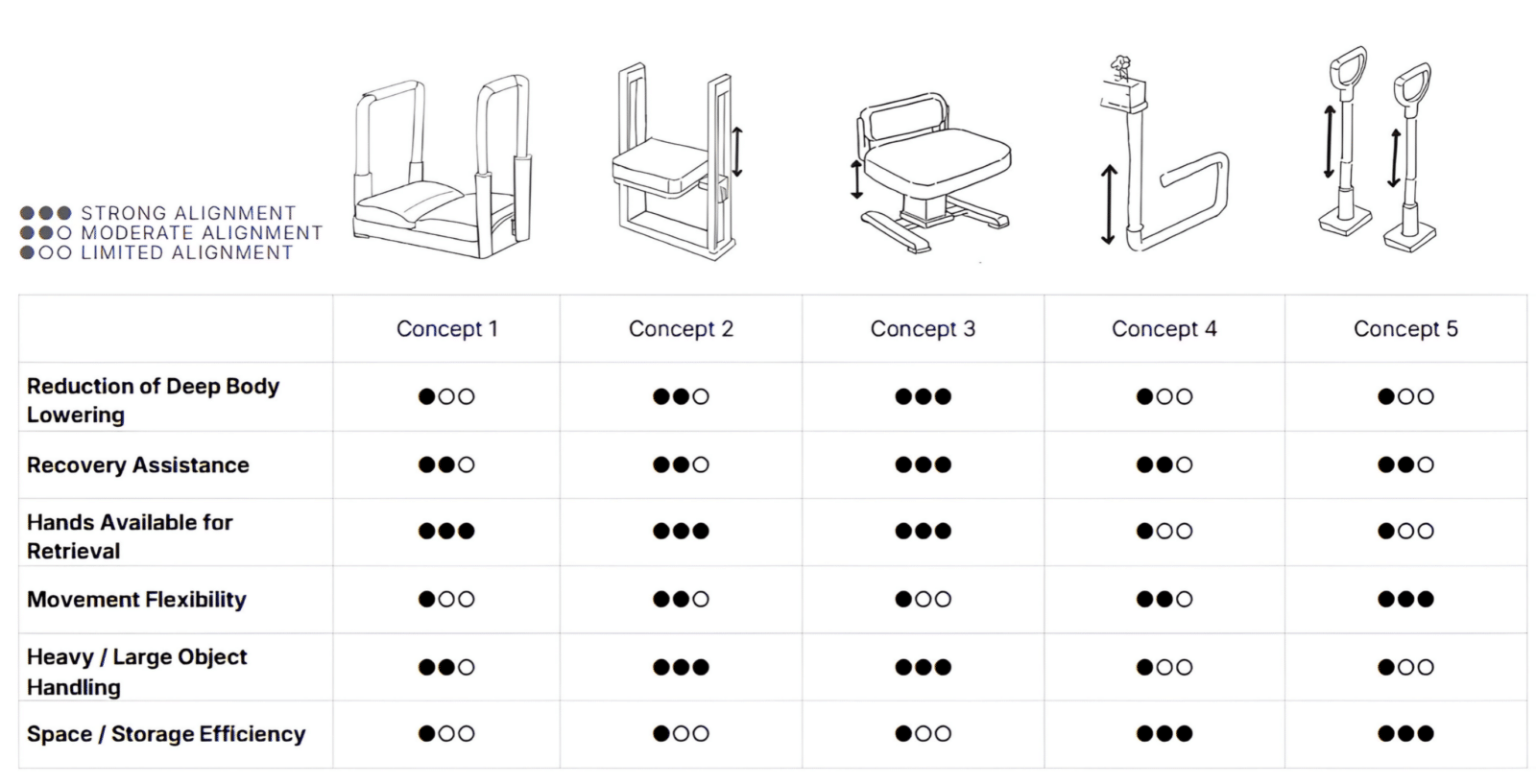
Five concepts were compared against six design priorities, including support during lowering and rising, freedom to retrieve objects, movement flexibility and storage efficiency. The comparison highlighted trade-offs between body support and portability. Larger platforms offered greater support but required more space, while cane-like concepts were easier to move and store.
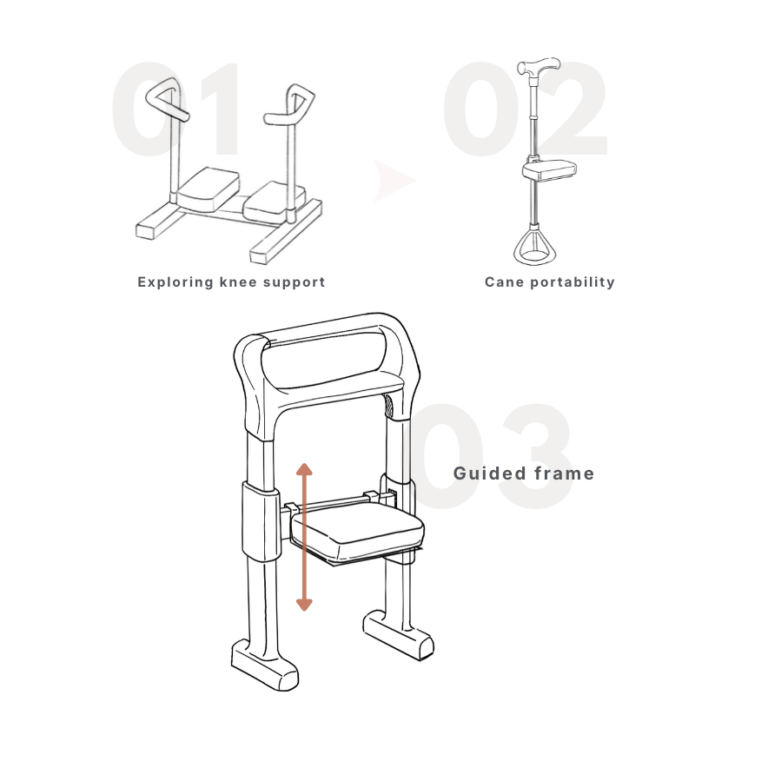
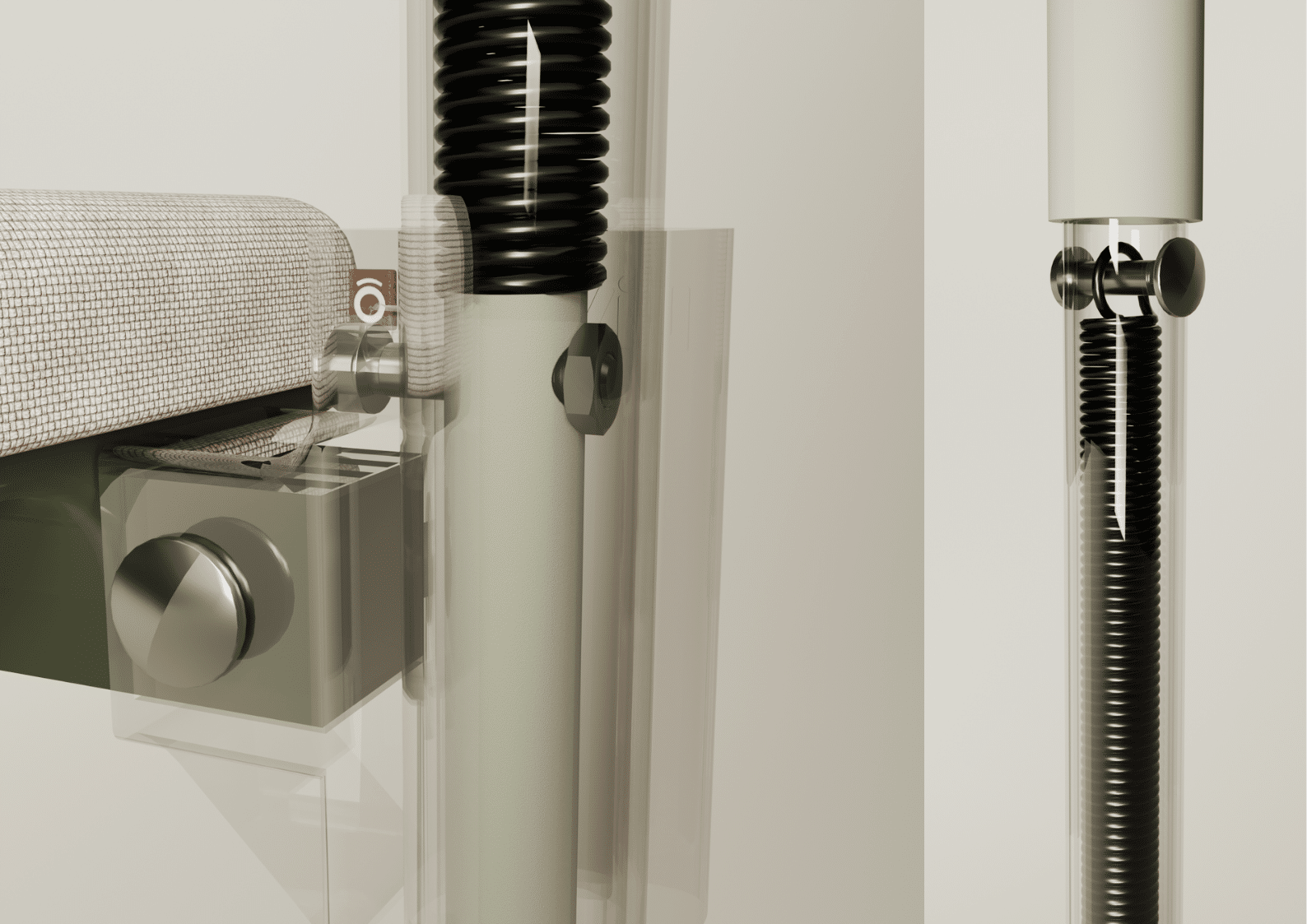
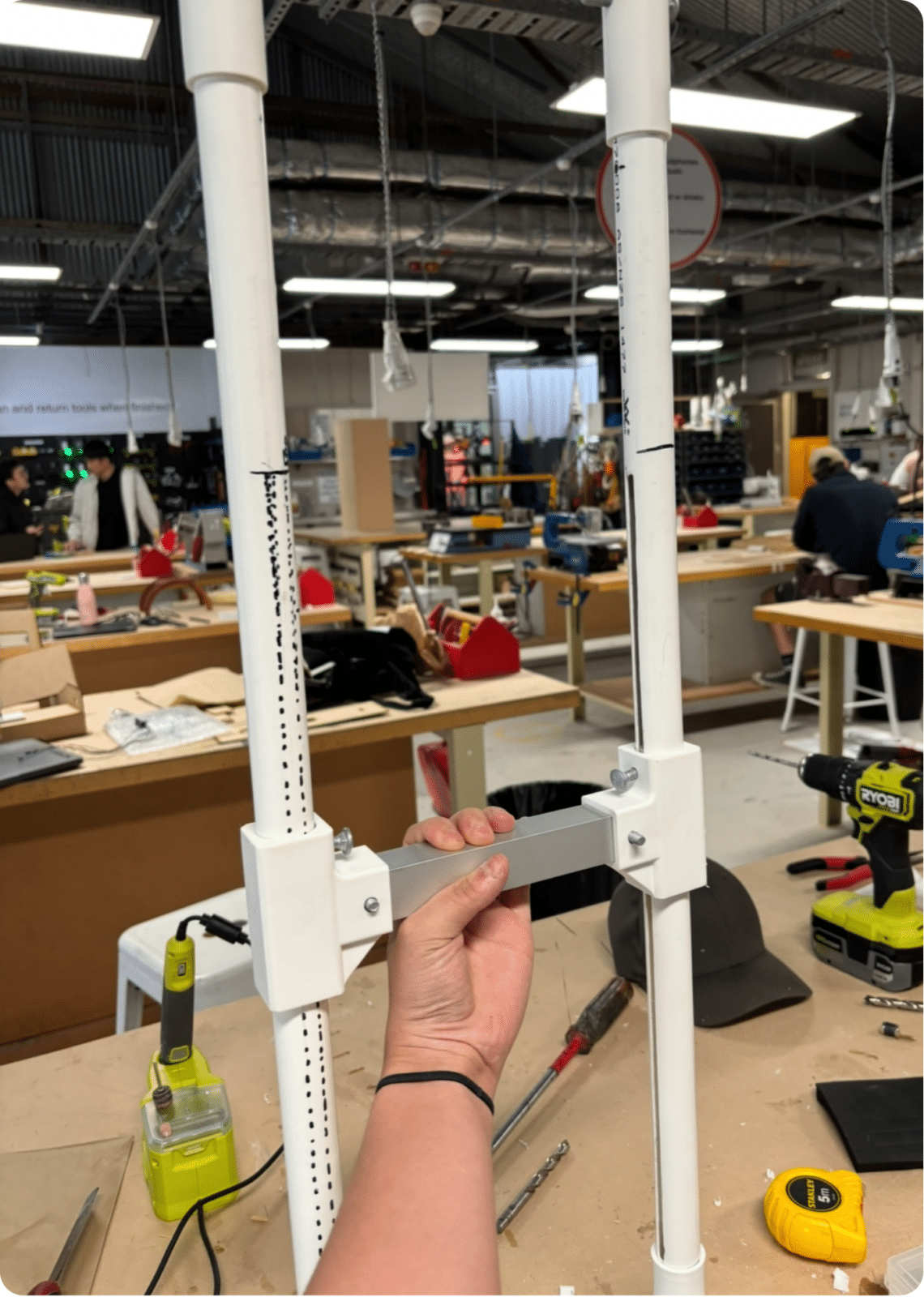
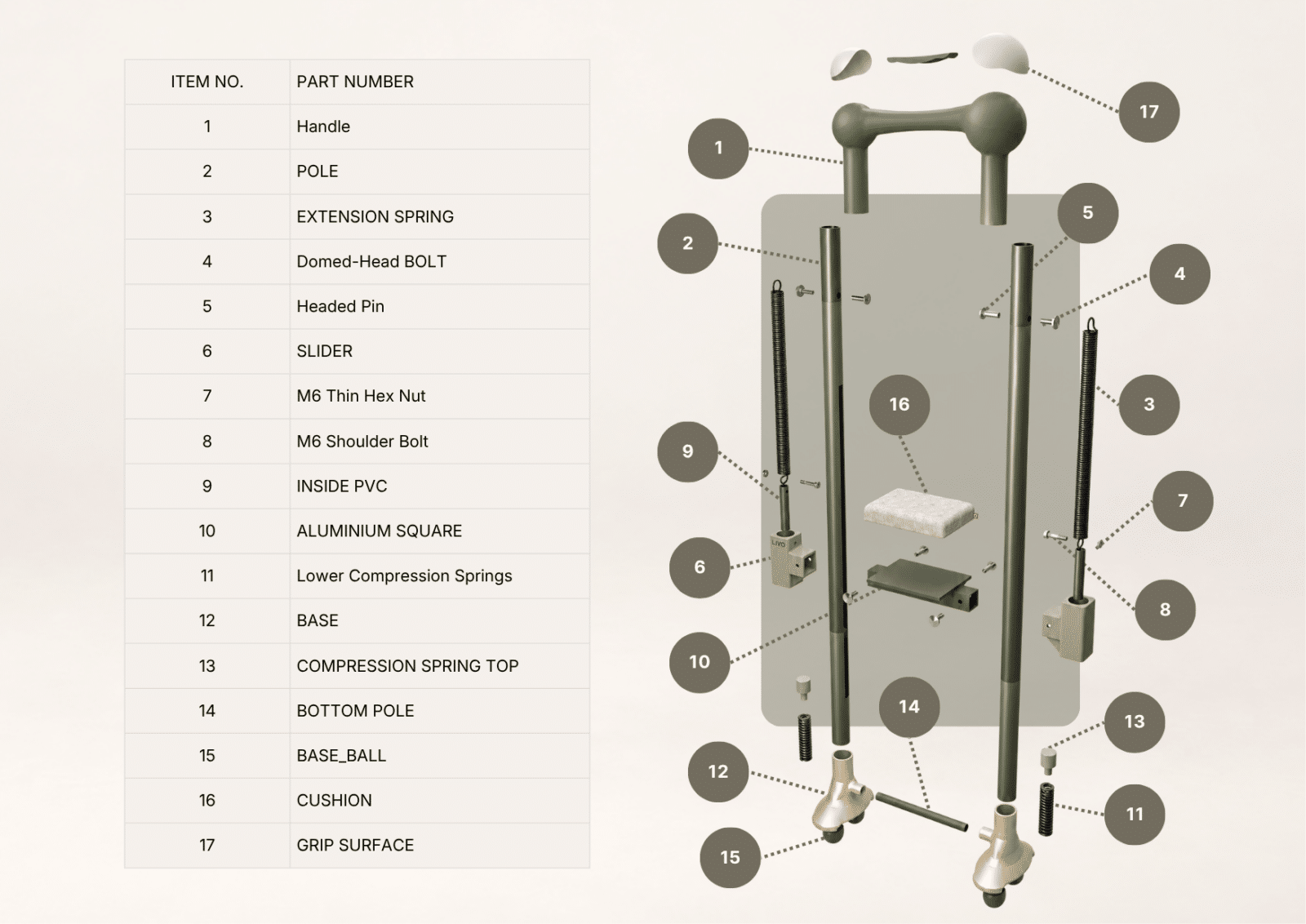
Internal tension springs are housed within the vertical rails and connected to the moving knee platform. As the platform lowers, the springs extend and generate a restoring force to assist its upward return.
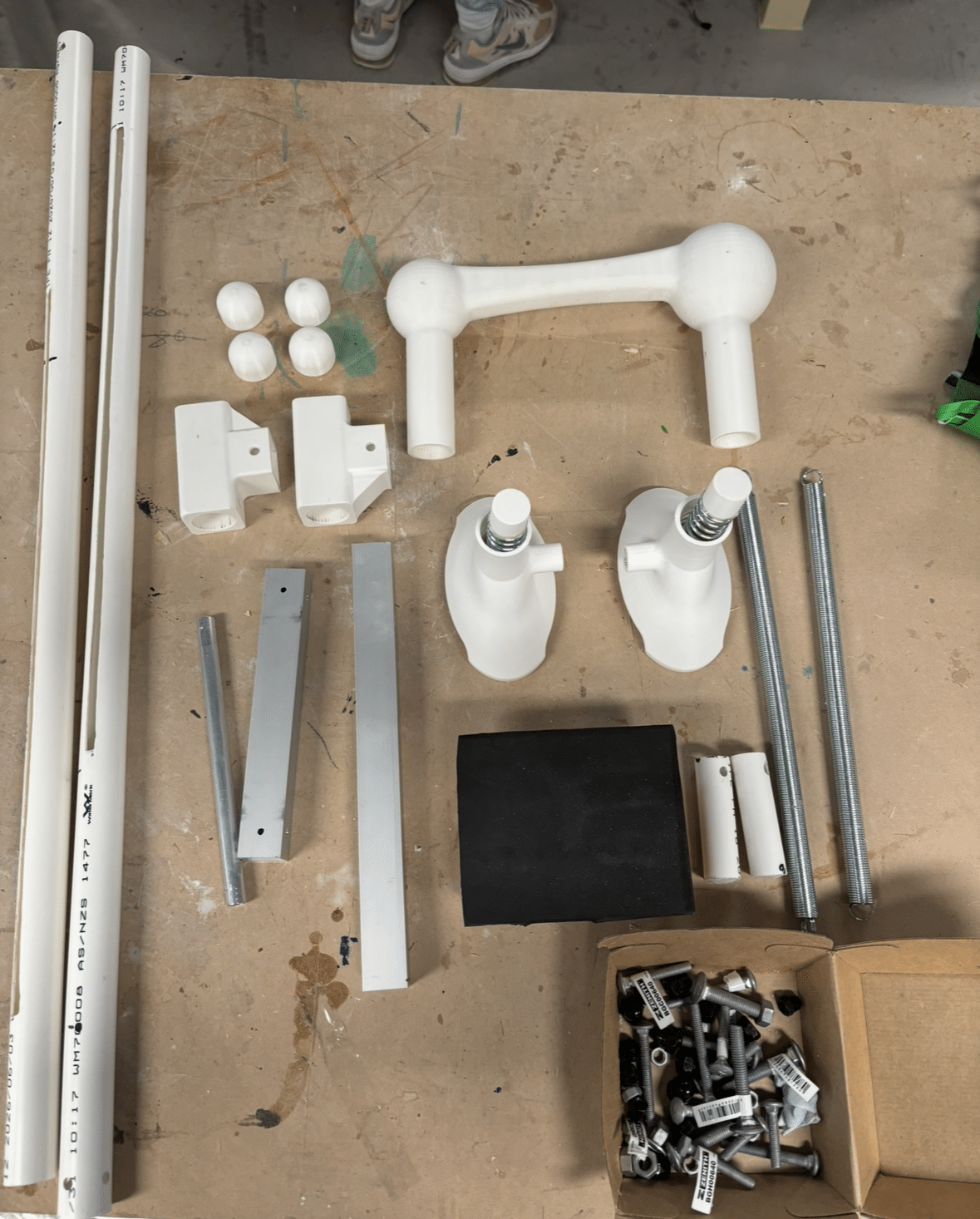
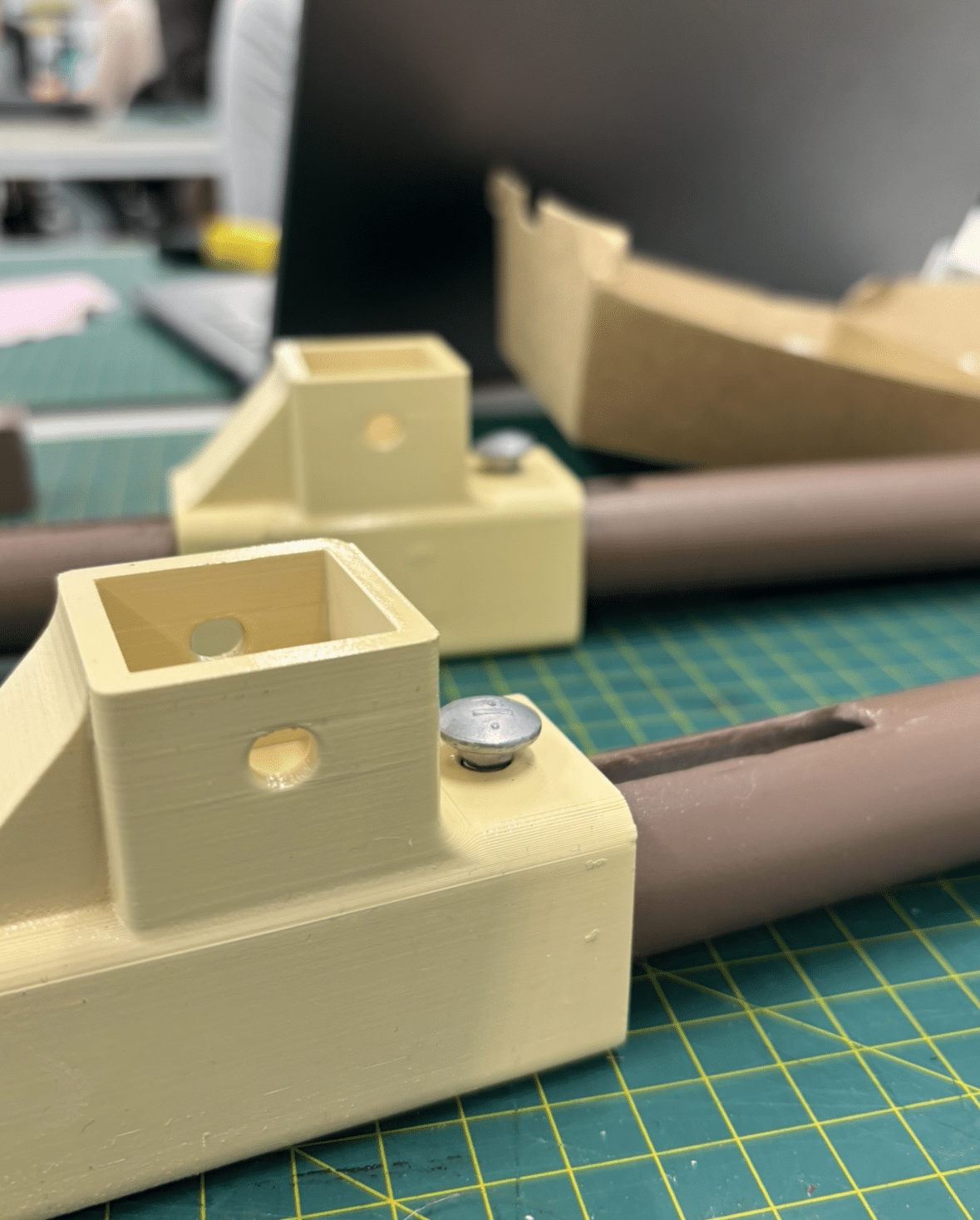
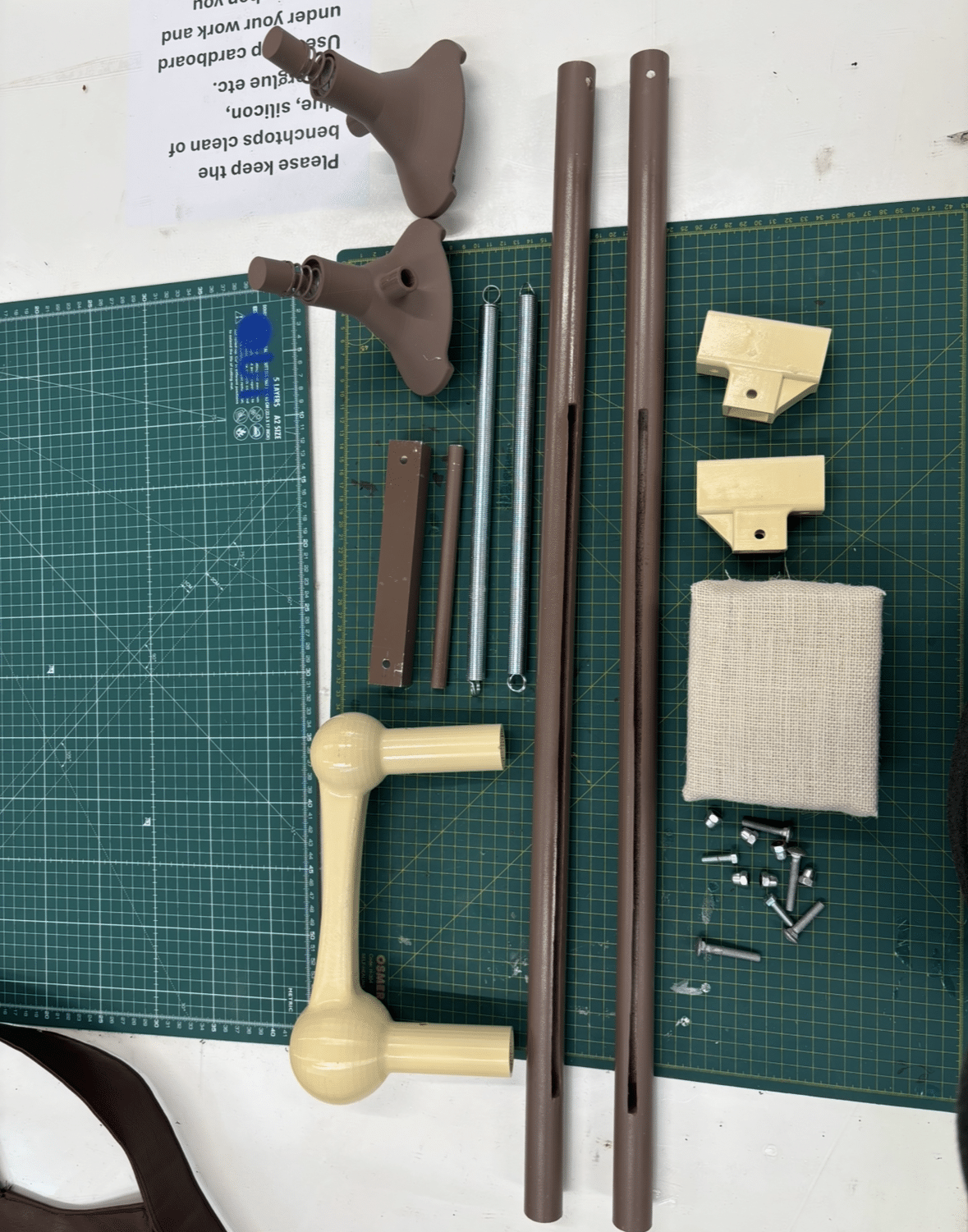
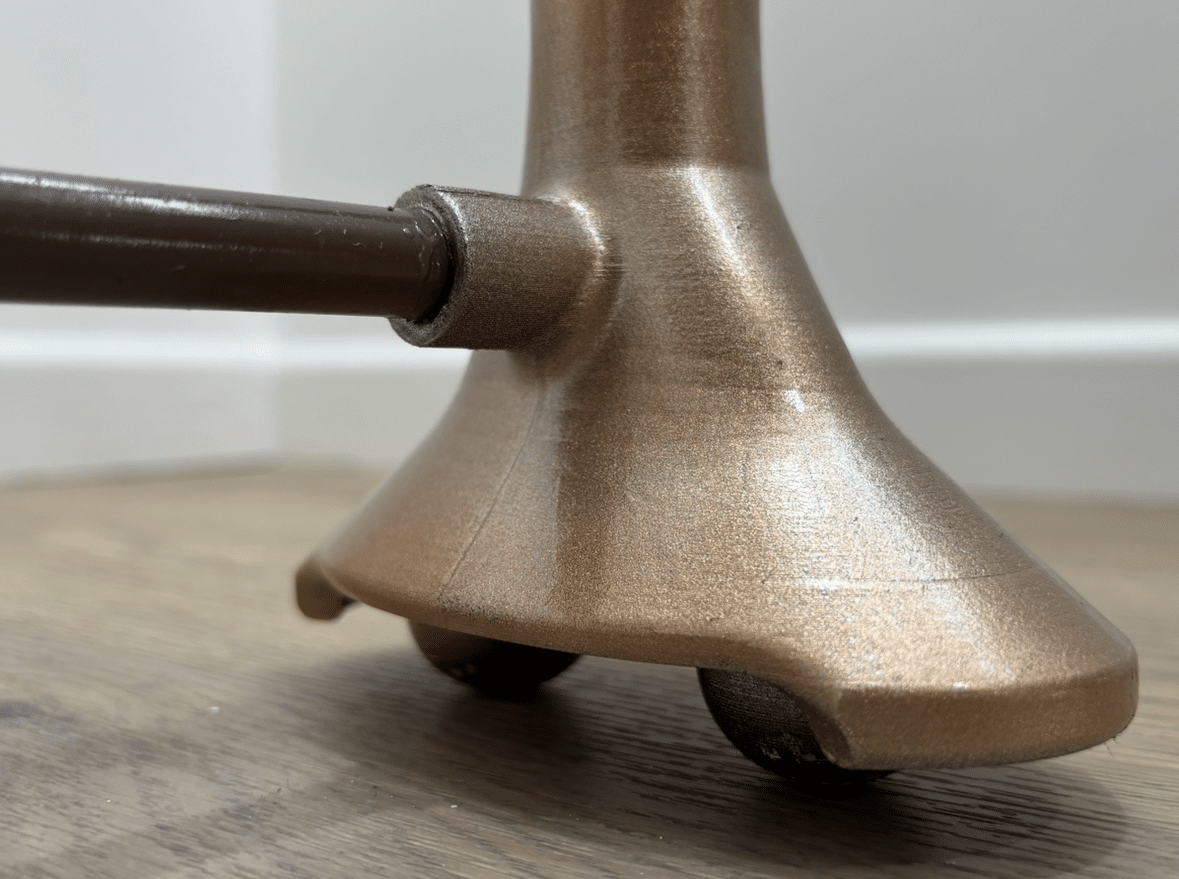
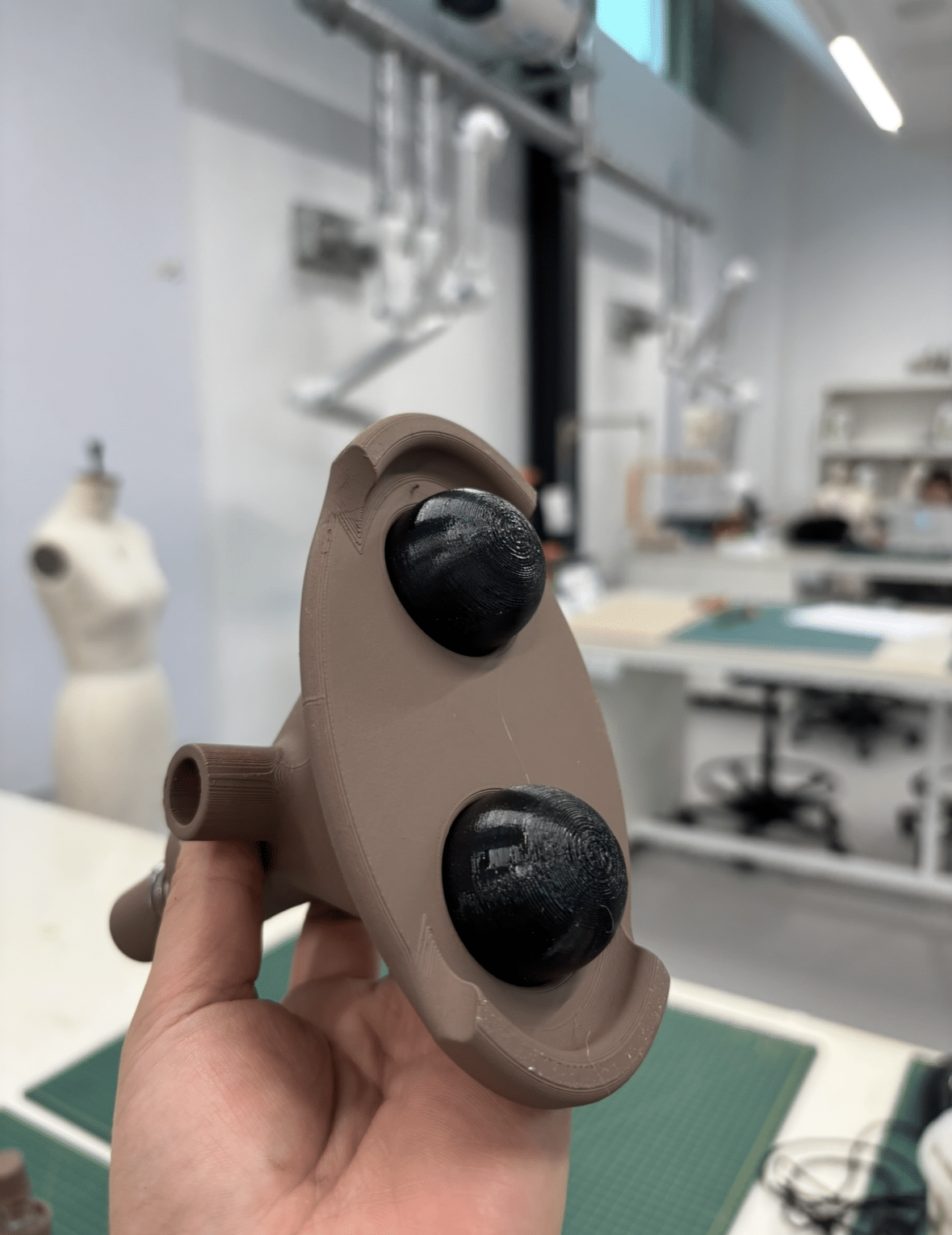
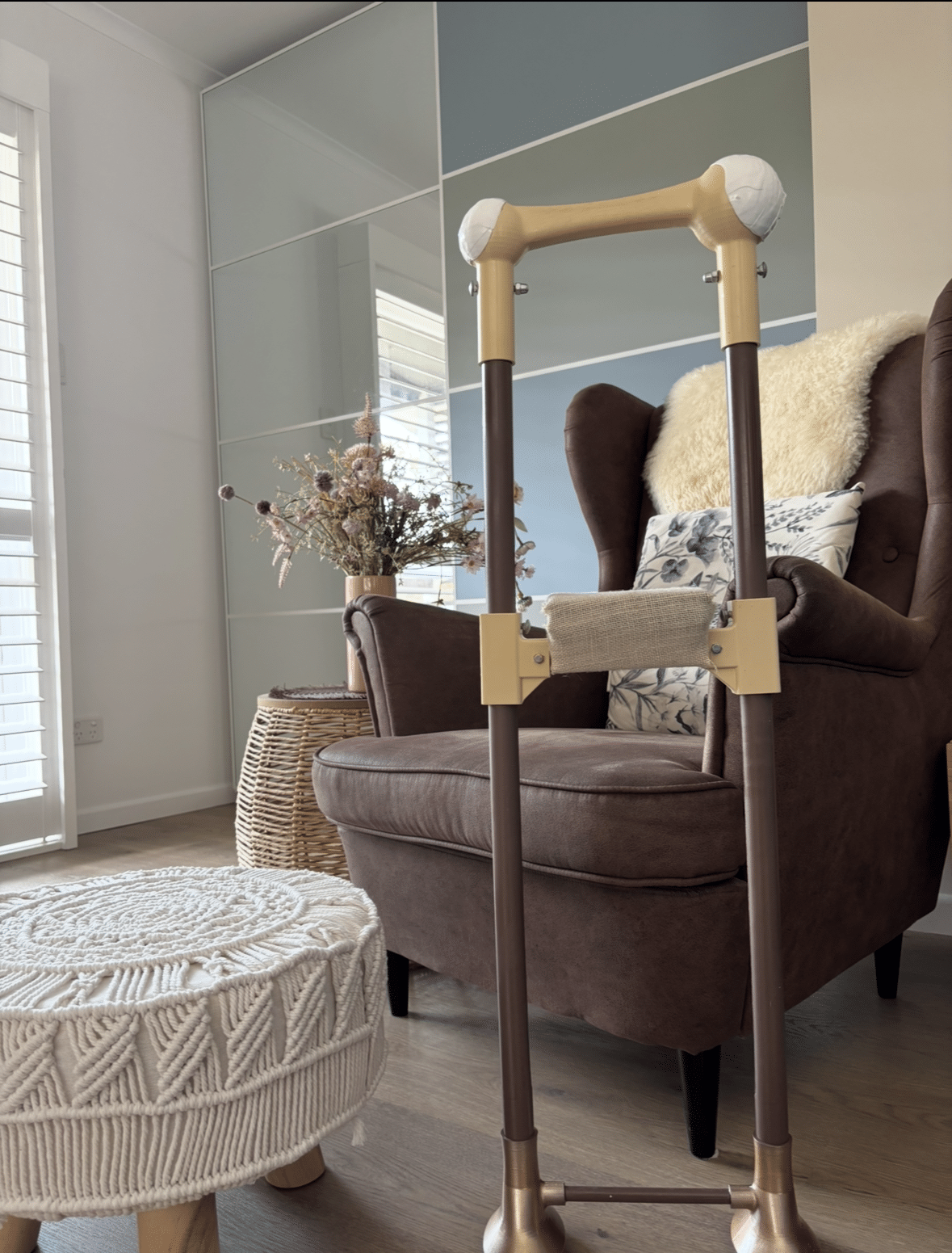
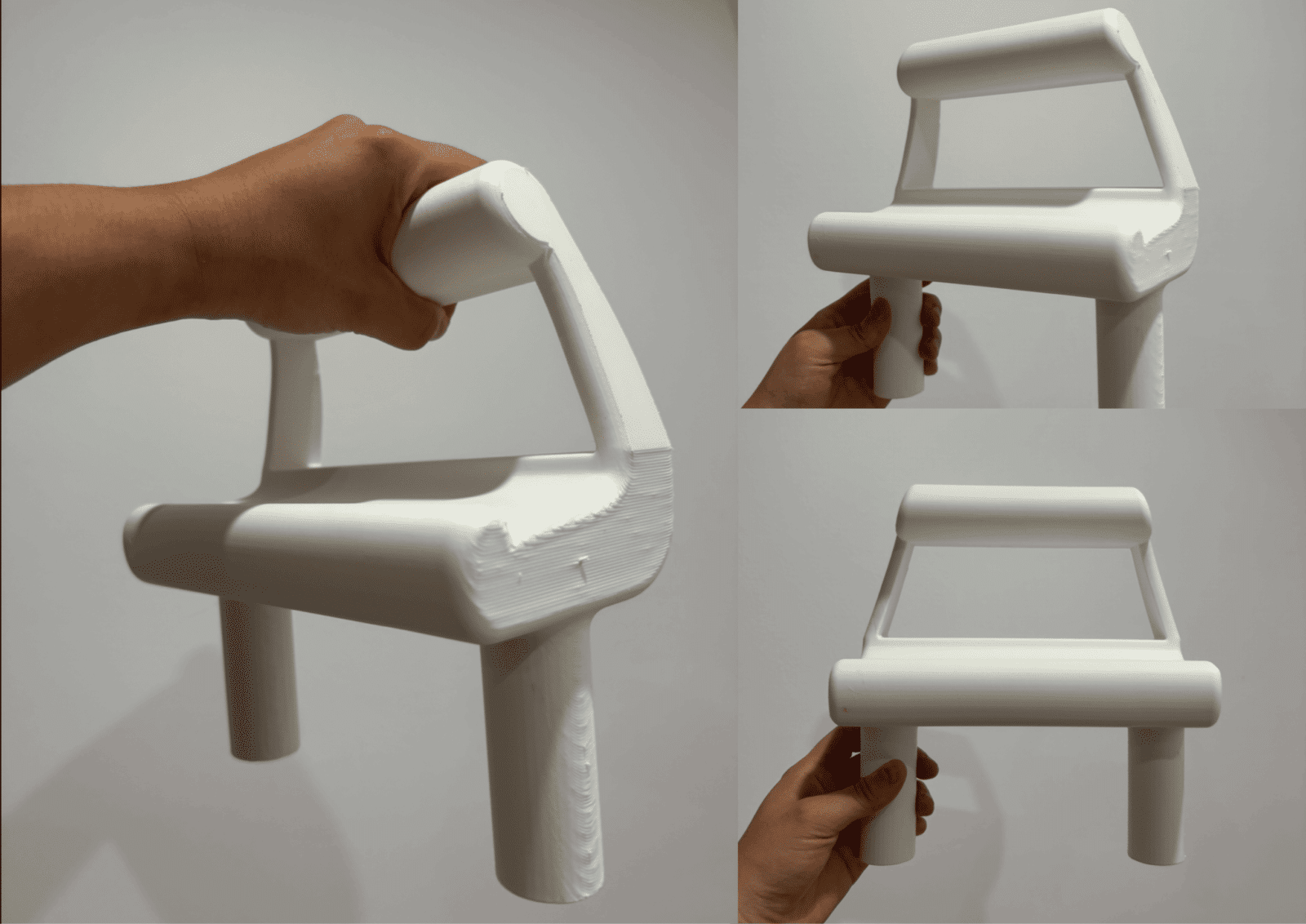
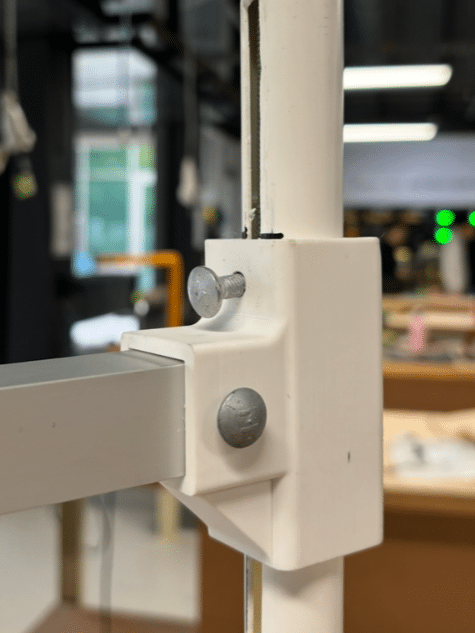
The full-scale physical prototype brought together the dual-rail frame, sliding knee platform and spring mechanism. The fabrication and assembly process helped refine component fit and the overall construction.
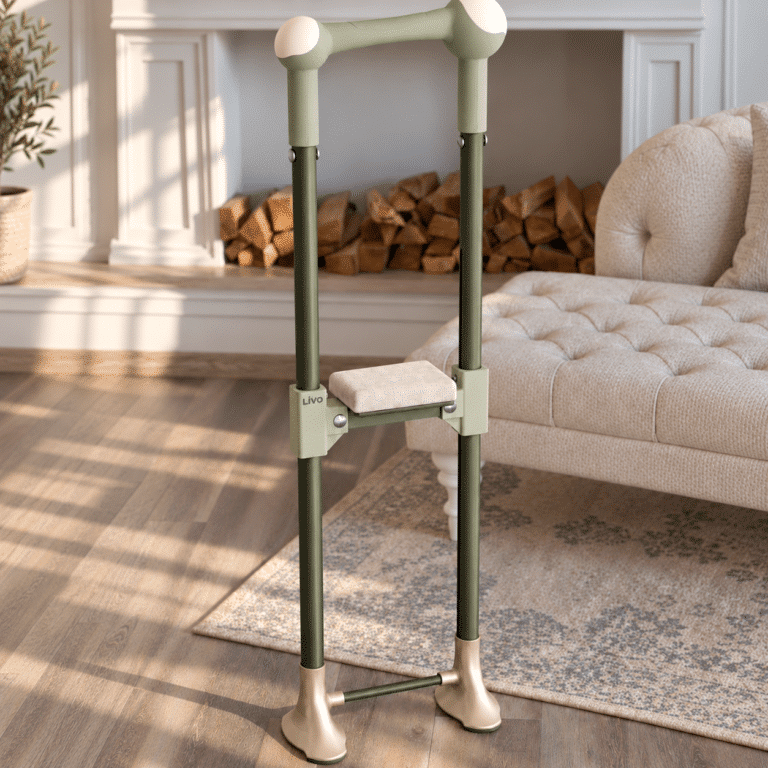
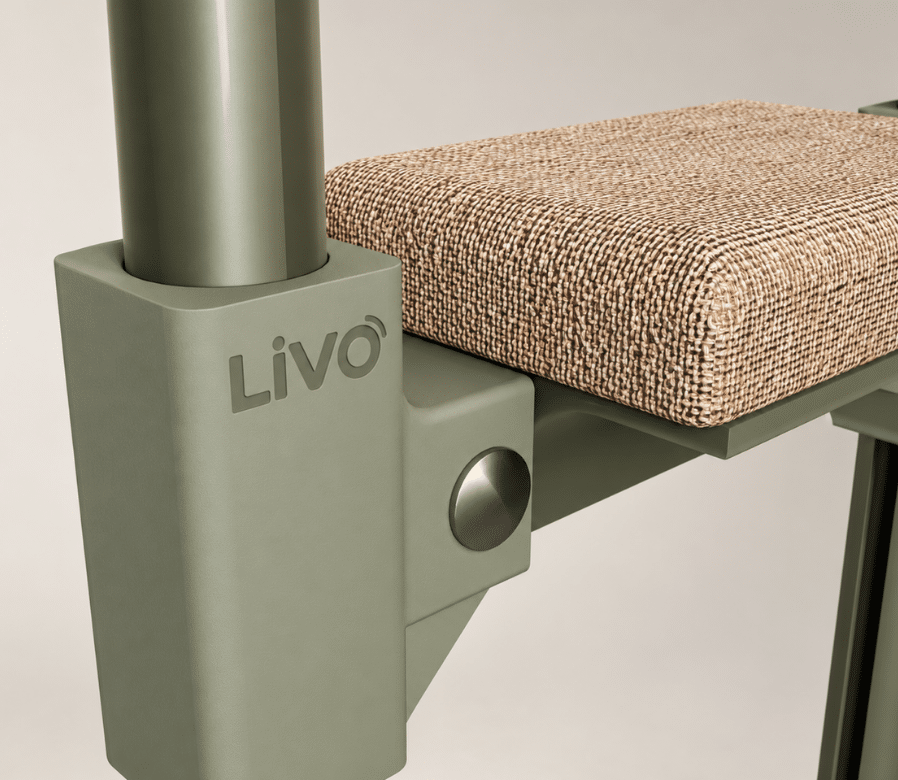
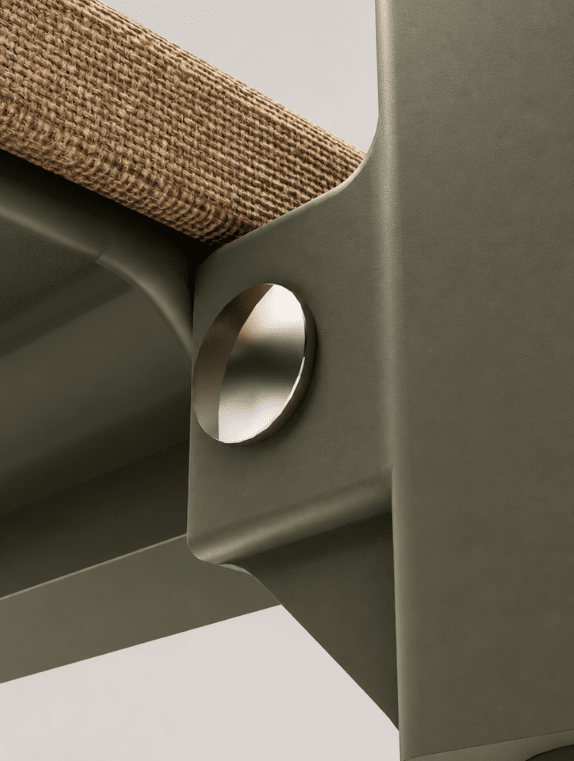
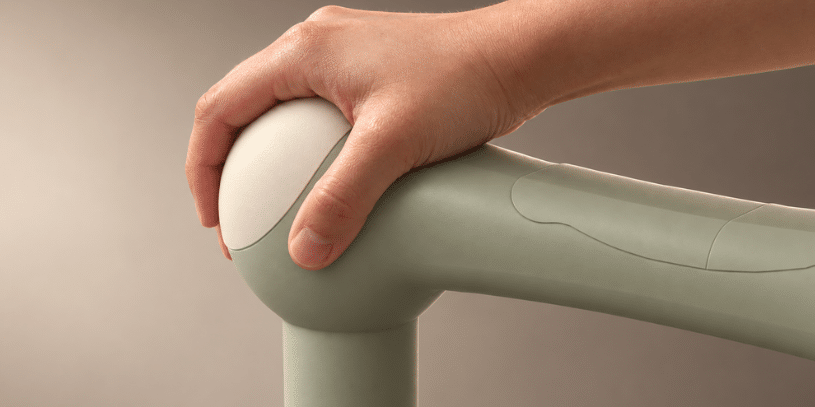
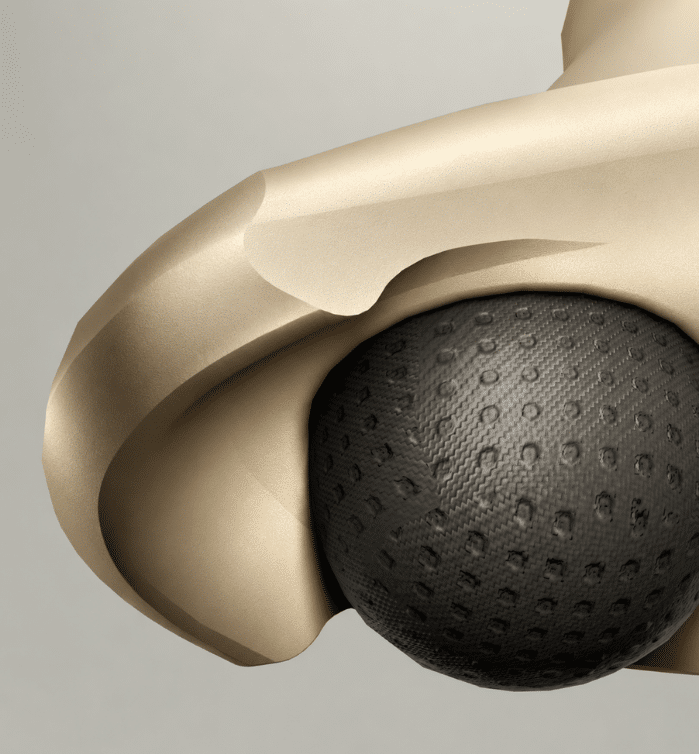
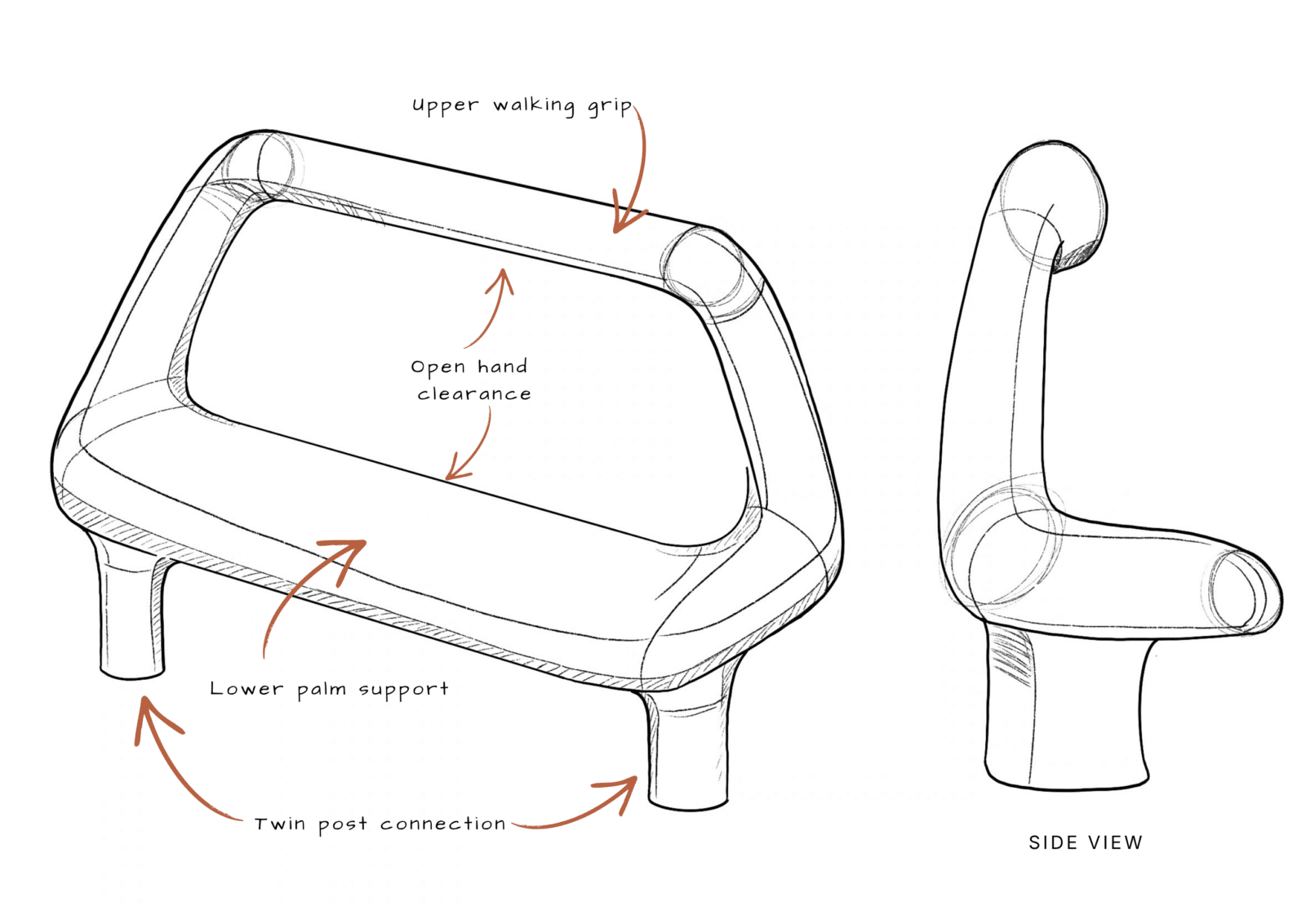
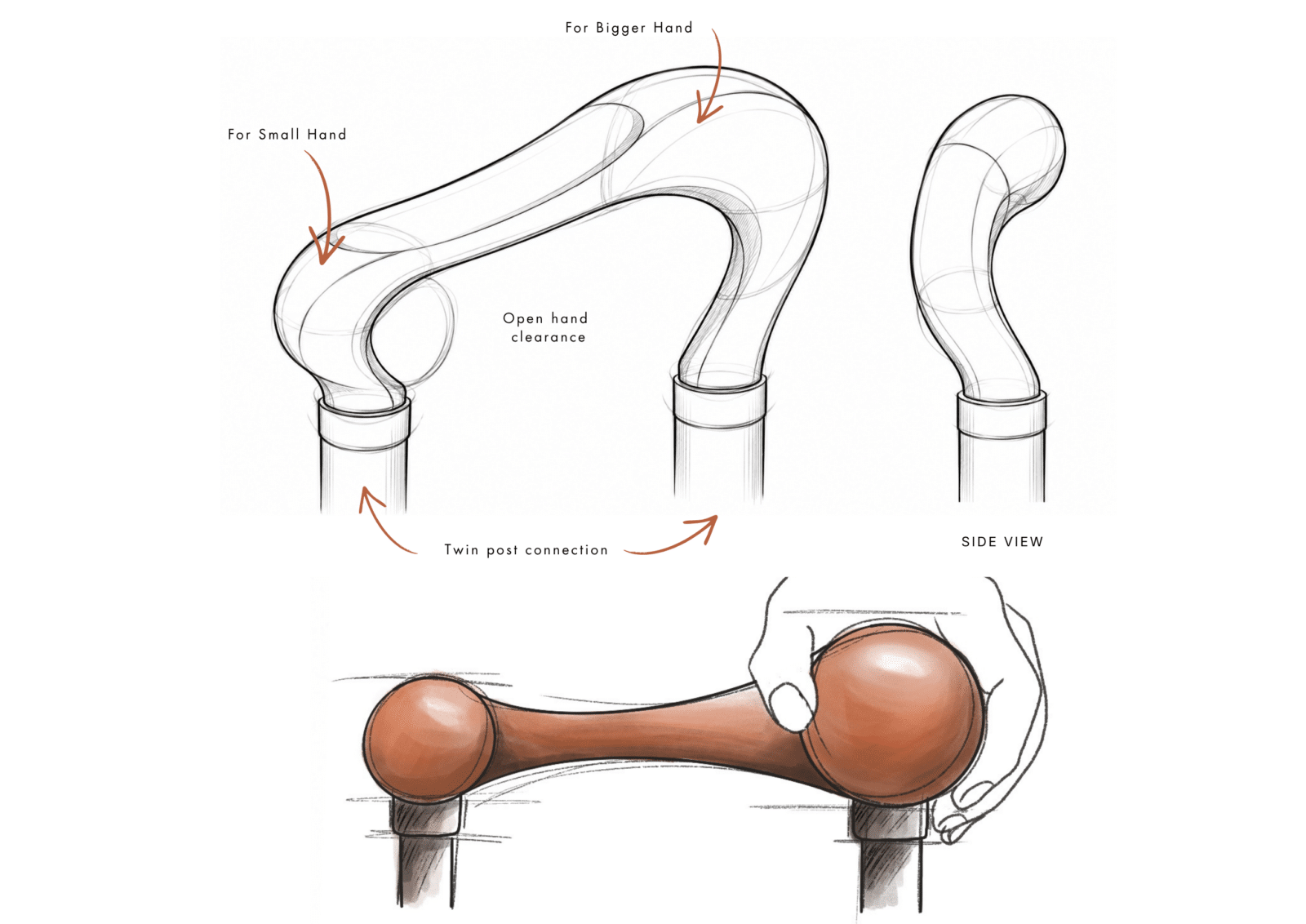
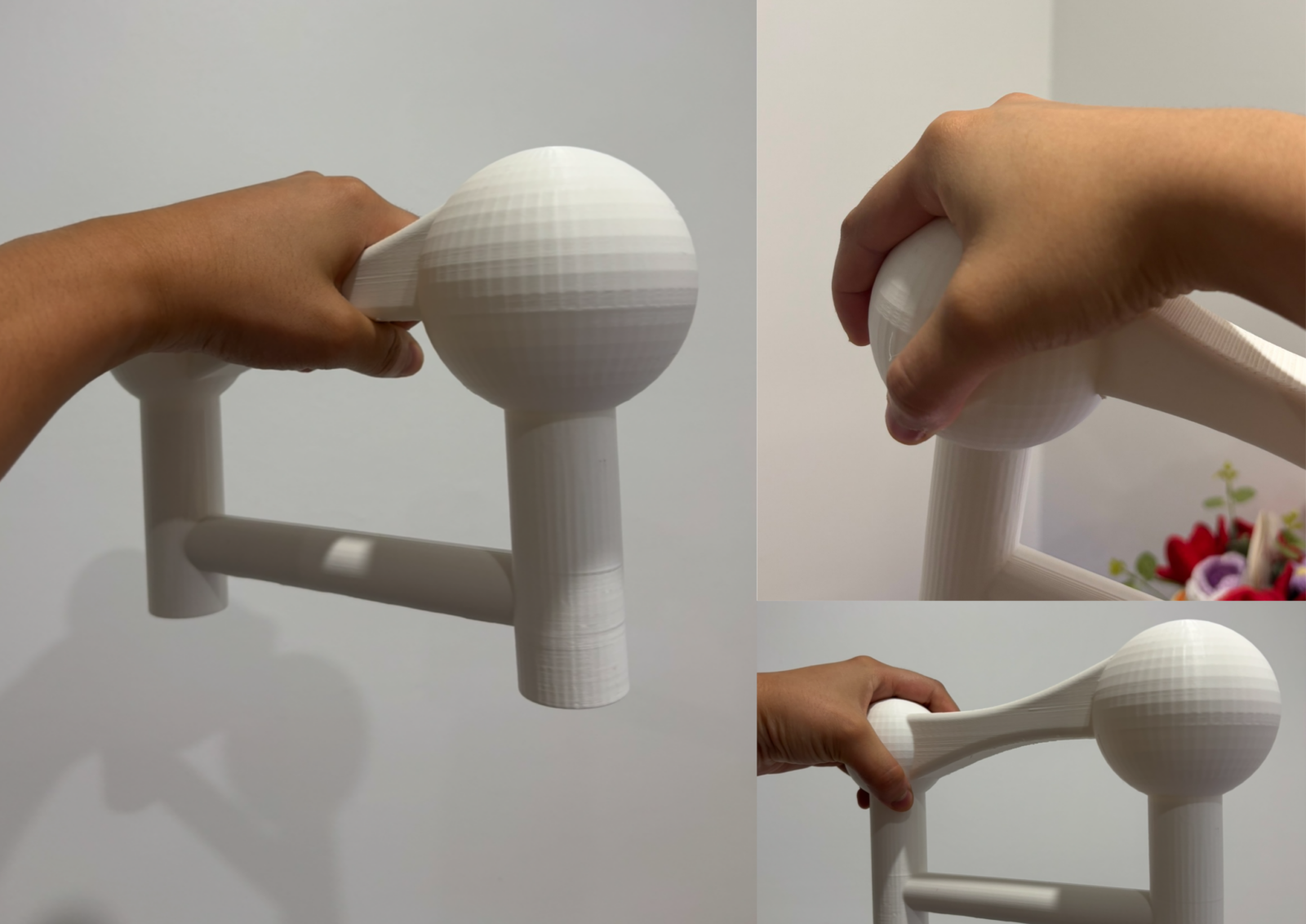
LiVO’s design details focus on comfort, stability and everyday usability. The rounded handle, cushioned knee platform and rubber feet provide supportive contact points, while the compact frame and soft finishes help the product fit naturally into a home environment.
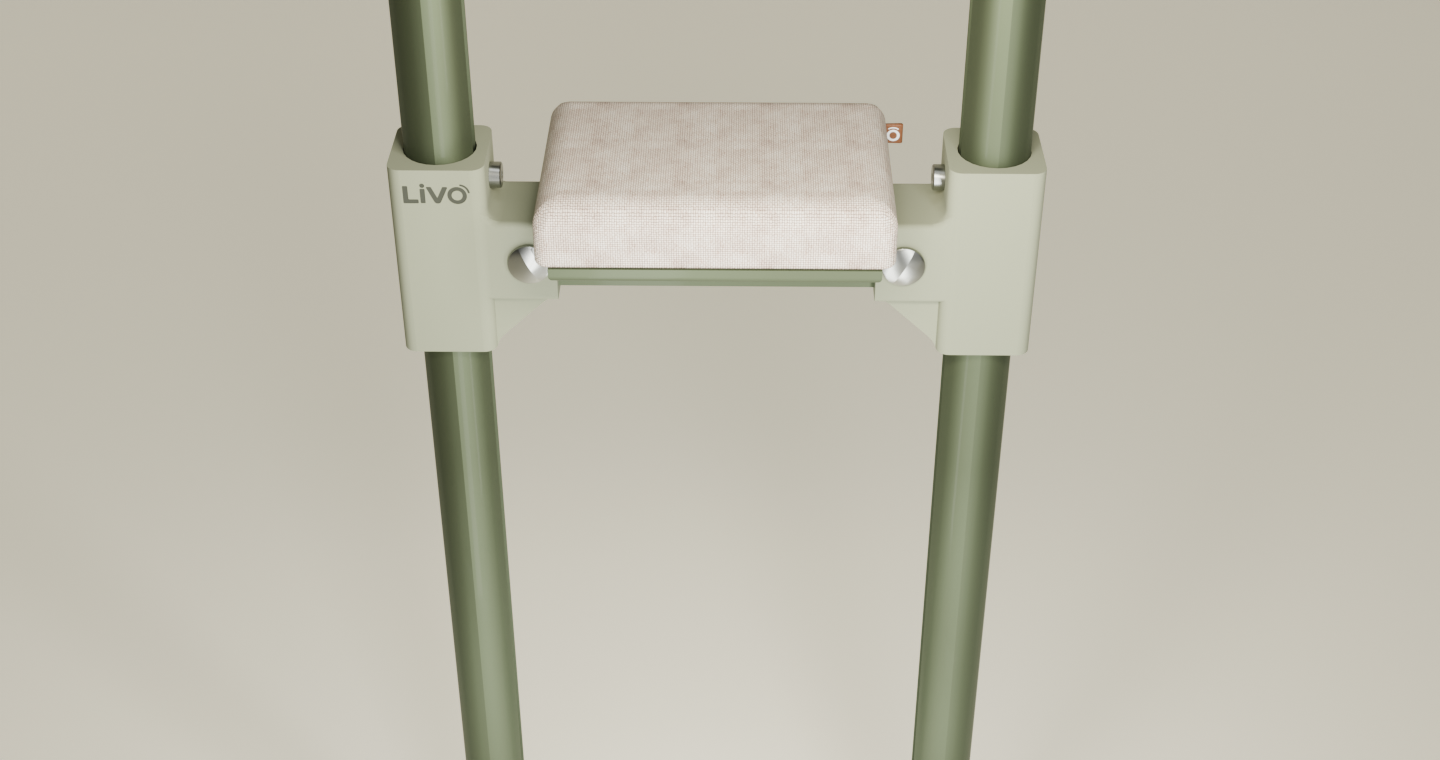
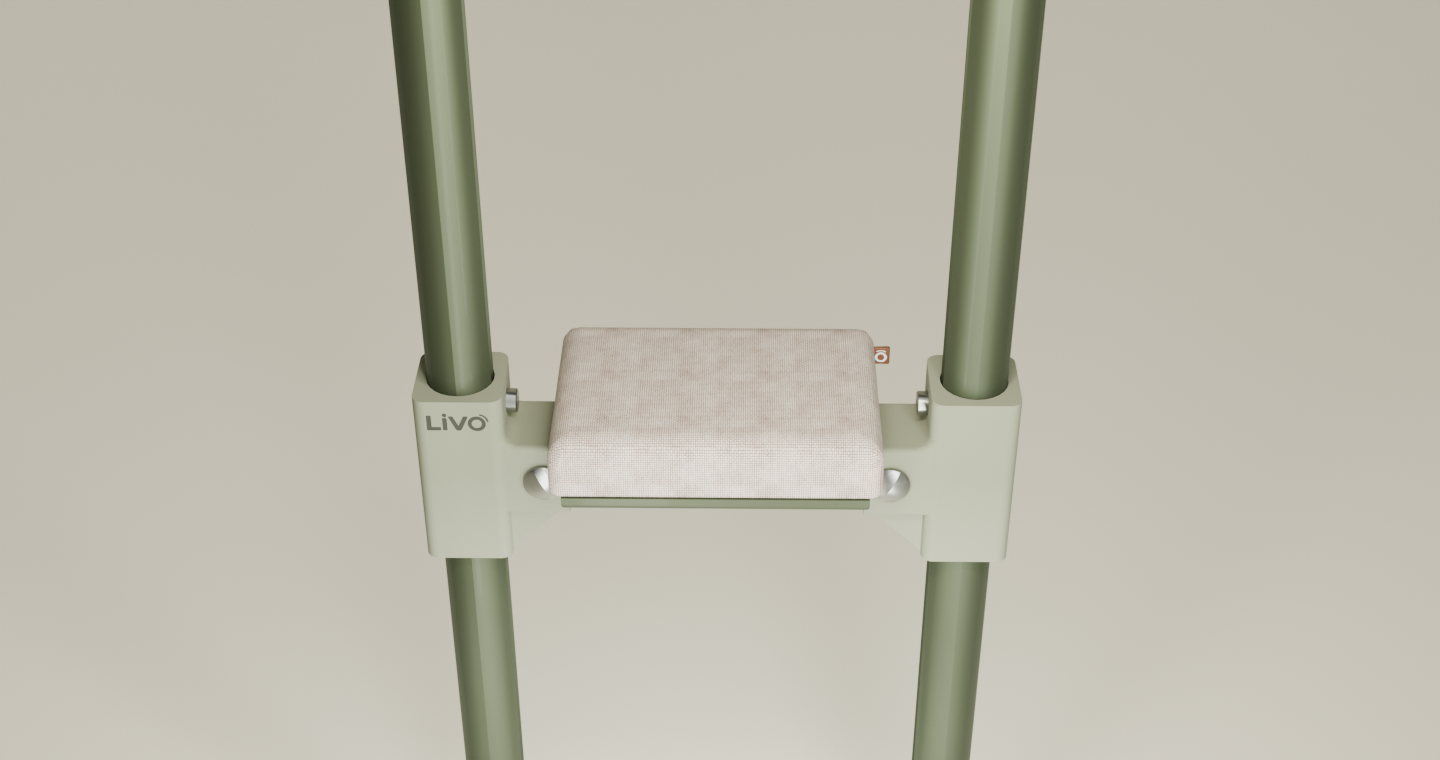
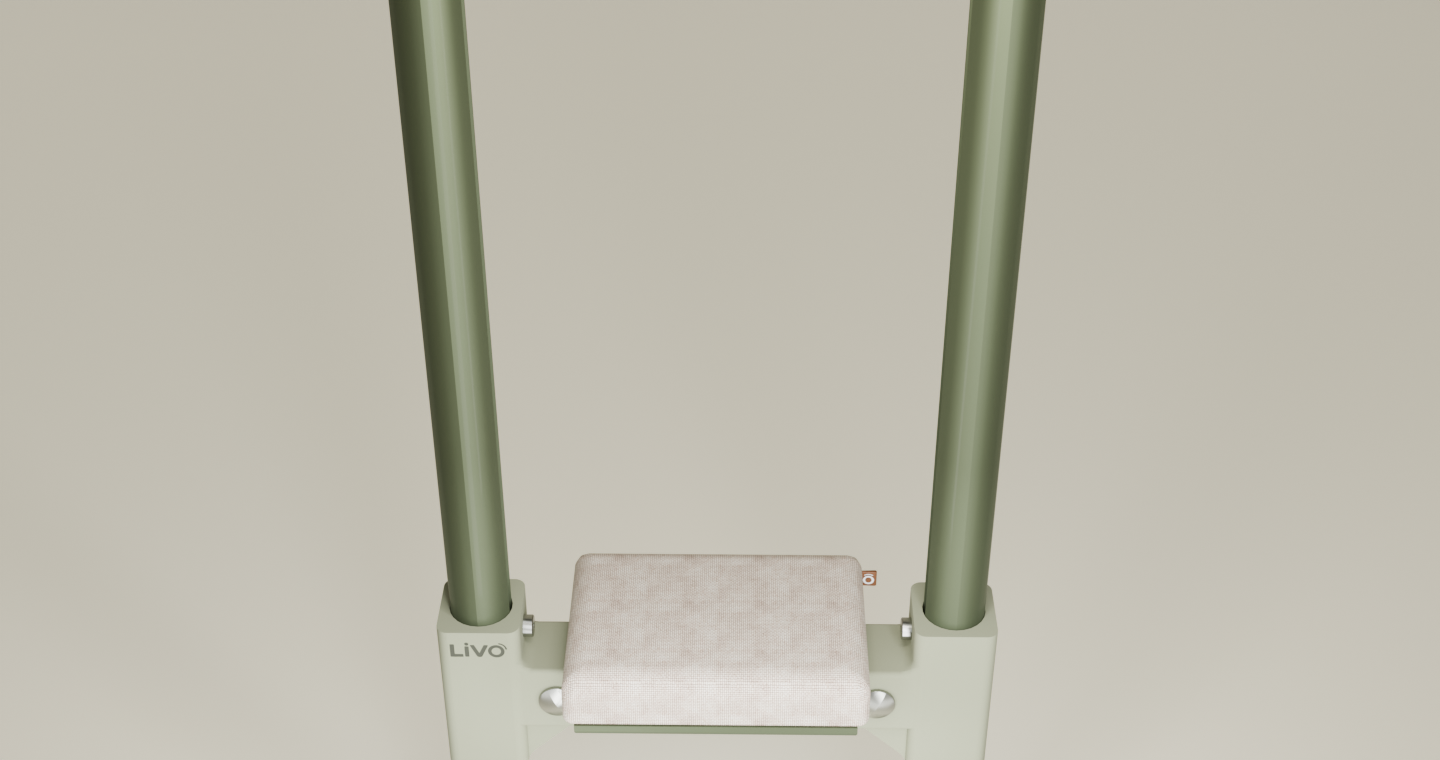
The knee platform slides vertically along two guide posts. Linked sliders guide the platform from both sides, while internal extension springs stretch as it moves down and help return it upwards.
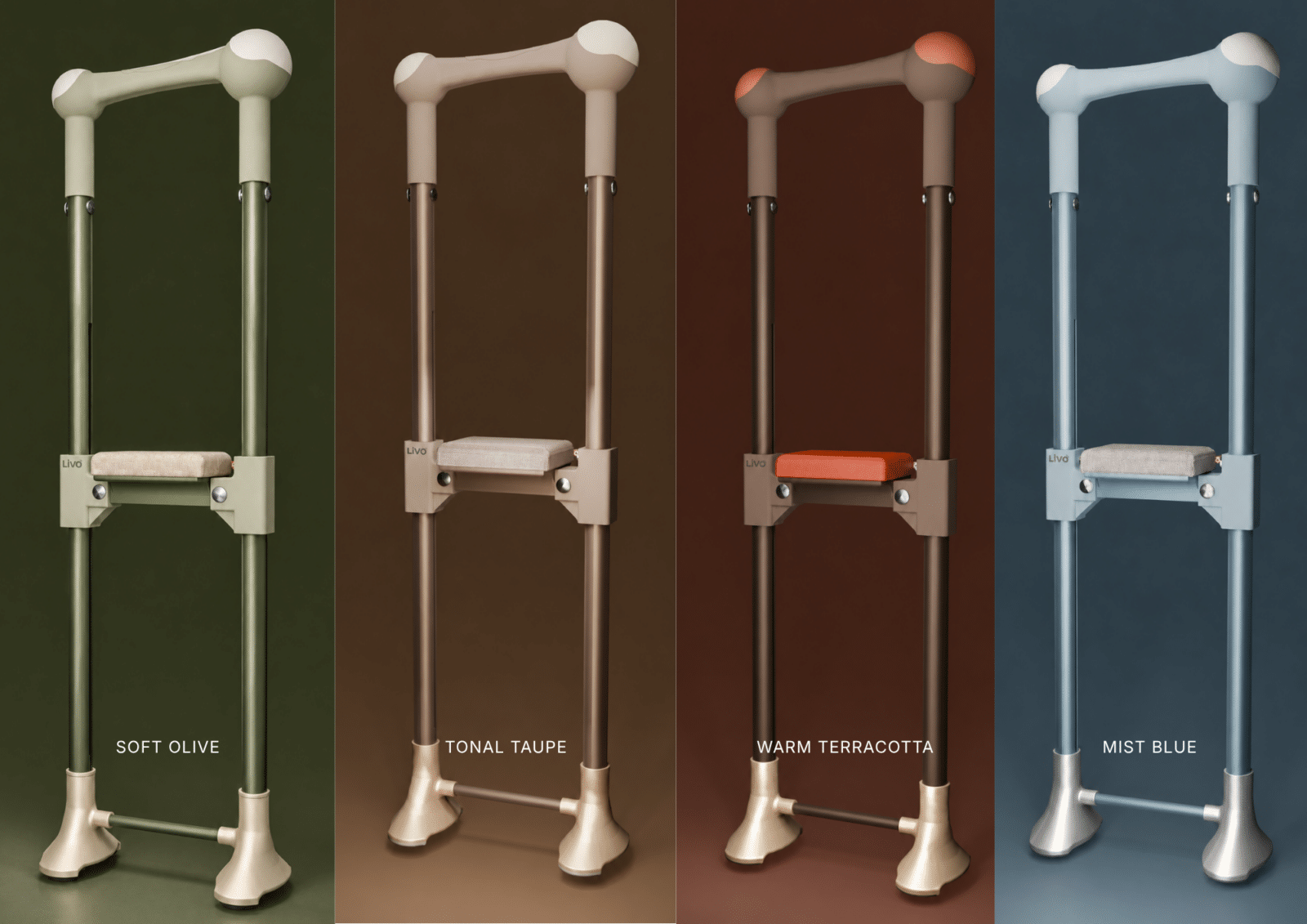
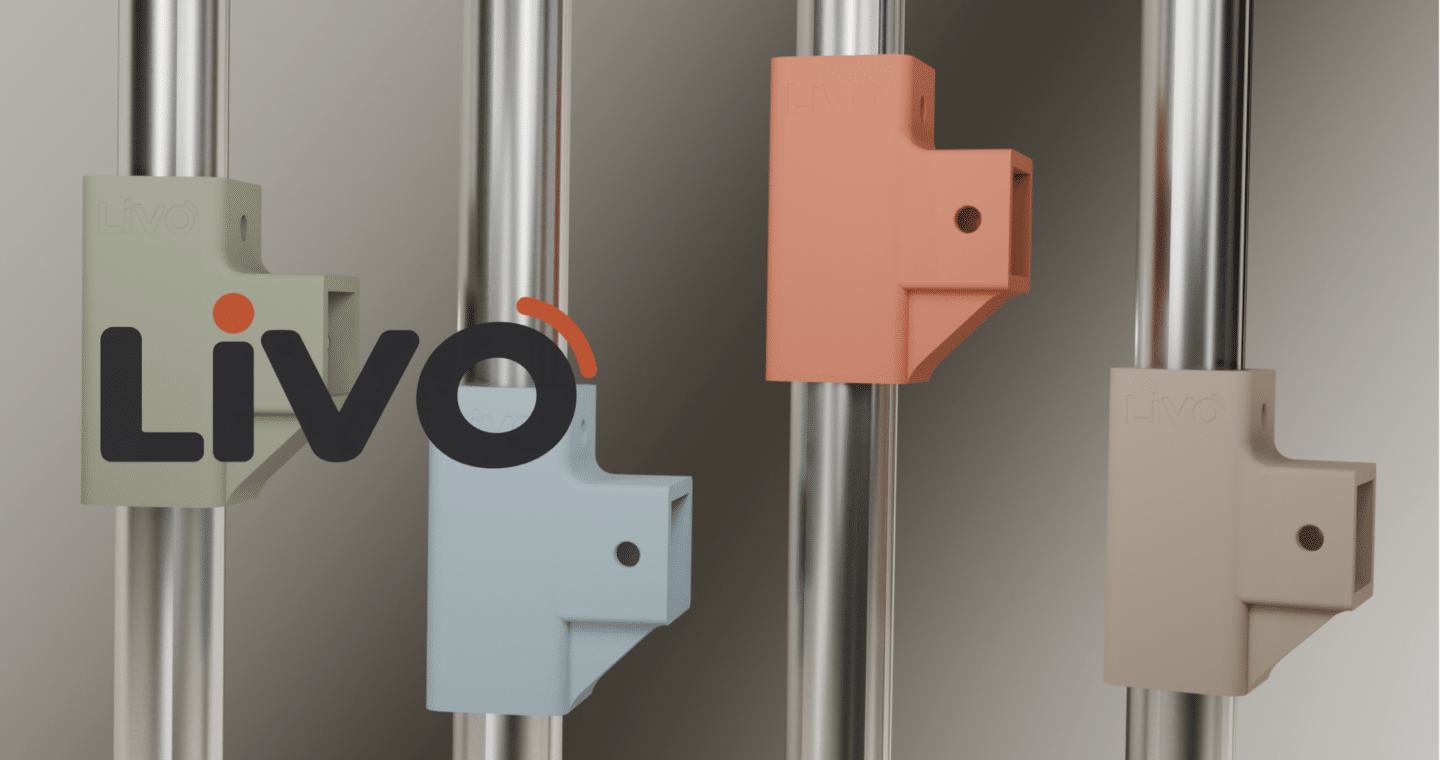
LiVO is presented in four colourways: Olive, Terracotta, Mist and Taupe. The soft, muted palette was developed to complement everyday home interiors, creating a more approachable appearance than conventional medical equipment.

Ain Jeon likes to put a sketch to the test. She studies industrial design at QUT in Brisbane and works between SolidWorks and the workshop, building prototypes to see how an idea feels in the hand and what she might change next.
"*" indicates required fields