What’s lost beneath the surface?
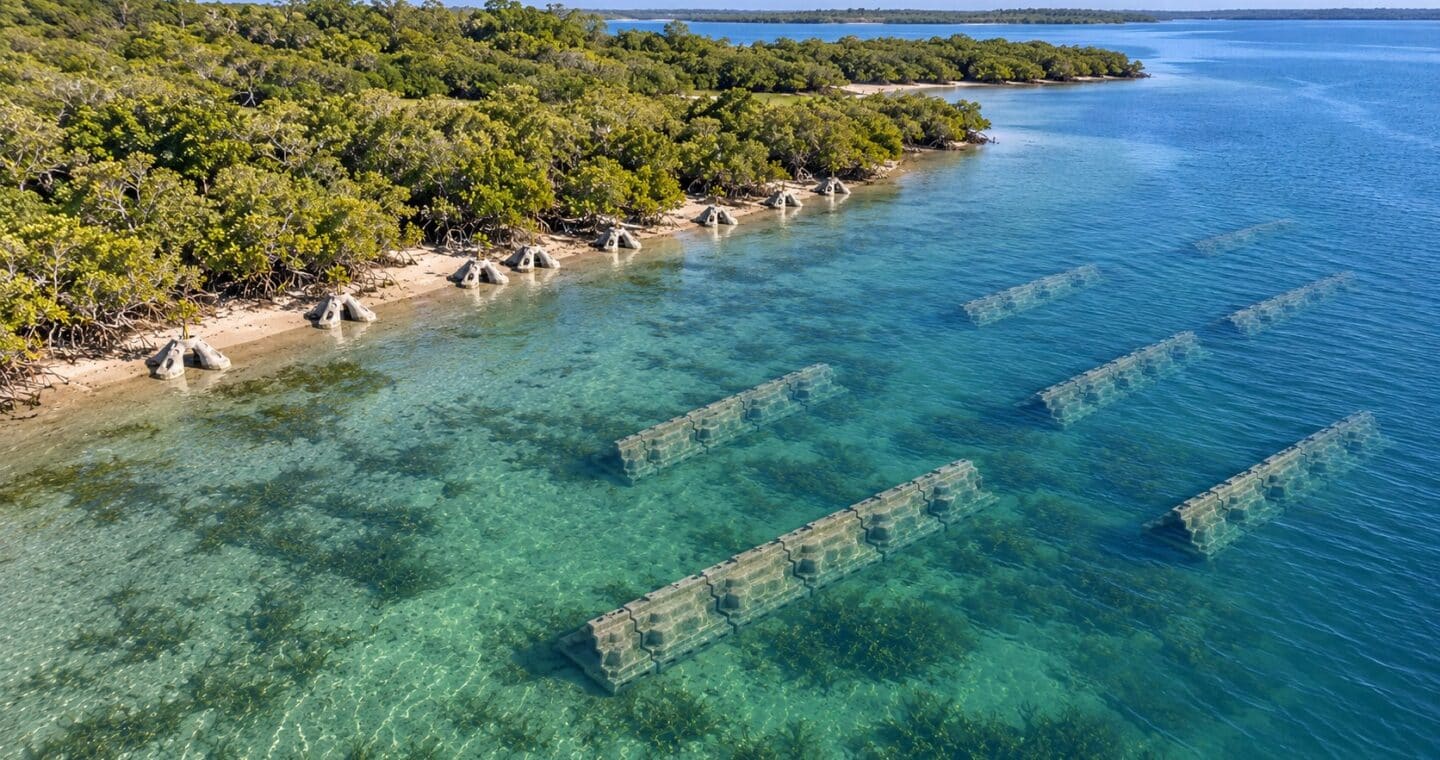
A bio-integrated modular system for erosion management, sediment filtration and seagrass restoration in Moreton Bay. Developed in collaboration with In-Depth Innovations.
Erosion is easy to see above the water. What’s happening below it?”
The Moreton Bay area around Bribie Island has seen water quality and habitat decline after more than 150 years of intensive urban and rural land use. Furthermore, climate-change-driven erosion and sediment runoff from nearby developments are clouding the water, and the seagrass meadows beneath the surface are struggling to grow.
As the meadows disappear, so does the food and shelter that fish, turtles and dugongs rely on. With climate change bringing rising seas and more intense erosion, these coastal ecosystems are under threat.
Why existing solutions fall short
Protect the coast, or support the ecosystem. Rarely both.
Benchmarking of existing coastal infrastructure revealed a clear trade-off. Hard solutions like seawalls and breakwaters are durable and provide the infrastructure to protect coastlines, but they degrade nearby habitats. Soft, habitat-focused solutions support marine life but offer limited protection and are harder to manufacture at scale. Few existing solutions address erosion management and ecological function equally.
What research found
Research conducted consisted of a public survey with 31 respondents, as well as three industry expert interviews. Key findings included:
87% of respondents prioritised habitat conservation in future coastal infrastructure, compared to 52% for erosion prevention.
Weight matters: heavier structures are more stable but cost more to make and install, so smaller modules working as a system are better than a few large structures.
Compliance first: designs must meet permit requirements and withstand a 100-year storm event.
The solution
One system, two modules.
The shoreline and the seafloor face different problems. At the water’s edge, sediment needs to be trapped before it washes into the bay. Further out, wave energy from boats and weather needs to be absorbed so seagrass can take hold. A single module trying to do both would be large and heavy, would compromise at each job, and would be costly to cast and install. Secchi splits the work between two smaller modules, each designed for its zone, that work together as one system.
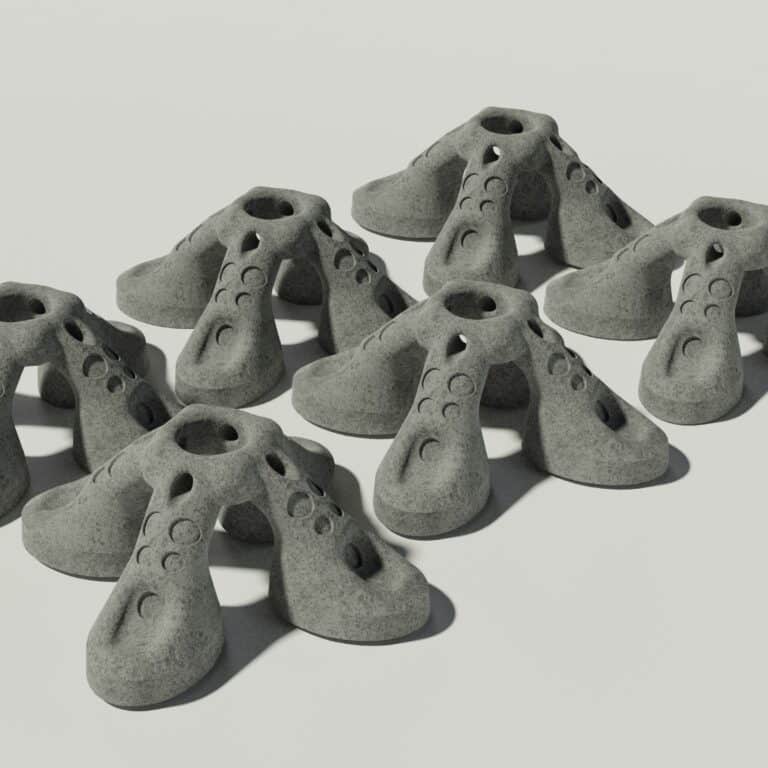
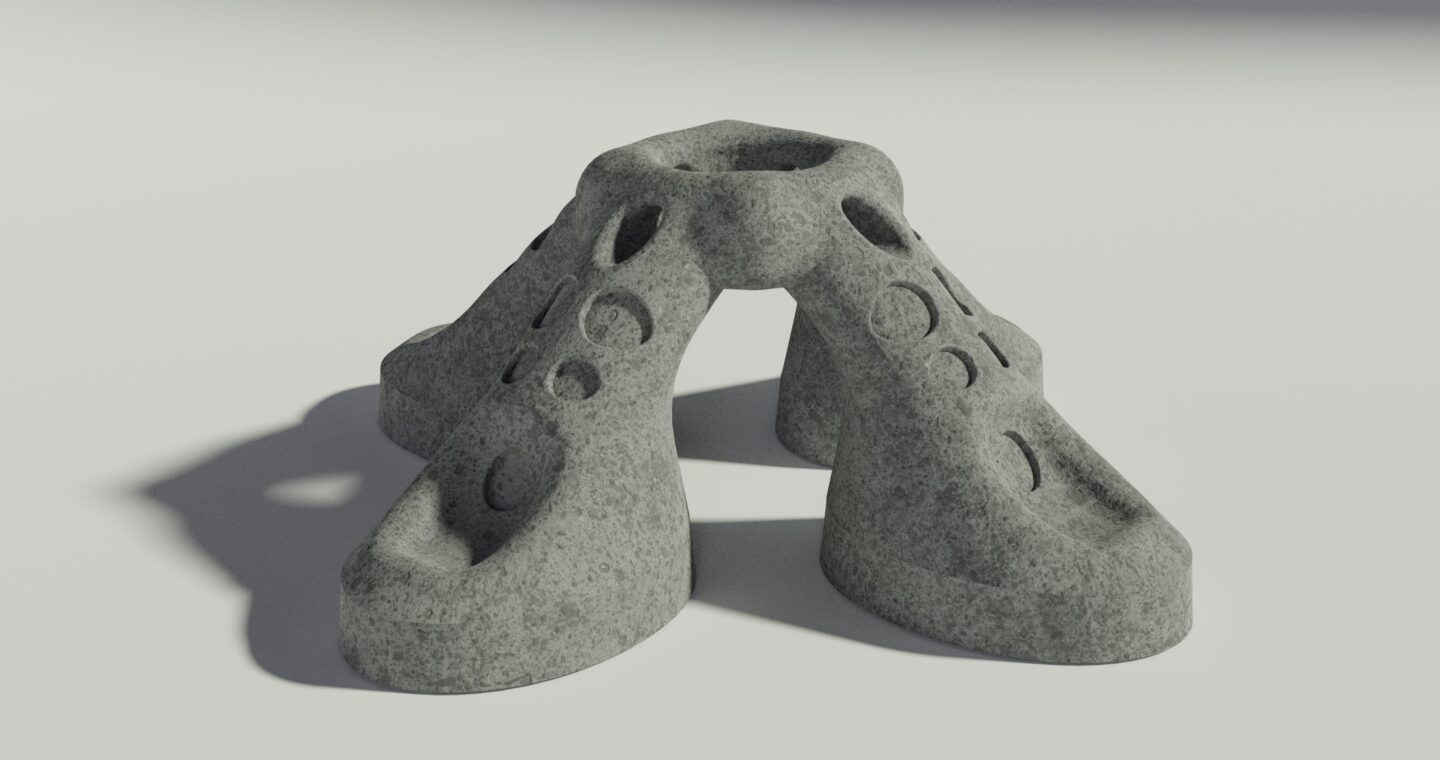
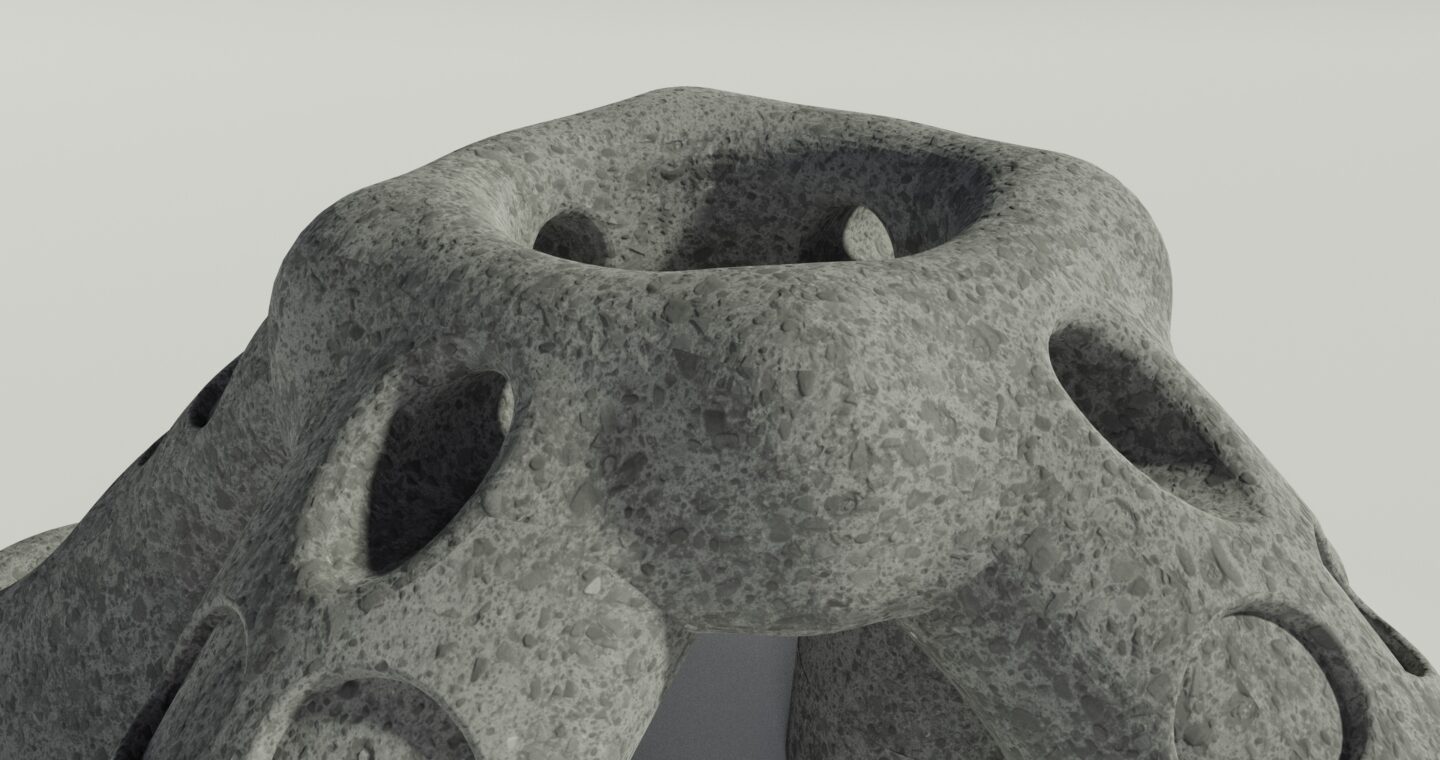
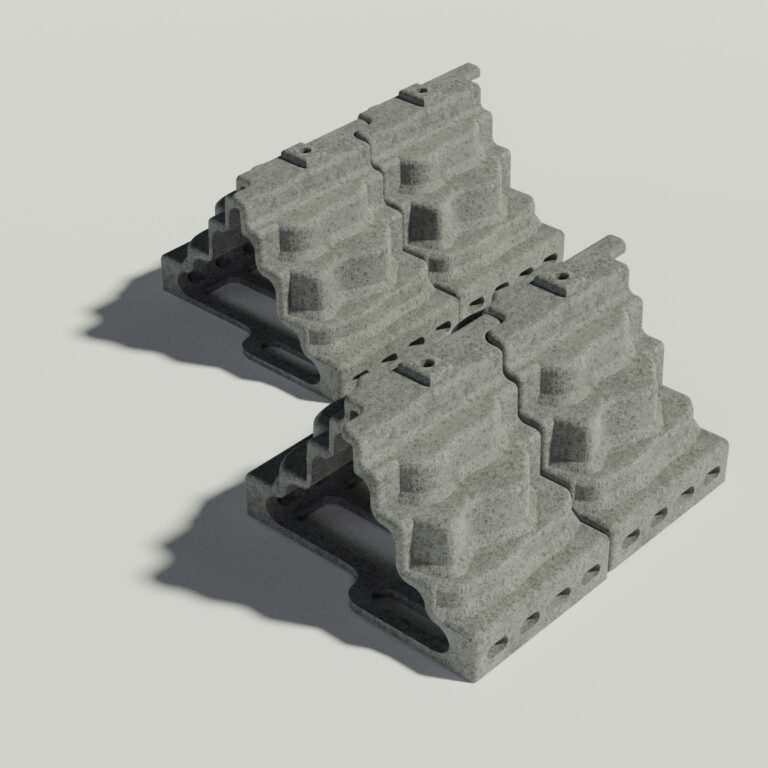
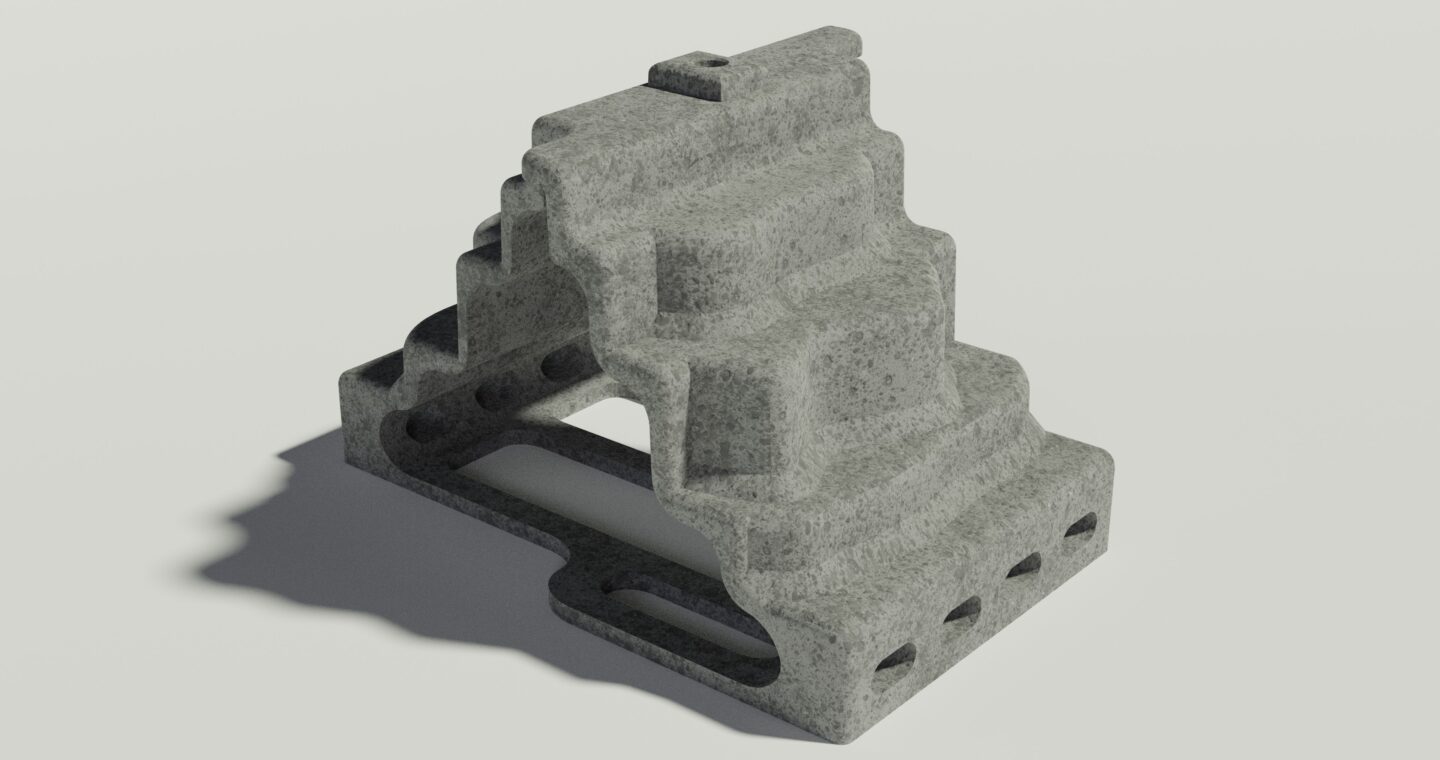
The mangrove Module: intertidal zone
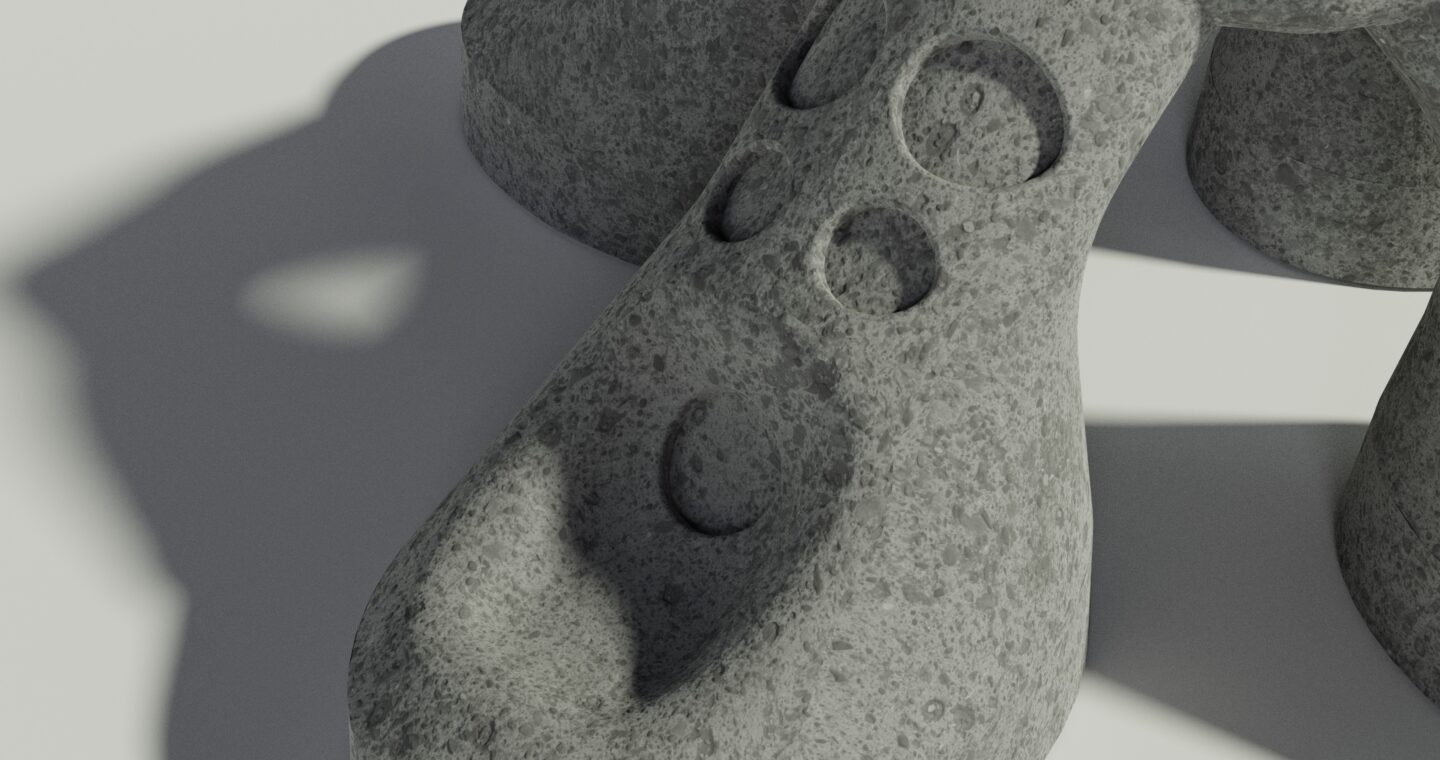
The Seagrass Module: Shallow Seafloor
One Mould, Many modules
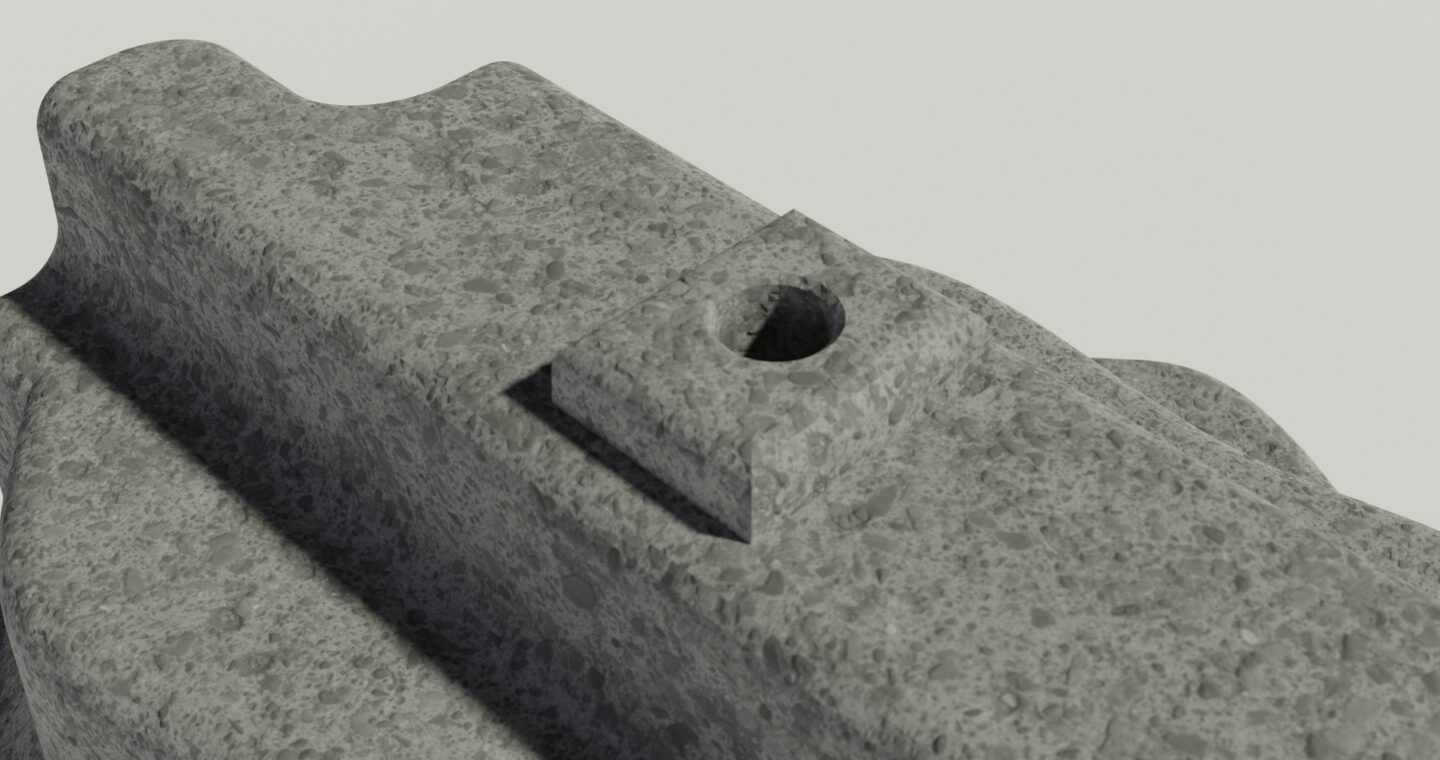
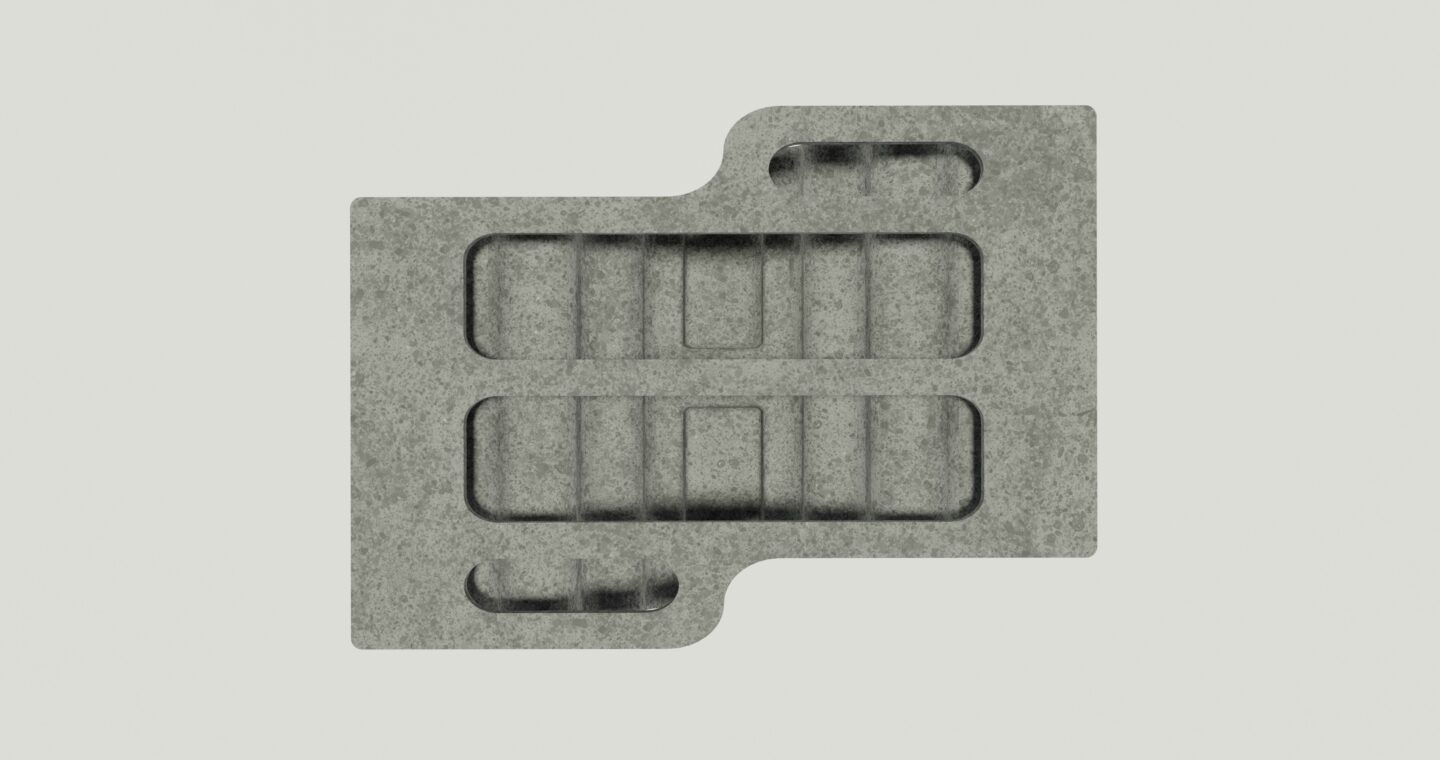
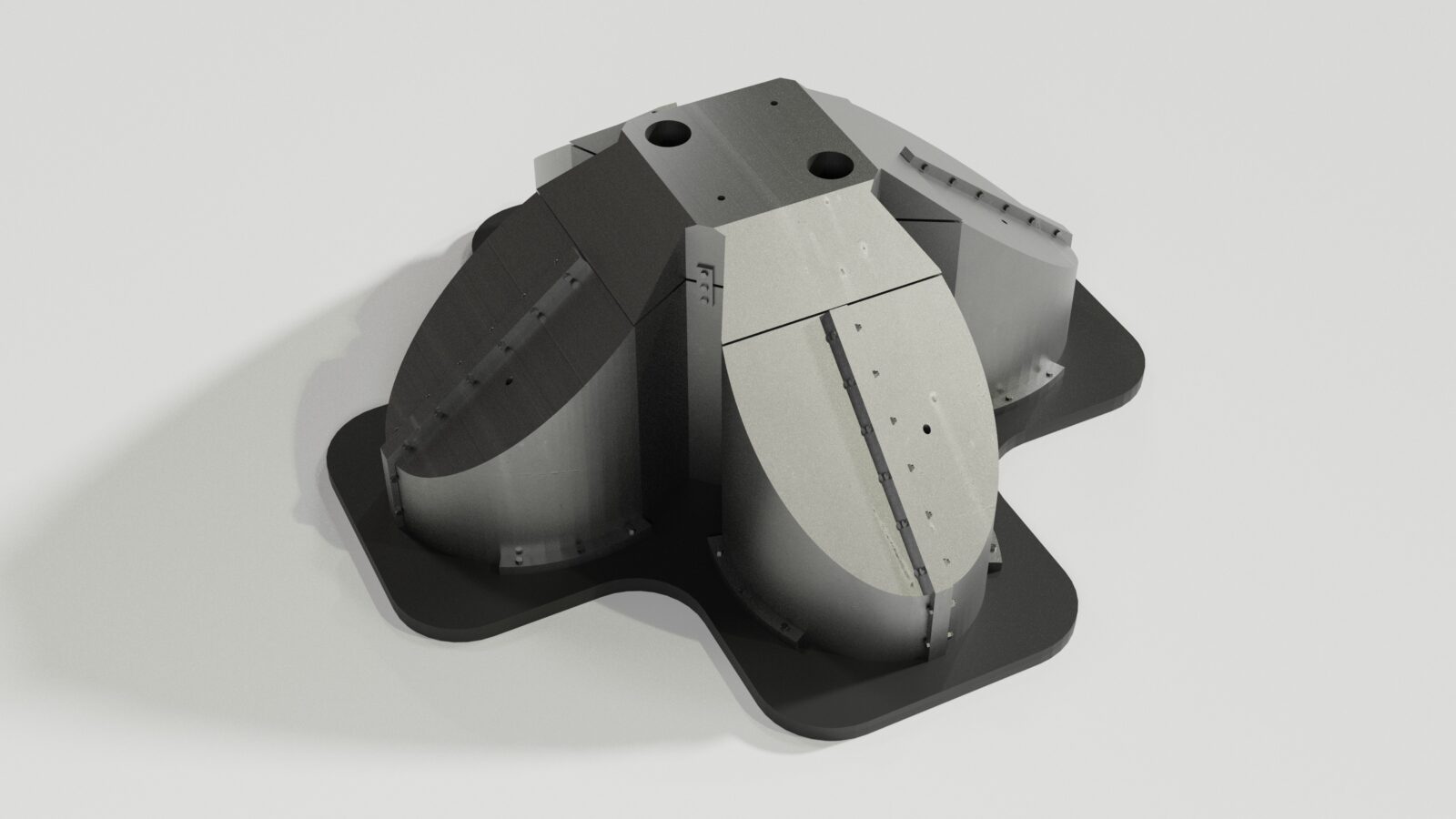
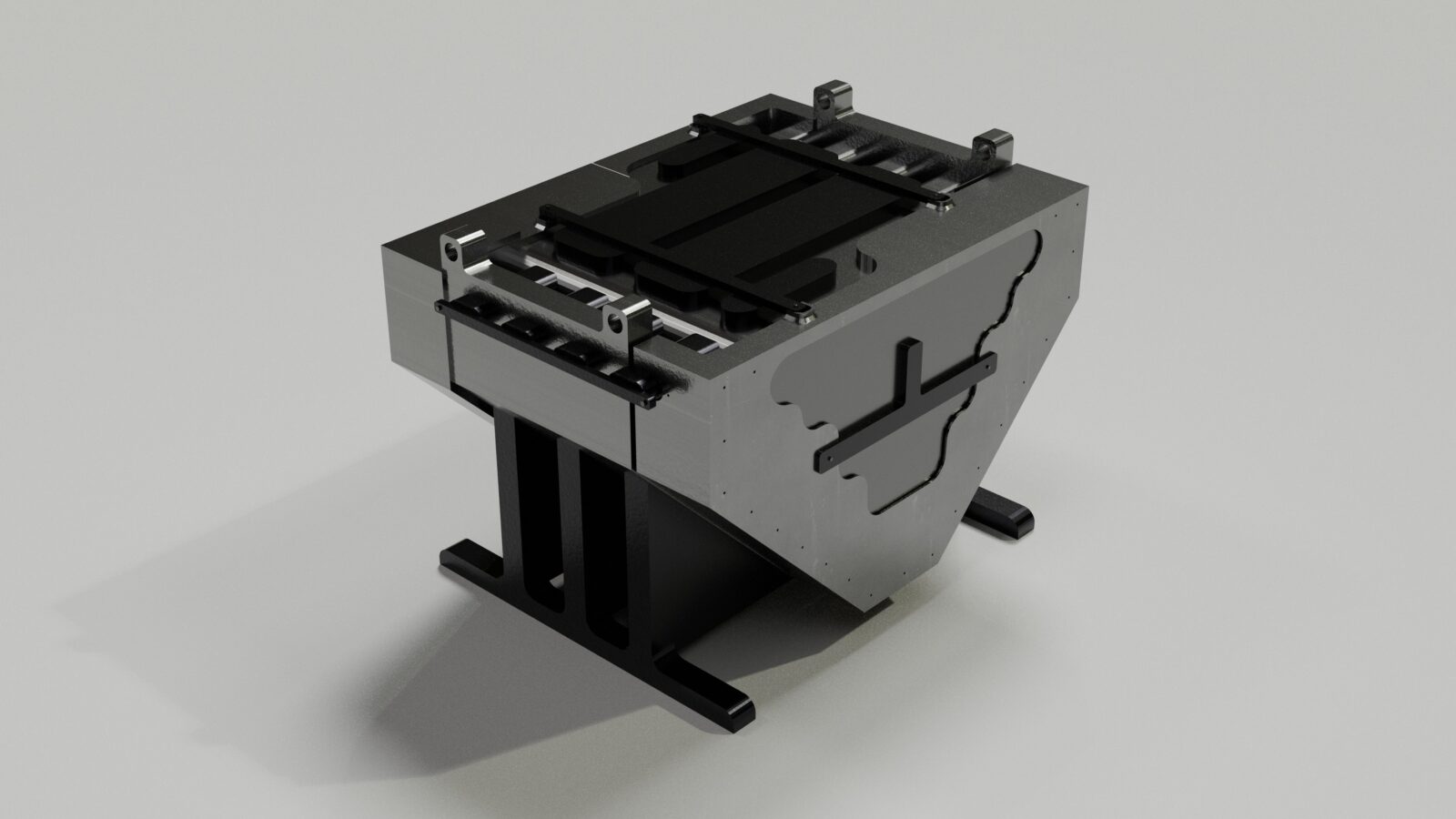
Each module is cast in concrete using a reusable steel mould. The Mangrove Module is poured the right way up through pour holes in its base plate mould, so it can be craned straight out and into place once it has cured. The Seagrass Module is poured upside down so that oyster shells can be placed on its ledges before the concrete goes in, encouraging colonisation. A removable core and cradle form its hollow interior, and standardised lifting points mean it can be lifted, turned and installed safely.
Reusable moulds, standardised lifting points, and a modular layout mean Secchi can be produced repeatedly and installed in groups of any size. While it was designed for Bribie Island, the system can be adapted to coastal environments around the world.
Watch Secchi come to life