You and someone else are the only people at a train station. It’s late at night, there’s still 9 minutes until the next train arrives. You’re on your phone when you suddenly hear a thud near you; you look over and the other person has collapsed.
“Hello…? Hello? Are you okay?” You run over and shake them…they don’t respond.
They’re not breathing…
They have no pulse.
You look around frantically; no station guards, no other commuters.
“Help! Help!! Hello?”
How would you feel?
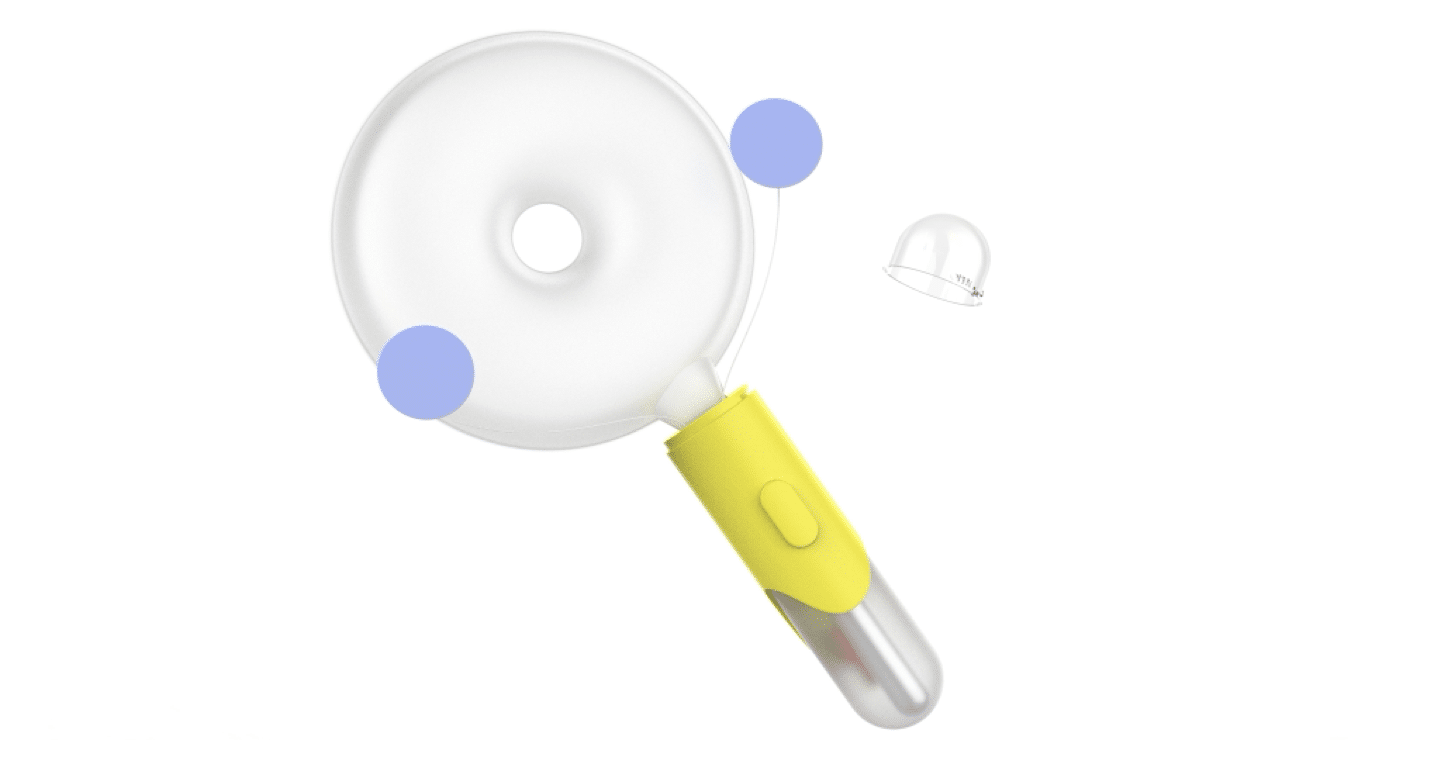
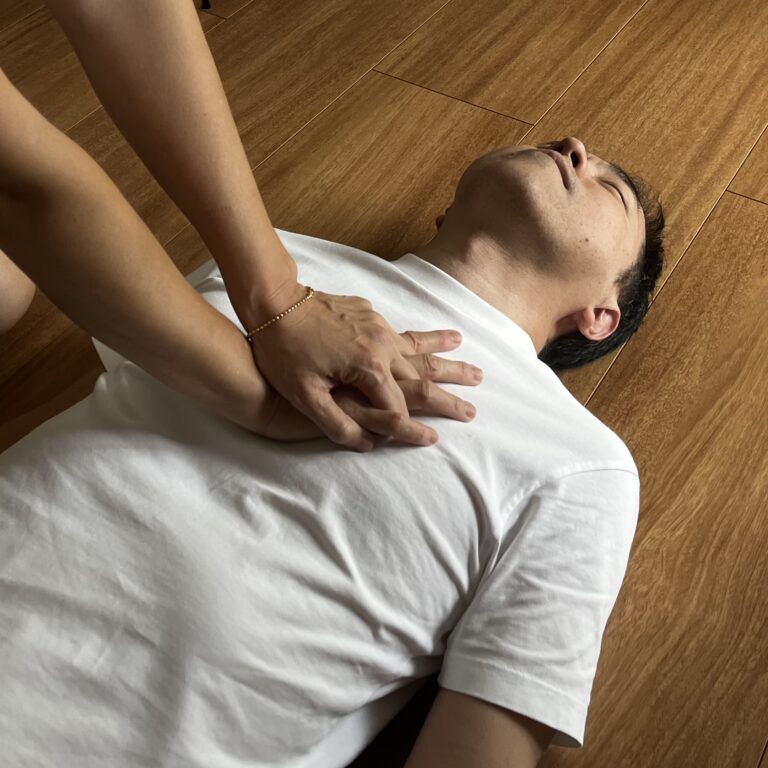
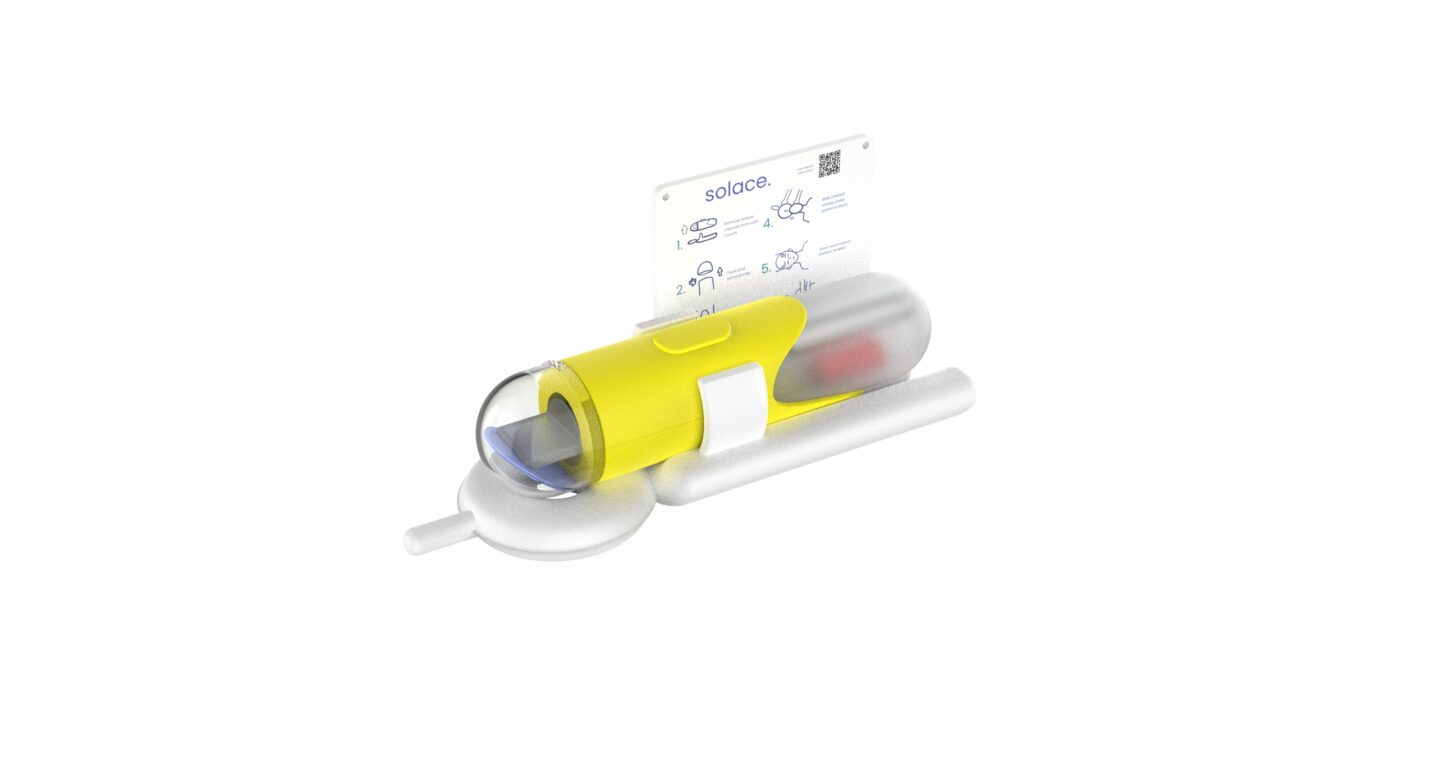
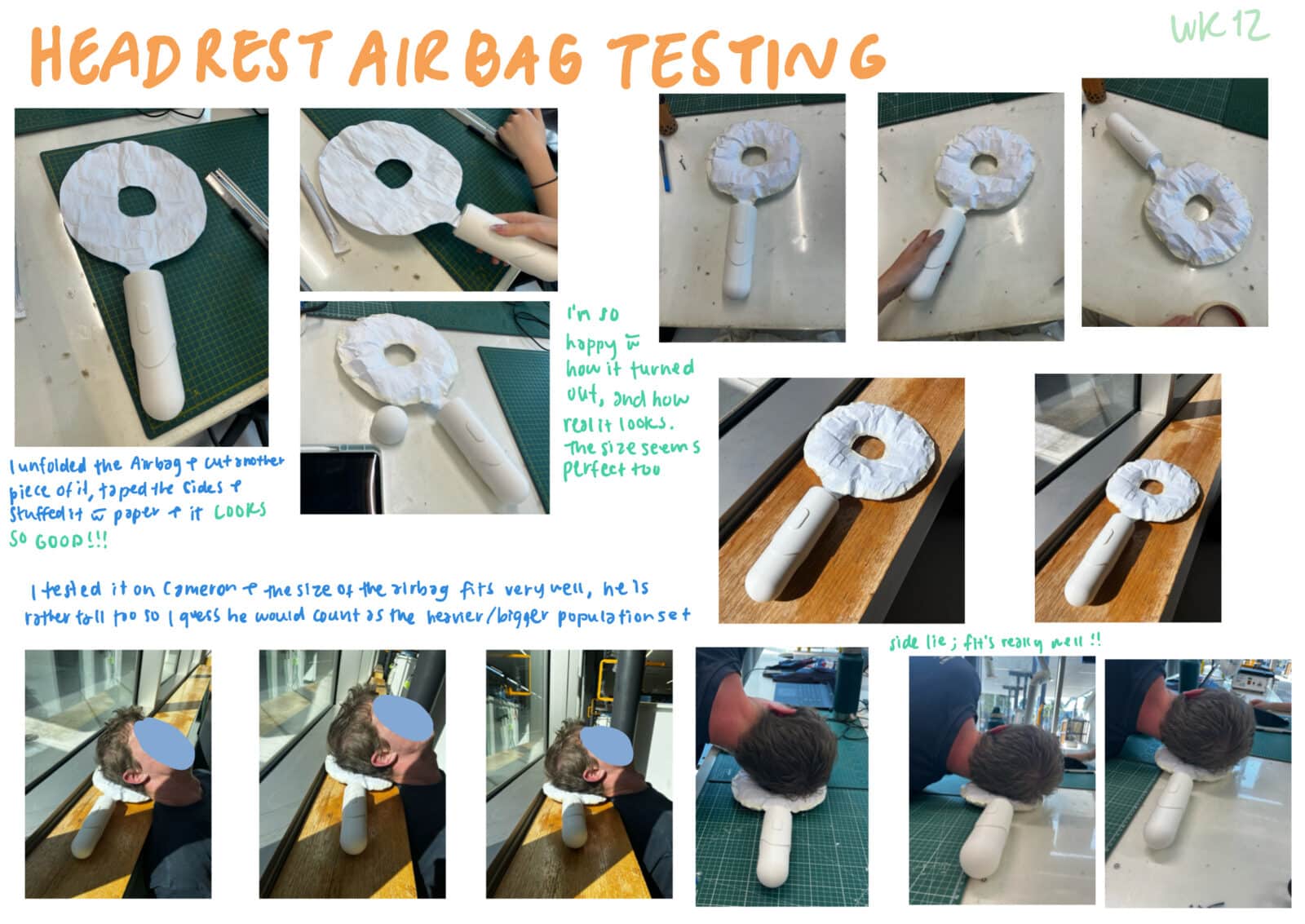
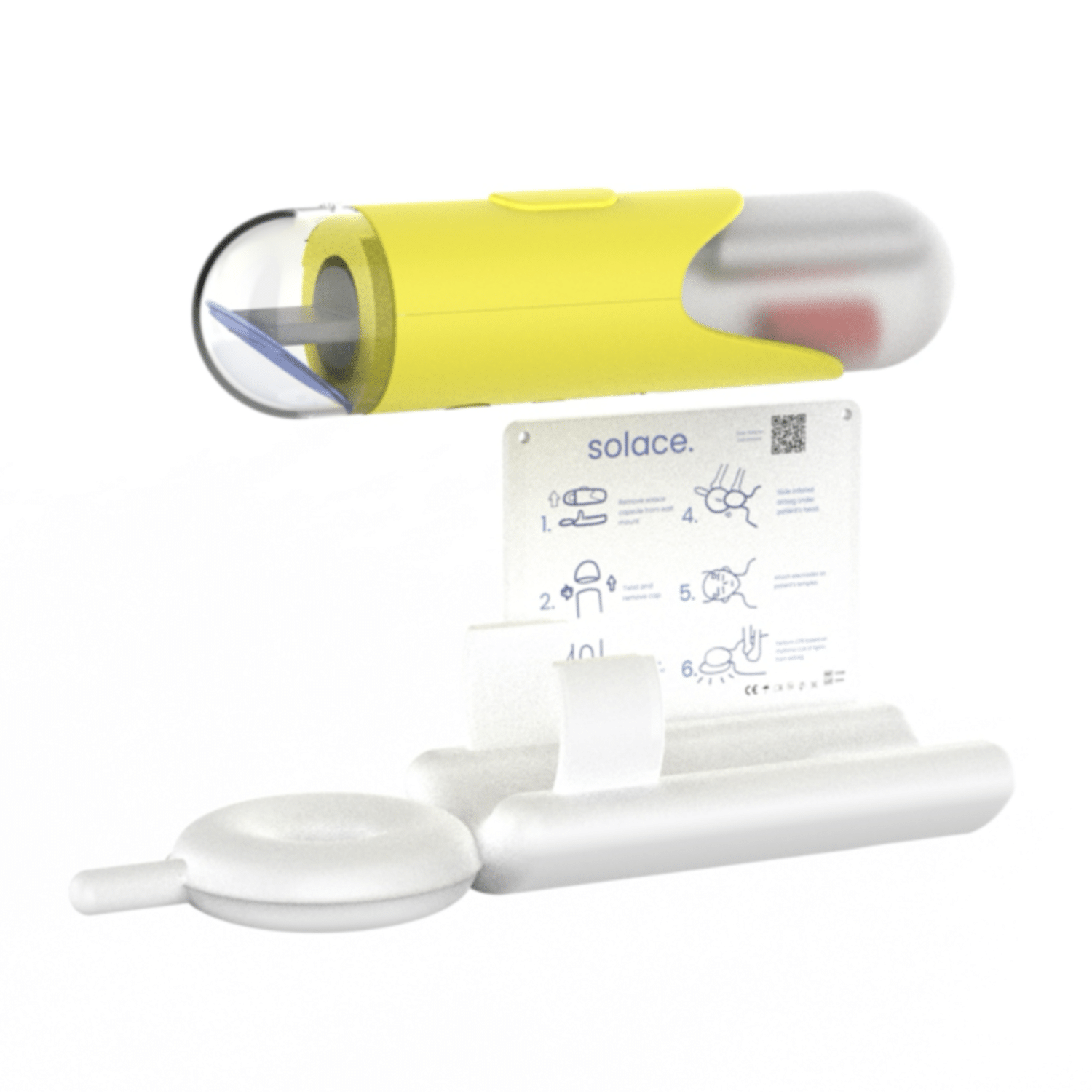
In situations like these, solace aims to act as a guide in visually calming and helping you to respond to the collapsed patient. After calling emergency services, if the user sees solace nearby, they can deploy it immediately to support the patient’s head, tilting sideways if necessary to clear airways from foam, vomit, or blood. The airbag lights will then pulse at 110BPM, allowing the user to perform CPR accordingly to the rhythm. Providing solace during a stressful situation like this can ultimately increase response time from bystanders, helping them help the patient.
Cardiovascular emergencies are usually characterised as a critical situation where the ability of the heart to pump blood is impaired. It is identifiable by various symptoms, such as varying levels of chest pain, shortness of breath, sudden collapse, and loss of pulse. Heart attacks, cardiac arrests, and arrhythmias are the most common forms of cardiovascular emergencies. Out of home cardiac arrests (OHCA) are one of the leading causes of death amongst CVD (Cardiovascular Disease) related deaths.
In these situations, after the affected person suddenly collapses and has no pulse, CPR (cardiopulmonary resuscitation) is critical to providing a higher mortality rate until emergency dispatch arrives. However, as nearly half the population have not experienced CPR training, they lack the knowledge and confidence to act during critical emergencies. Various factors also contribute to bystanders not wanting to assist in emergencies, such as fear of harming the individual, fear of performing CPR incorrectly, financial and legal repercussions, and feelings of inadequacy. Even individuals trained in CPR still feel panic and a fear of not performing it correctly.
If you were the only person next to someone who just collapsed at the train station, what would be the most stressful factor?
No one else is able to help me.
65% of survey participants
From a short response question in the survey, participants were asked what would be the most stressful factor if they were at the train station standing with only one other person who had suddenly collapsed. Of 29 responses, 19 participants all said being the only person there to help the collapsed patient would be the most stressful factor. Some responses quote “Having no help”, “there’s no one to ask what to do in this situation”, “no one else is around to help”, and “not having enough people to support in taking care of this person”. All other participants had answers related to ‘not knowing the right thing to do’ or ‘finding an AED’, alike the fear of having nobody around to ask for help.
Research Summary
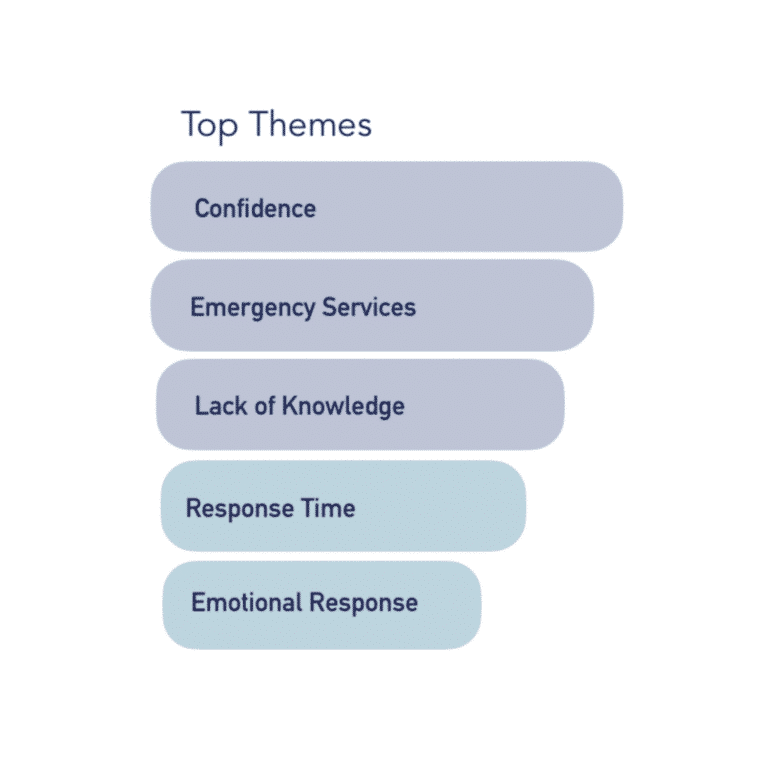
The survey data surrounding factors in hesitation of commencing CPR aligned with the background research, with fear of harming the individual, performing CPR incorrectly, and feelings of inadequacy as reasons directing to the theme of Confidence.
Furthermore, as response time is crucial in cardiac arrests, bystanders need to act fast. Out of 34 responses, 22 mentioned contacting Emergency Services as the first 5 courses of action they would take. Emergency Services are crucial in these situations as they may assist significantly over the phone in helping laypersons to identify the condition of the patient.
Of those responses though, the frequency of 42 mentions surrounding the theme of Checking Patient Condition may act as a delay in response time, as checking for pulse, breathing, and responsiveness may vary for different laypersons. Some may feel panic, slowing down their response time; some may feel spectator paralysis or stigma, pointing to Emotional Response.
Moreover, the observation data provided insight into real-time emotional data towards how bystanders would react; the layperson showed more signs of distress – as measured by their stuttering and body language – than the CPR trained participant, most likely due to their Lack of Knowledge surrounding what to do. The layperson participant also seemed unsure of what to do next after calling Emergency Services, supporting the theme of Lack of Knowledge from the survey results.
If you’d like to read more about the topic and background research, download the report here:
Name
Out of Home Cardiac Arrests_Selena Soo_Critical Report
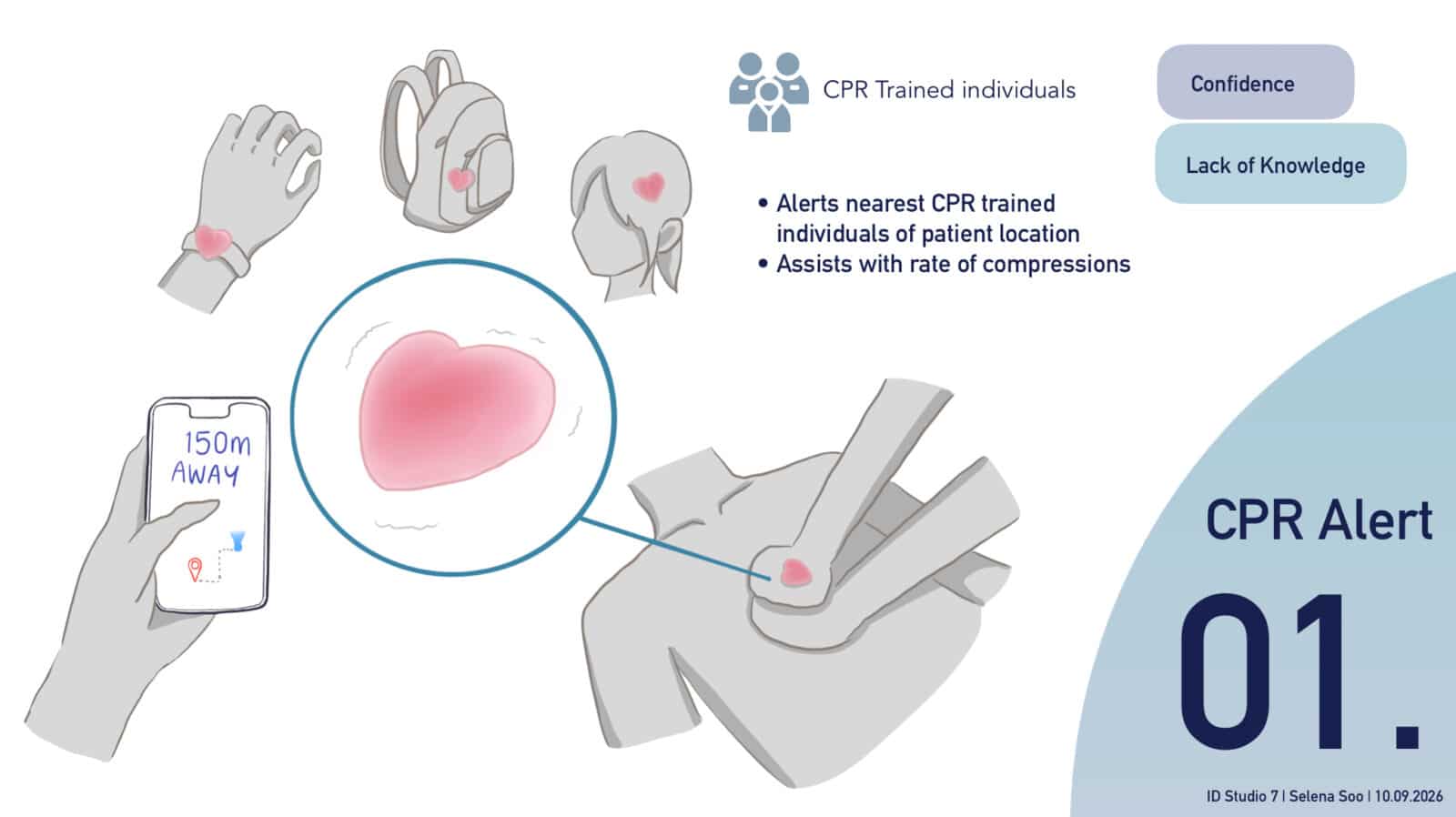
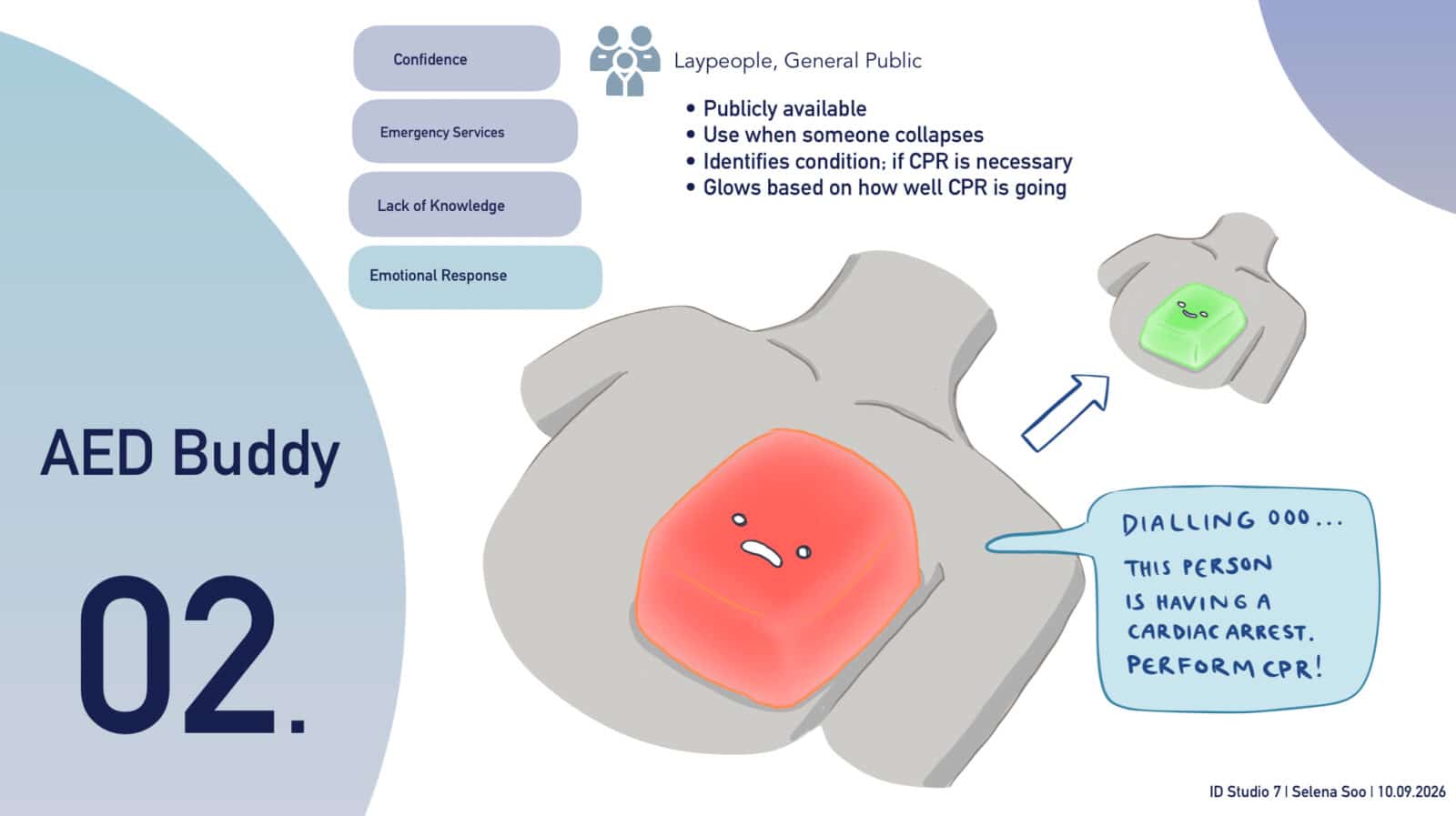
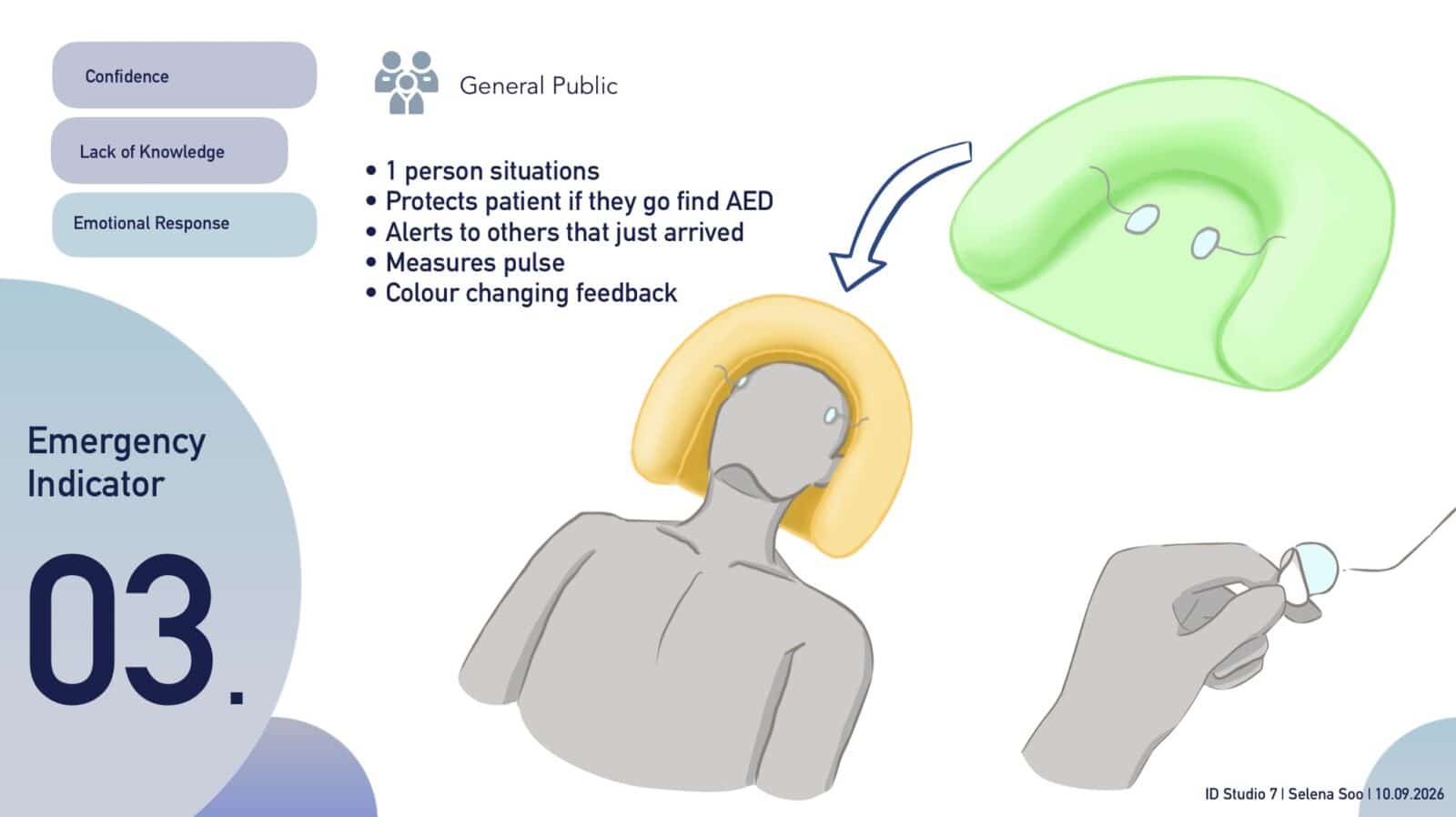
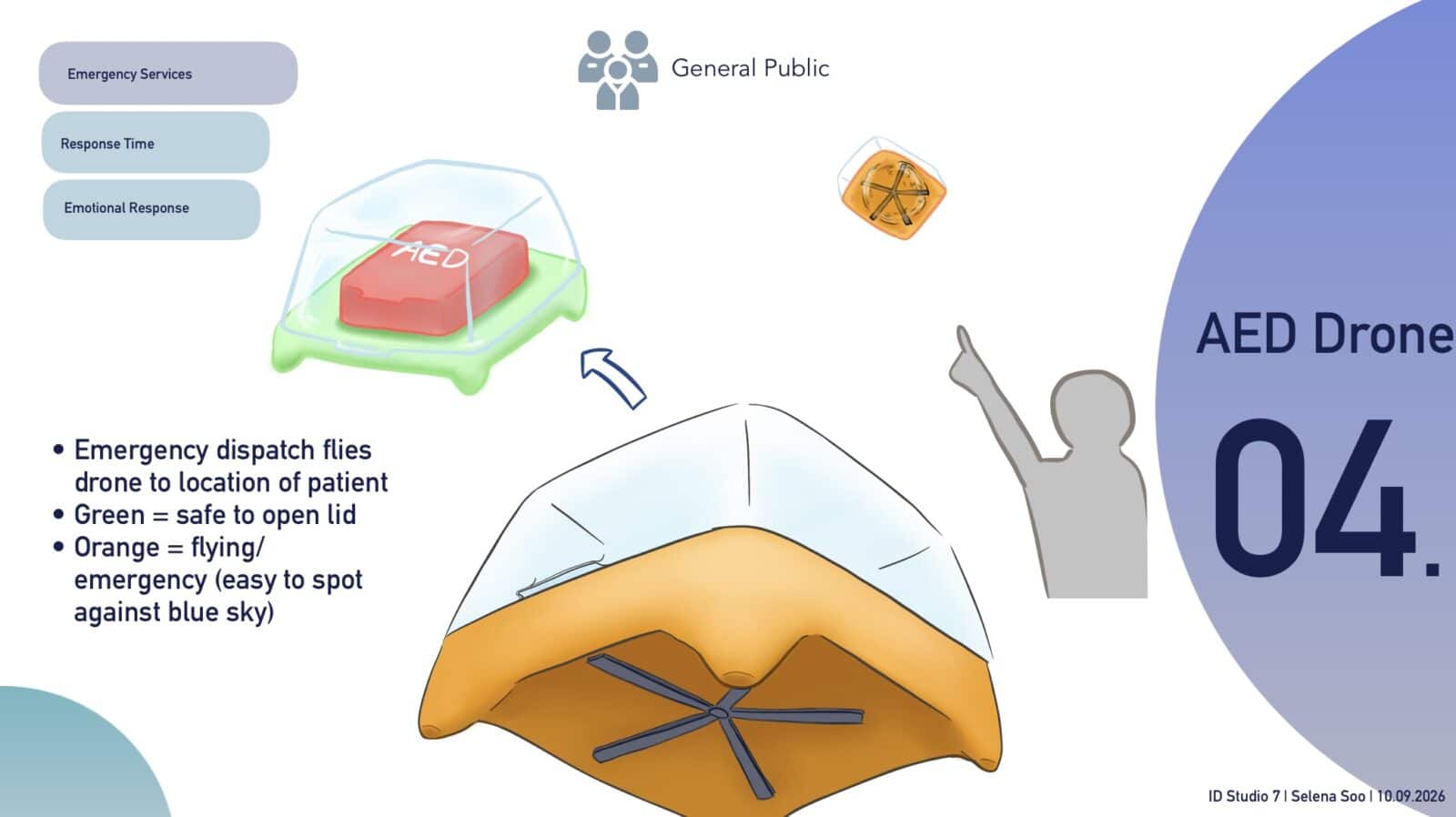
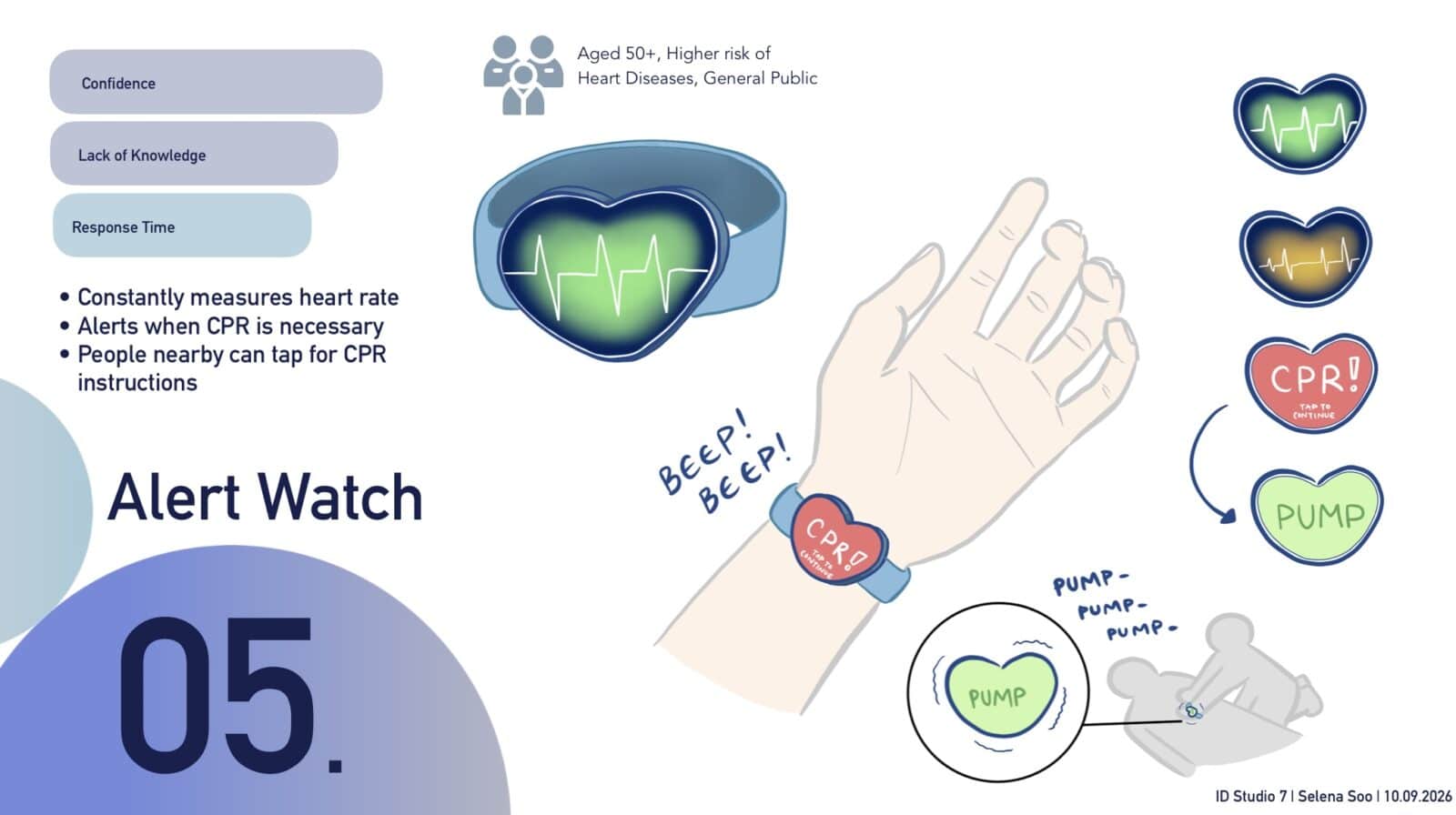
Throughout my initial concepts, I aimed to target each idea with each top theme, though of course many themes would overlap. Through the initial concept presentations and feedback from peers, I originally was set on Concept 4 — a drone that would bring an AED to the user and patient, ultimately increasing response time. Throughout my research report, I was heavily dependent on the mindset that response time is the only way a product would be deemed as ‘good’ in terms of responding to a cardiac arrest. However, after talking to and receiving feedback from Professor Rafael Gomez, I realised it was necessary to take a step back and think about my main user group — the general public. Emotional Response was a key theme throughout my research, and if so many individuals already struggle with distress and panic during such a difficult situation, response time would ultimately become more delayed, resulting in even more danger for the patient. Henceforth, I aimed to pursue and develop Concept 3 — a head support that would emotionally calm and bring more confidence to the responder. “Without the responder, the patient would just die”. He believed in my project more than I did at that time, and I am very grateful to him for guiding and supporting me throughout this semester of work.
Solace in context
Key features
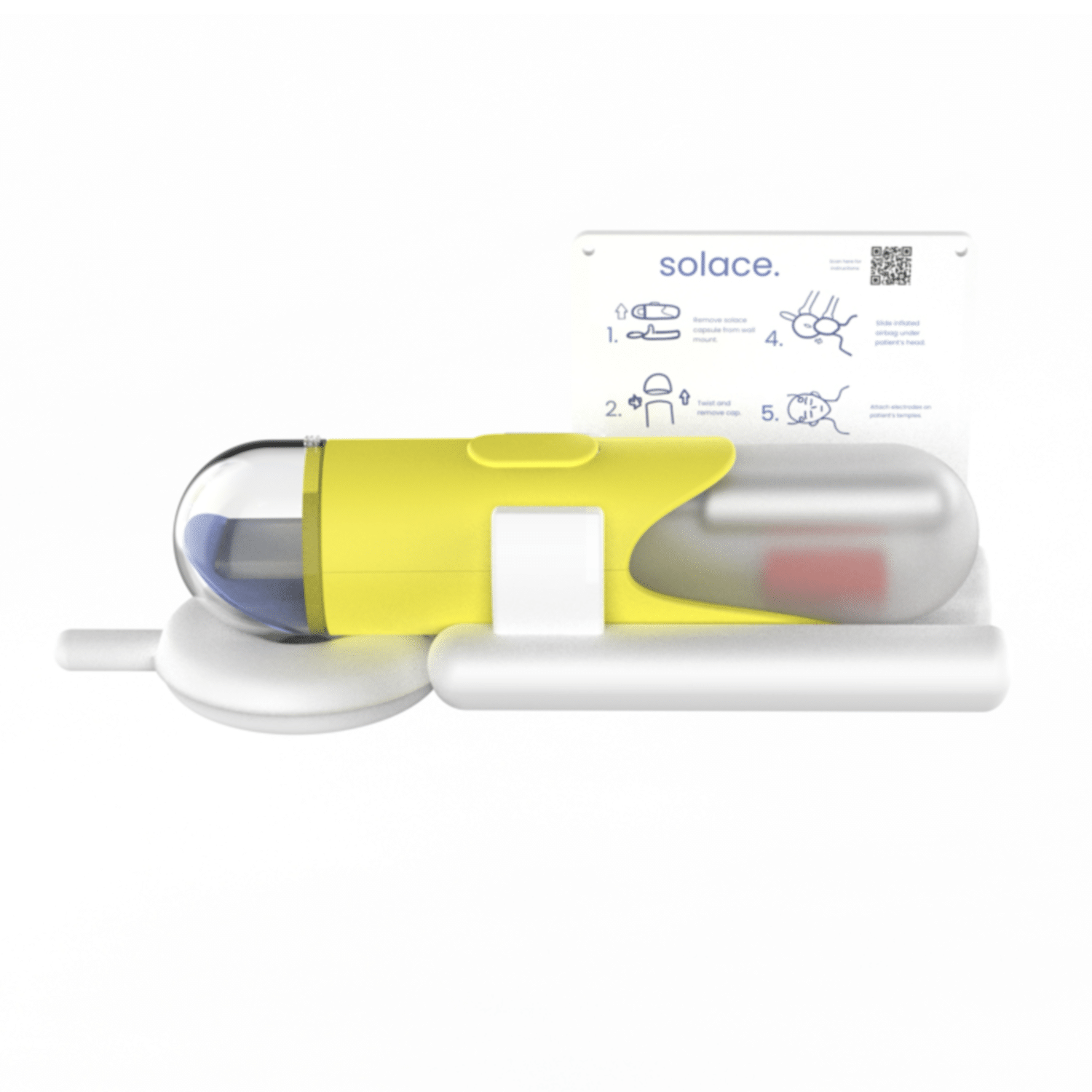
Wall Mount
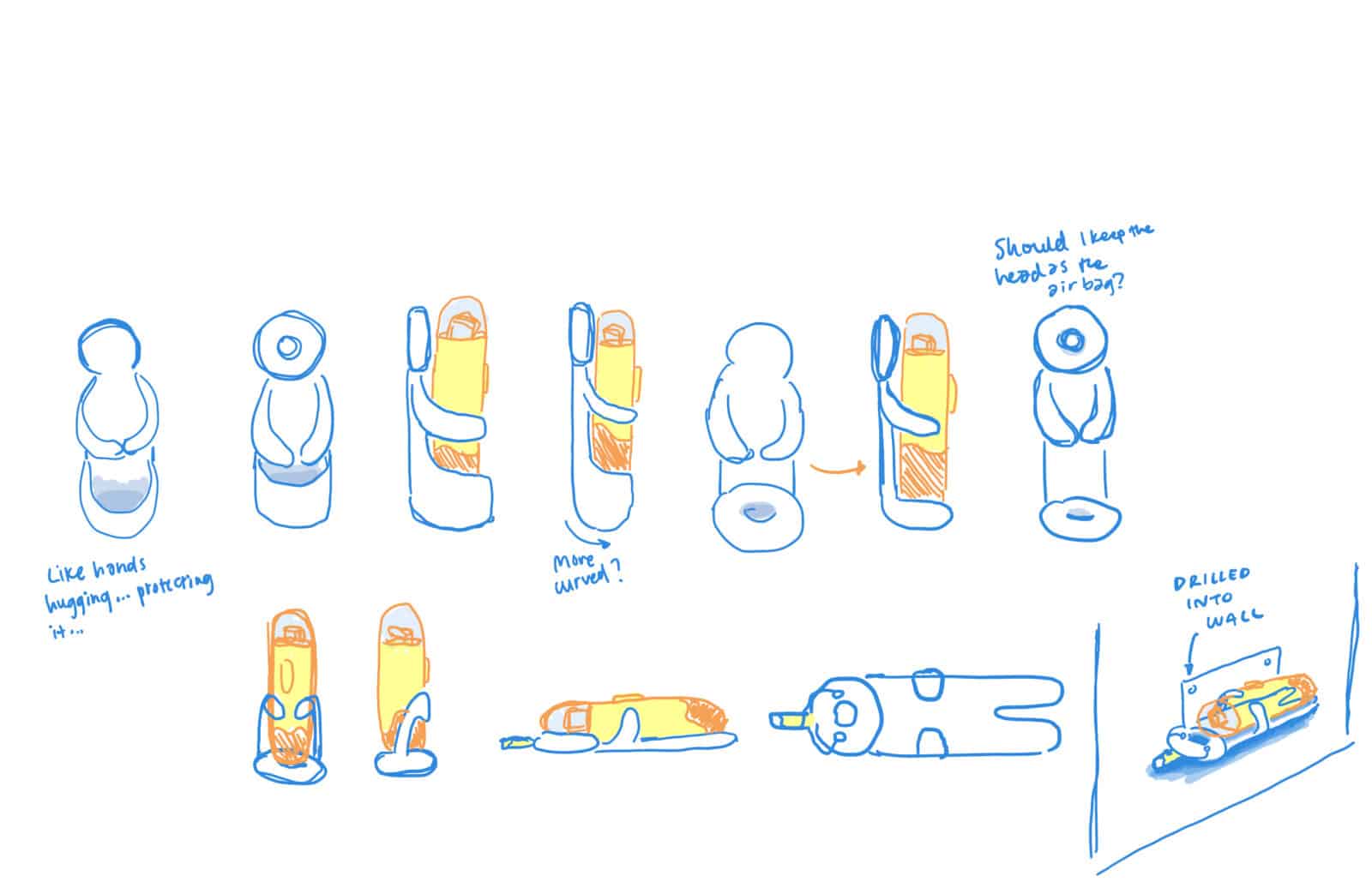
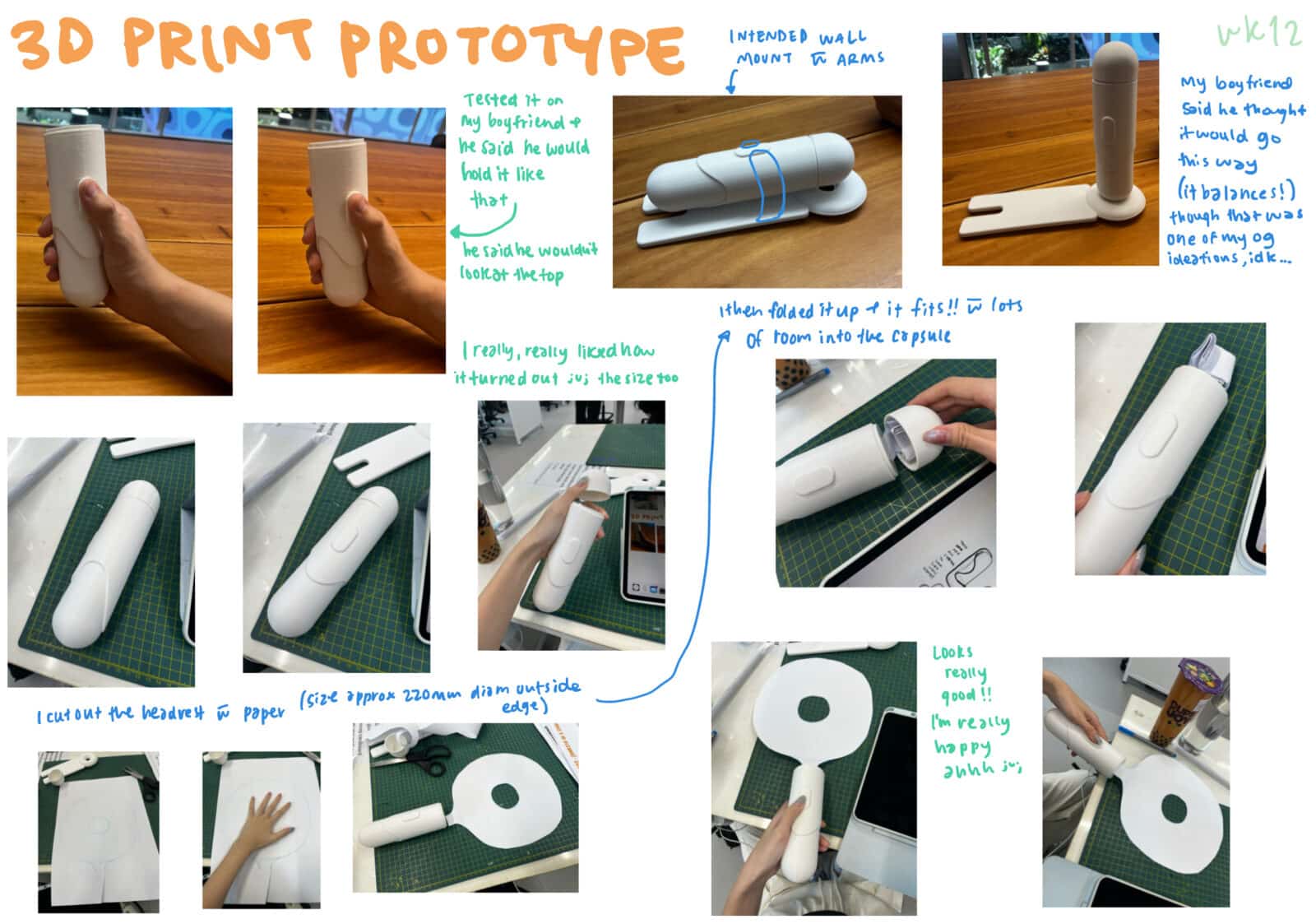
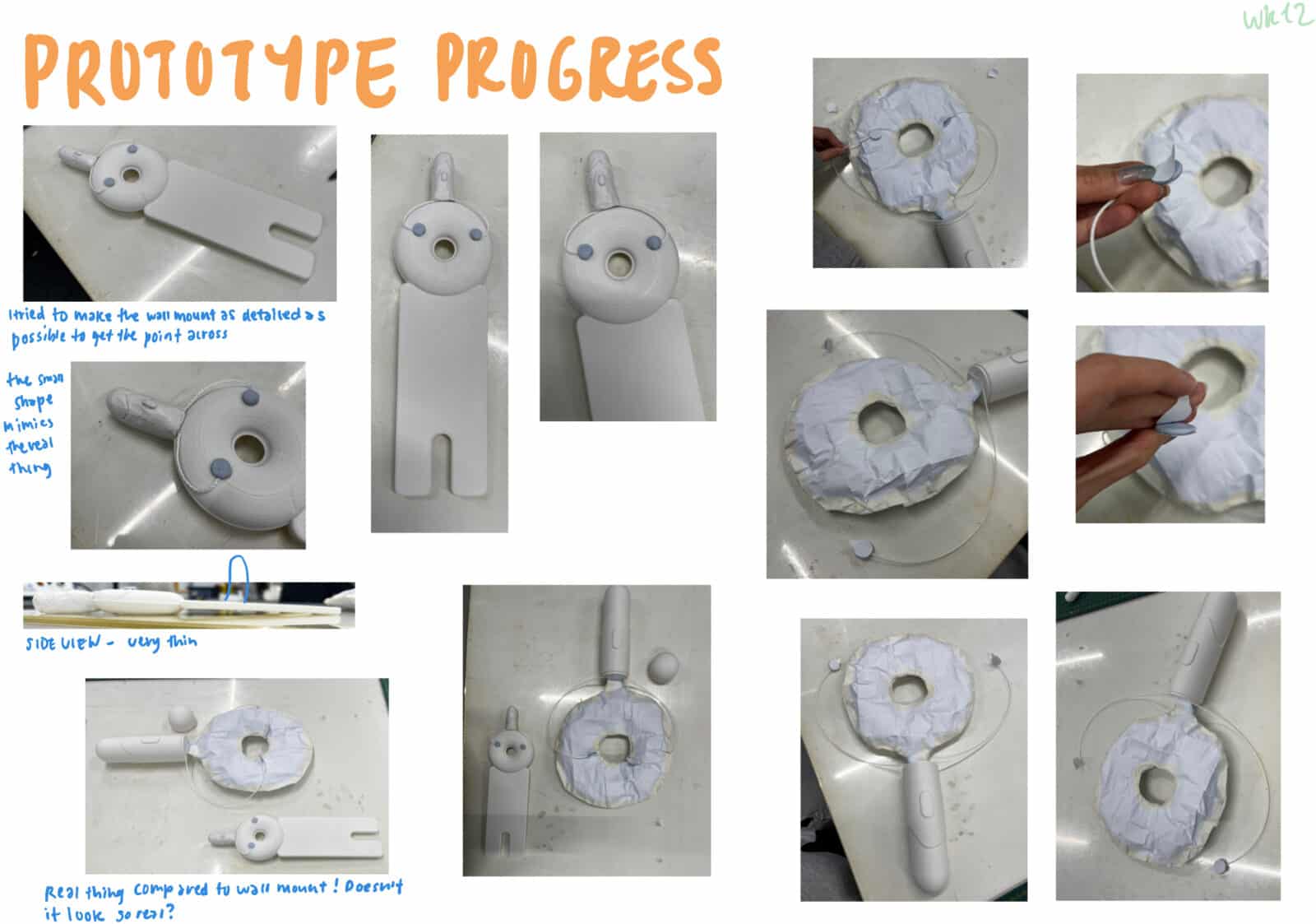
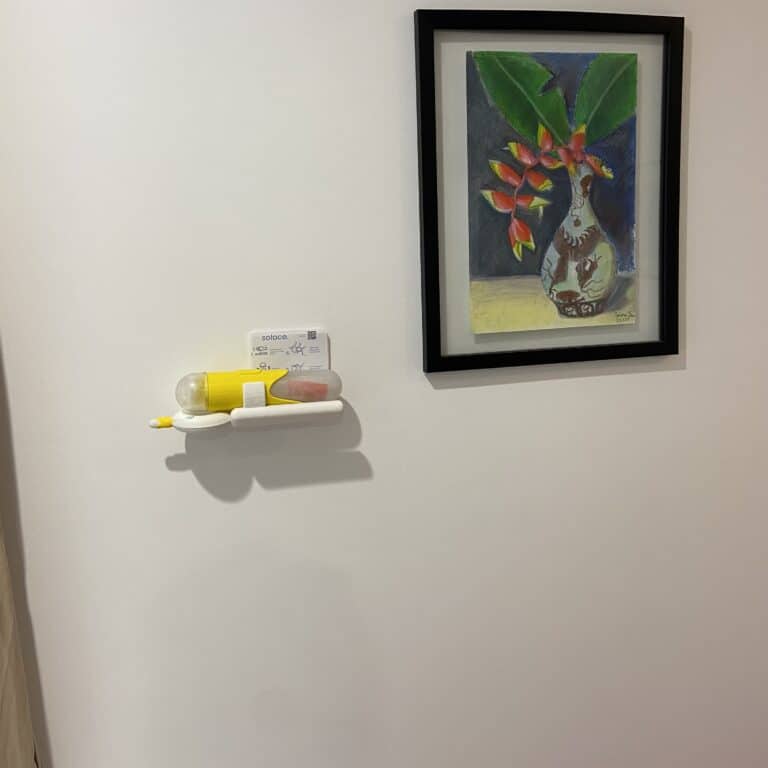
The shape of the wall mount was designed with the aim to act as a hint to users as to how the inflated airbag is positioned in accordance to the patient’s body. The wall mount also pertains to look like a person ‘hugging’ solace, seemingly ‘protecting’ and ‘taking care’ of it, symbolising the user protecting and taking care of the patient.
Lid & Open Mechanism
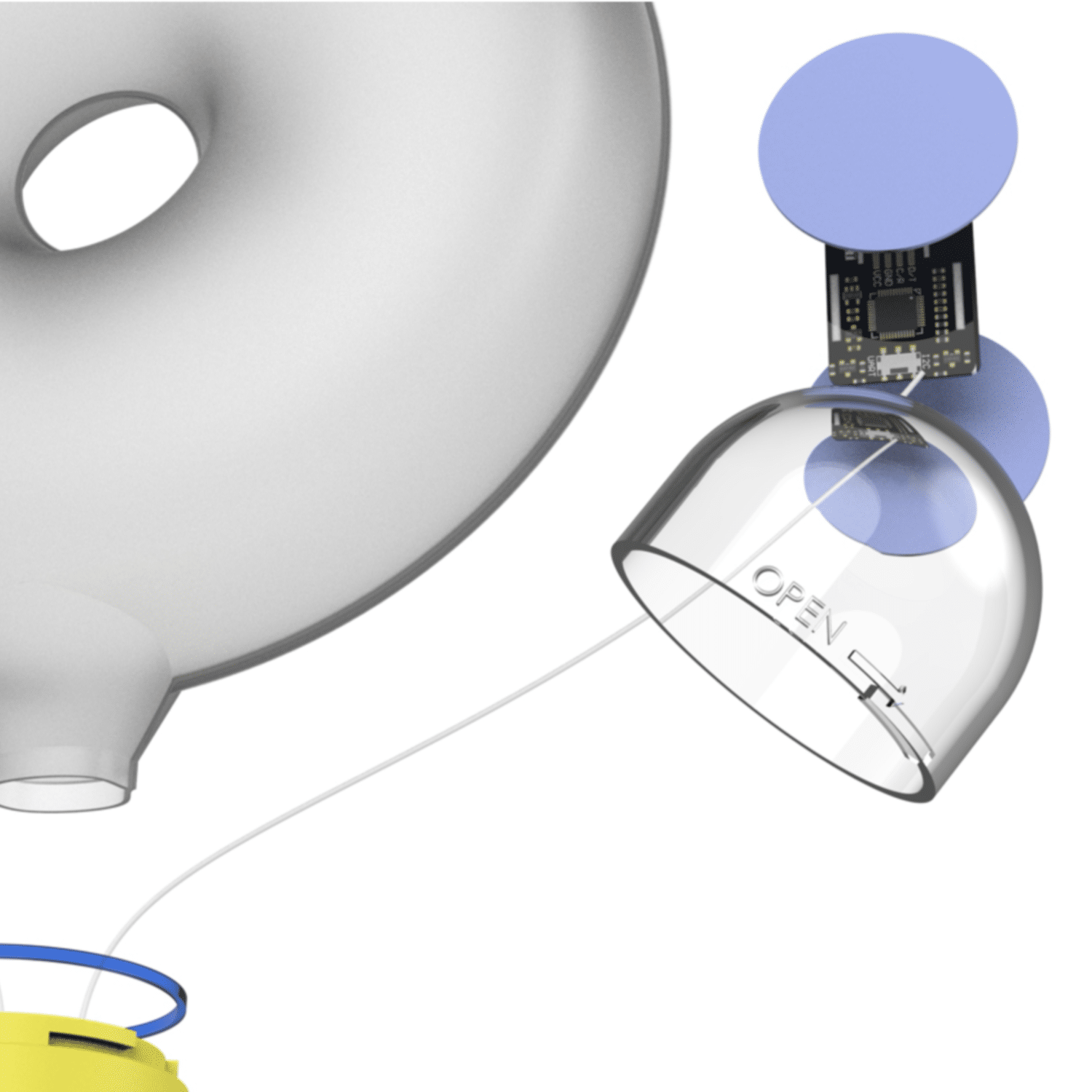
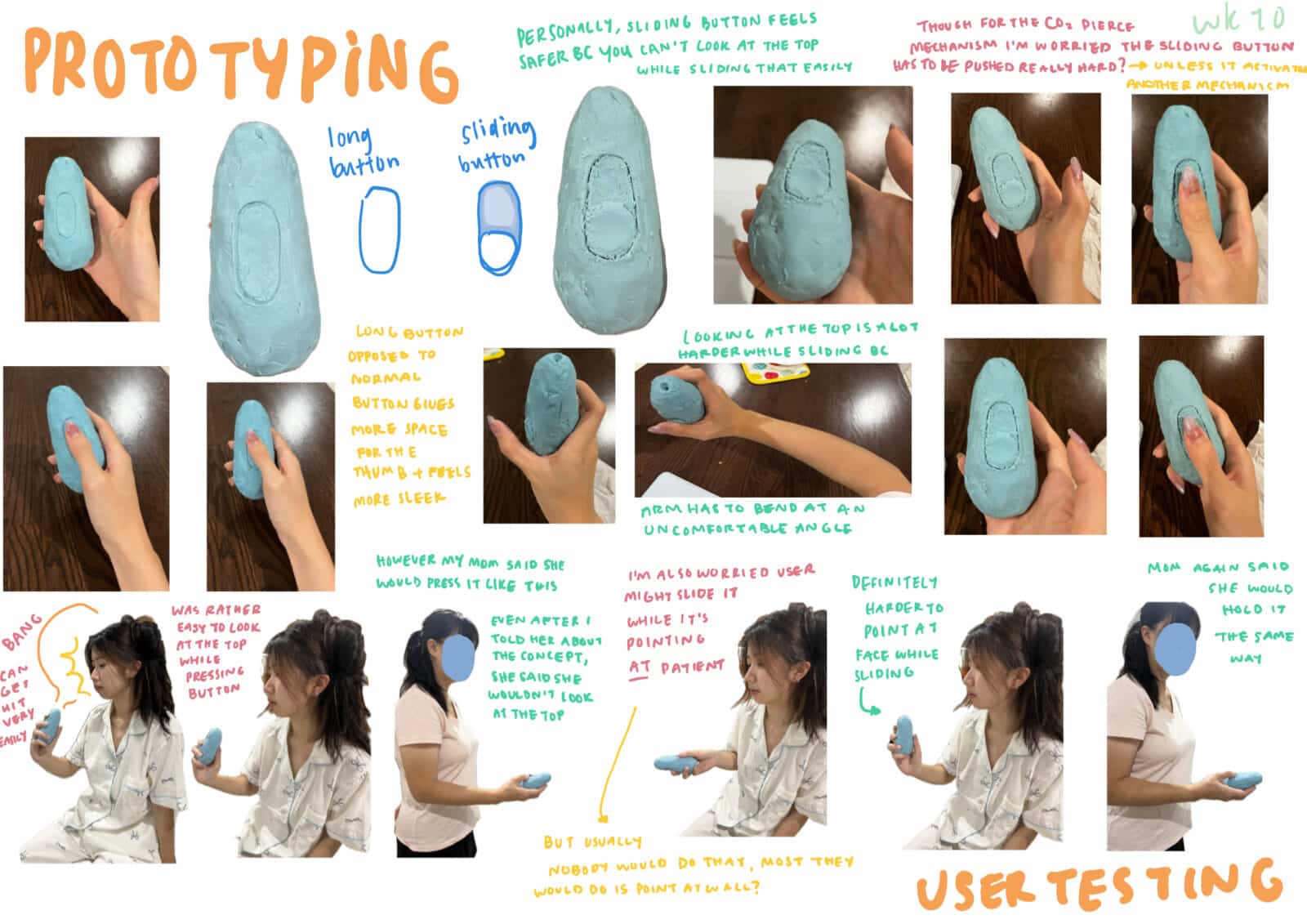
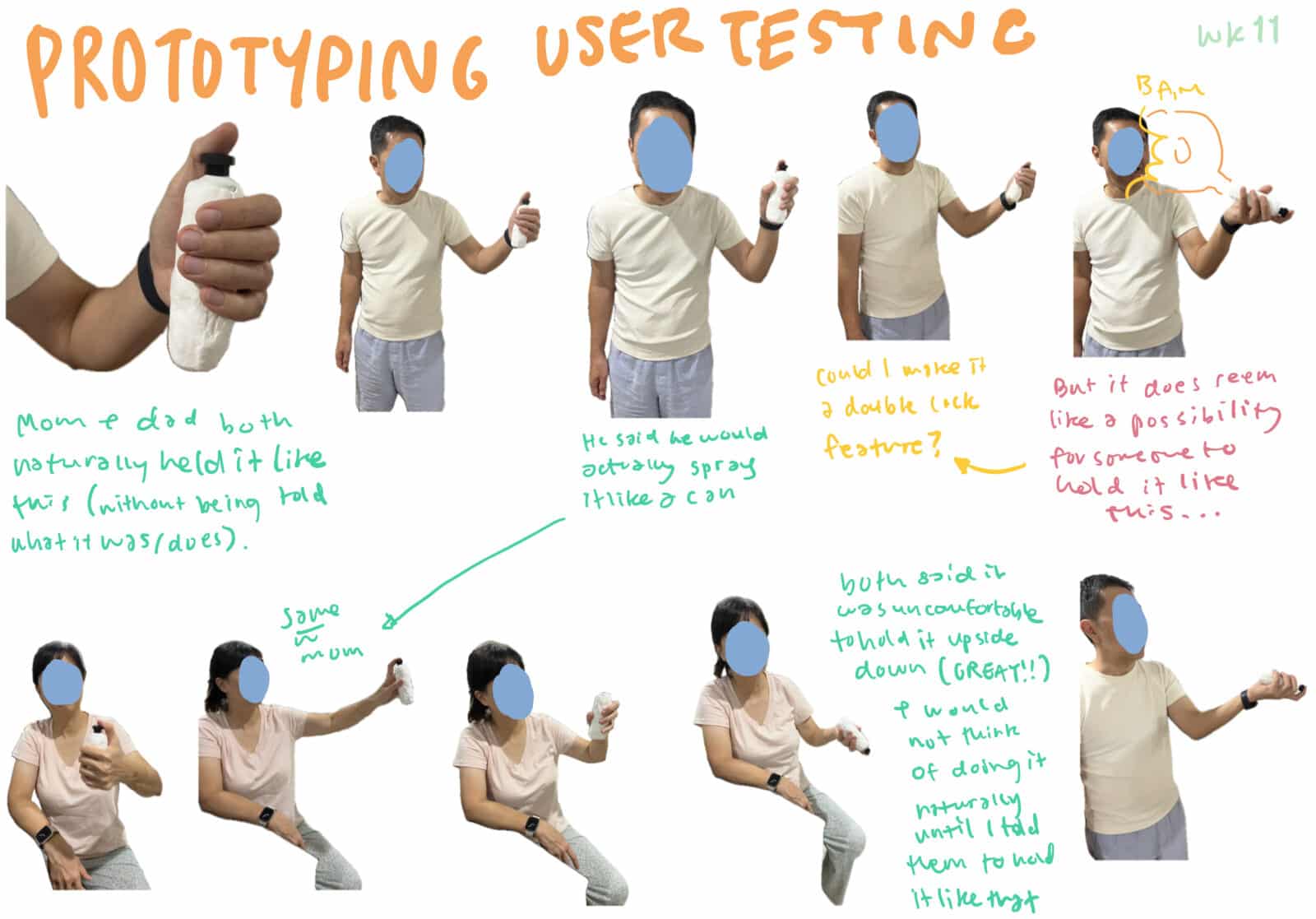
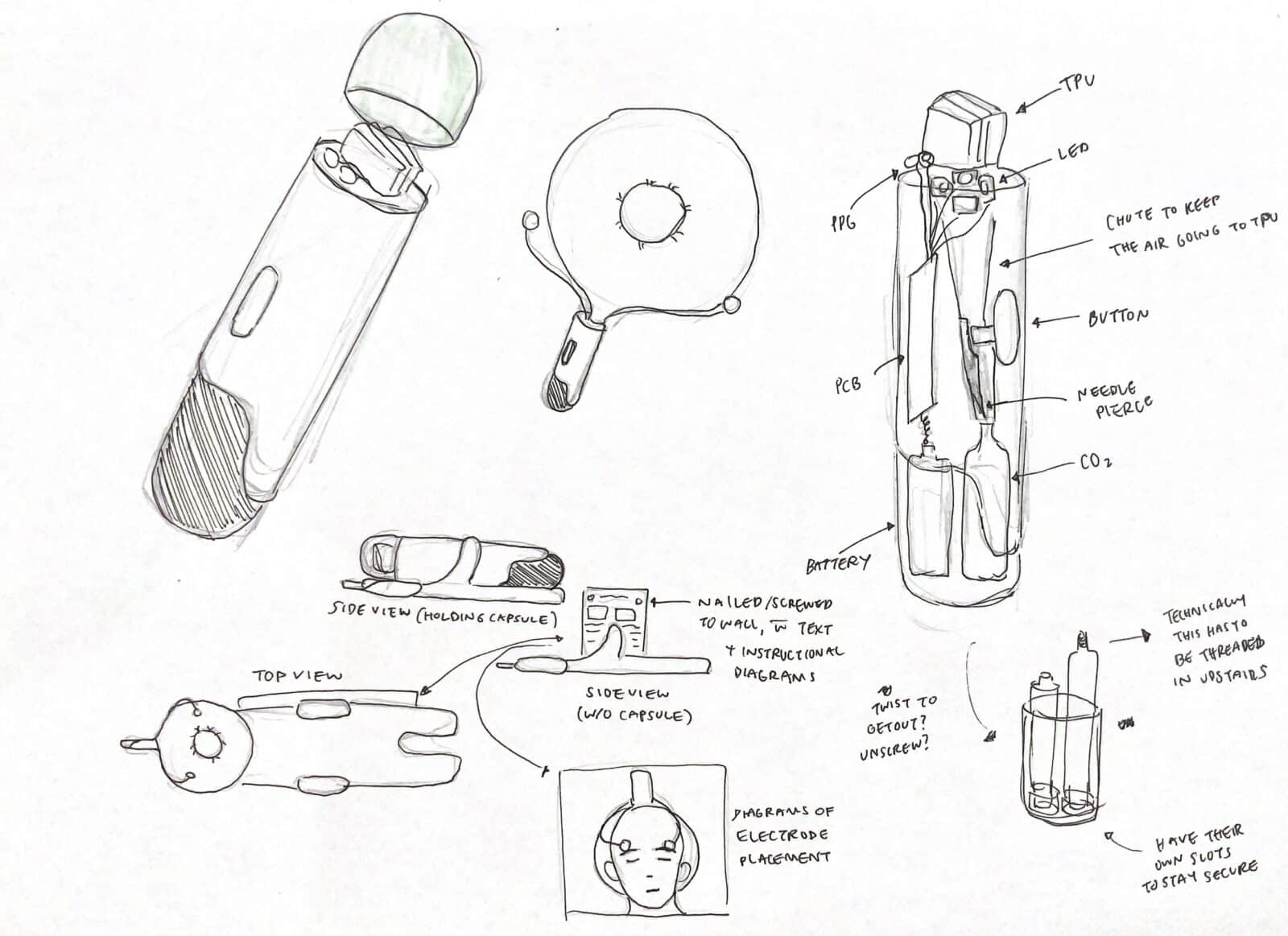
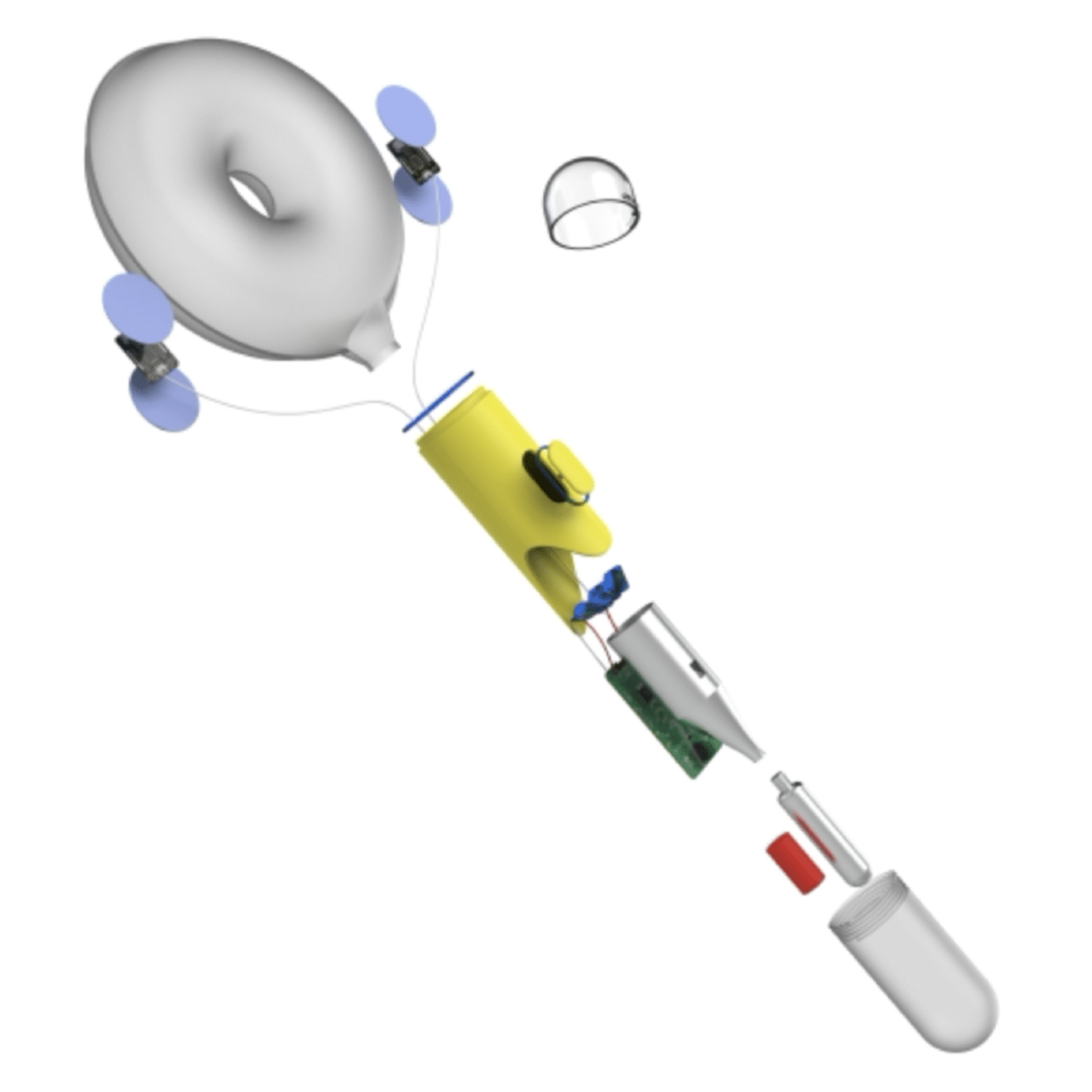
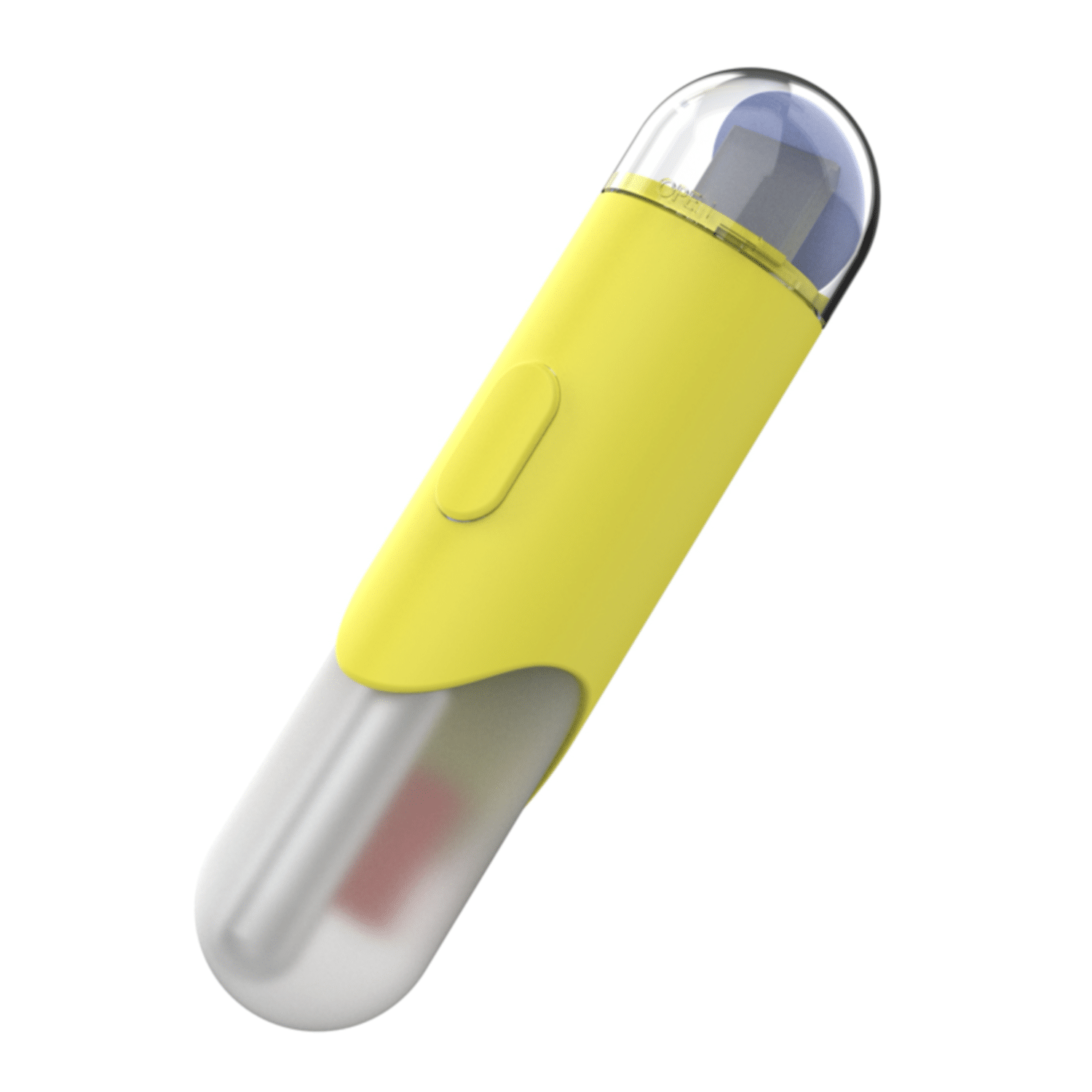
The lid was designed with the intention of stressed users focusing on one thing at a time. As soon as the solace capsule is taken off the wall mount, the brim of the lid will start lighting up and rotating in the direction it should be opened in. This captures the user’s attention immediately without wasting time on figuring out how to use the capsule. With a simple one-twist and open mechanism, users can easily open it with low dexterity, with its human-centered design intended for stressed individuals of any dexterity level and age.
Button LED
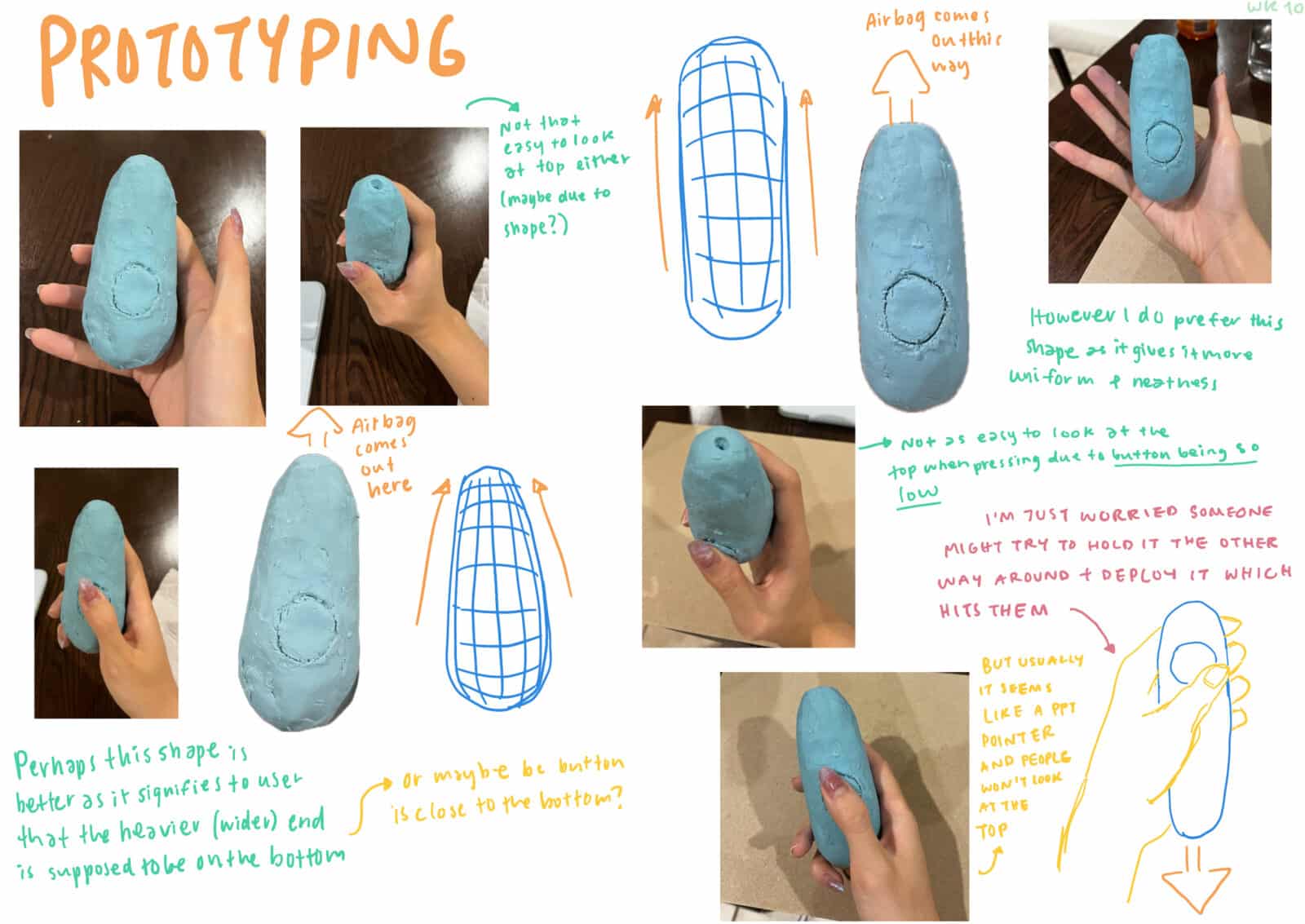
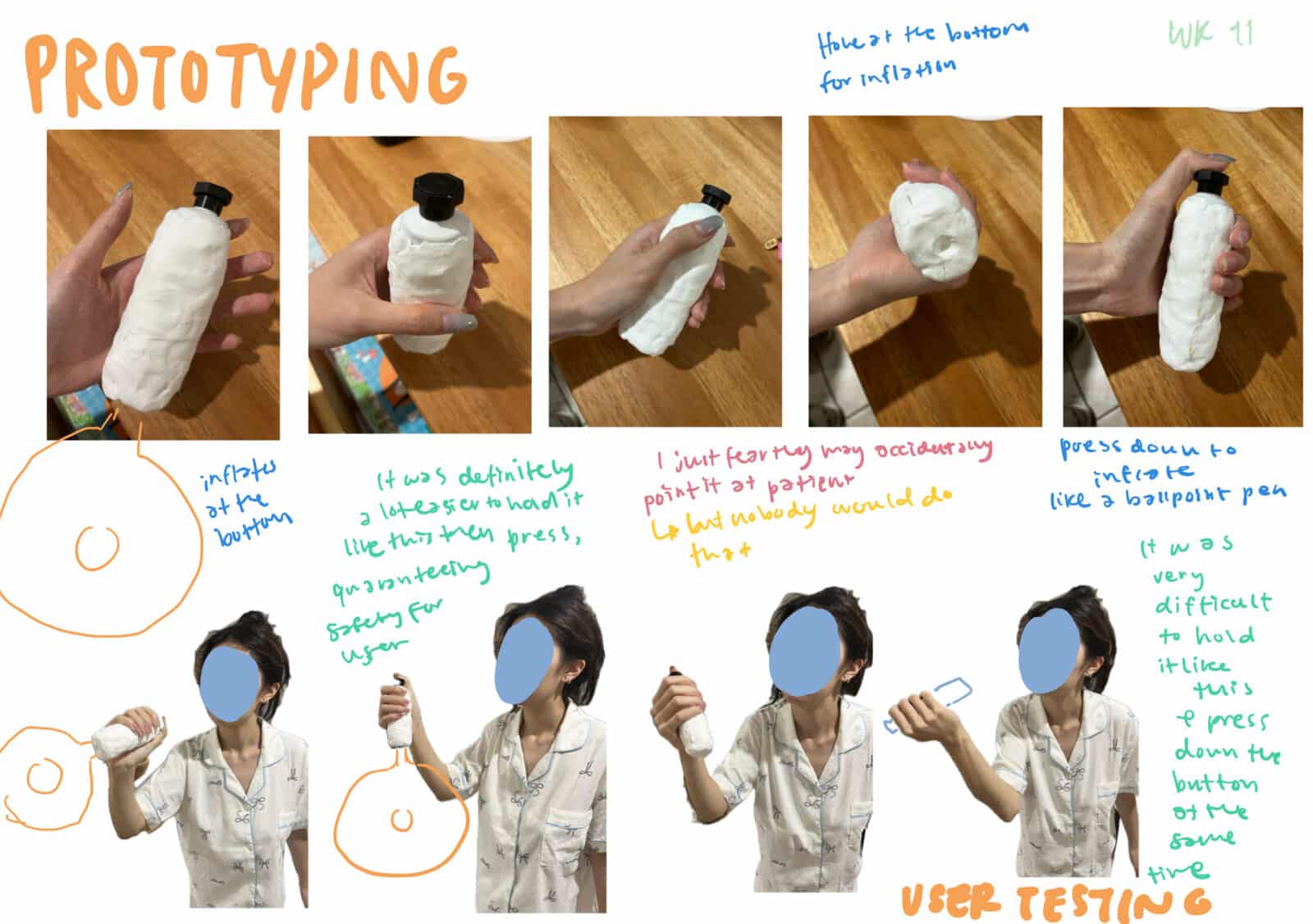
After the lid is twisted off, the LED lights located beneath the edge of the button will also light up, capturing the user’s attention immediately. This feature is also designed with the intent to have the user facing the button, so that when the airbag is deployed, it won’t accidentally cause harm and hit their face.
Airbag
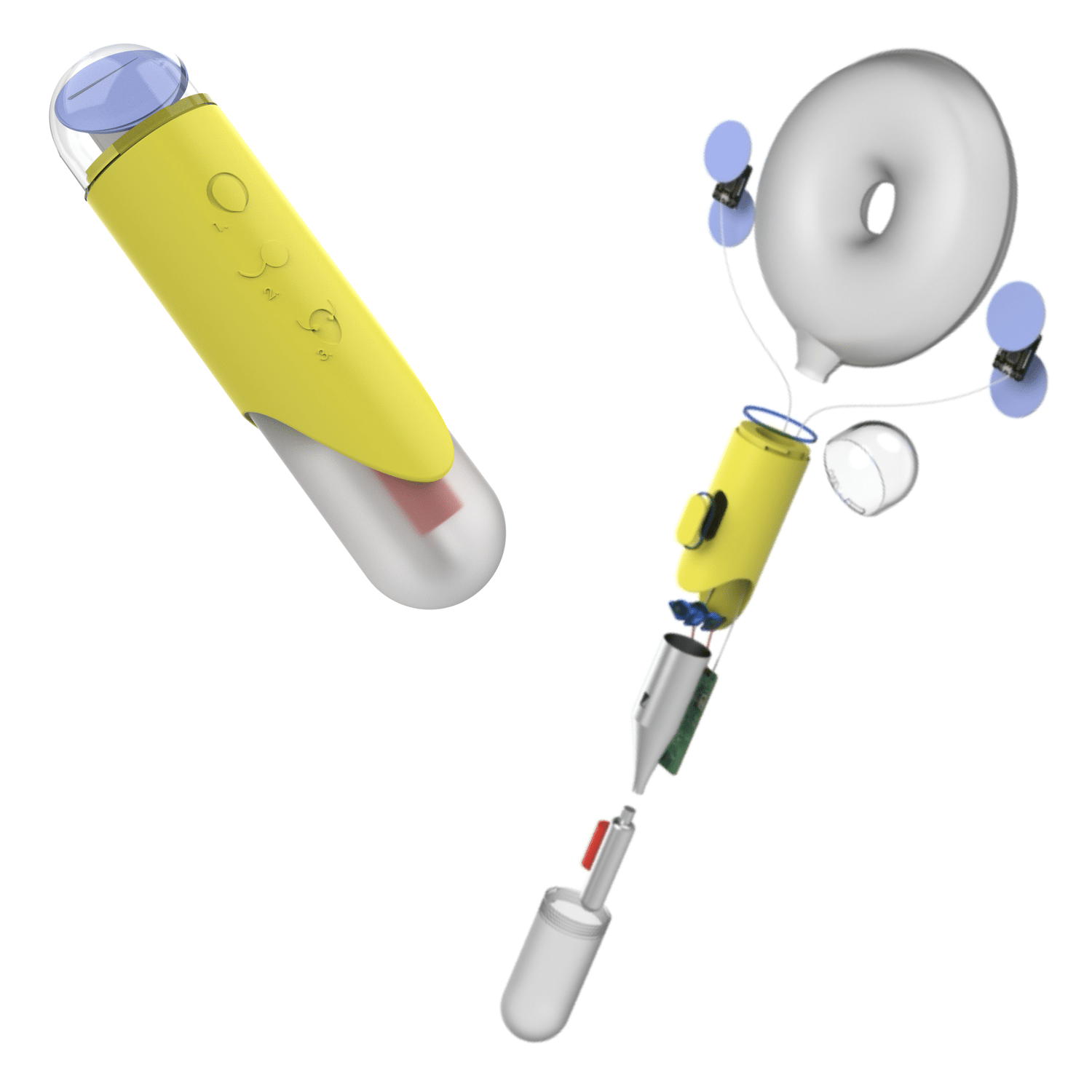
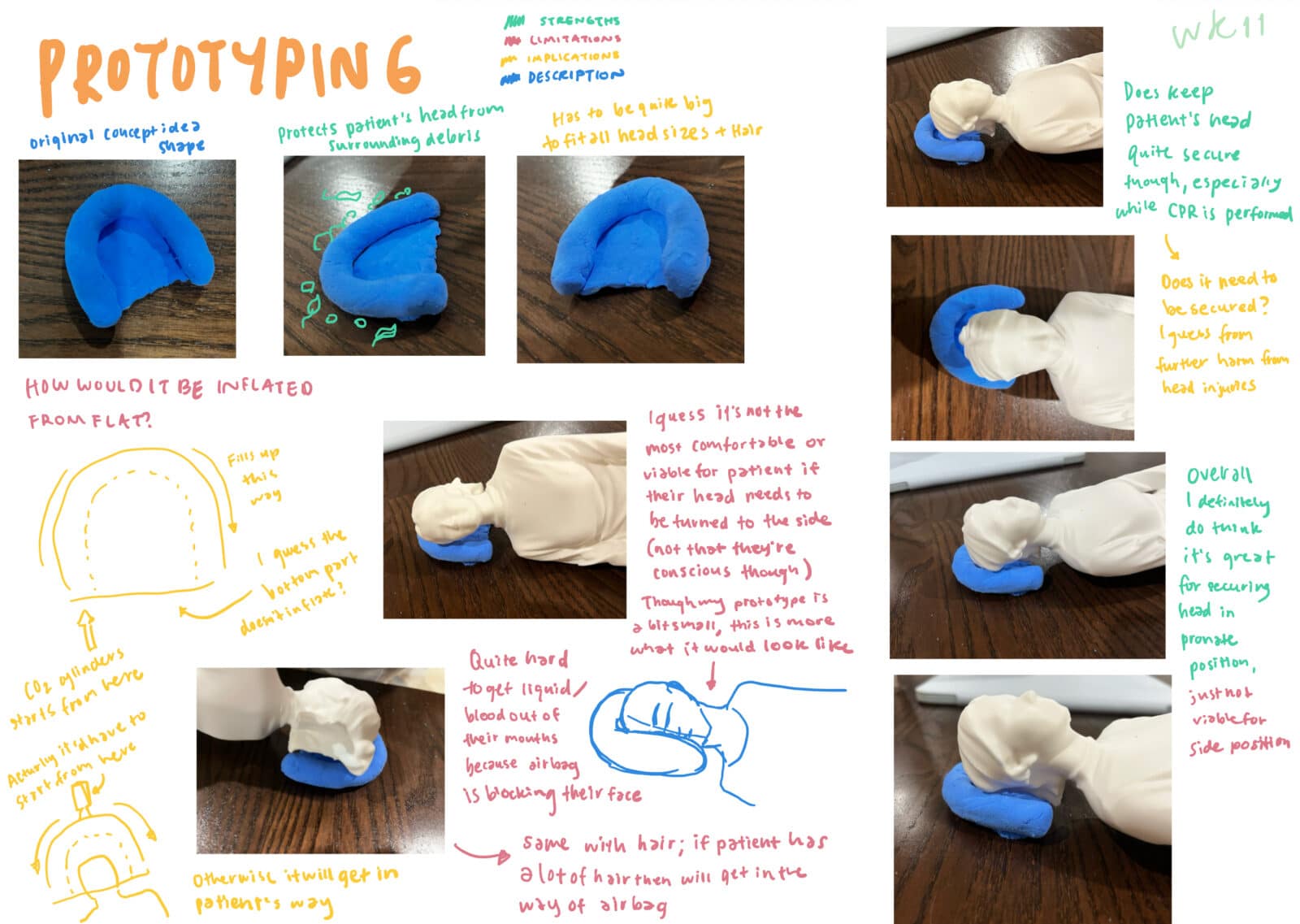
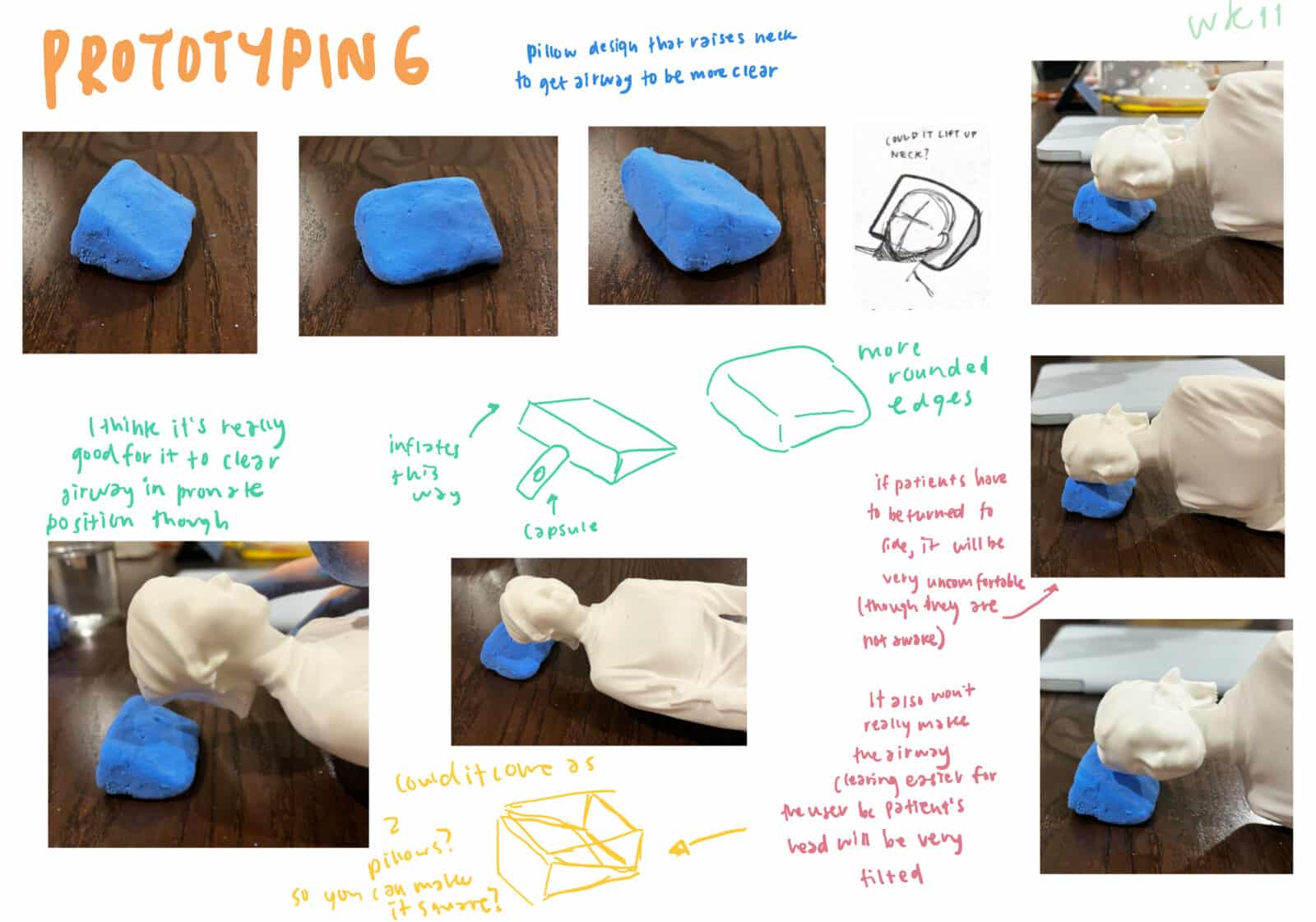
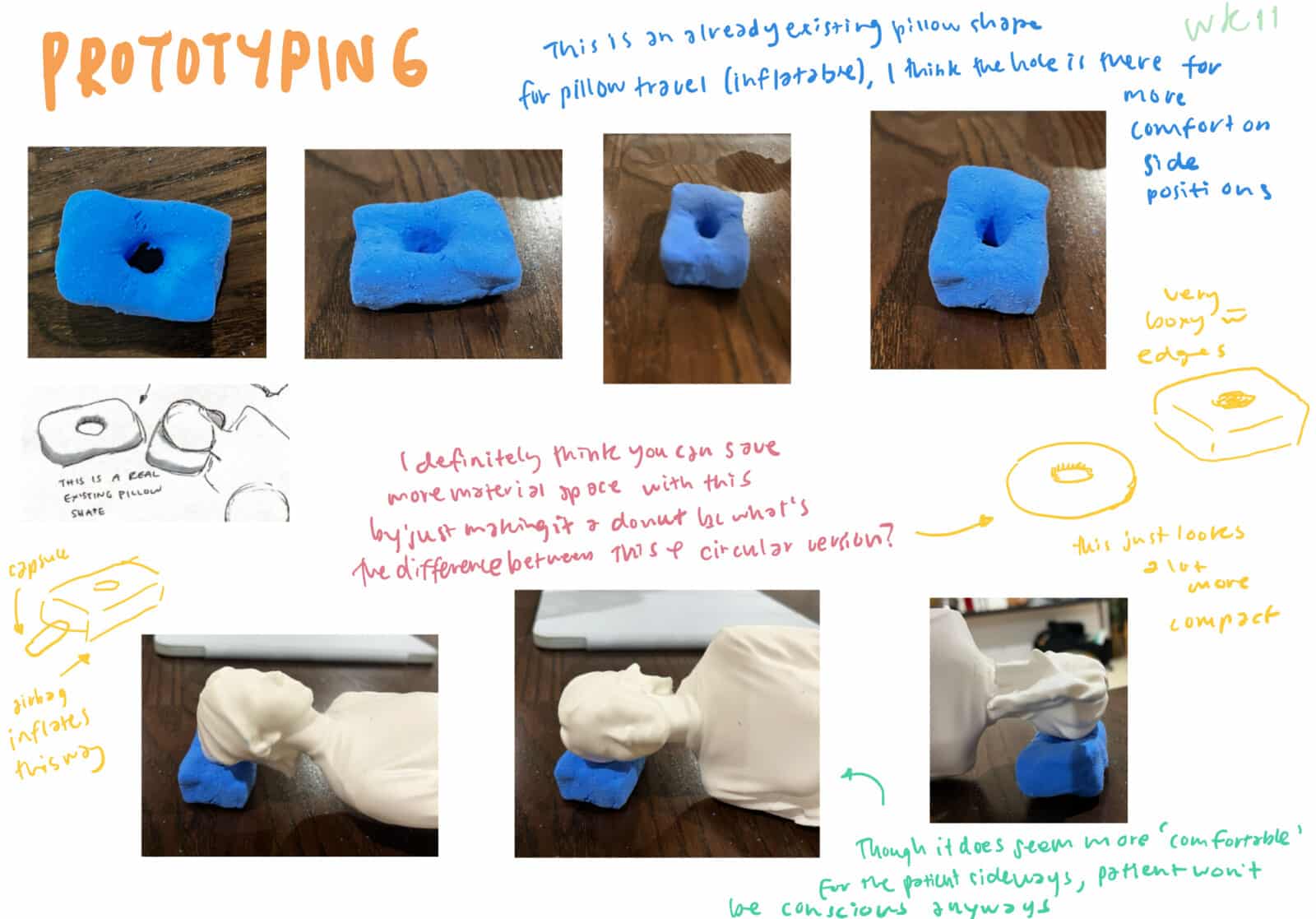
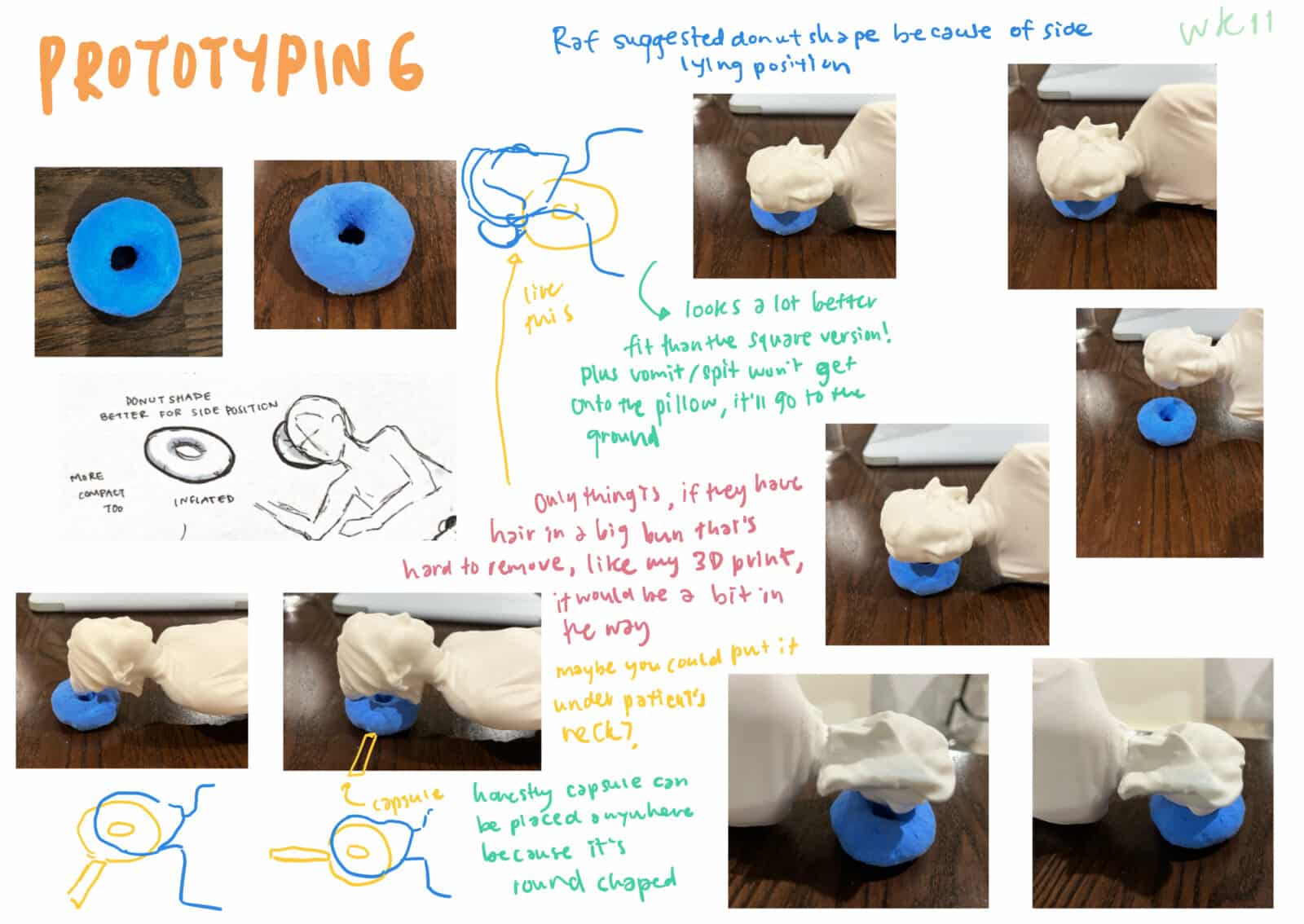
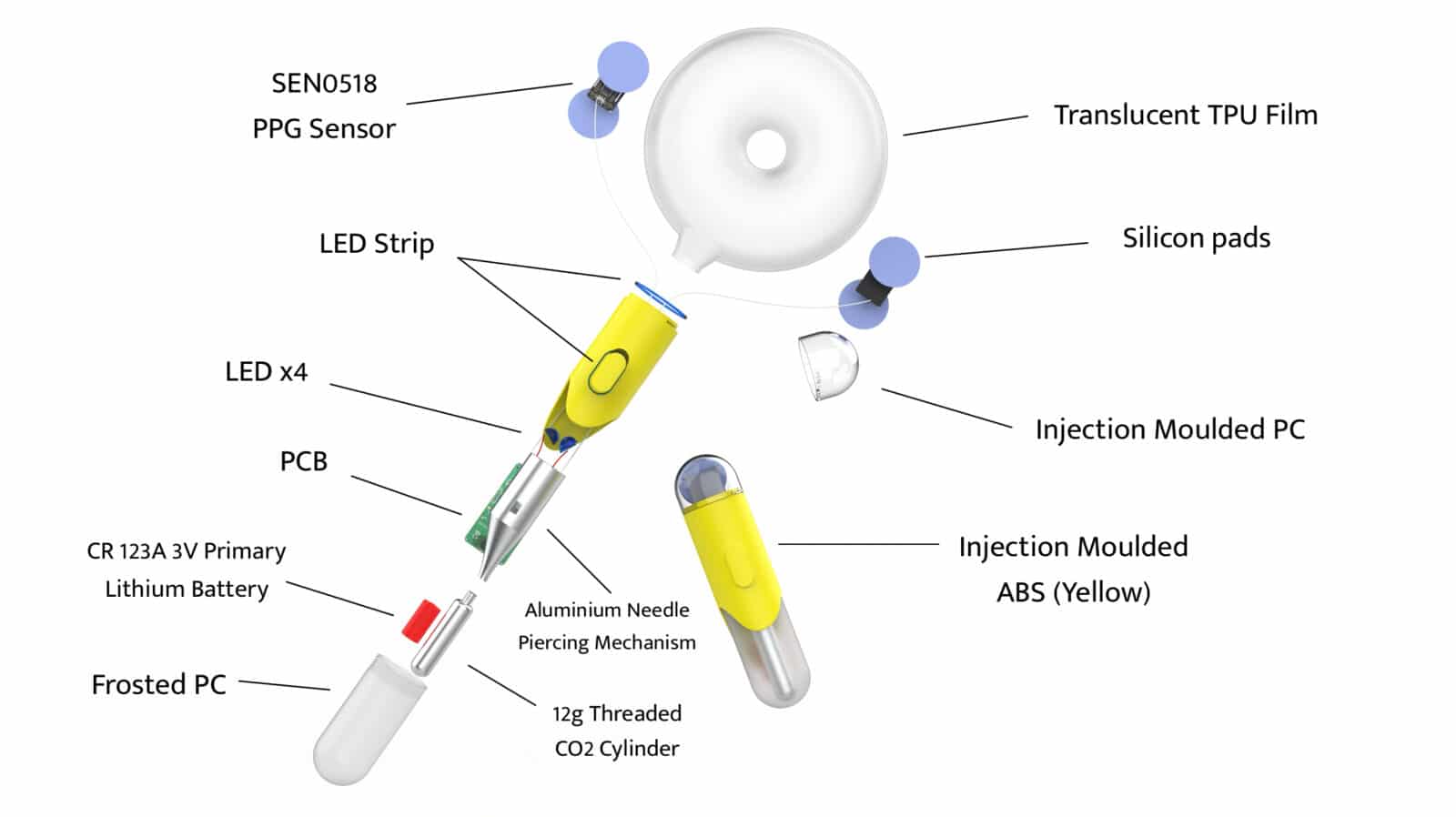
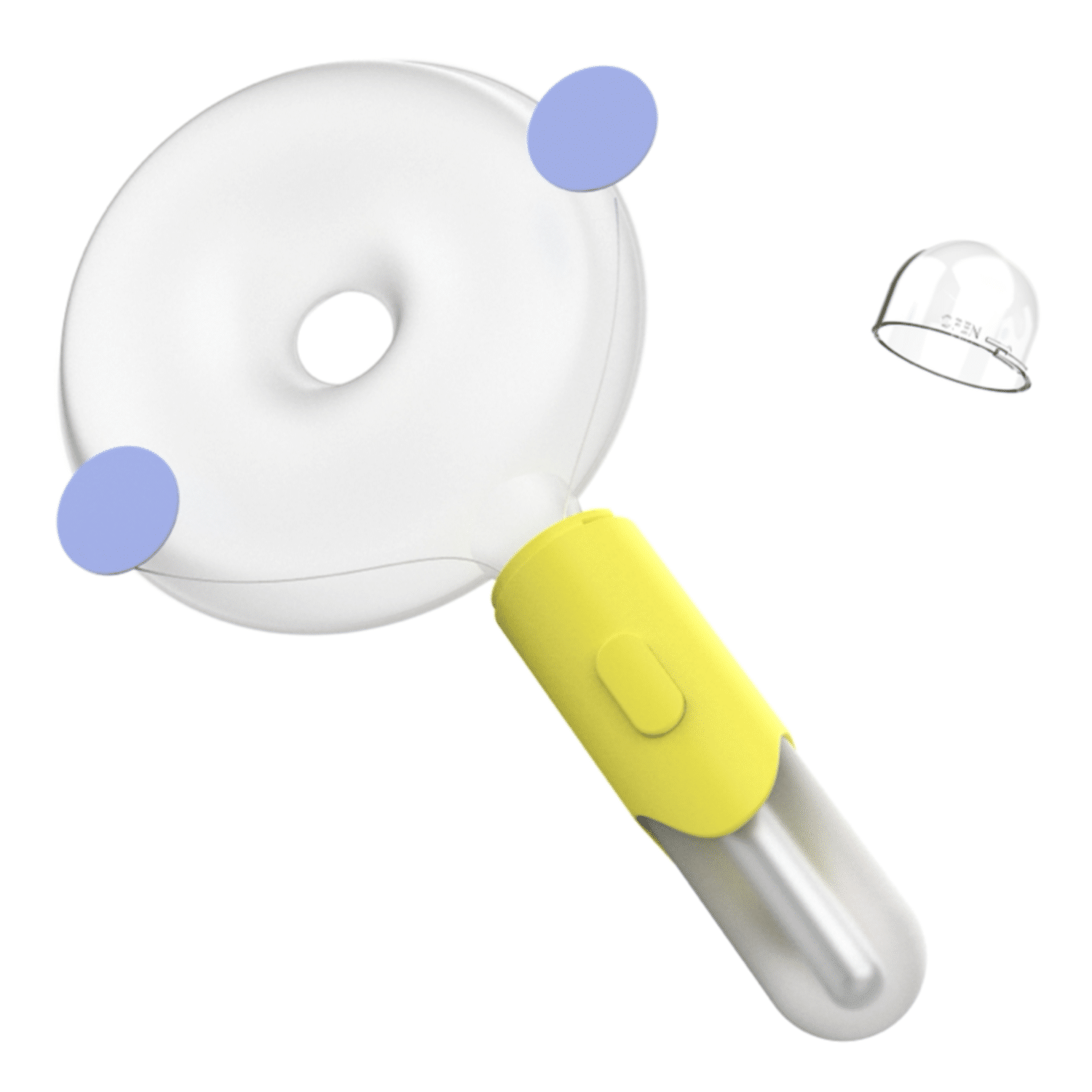
The inflated airbag was designed in a donut shape as the most optimal form for various lying positions for the patient. The hollow part of the airbag supports an ideal supine position for the patient to lie in while the user performs CPR on them. Likewise, the user can also easily turn the patient’s head sideways to clear their airways from any foaming, blood, or vomit if necessary.
PPG Sensor
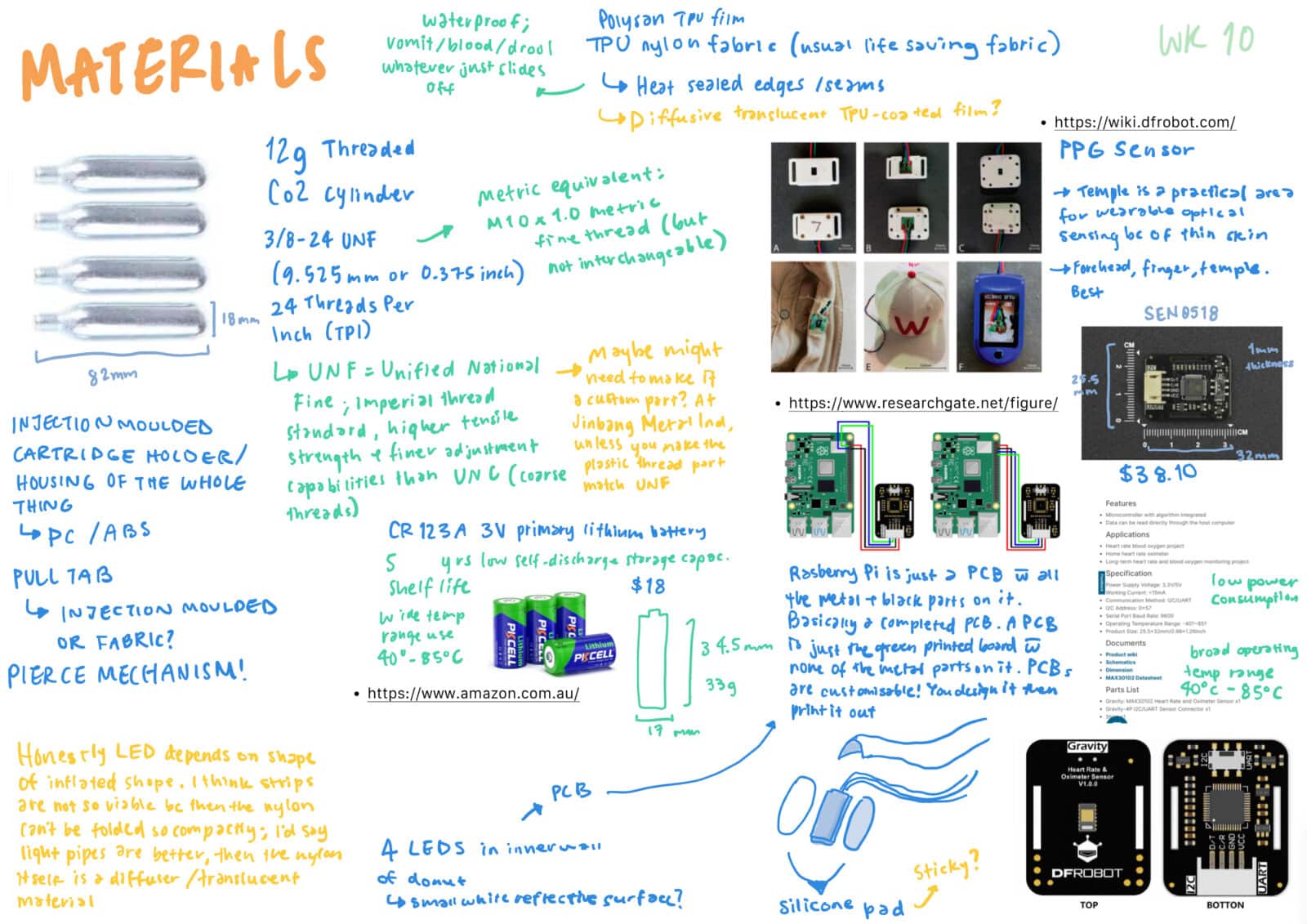
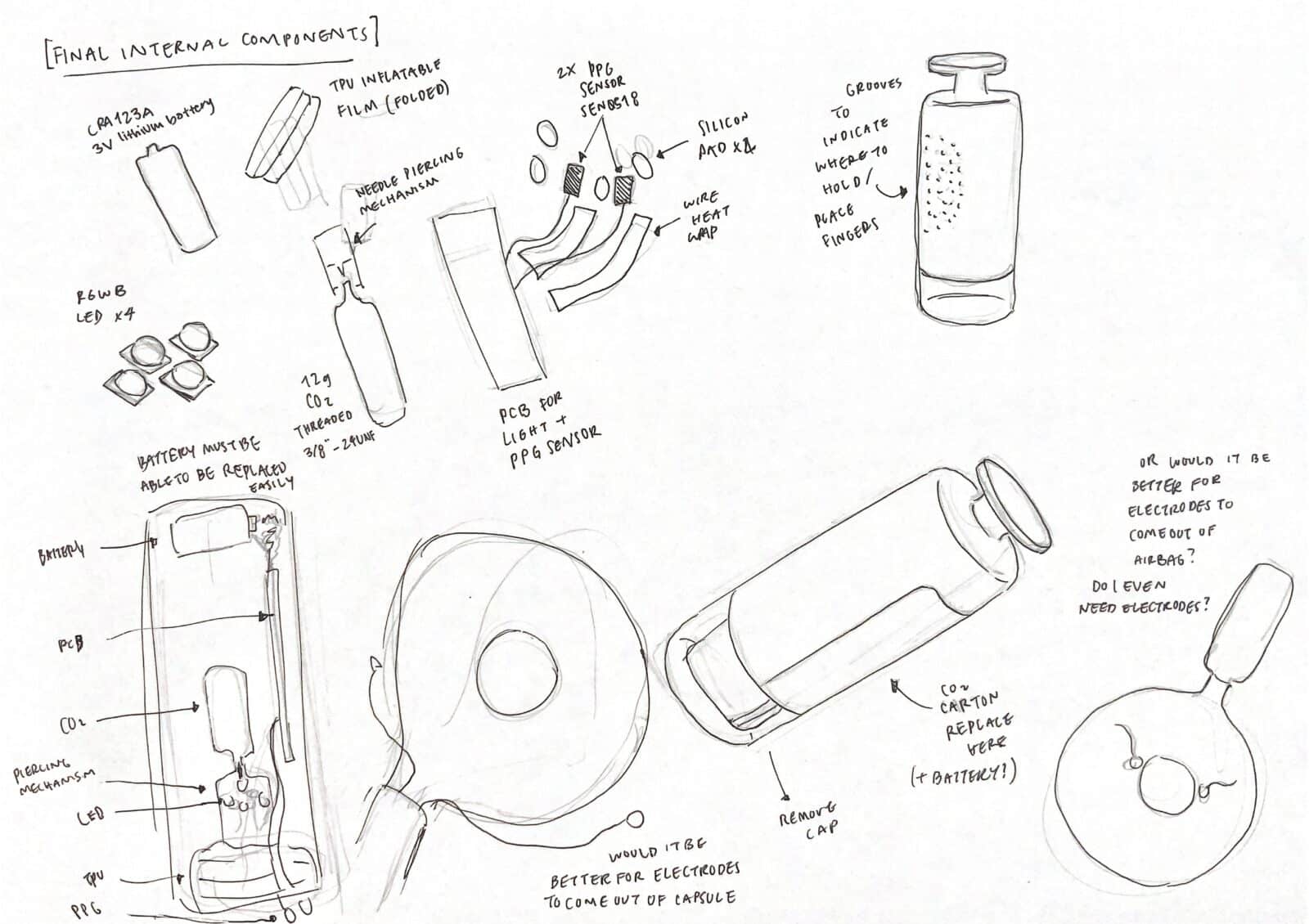
PPG sensors sense blood flow and heart rate in a patient. However, during a cardiac arrest, neither is present nor measurable, which will then signal to the airbag LED to start pulsing, indicating to the user that CPR is necessary. Furthermore, when the paramedics arrive to collect the patient, they can connect to solace and see any data that the PPG sensor has managed to collect; for instance, if the patient’s condition started improving after CPR was performed.
Airbag LED
When the PPG sensor cannot detect any measurable information from the patient, the LEDs projecting into the airbag will start pulsing at a speed of 110BPM — which is the optimal speed for CPR compression rates — to which the user can follow along with, improving their confidence and response time. This also relieves time and pressure off the paramedics on call as they do not need to worry about counting the compression rates rhythm, and more on teaching or reiterating the technique of CPR for the user.
Design iteration
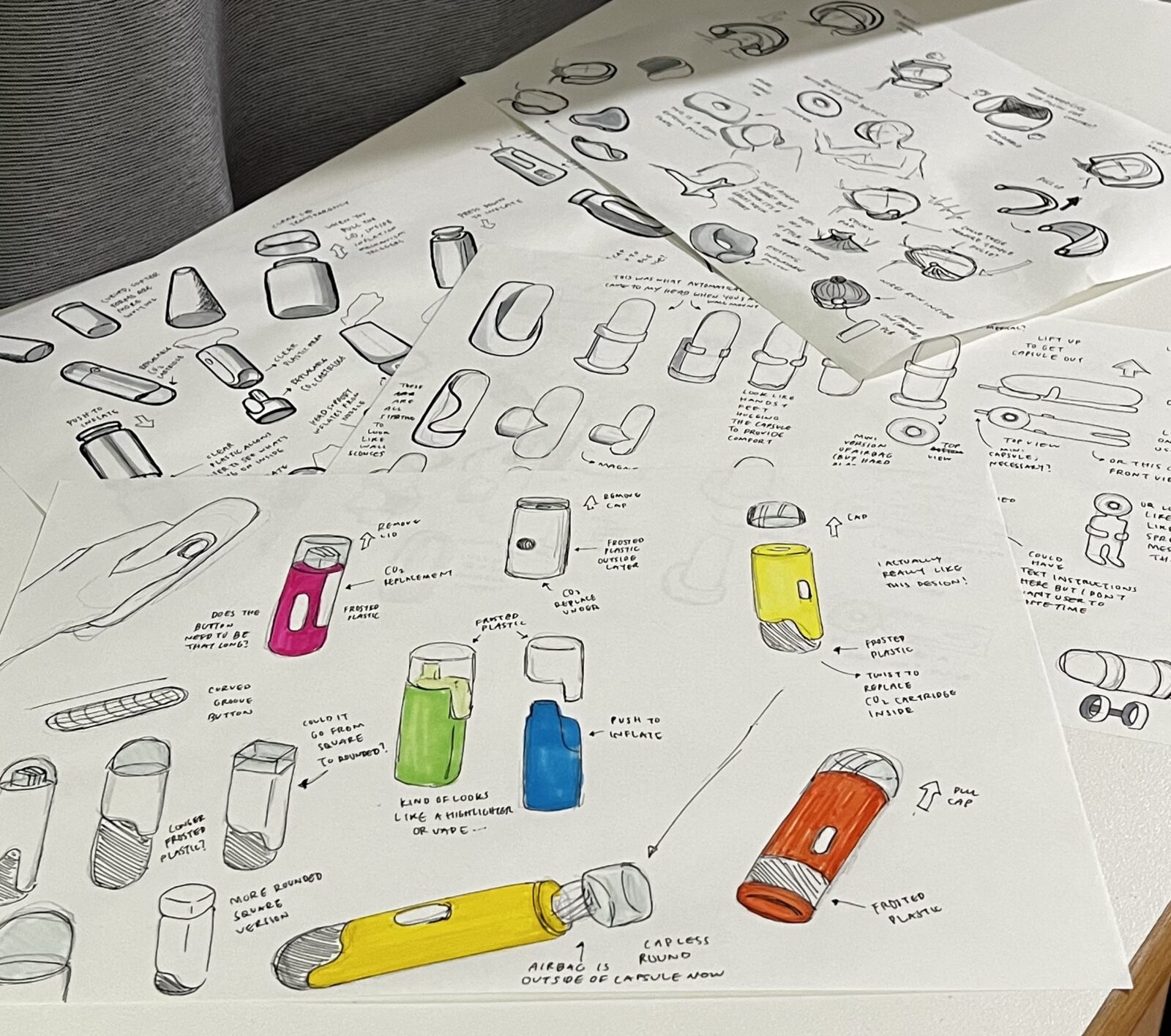
Snippets of Design development
Designing for manufacturing
The main goal of solace was to calm the user in a distressing situation. Hence, my decision to use frosted and clear polycarbonate (PC) in the bottom half and lid of the capsule was to convey a sense of transparency and honesty of the product to assist in calming the user. Throughout my Design Development Record (DDR), I studied various products and tried to gain an understanding of what makes them convey a sense of calm and tranquility. A large proportion of visually peaceful products had sections where the user could see through the inside of the product, allowing them to understand the inner features. This henceforth allowed the users to have a better understanding of what’s inside and gauge how the products works, as opposed to just a solid block of plastic, causing the user to feel more unsure and anxious during an emergency.
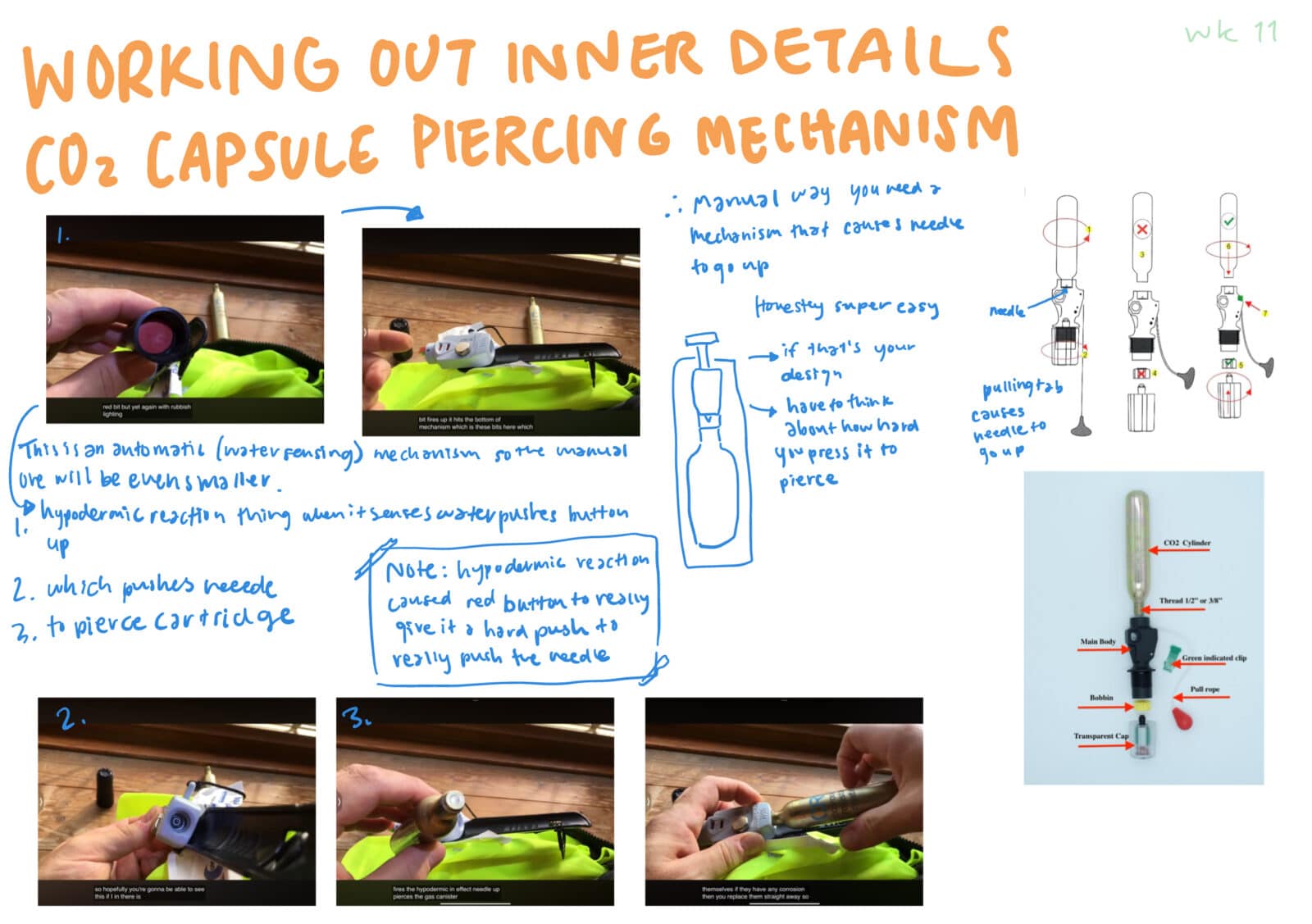
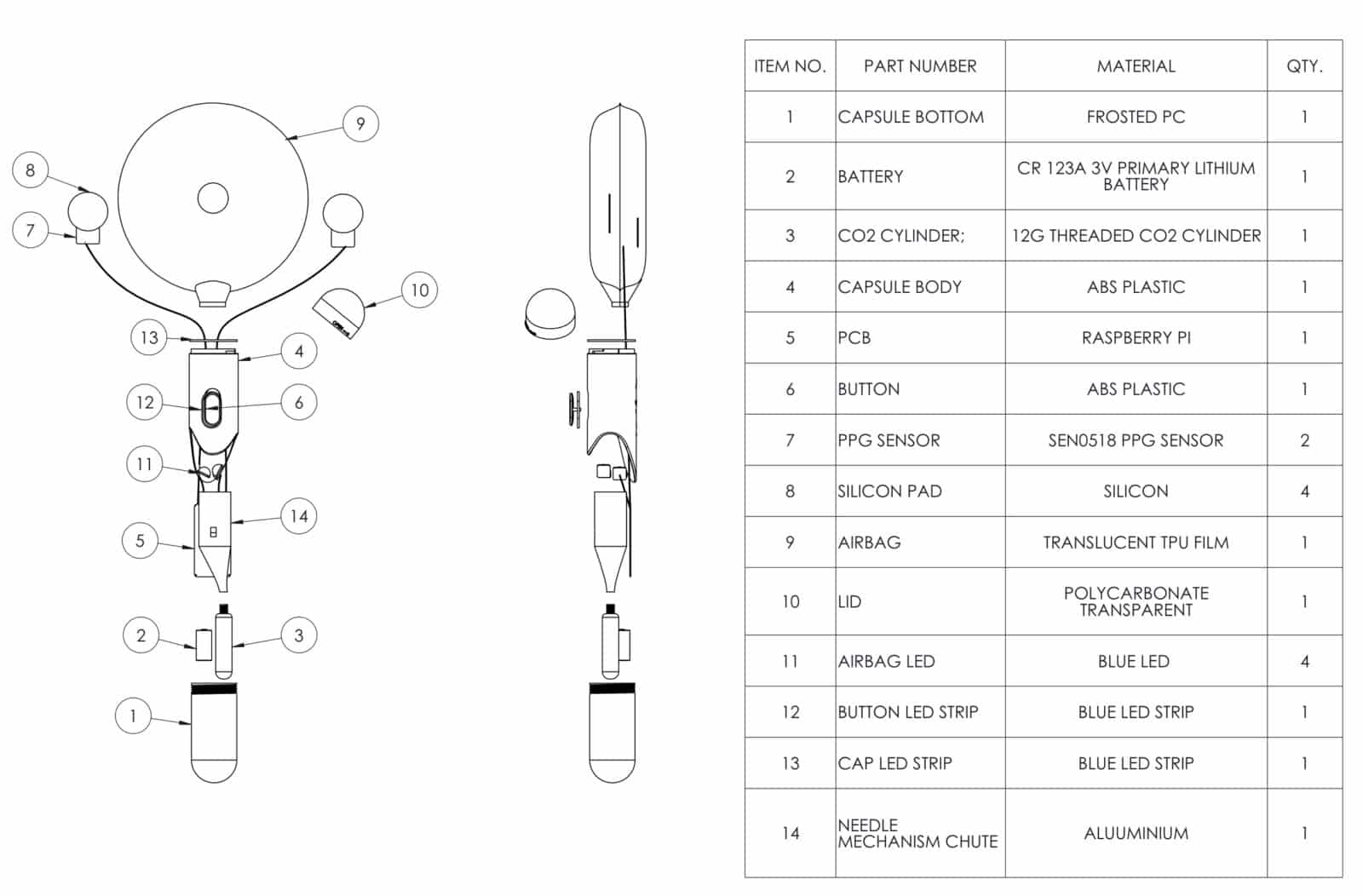
The bottom half of the capsule (frosted PC) was designed to be threaded to allow for easy replacement of batteries and single use CO2 cartridge required to inflate the airbag.
Yellow was chosen as the colour for the capsule due to its high visibility amongst everyday public contexts. Simple instructional diagrams will be injection moulded at the back of the yellow ABS to save material costs from other expensive parts of the product (e.g. PPG Sensor, PCB, PC parts), ensuring mass manufacturing and installation is viable.
Contextual design
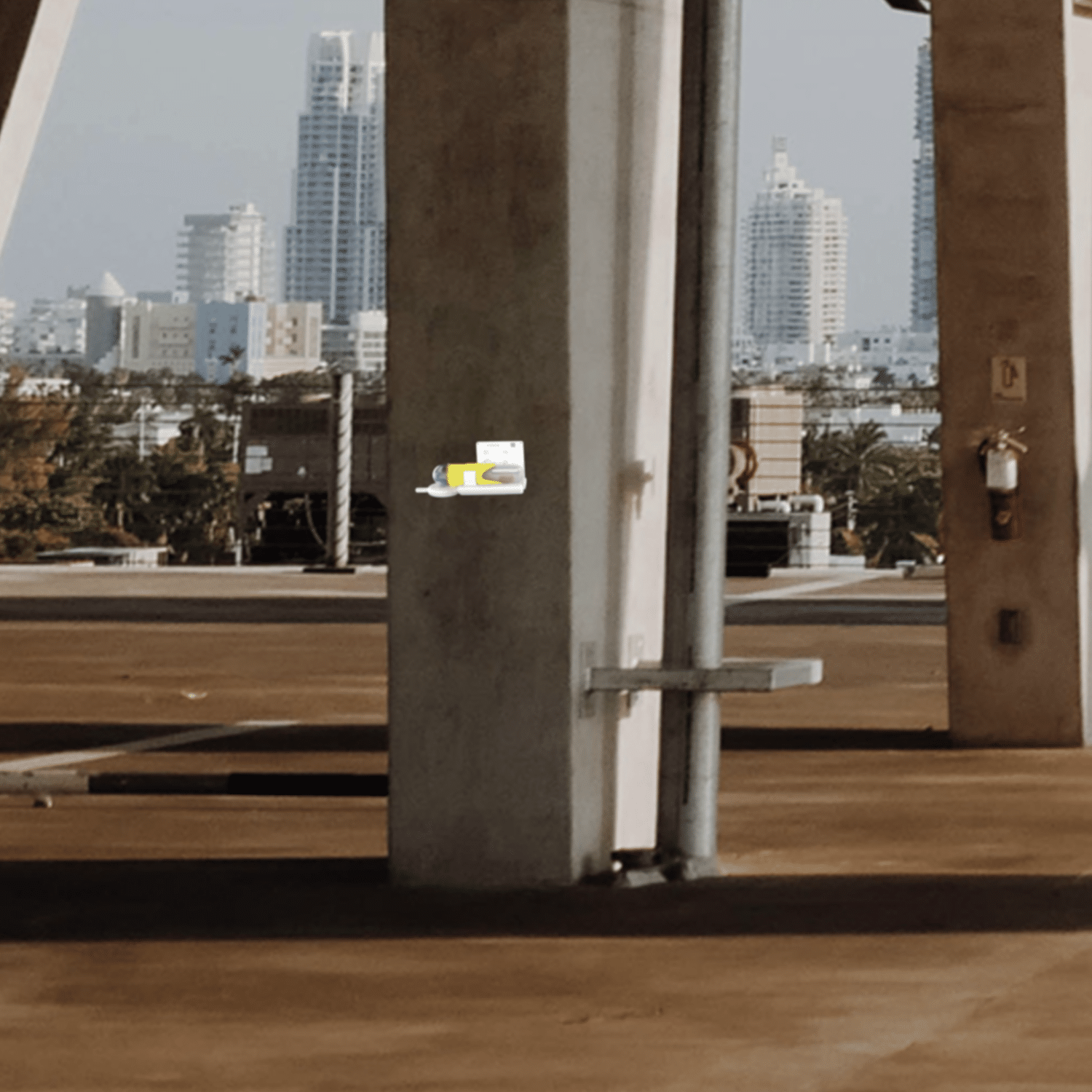
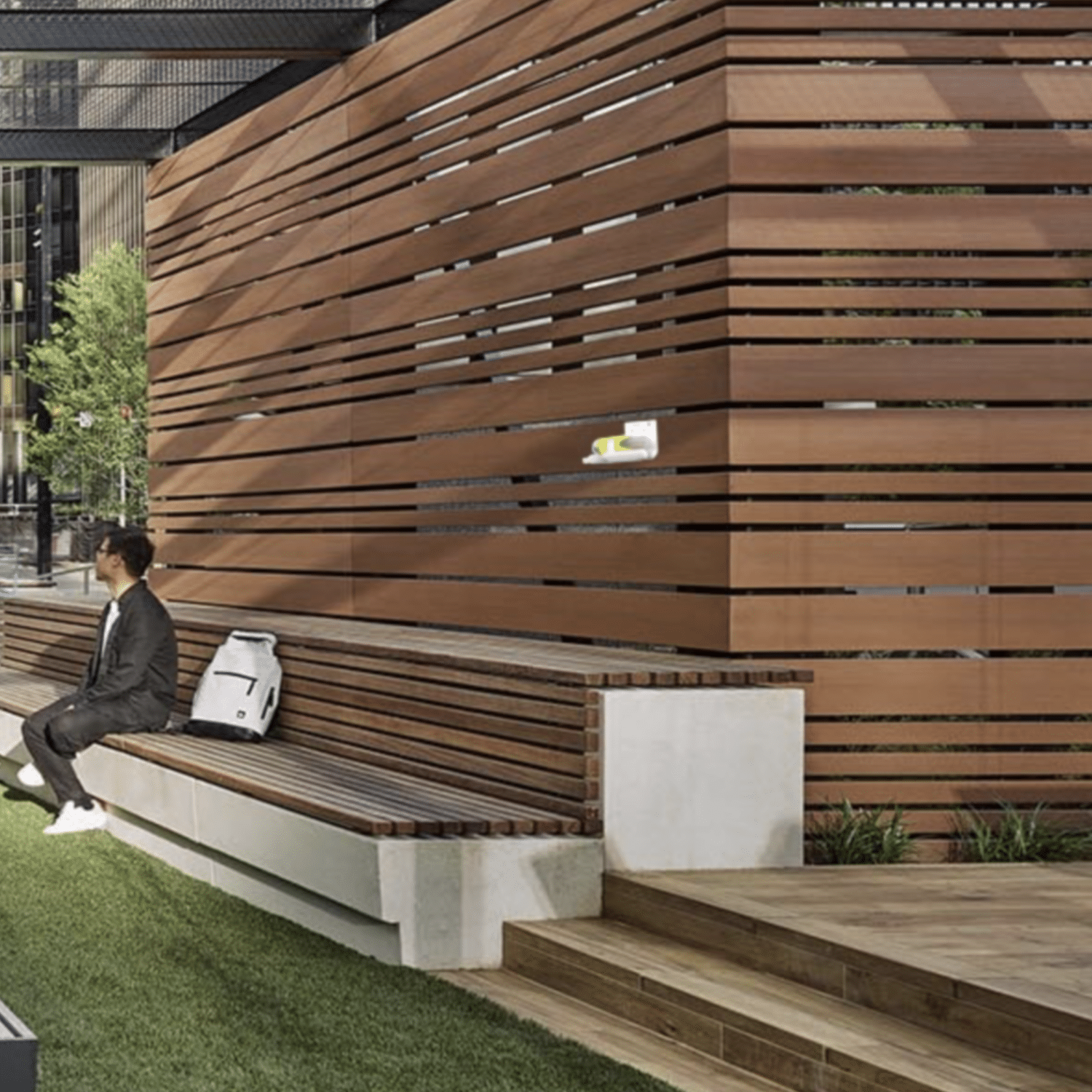
Alike AEDs, solace aims to be installed on the walls of public areas such as train stations, classrooms, car parks, bus stops etc. As solace is designed for one-on-one situations, more obscure and quiet areas are optimal for solace to be placed, ultimately aiming to provide solace to individual, panicked users.
Helping you help the user.
Dedicated to my late grandfather and uncle.
Selena Soo
Selena is a shy, gentle girl whose bubbly personality will surface once you get to know her. Selena has been passionate about sketching and hands-on creating since childhood. By pursuing her passion for creativity in Industrial Design, she hopes to create change in the world for the better, by bringing more joy to people, or by sustainably designing and reducing her carbon footprint.