Small appliance ewaste
The big issue
The small appliances category of e-waste is by far the largest contributer of e-waste globally, producing over 20.4 billion kgs in 2022 recorded by the last gloabal e-waste monitor. With 88% of this small appliance e-waste terminating in landfill, the value of australian raw material alone is ~$250M. In conjunction with the EU’s new right to repair directive (EU) 2024/1799, now is a opportunistic time to develop better ways to enable the repair of small appliances.
why not Repair?
According to the Queensland E-Products Action Plan, it was found that repairing small appliances was a suitable strategy in reducing e-waste. However, according to a survey with 51 participants and an observation study with 3 participants, examining the repair incentive in small appliances, it was deemed that current devices in this category do not satisfy users value-cost-effort trade-off when attempting a repair. Furthermore, amongst ten key factors found, the three most important elements in improving repair incentive in was 1. Device architecture, 2. Fault diagnostics, and 3. Spare parts accessibility. The EverLoaf aims to satisfy all of these.
Device Architecture
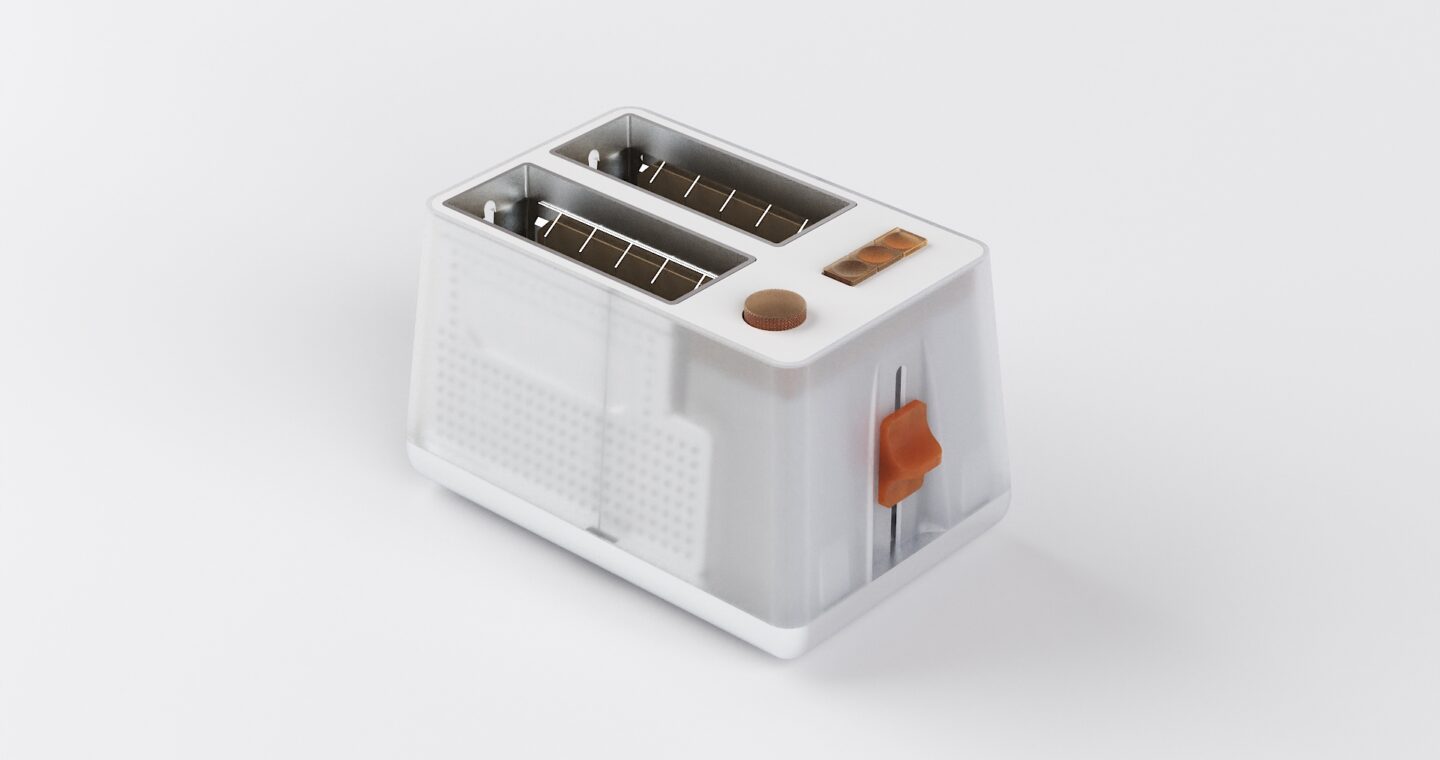
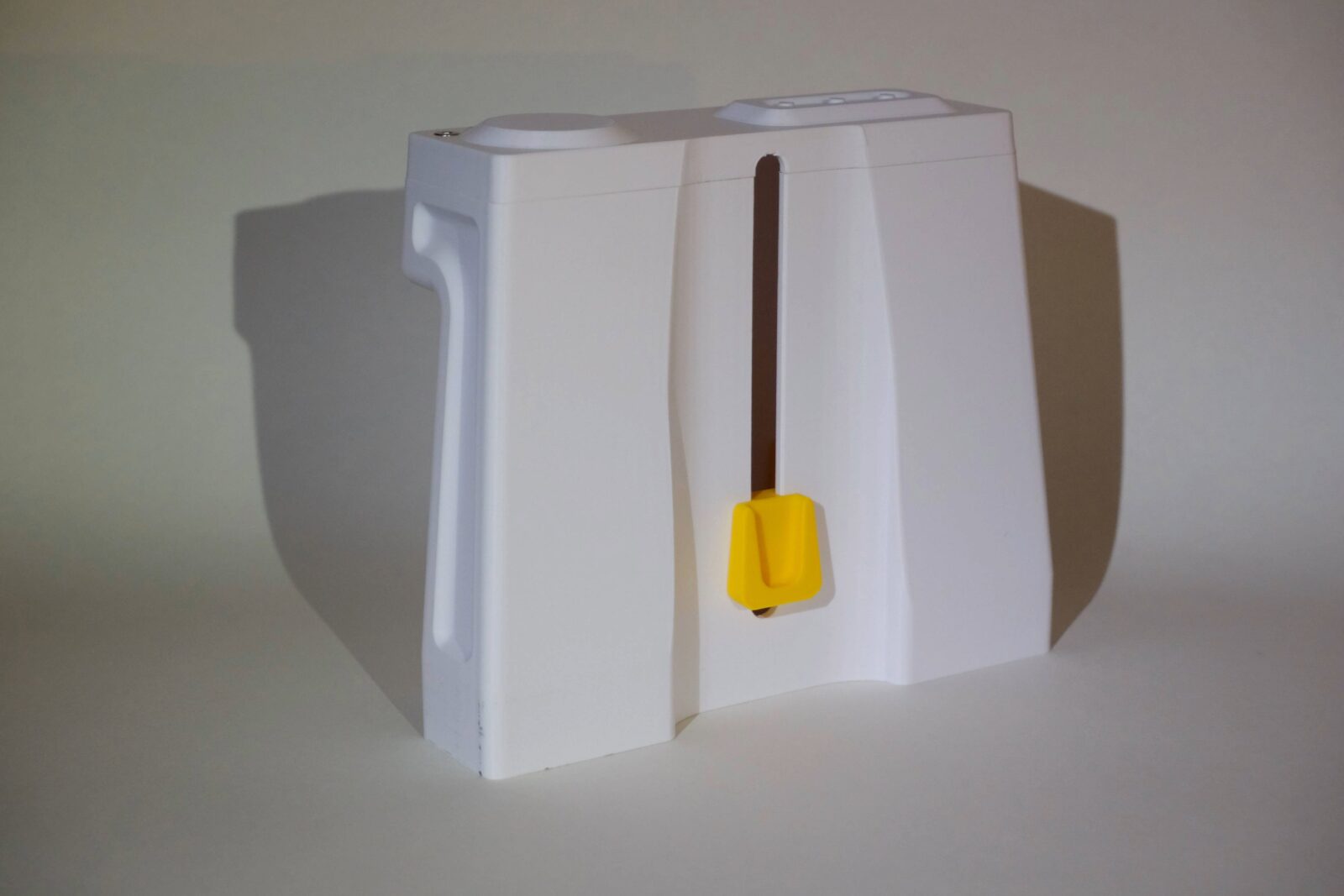
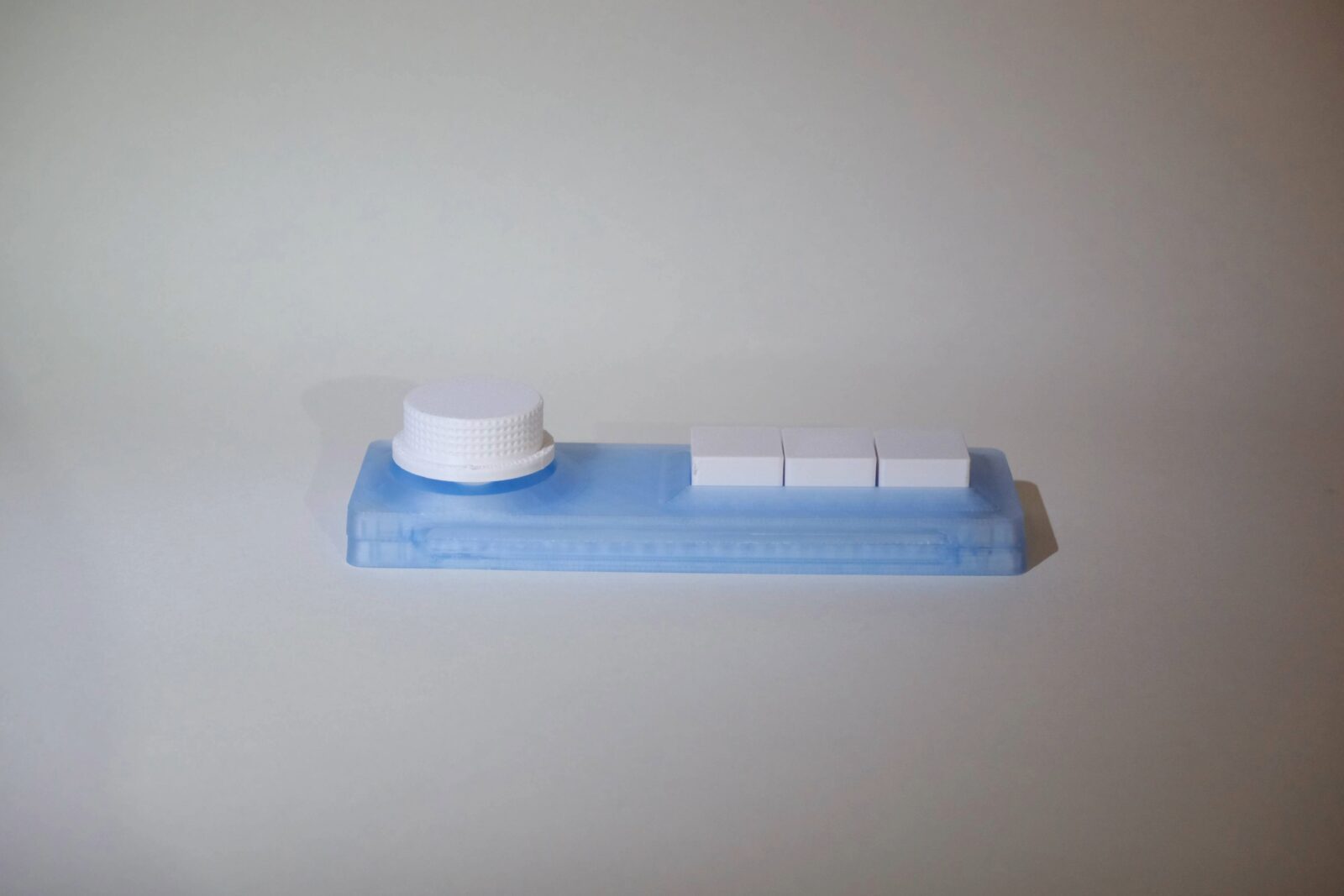
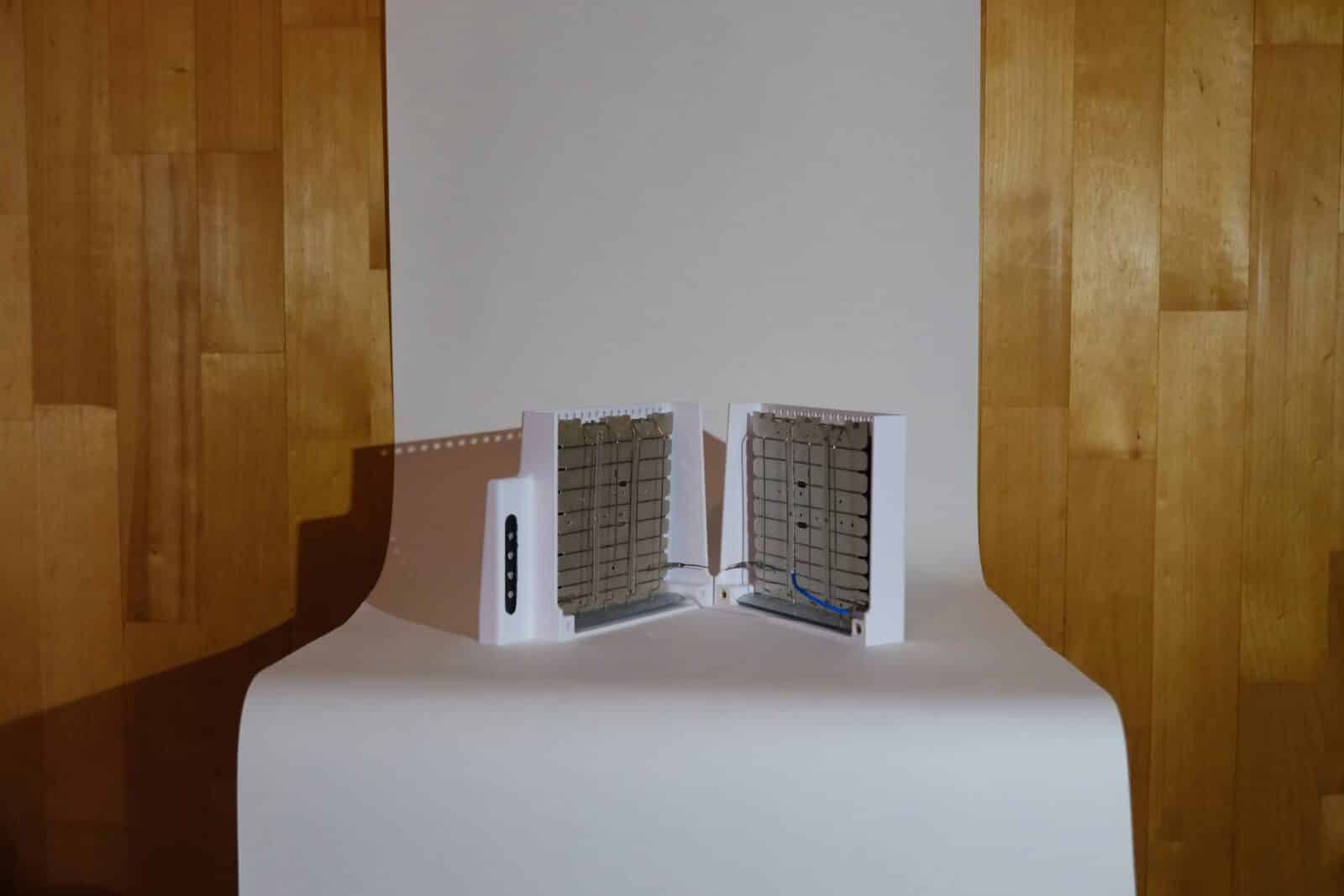
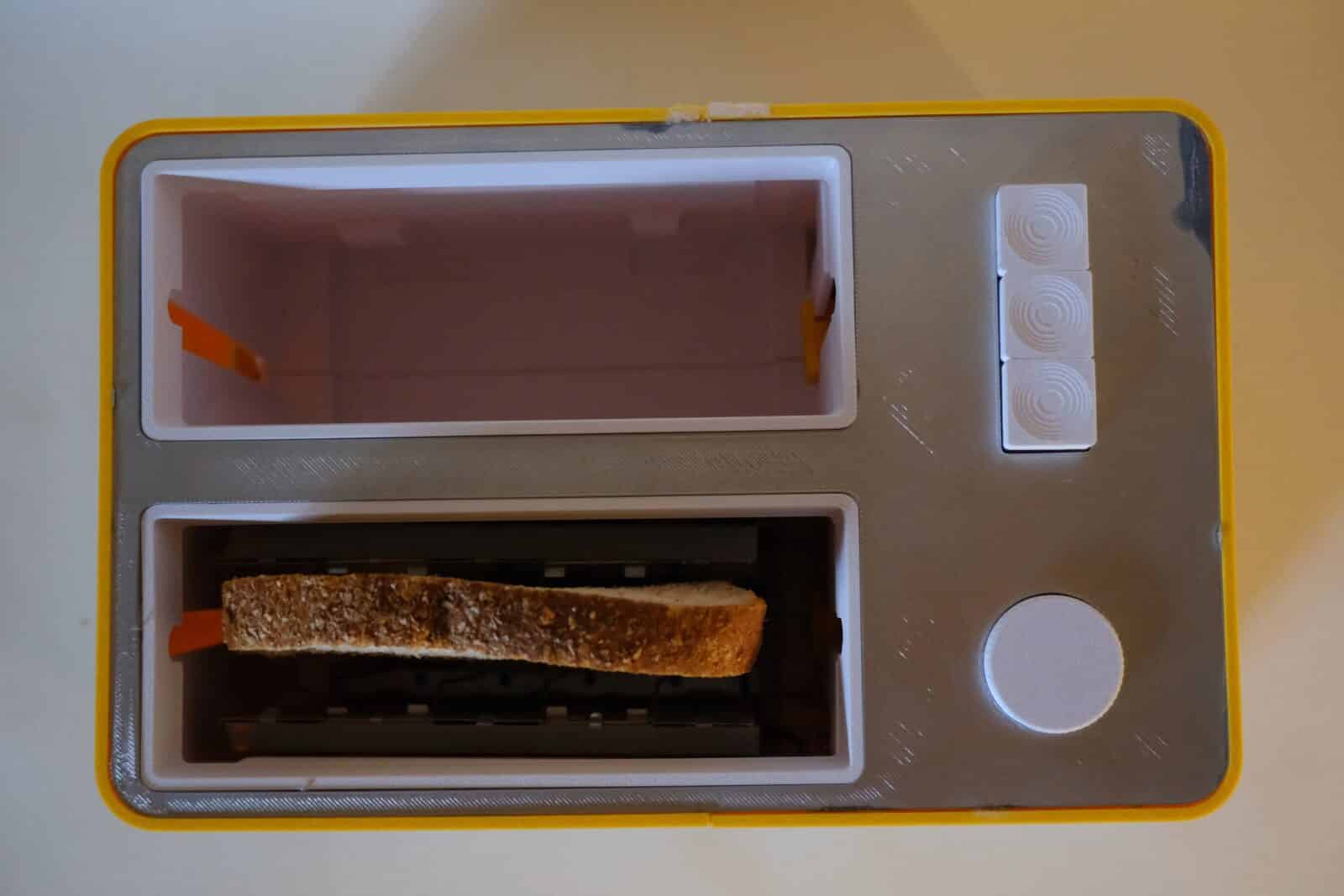
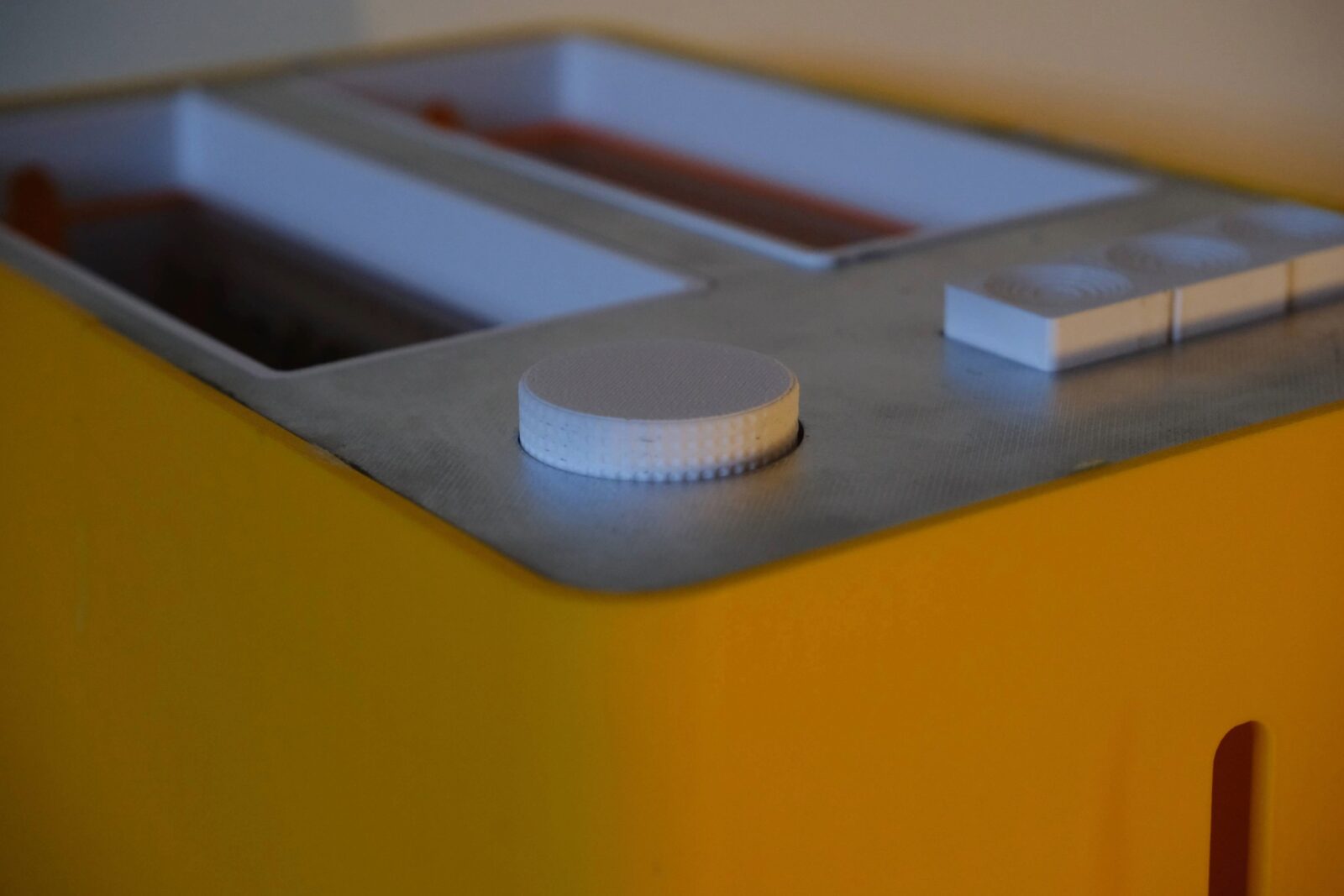
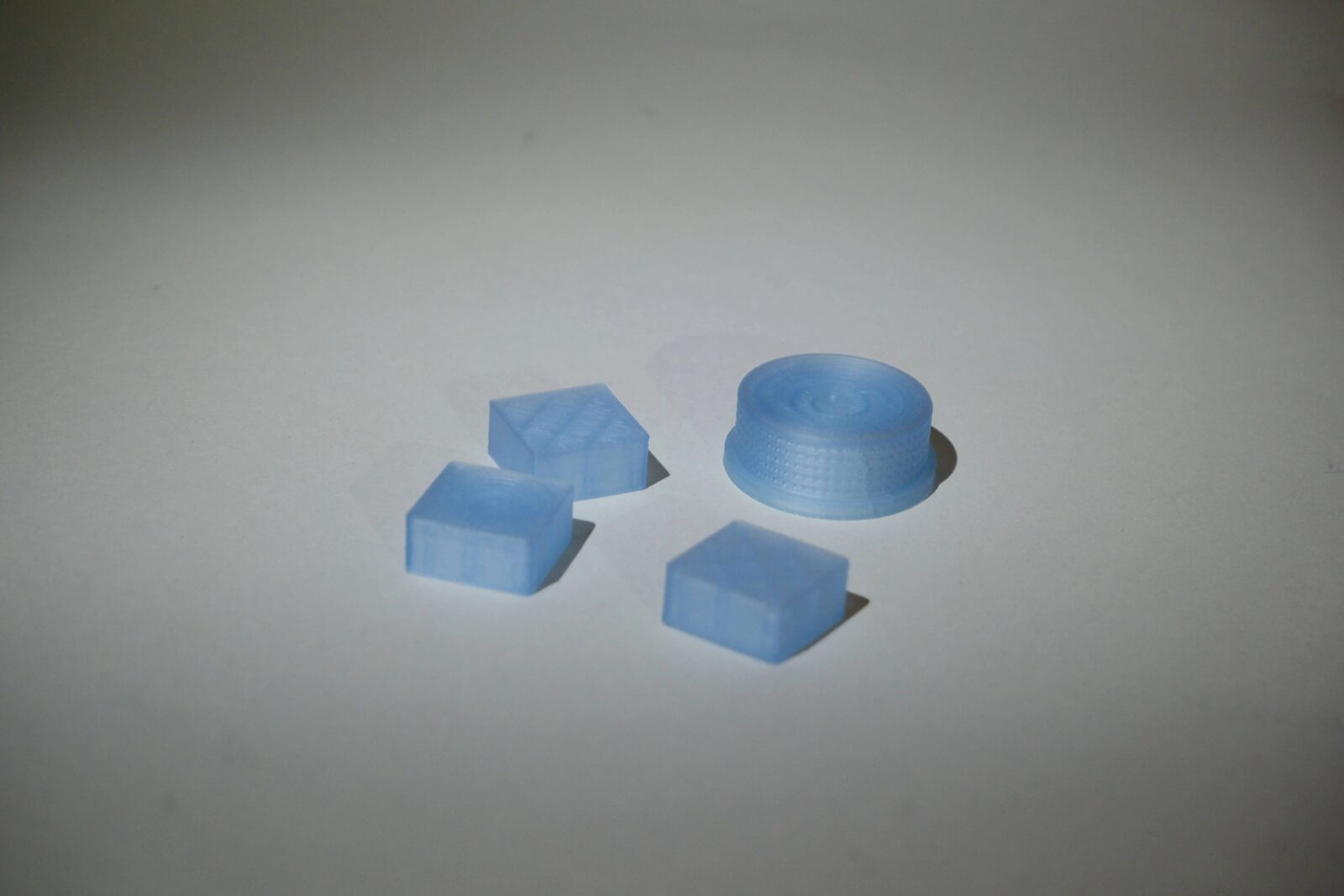
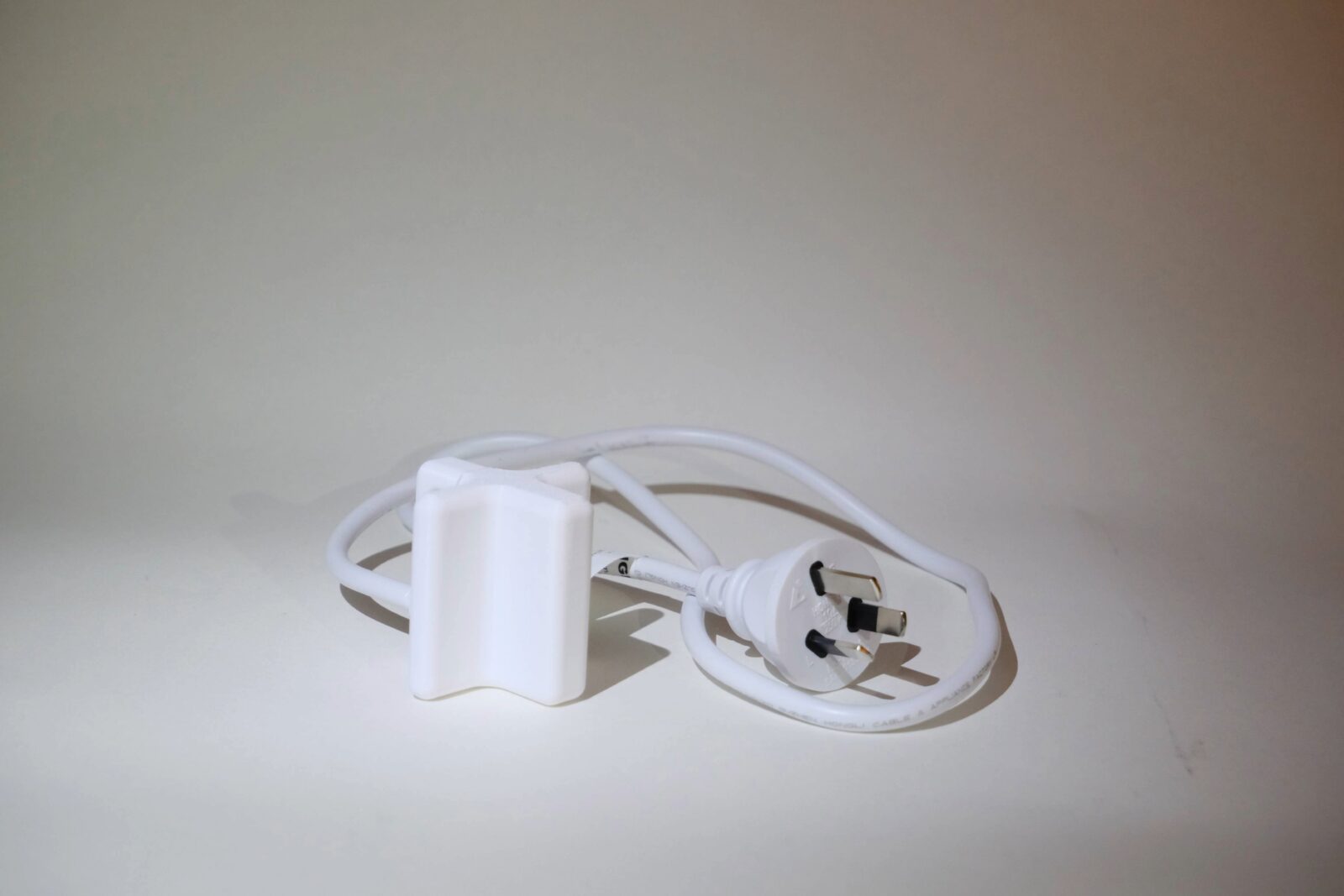
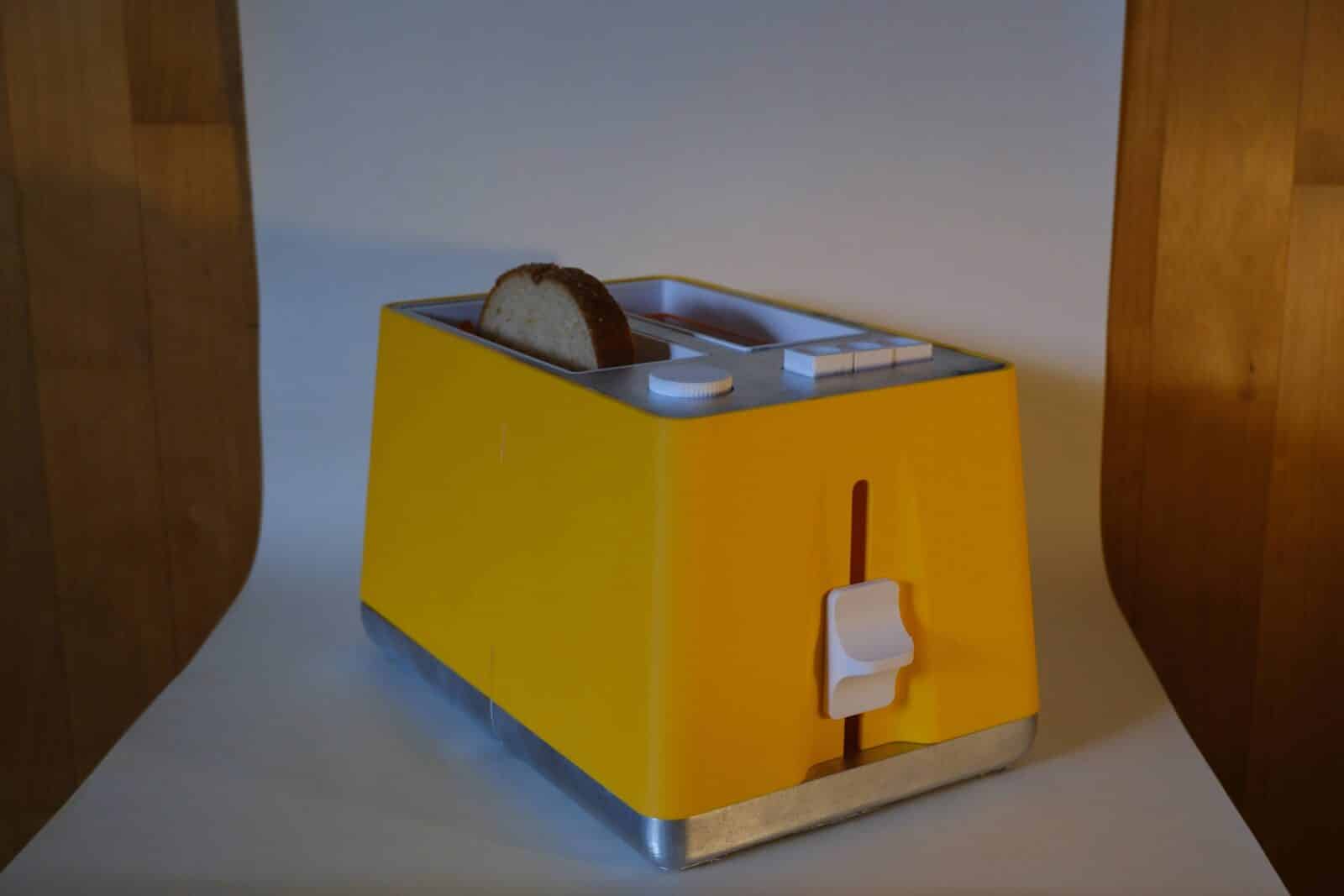
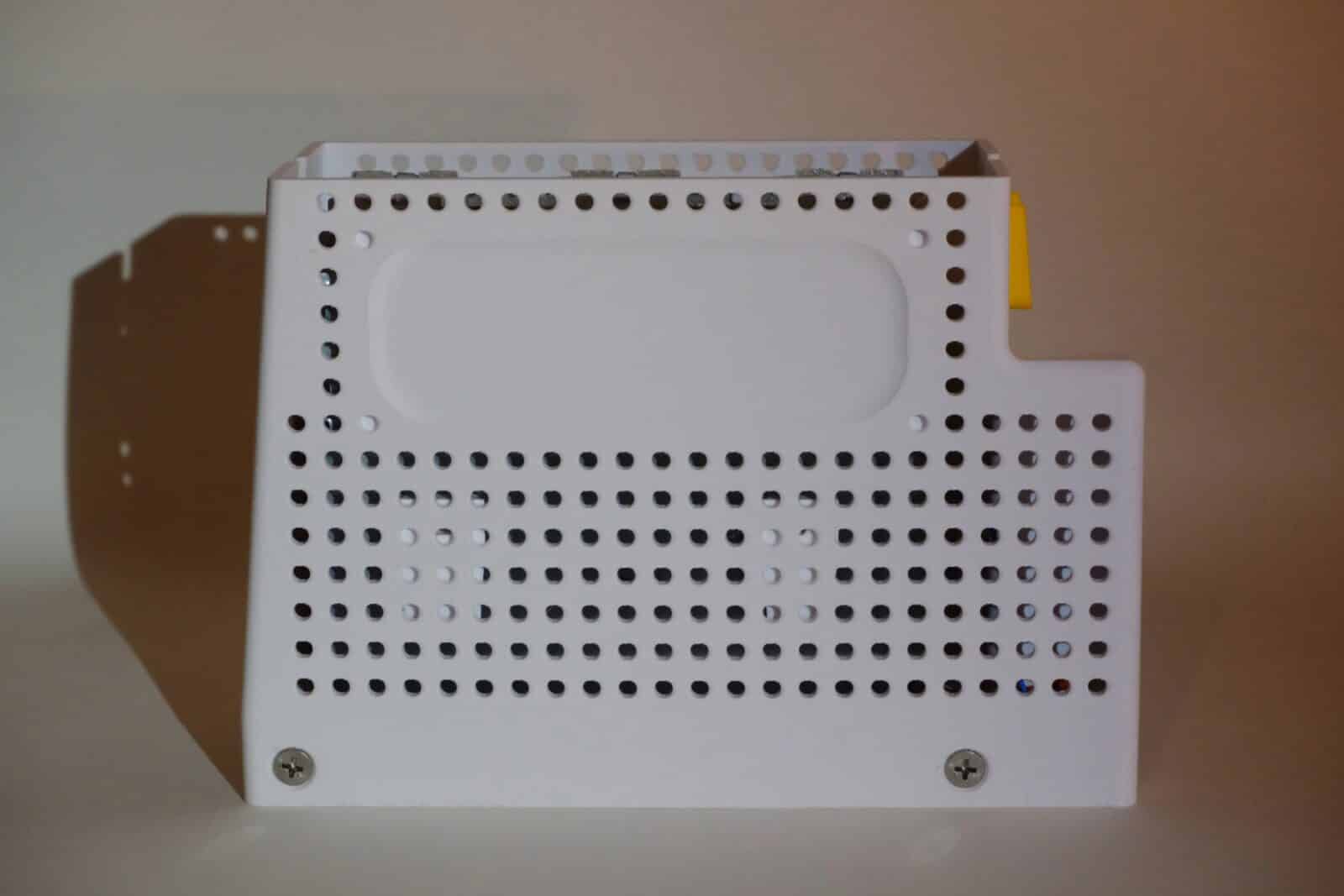
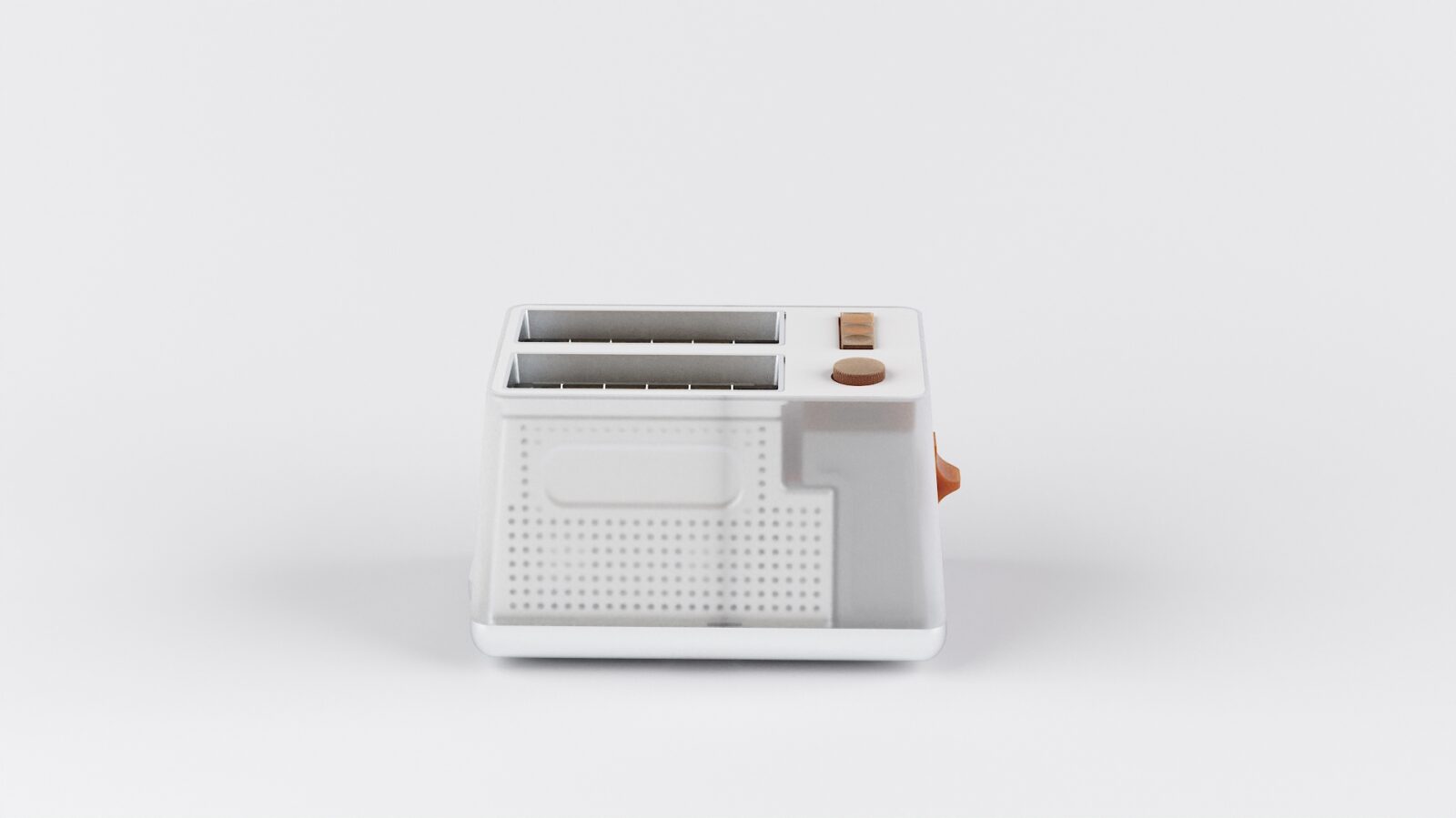
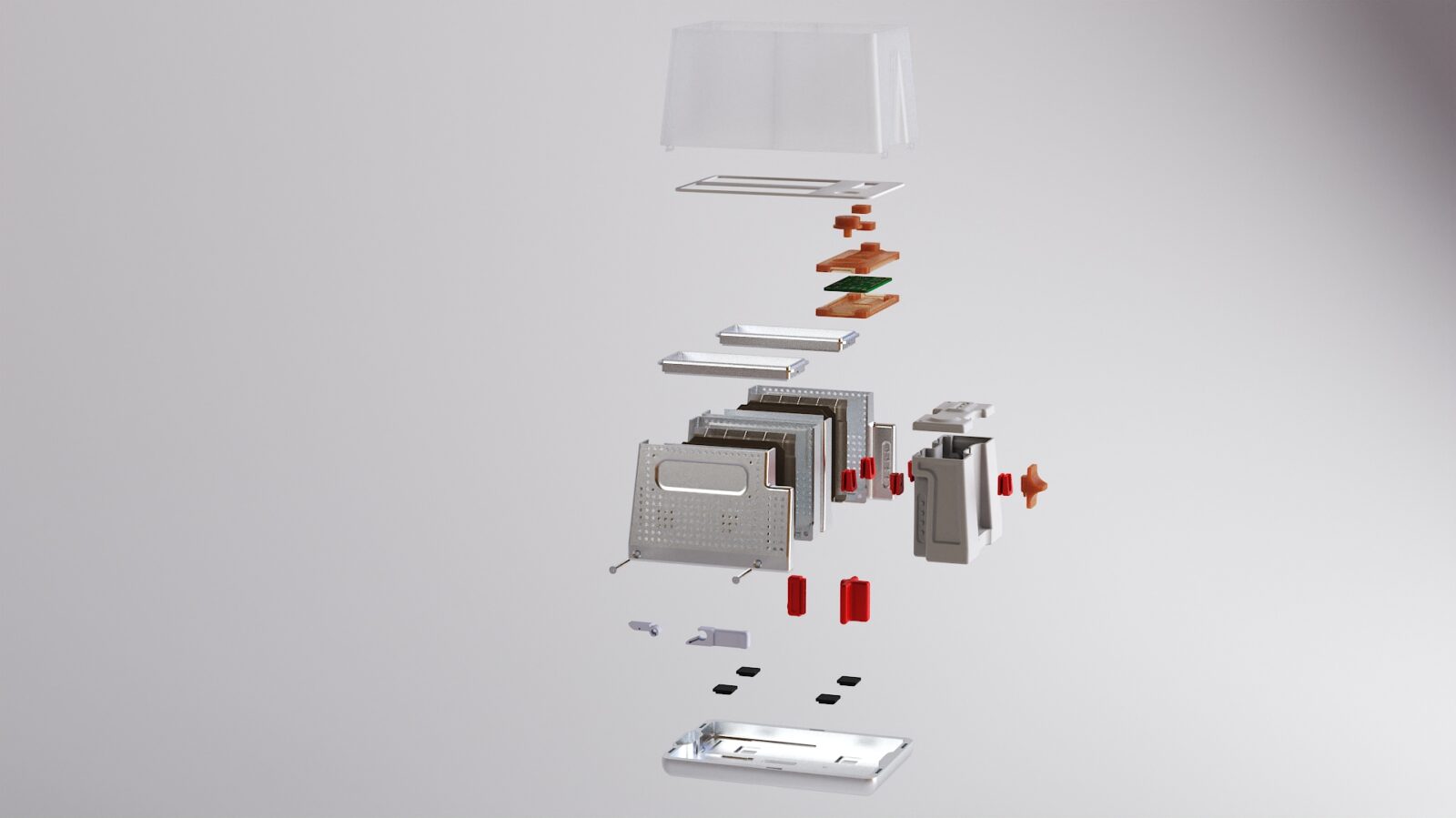
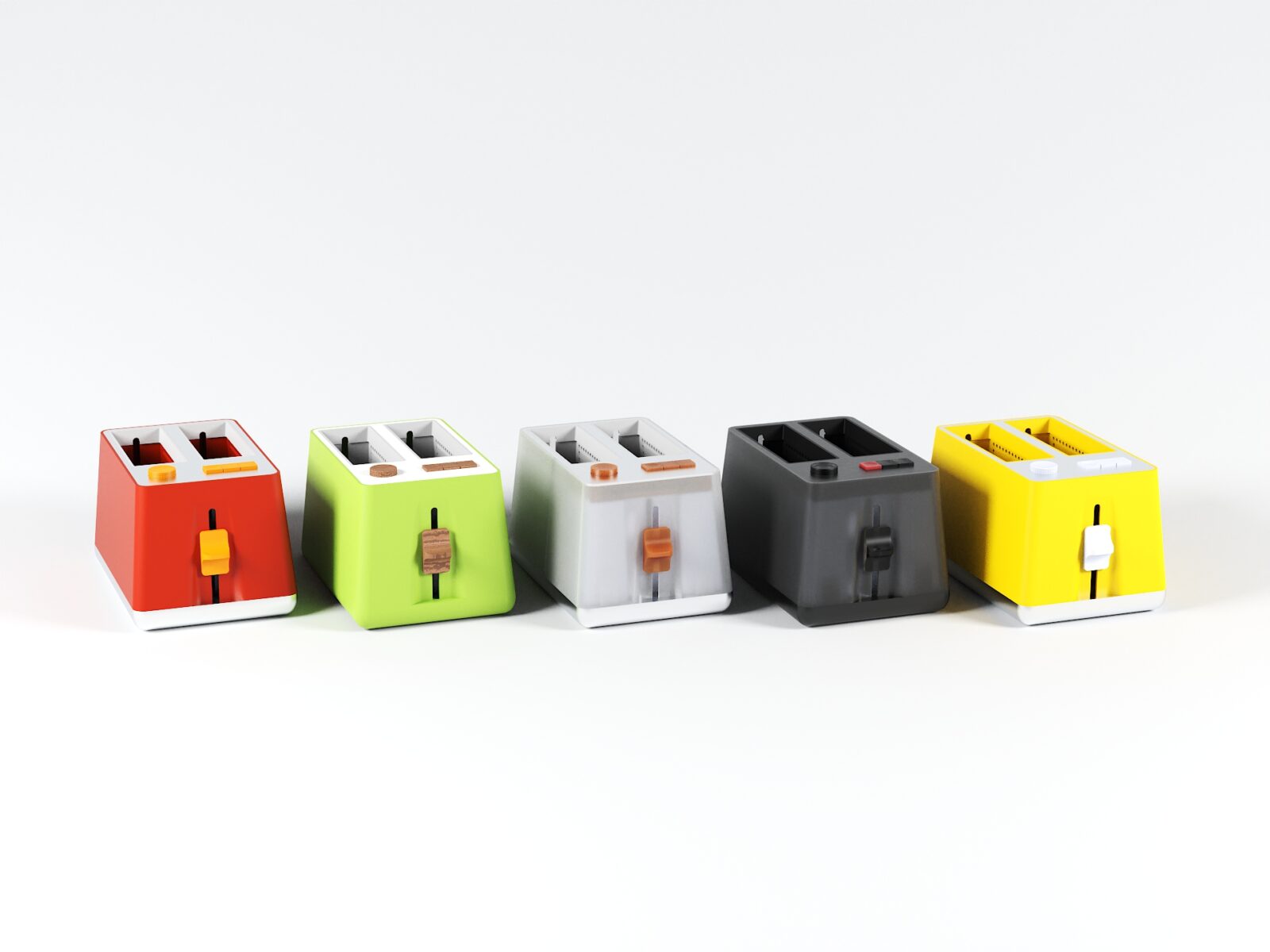
Traditional device architecture poses many challenges to the repairability of small appliances. Electrical work, specialised tools, and risk of breakages were identified as the main prohibitors of repair connected to device architecture and can easily terminate a repair attempt. Therefore, the Everloaf features a fully modular design, allowing subassemblies of the device to be easily swapped without specialist tools, risk of damage, or safety concerns. Electrically safe and tactile connections ensure a safe working environment with solid feedback to serve in mitigating ongoing anxiety when performing a repair on the device. The modules are constrained geometrically to ensure there is only one possible correct fitment, as well as enforcing the correct order of operations.
Fault Diagnostics
Fault diagnostics or lack there of, was identified as a major contributer to widening the gap between a users repair intension and actual repair actions. Knowing the cause of the problem, or at least how to fix it is one of the critical ways the EverLoaf increases repair viability. When a fault occurs, the device can recognise which module is accociated with this, and will notify the user on how to order and replace the module. For example, if the device is toasting unevenly, the toaster module will be reccommended for replacement
Spare parts availability
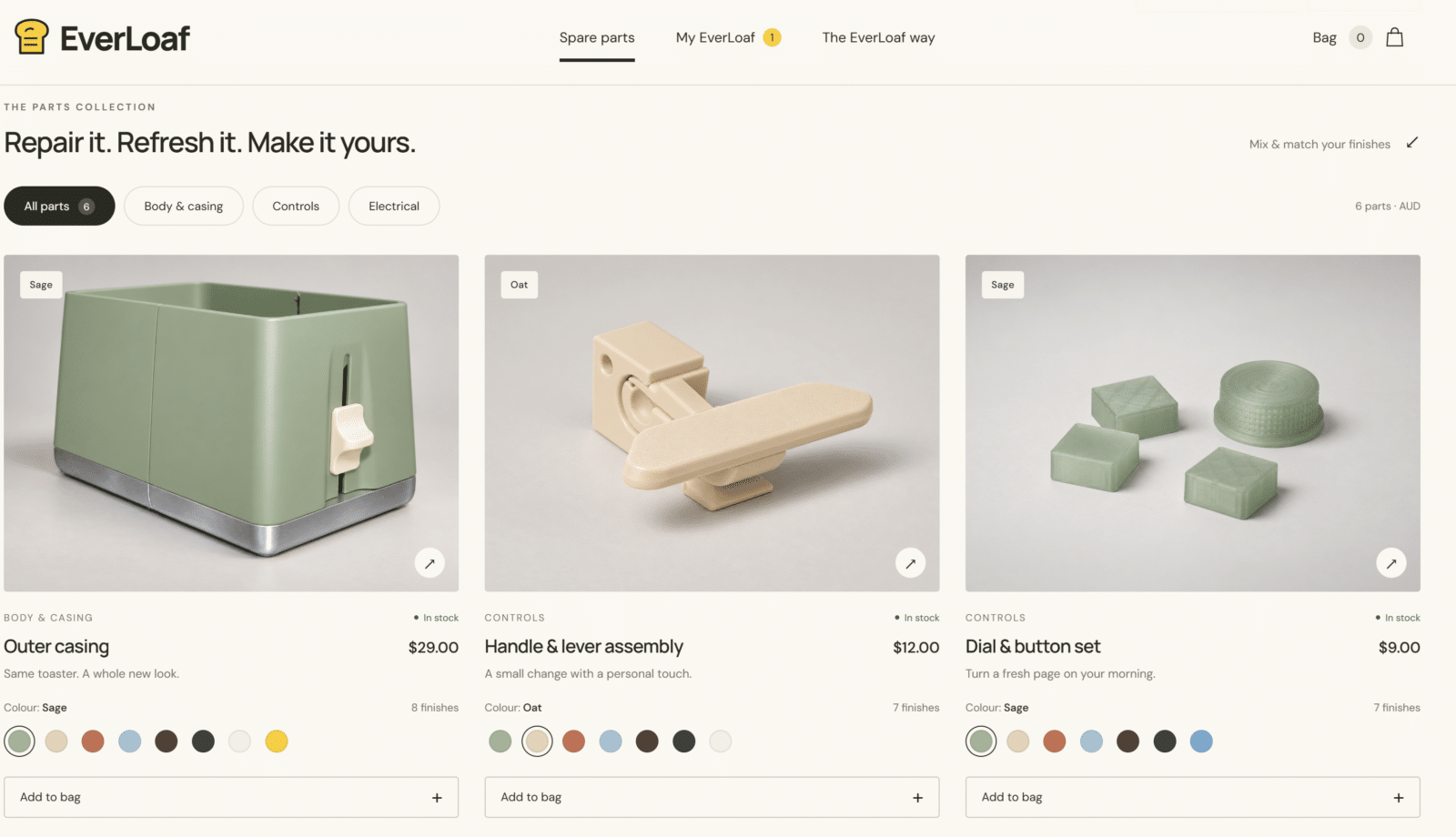
To ensure intended repairs can be actioned effectively, it is critical the required hardware can be easily accessed. Therefore, the EverLoaf features an expansive website with all components, as well as a link to a user’s individual EverLoaf, recommending the modules that are required for their device. This eliminates trouble in determining the compatibility of modules and ensures a fast turnaround for critical repairs. The selection of parts covers both functional as well as, aesthetic repairs, meaning there is a vast opportunity for customisation on the EverLoaf.