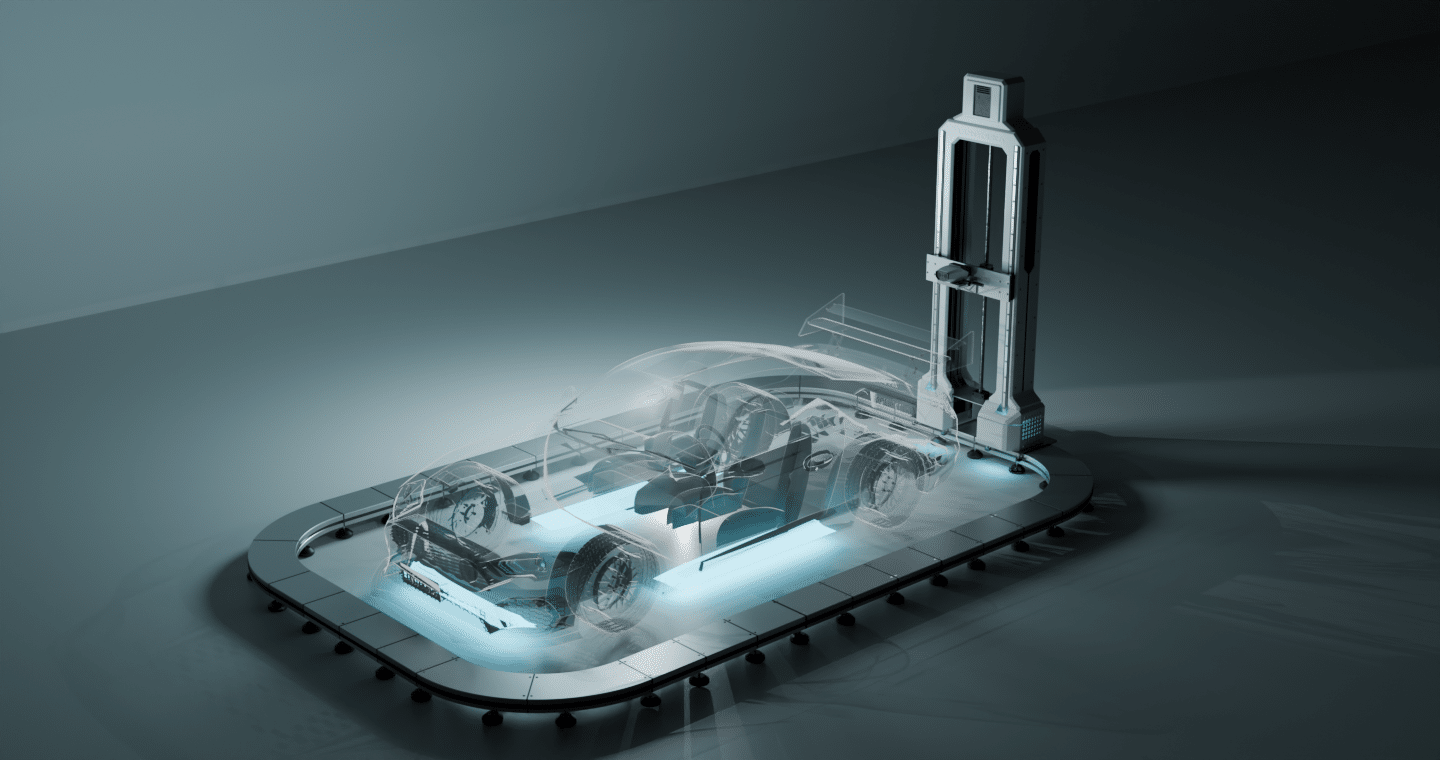
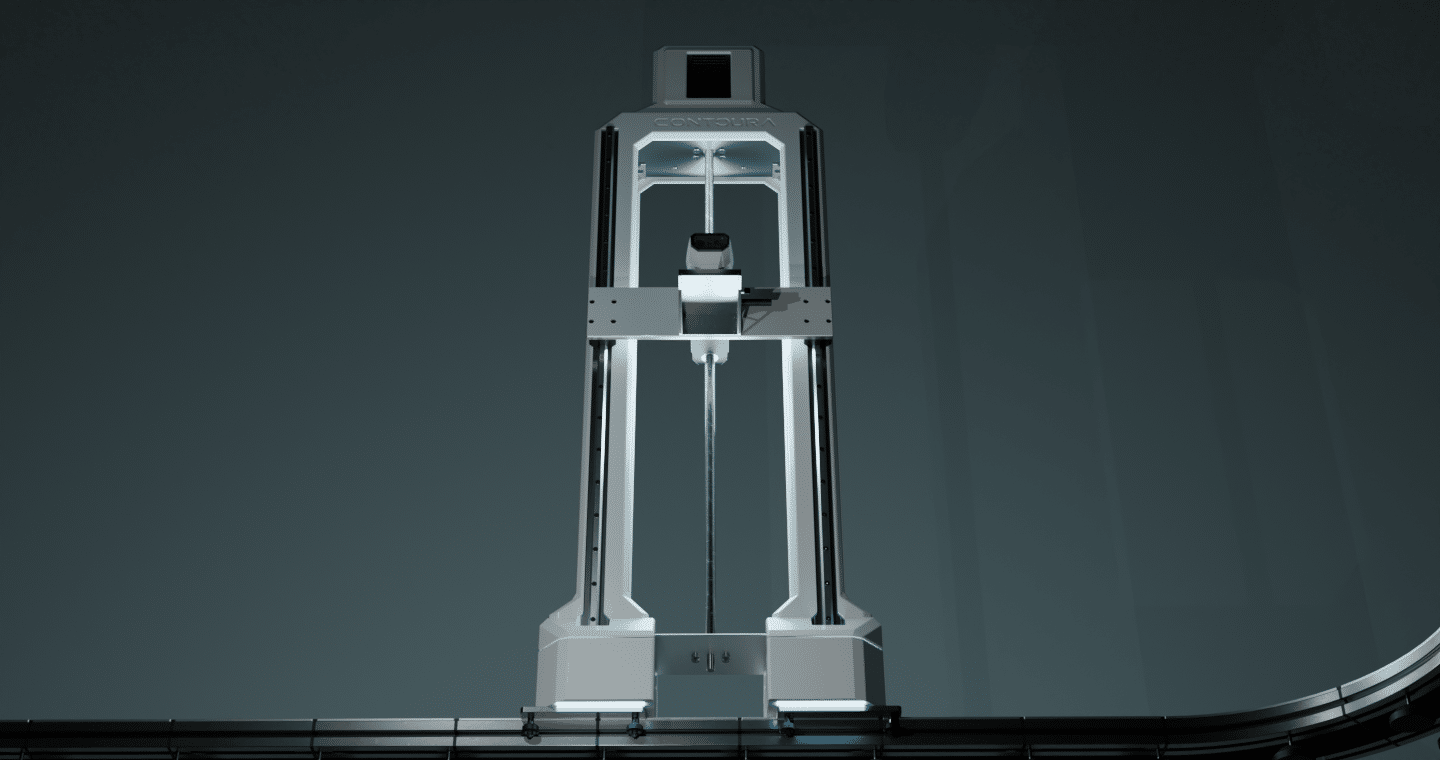
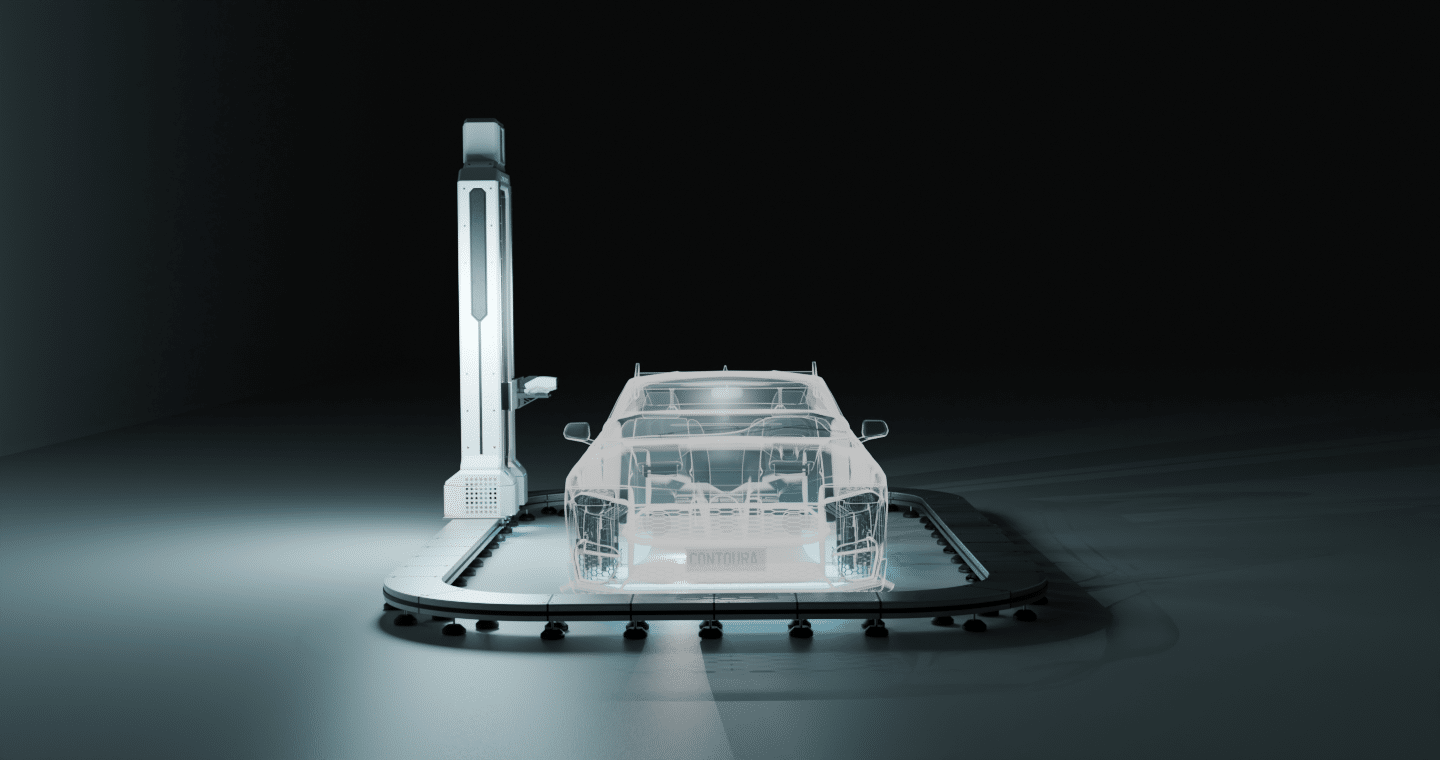
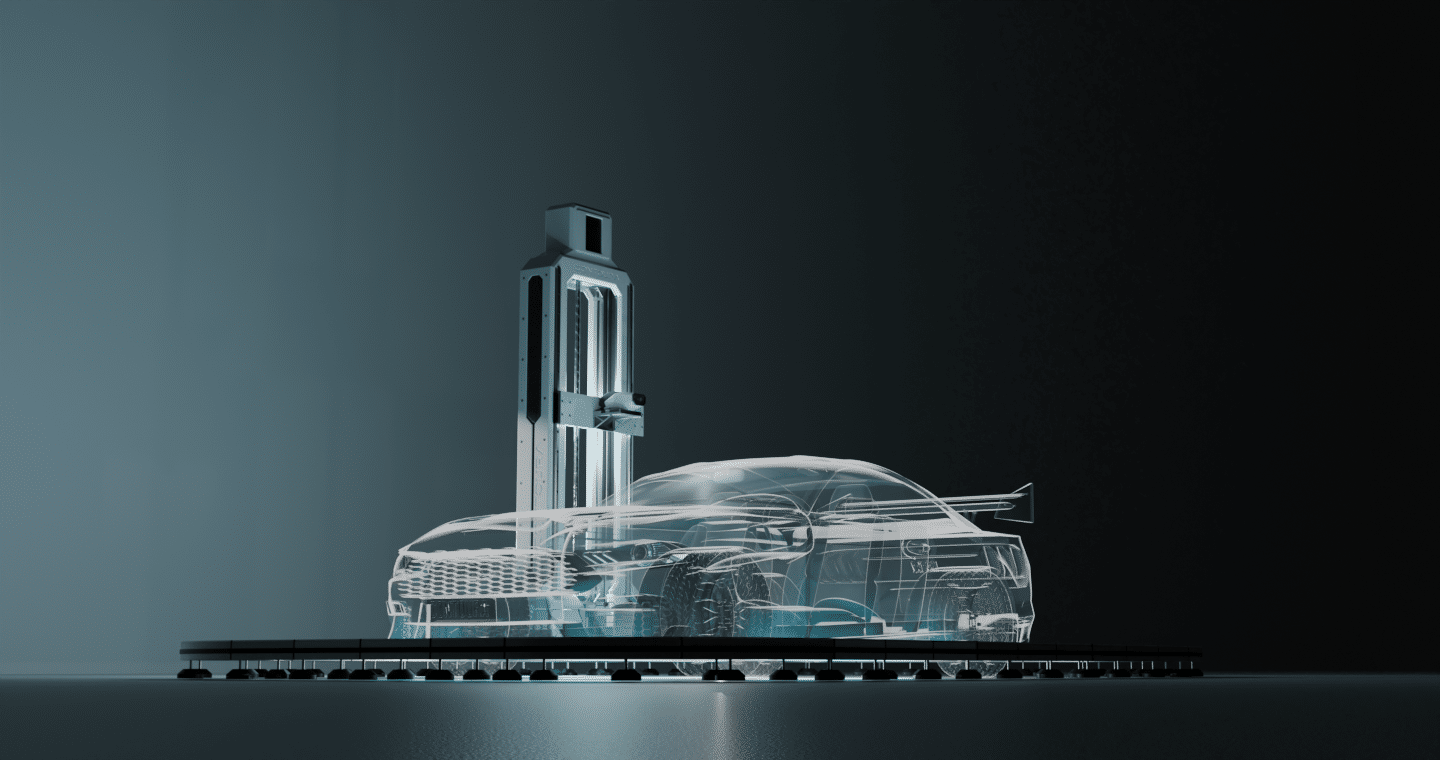
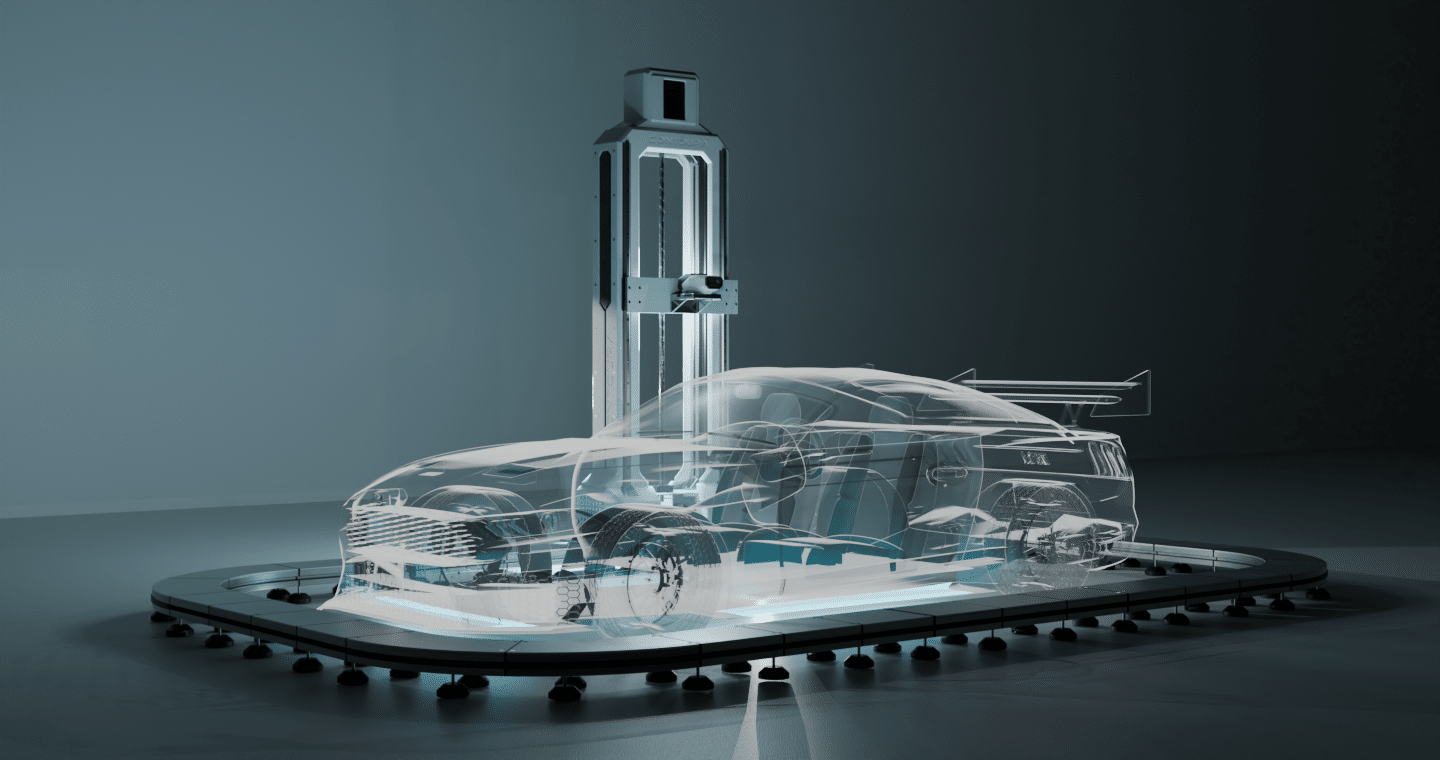
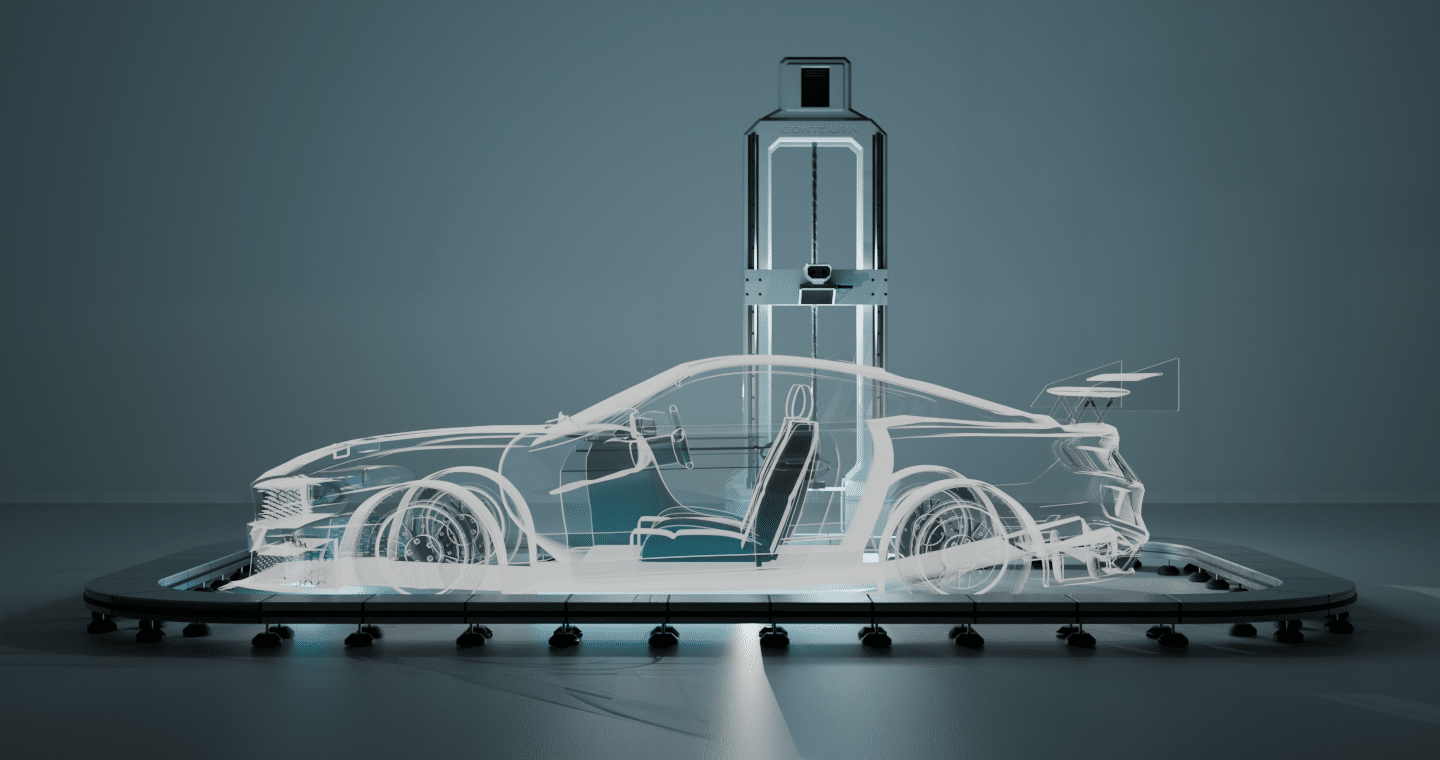
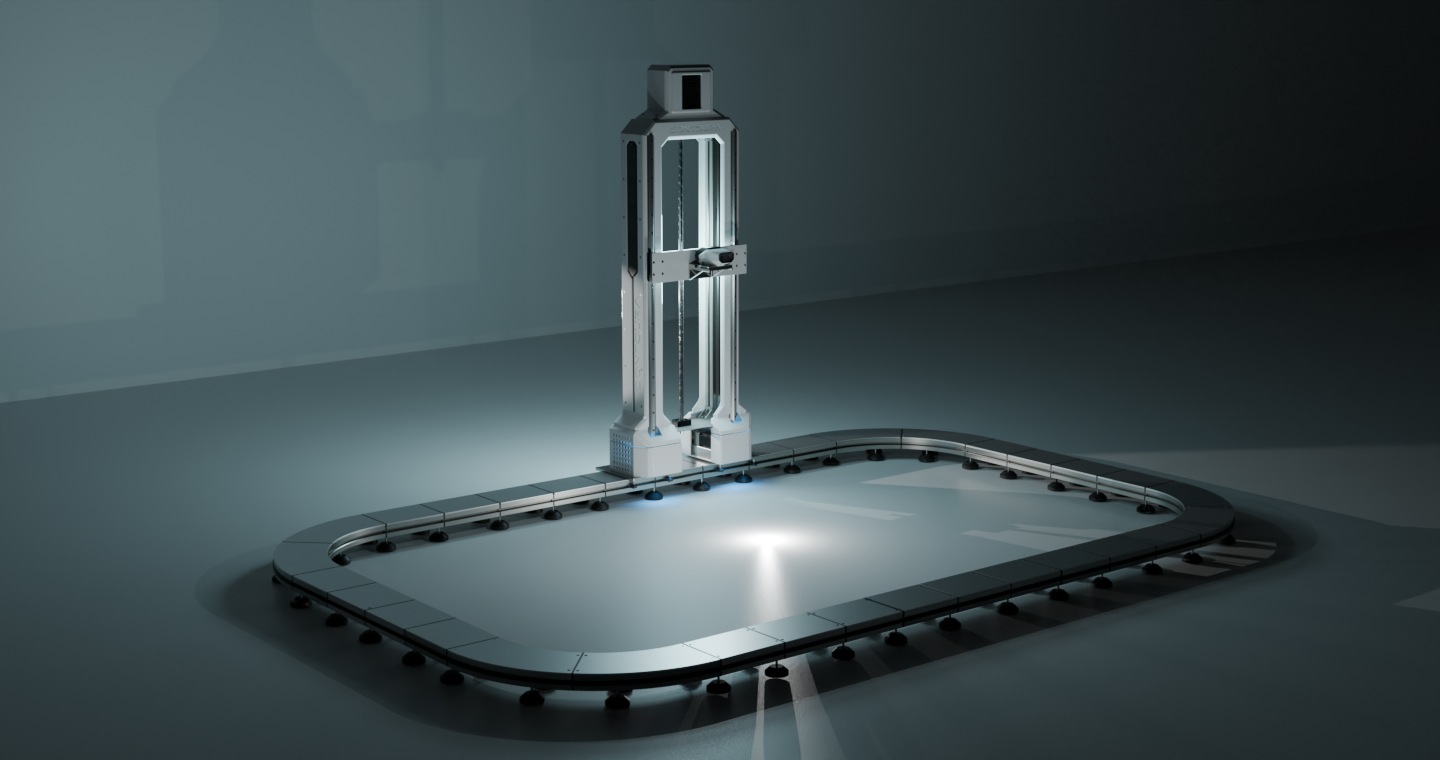
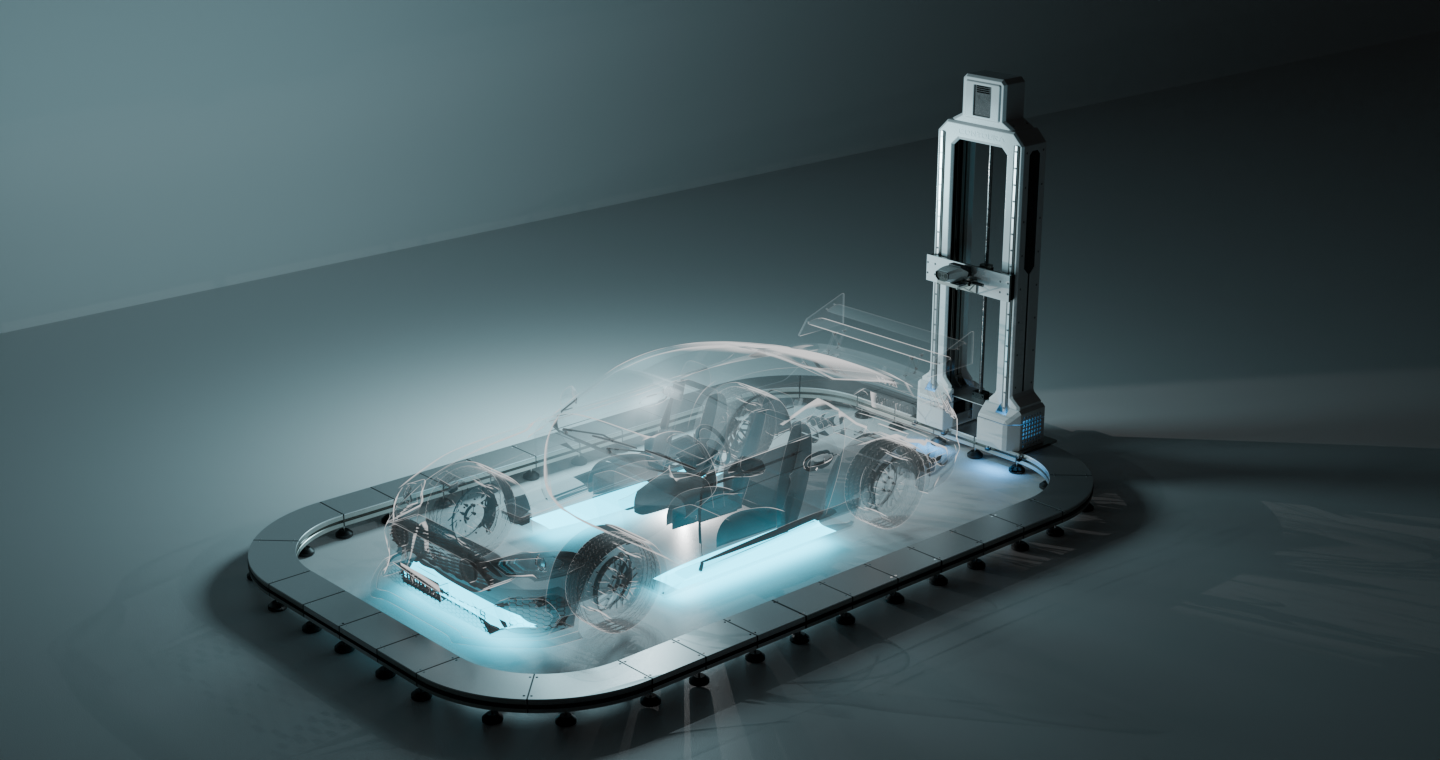
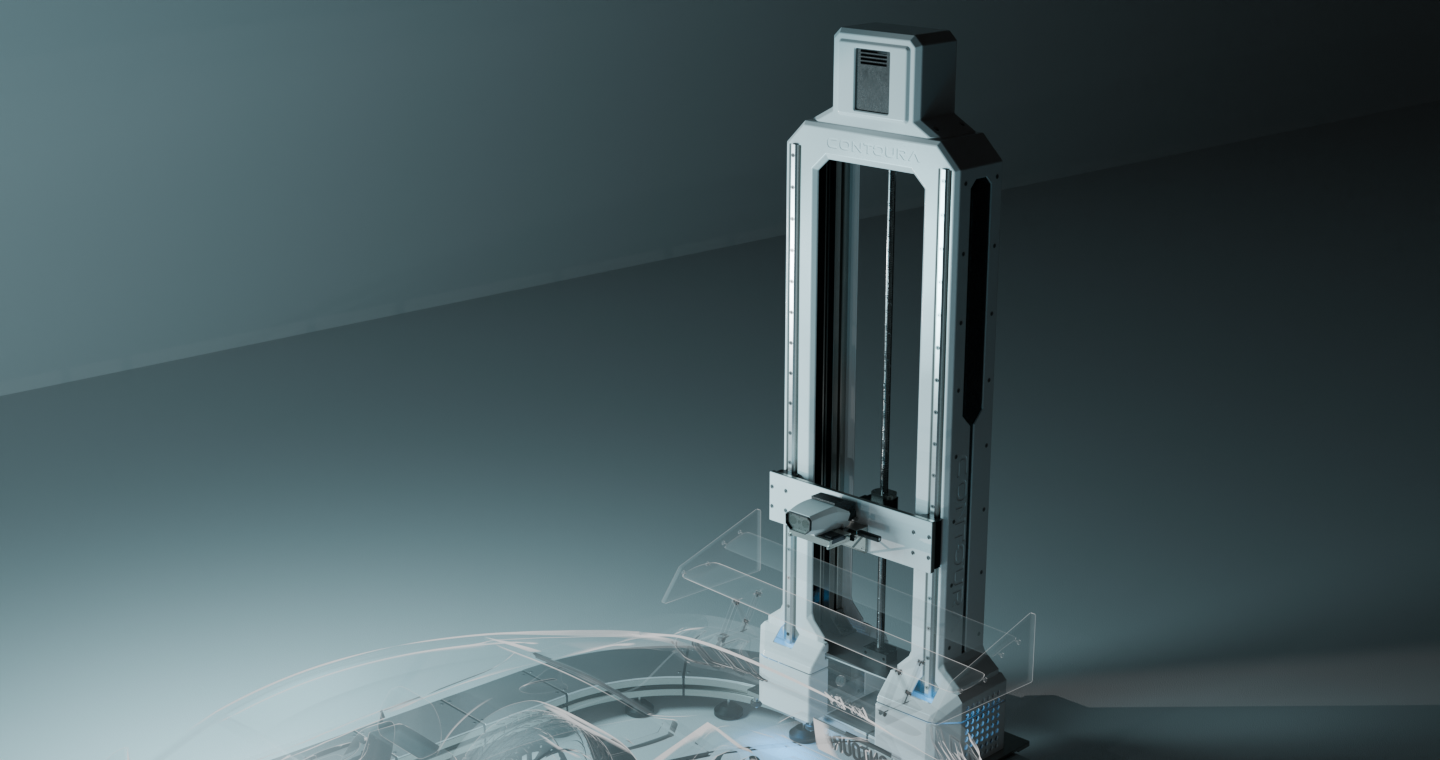
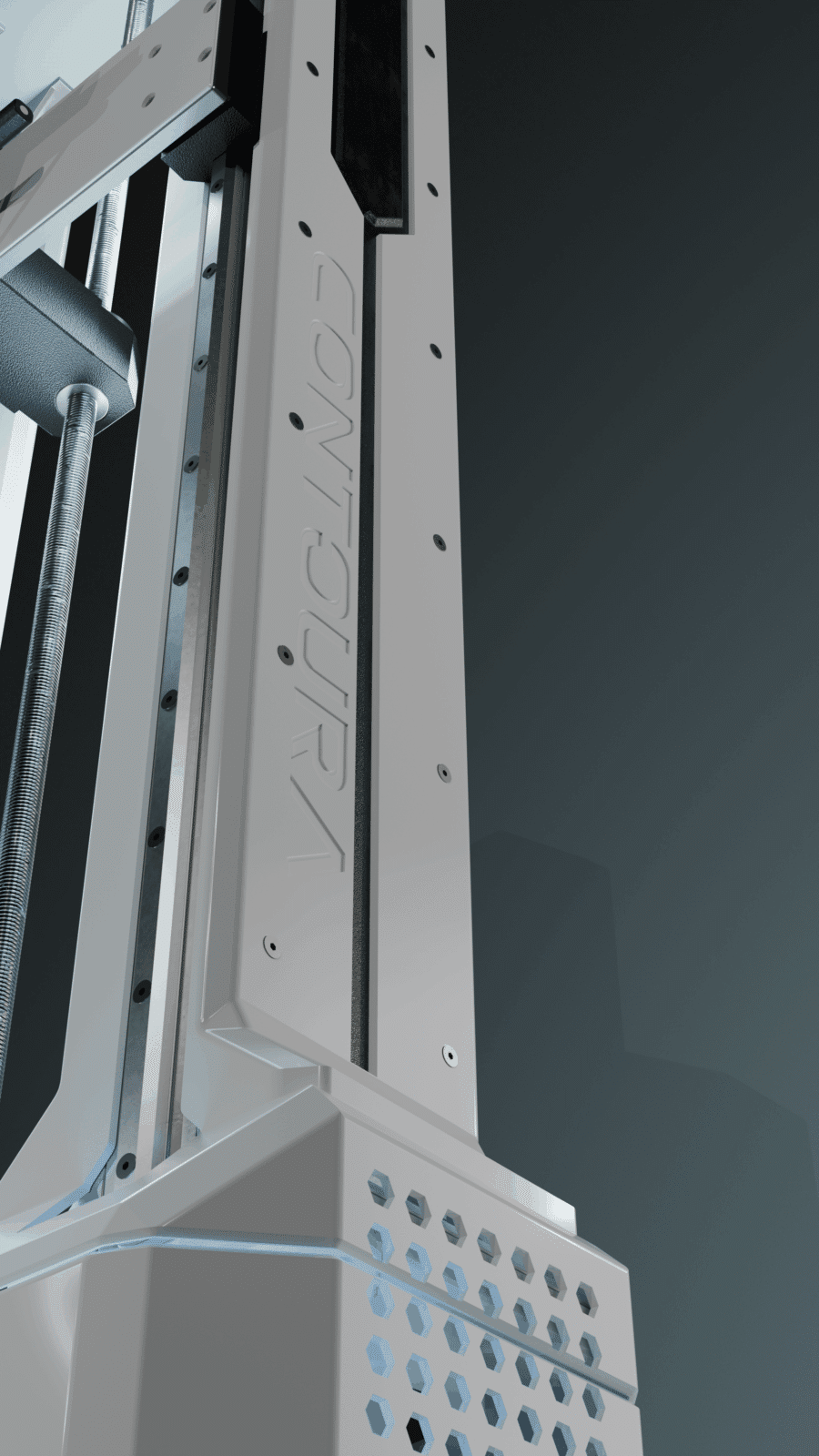
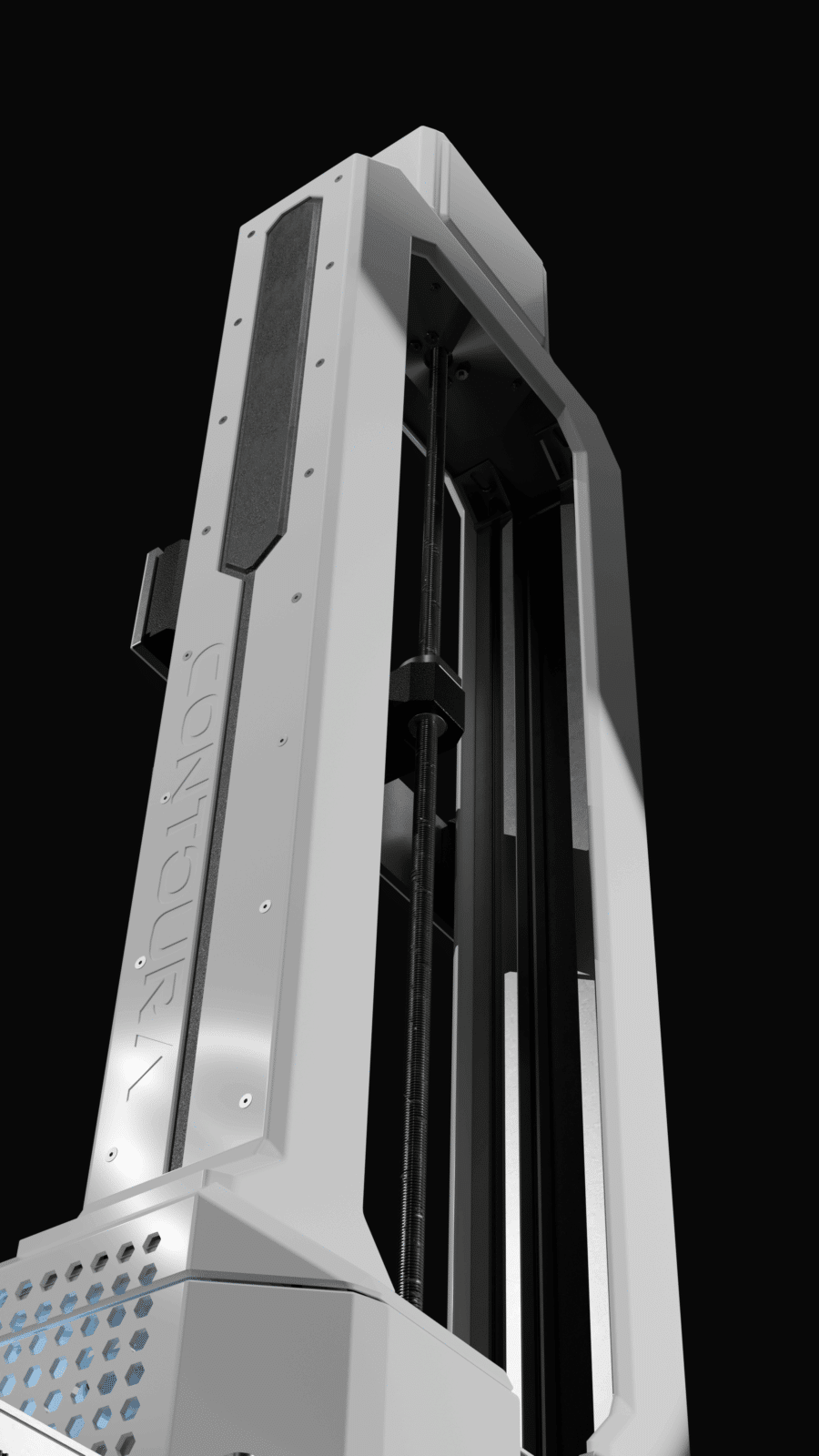
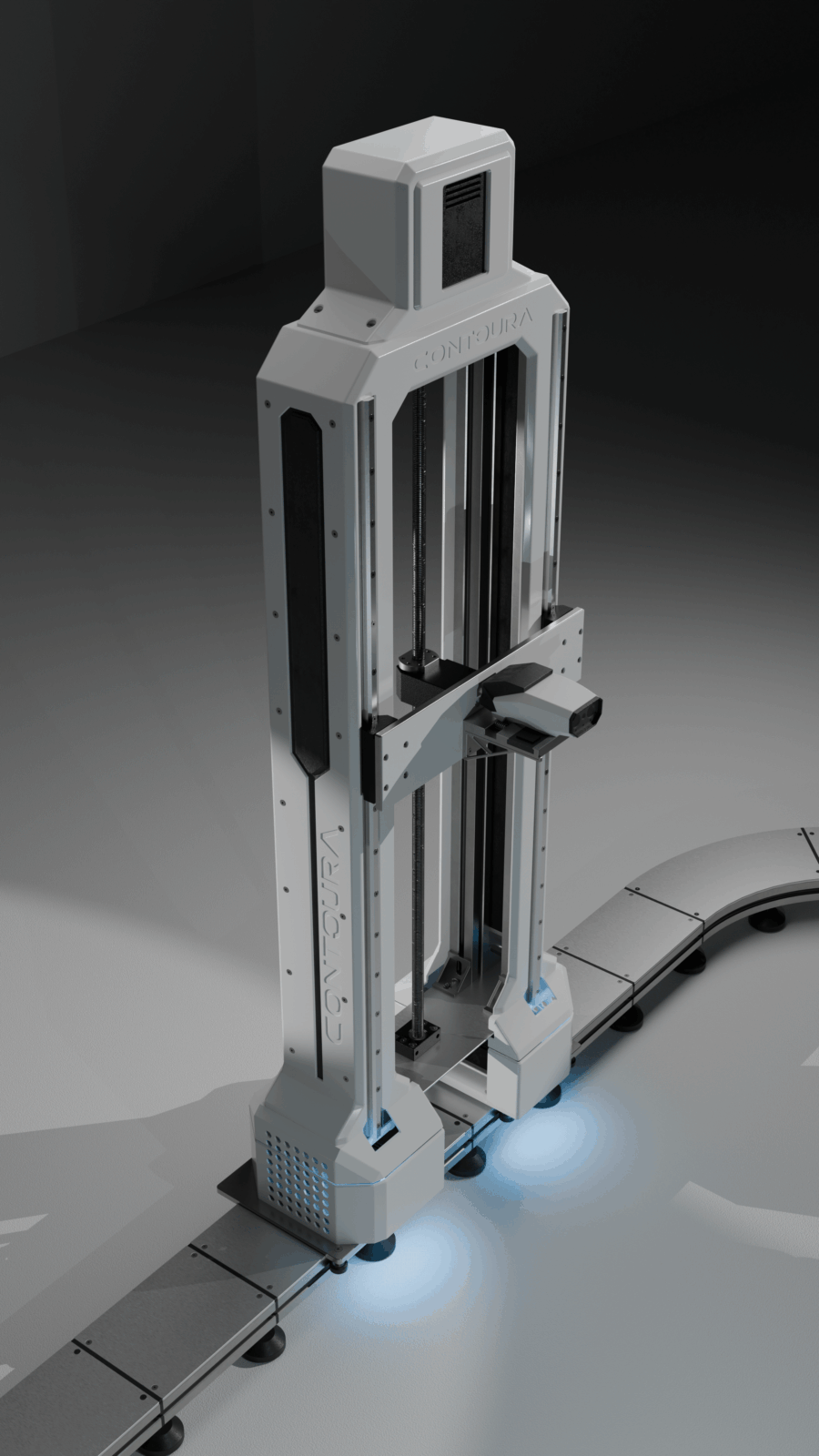
CONTOURA is a modular, automated 3D scanning system designed for motorsport and automotive research and development. Featuring customisable track configurations, motorised movement and a universal quick-release mounting system, CONTOURA accommodates various scanners and cameras. Its adaptable, replaceable components support efficient, consistent and repeatable scanning workflows across different automotive environments.
CONTOURA was designed to rethink how 3D scanning is approached within motorsport and automotive research and development. Rather than relying on constant manual repositioning, the system uses an automated gantry and customisable modular track layout to move around a vehicle, supporting more consistent and repeatable scanning workflows. Its universal mounting system allows users to integrate their preferred 3D scanners or cameras, adapting to different tasks and environments. Throughout the design process, I focused on creating a practical, flexible and adaptable solution that could reduce repetitive work, improve efficiency and give engineers greater freedom when capturing vehicle geometry for testing, analysis and future development.
Learning Blender was initially challenging, as I had only just started using the software during this project. However, within just one to two weeks, I was able to develop advanced renders, realistic lighting, materials and full product animations. Having previously used KeyShot, I found Blender offered similar rendering capabilities but with significantly greater flexibility, integrated modelling tools, optimisation options and an extensive range of third-party plugins. What initially felt overwhelming quickly became one of the most enjoyable parts of the project, allowing me to push the visual presentation of CONTOURA further than I had originally anticipated.
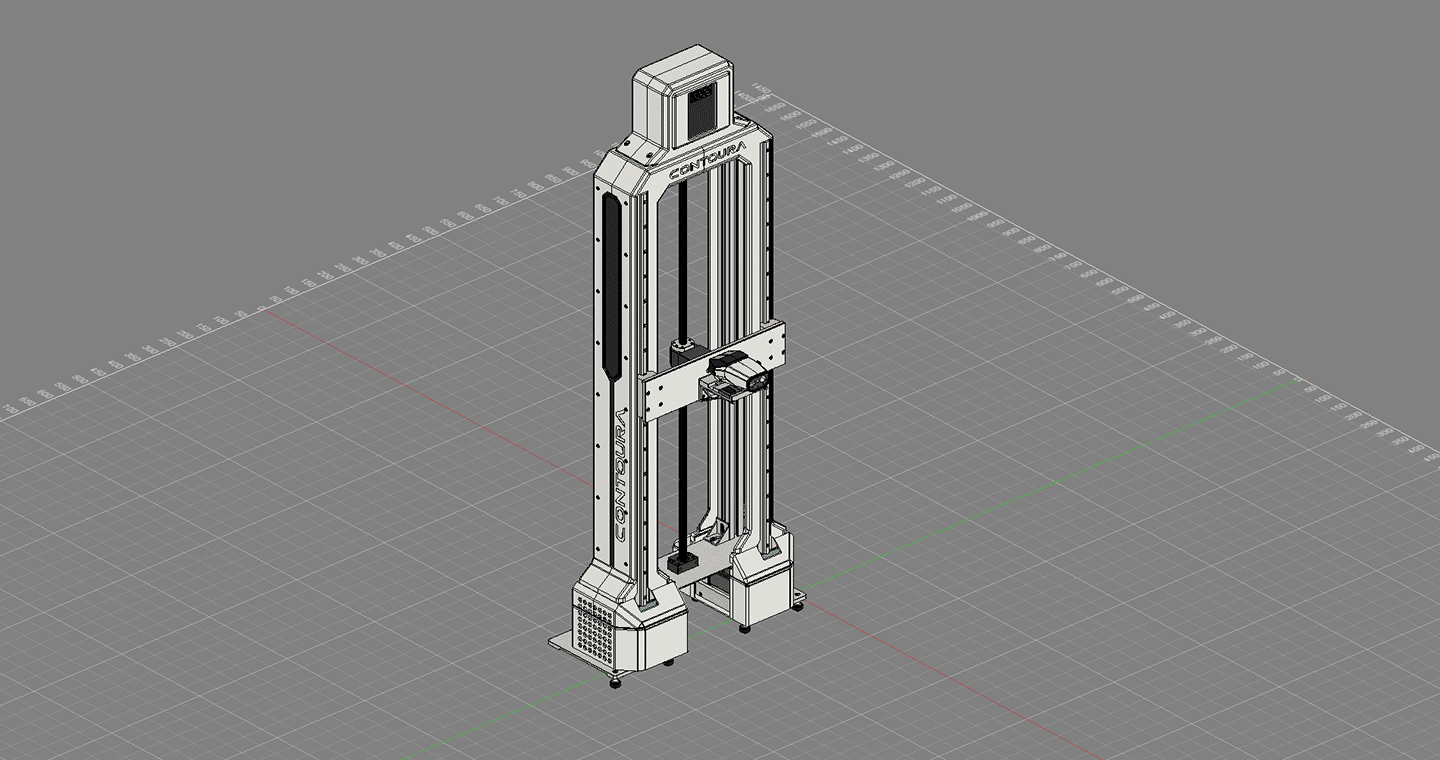
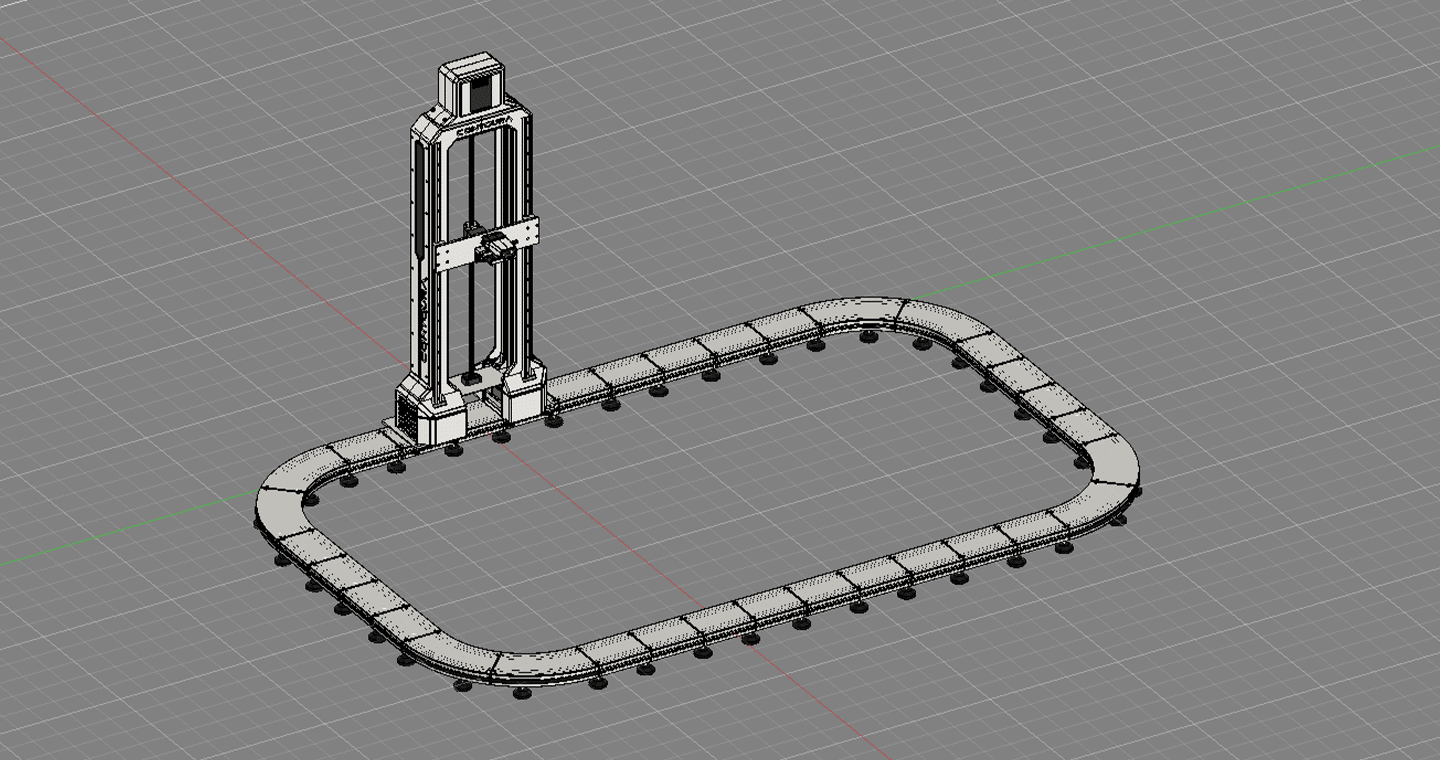
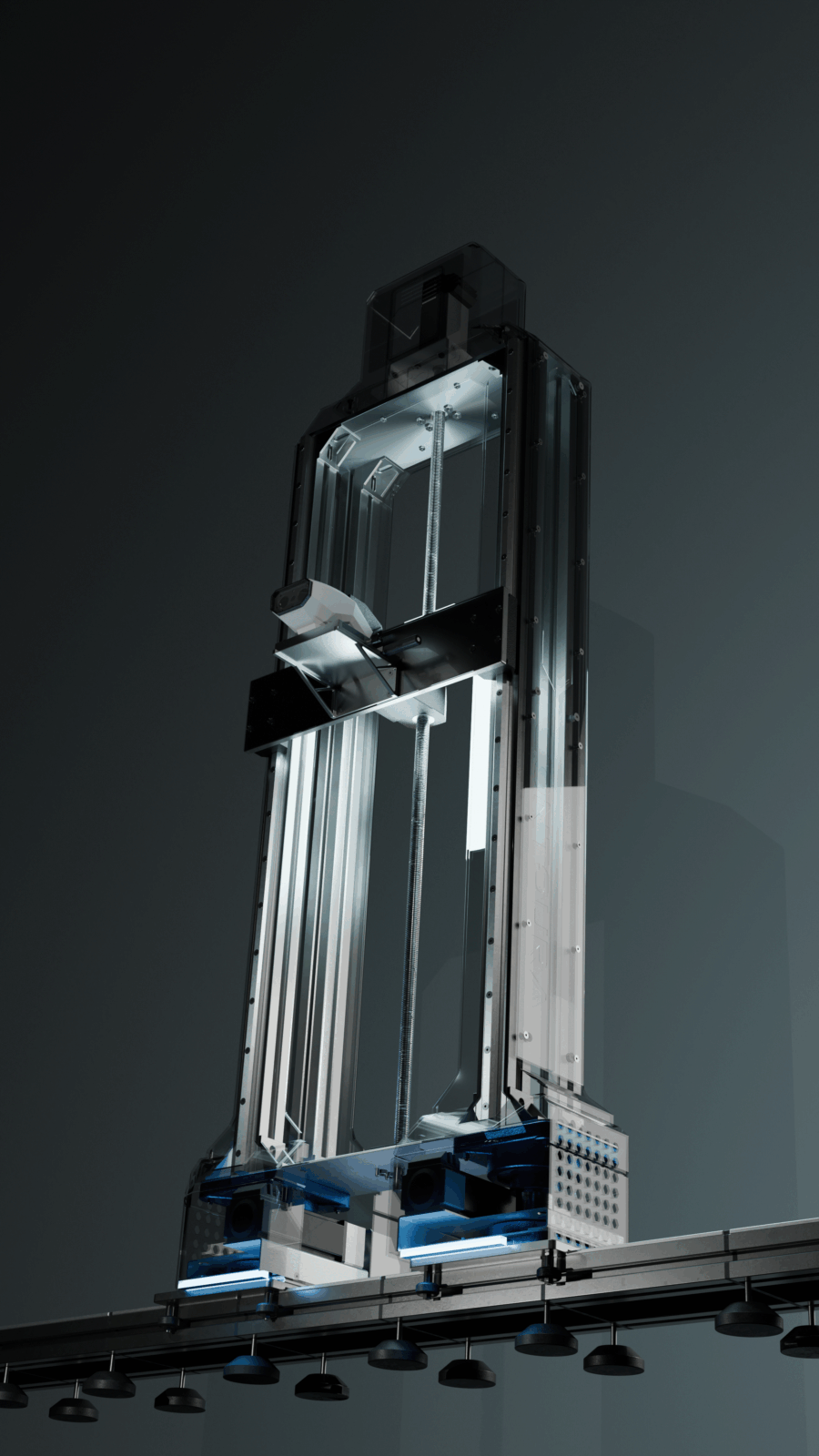
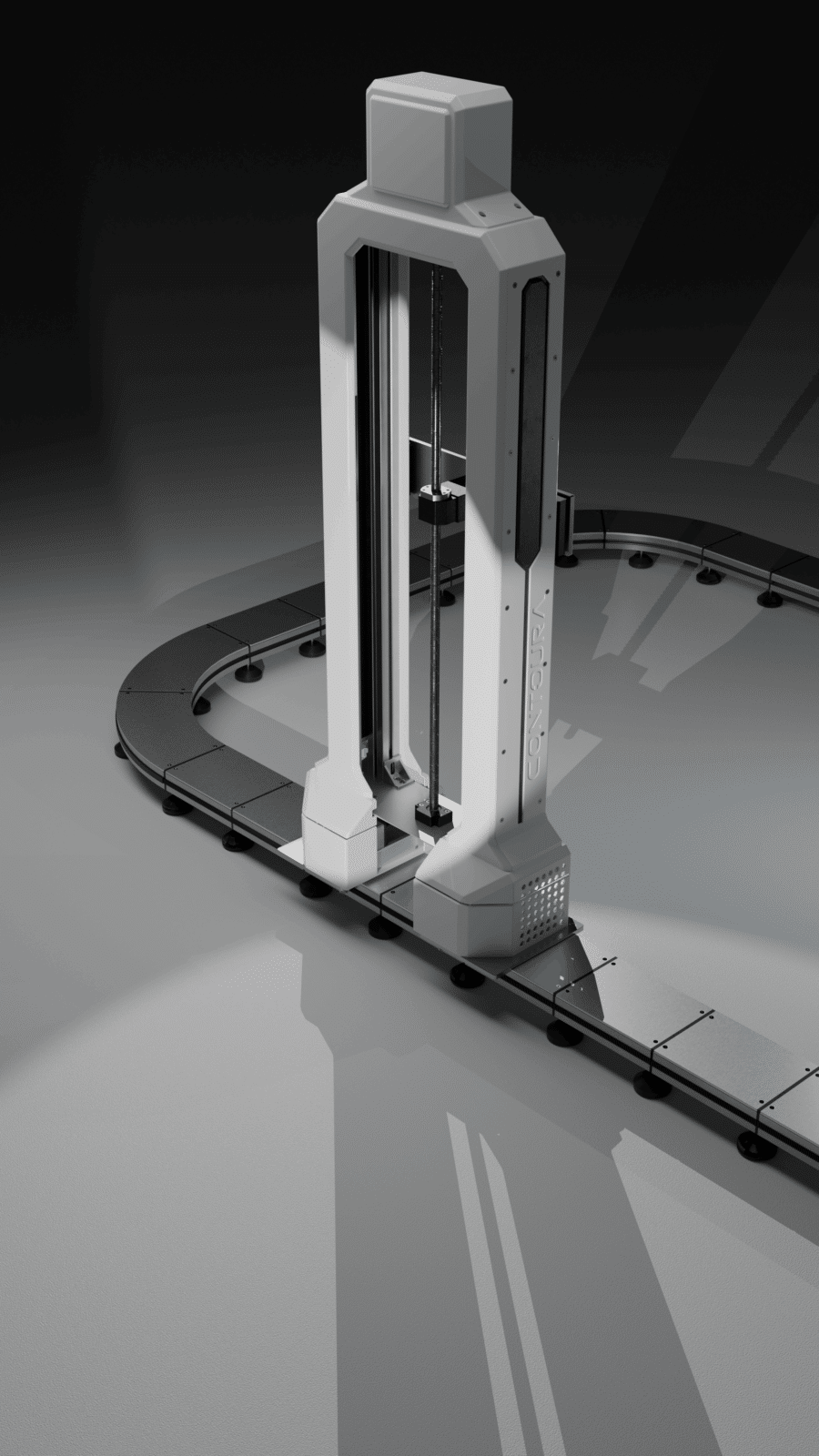
CONTOURA uses a motorised gantry that travels along a modular track system, positioning the scanner at different points around a vehicle to capture its geometry. The vertical carriage adjusts the scanner’s height, allowing different sections of the vehicle to be scanned. The interchangeable track modules can be configured into a straight line, full loop, partial loop, S-bend or stationary setup, providing flexibility to accommodate different vehicles, components and workspace requirements.
SKETCHING
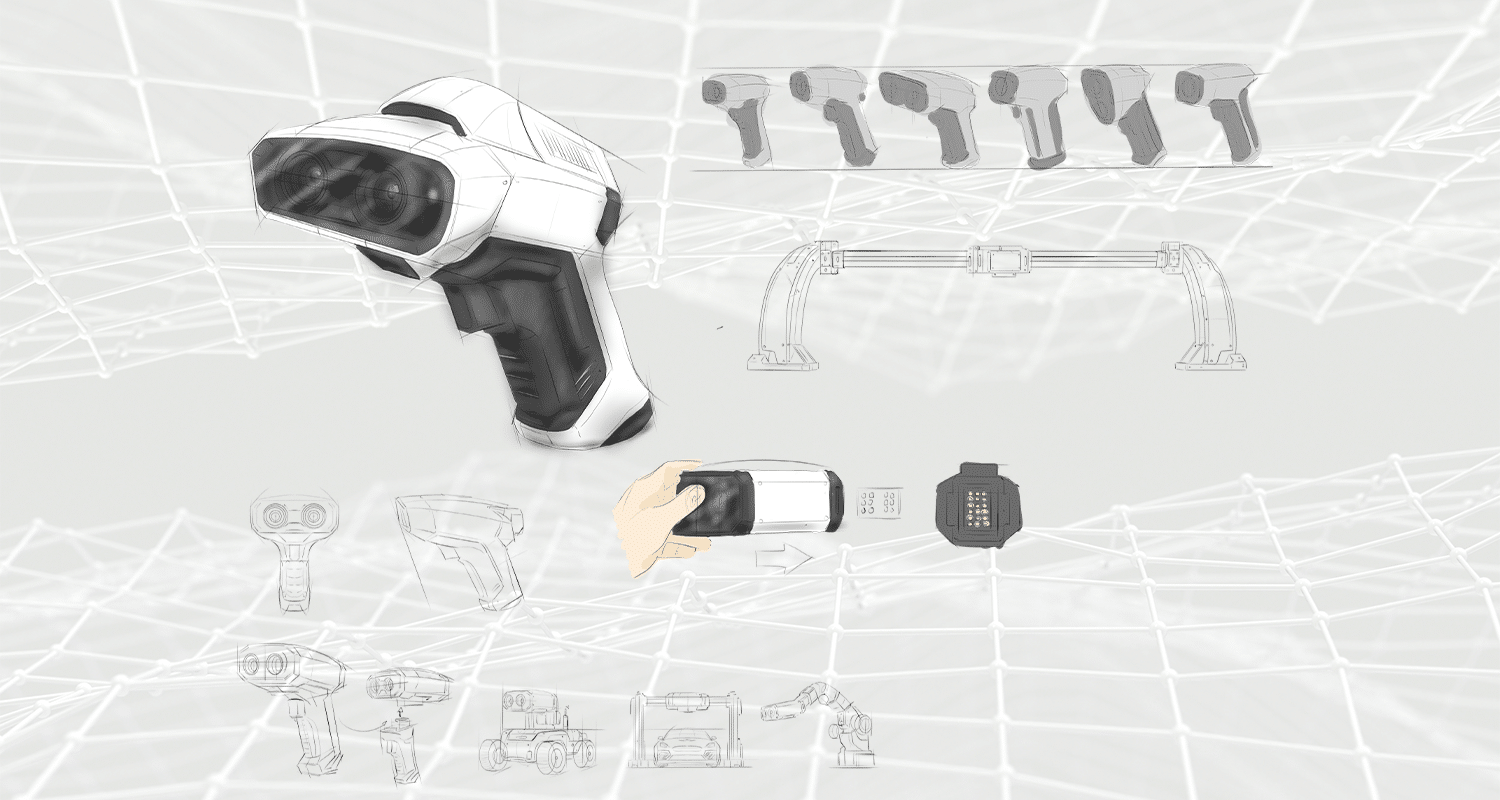
Following extensive research, industry interviews and analysis of existing technologies, the design process progressed into initial concept sketching. This stage explored various 3D scanner designs, ergonomic considerations and automated scanning configurations. Through creative exploration and iterative sketching, the initial concept was developed, establishing the foundation for CONTOURA’s modular and adaptable scanning system.
CAD DEVELOPMENT
Initial CAD
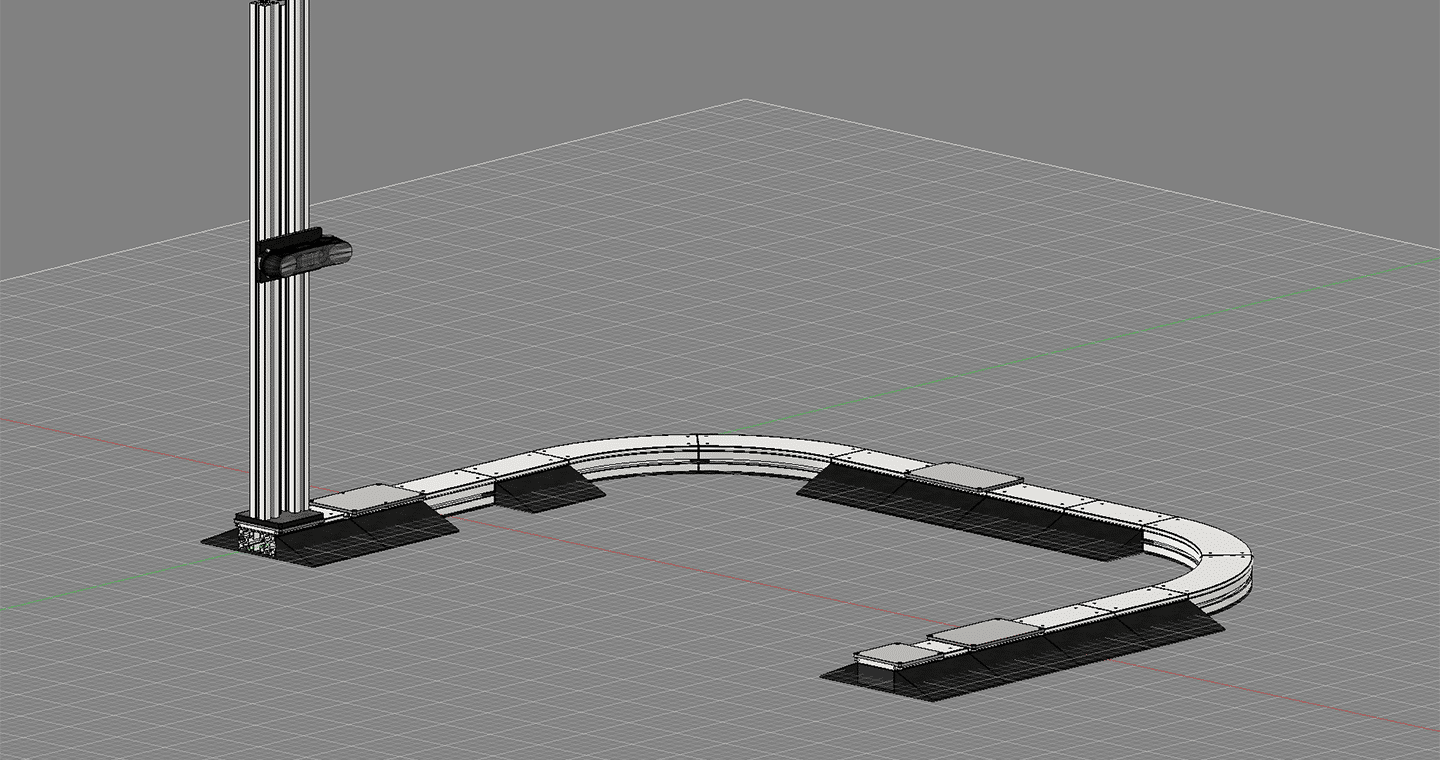
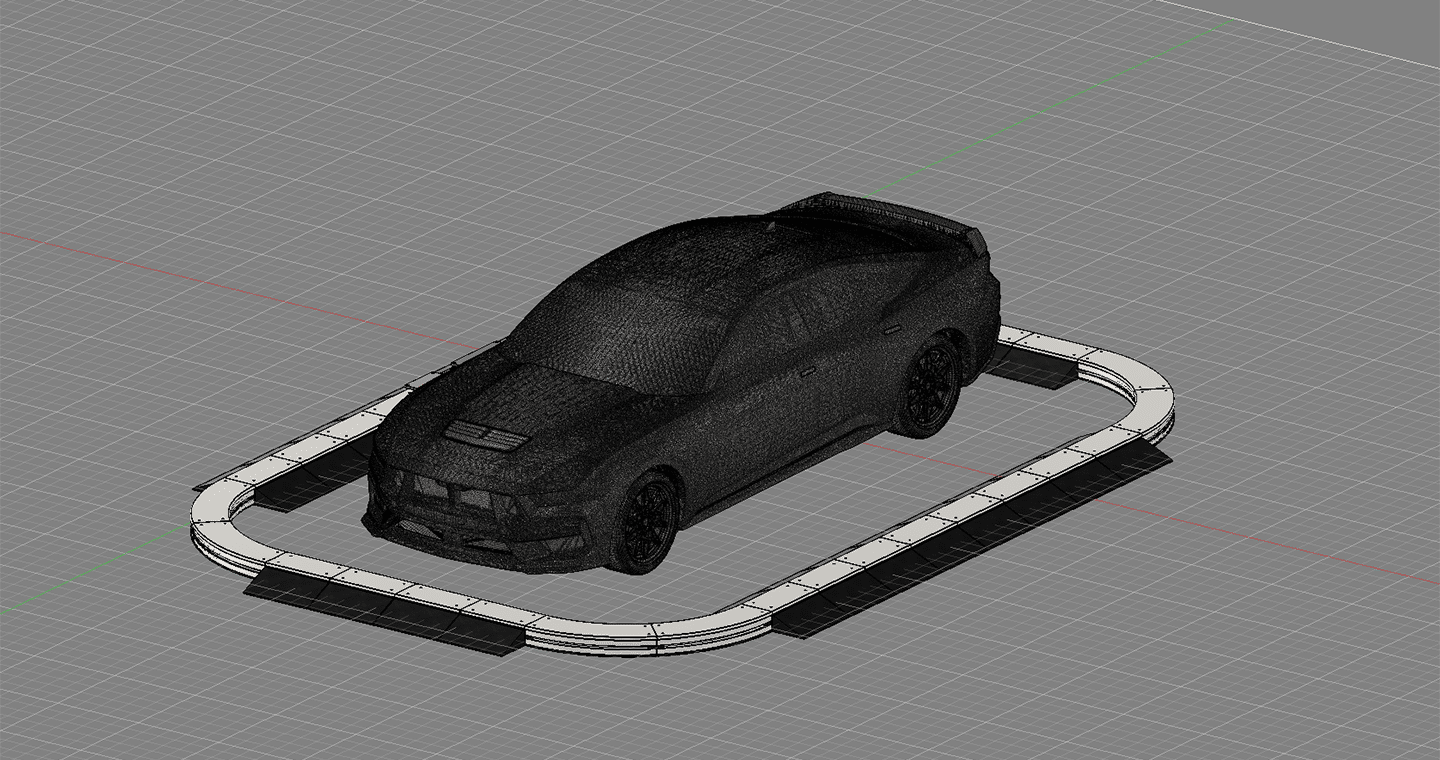
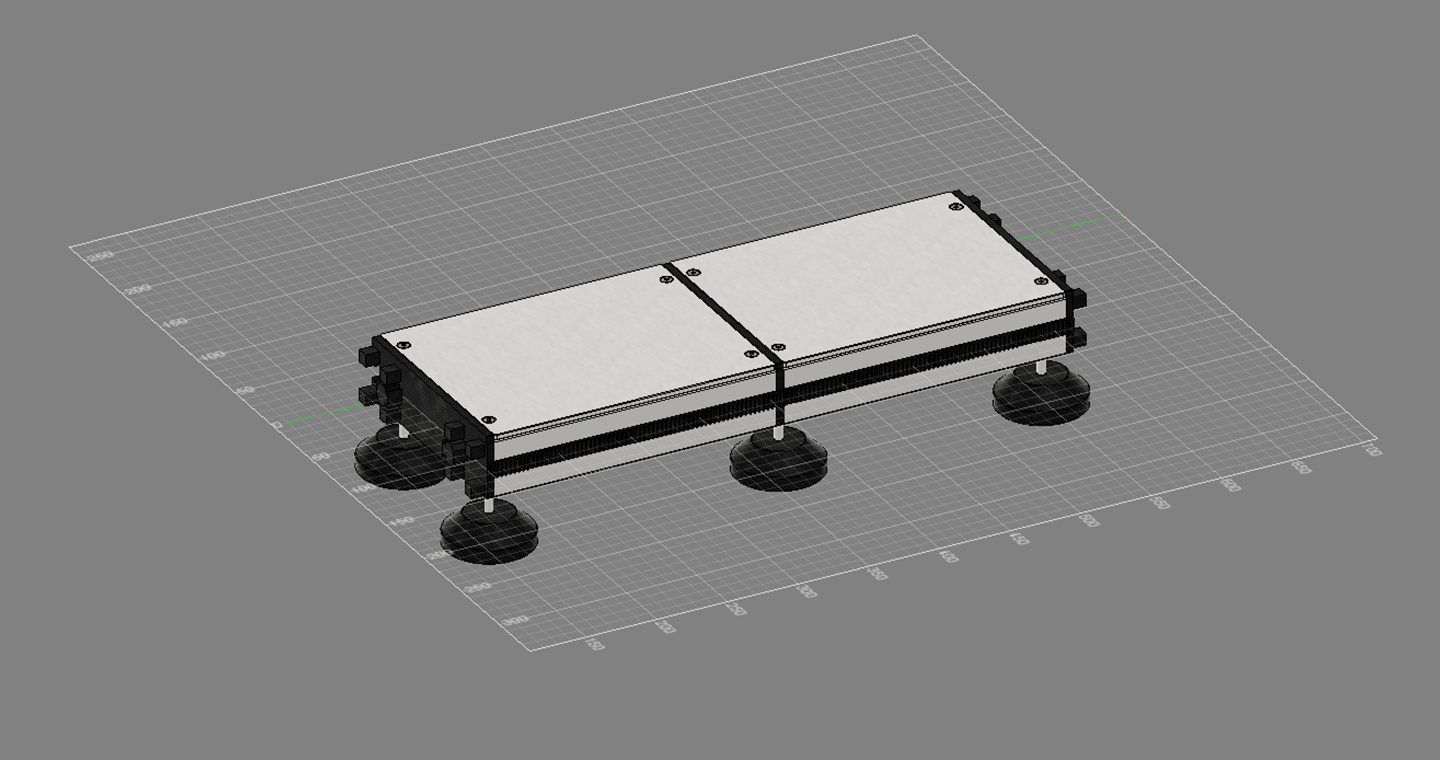
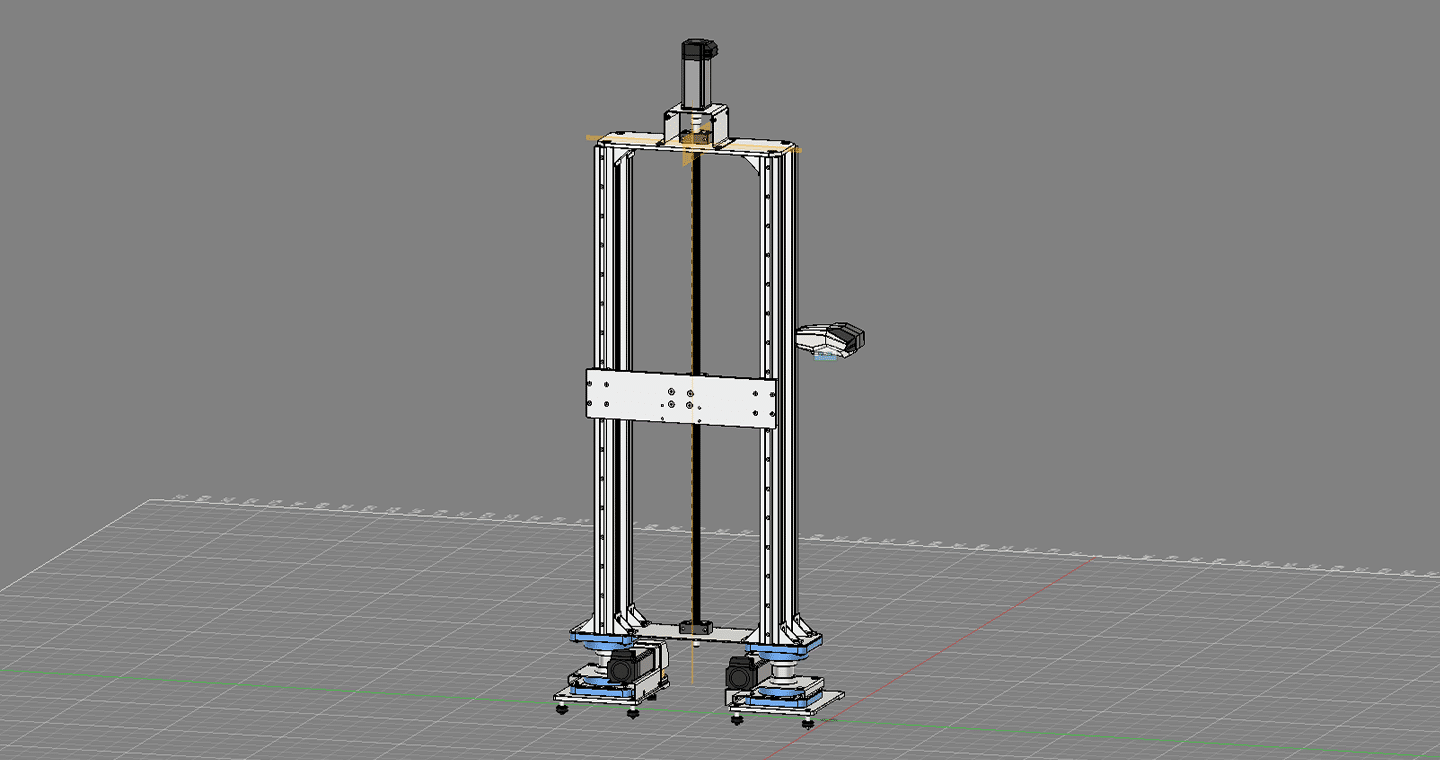
Initial CAD development focused on establishing the overall system dimensions, mechanical clearances and component positioning, using a 2026 Ford Mustang GT as a scale reference. Different track configurations were explored to assess scanner accessibility, vehicle clearance and overall proportions. At this stage, my priority was establishing a functional and practical design before progressing into detailed mechanical development and aesthetics. This approach allowed me to focus on how the system would operate, how components would interact and how the design could accommodate different vehicles and environments, ensuring that the final aesthetics would complement the system’s functionality rather than compromise it.
Final CAD DEVELOPMENT
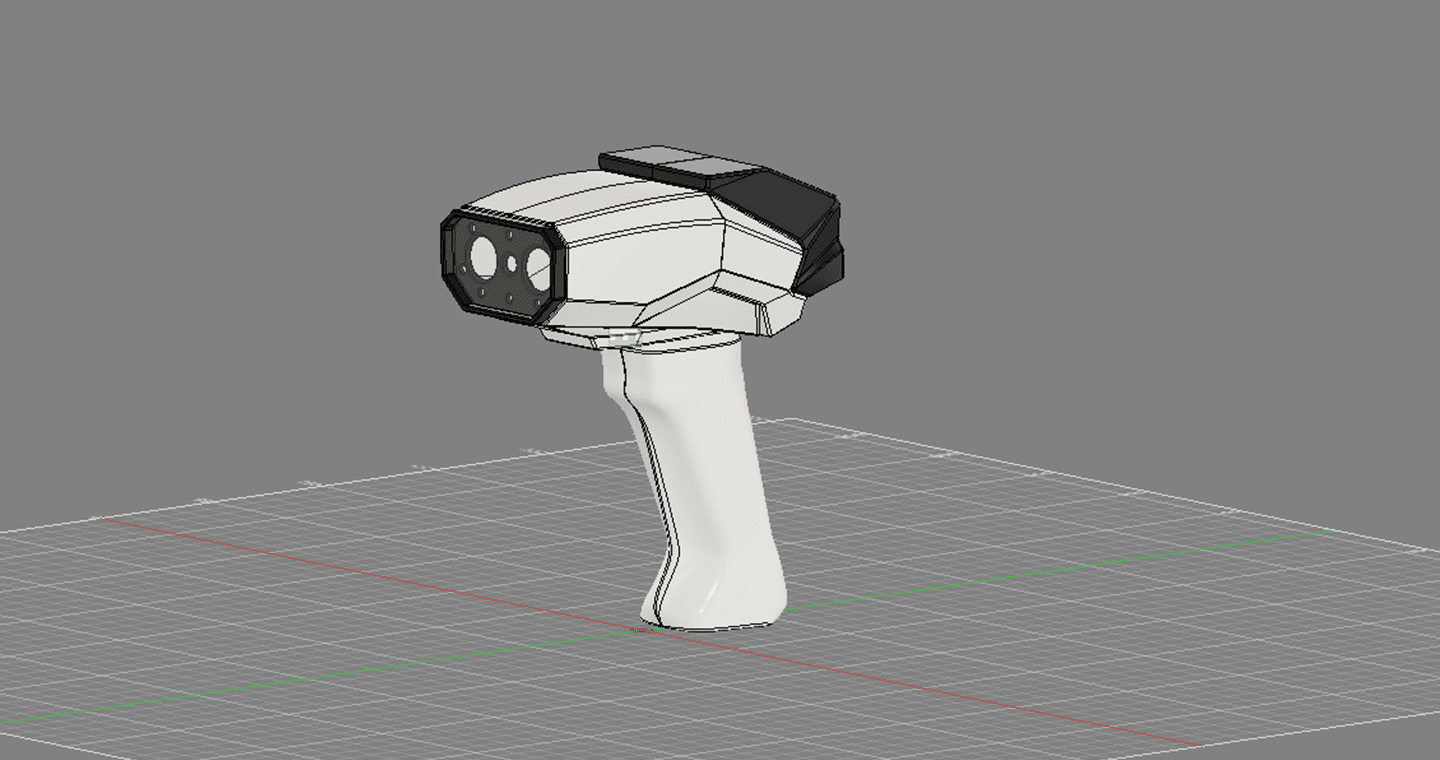
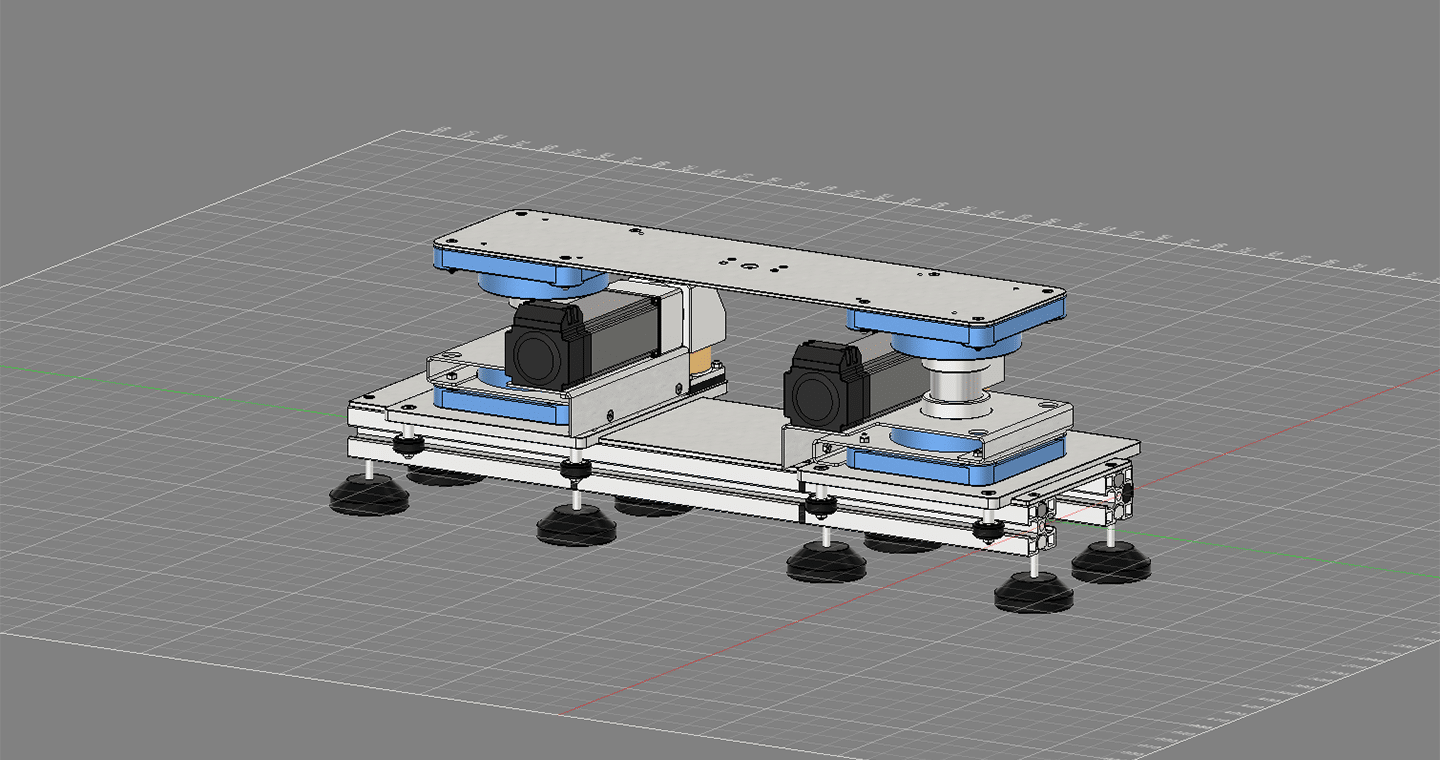
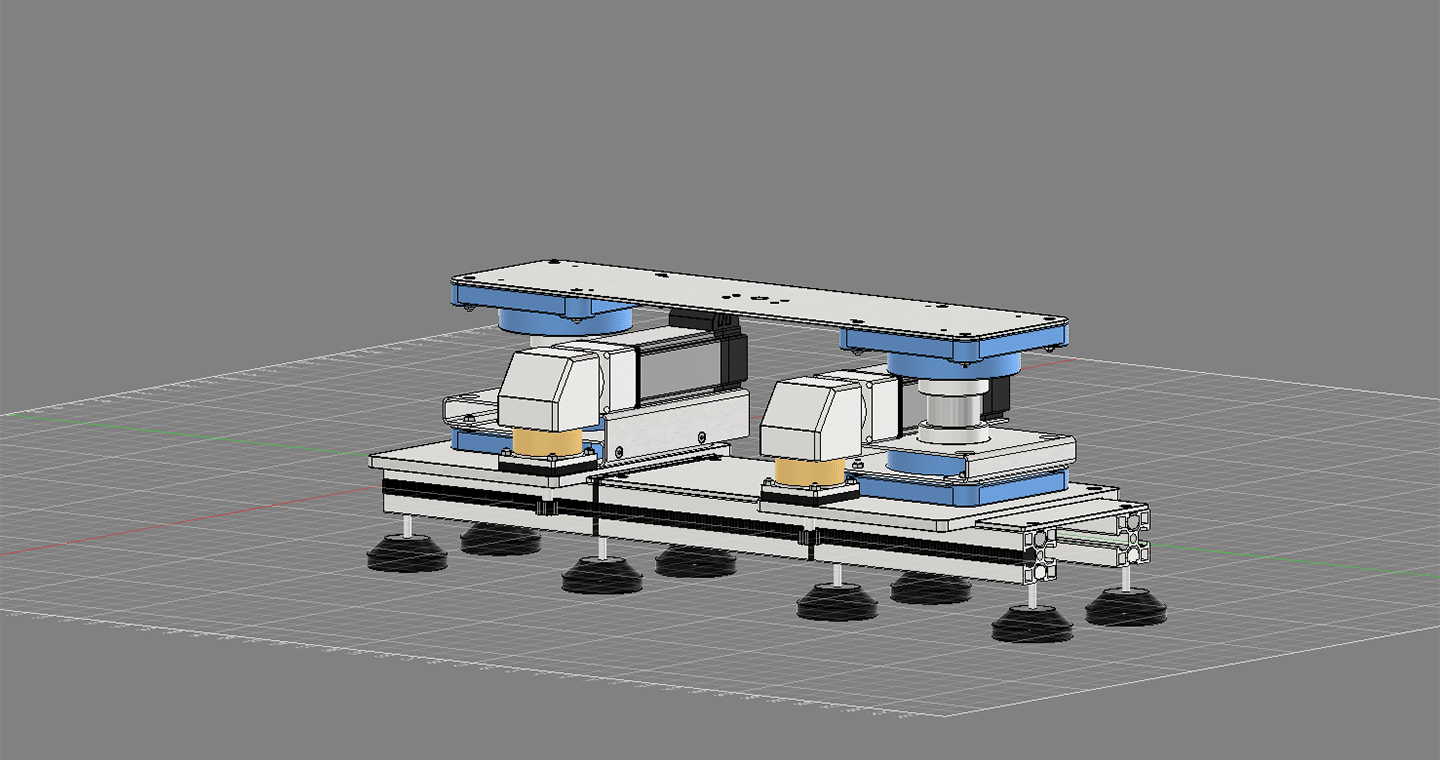
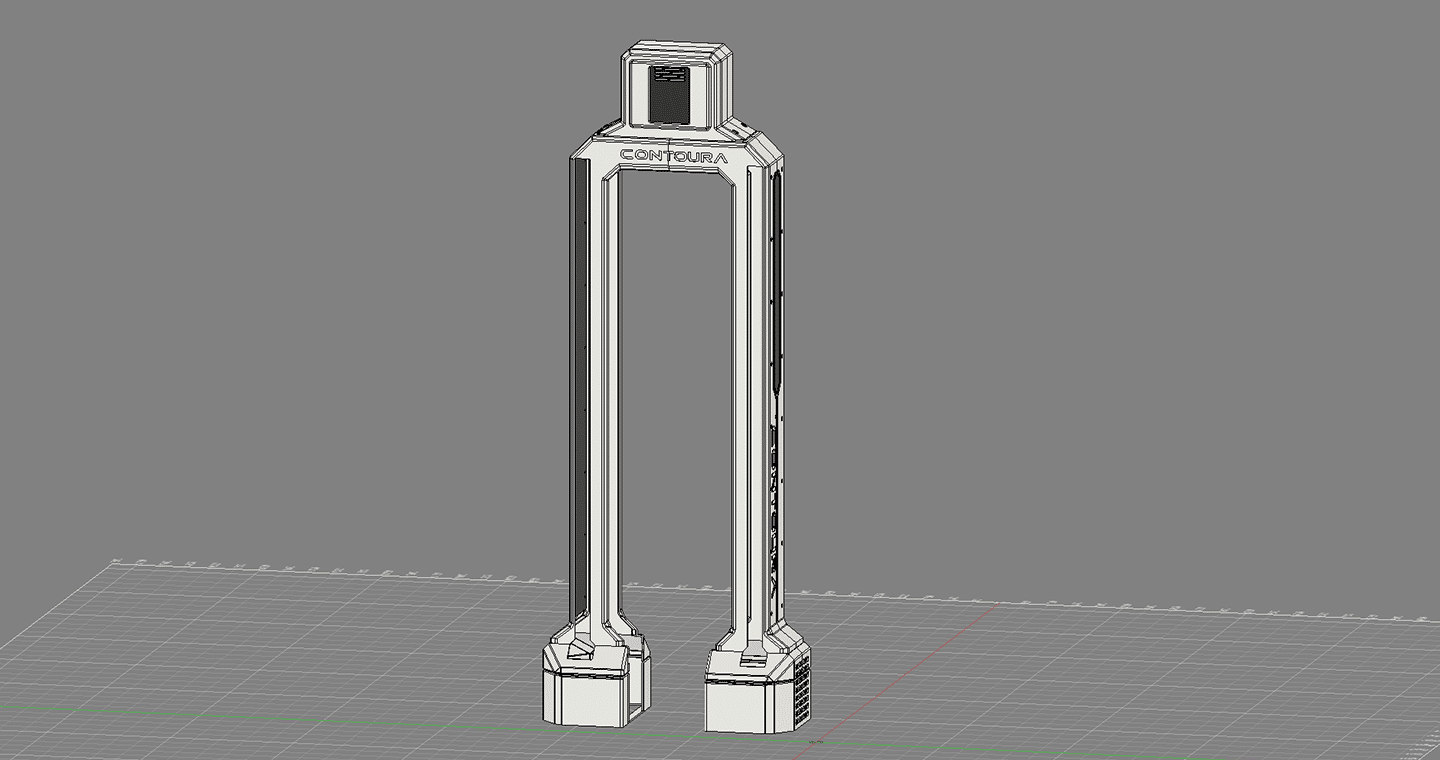
The CAD development process was completed in stages, working through individual components and sub-assemblies before integrating them into the complete system. Although I have previous experience using SolidWorks, I deliberately chose Autodesk Fusion to explore and compare its surface modelling capabilities, particularly when developing the custom scanner head and ergonomic handle. I continued using Fusion throughout the project as its hybrid modelling environment allowed me to seamlessly edit solid and surface bodies, convert them into components and assemble everything within the same design document. This workflow provided greater flexibility throughout development, allowing me to progressively refine component geometry, mechanical assemblies, clearances and manufacturability while maintaining a consistent design approach.
EXPLODED VIEW ANIMATION
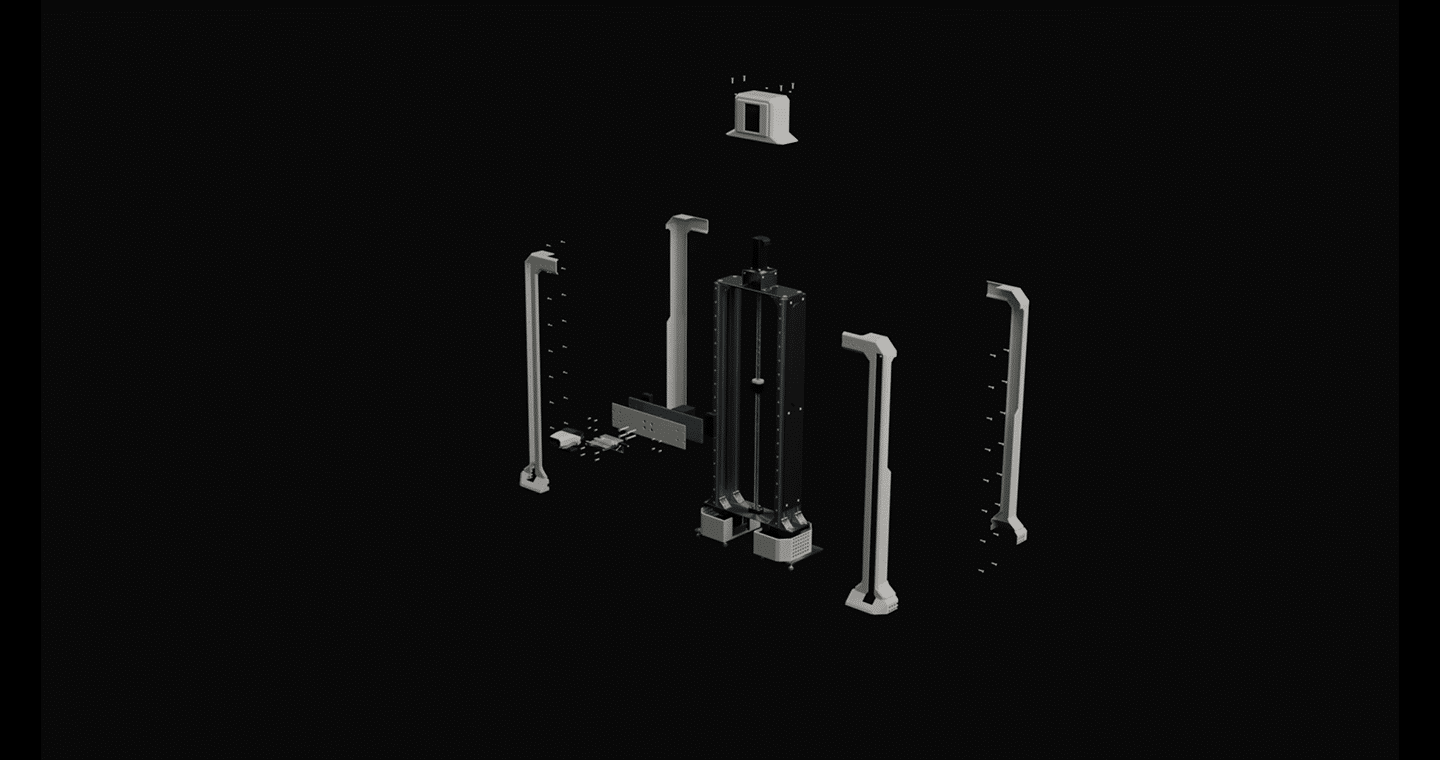
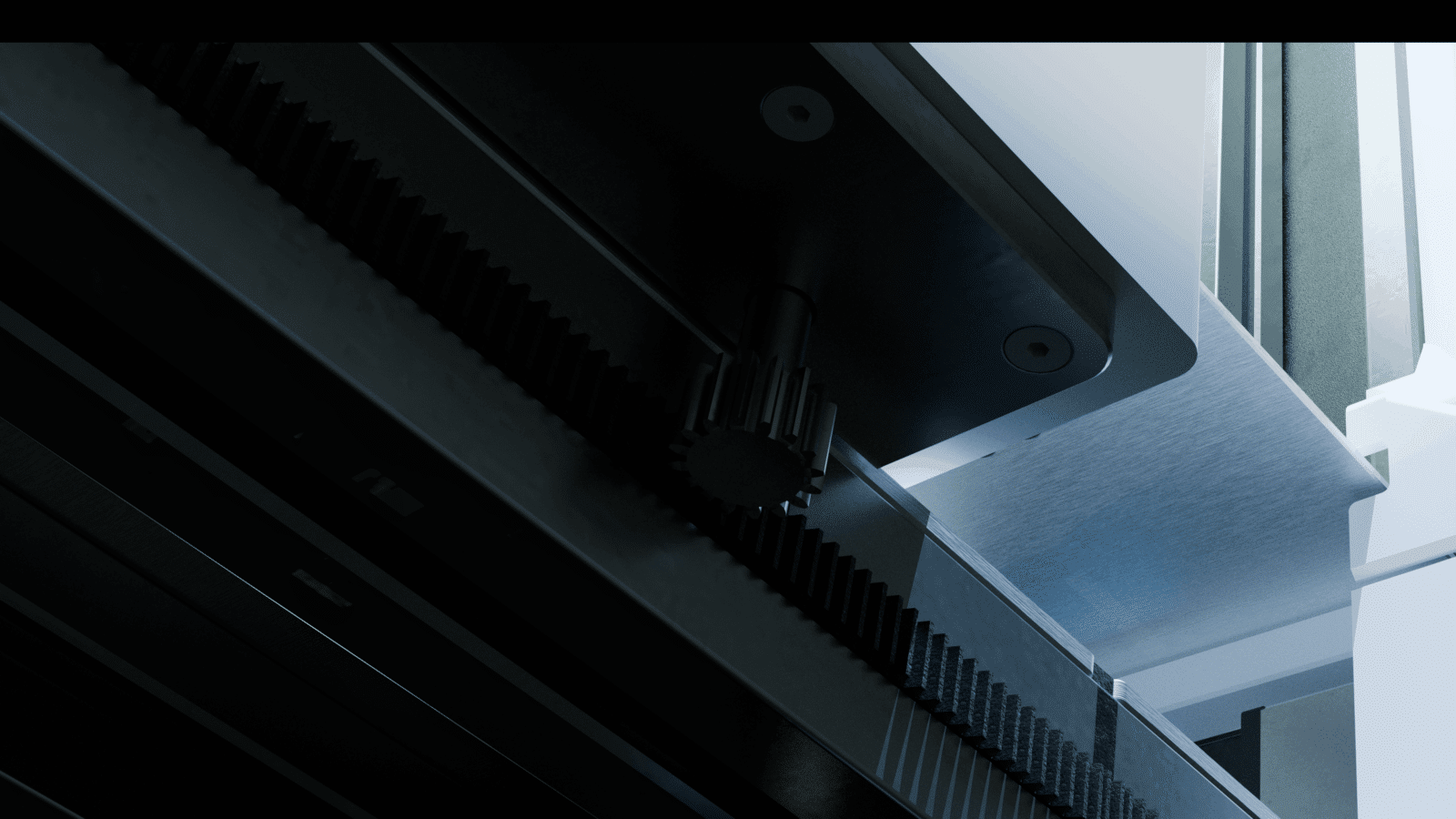
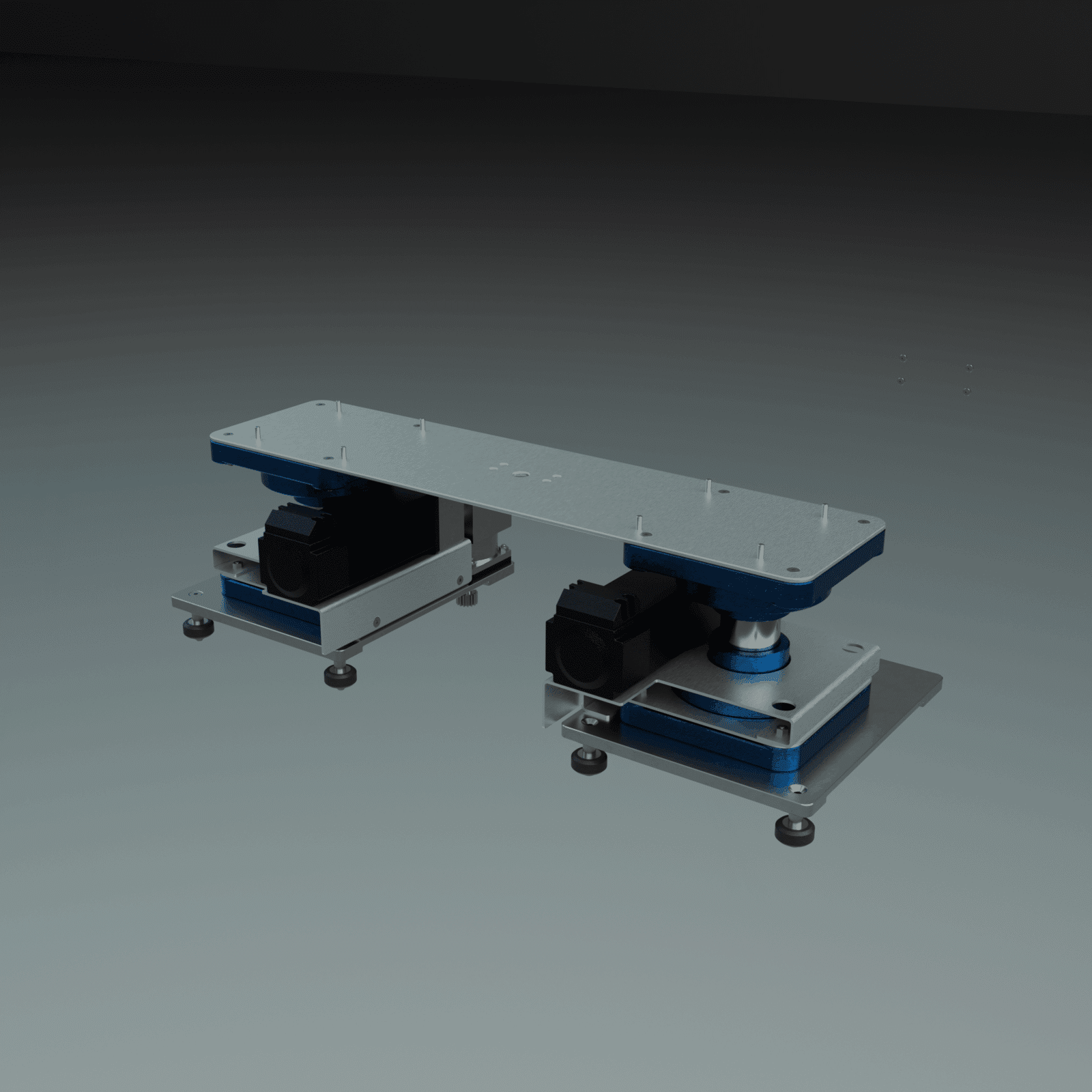
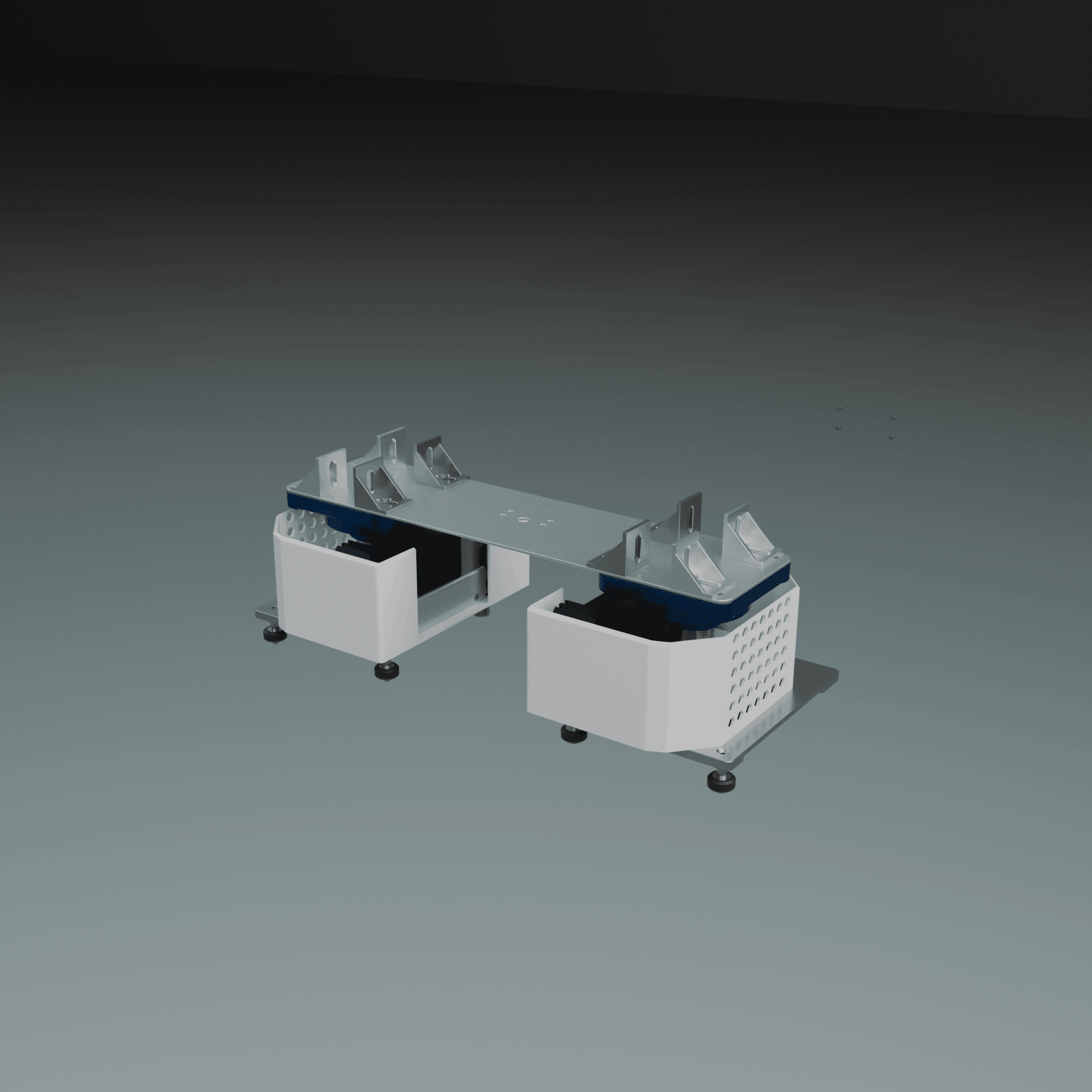
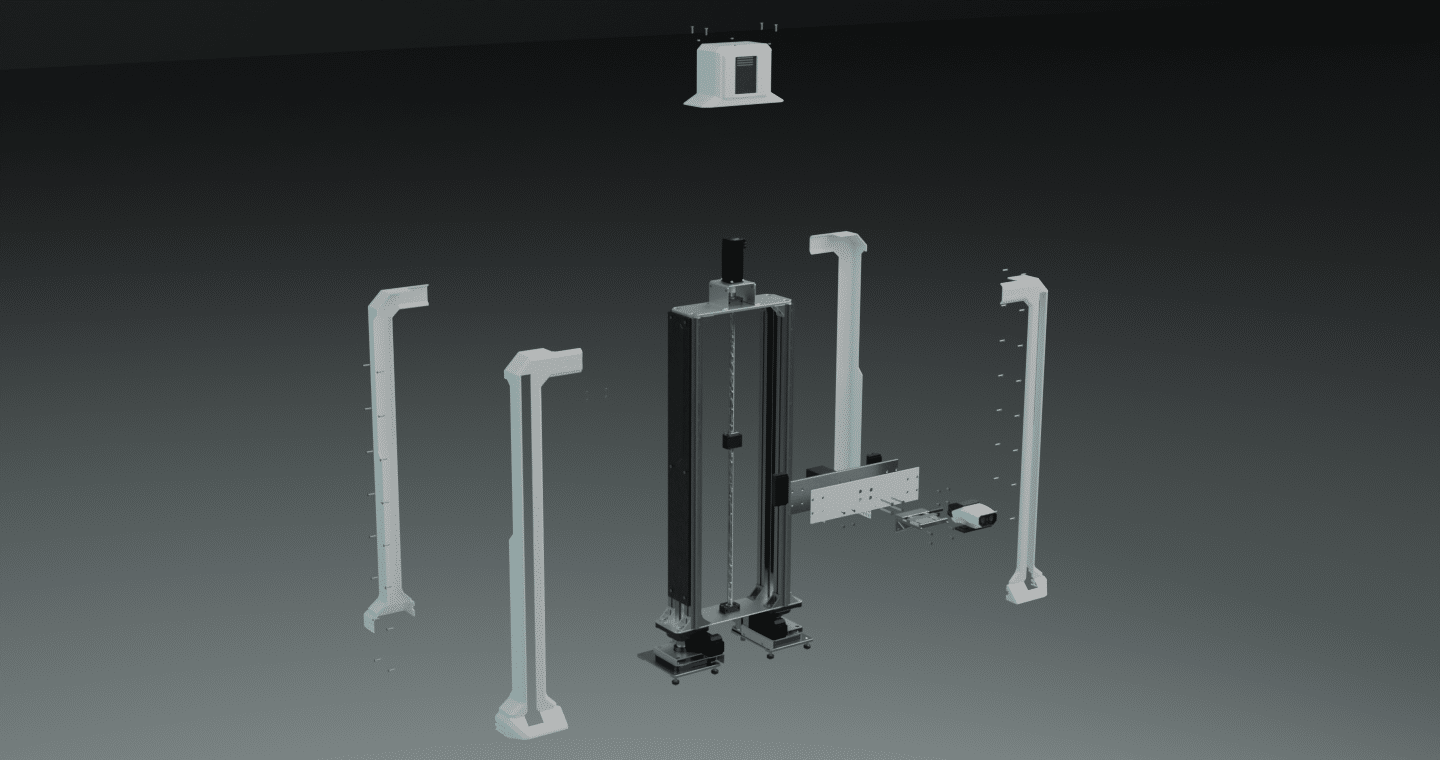
An important consideration throughout development was the integration of multiple manufacturing methods to balance functionality, manufacturability, cost, assembly and repairability. Custom sheet metal mounting plates were designed to provide structural support and rigidity, while injection-moulded ABS polymer housings offer a lightweight, durable exterior. This combination reduces overall weight compared to an entirely metal construction while maintaining structural rigidity in critical areas. Manufacturing costs were also considered, with sheet metal fabrication offering a cost-effective solution for structural components and injection moulding providing opportunities for efficient production at scale. Stainless steel machine screws were incorporated throughout the assemblies to simplify assembly and disassembly, allowing components to be easily accessed, repaired or replaced without damaging surrounding parts. This approach supports CONTOURA’s modular design philosophy, reducing assembly complexity, simplifying maintenance and extending the product’s lifespan while minimising unnecessary material waste and replacement costs.
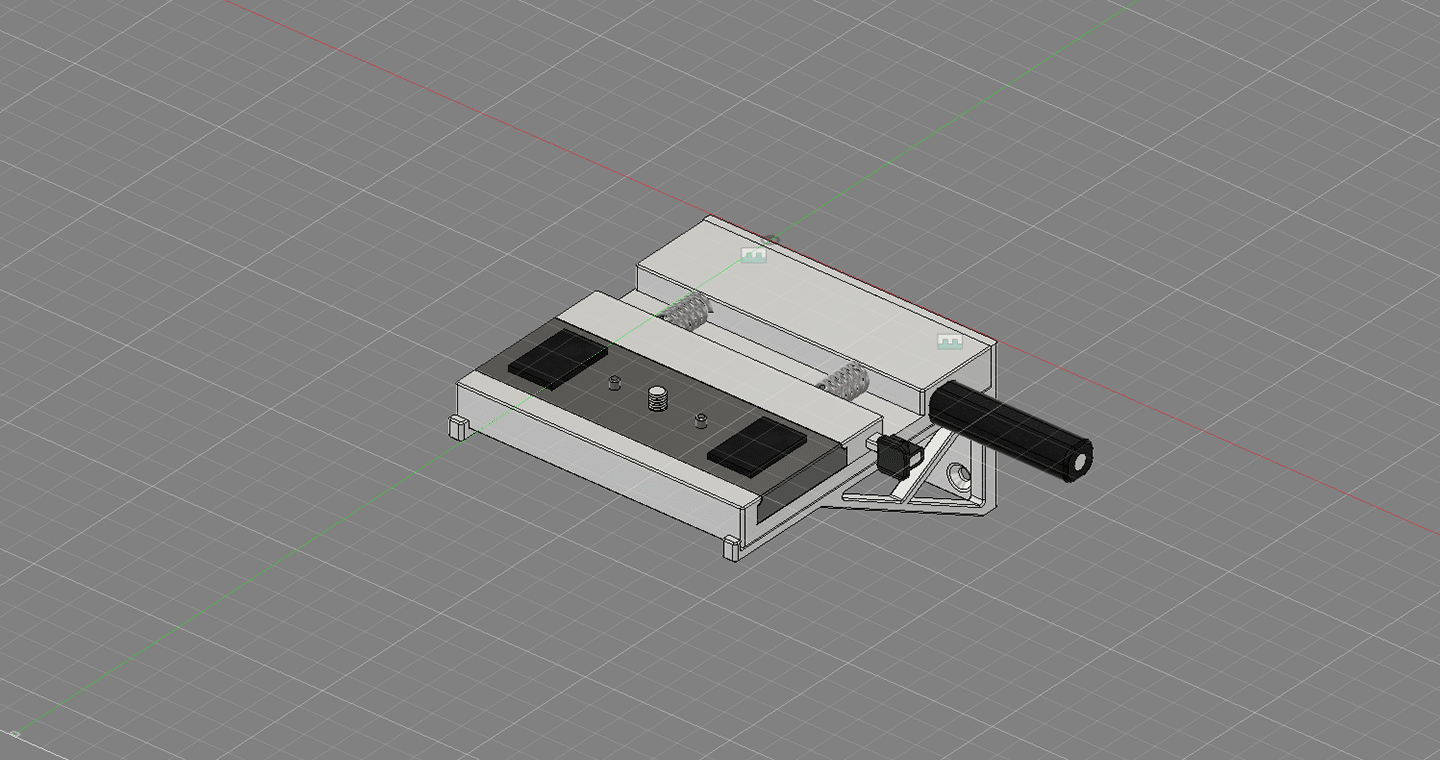
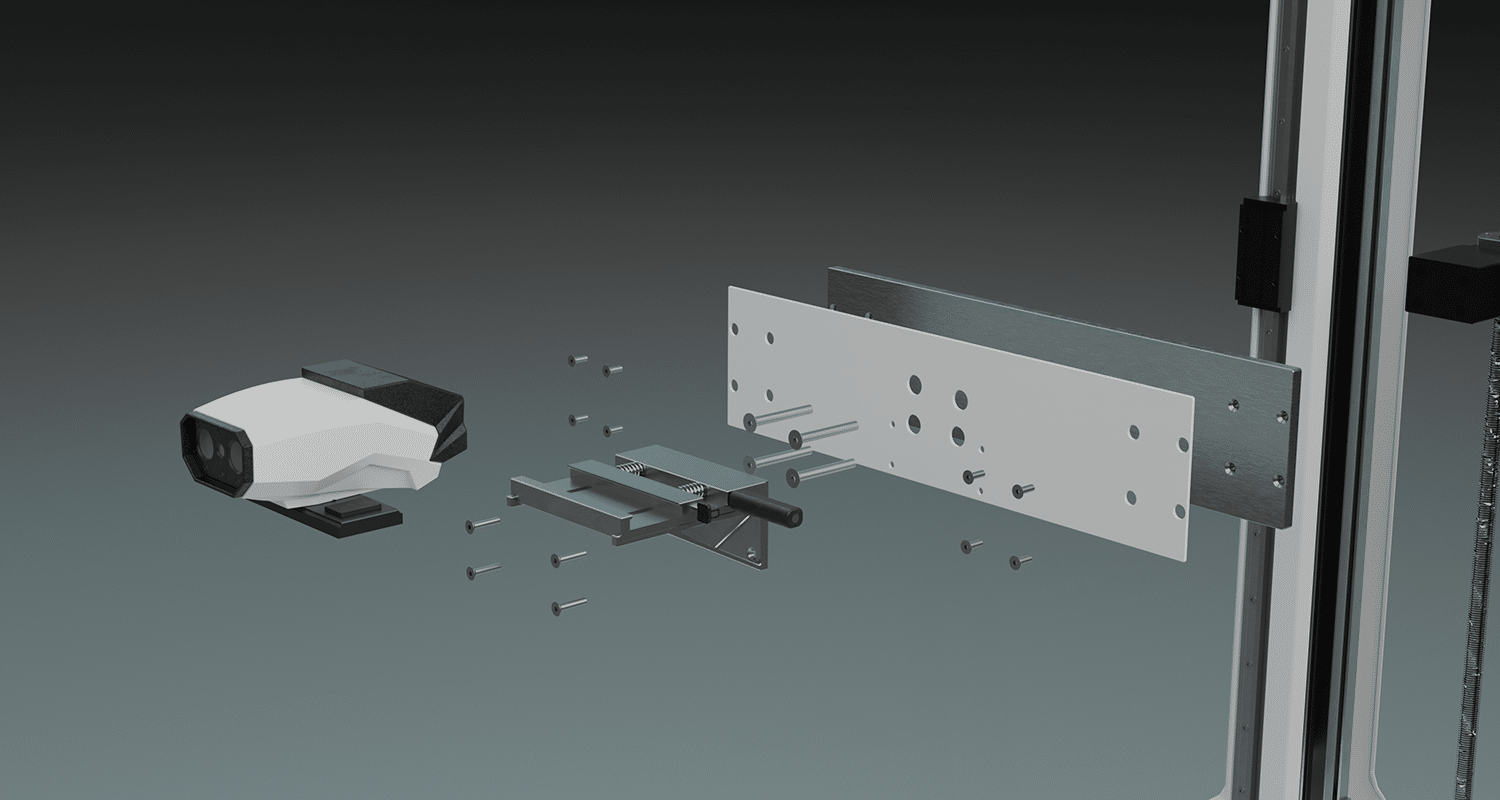
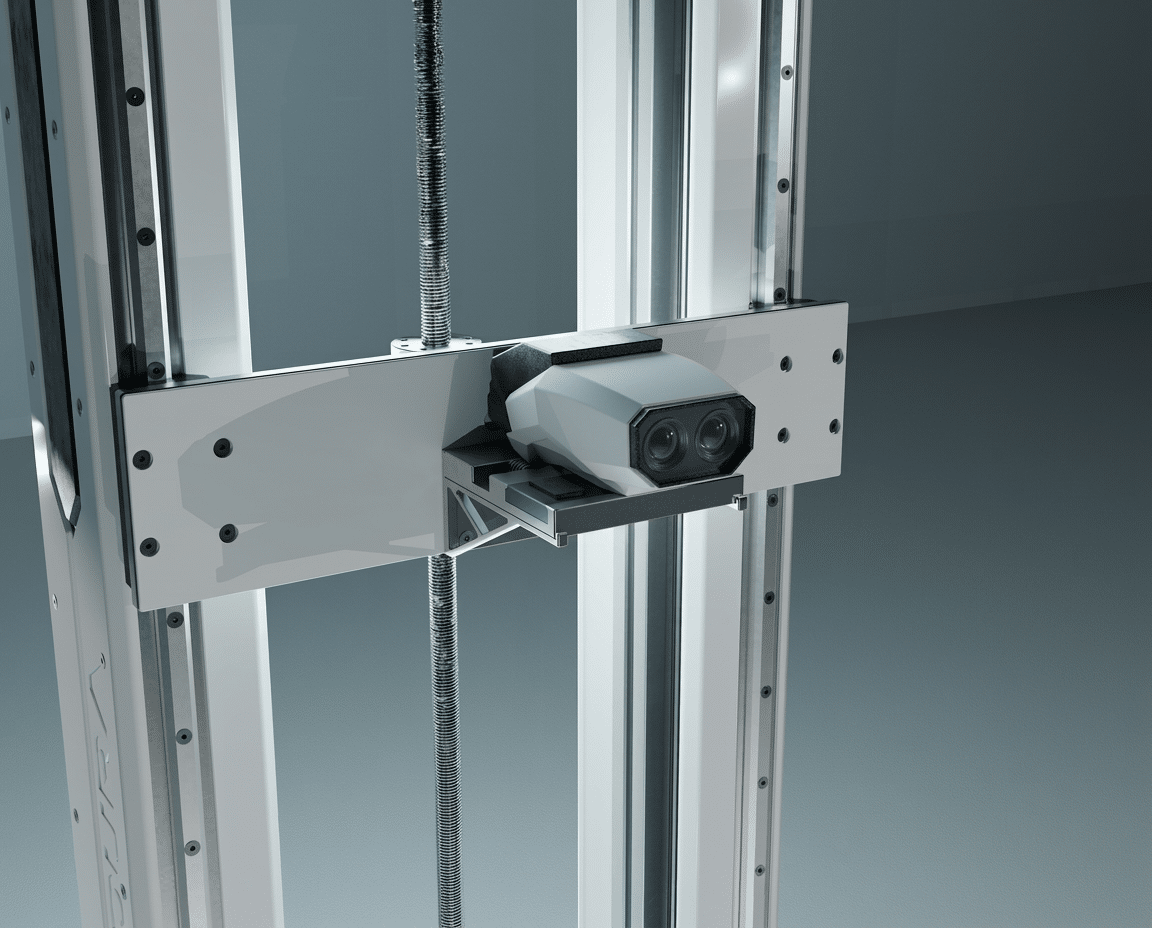
The scanner mounting assembly was developed with flexibility, accessibility and ease of maintenance in mind. By incorporating interchangeable mounting components and a universal quick-release mechanism, the system can accommodate a wide range of 3D scanners and cameras without requiring a complete redesign. Beyond 3D scanning, this versatility allows CONTOURA to support additional applications, including photogrammetry, UV mapping, photography and videography, expanding its potential uses within motorsport and automotive R&D. Throughout development, I focused on simplifying the assembly, reducing unnecessary complexity and ensuring individual components could be easily accessed, replaced or upgraded, allowing the system to adapt to evolving technologies and user requirements.
RENDER GALLERY
Modular Design & Repairability
A key focus throughout CONTOURA’s development was designing custom components and modular sub-assemblies with repairability, accessibility and longevity in mind. Major assemblies, including the lower mechanical drive structure and upper gantry assembly, were designed to be independently assembled, removed, serviced or replaced without requiring an entirely new system. Where practical, commercially available components were integrated alongside custom-manufactured parts, simplifying sourcing, reducing manufacturing costs and improving long-term maintenance. This modular approach allows individual components and complete sub-assemblies to be repaired, replaced or upgraded as technologies and requirements evolve. By prioritising serviceability and interchangeable components, CONTOURA aims to minimise unnecessary waste, reduce long-term ownership costs and extend the product’s lifespan, supporting a more sustainable and adaptable approach to product design.
SUMMARY
CONTOURA represents the culmination of four years studying Industrial Design and has been one of the most challenging and rewarding projects I have undertaken. Throughout its development, I have strengthened my skills in CAD modelling, mechanical design, manufacturing considerations, visualisation and problem-solving, while learning the importance of balancing creativity with practical engineering. I’ve always had a passion for tinkering, understanding how things work and finding ways to improve existing products. This project has reinforced my ambition to pursue a career in product design and research and development, where I can continue exploring new technologies and turning ideas into practical solutions. My goal as a designer is to create products that go beyond functionality and aesthetics, with an emphasis on durability, affordability, accessibility and long-term value. I believe good design should consider the entire product lifecycle, prioritising modularity, repairability and responsible material choices to create products that are not only innovative, but built to last. While CONTOURA would benefit from further engineering and refinement before production, I’m incredibly proud of what I’ve achieved and excited to continue developing my skills and contributing to the industry.
Riley Van Niekerk
Riley Van Niekerk is a fourth-year Industrial Design student with industry experience in automotive components, electronics and HVAC systems. His background includes a BMW Academy design internship and hands on experience in product development and manufacturing. Passionate about innovation, he specialises in CAD modelling, advanced manufacturing and prototyping, with a focus on functional, sustainable and durable product design.