Industrial - Bachelor

SANARA: Redesigning IFAKs for an Expanding Market

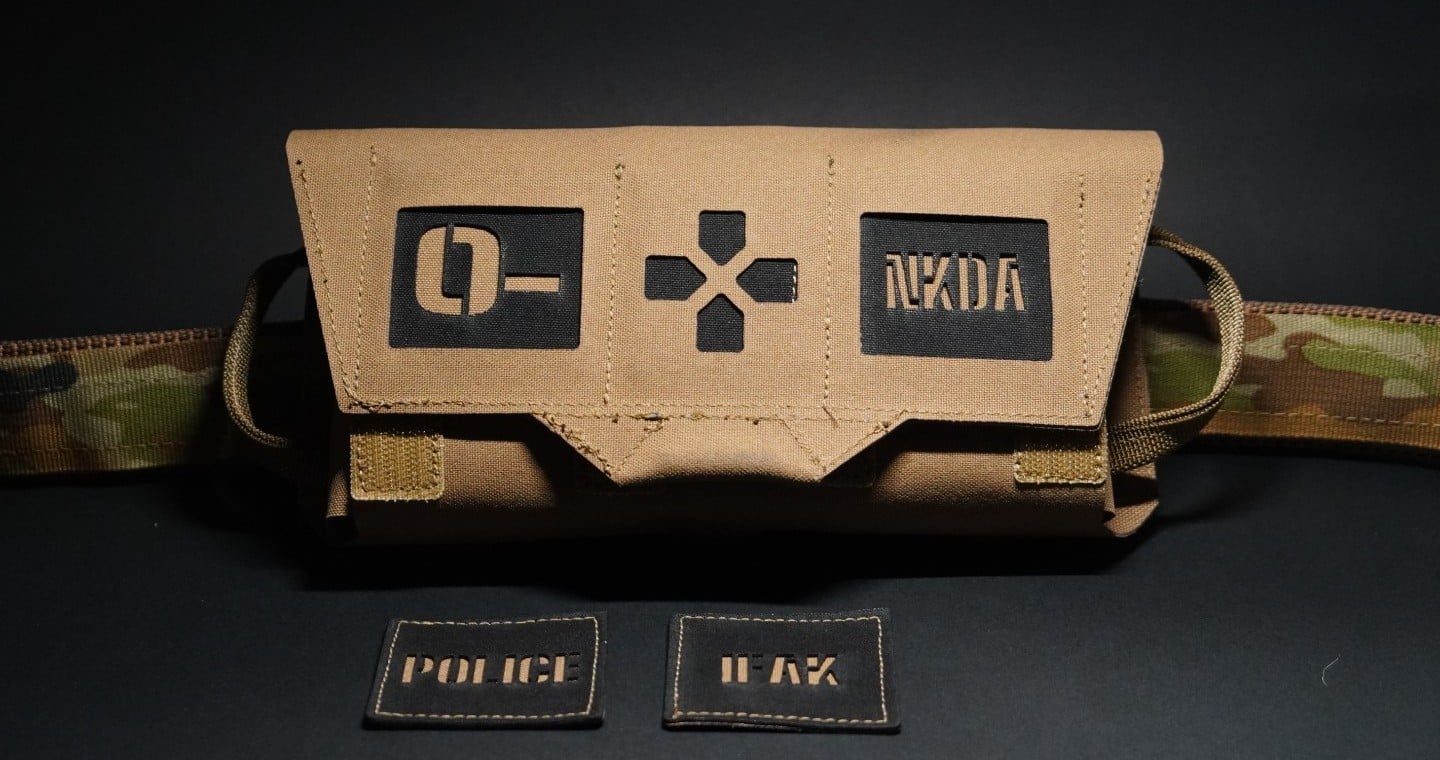
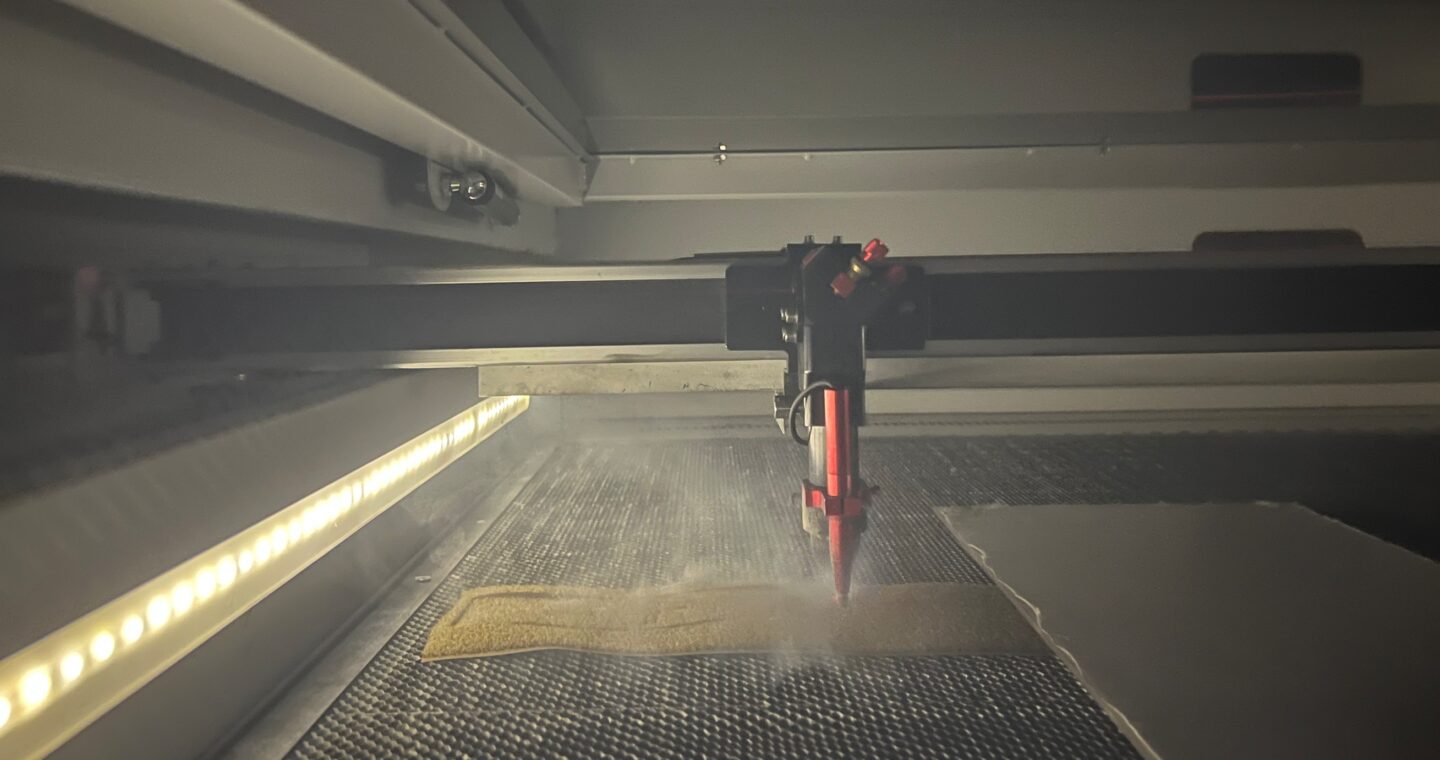
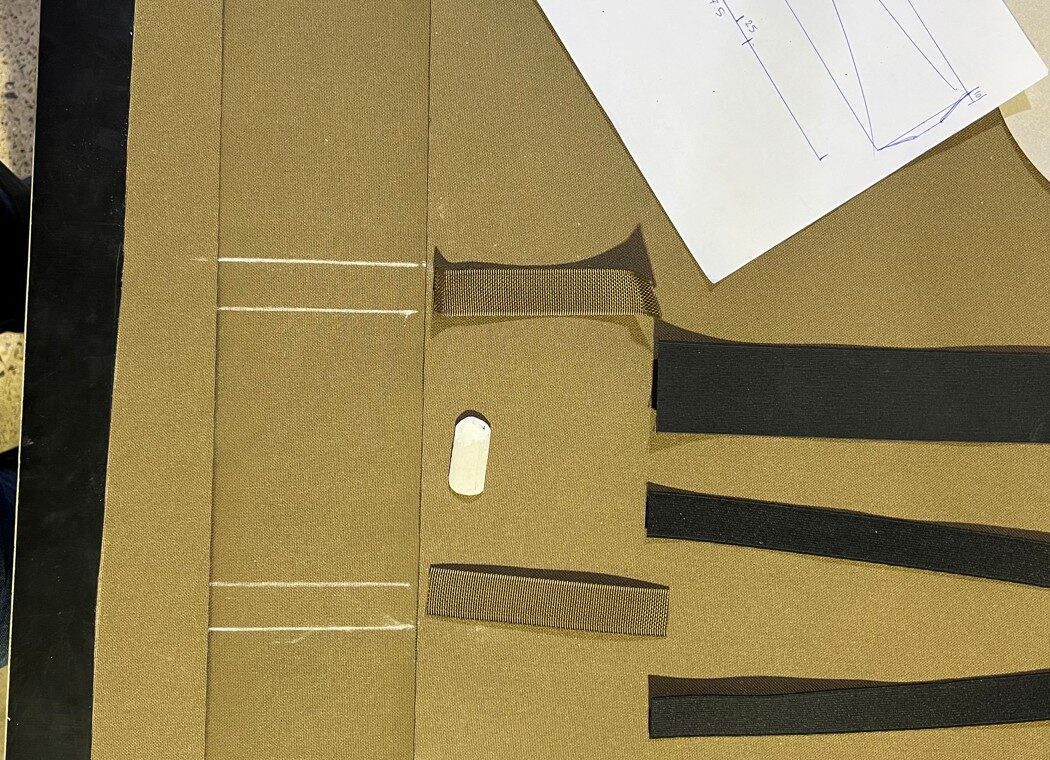
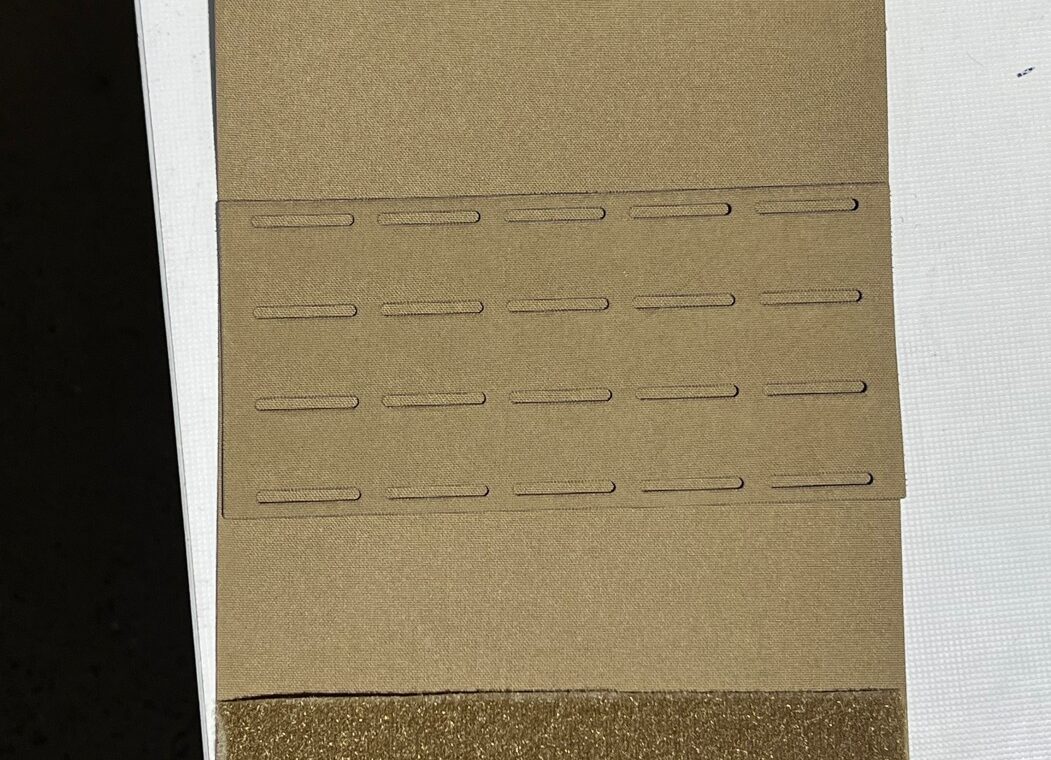
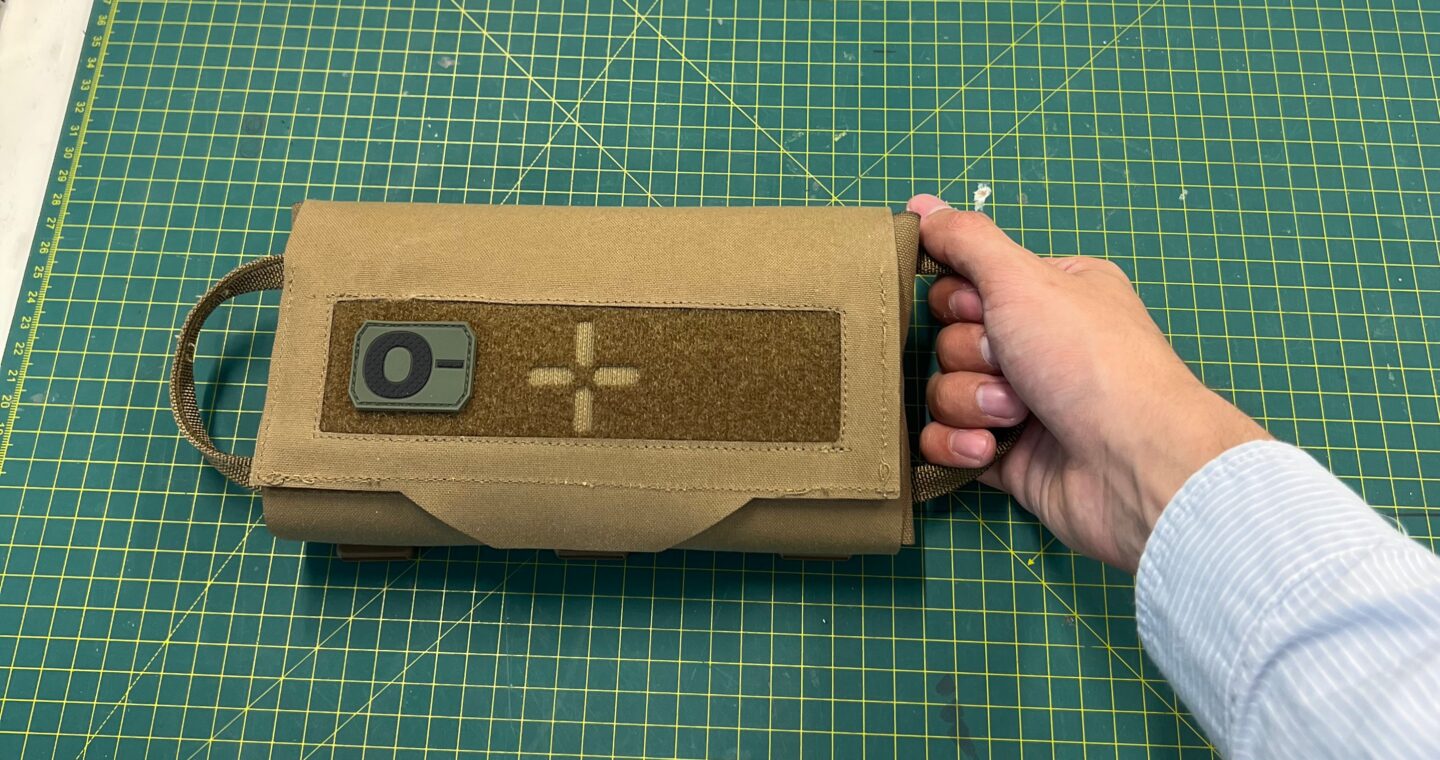
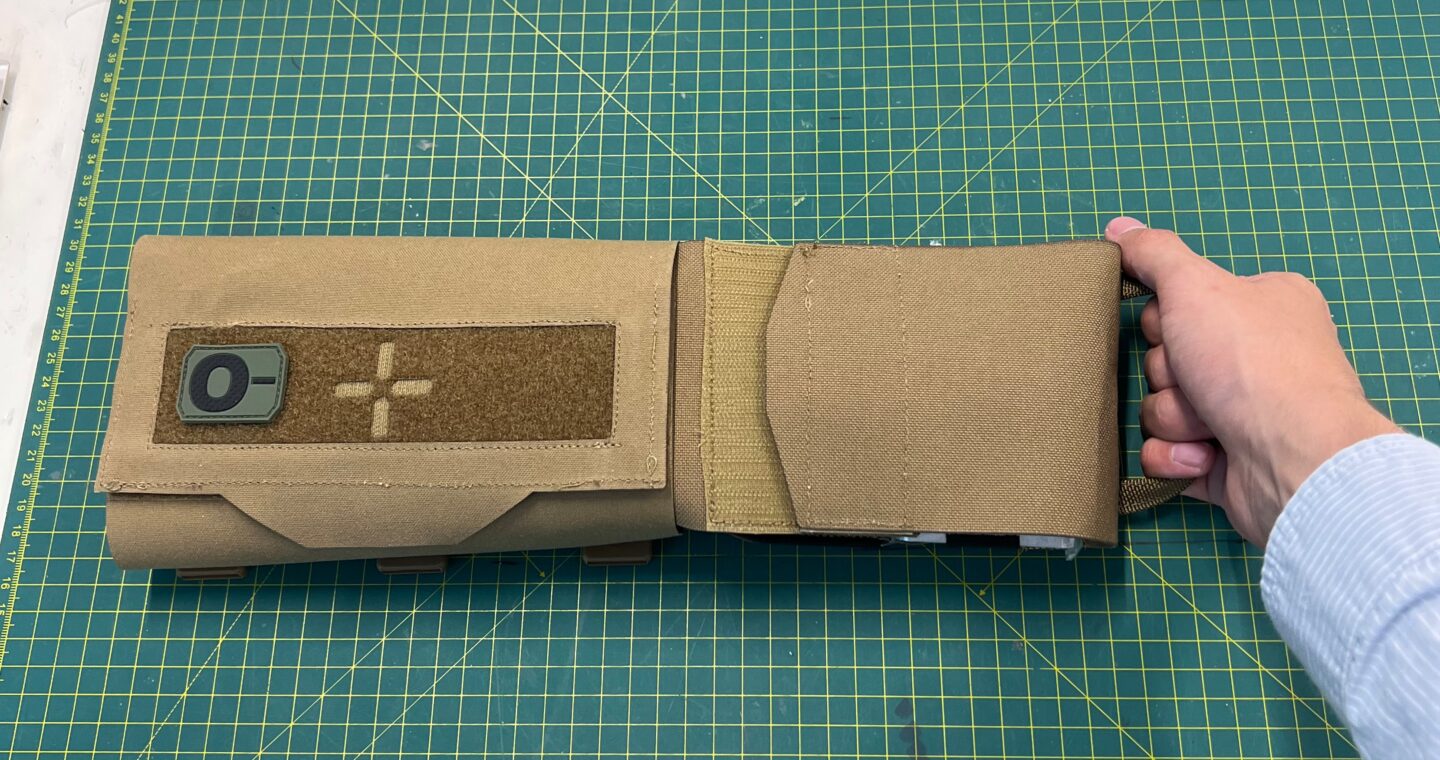
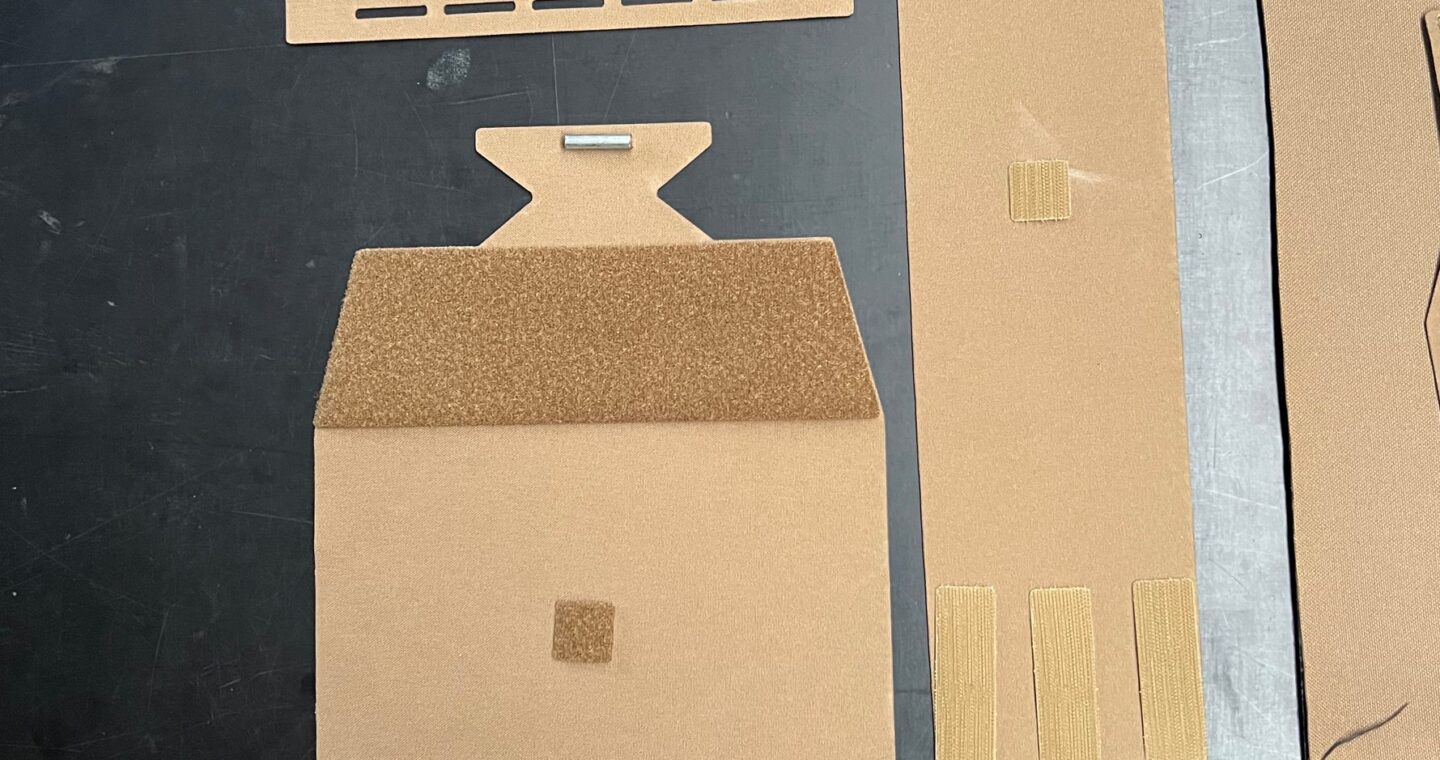
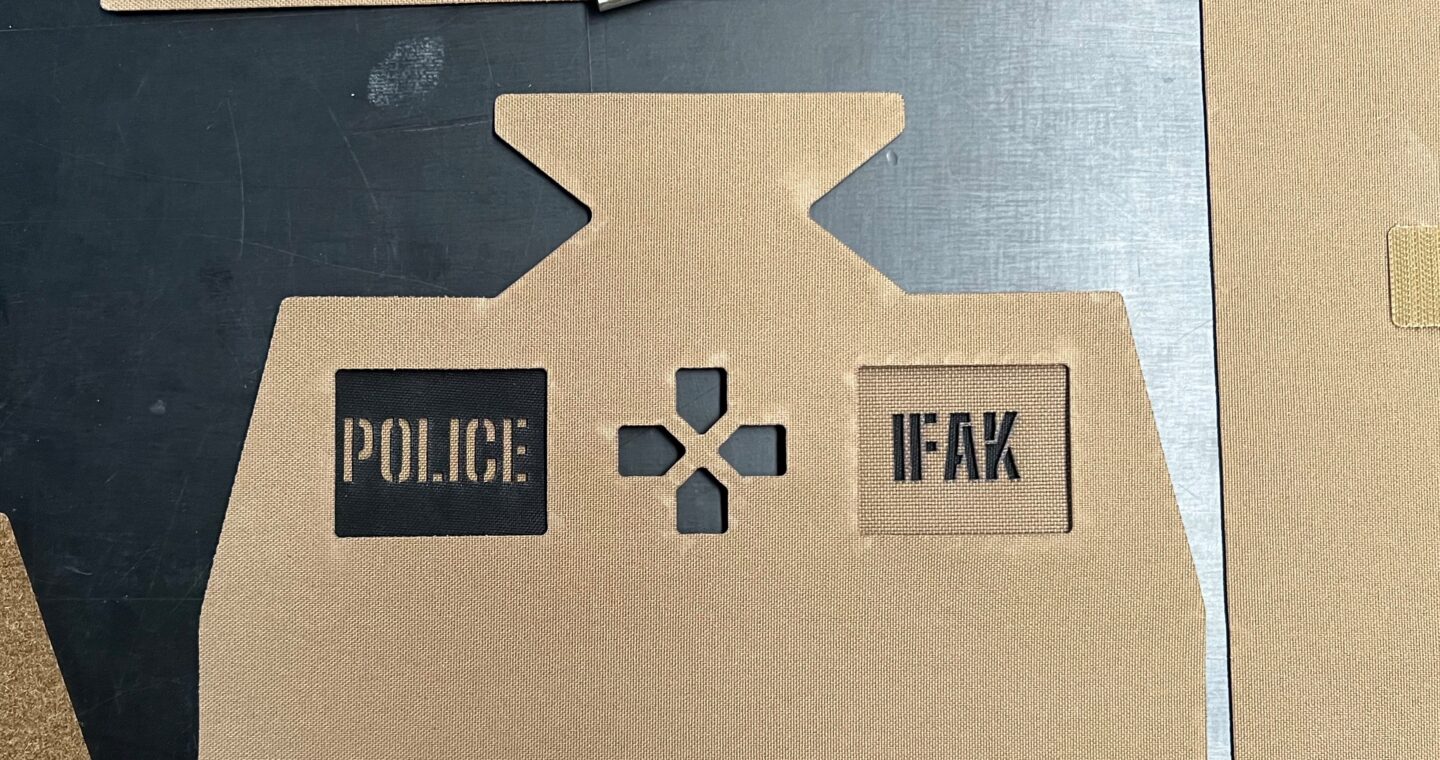
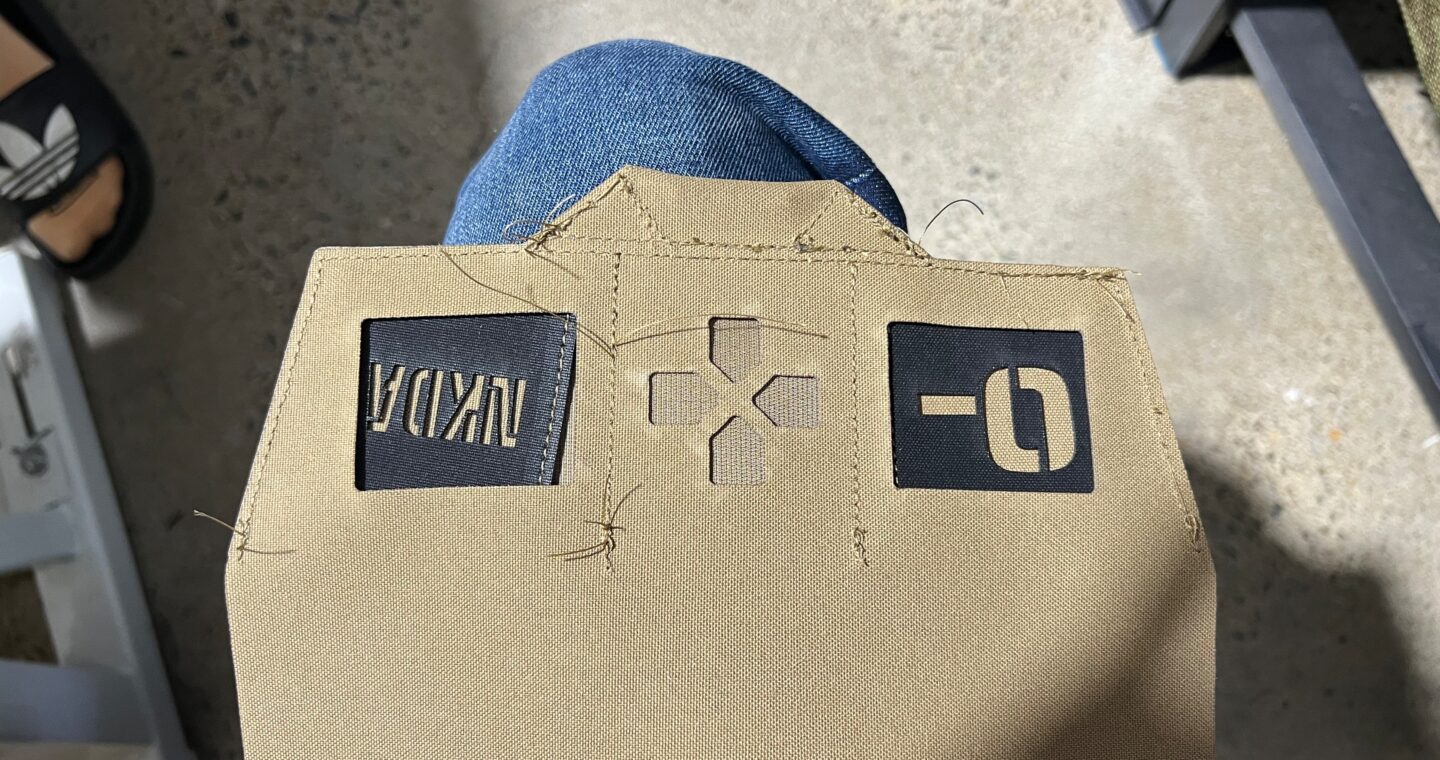
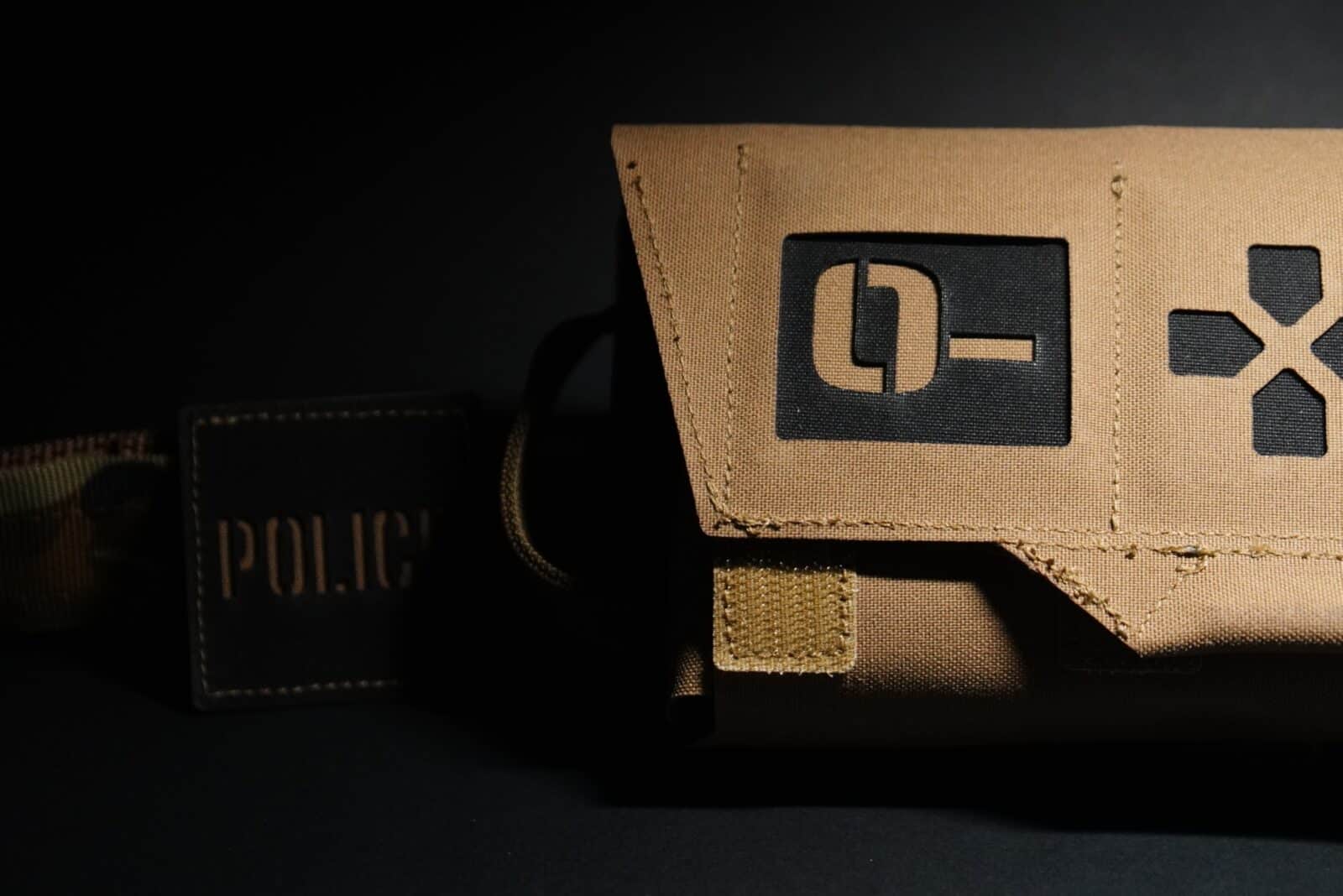
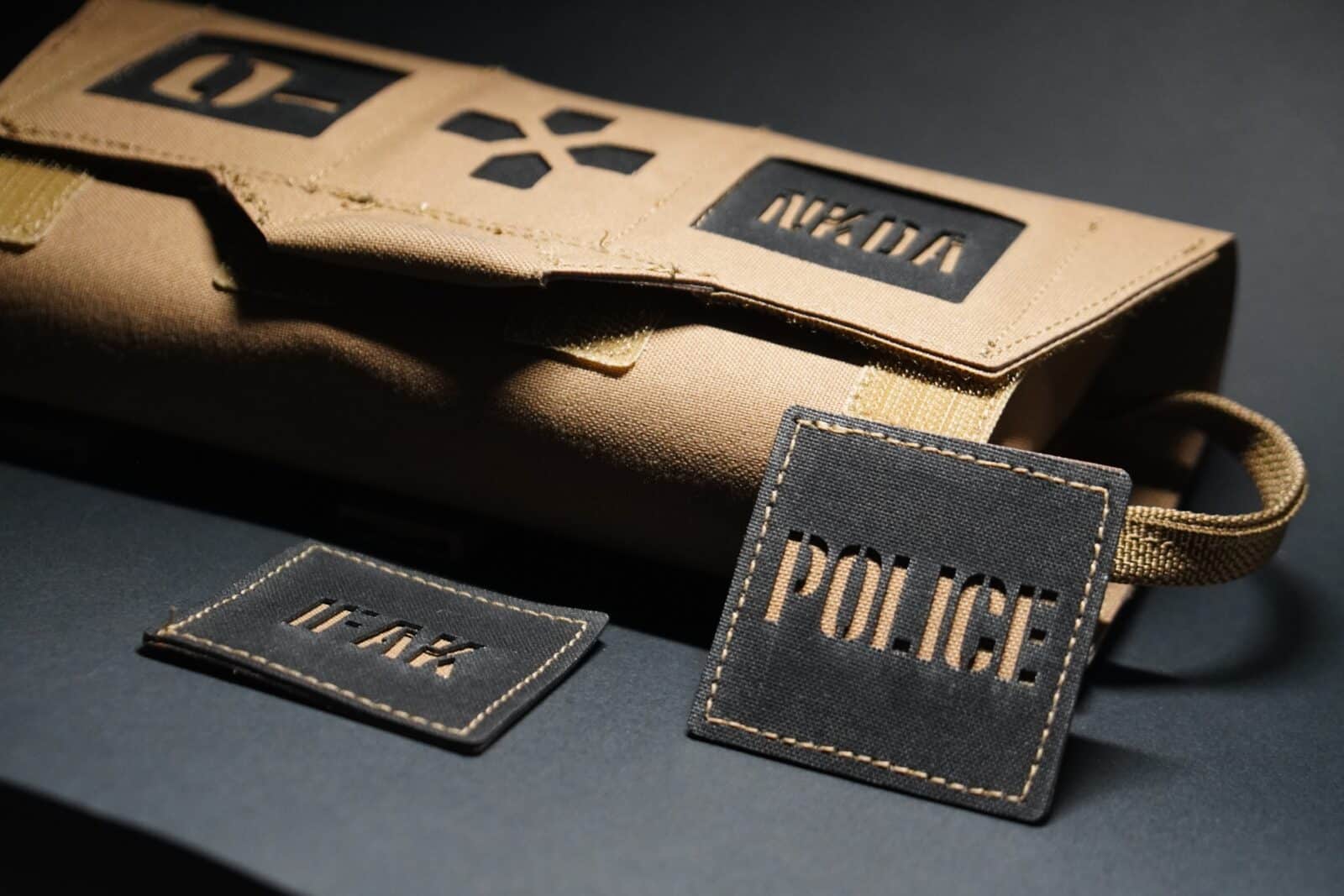
SANARA is a low-profile Individual First Aid Kit pouch for people in remote areas, from soldiers and police to an emerging civilian market of hunters, bushwalkers, and more. Its two-piece, tear-away construction has no clips or zips to slow access under pressure, and its self-healing Squadron® material lets every component be replaced repeatedly.
BackgrounD

Outdoor recreation in Australia continues to grow. In 2025, 3.8 million adults went bushwalking, and over 640,000 Australians hunt or shoot recreationally, contributing $2.4 billion to the economy each year. These activities increasingly take people beyond mobile coverage, driving a growing need for injury preparedness. Meanwhile, police and military personnel across Australia and New Zealand face conditions that are more volatile, uncertain, complex and ambiguous than ever. Yet despite major advances in materials, the Individual First Aid Kits (IFAKs) these users rely on still let them down: cheap components wear out years before the fabric does, and some officers leave their kit in the vehicle rather than carry the bulk.

SANARA aims to modernise the IFAK through user-centred design. It targets the most demanding users, law enforcement and military personnel, on the basis that a kit meeting their standards will also serve the wider civilian market. With little peer-reviewed research on IFAK design, the project drew on grey literature to identify four persistent issues: construction quality, integration flexibility, form factor simplicity and manufacturing sustainability. It then investigated these through benchmarking and through interviews and observations with end users and industry experts.

Research Summary

To understand the needs, constraints and everyday realities of IFAK users, the project used both primary and secondary research methods. Qualitative research took the form of semi-structured interviews with end users and industry experts. Four interviews were conducted, alongside two observations of how end users carry their kits in the field. Twelve market-leading IFAKs were benchmarked, and the findings were synthesised through abductive thematic analysis.

Depending on the scenario… like if I
was going into a search warrant or a
tactical intercept… I would probably
leave my IFAK back in my vehicle…
the reason: … mobility.

QLD Drug Enforcement Officer

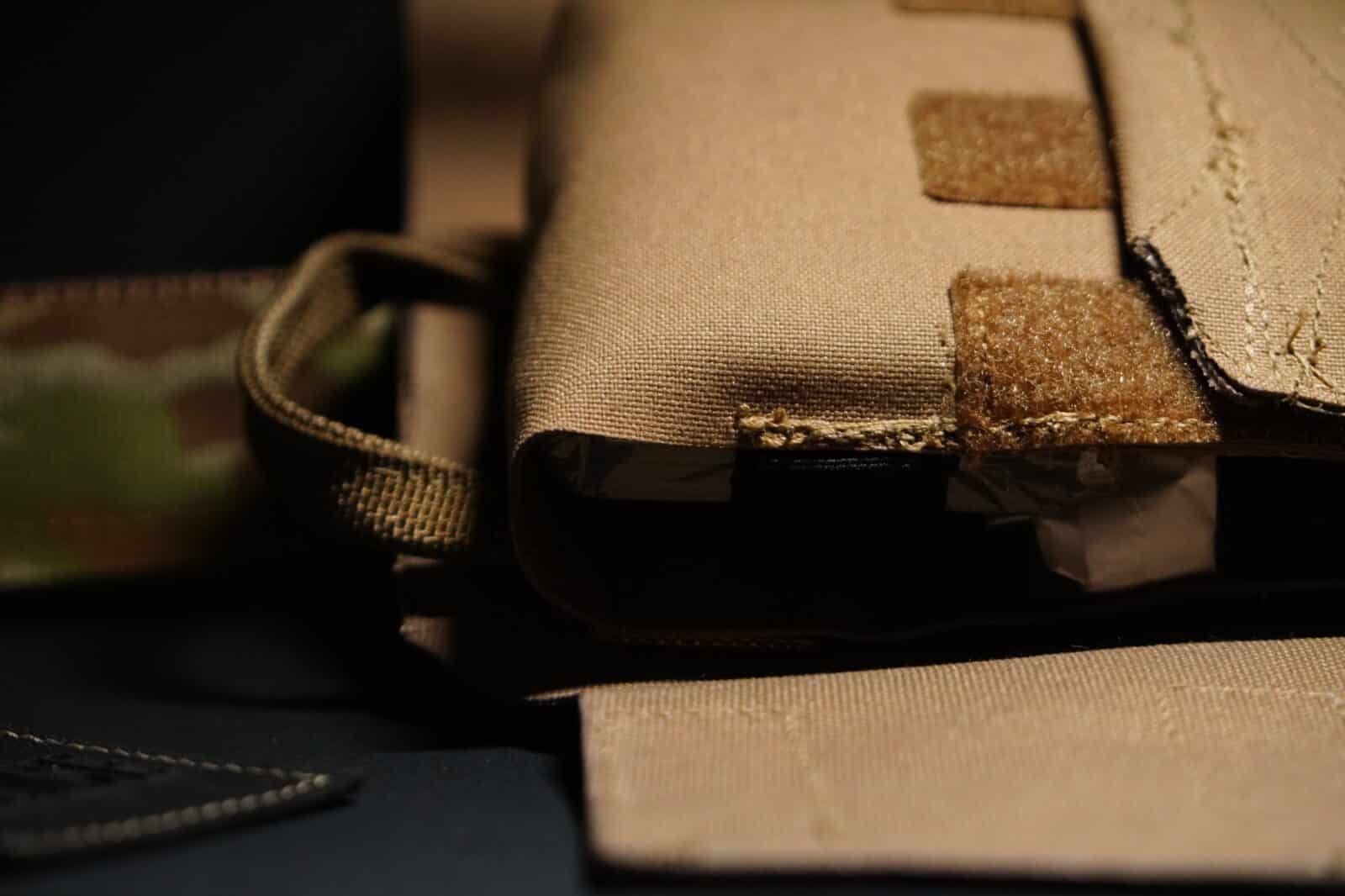
This Velcro has come off on
both ends. You can see where the
stitching once was… [this is after]
like a week out of the year … just
strictly [training] with the IFAK.

NZ Infantryman

Design Opportunity

Problem Statement: How might we enable rapid, reliable trauma response within current institutional operational systems (e.g. military doctrine and police duty requirements) for individuals in low-coverage environments, minimising cognitive load and decision-making burden while maintaining effective speed of stabilisation?

Design Development

SANARA (GenerATION A)

SANARA (GenerATION B)

Design Outcome

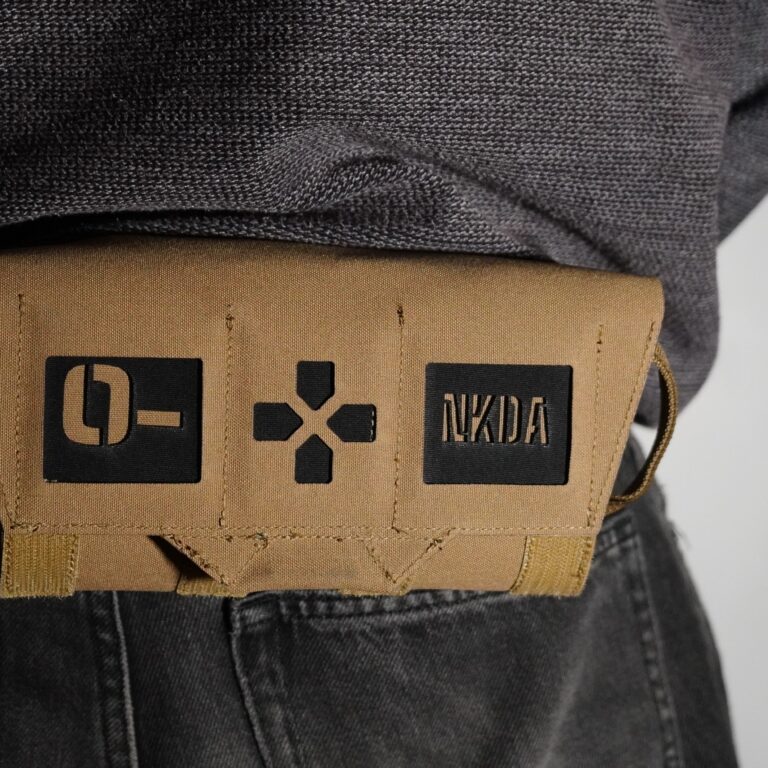
SANARA IFAK attached to the middle rear of the user's belt.

SANARA: Trauma Care in a Package Built to Last

SANARA is an Individual First Aid Kit built around a simple idea: carry what saves a life, nothing more. Its low-profile, two-piece Squadron® construction sits close to the body, so it stays on through every movement rather than being left behind in the vehicle. With no clips, buttons or zips, a single tear-away pull puts the essentials in hand. When it wears, heat and pressure let every component be replaced, so the pouch lasts as long as its fabric.

Impact

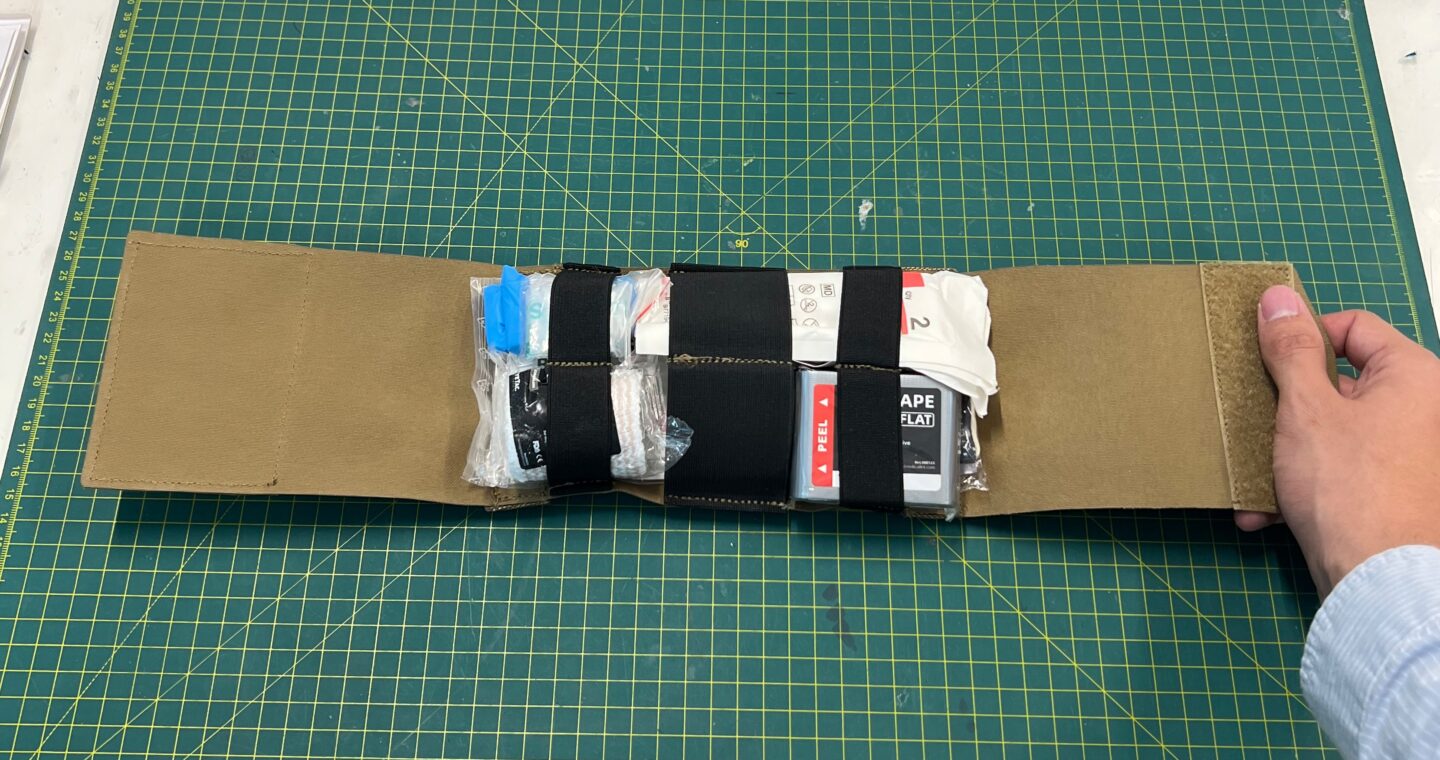
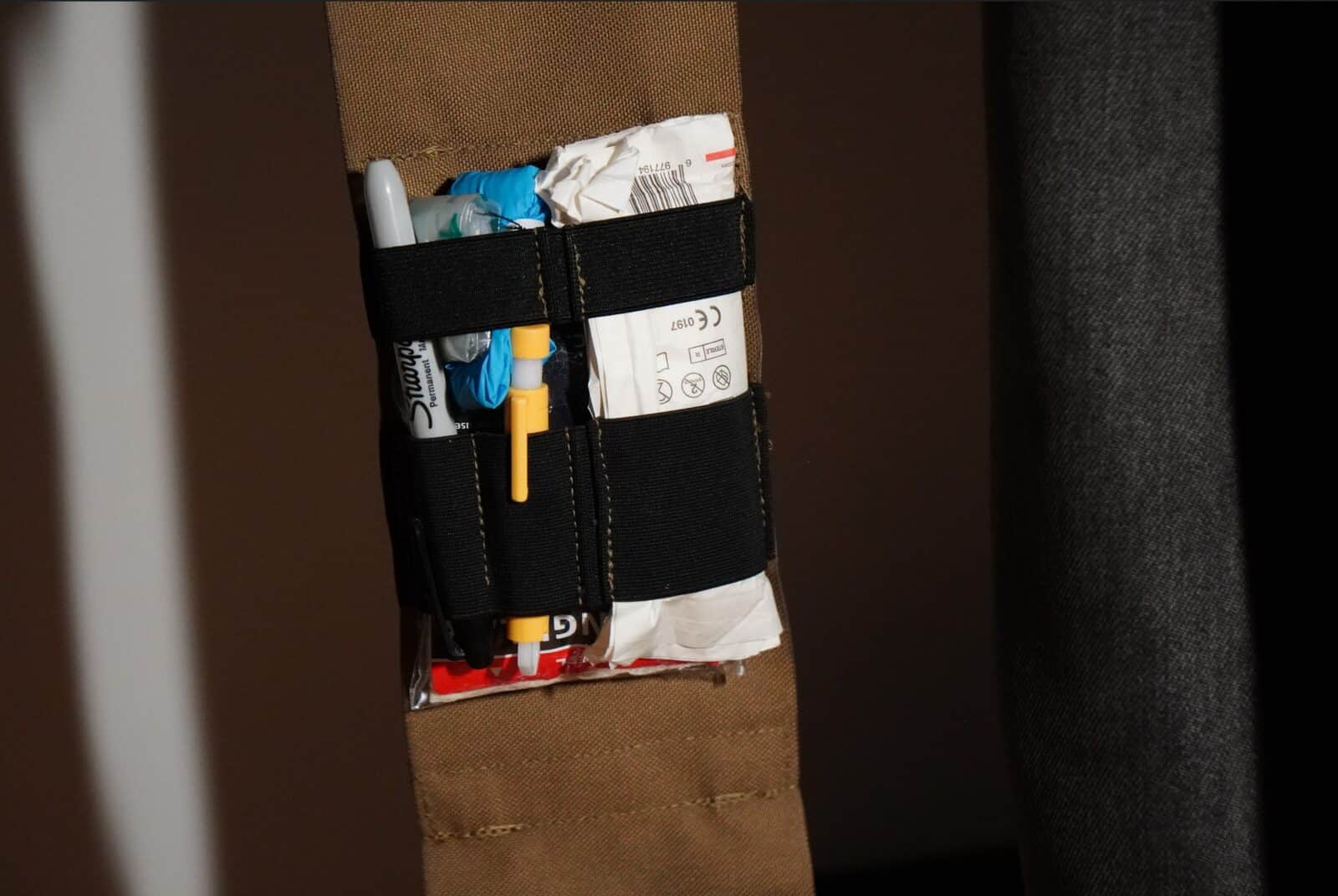
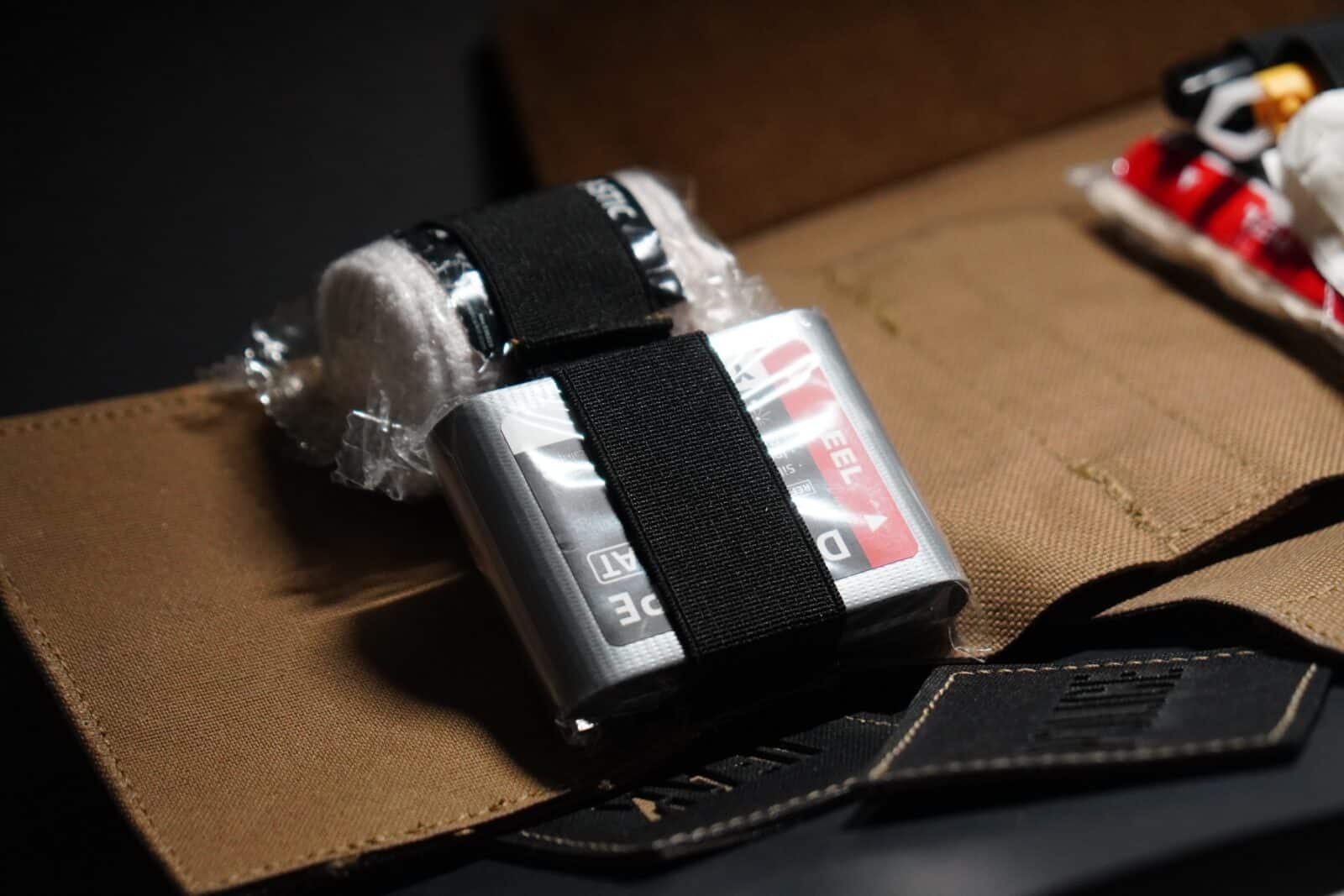
Close up of the contents secured inside SANARA.

Ethan Johnson

Ethan is a team-focused Industrial Designer who values what works over what he likes. A self-described “design chameleon”, he aims for solutions so well integrated they become invisible. Multidisciplinary studio projects taught him that the best outcomes come from bringing out the best in others.

Vote For This Project

"*" indicates required fields

This field is for validation purposes and should be left unchanged.
This field is hidden when viewing the form
Project