Project Introduction
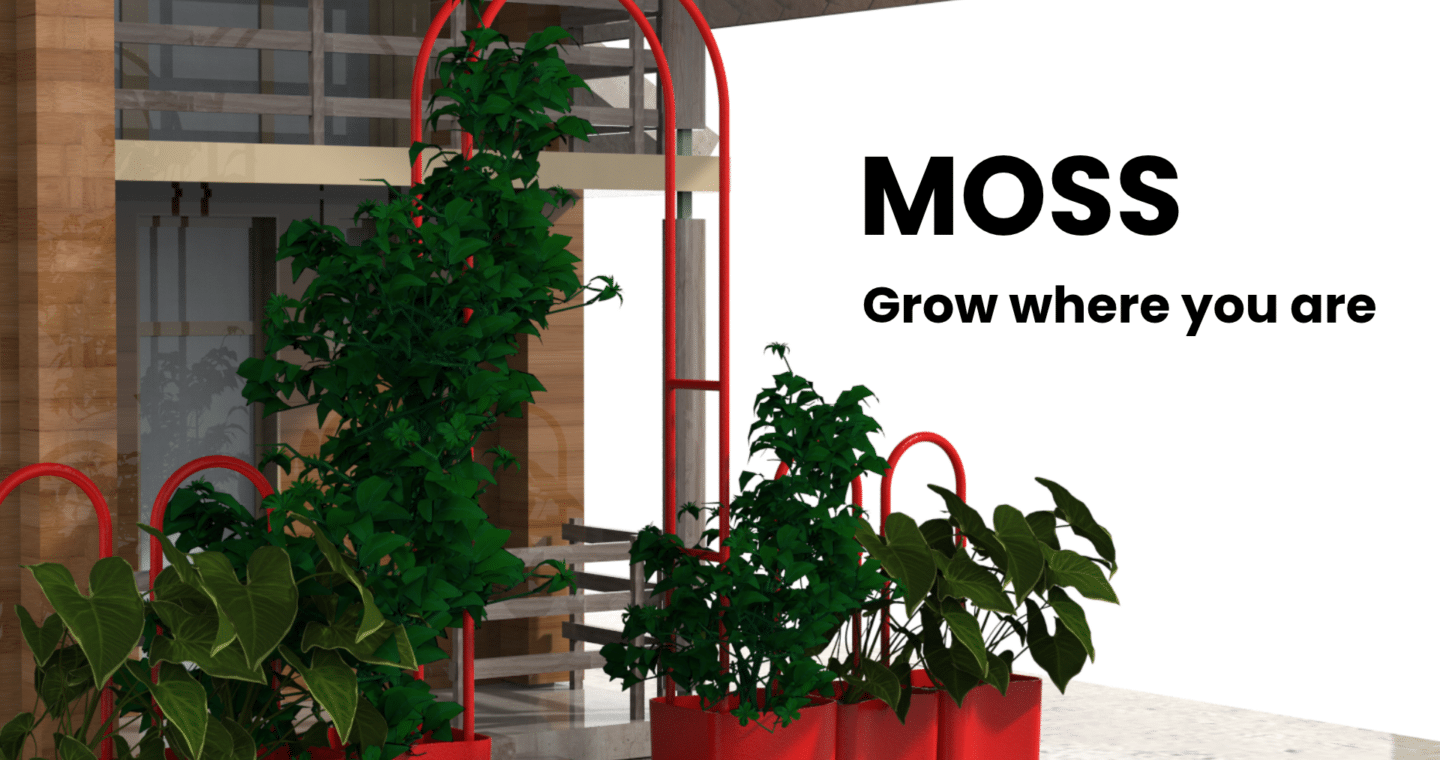
MOSS is a modular gardening and outdoor furniture system designed to help people create greener, more personalised outdoor spaces without permanent installations.
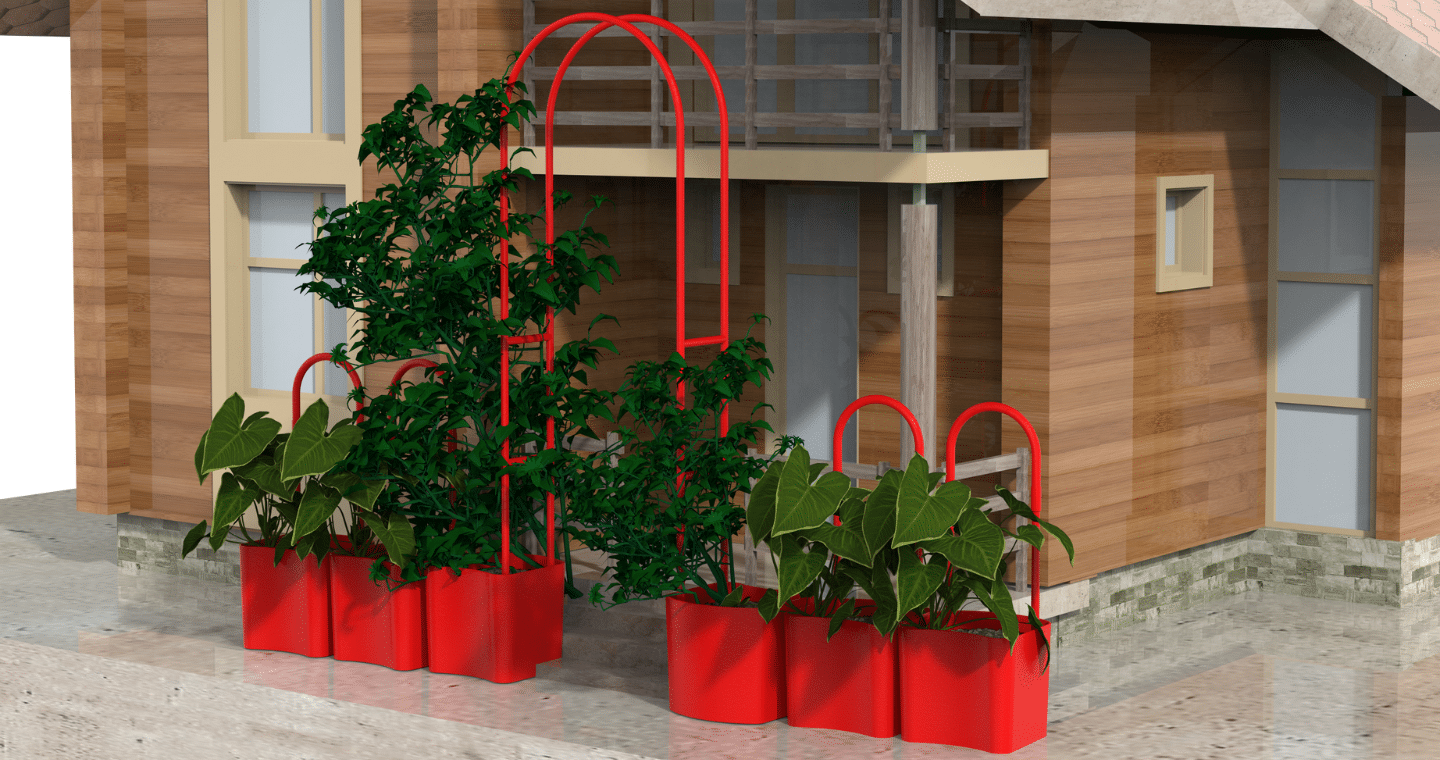
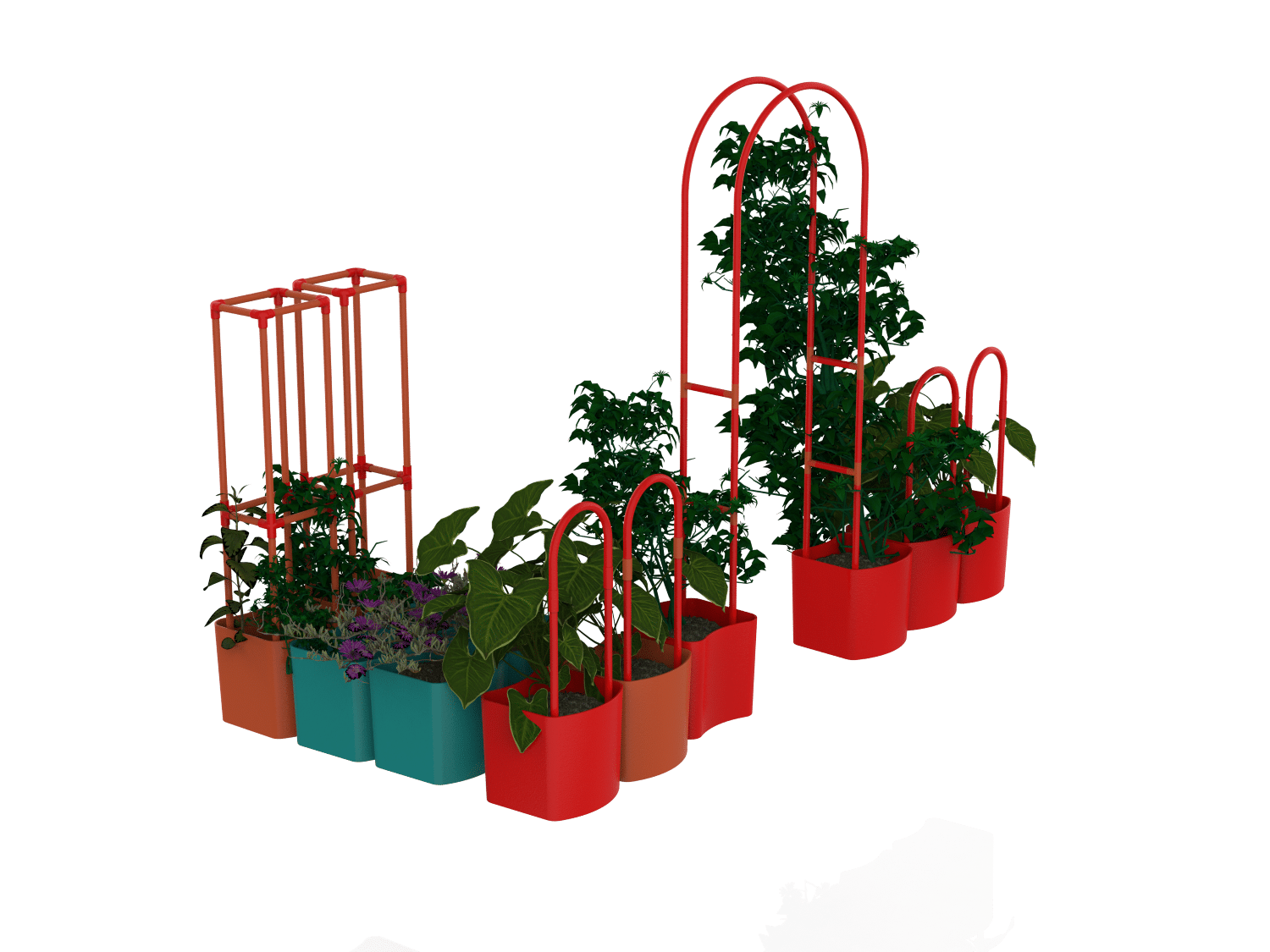
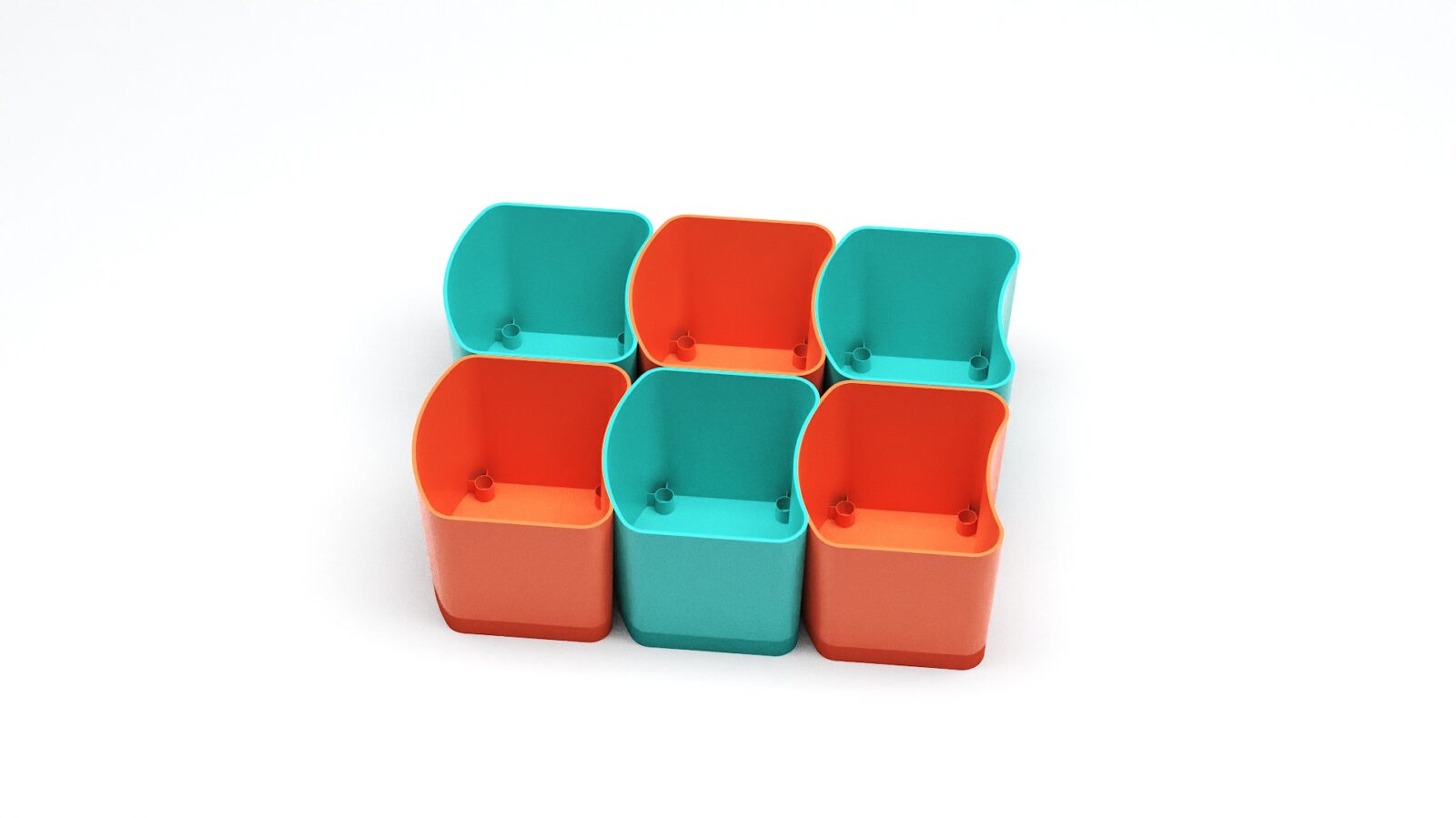
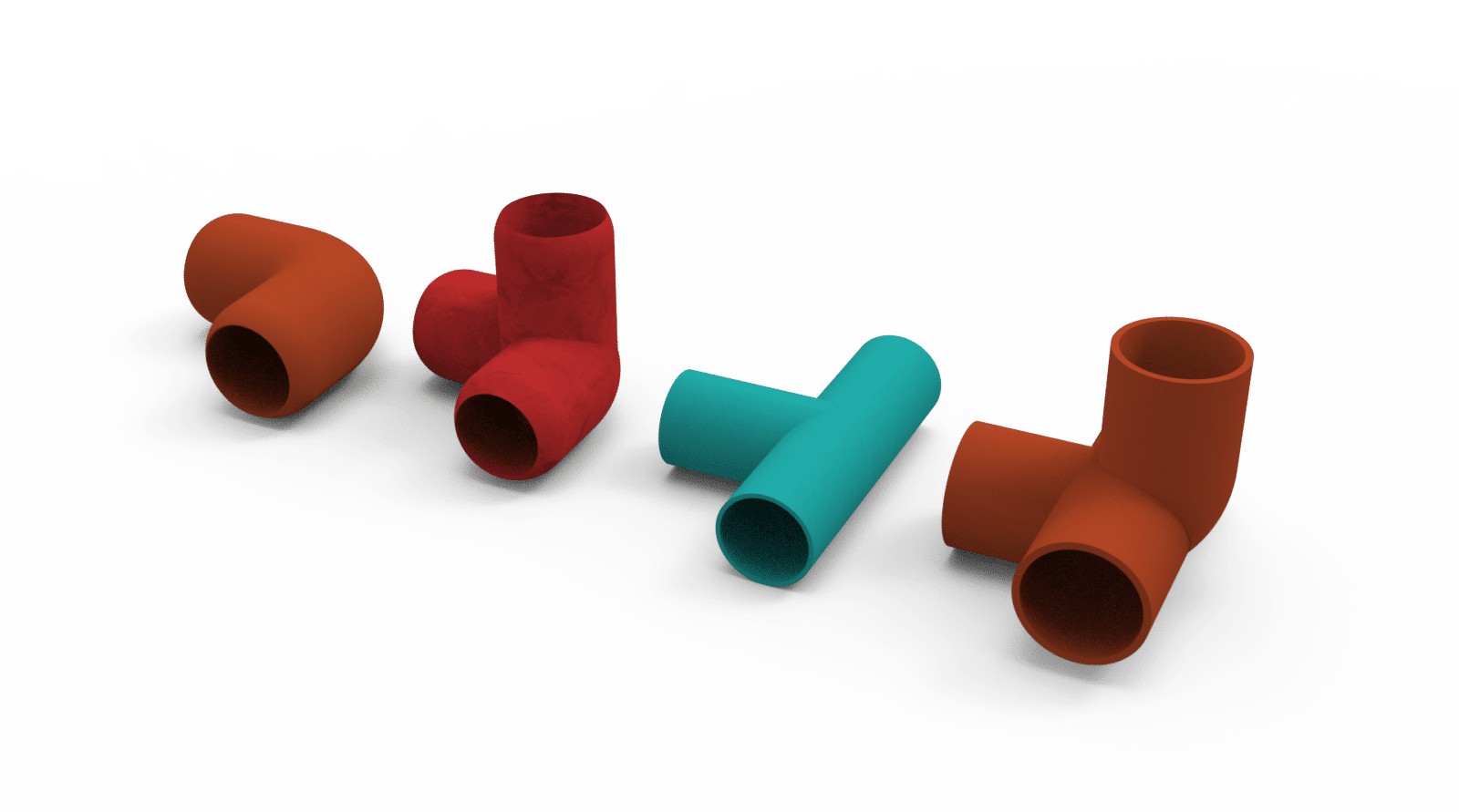
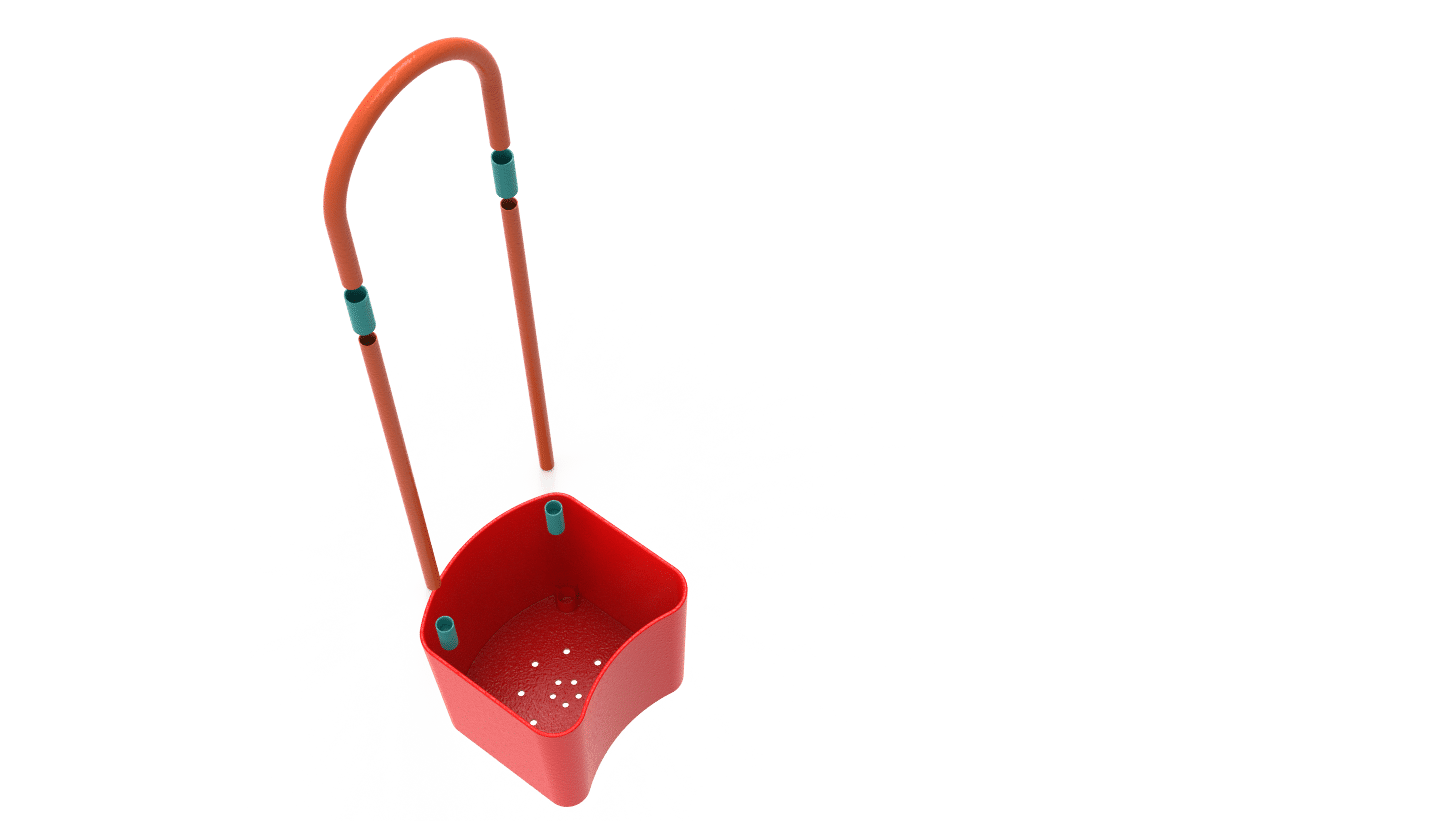
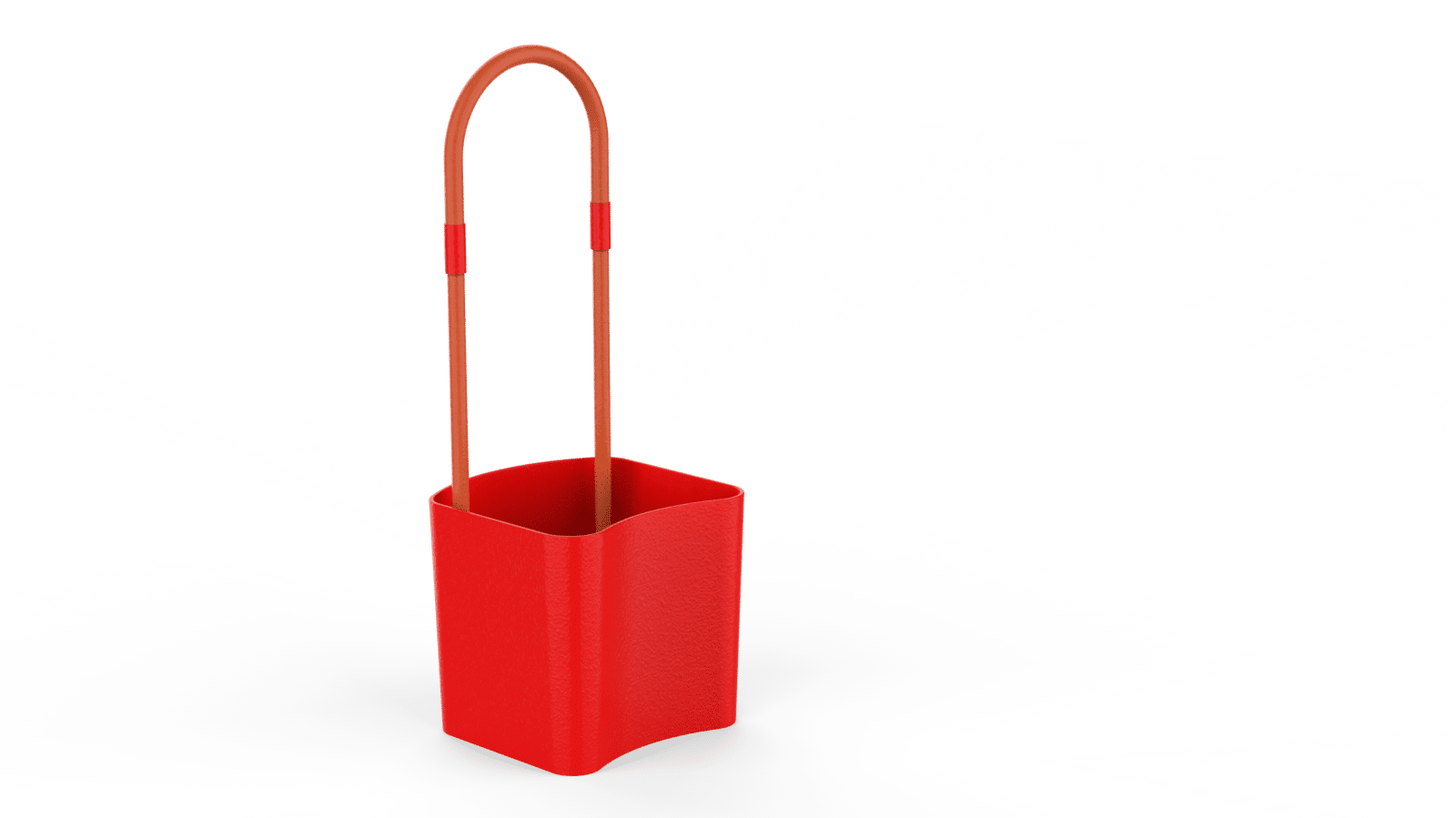
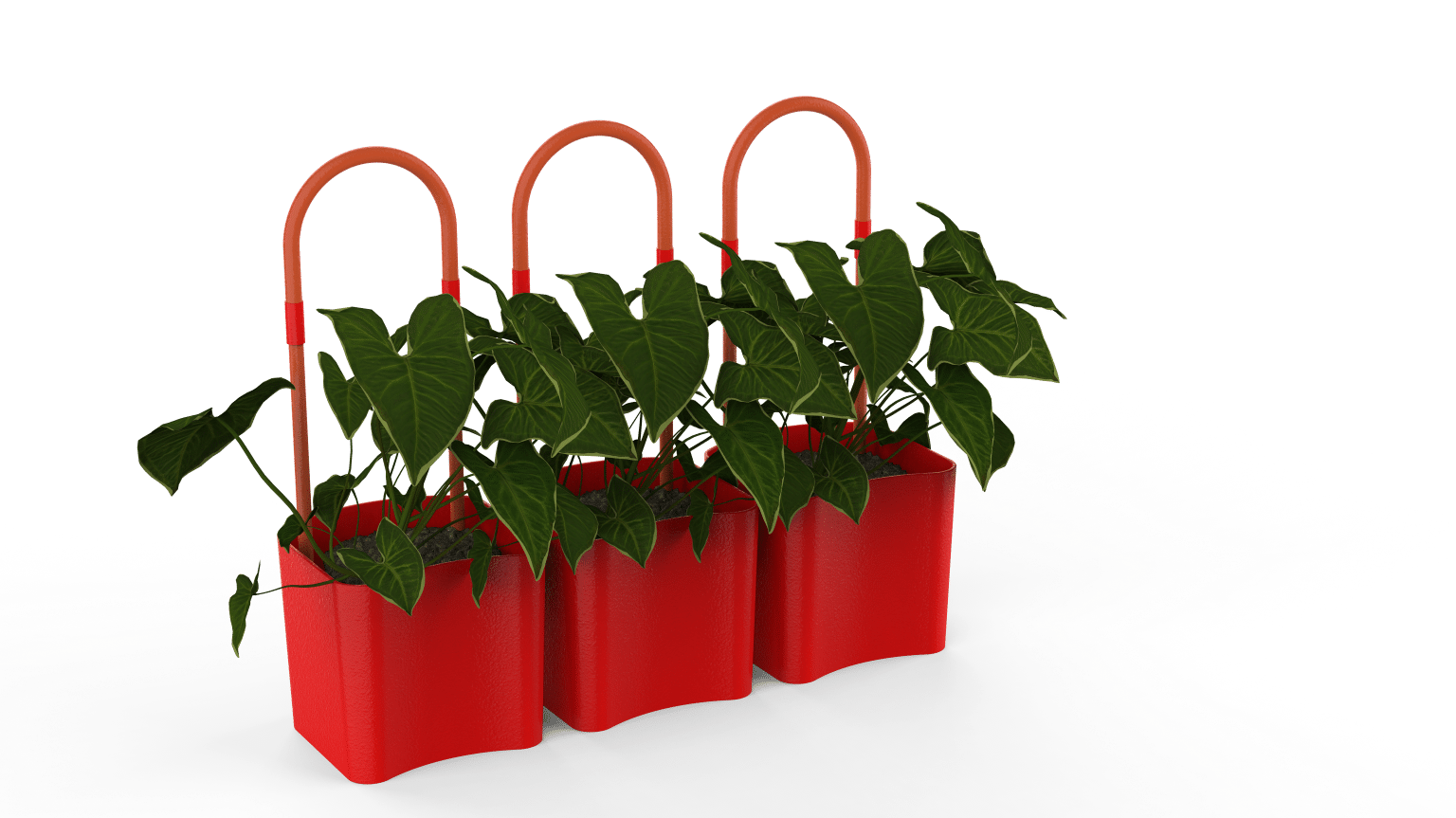
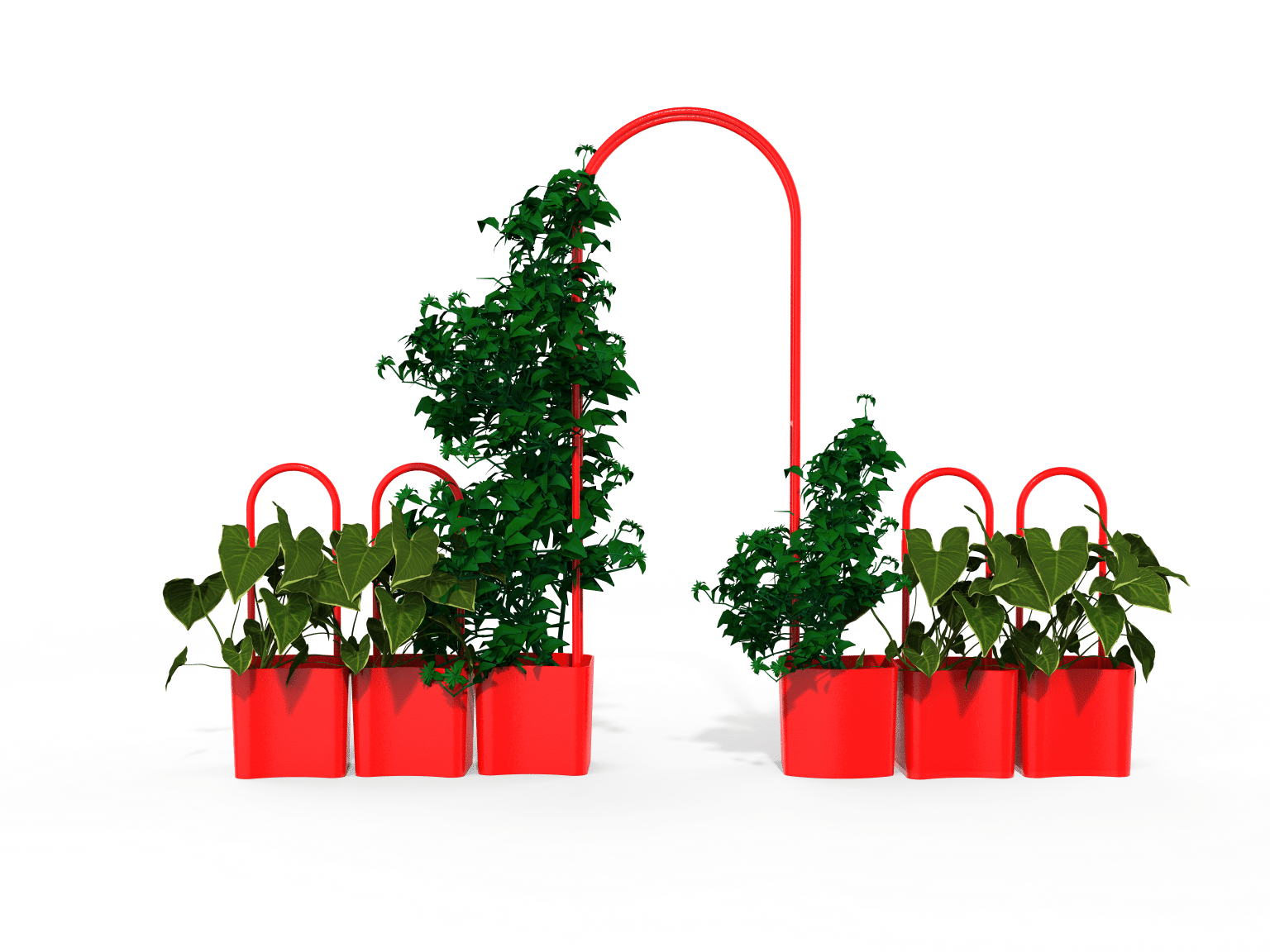
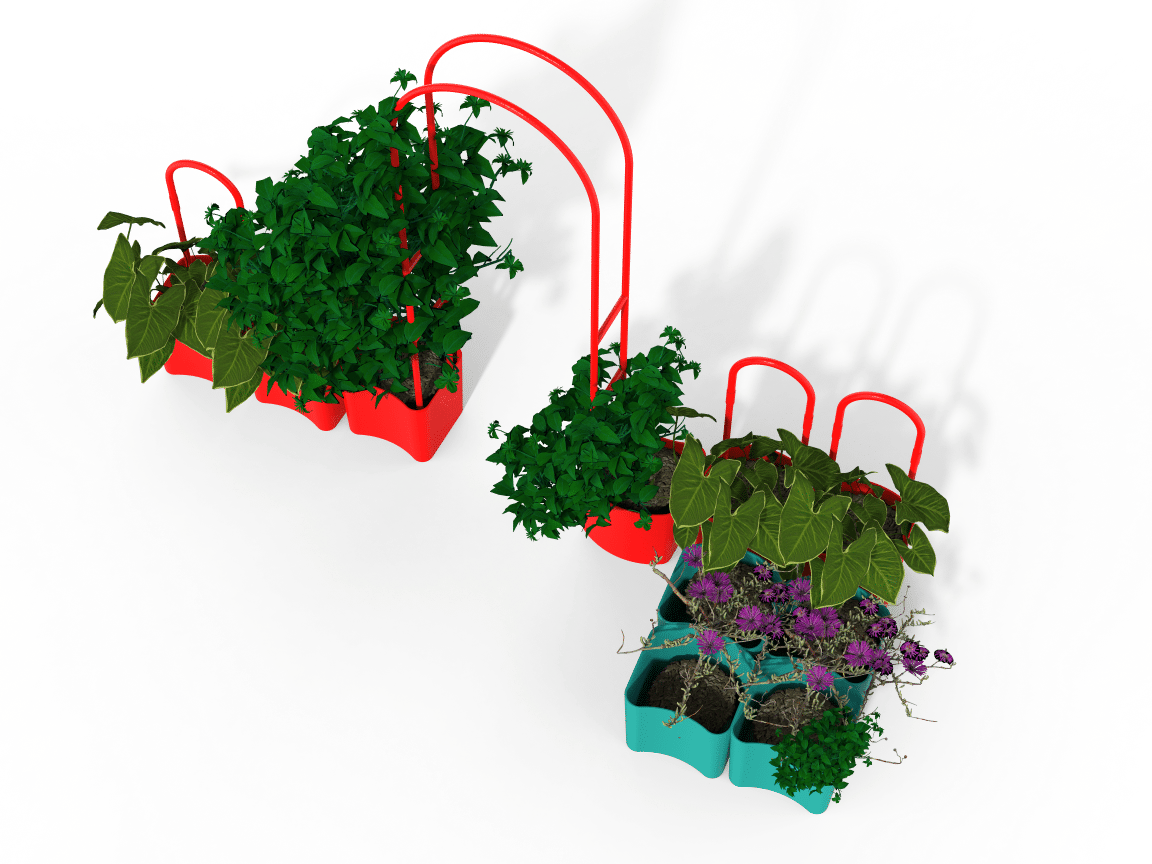
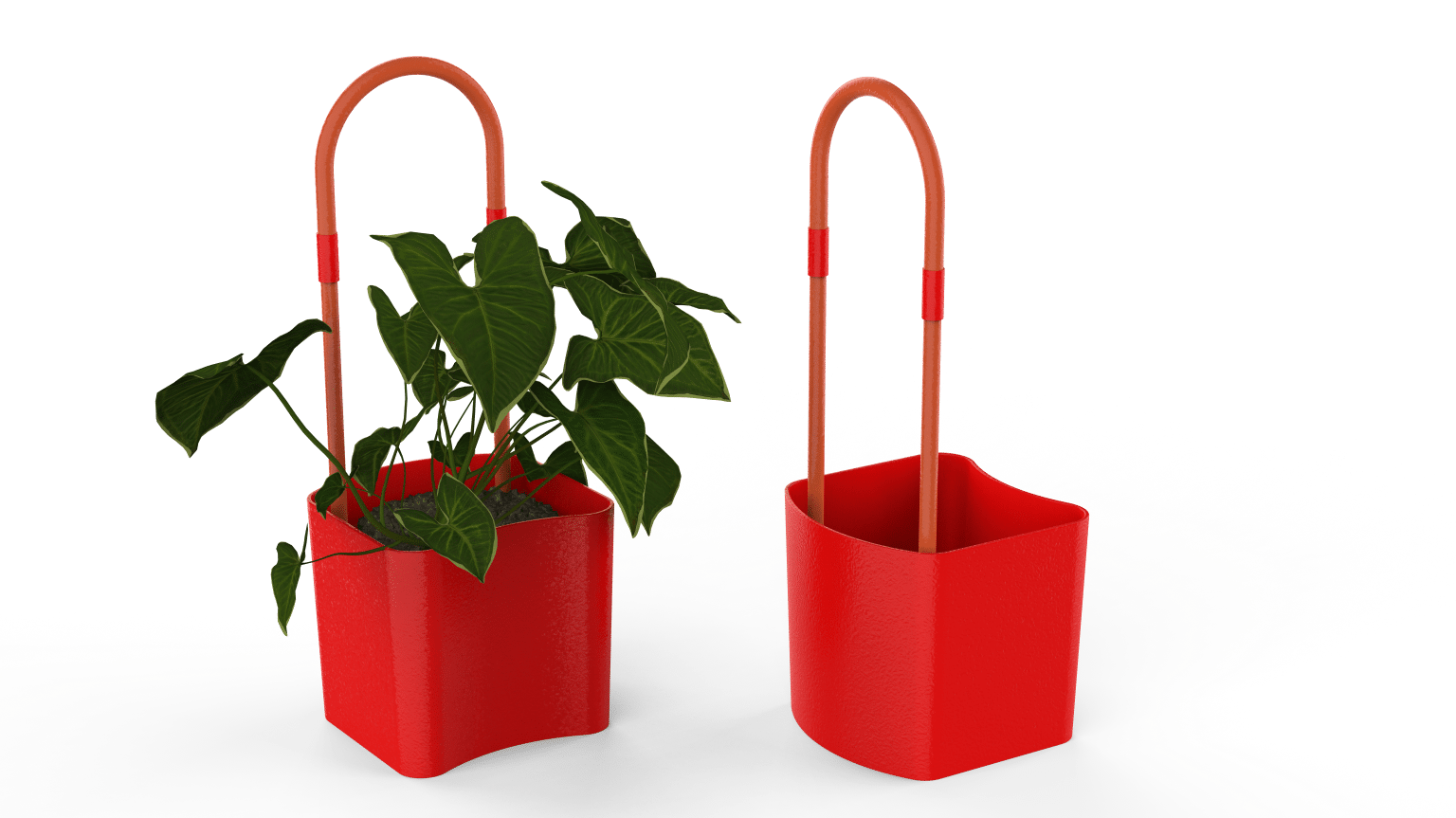
Inspired by the adaptability of nature and the flexibility of DIY gardening, MOSS combines modular planter bases with a configurable pipe-and-joint structure. Users can create different arrangements, from compact vertical gardens to privacy screens and garden arches.
Designed with renters and people with limited outdoor space in mind, MOSS makes it possible to start small, experiment with growing and adapt a garden as needs and circumstances change.
Design inspiration
MOSS takes inspiration from the way moss grows: establishing itself in small crevices, spreading across overlooked surfaces and gradually transforming otherwise barren environments into living landscapes.
This became the foundation for the project. Just as individual patches of moss can collectively cover a surface, MOSS explores how small, everyday gardening efforts can contribute to greener urban environments.
Rather than requiring a traditional garden, MOSS aims to make room for nature wherever people live.
Initial RESEARCH and context
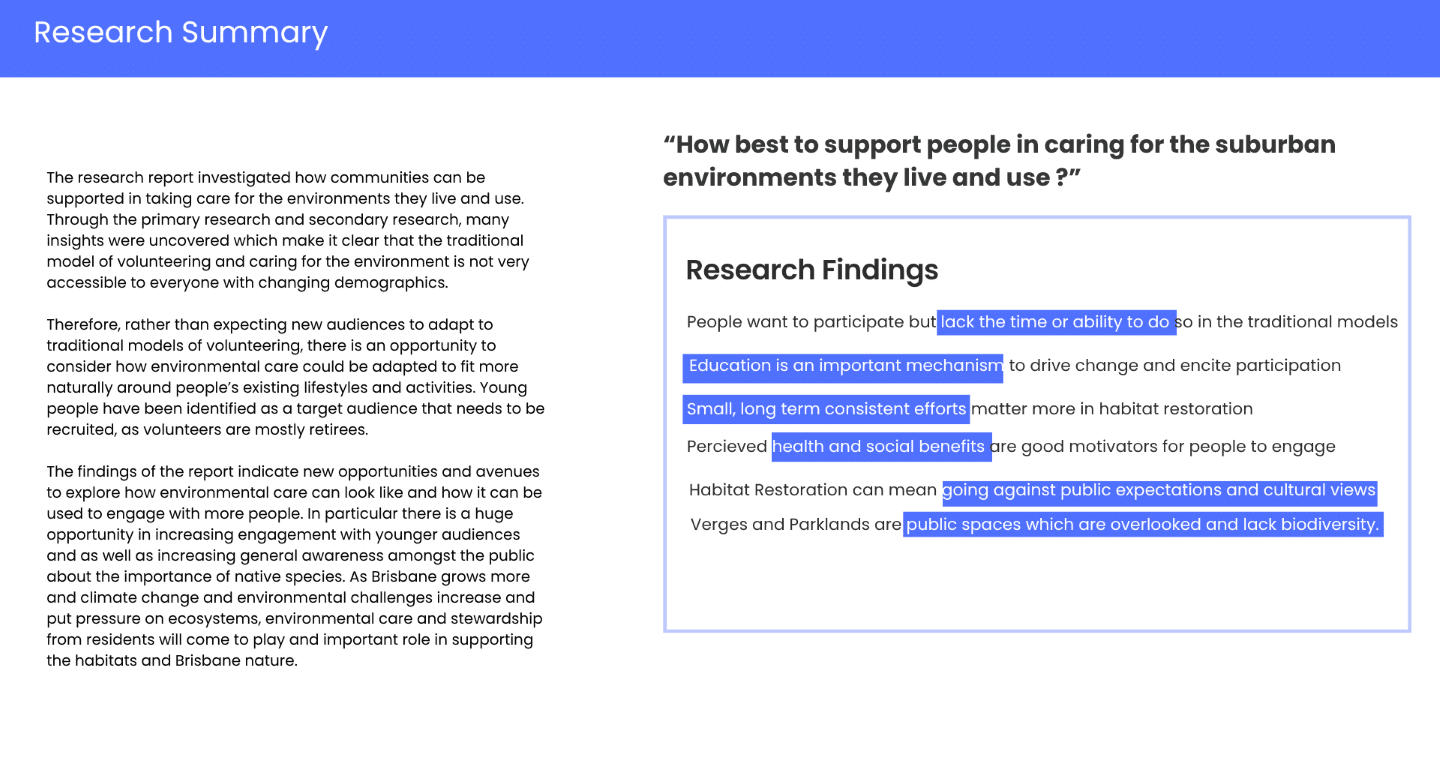
How can we better support people in caring for the environments they live in and use?
MOSS originated from an initial research question:
How can we better support people in caring for the environments they live in and use?
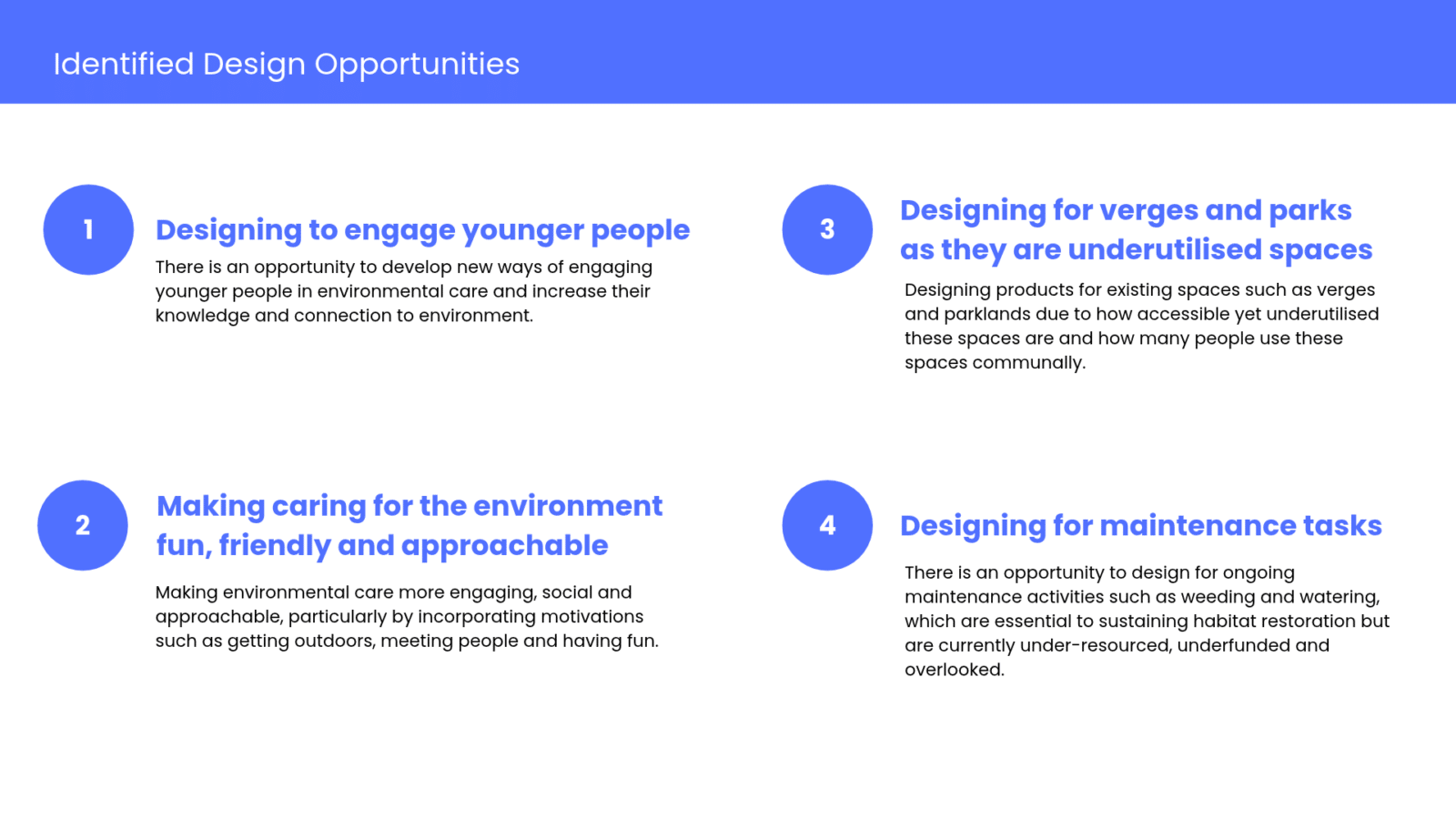
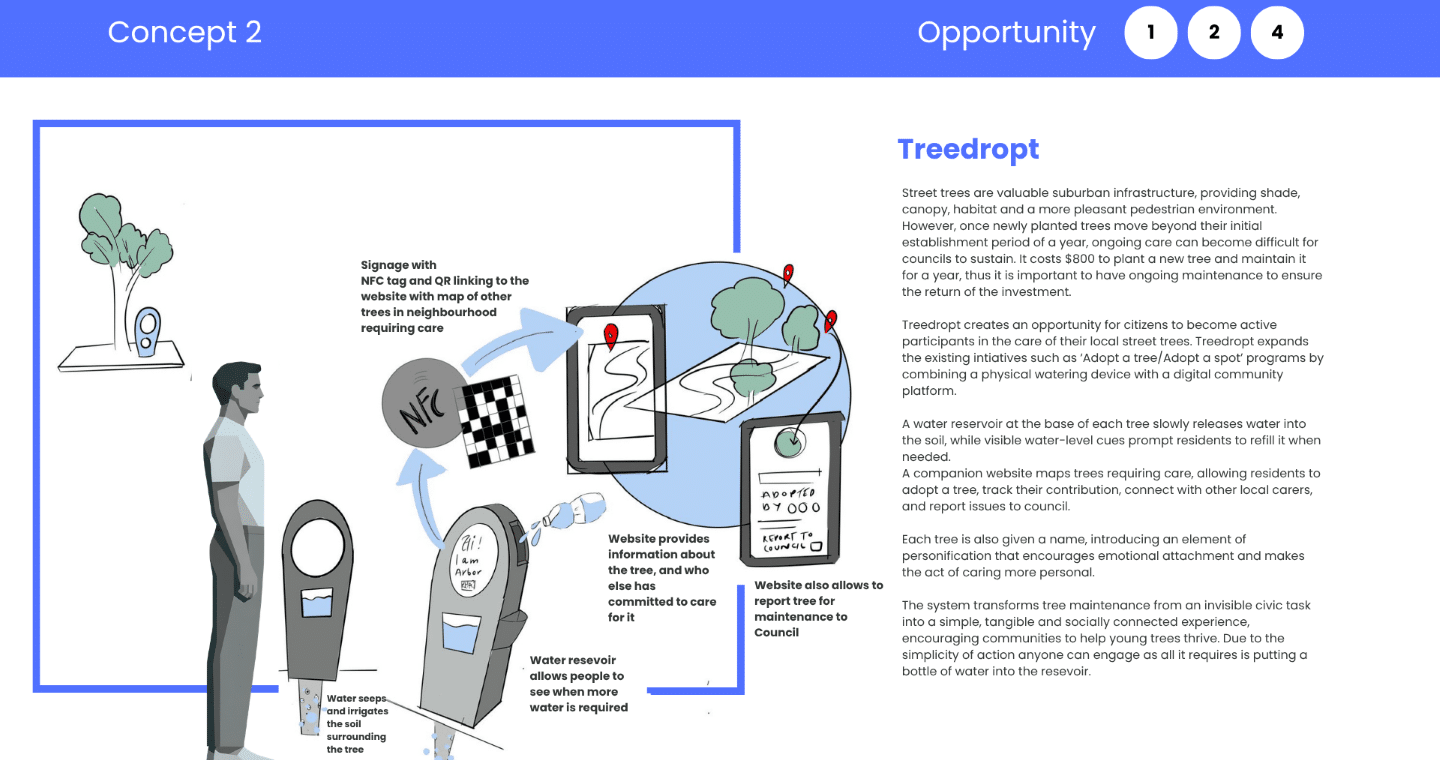
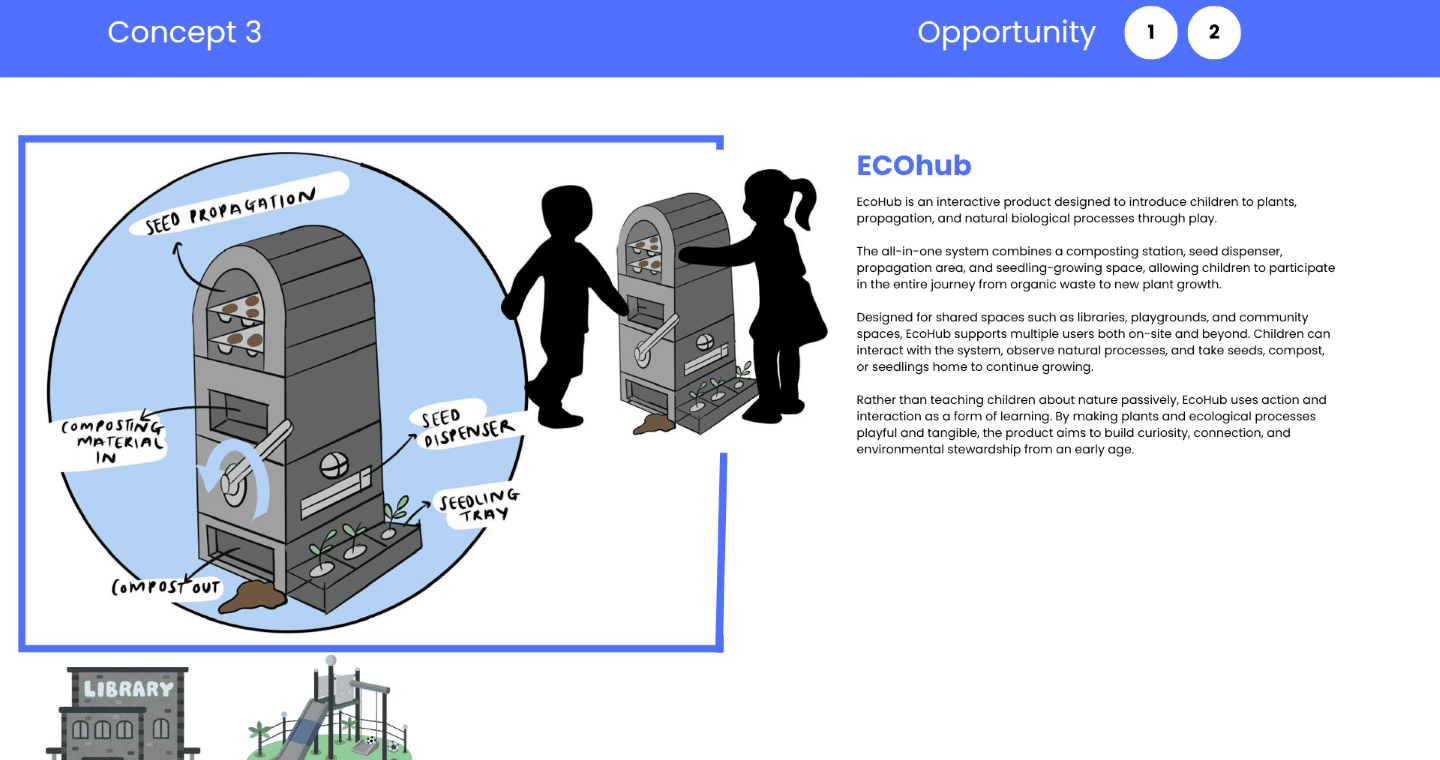
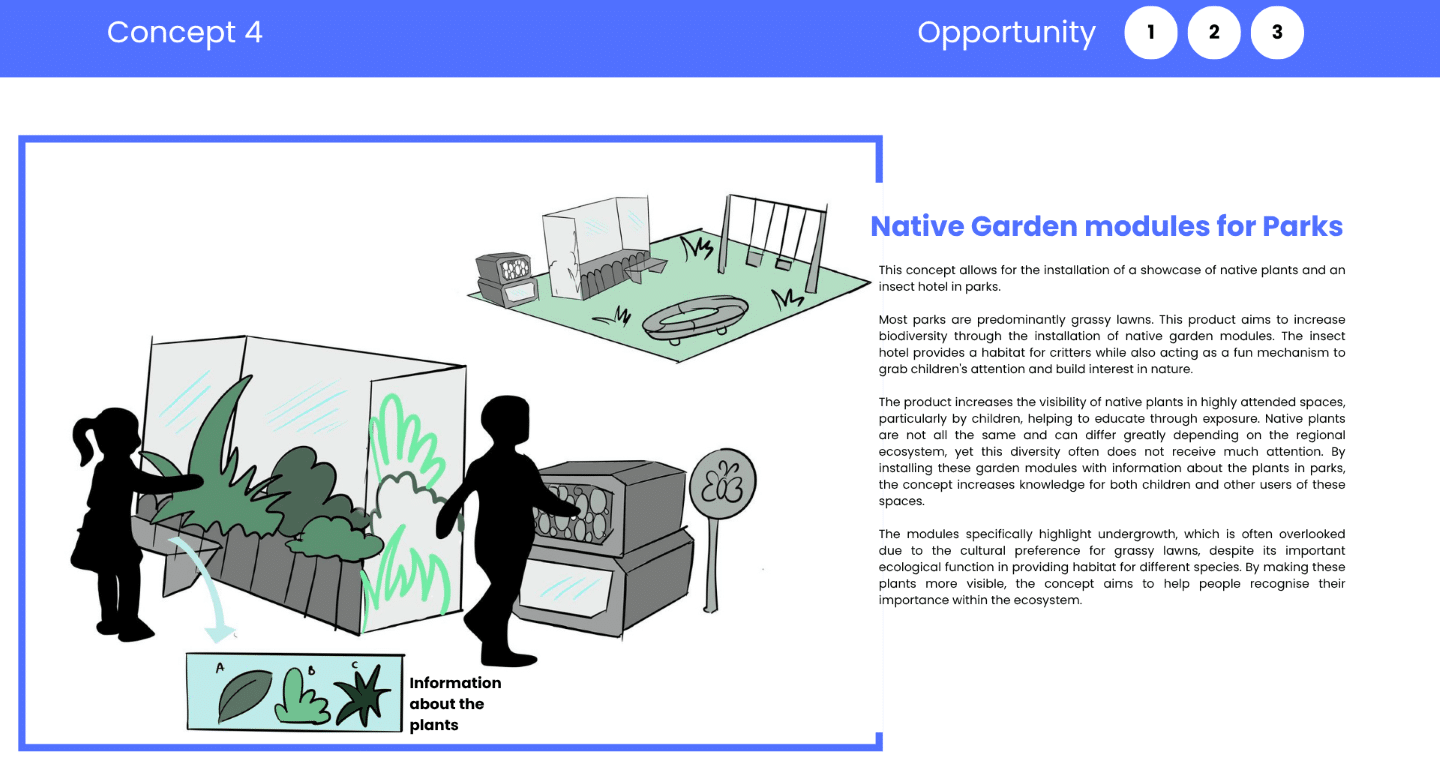
Through research, four key opportunities emerged around environmental engagement, accessibility, underutilised spaces and everyday maintenance.
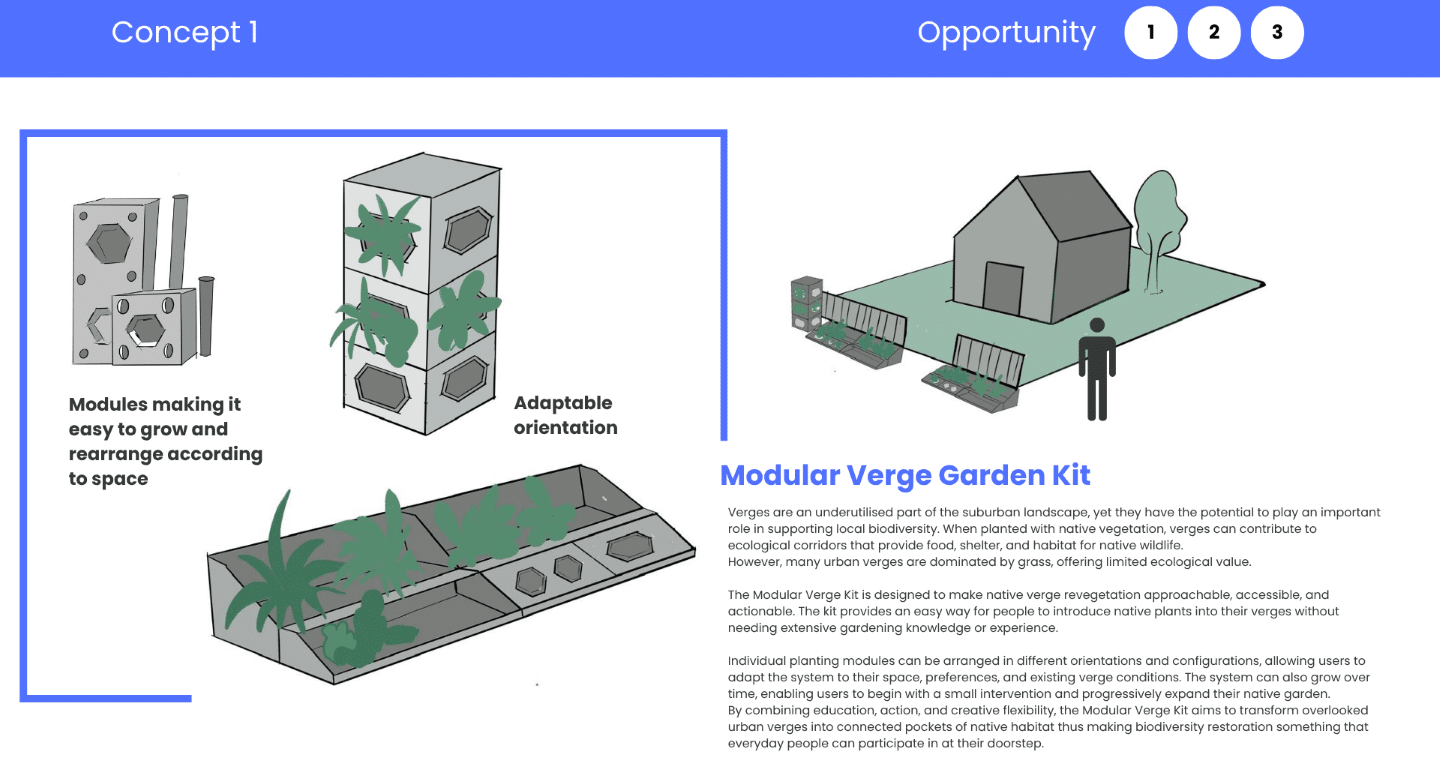
One initial direction explored how residential verges could be transformed into greener spaces.
The overlooked potential of verges
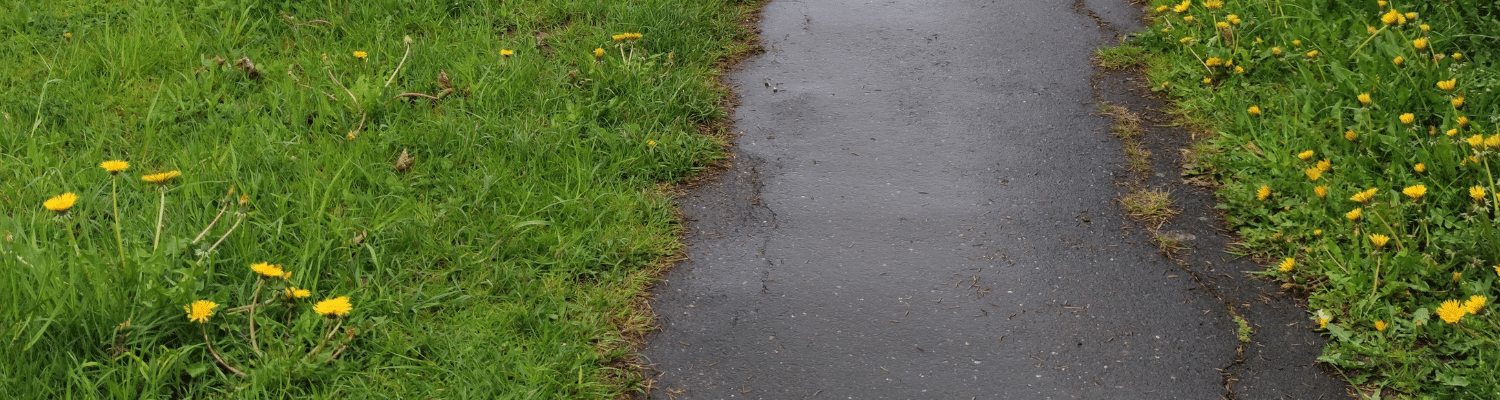
Verges are strips of public land alongside roads and footpaths that residents can often maintain. Despite their potential to support urban greenery, they are frequently dominated by grass and remain underutilised.
This led to an initial concept for a modular verge gardening system, exploring how physical products could encourage people to make better use of these overlooked spaces.
Shifting the focus
As the initial concept developed, I began questioning who could realistically benefit from a gardening system.
What if someone wanted to create a garden but didn’t own the property? What would happen when they moved?
This highlighted renters as an important, often overlooked audience in gardening product design. Although many renters have access to outdoor spaces, they may be restricted from making permanent changes to their properties.
With a significant proportion of the population renting, I saw an opportunity to design a gardening product that could accommodate temporary living arrangements.
The focus shifted from creating a garden in a particular place to helping people create a garden that could move and evolve with them.
37.3% people in South East Queensland are renting
ABS Census 2021
Problem identification
Traditional gardening solutions can be restrictive for renters and people with limited outdoor space. Large planters can be heavy and difficult to move, while permanent installations and DIY systems often require additional effort, tools or modifications. This creates an opportunity for a more accessible, adaptable and visually appealing gardening solution.
What if gardening worked a little more like building with LEGO?
Rather than designing a single-purpose planter, I wanted to create a system that could accommodate different gardening needs while also serving as a functional feature within an outdoor space.
This led to the development of MOSS: a modular gardening and outdoor furniture system.
One system. Multiple possibilities.
Materials and manufacturing
MOSS combines custom-designed components with readily available plumbing parts to balance product identity, manufacturing practicality and adaptability.
UV-treated recycled HDPE Planter base
High-density polyethylene is proposed for the planter bases due to its durability, moisture resistance and relatively low weight. Injection moulding allows the distinctive geometry to be produced as a repeatable custom component.
PPR Structural pipes and joints
PPR is a commonly used plumbing material selected for the structural pipe components. Standard pipe sizing also offers flexibility when sourcing compatible replacement parts.
Small spaces. Living places.