RESEARCH AND OPPORTUNITY
What is Passive Acoustic Monitoring (PAM)?
Passive Acoustic Monitoring (PAM) is a non-invasive method used to capture underwater sounds using hydrophones. Analysing these soundscapes allows researchers to identify aquatic species and understand broader ecosystem characteristics, including animal behaviours, biological activity and overall ecosystem health.
Why is PAM important?
Traditional surveying often relies on time-consuming manual observation and invasive physical sampling such as electro fishing and netting. These methods can disturb aquatic environments and influence natural behaviours, potentially affecting the results. By passively recording underwater soundscapes, PAM captures biological activity with minimal disturbance, providing a more consistent representation of species behaviours and interactions within their natural environment.
It all comes back to data… to make better decisions we need a better picture of what’s happening in our environments
ENVIRONMENTAL POLICY EXPERT for QUEENSLAND GOVERNMENT, 2026
How can we push PAM futher
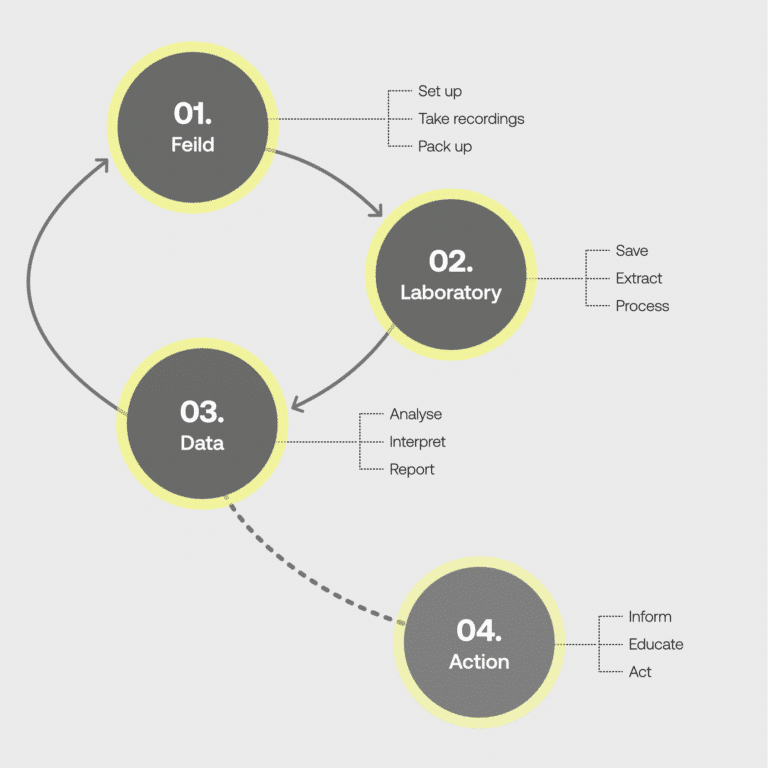
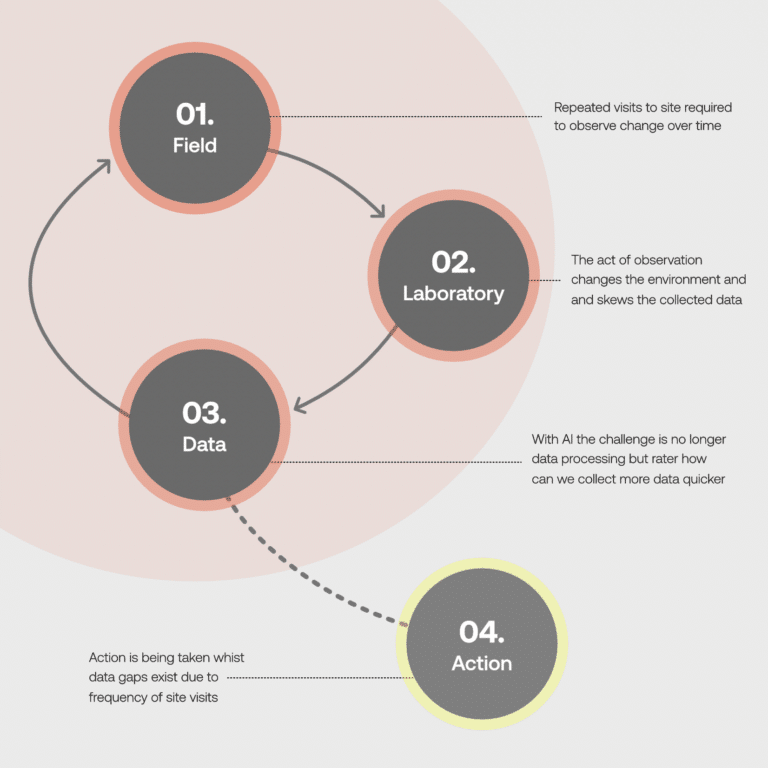
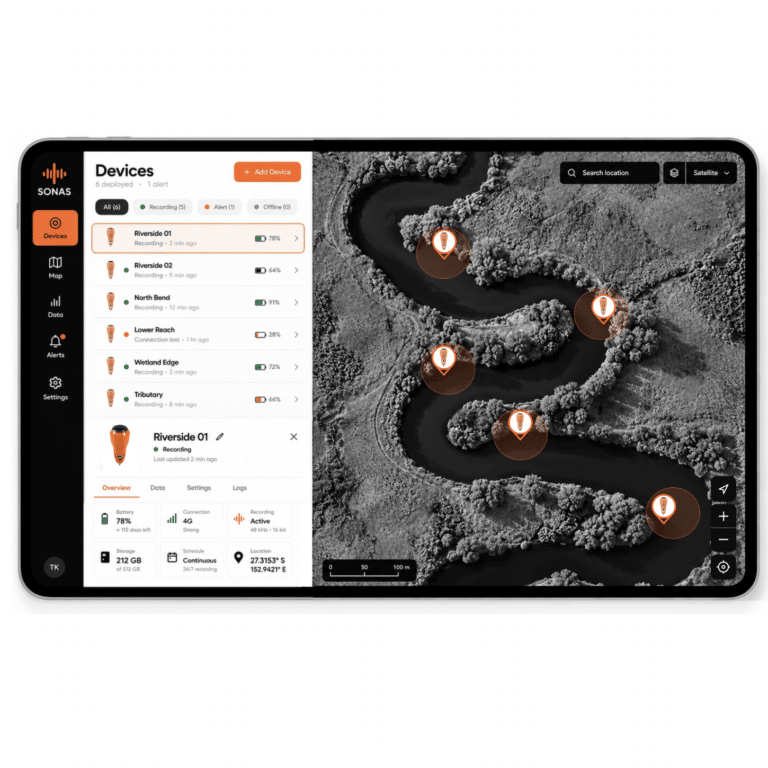
To advance PAM, monitoring systems must move beyond relying on individual researchers and instead become tools that multiply their efforts. Autonomous monitoring and remote fleet management can expand spatial coverage, reduce fieldwork and provide real-time updates aligned with research needs. As AI makes large-scale data analysis increasingly accessible, the challenge is shifting towards collecting larger amounts of high-quality data. Scalable systems for autonomous data collection are therefore essential.
This expands eDNA from point-based collection to continuous, large scale monitoring, opening new possibilities for remote surveys, threatened species detection, and real-time ecosystem insights. Freshwater PAM is the next frontier—allowing biodiversity monitoring to become broader, non-invasive and significantly more comprehensive than ever before.
We need consistency, not just a snapshot view of our environments if we want to see the affects our actions are having
Head of Agriculture and Food Sustainability at uq, 2026
A huge limitation with human collected data is the human collecting it… an ecologist cannot be in 20 different places at all hours of the day
FIELD ECOLOGIST AT FRONTIER LABS AUDIO MANUFACTURES, 2026
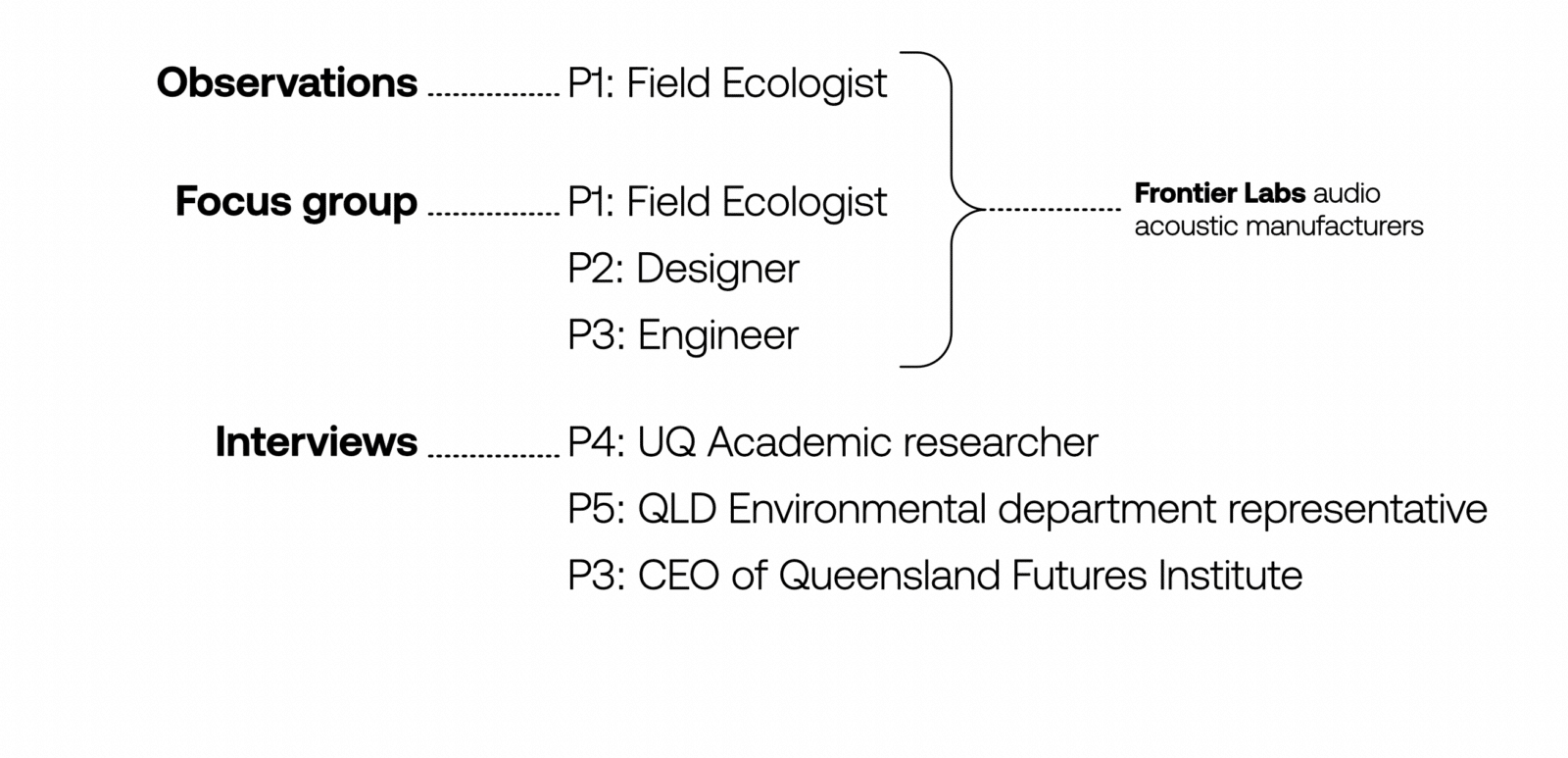
Primary research methods
- Name
- Research Report
- File Type
- application
- File Size
- 1 B
- Link
- Download File
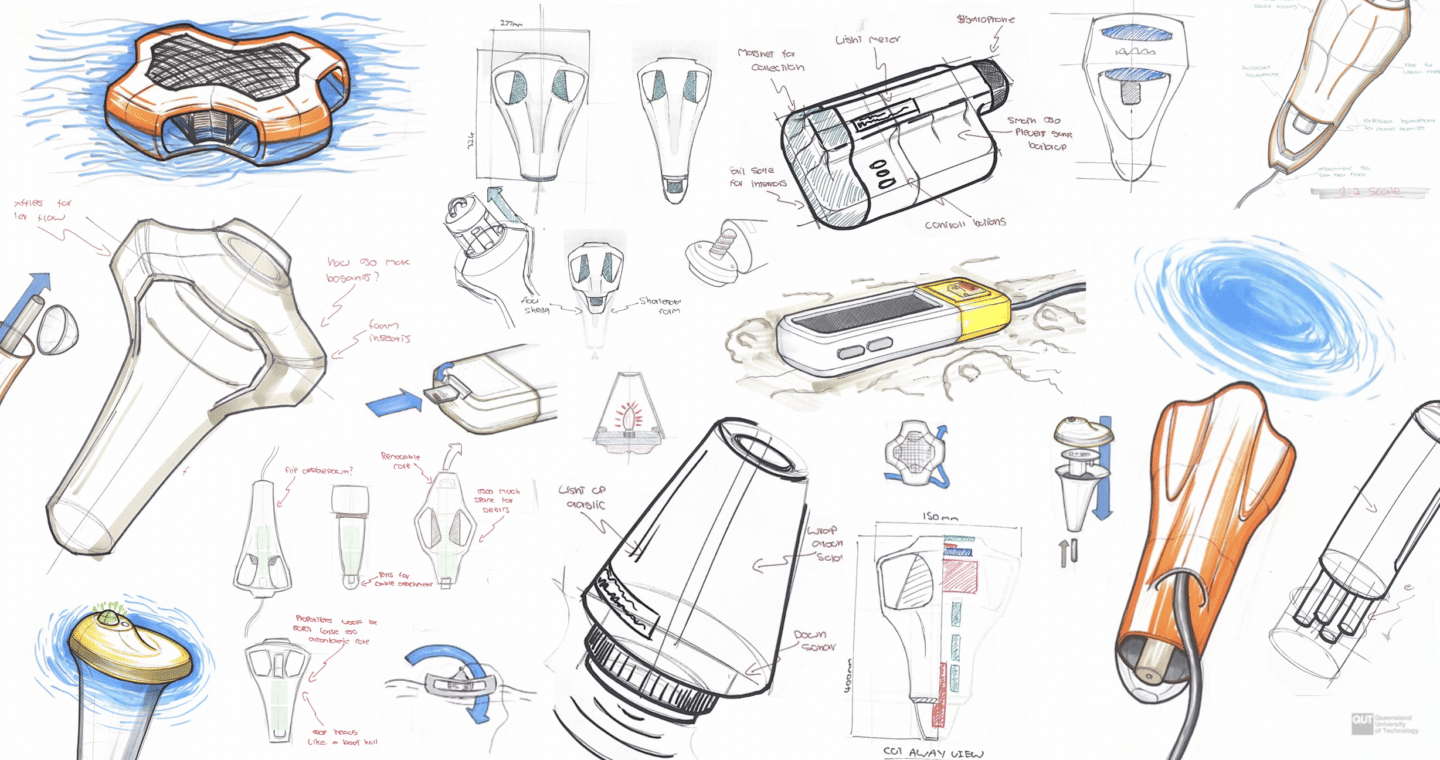
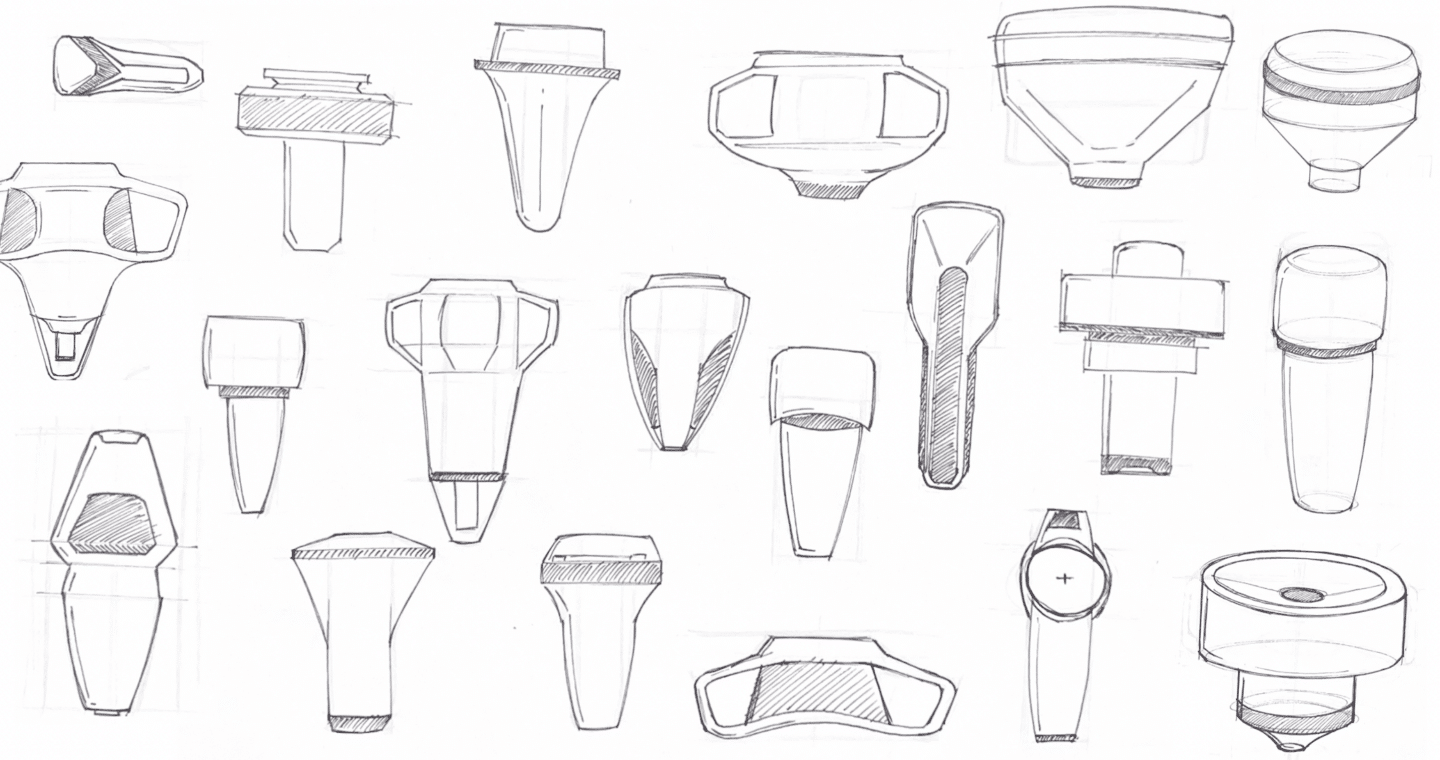
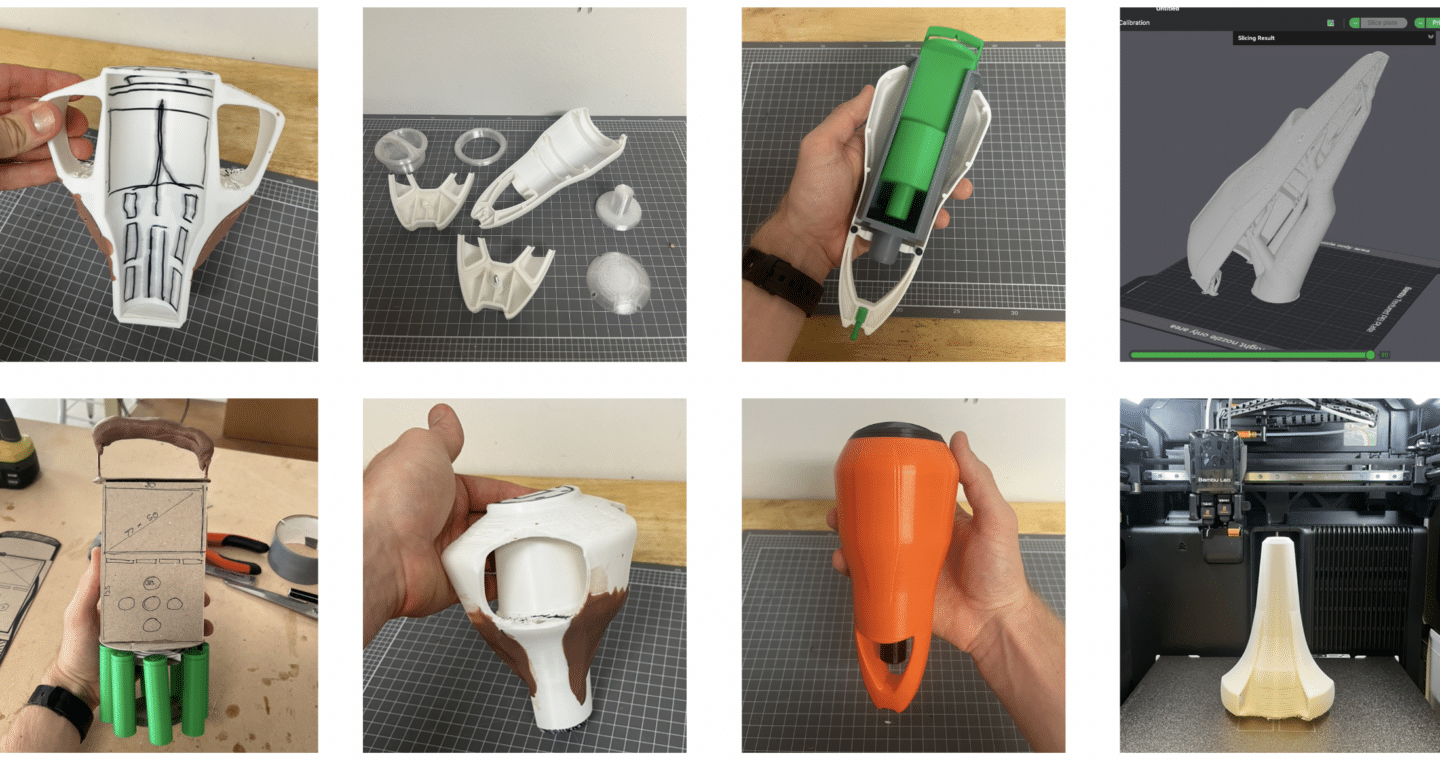
Design development
Key considerations
-
1. Suitable for freshwater environments
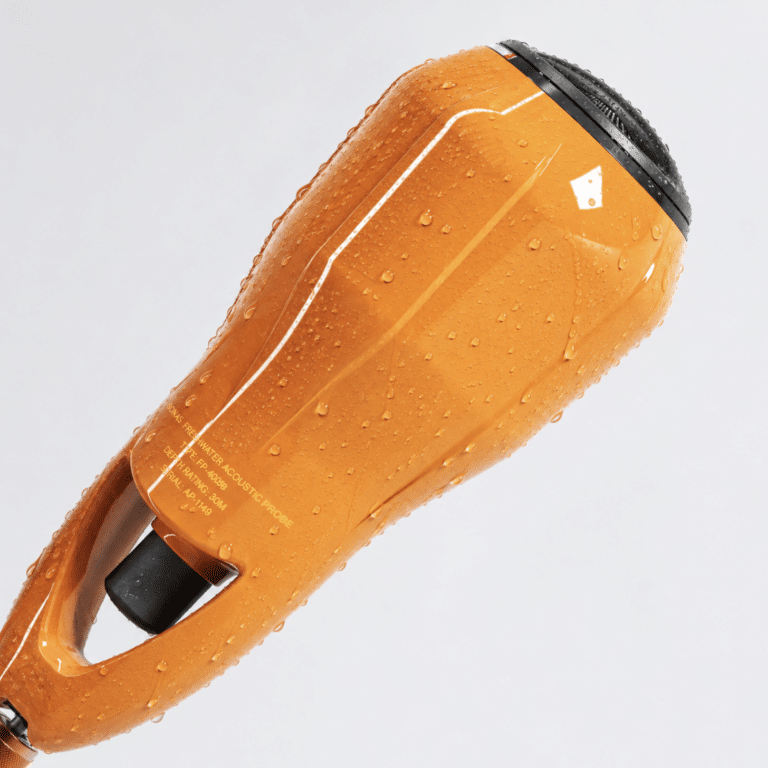
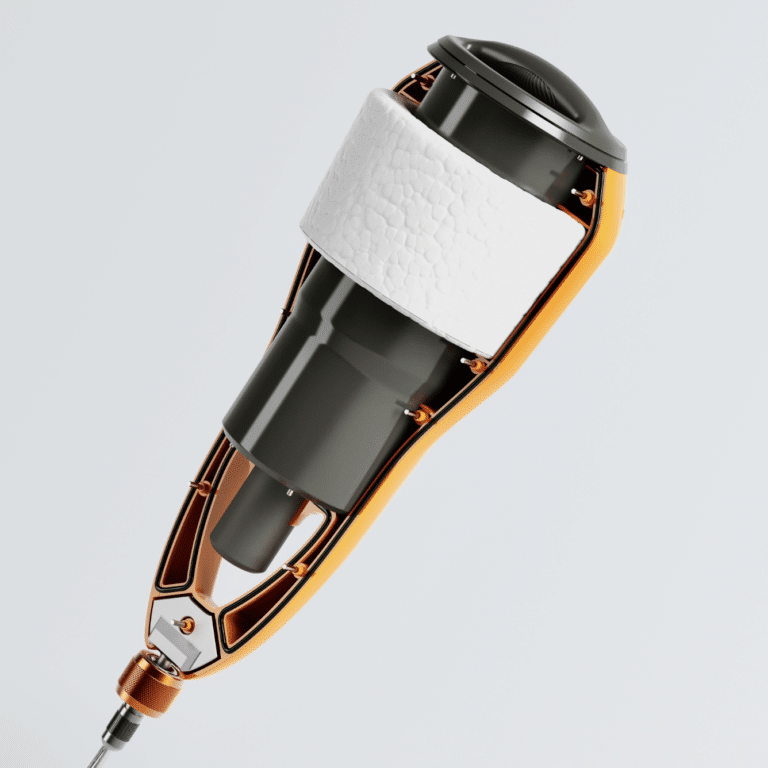
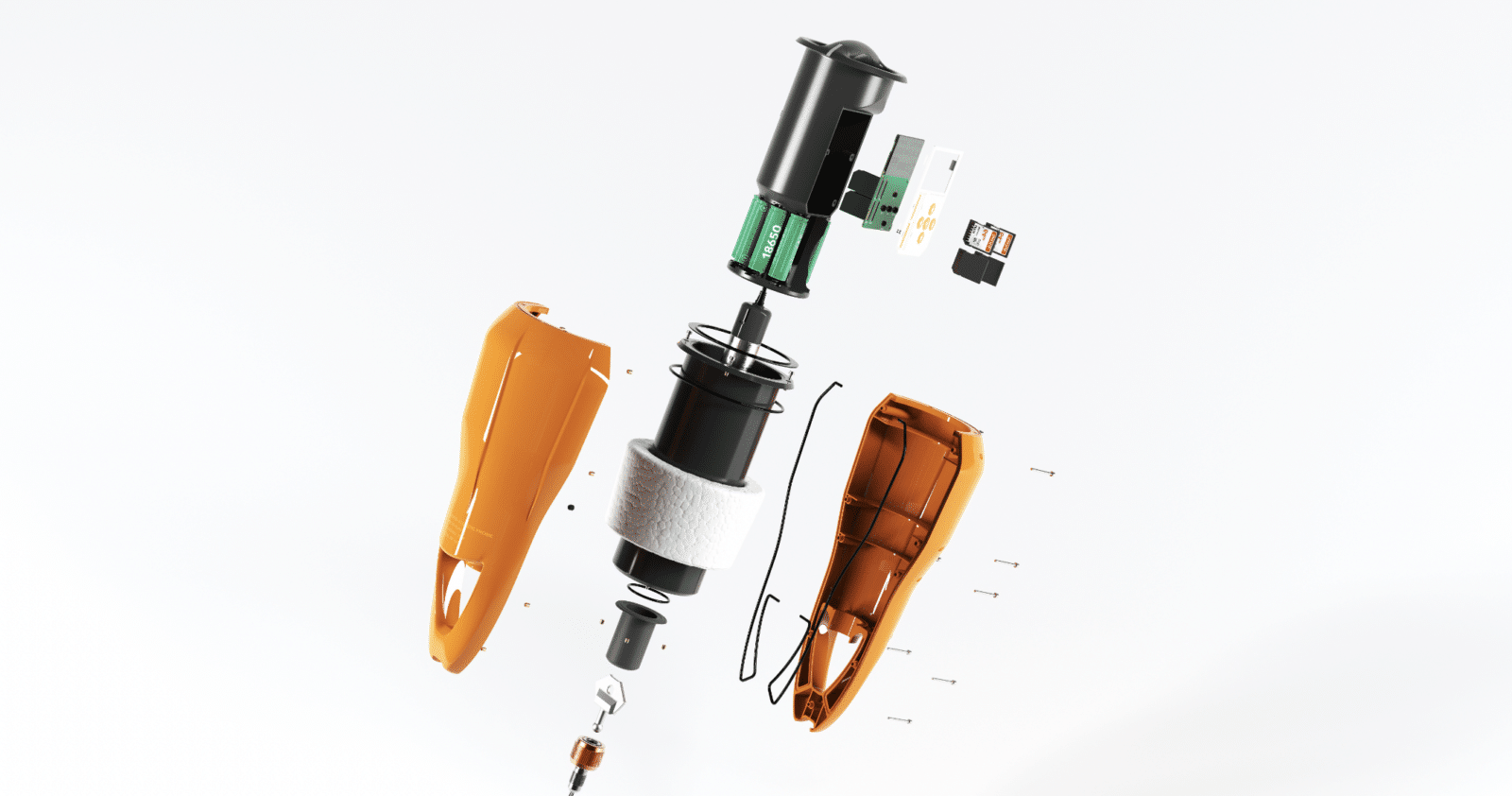
Longe term or remote deployments demands a high level of durability. The device should withstand water, heat, UV exposure, and wildlife interaction whist remaining repairable and long-lasting. Materials and form must suit a dynamic environment, while power sources should support long deployments
-
2. Deployment and collection
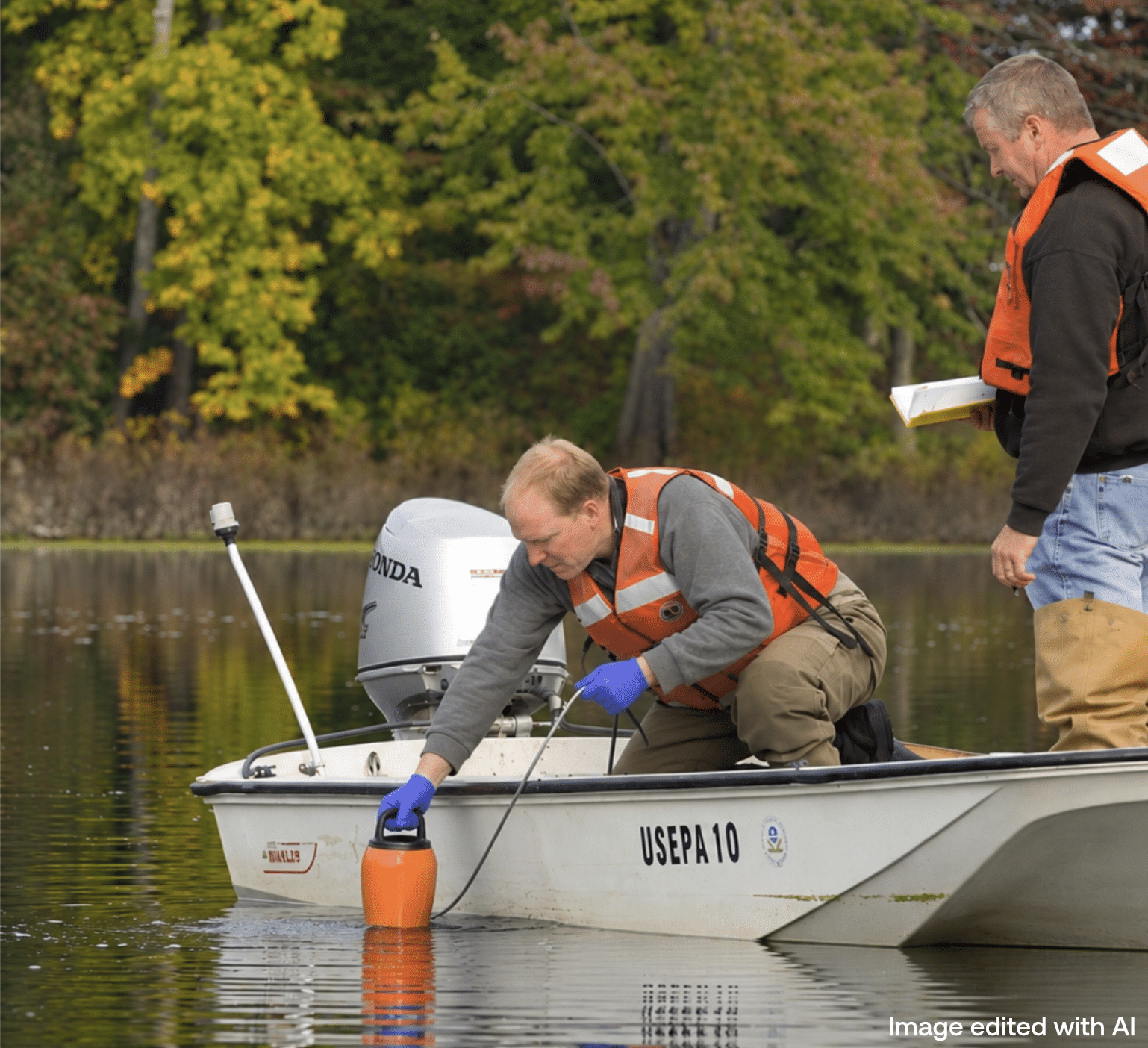
In remote environments, device deployment must be straightforward and efficient. Easy to transport, lightweight devices with intuitive controls should allow ecologist to operate them without specialist training. Clear workflows for set up, deployment and collection both minimise errors and reduces fieldwork demands, making ongoing or large-scale monitoring more practical.
-
3. Ease of Scalability
The devices workflows should support ongoing or large-scale monitoring, without significantly increasing the time, labour or resources required to do so. Devices should operate independently while allowing researchers to manage multiple units through a centralised system. Remote access, automated data collection and real-time status updates can improve spatial coverage whist reducing field visits and providing more comprehensive data sets
Design SOLUTION
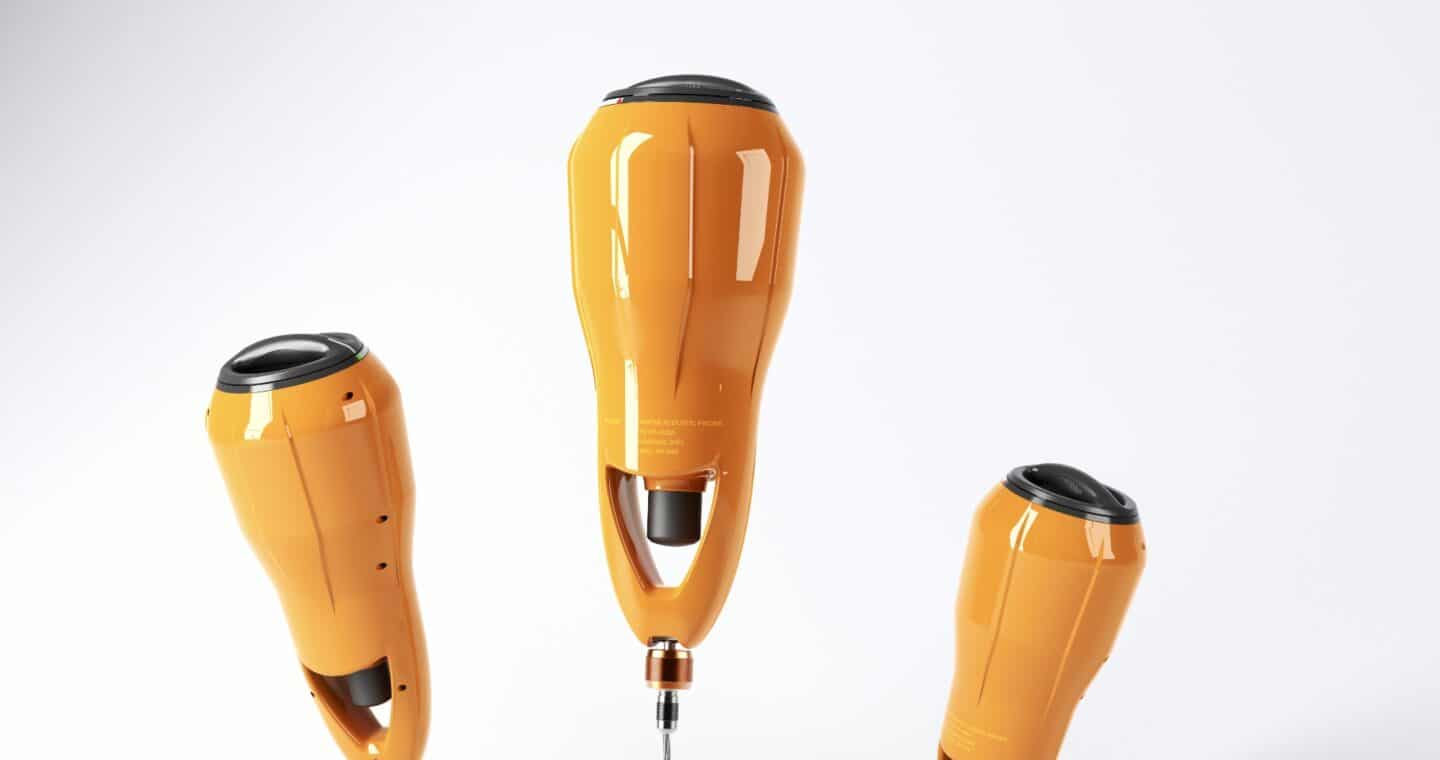
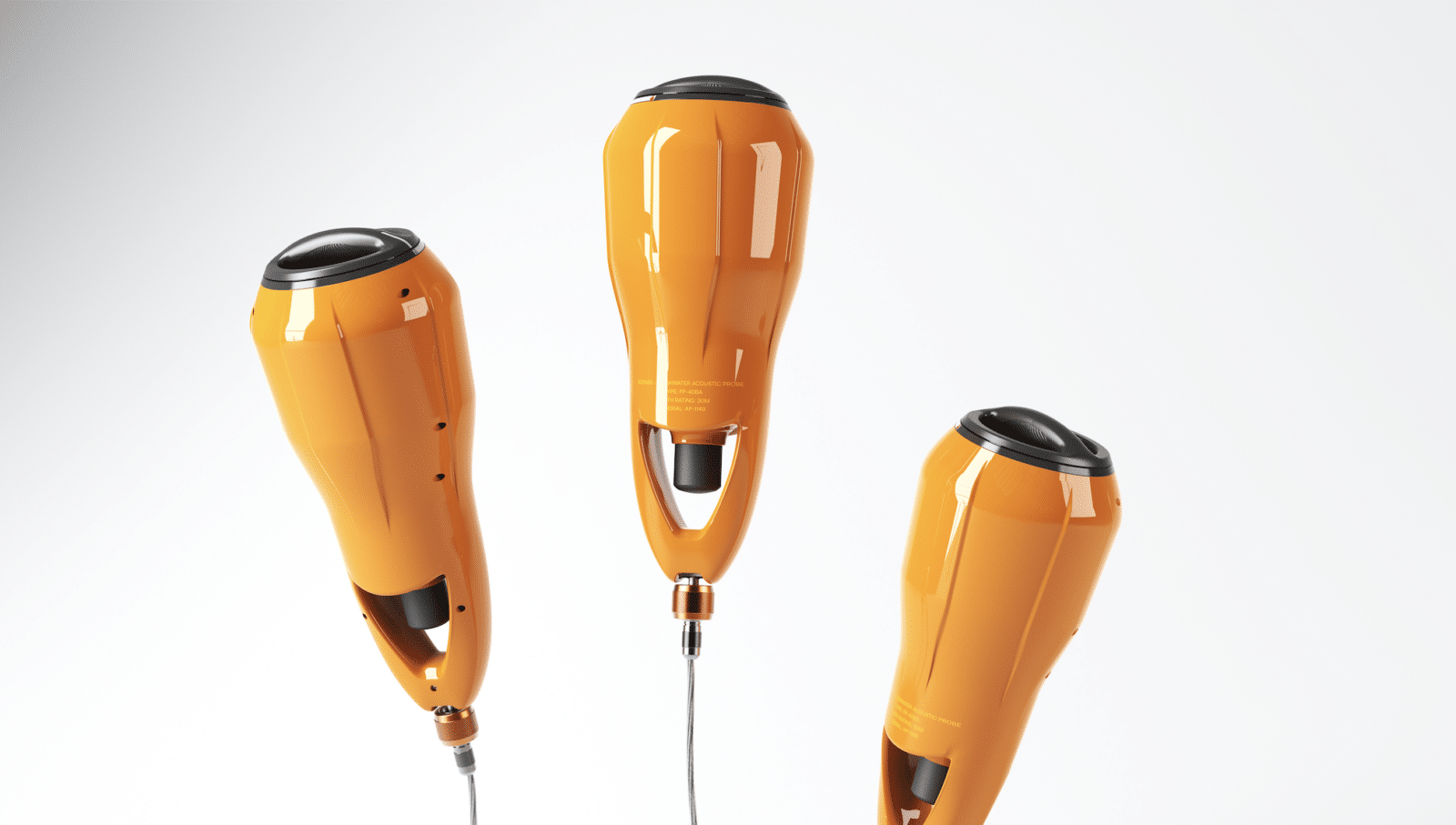
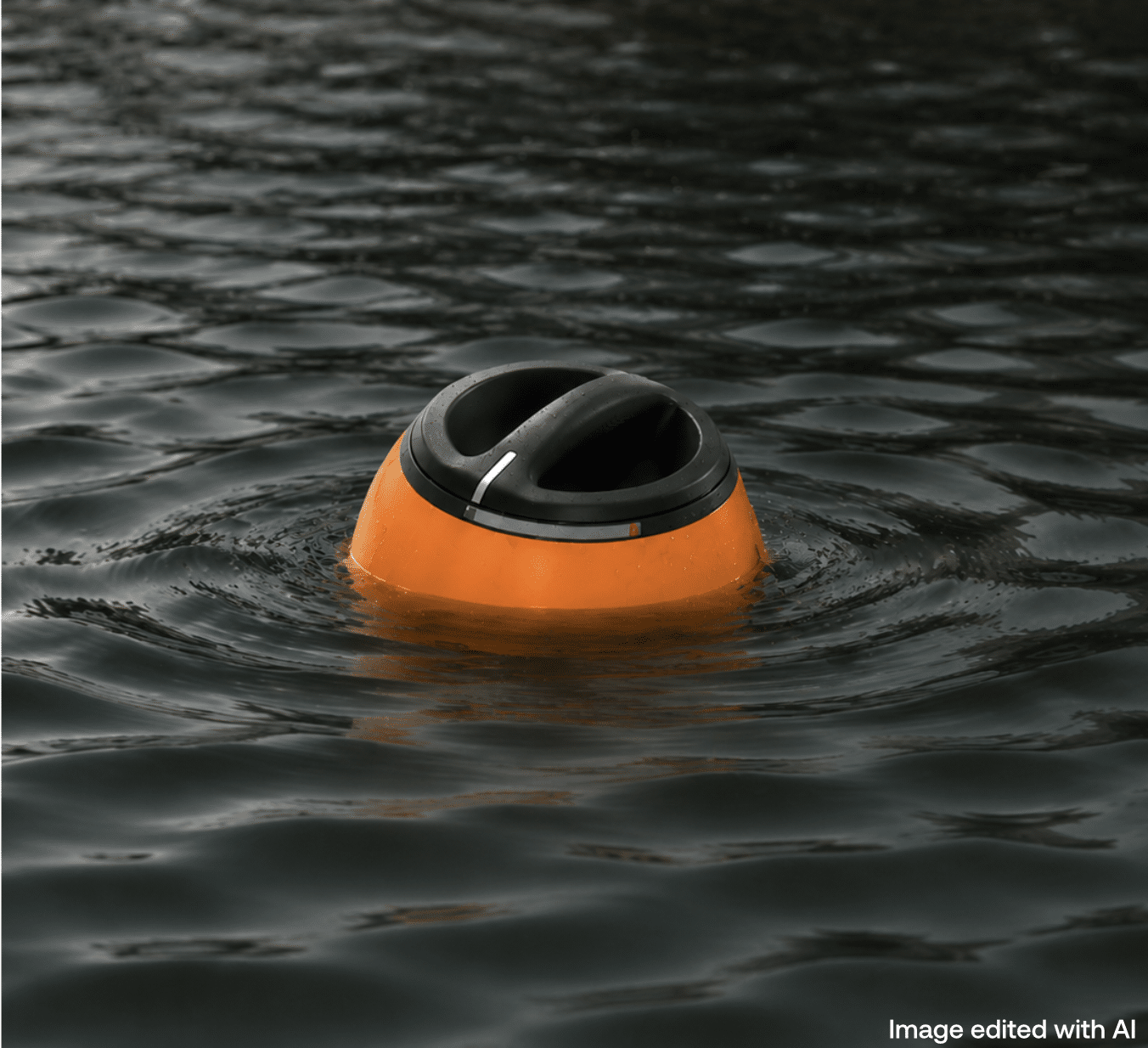
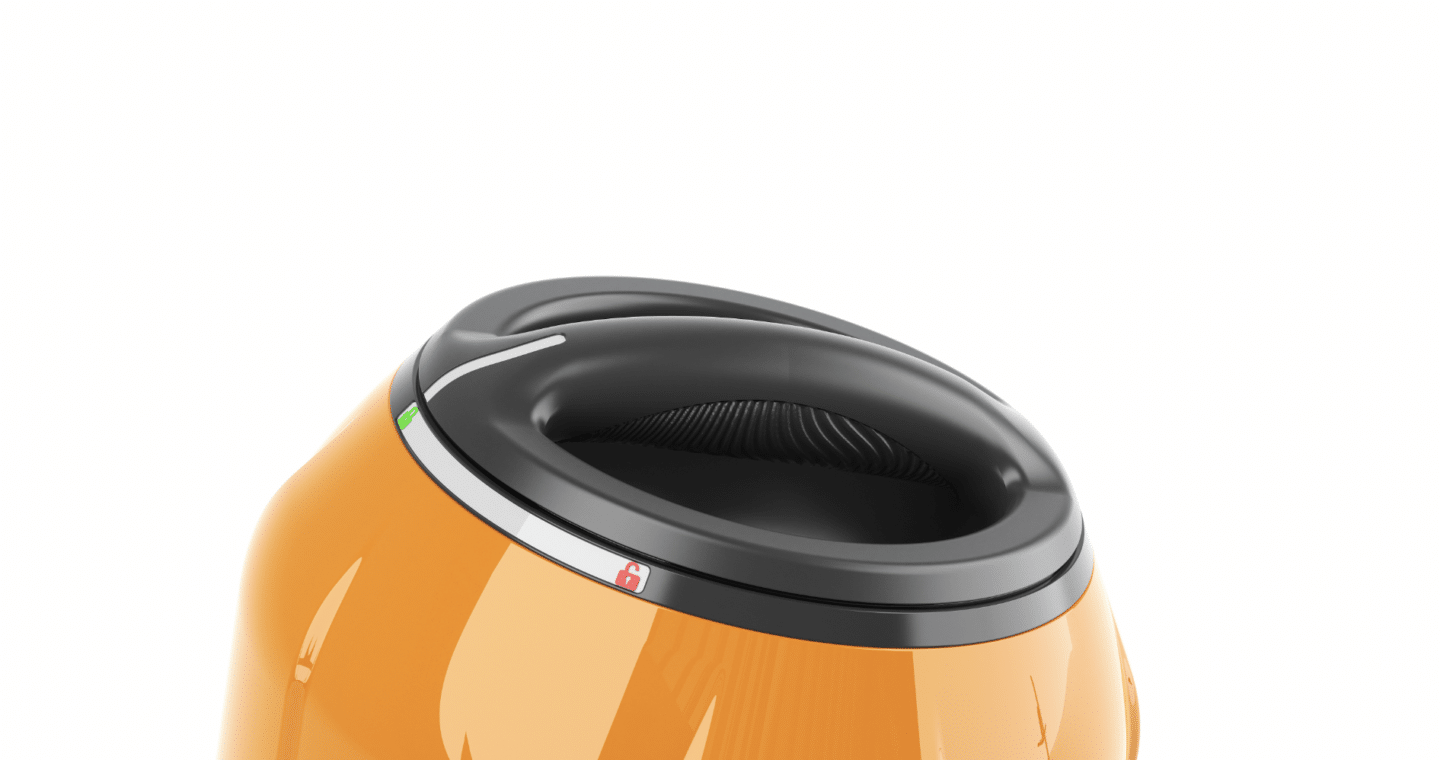
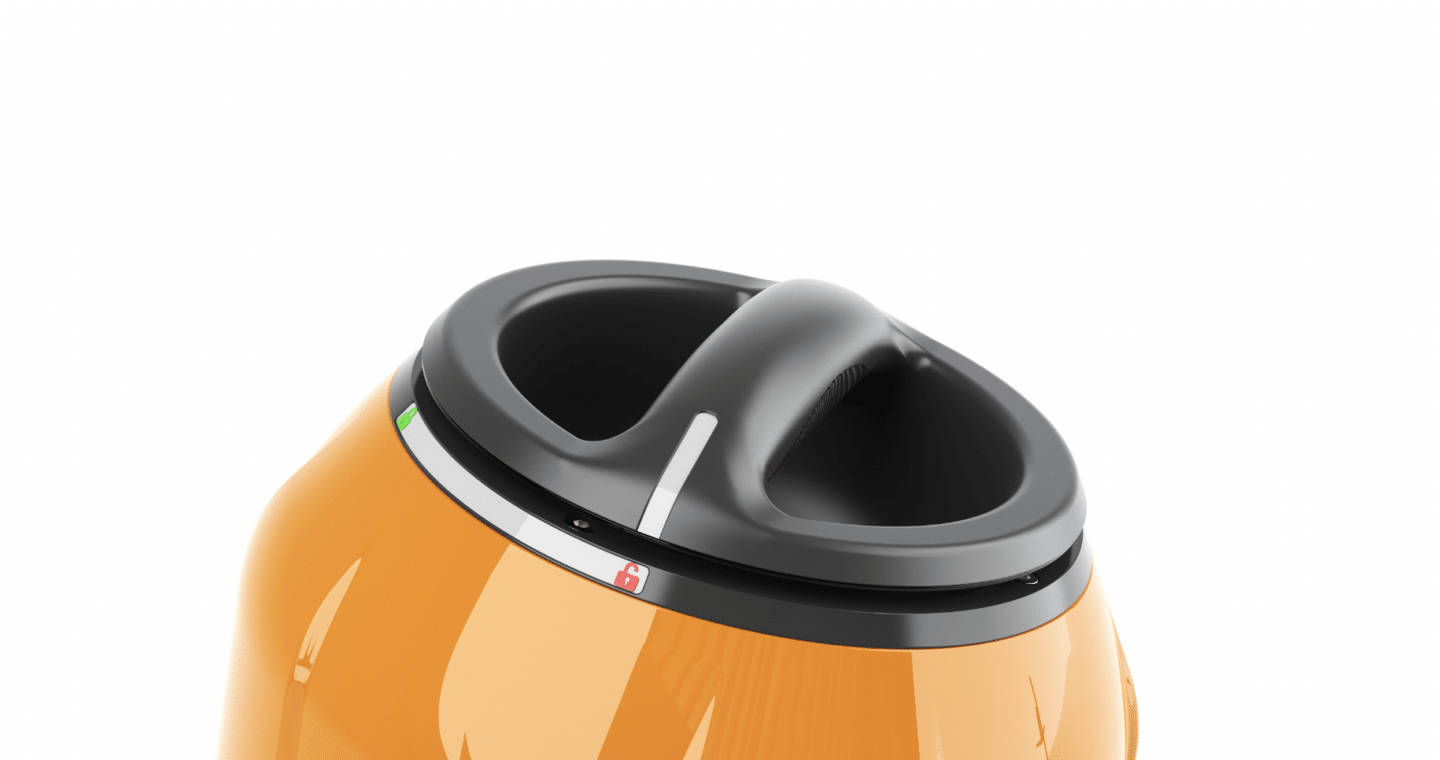
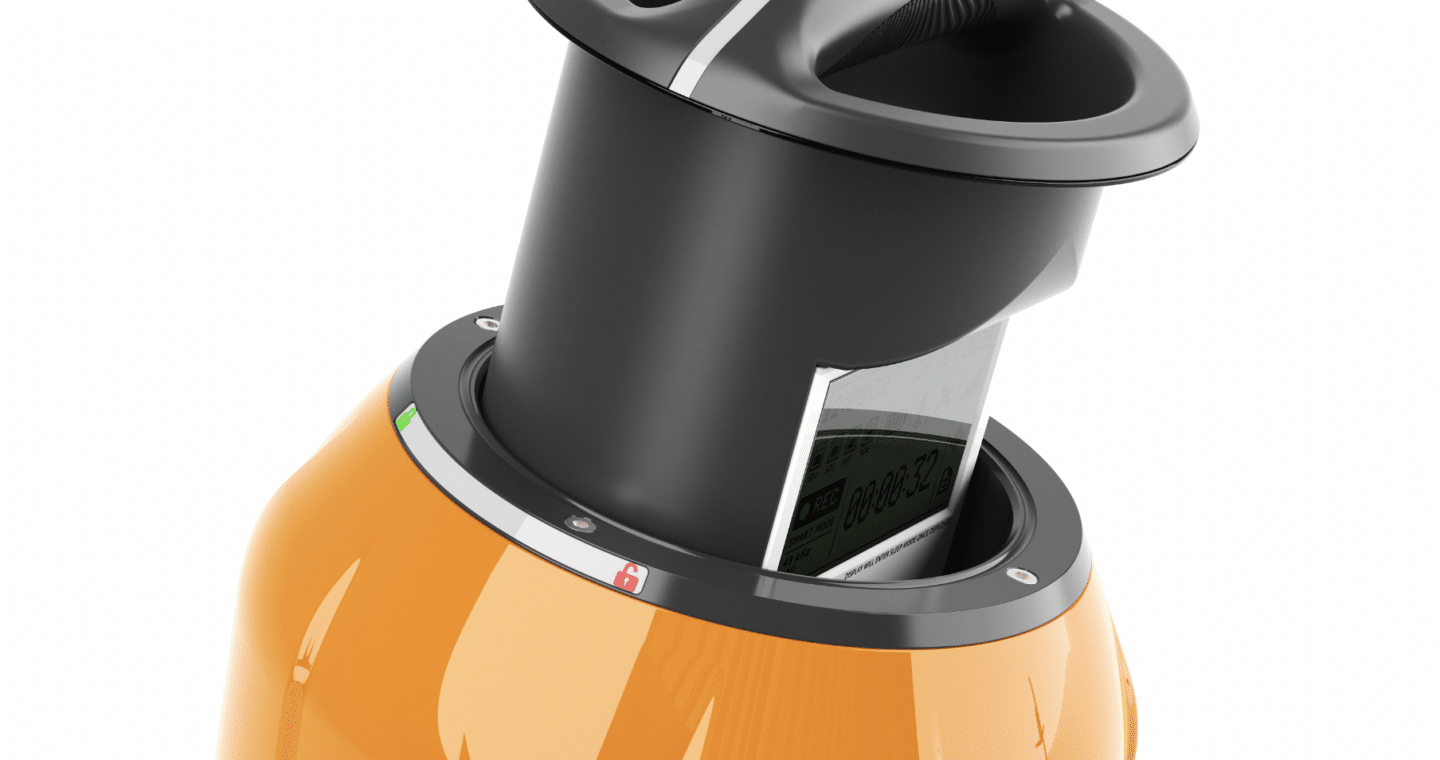
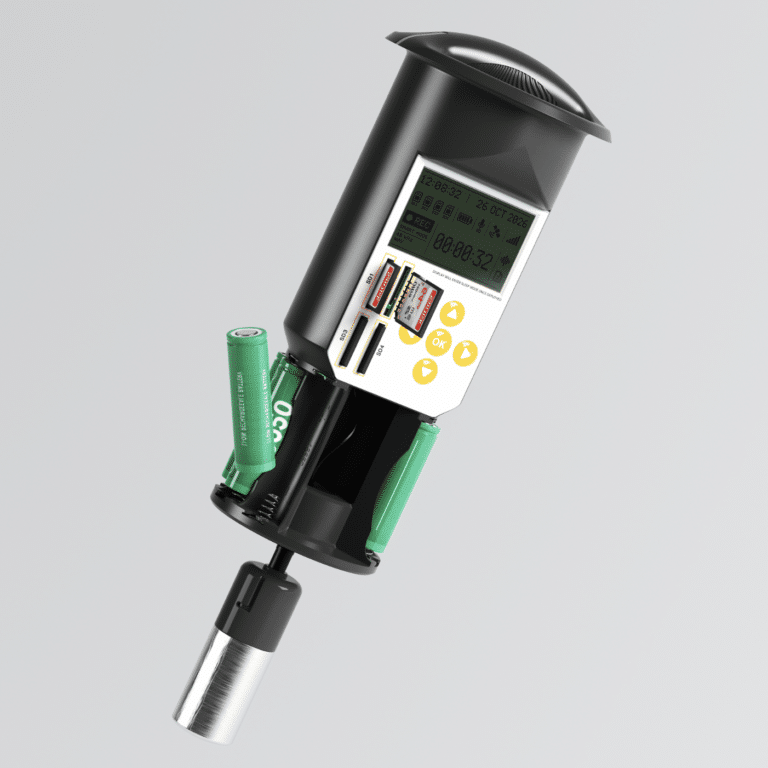
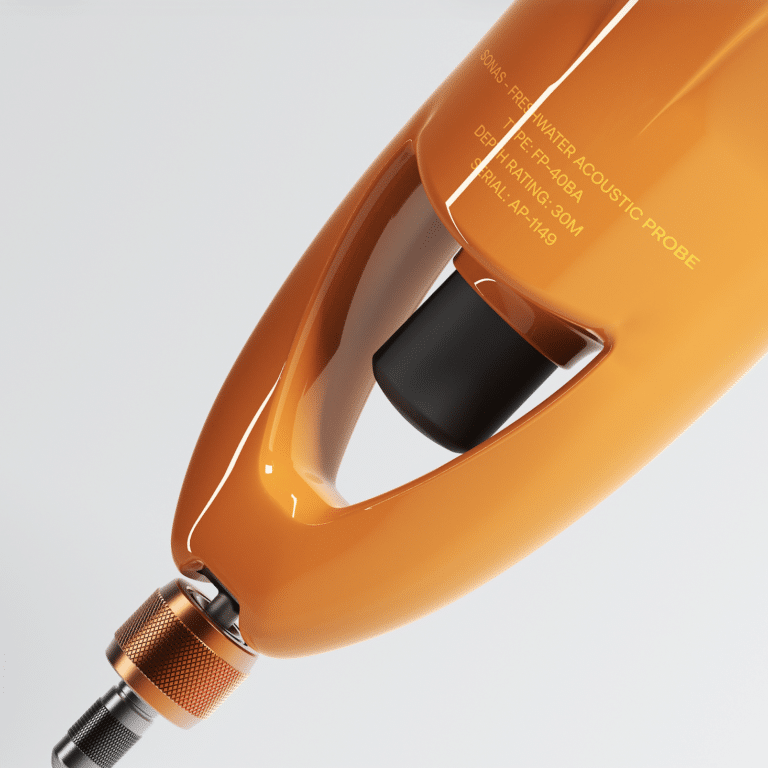
The bayonet locking mechanism provides a secure, waterproof connection while allowing tool-free removal of the electronic core. An oversized handle improves grip and ergonomics making it easier to release the seal, which requires considerable force to unlock. Raised visual indicators guide alignment and clearly distinguish locked and unlocked positions. The tactile markings provide additional identification if colour fades over time. This design streamlines data retrieval, servicing and redeployment, reducing handling time to support large-scale field monitoring.