the problem.
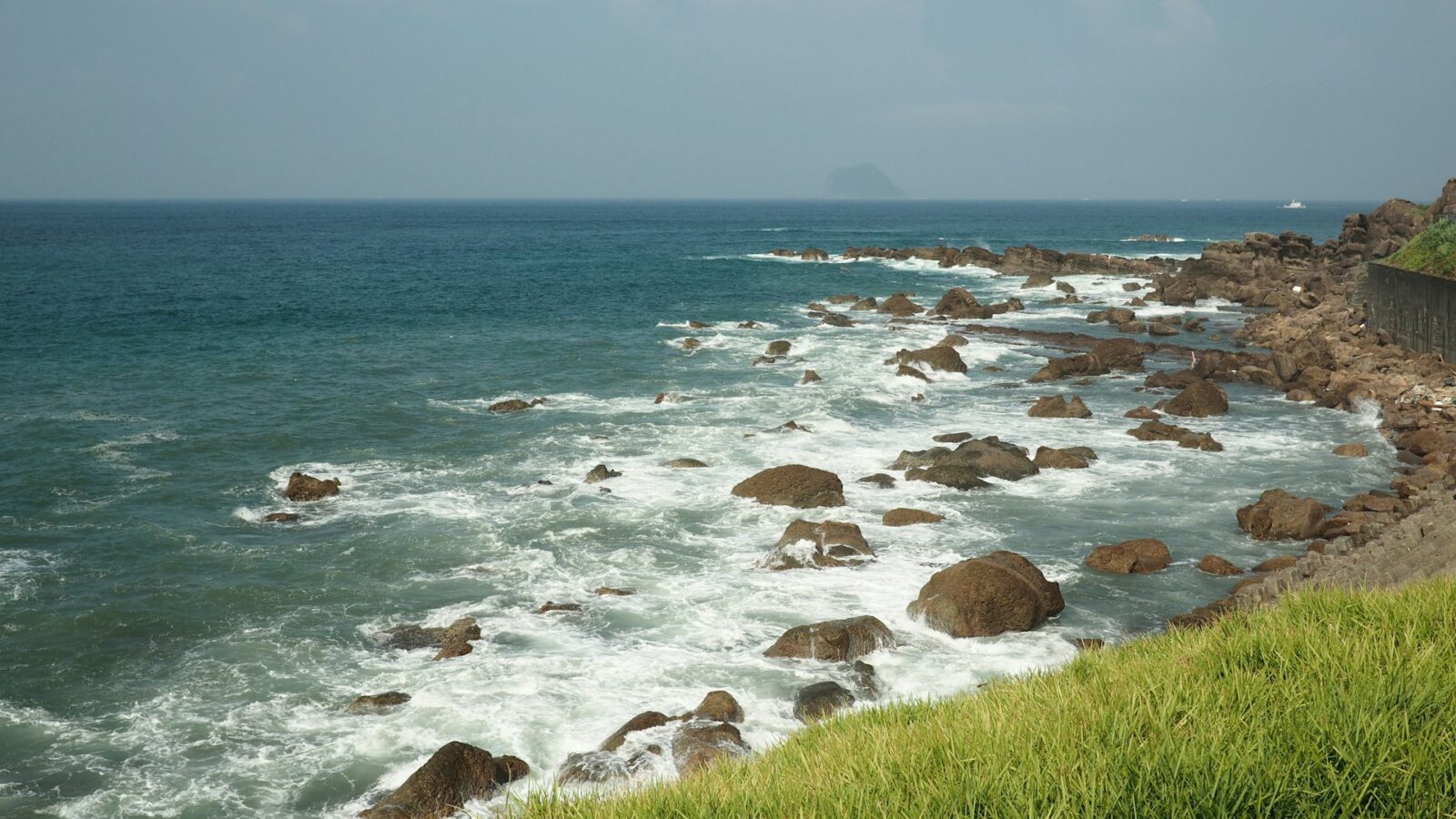
Coastal environments are continually shaped by waves, sediment movement and changing weather conditions. Climate change is accelerating sea-level rise and contributing to more intense weather events, increasing coastal erosion and inundation while placing greater pressure on shorelines, infrastructure and marine ecosystems.
Within these environments, the intertidal zone forms the transitional area between land and sea, regularly exposed and submerged by changing tides. These fluctuating conditions support a variety of marine organisms adapted to variations in water level, temperature and salinity. Natural rocky shores provide important habitats through their physical complexity, offering shelter and refuge for marine species.
As sea levels rise and shorelines become increasingly developed, intertidal habitats may have limited opportunities to adapt or migrate, placing further pressure on their biodiversity and ecological functions.
the brief.
Developed in partnership with In-Depth Innovations, the project brief challenged the redesign of conventional coastal armour into a nature-inclusive protection system that integrates shoreline defence with productive marine habitats. The brief emphasised robust, stable and interlocking modules that incorporate ecological features such as tide pools, caves and overhangs, while considering structural performance, efficient installation and sustainable, scalable manufacturing.
“…Coastal protection involves physical protection from erosion and protecting infrastructure near the beach, and also coastal protection would involve artificial habitats to support marine life too”
Survey Respondent 1
Key Research Findings.
-
Habitat Complexity.
Habitat complexity emerged consistently throughout the research, with natural rocky shore environments demonstrating how varied textures, crevices, ledges and sheltered spaces provide opportunities for marine colonisation. Differences in elevation, sunlight and water exposure were also identified as important characteristics in creating diverse microhabitats for marine organisms.
-
Multifunctional Geometry
Geometry and arrangement of coastal structures can contribute to both protective and ecological functions. Variation in module height, spacing and configuration can influence wave behaviour, while gaps between neighbouring units create potential shelter for marine organisms. This suggested that structural and ecological functions could be integrated through the same geometric form.
-
Structural & Practical Requirements
Structural stability, module weight, lifting requirements and manufacturing emerged as significant considerations influencing the practicality and scalability of coastal infrastructure. Sufficient mass and appropriate geometry were associated with stability, while offshore vessel time and underwater assembly were identified as major installation cost factors. Manufacturing research also highlighted the balance between the geometric flexibility of 3D printing and the production efficiency of conventional precasting.
-
Site Adaptability & Community Perspectives
The public survey revealed that while all respondents (100%) identified erosion prevention as a primary purpose of coastal infrastructure, habitat conservation emerged as the strongest environmental priority (87.1%). Moreton Bay was frequently identified as a potential location for nature-inclusive intervention. However, both survey participants and experts emphasised the importance of site suitability, including wave exposure, water depth, seabed characteristics, recreational activities and existing ecosystems.
“Flat concrete surface is definitely not biomimicry…structures that mimic the natural environment where a lot of these organisms… marine colonisers, would be, is where I’d be focusing my design around.”
Managing Director, In-Depth Innovations
LEARN MORE ABOUT THE RESEARCH BEHIND EIKO.
- Name
- Re-designing Coastal Protection Systems to be More Nature Inclusive
- File Type
- application
- File Size
- 1 B
- Link
- Download File
introducing eiko.
Geometry Meets Ecology.
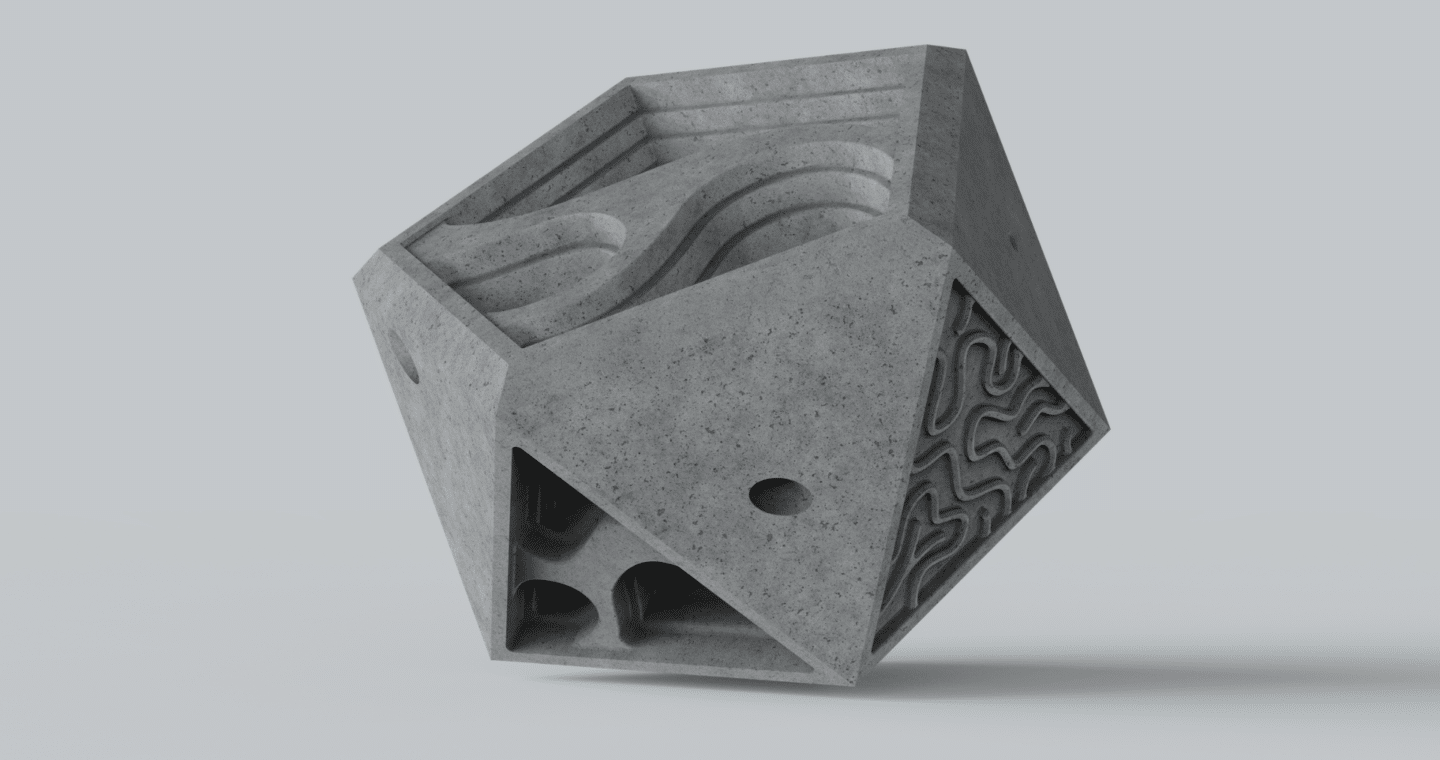
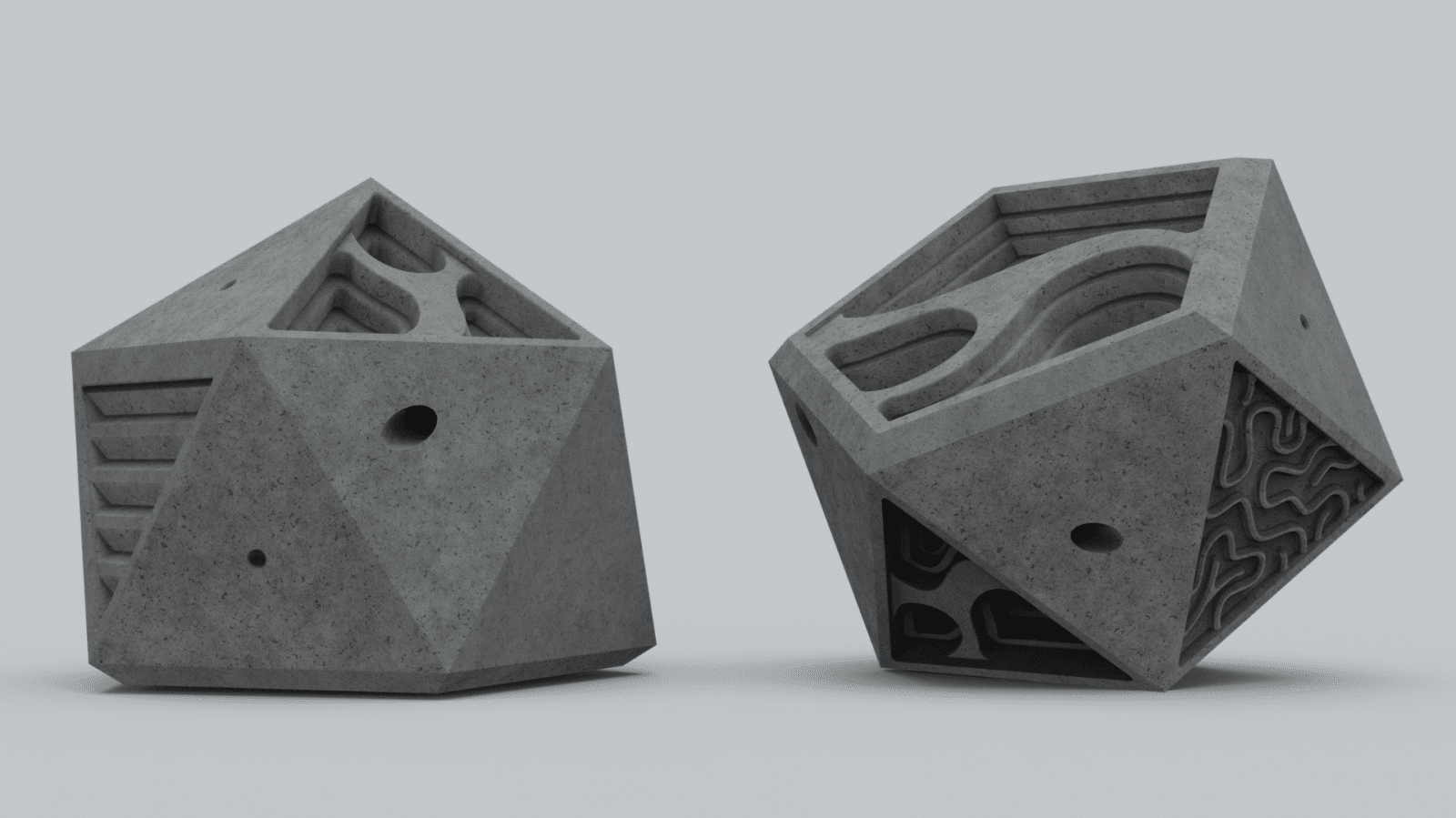
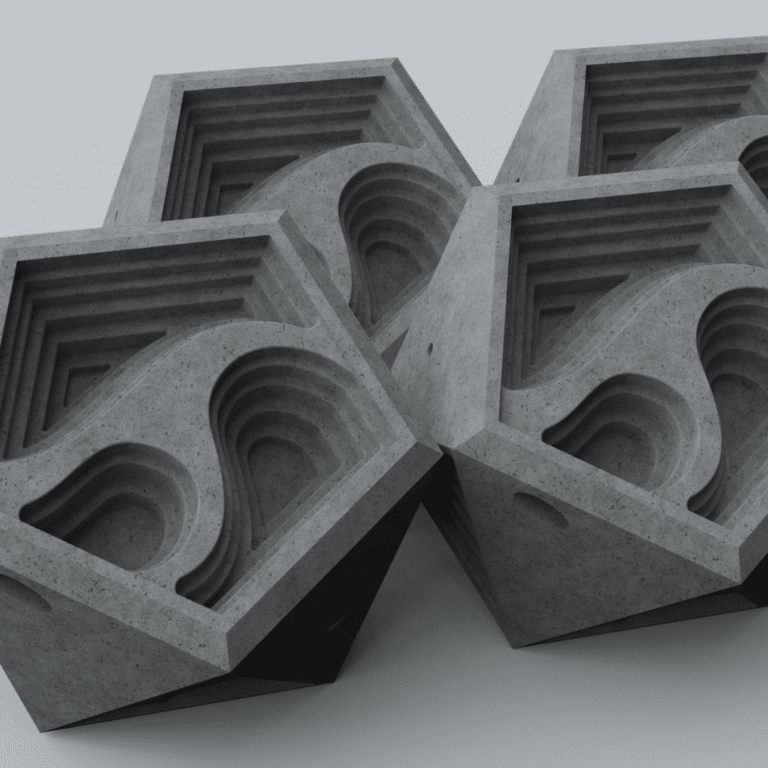
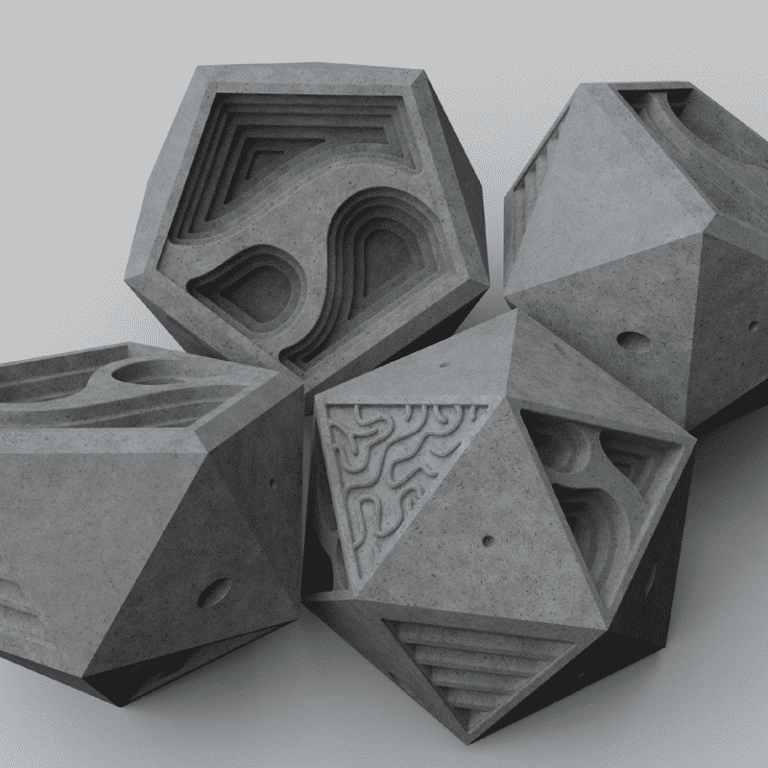
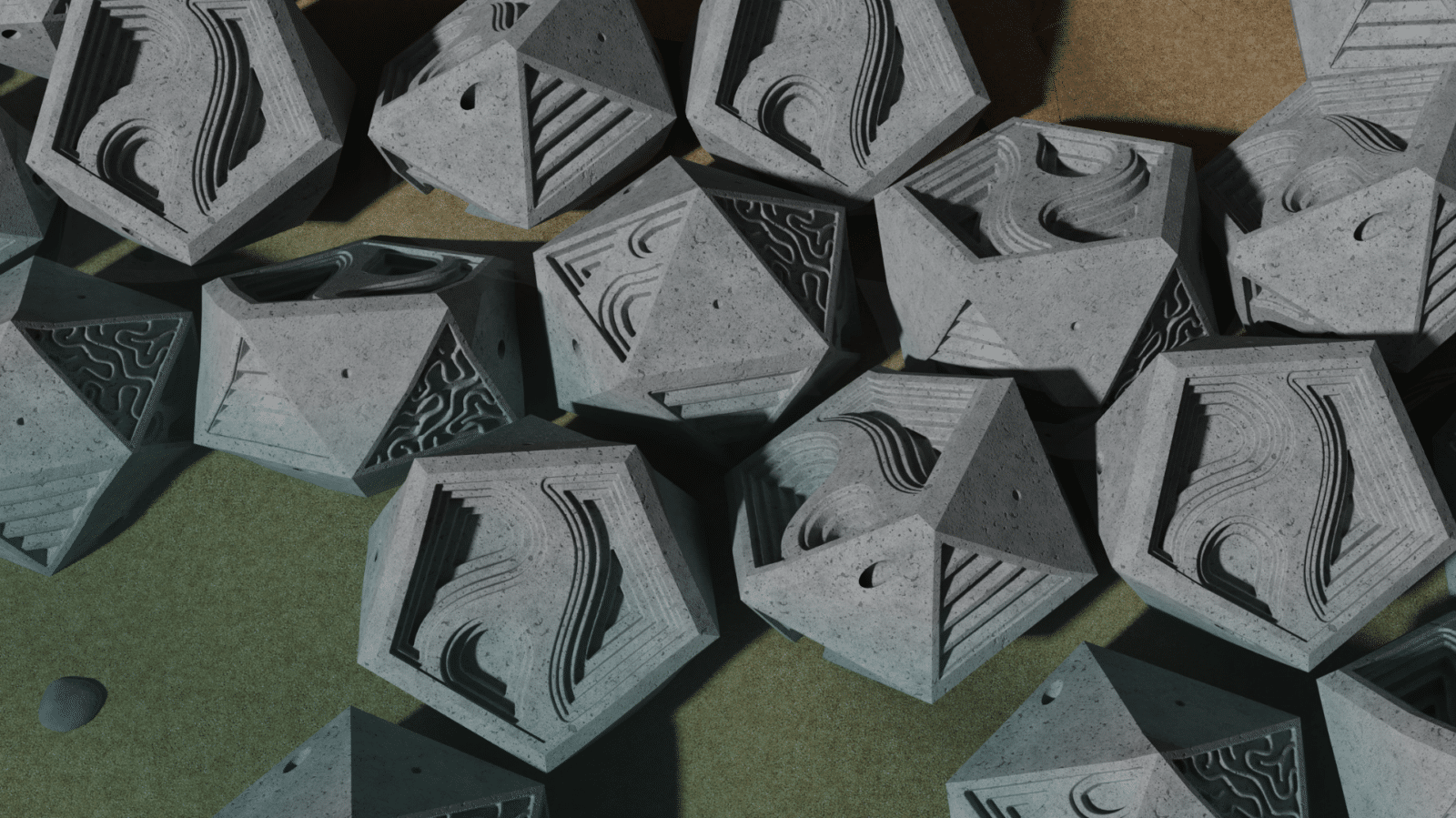
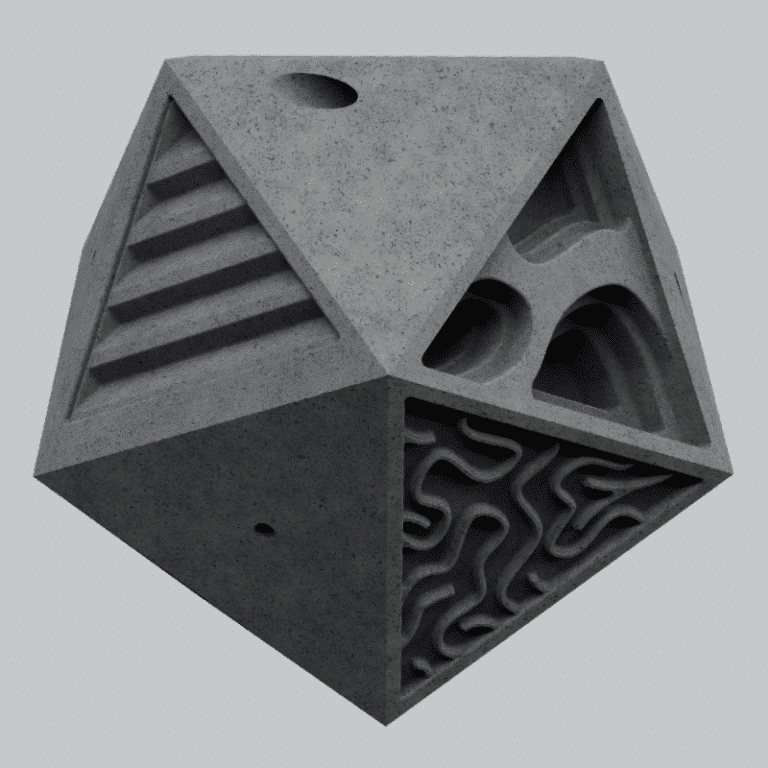
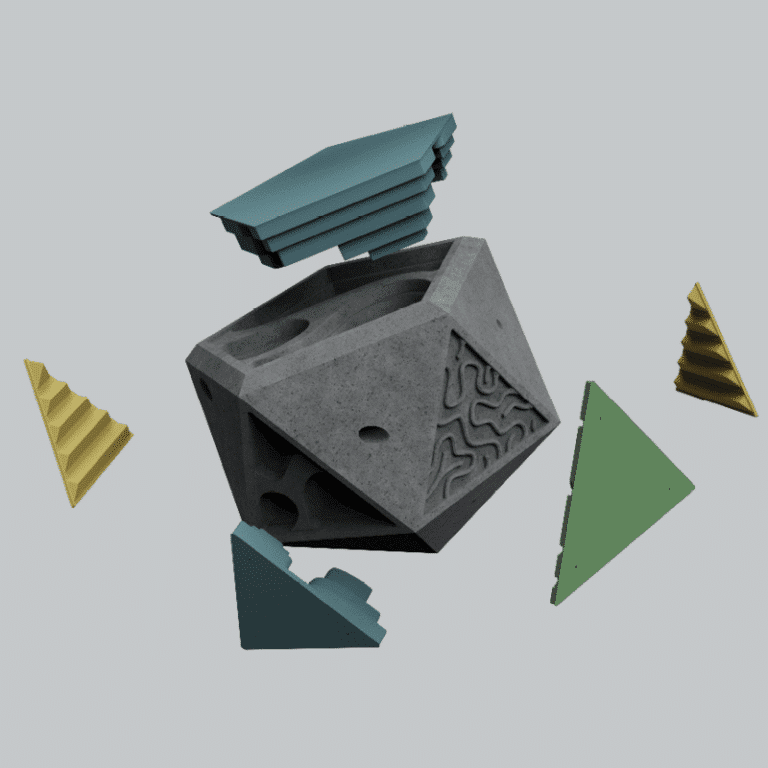
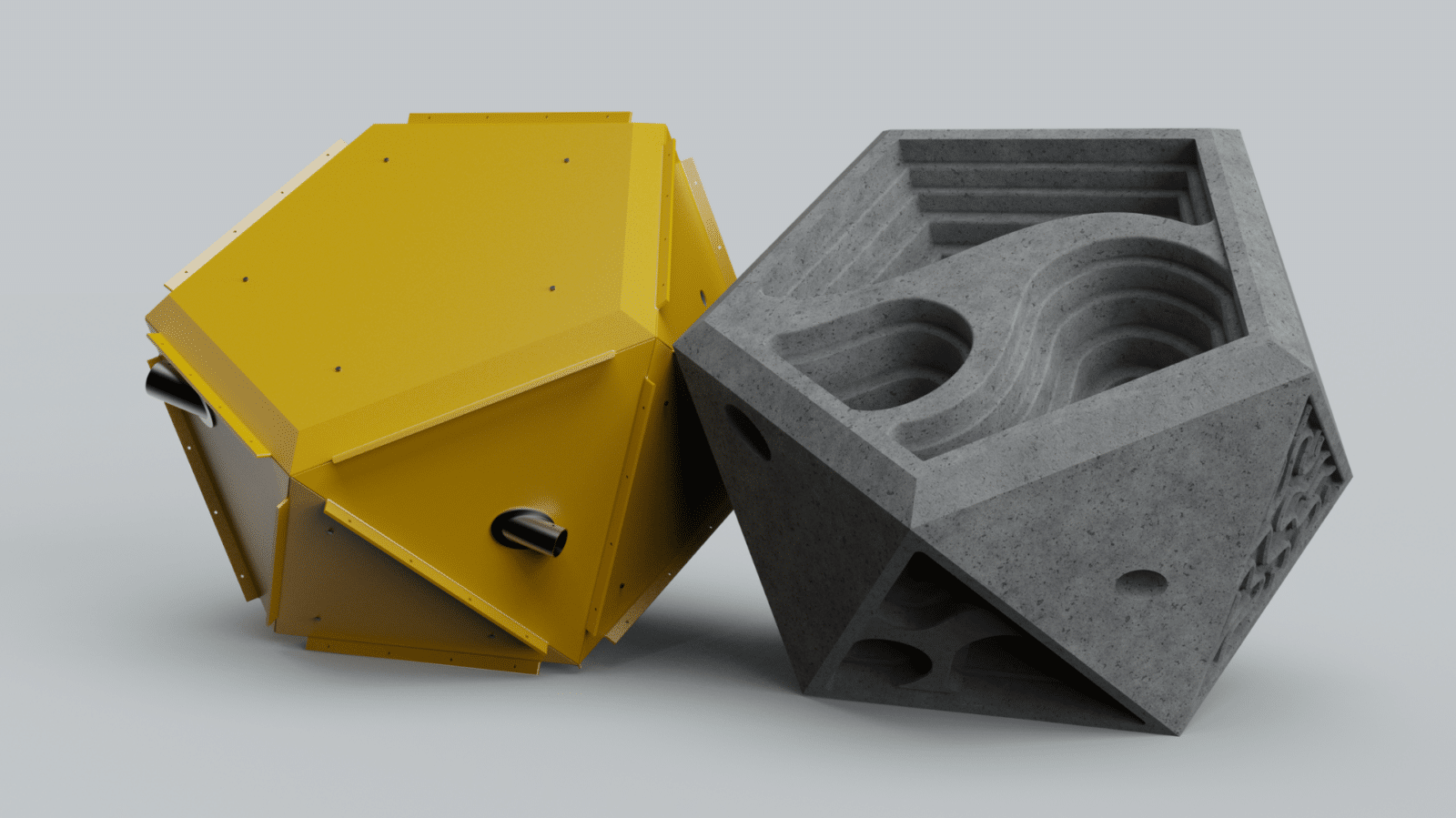
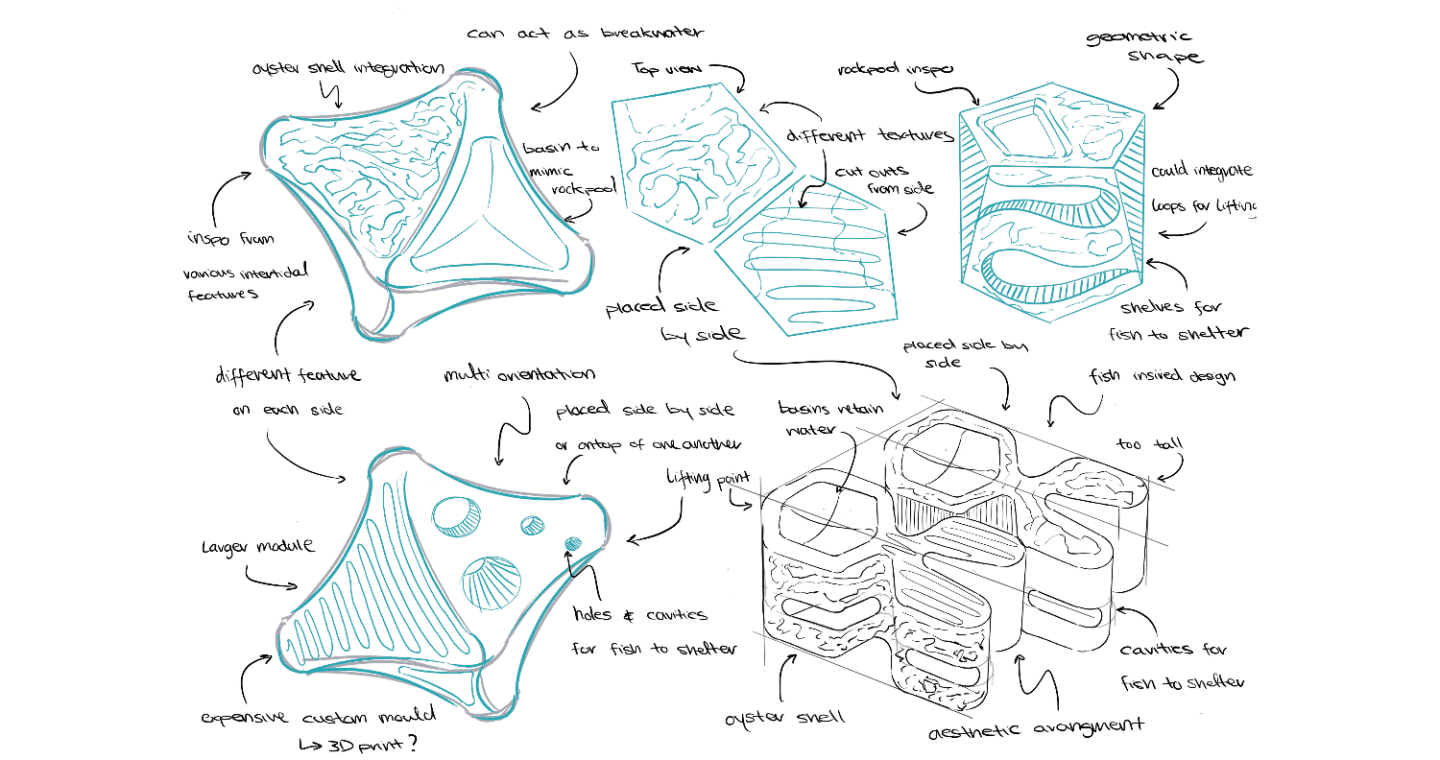
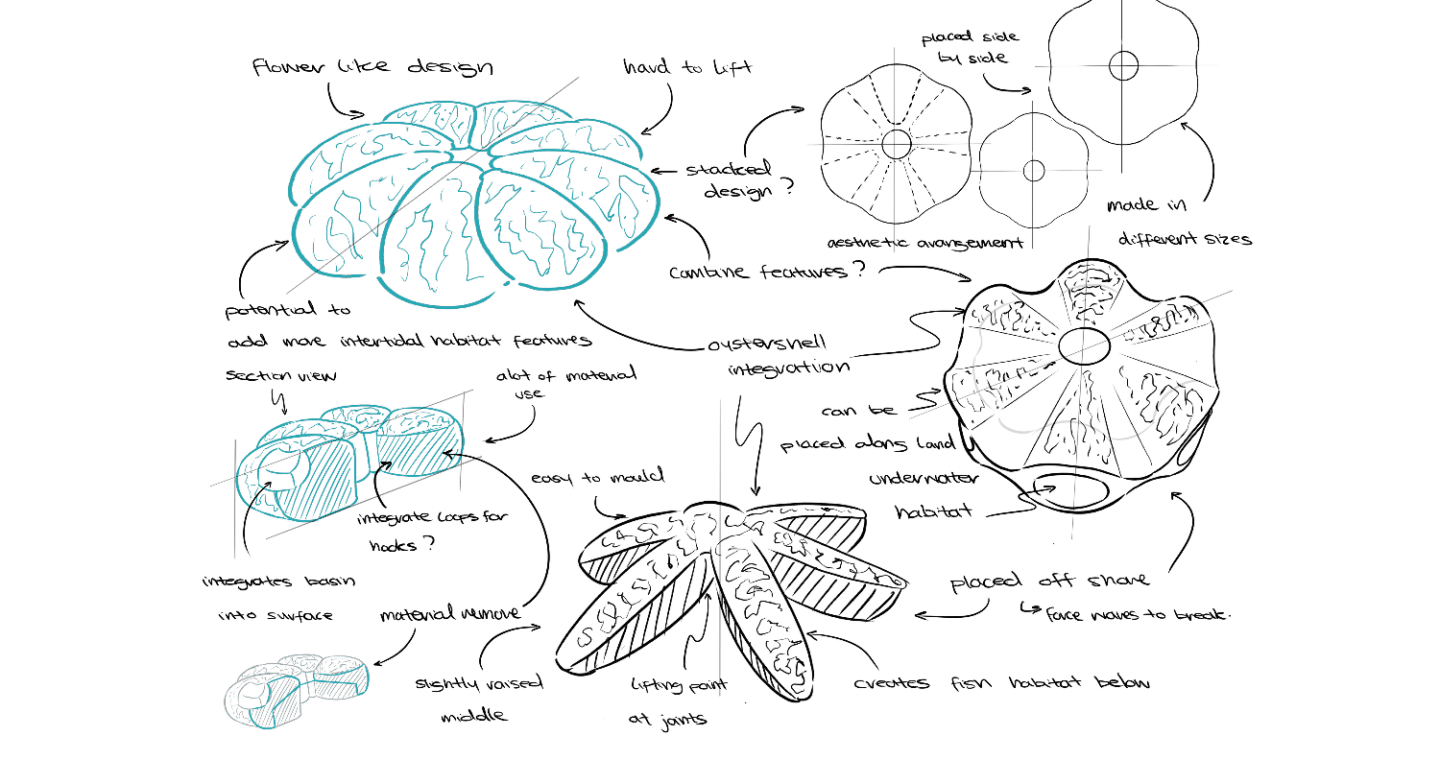
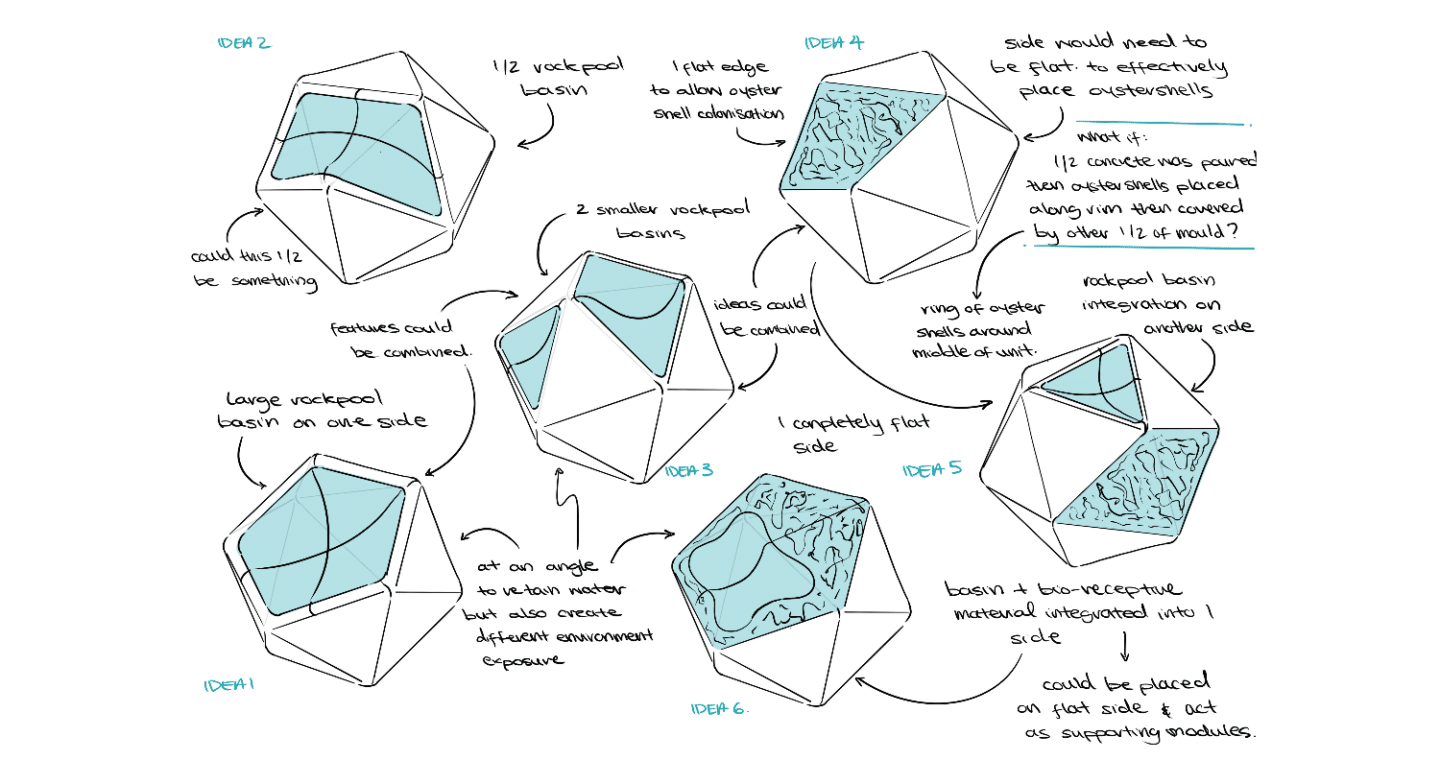
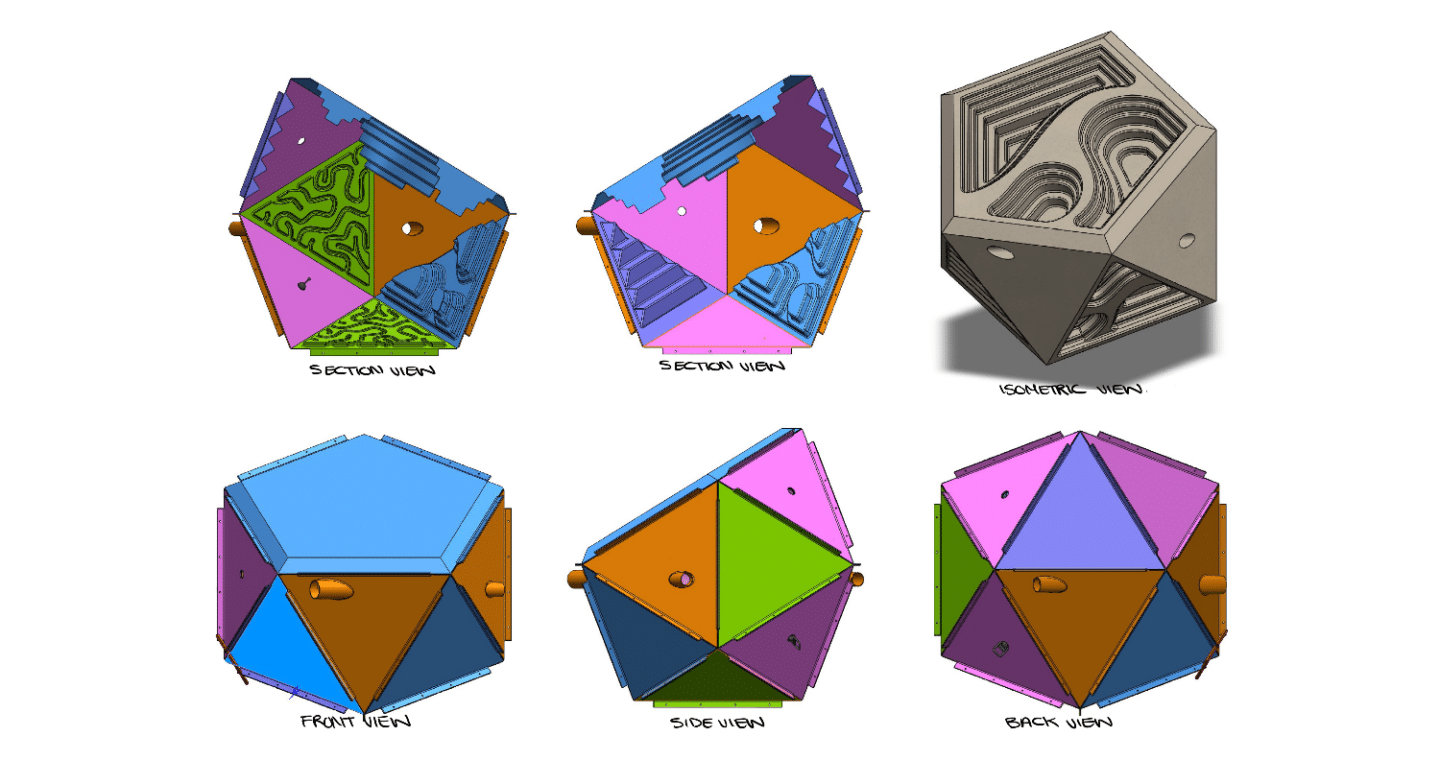
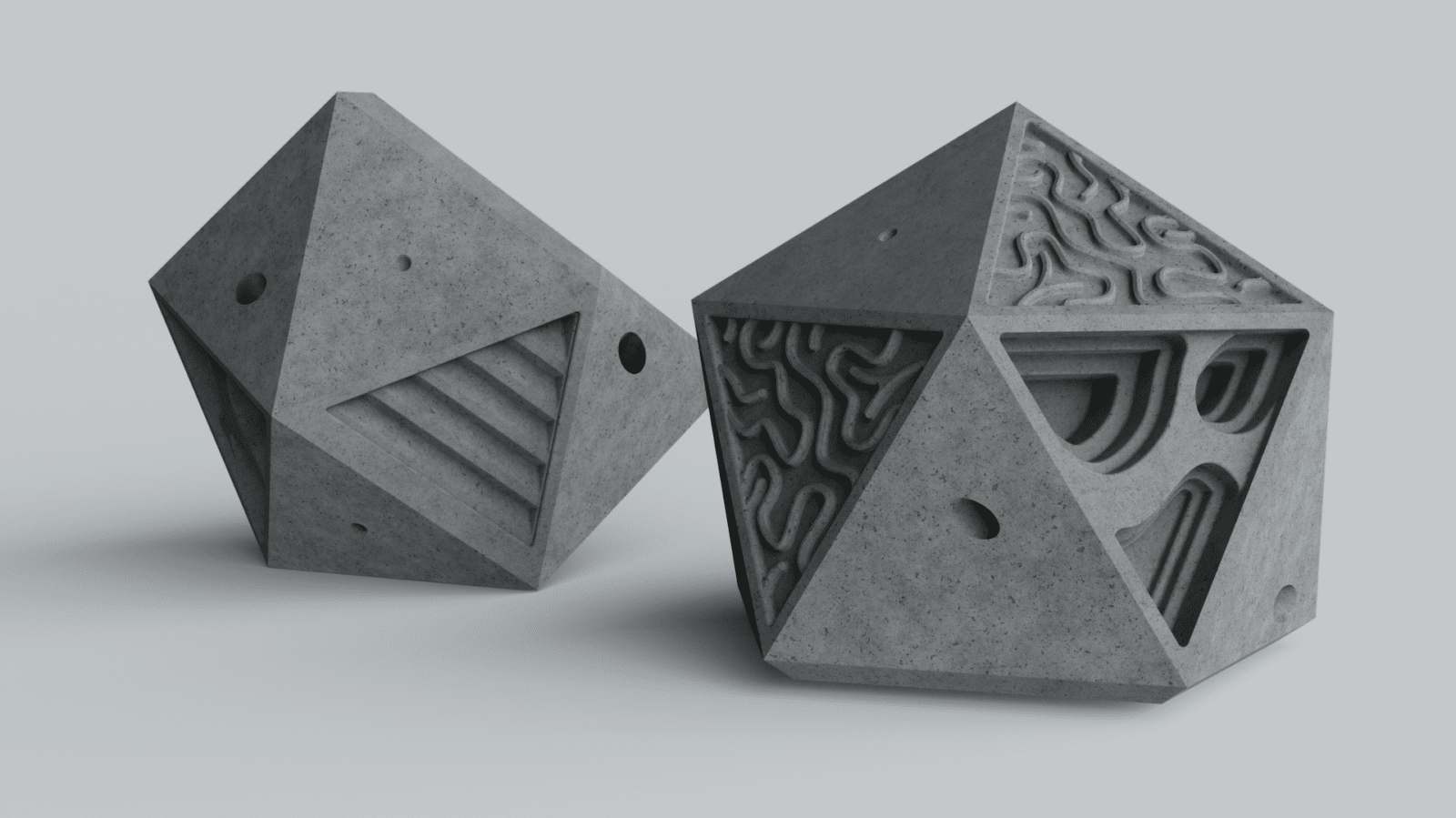
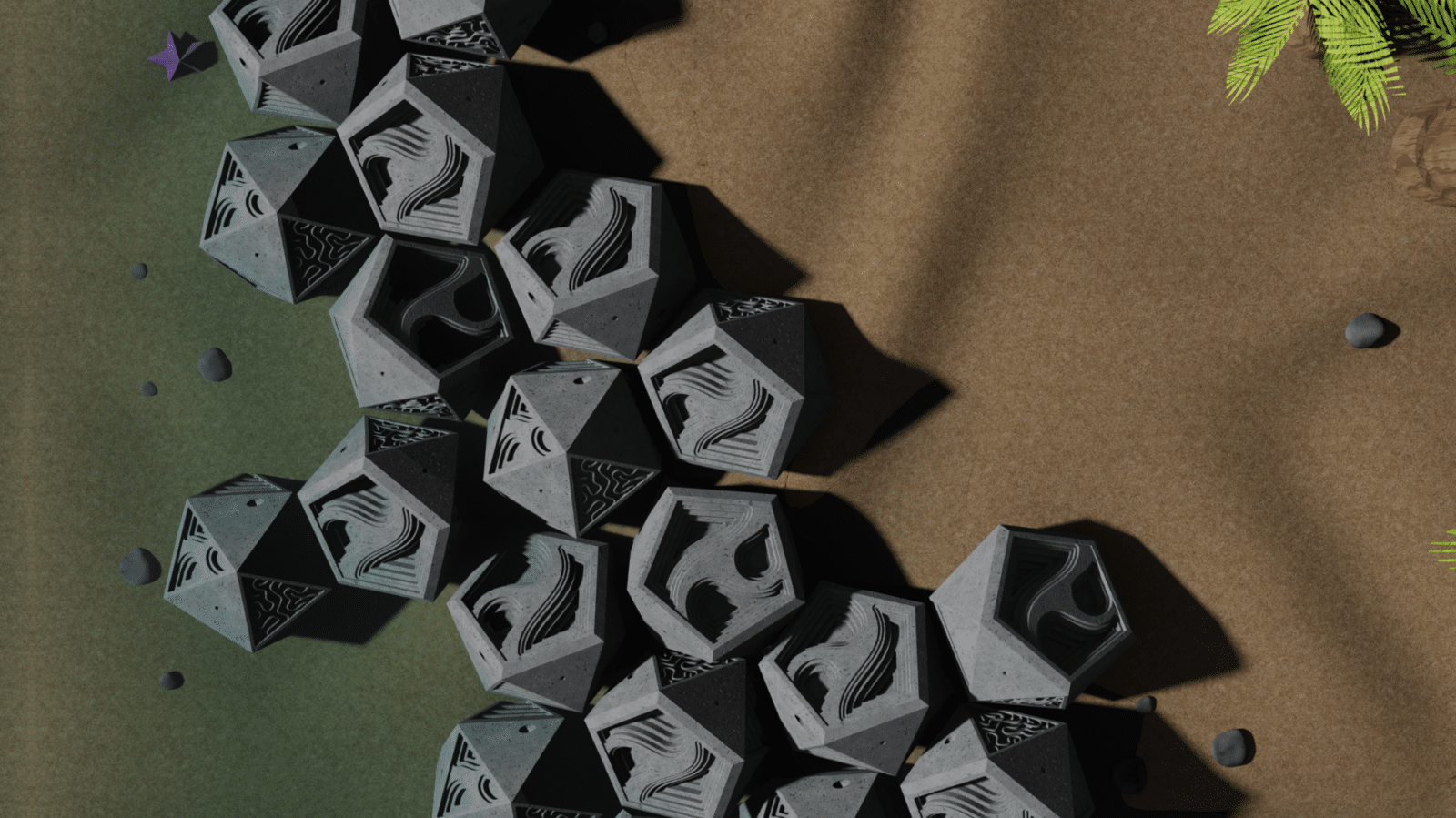
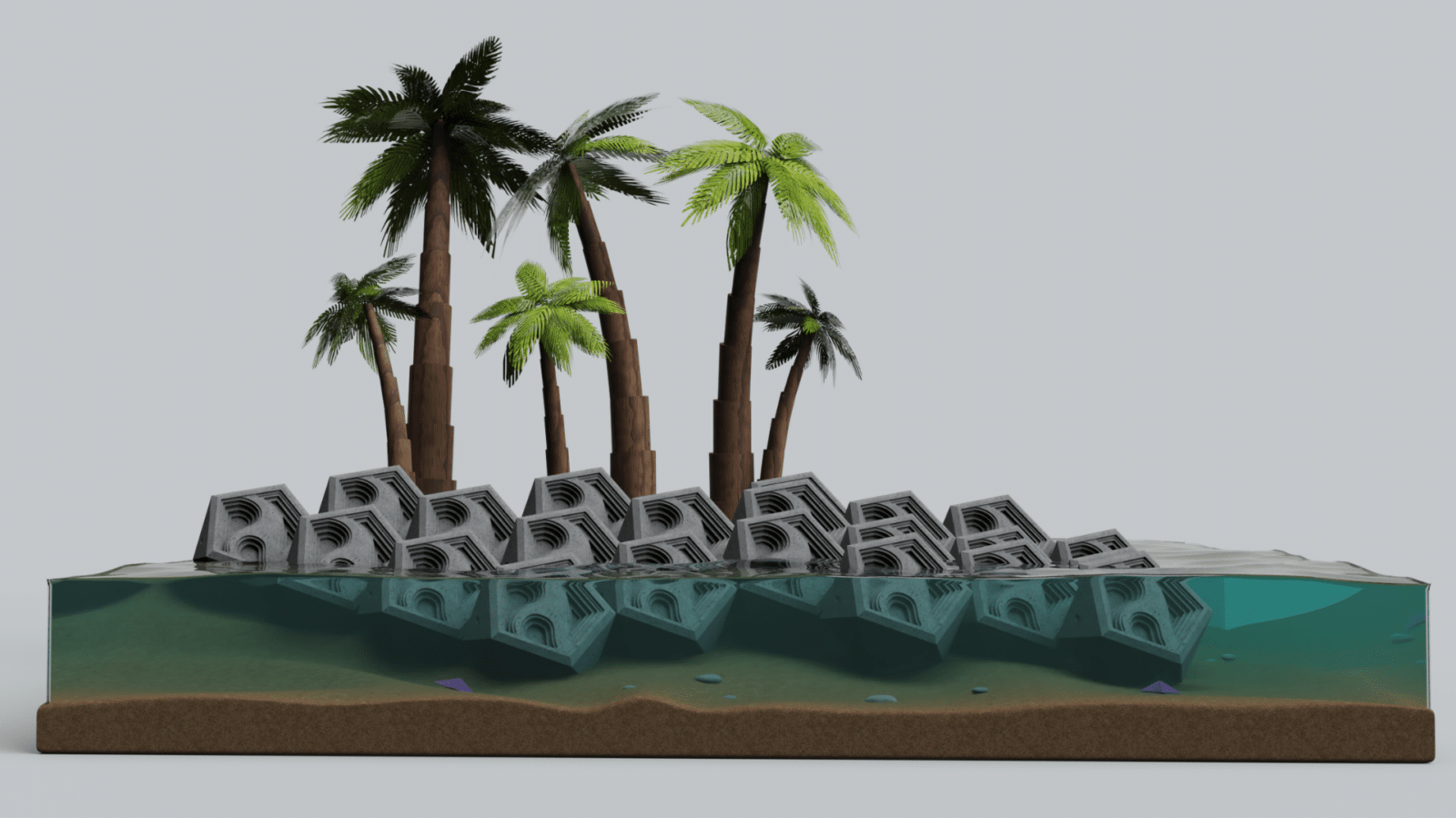
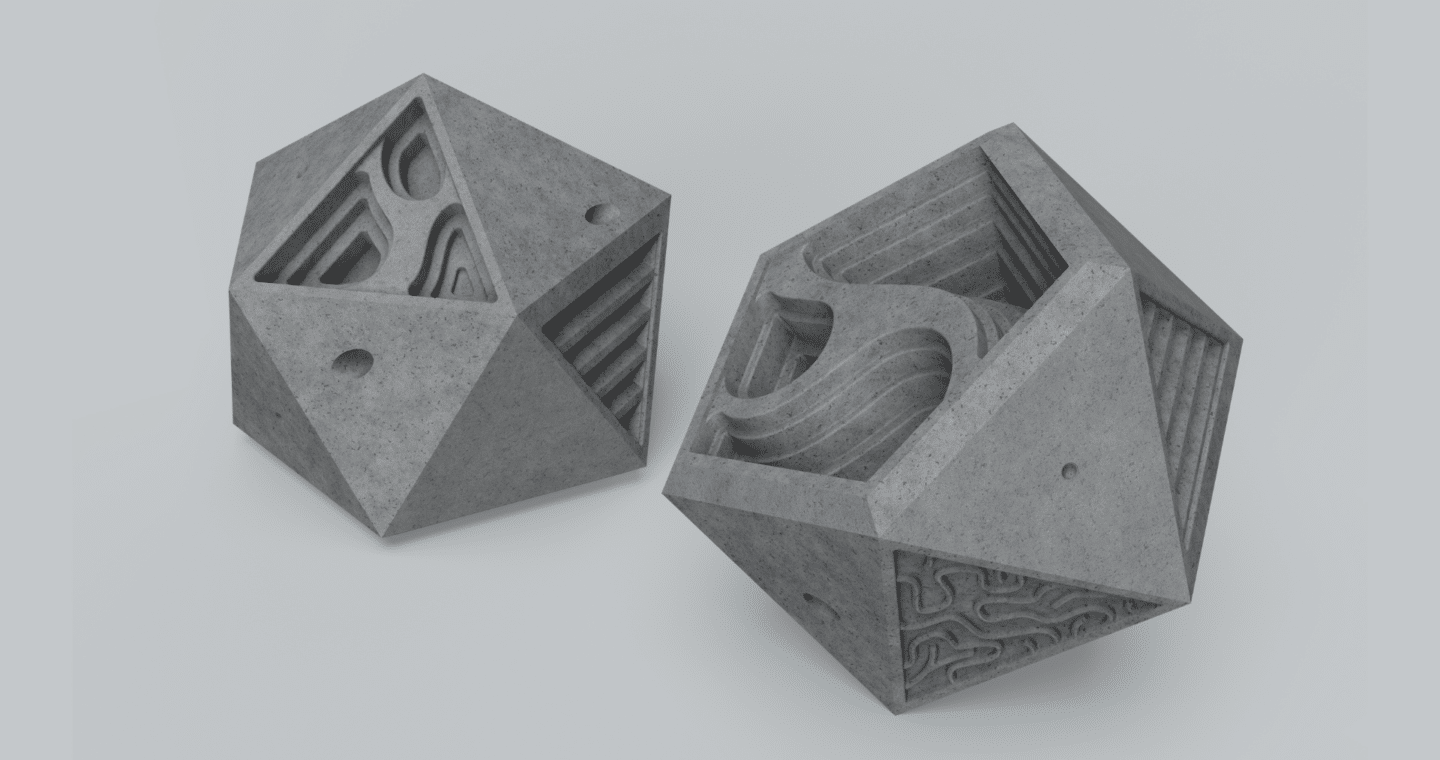
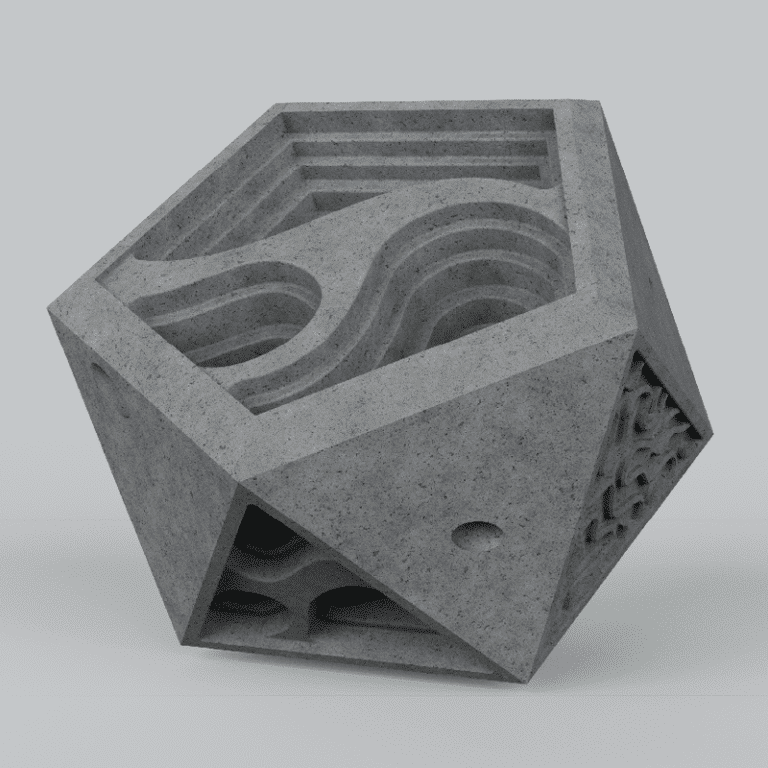
Derived from an icosahedral structure composed of equilateral triangular faces, EIKO’s geometry creates a repeatable, multifaceted module approximately 1.8 metres tall, capable of being positioned in various orientations. This allows individual faces to experience varying environmental conditions while incorporating habitat-forming features, including rock-pool cavities, sheltered ledges and coral-inspired textures.
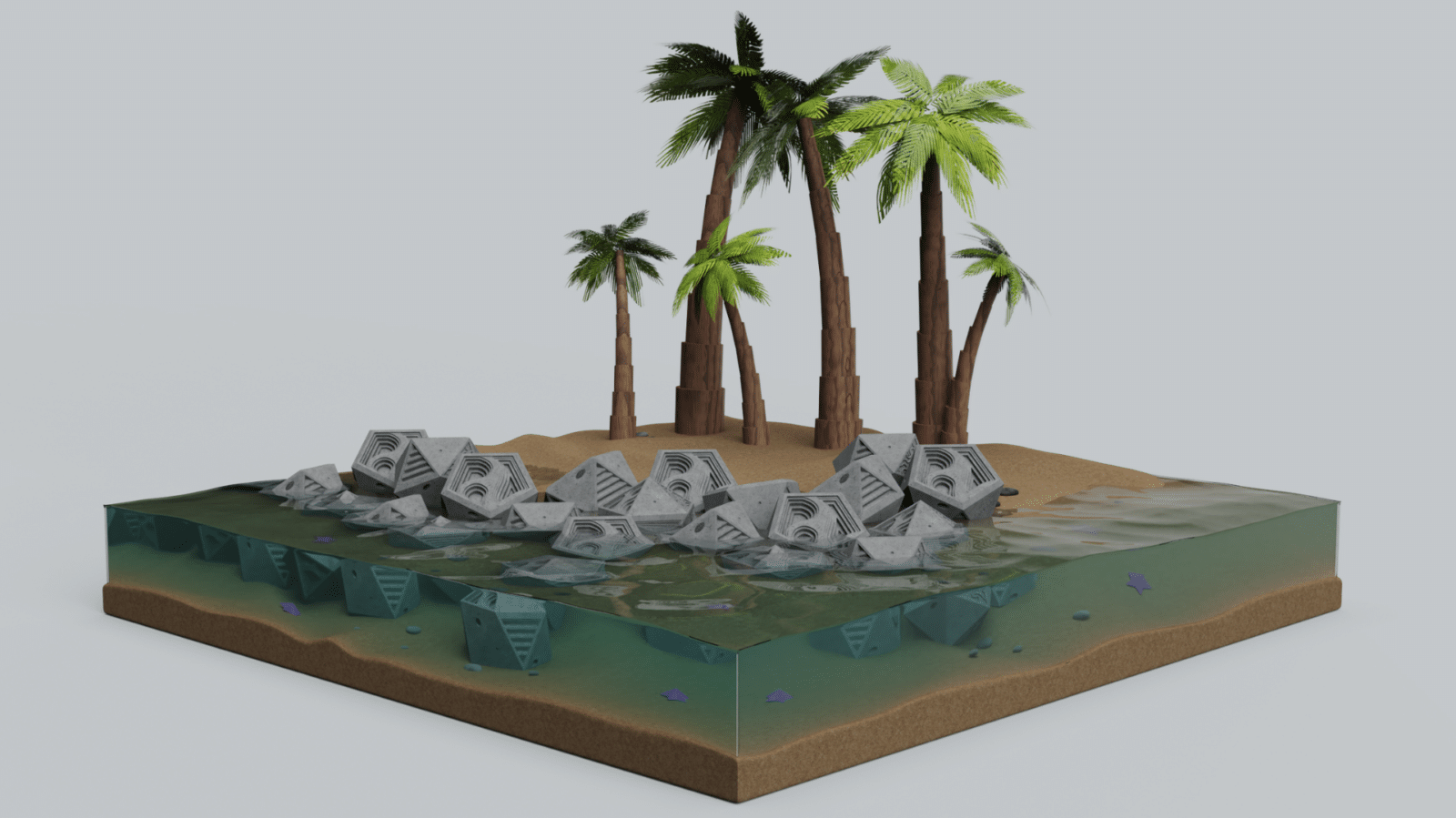
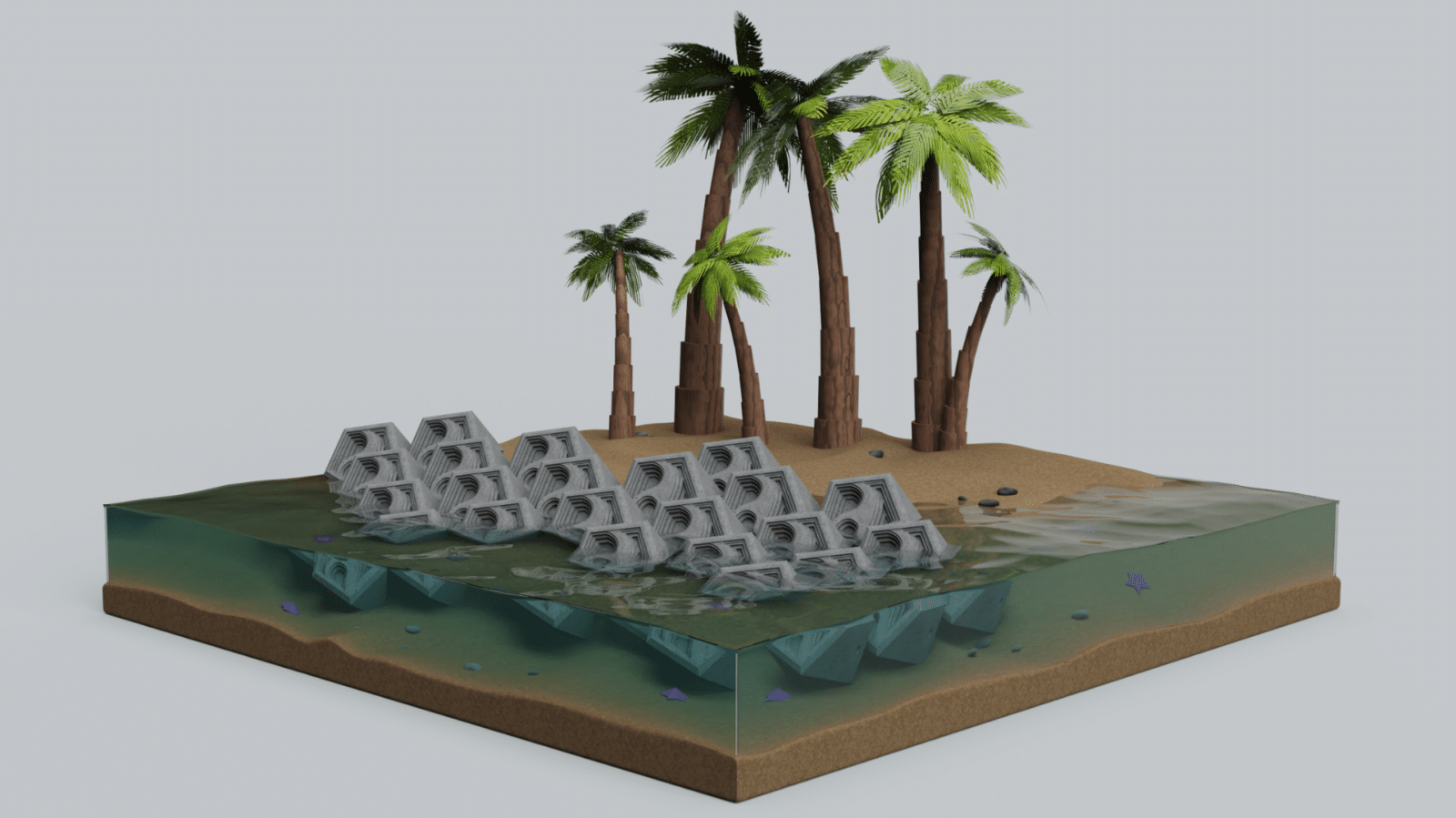
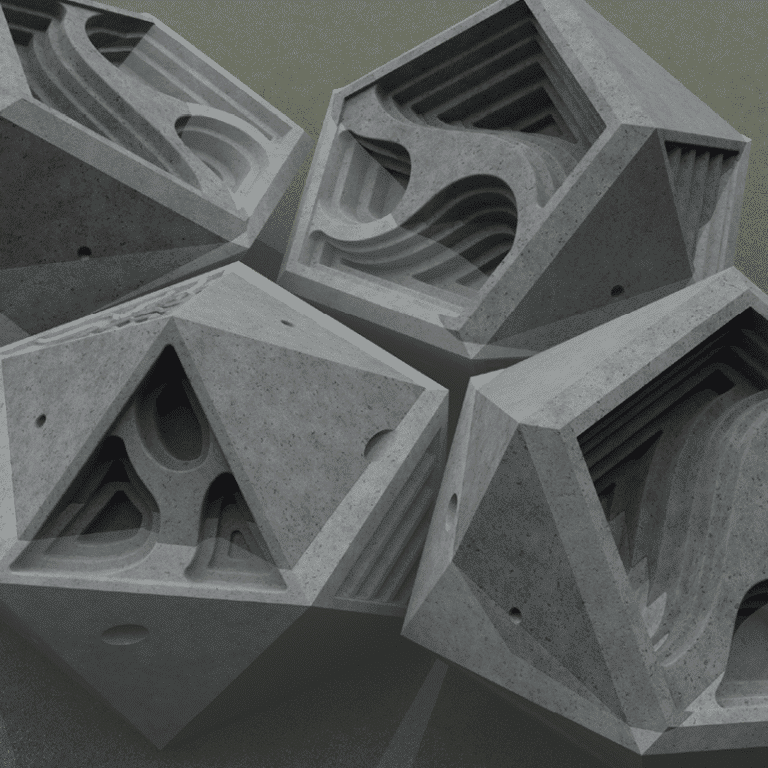
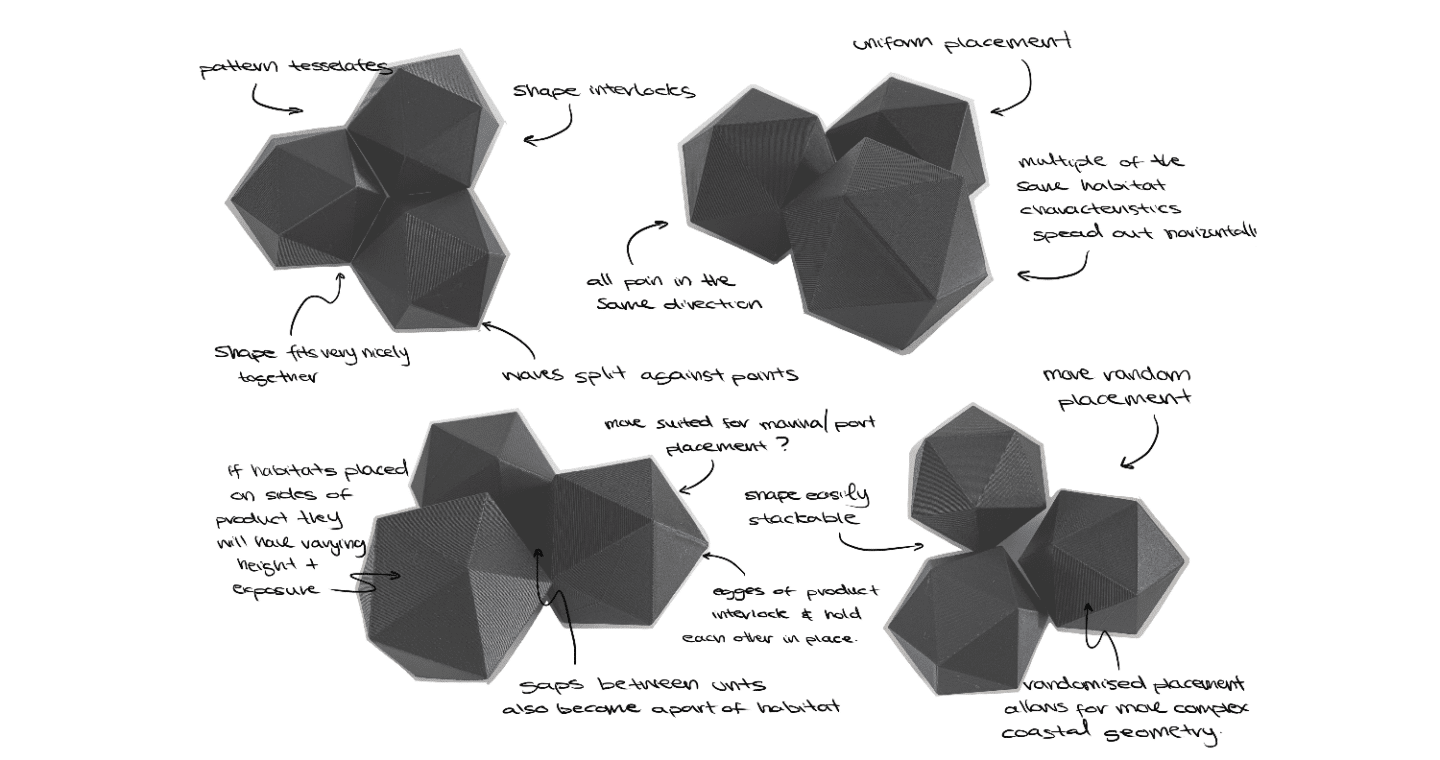
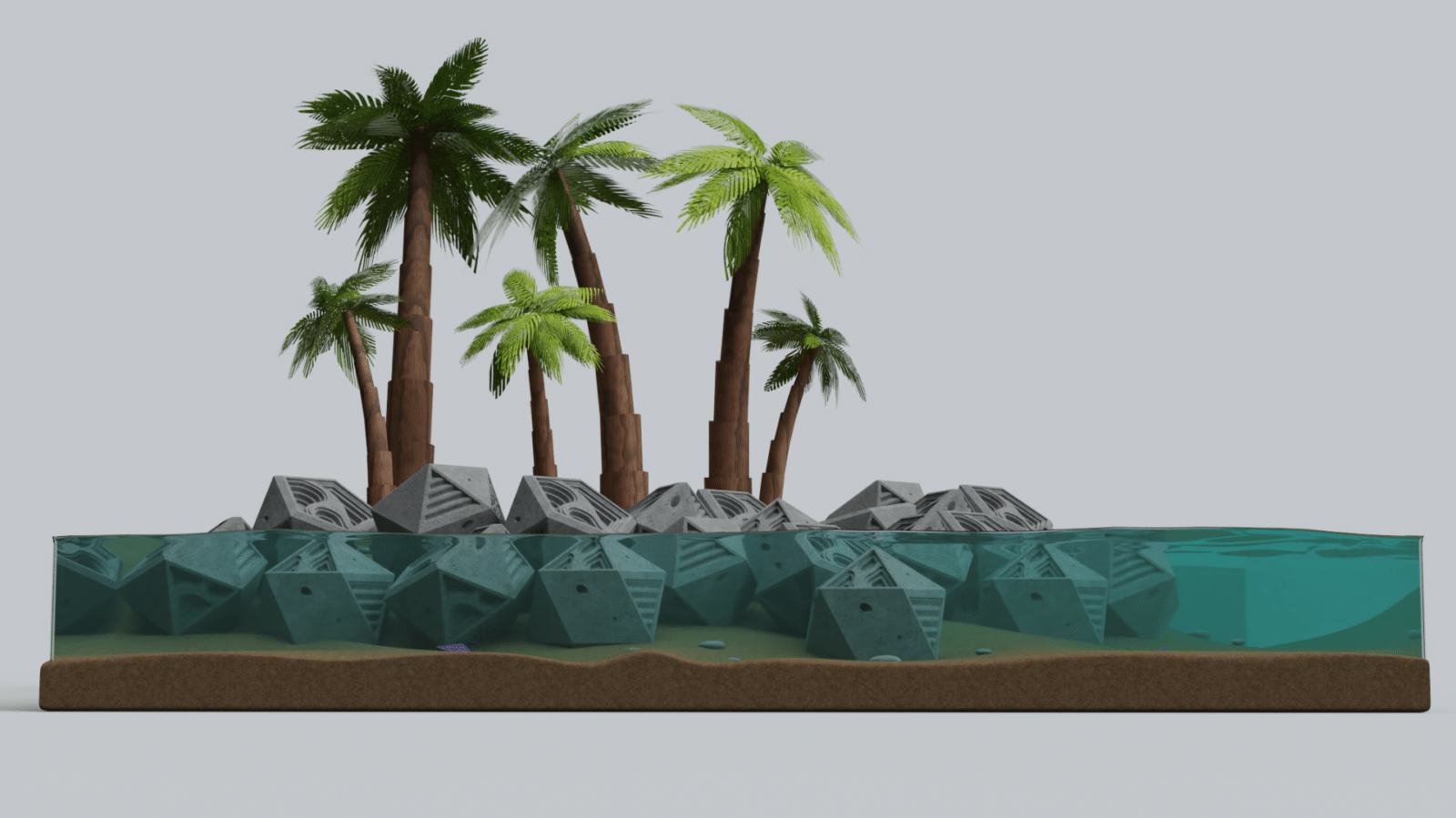
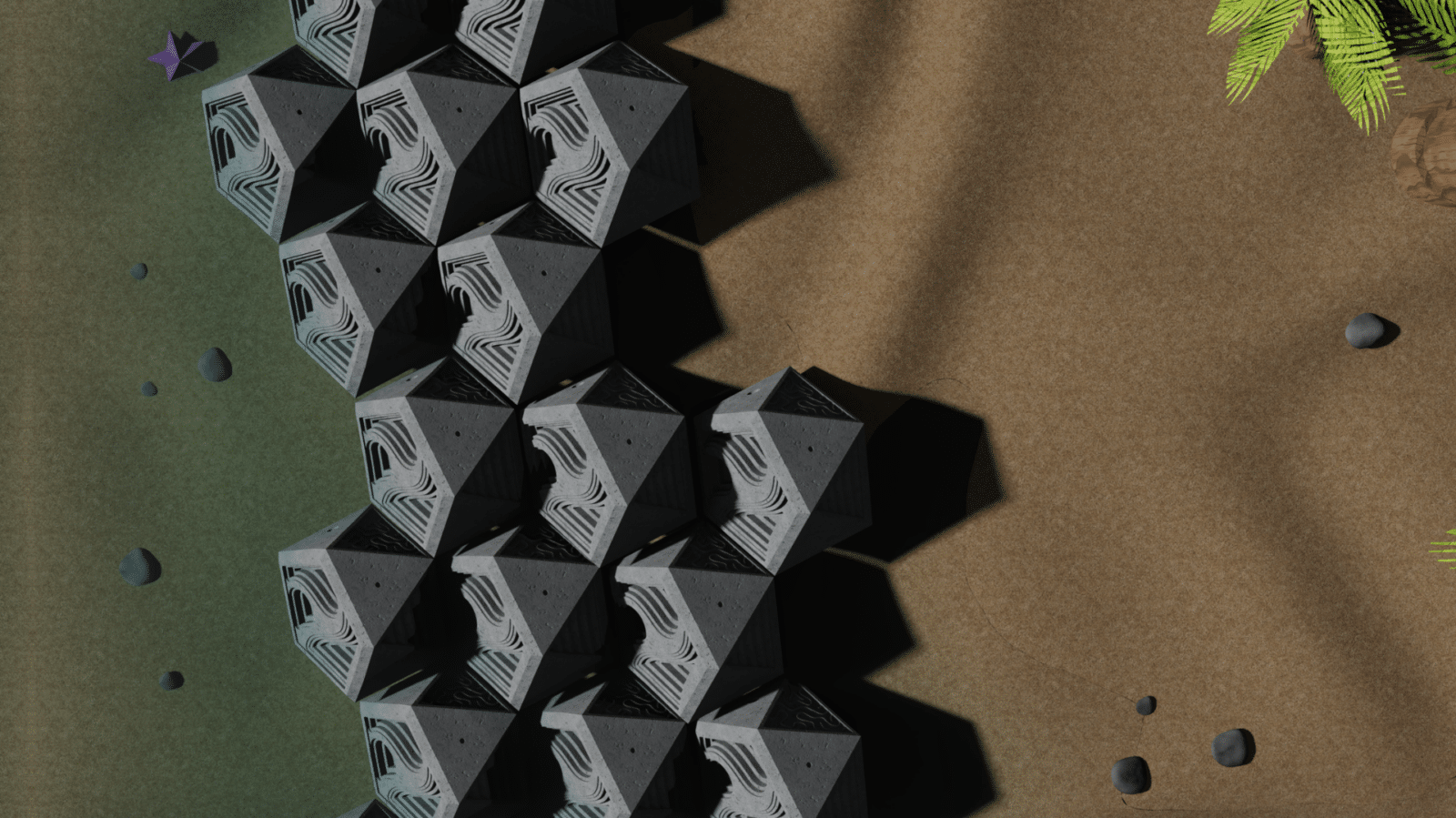
When arranged together, neighbouring modules create additional sheltered spaces and variations in environmental exposure, extending habitat opportunities across the broader coastal protection system. Through this approach, EIKO explores how structural geometry and ecological functionality can be integrated from the beginning.
“In erosion management you want to disturb the wave… by putting anything in the seabed, you’re shortening the water depth… that causes the wave to then go into breaking condition… [and] as the wave breaks, it dissipates its energy”
Structural Engineer
Modular Coastal Configurations.
in context.
Designed for Marine Life.
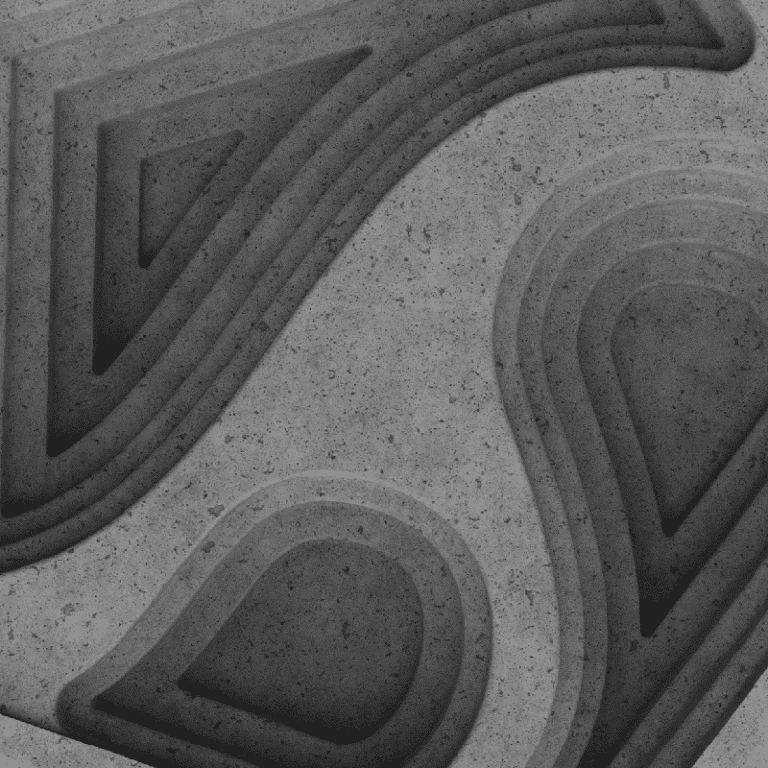
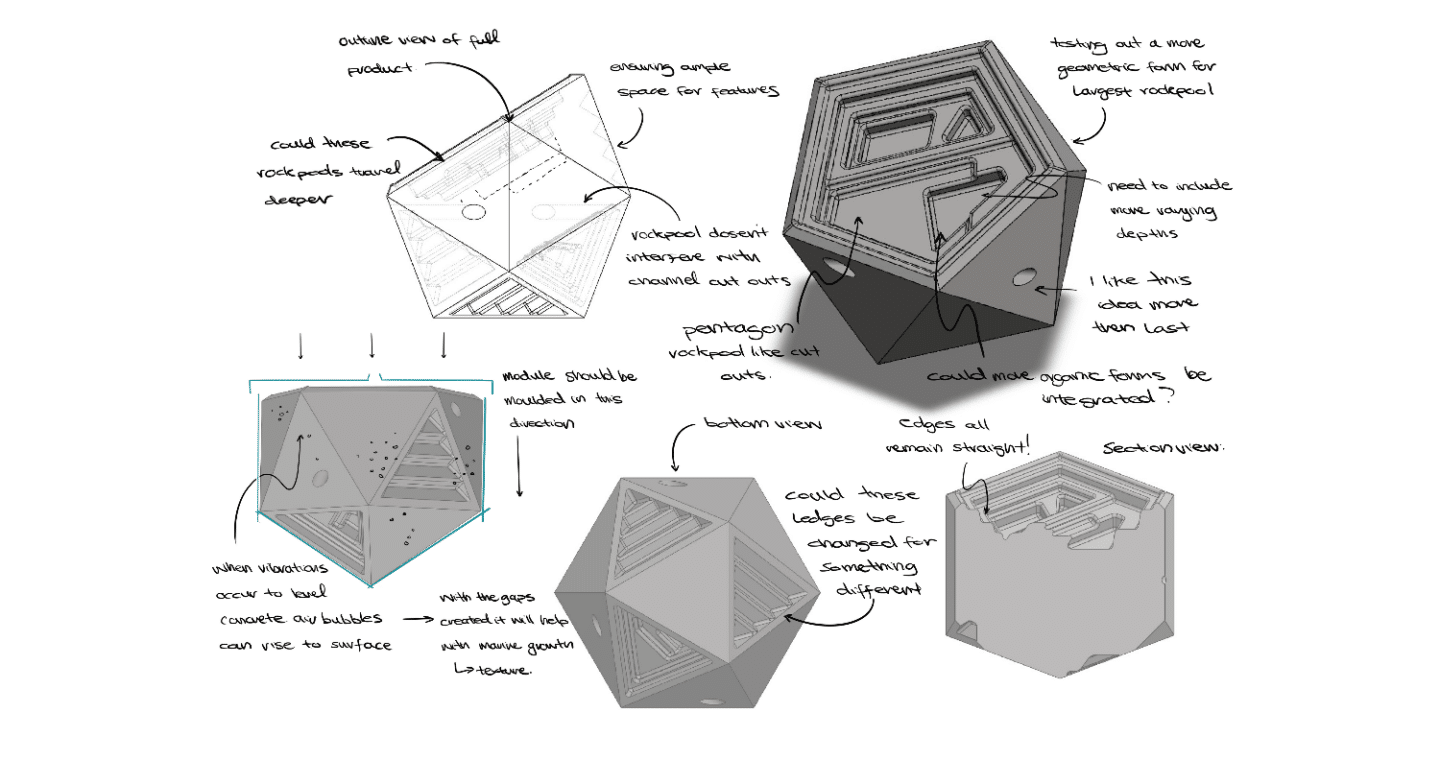
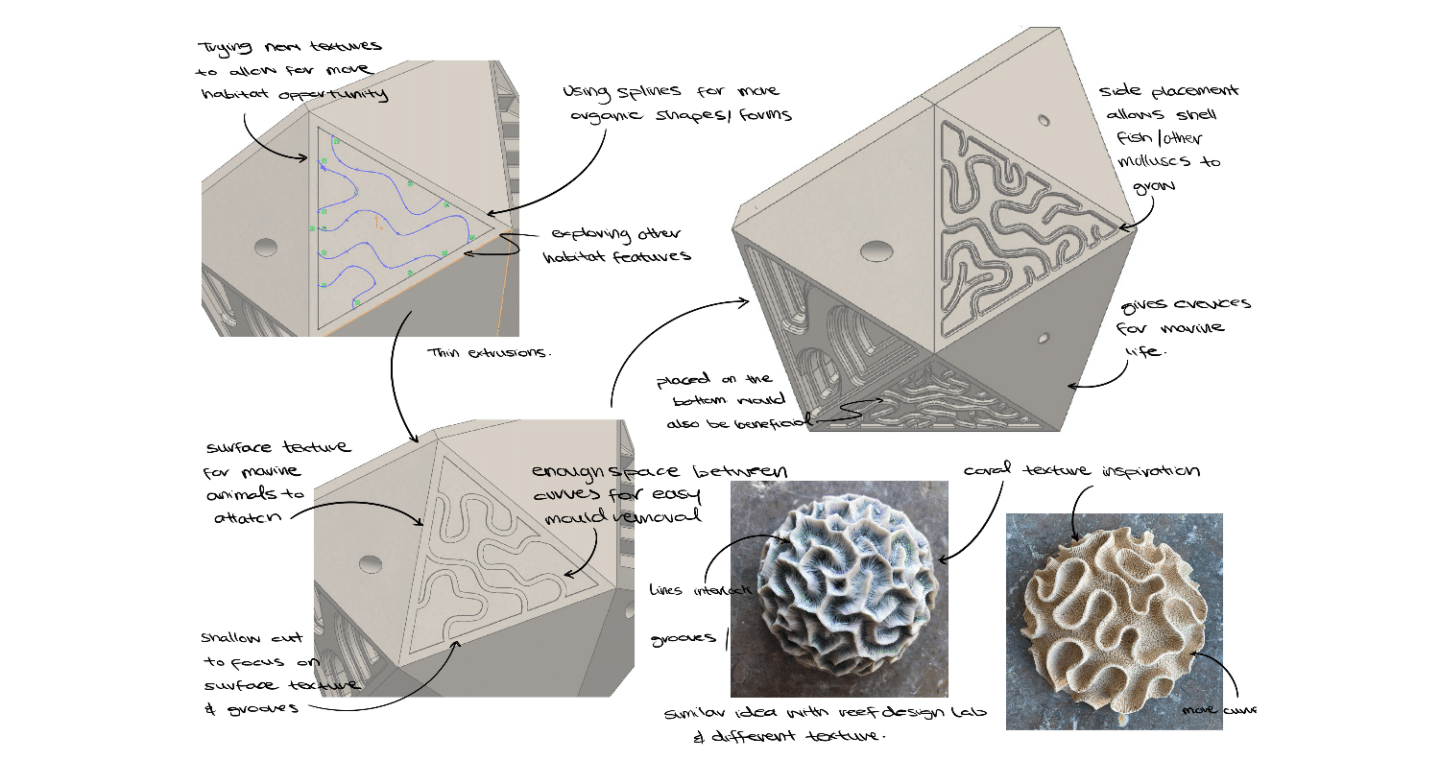
Drawing on the physical complexity of natural rocky shore environments, EIKO incorporates specialised habitat-forming features directly into its concrete structure. These features aim to create varied conditions for marine colonisation, shelter and refuge through differences in texture, elevation and environmental exposure.
“You need something that houses the small fish… the little invertebrates and baitfish that school up…and then large fish will come in to hunt those guys.”
Operations Manager, indepth innovations
“Definitely texture so they can attach — smooth surfaces have been proven not to be as effective, but texture and the actual structure of it, the complexity built into that structure”
Managing Director, In-Depth Innovations
Designing for Repeatable Manufacturing.
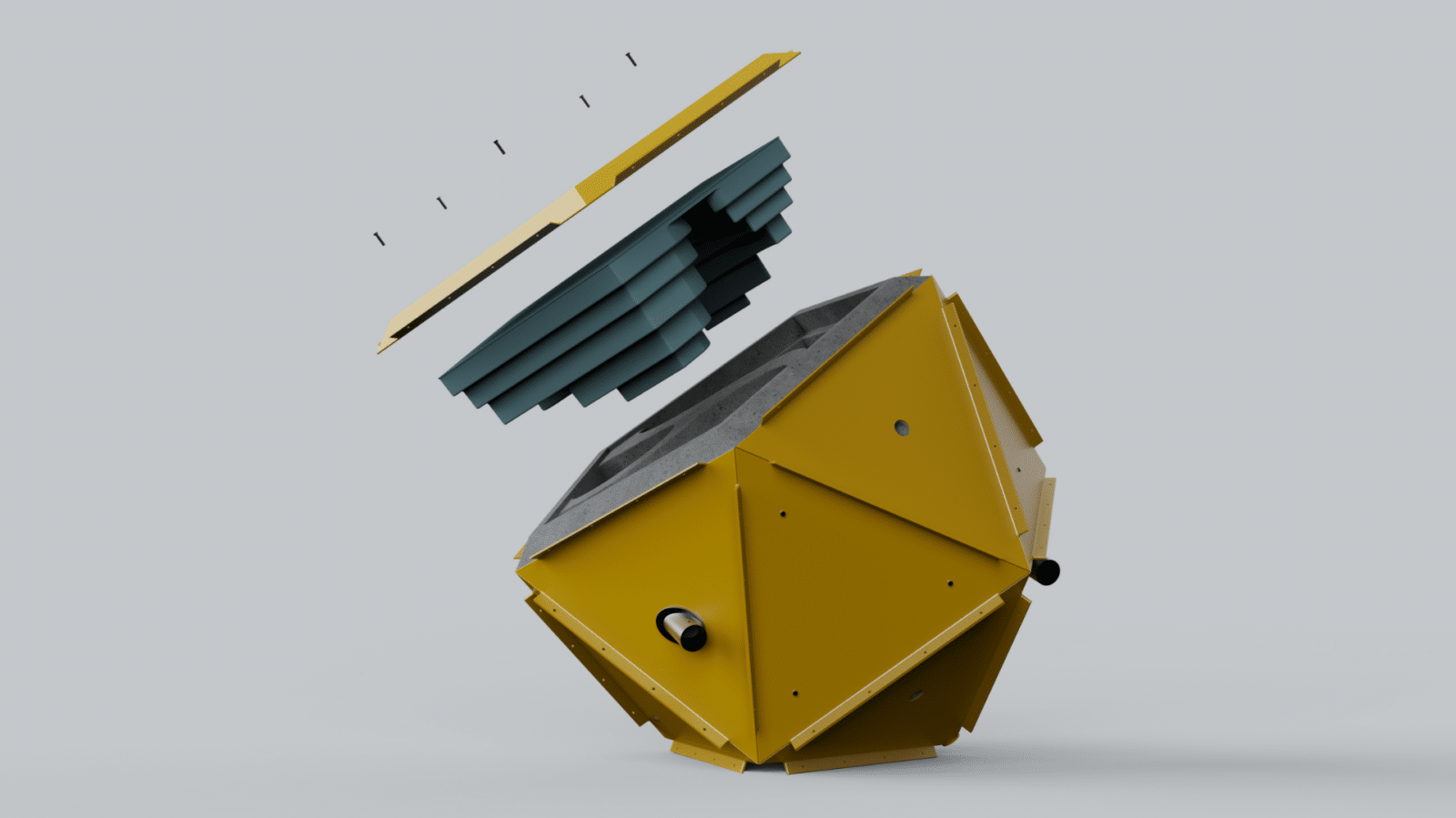
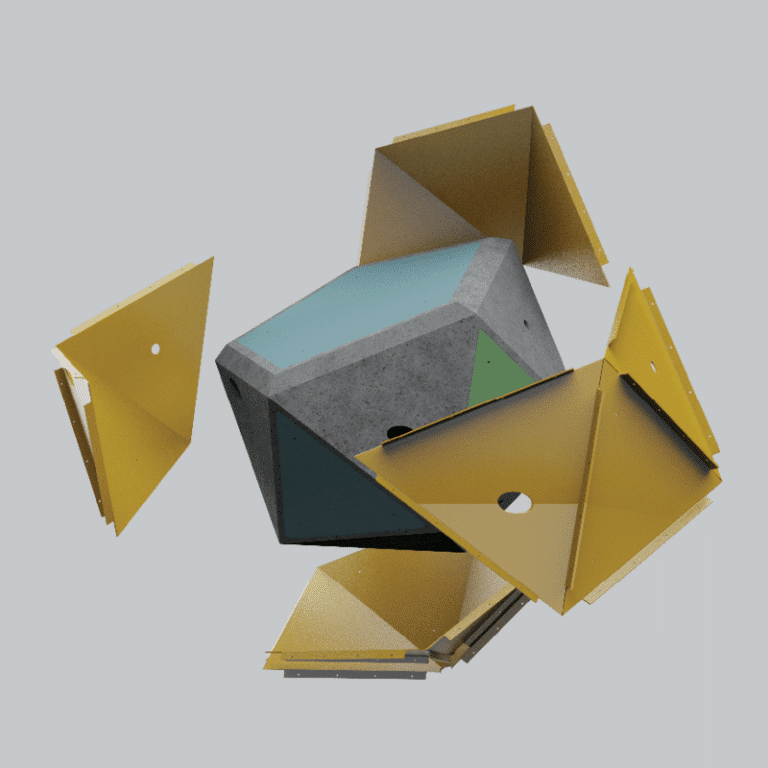
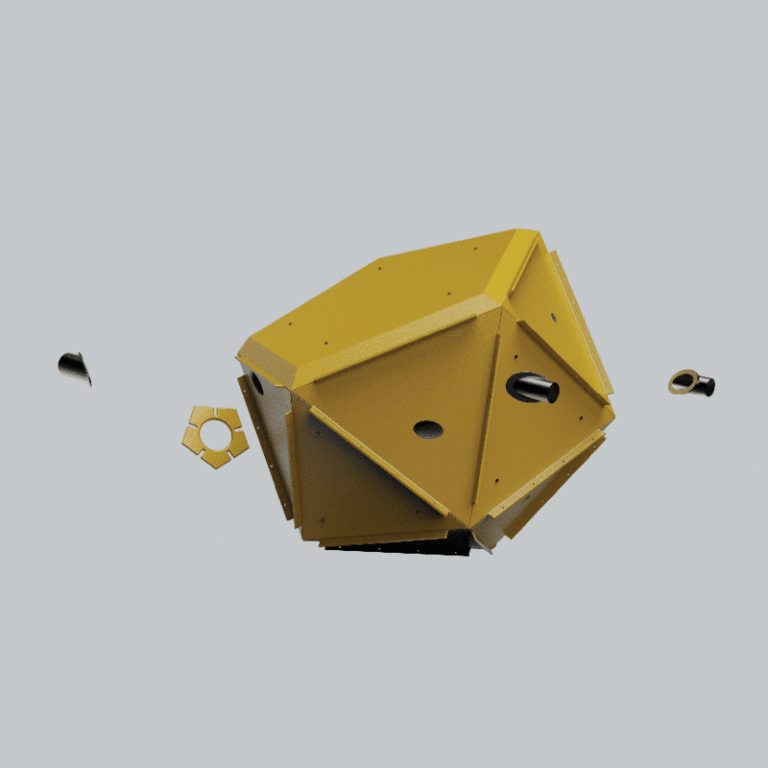
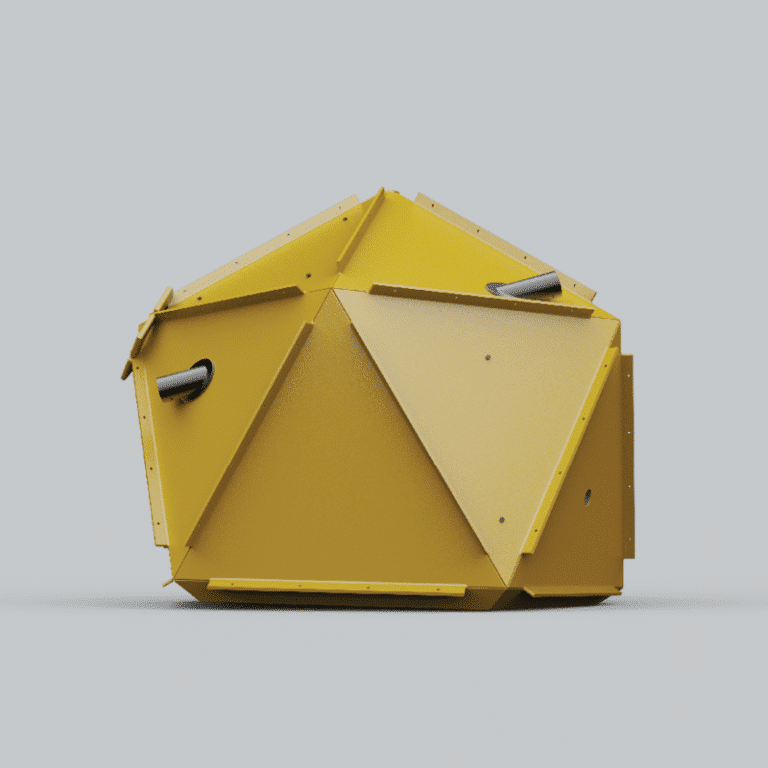
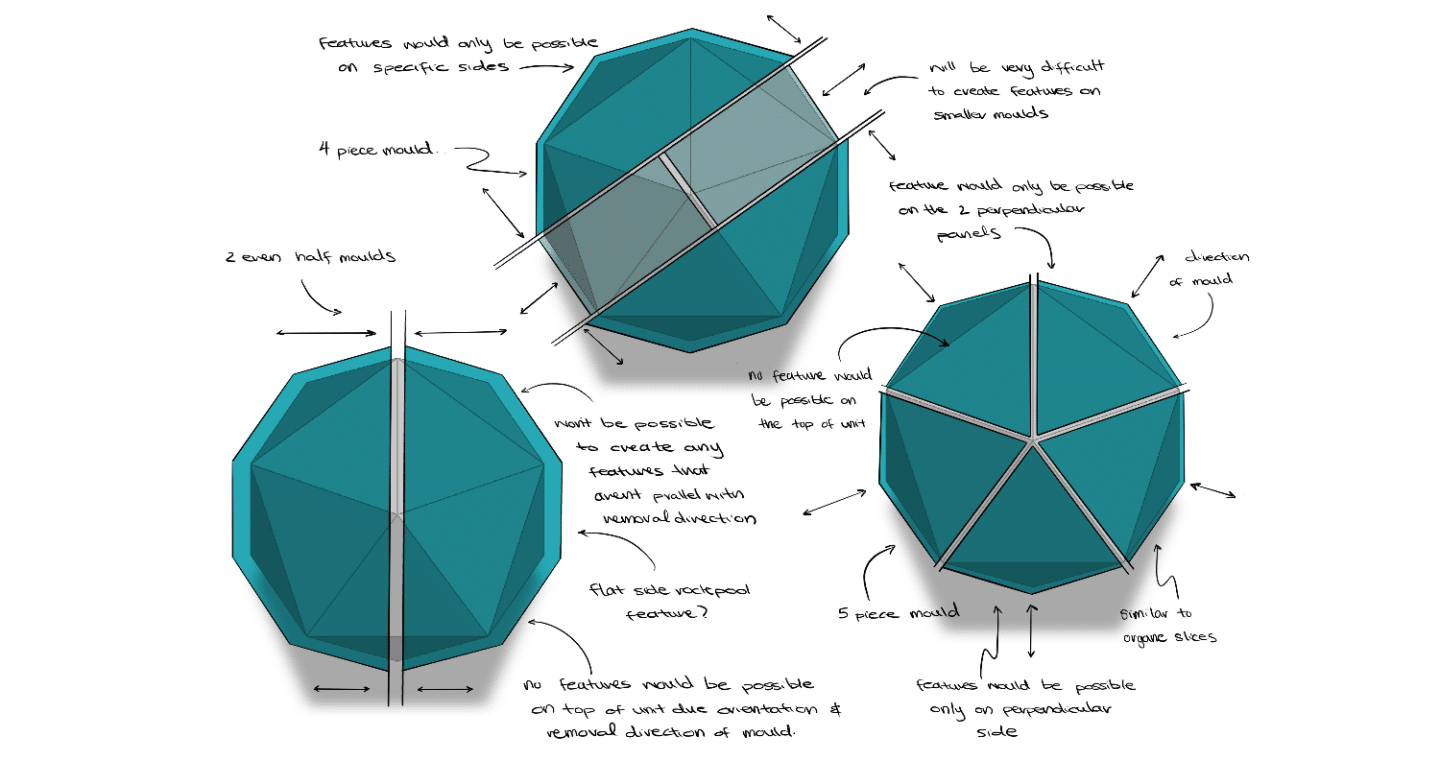
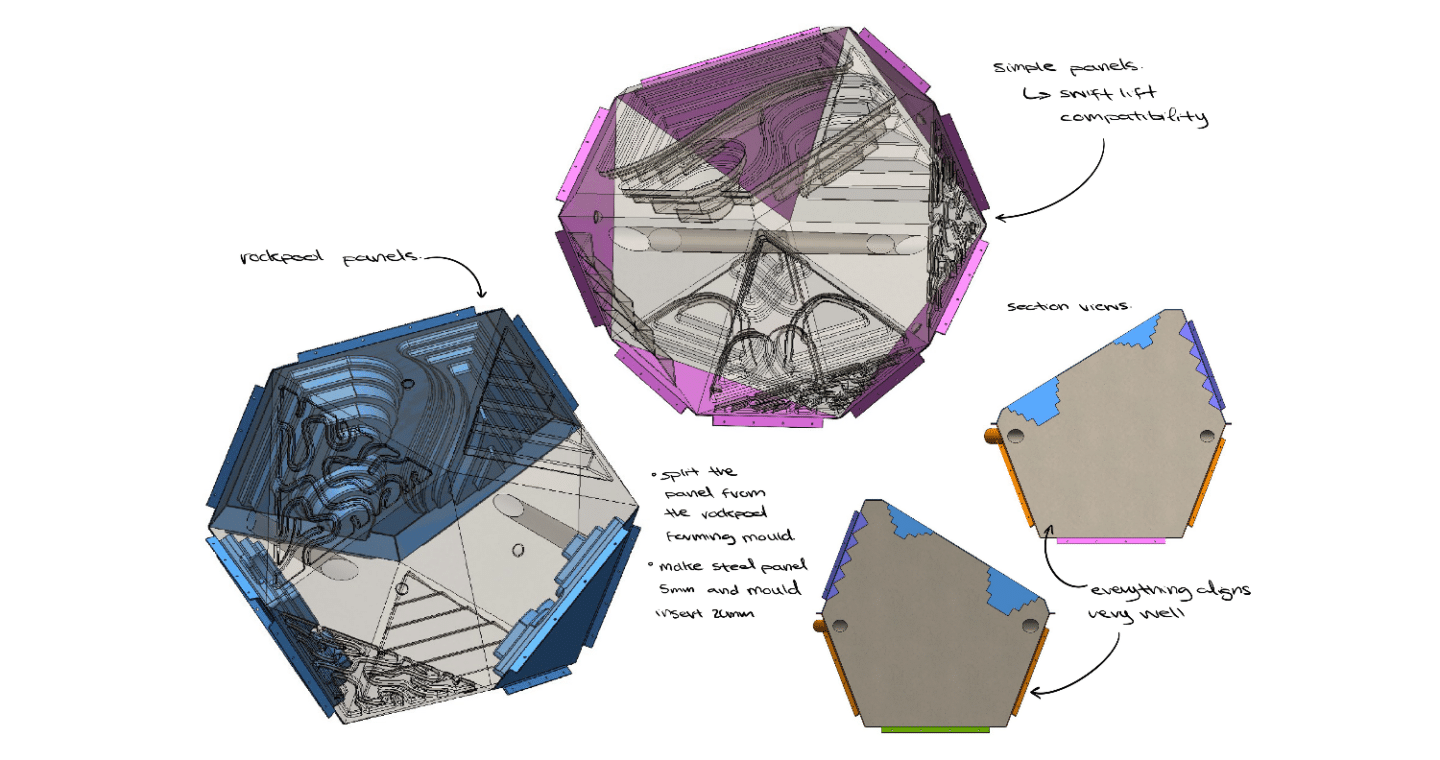
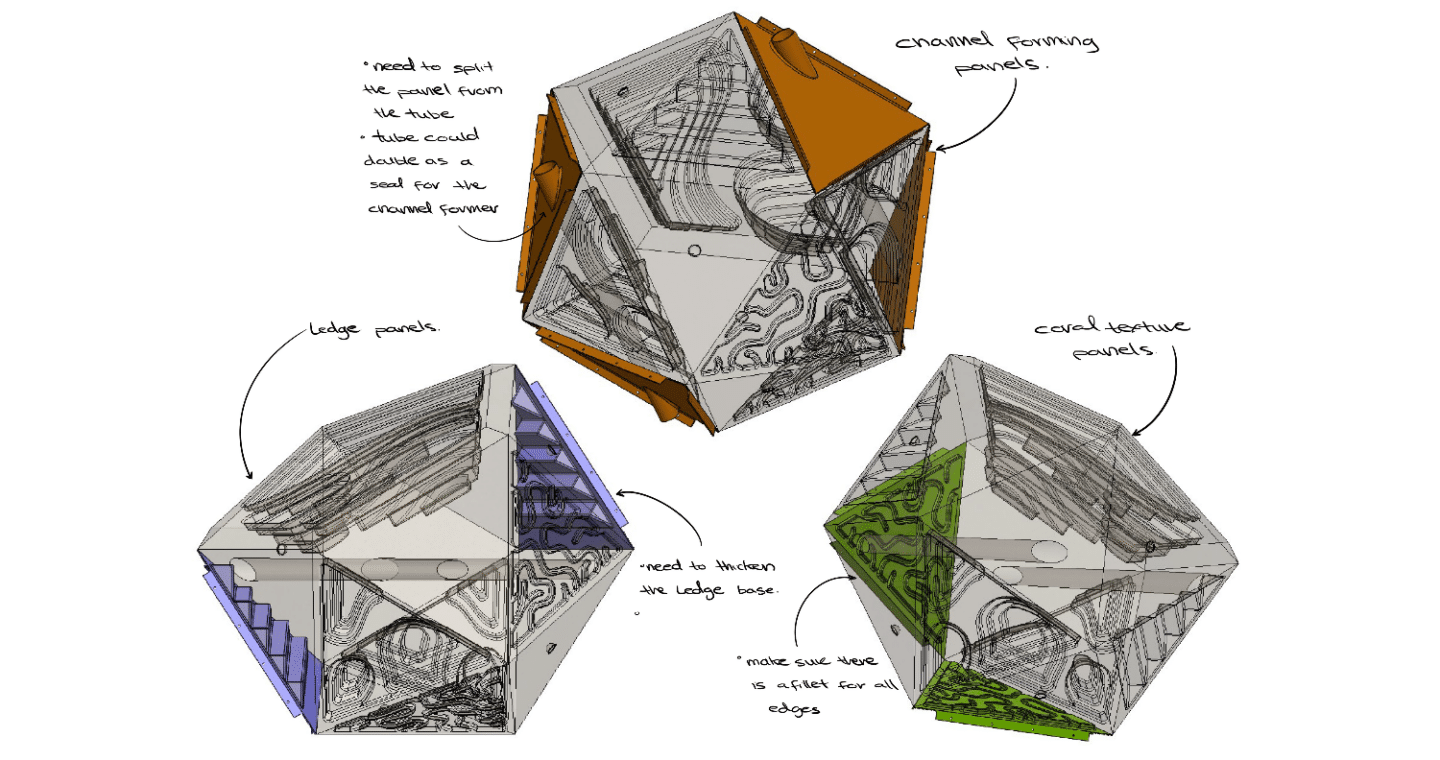
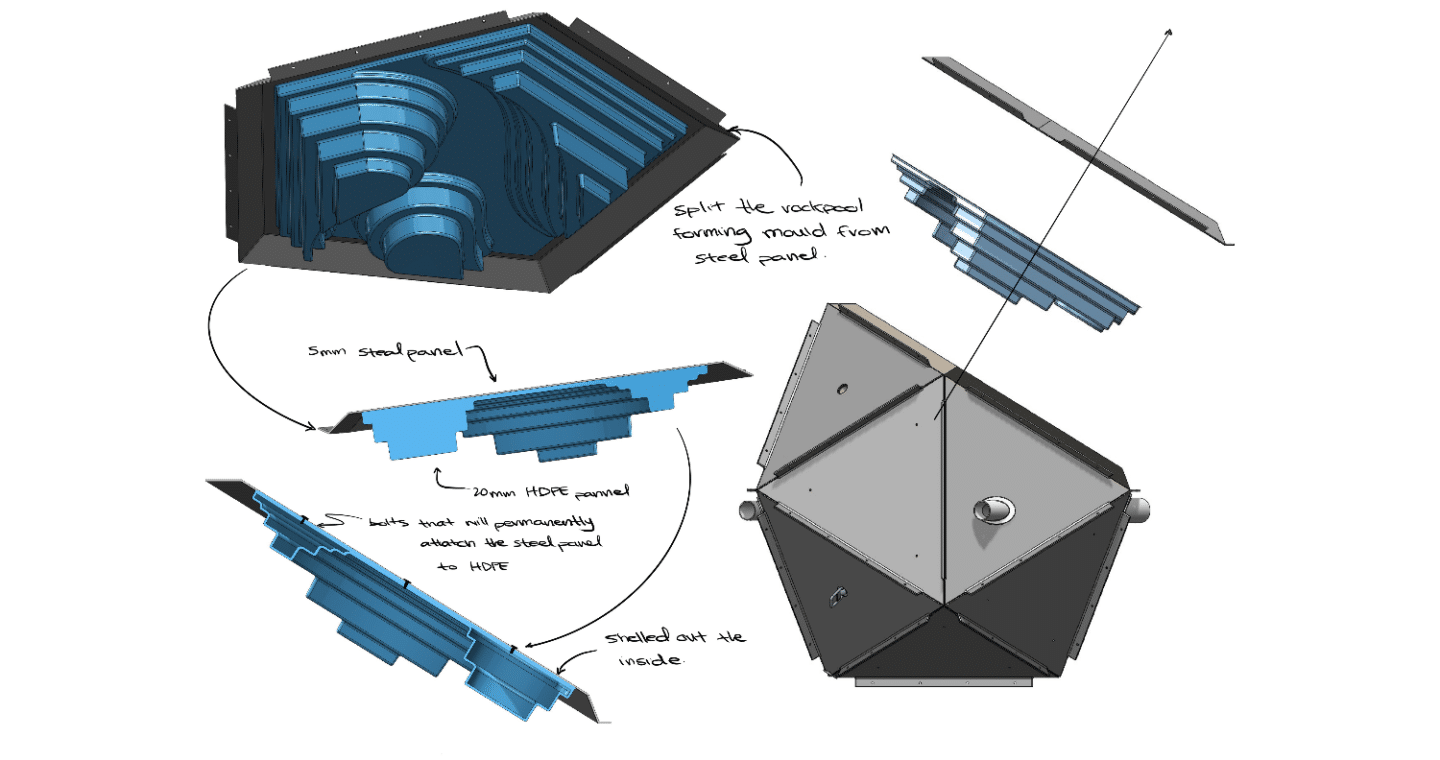
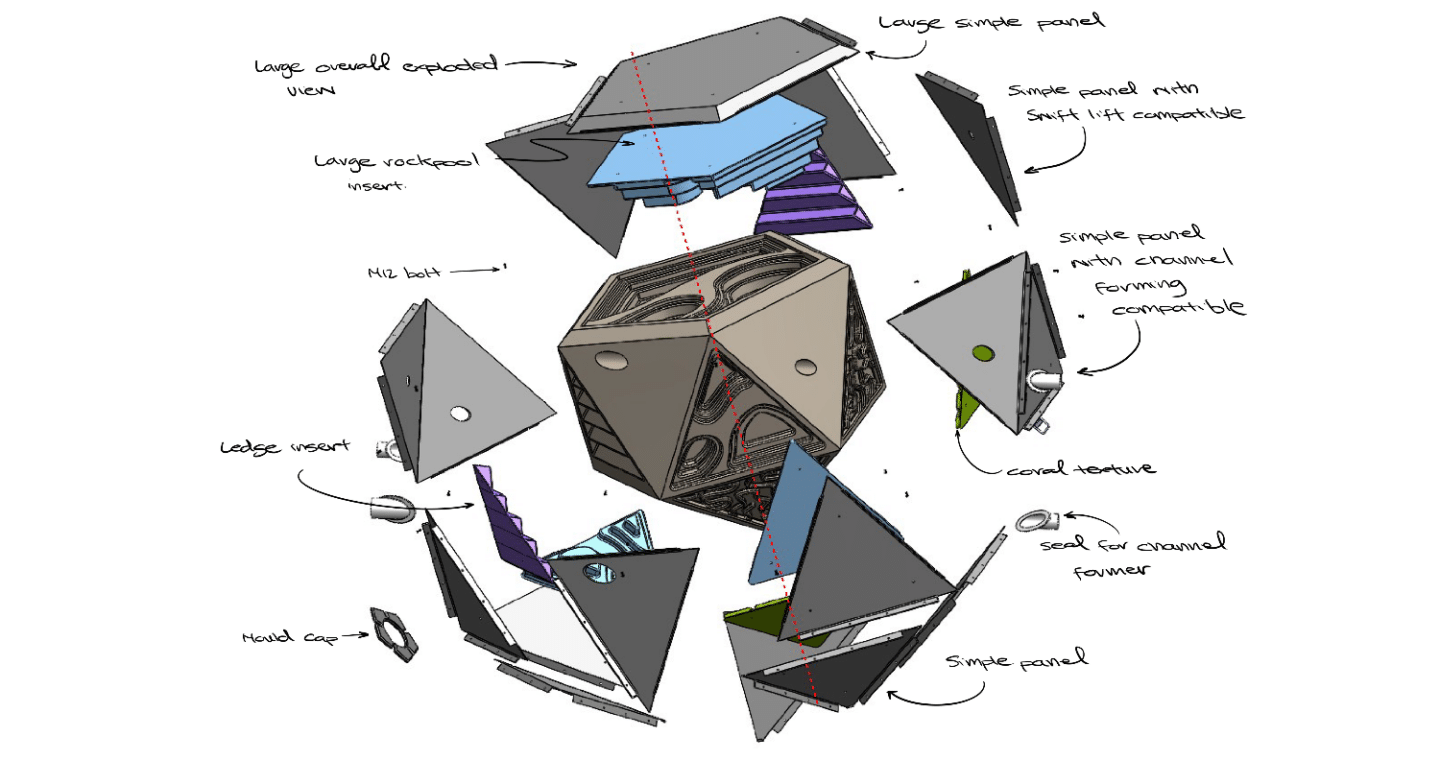
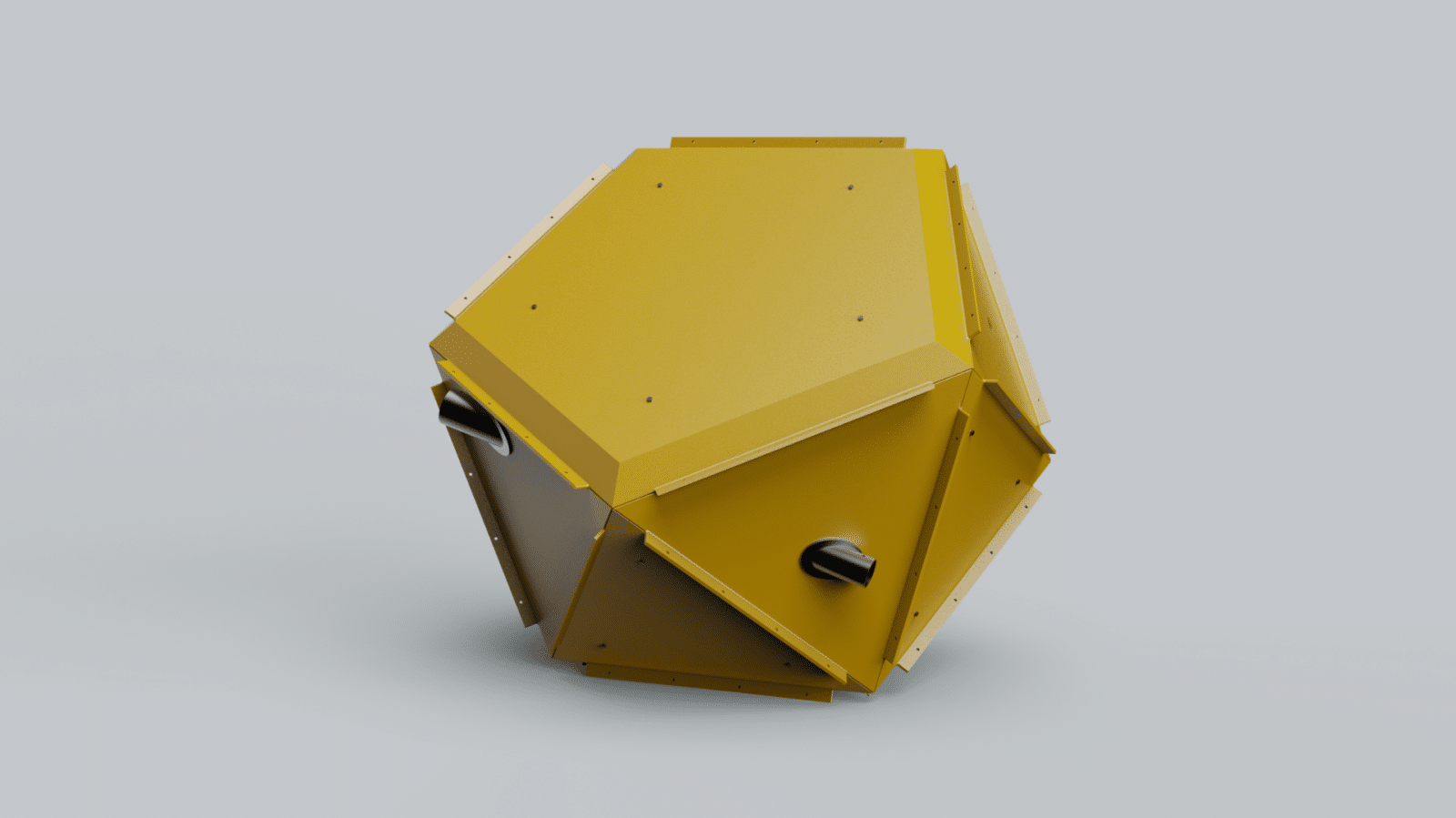
Translating EIKO’s ecological complexity into a repeatable concrete module required consideration of manufacturing practicality and scalability. To address this, a reusable modular mould was developed to accommodate specialised habitat-forming features while maintaining a standardised precast production approach.
mould Modularity & Customisation.
A significant advantage of EIKO’s manufacturing approach comes from its underlying equilateral triangular geometry.
Compatible habitat-forming panels can be repositioned to different locations within the mould, allowing the placement of ecological features on the finished concrete unit to vary between casts. This provides opportunities for site-responsive ecological configurations while retaining a standardised structural mould system.
The interchangeable insert system also supports future manufacturing techniques, including 3D printing, to produce more specialised habitat-forming components.
“You’ve got to make sure the point you’re picking up is nice and solid, with a safe working load…want to limit the amount of time on the water, because the boat is the most expensive thing in any operation.”
Operations Manager, indepth innovations.
development of eiko.
more of eiko.
eIKO | VIDEO trailer