The challenge
It is estimated that at least 2.2 billion people are affected by various forms of vision conditions in 2023.
(world health organisation, 2023)
Refractive errors are among the most common vision conditions in children, yet they can often go unnoticed during the primary school years. Children may not realise their vision is different from others, particularly if they have never experienced clear vision, making it difficult to recognise or communicate what they are seeing. Without awareness or early identification, visual difficulties can go unrecognised, affecting everyday activities and learning. This highlights a challenge in making vision differences easier for children to understand and communicate.
How might we help primary school children recognise and understand different vision conditions through an engaging, hands-on experience that encourages curiosity and awareness of eye health?
PROBLEM STATEMENT
Research conducted
Research was conducted through two surveys and an expert interview to explore childhood experiences with refractive errors, awareness of vision conditions and challenges surrounding early identification. The research involved 21 adults who had worn glasses during childhood, 7 parents or caregivers, and one eye-care professional.
RESEARCH FINDINGS
-
Vision difficulties can go unnoticed
Identifying refractive errors in children can be challenging because they may not recognise the symptoms or know how to describe what they are experiencing. Parent and caregiver responses noted different ways vision concerns were first noticed, including children raising concerns themselves, parents recognising symptoms and teachers identifying possible difficulties.
-
A child-friendly approach can support awareness and understanding
The expert interview mentioned making vision assessments comfortable and understandable for children. The discussion reinforced that screening can help identify potential concerns but does not replace a comprehensive eye examination.
-
Access to school vision screening can vary.
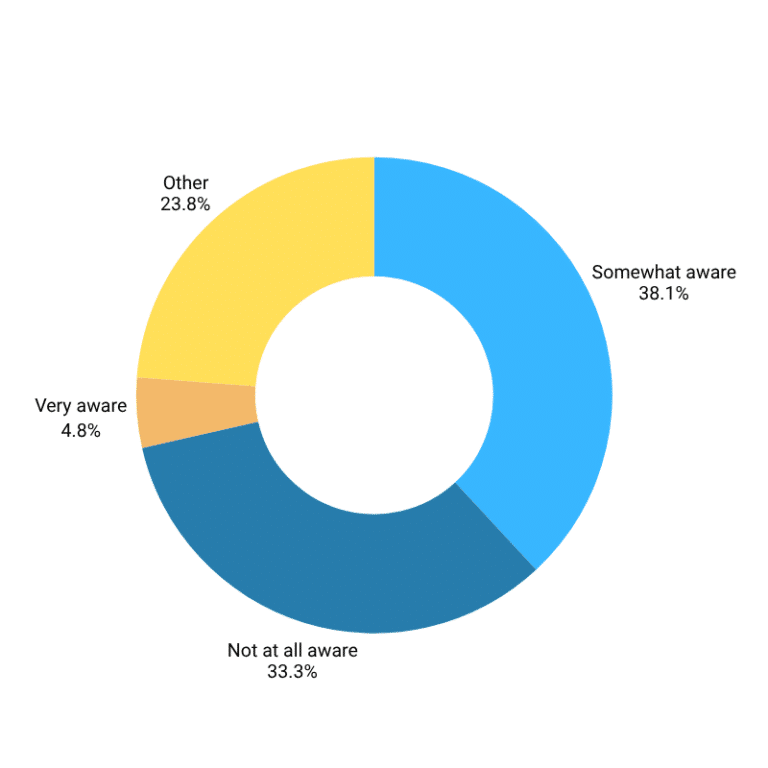
Participants’ childhood experiences revealed inconsistencies in access to school-based vision screening. Among the 21 adults surveyed, 57% either did not remember receiving a school vision screening or reported that screening was not provided.
research methods, analysis, and insights can be found in my Research Report here:
- Name
- Research report
- File Type
- application
- File Size
- 1 B
- Link
- Download File
introducing:
optiscope
what is it?
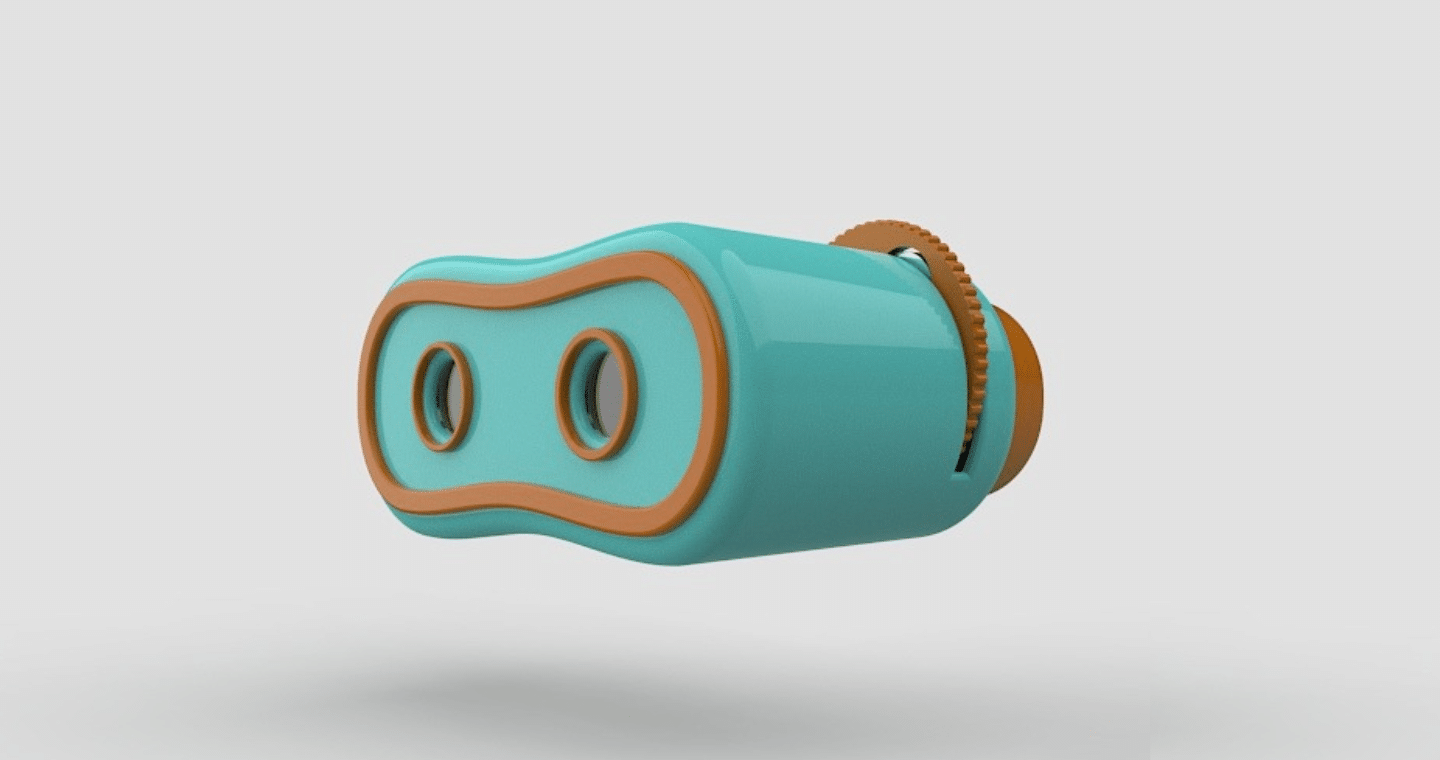
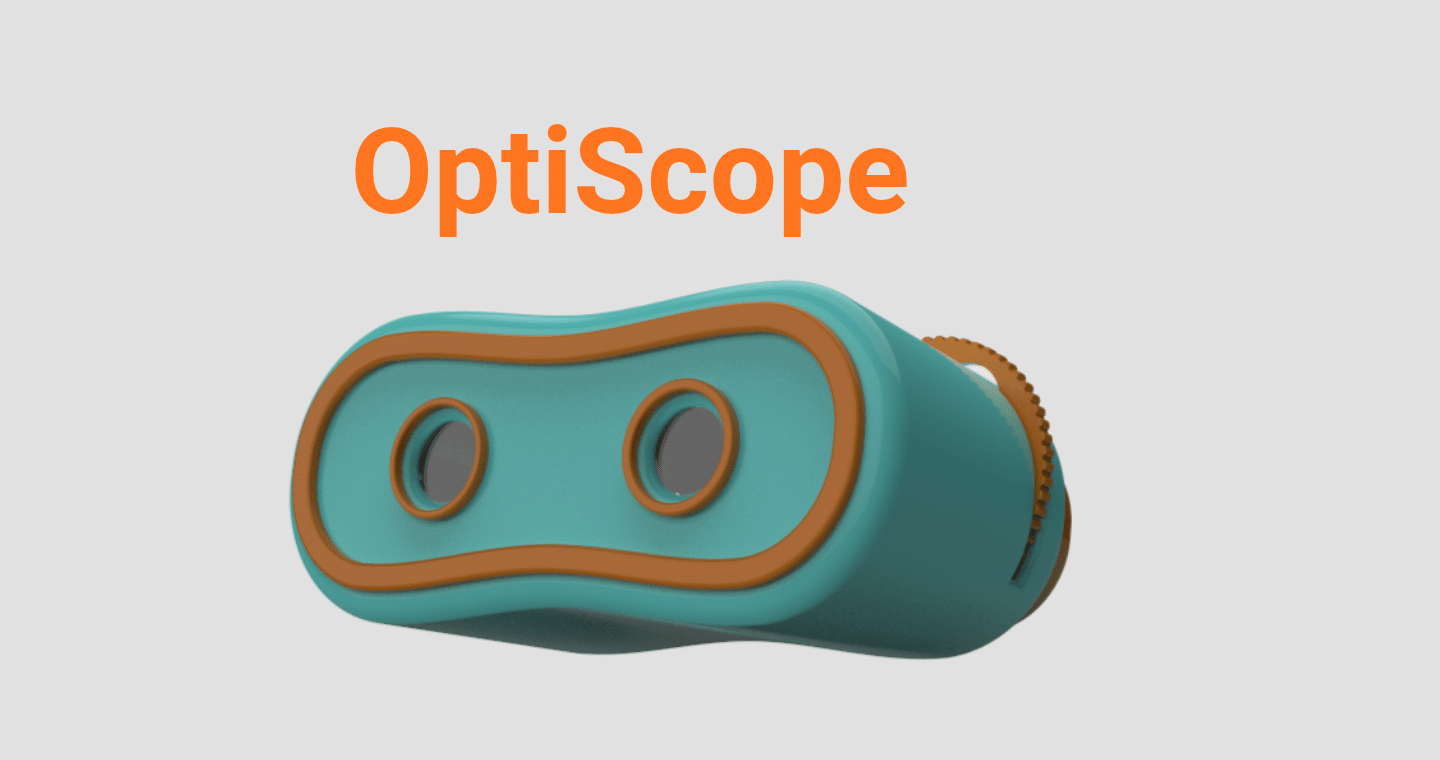
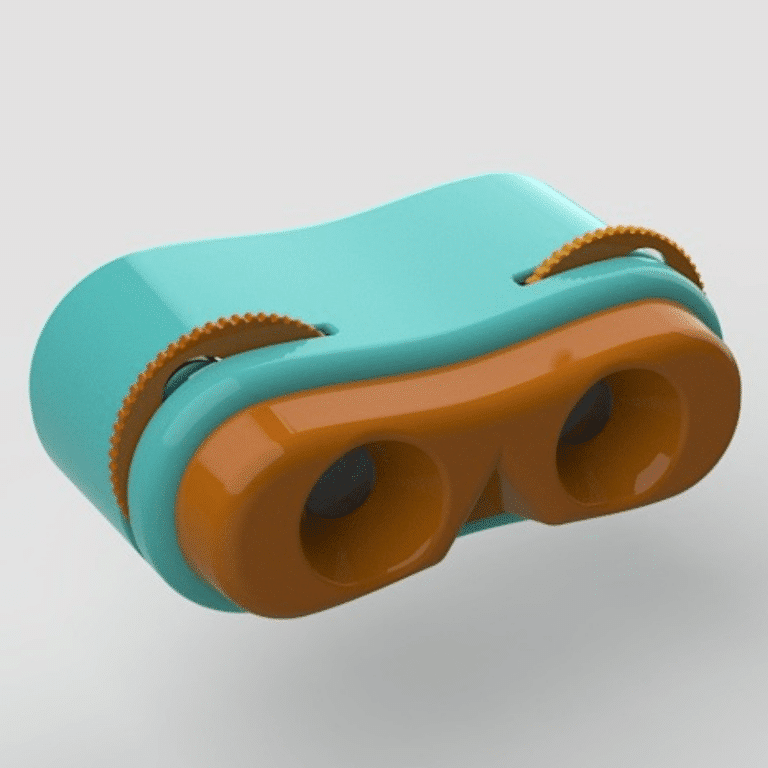
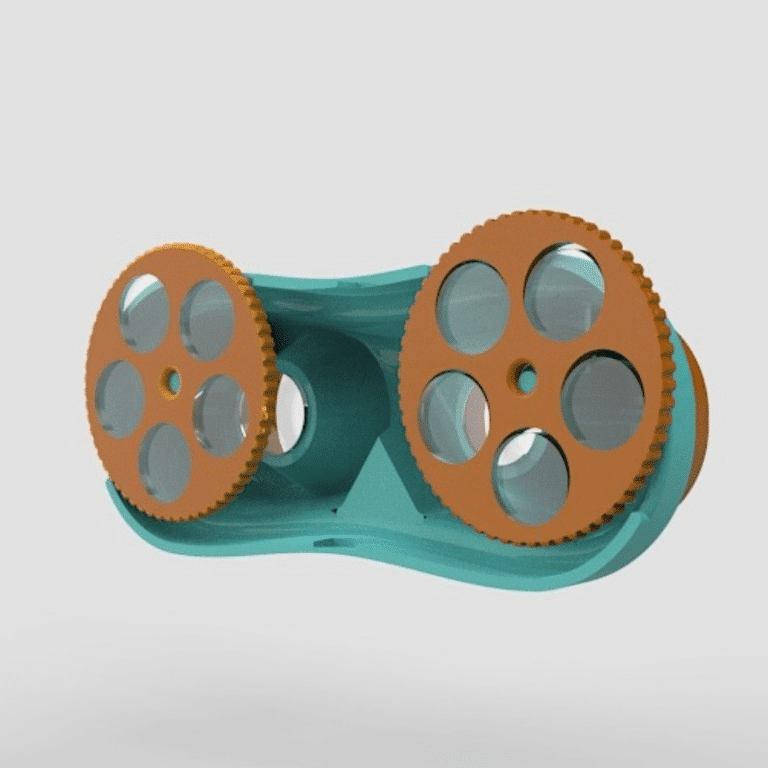
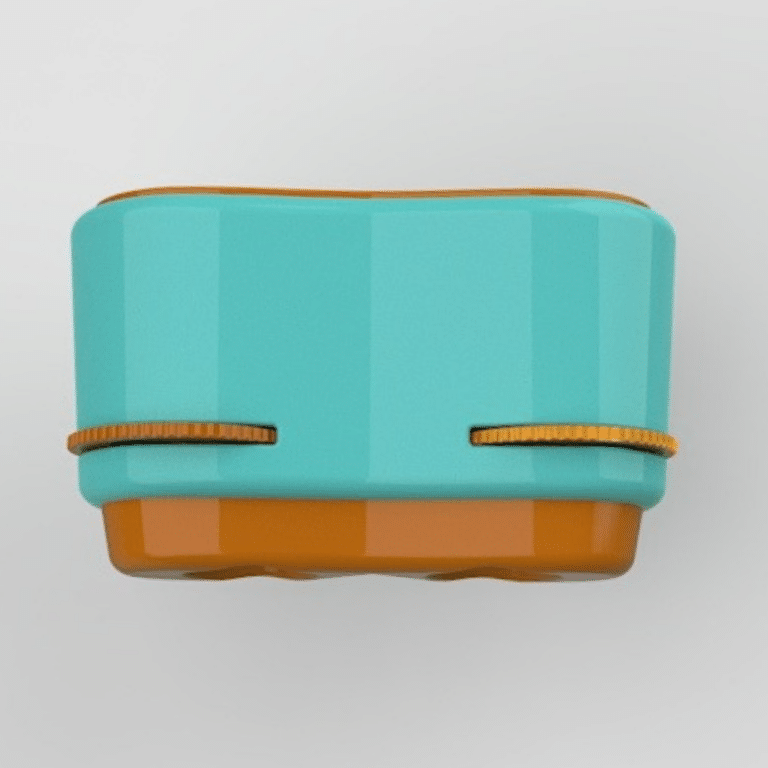
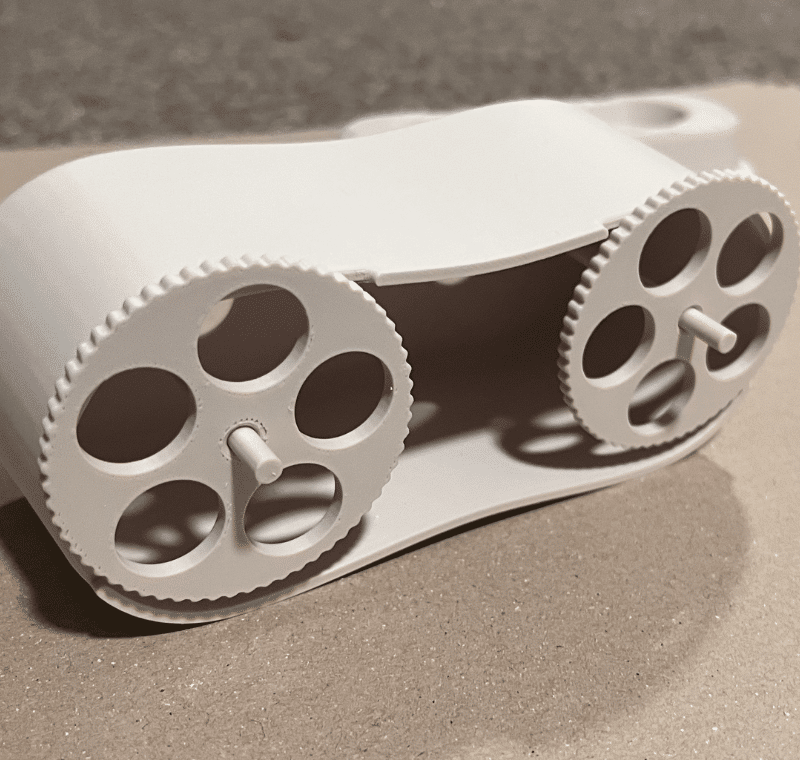
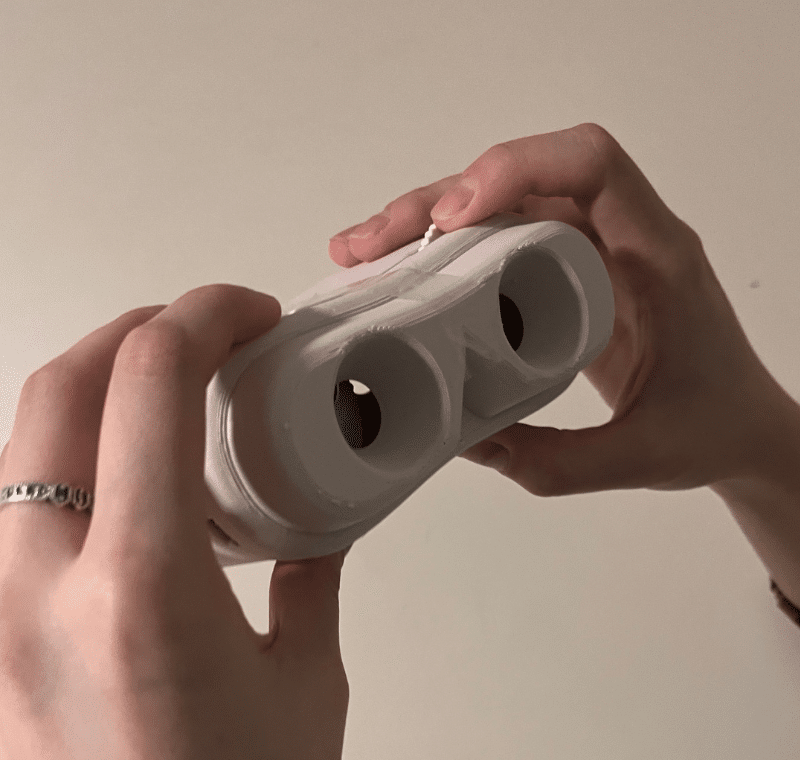
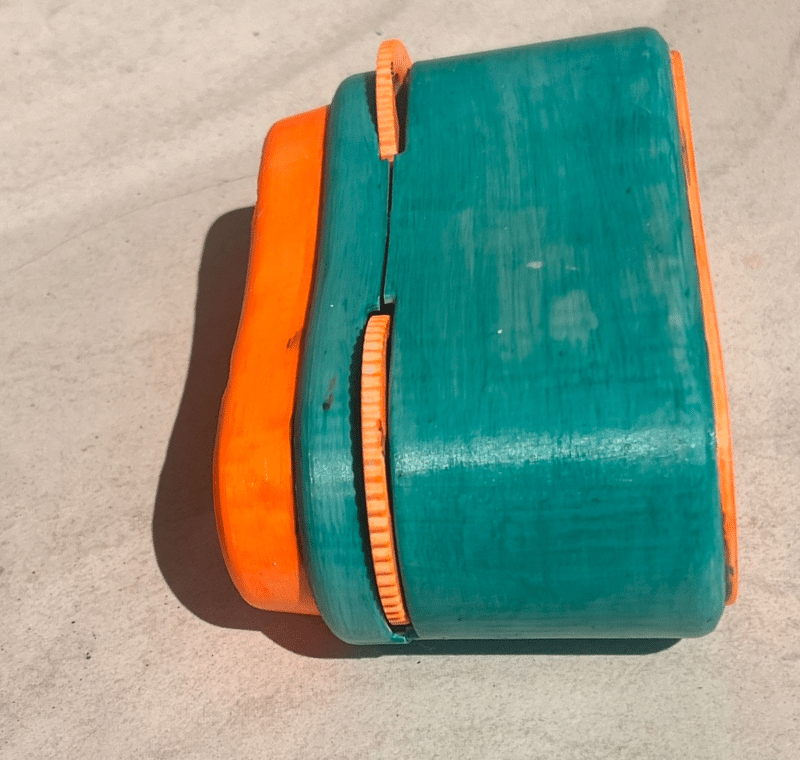
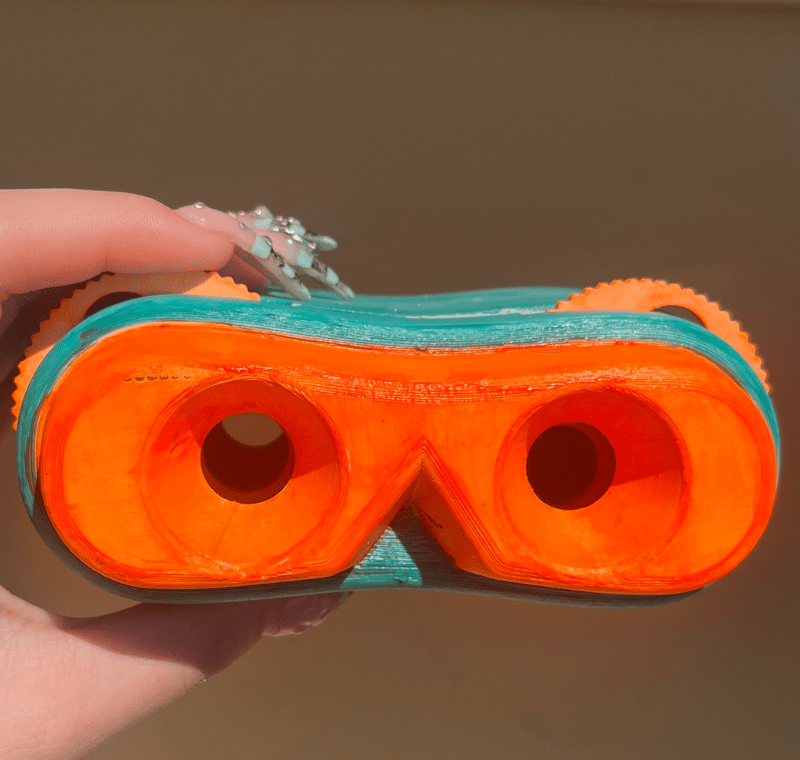
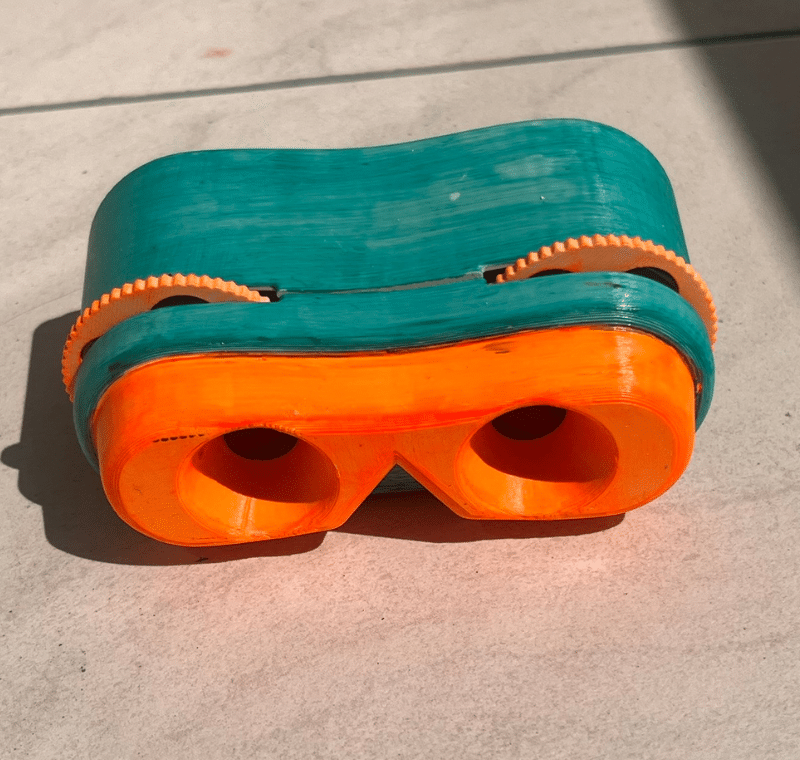
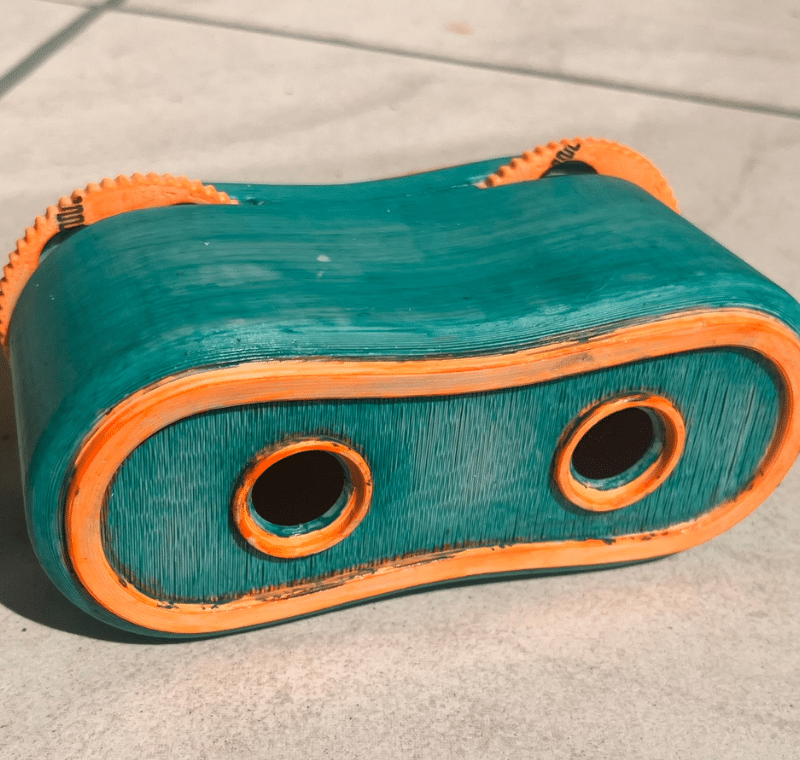
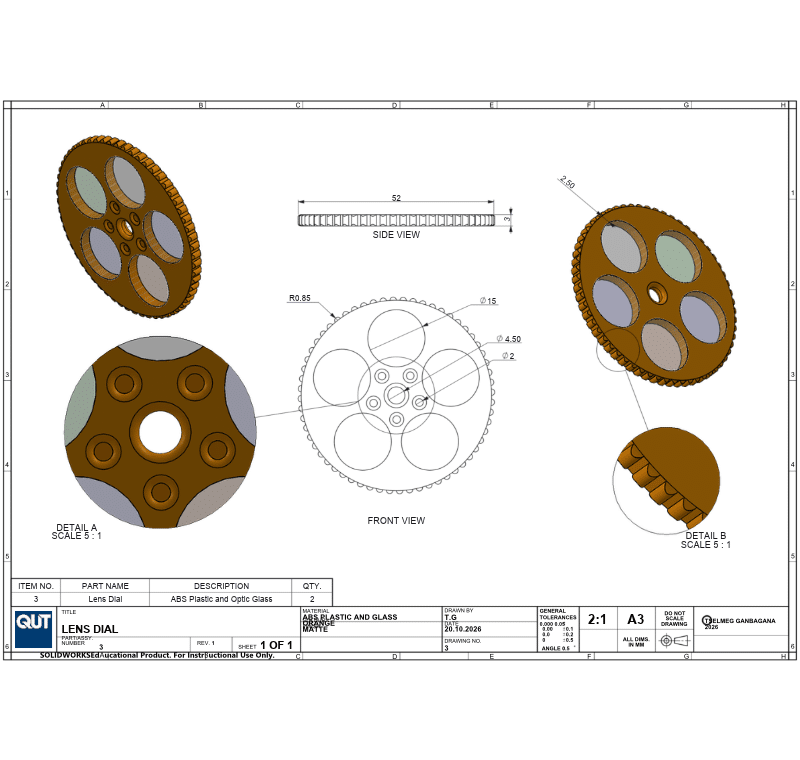
OptiScope is an interactive educational product designed to help primary school children explore how different refractive errors can affect the way they see the world. Featuring a rotating five-setting lens selector, the product allows children to switch between optical effects and compare what they see through guided visual activities paired with an activity poster. By transforming abstract vision concepts into a hands-on experience, OptiScope encourages curiosity, builds awareness and makes learning about eye health more engaging and accessible.
DETAILS
key feautures
Guided Visual Exploration
OptiScope can be used alongside printed activity sheets or visual targets to encourage children to observe and compare the effects of each lens setting. These activities help turn abstract concepts about refractive errors into a more tangible learning experience. Rather than diagnosing vision conditions, the product is intended to build curiosity and awareness by helping children explore how different optical effects can influence the way they see.
design development
Prototyping
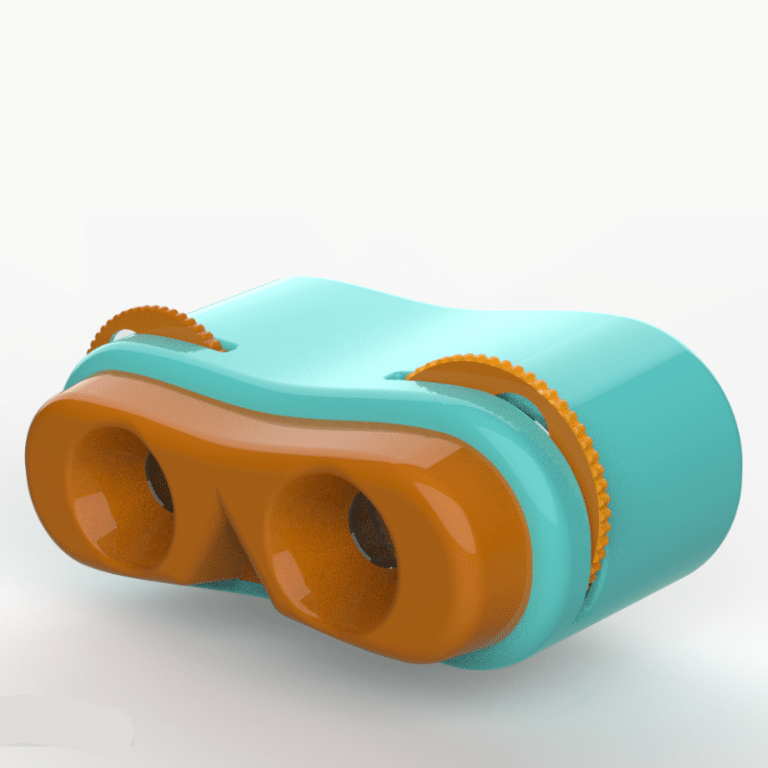
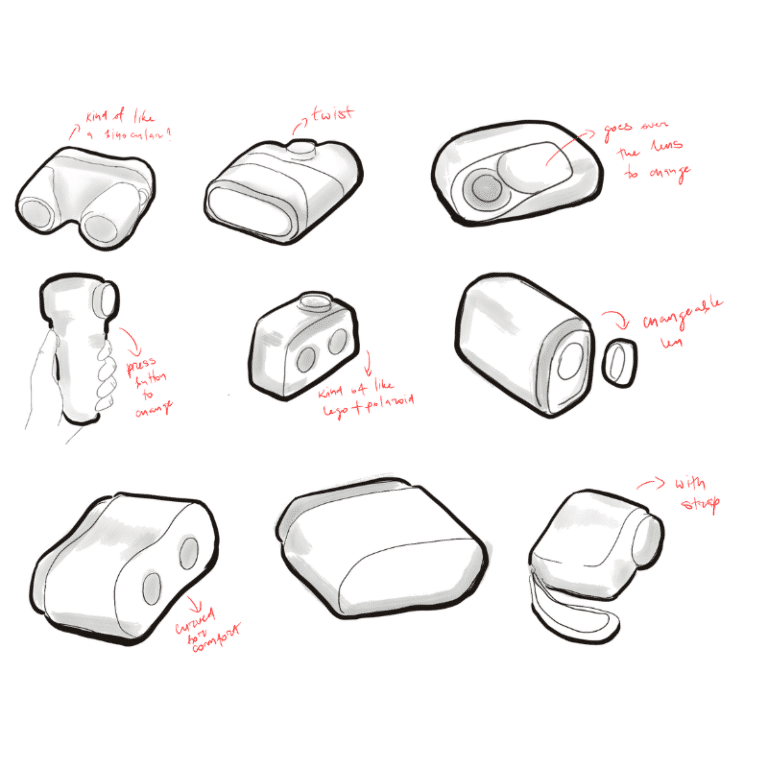
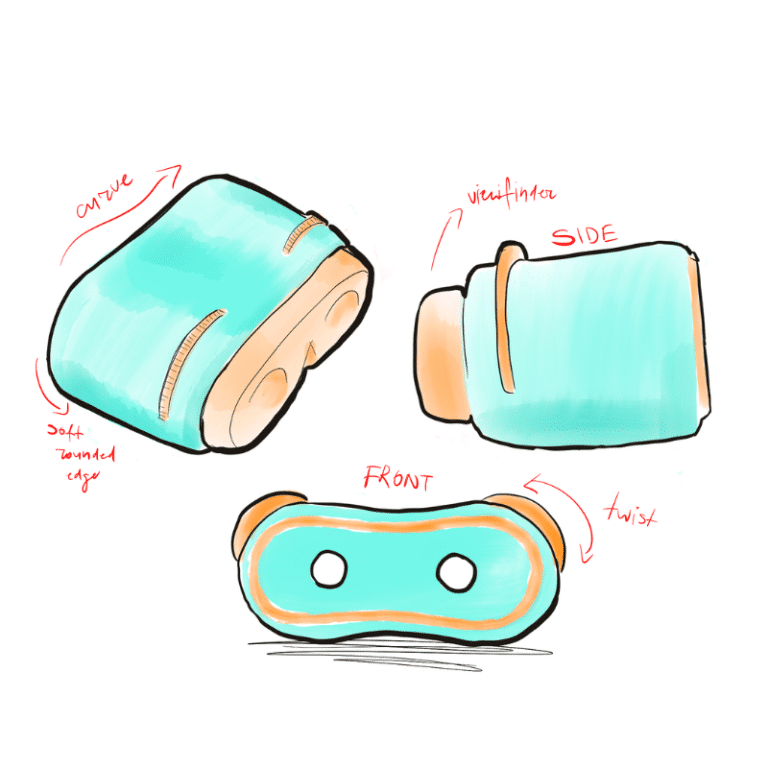
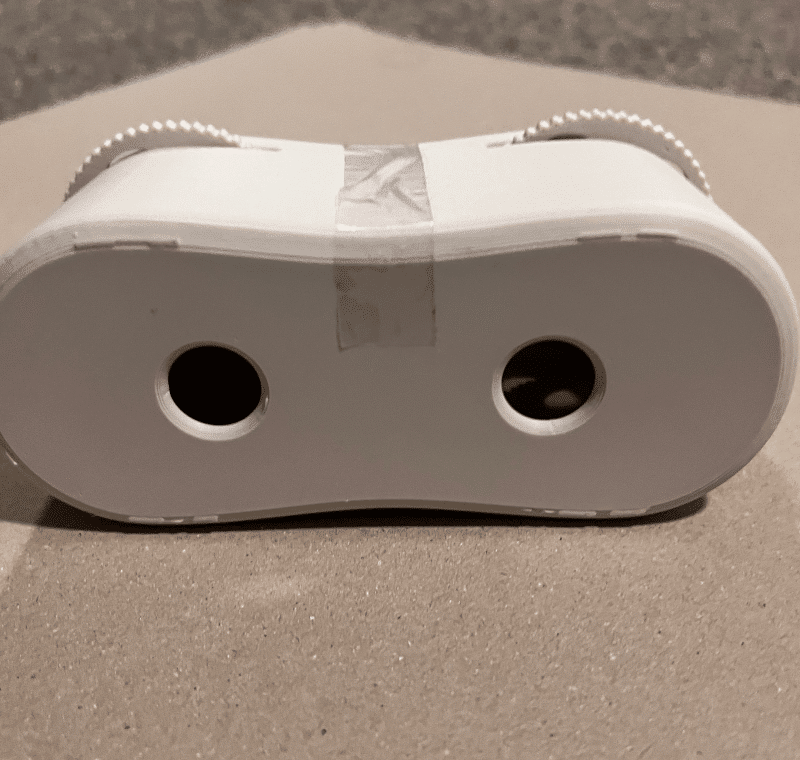
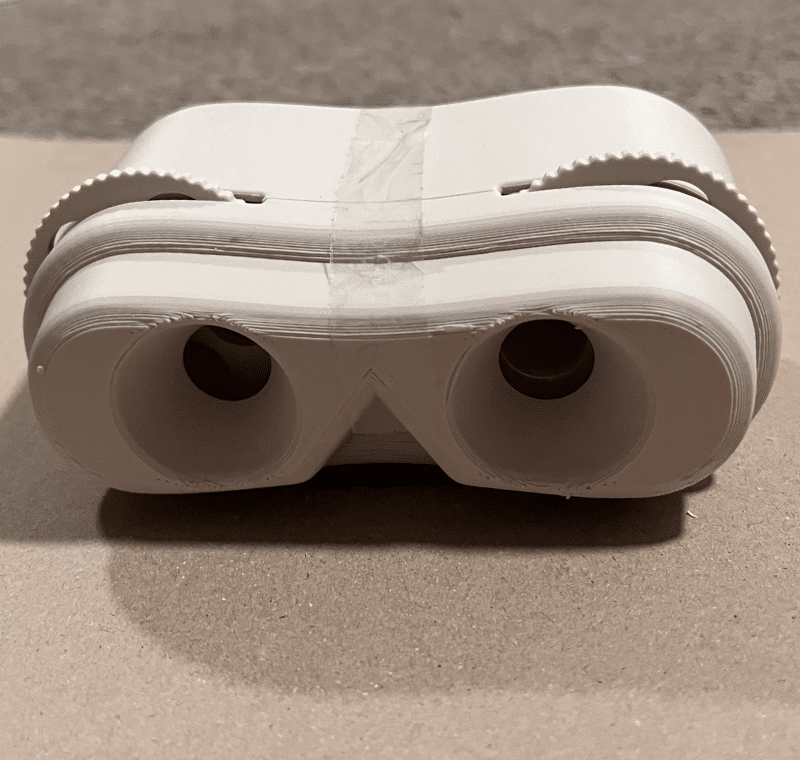
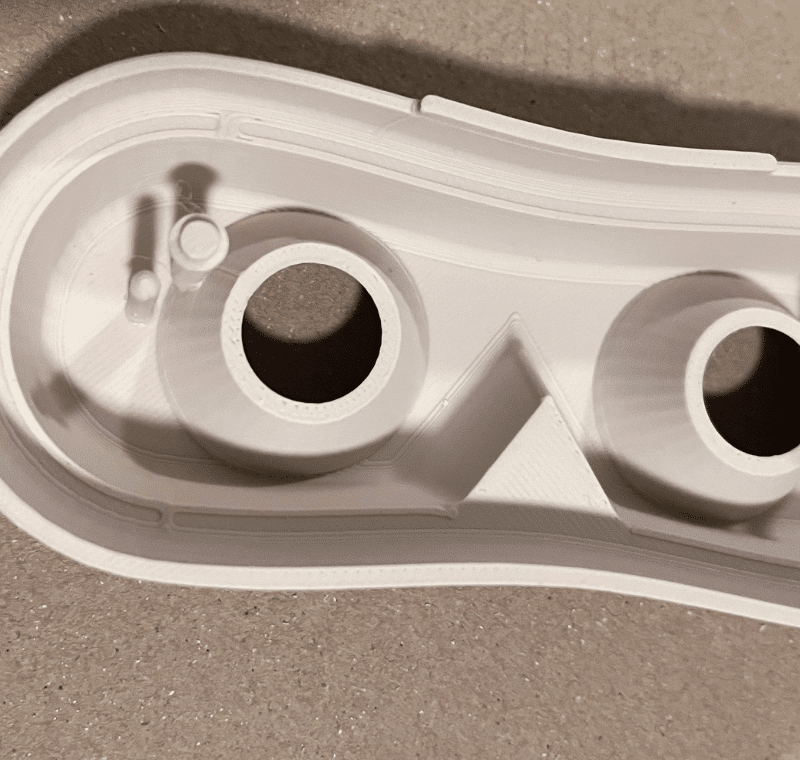
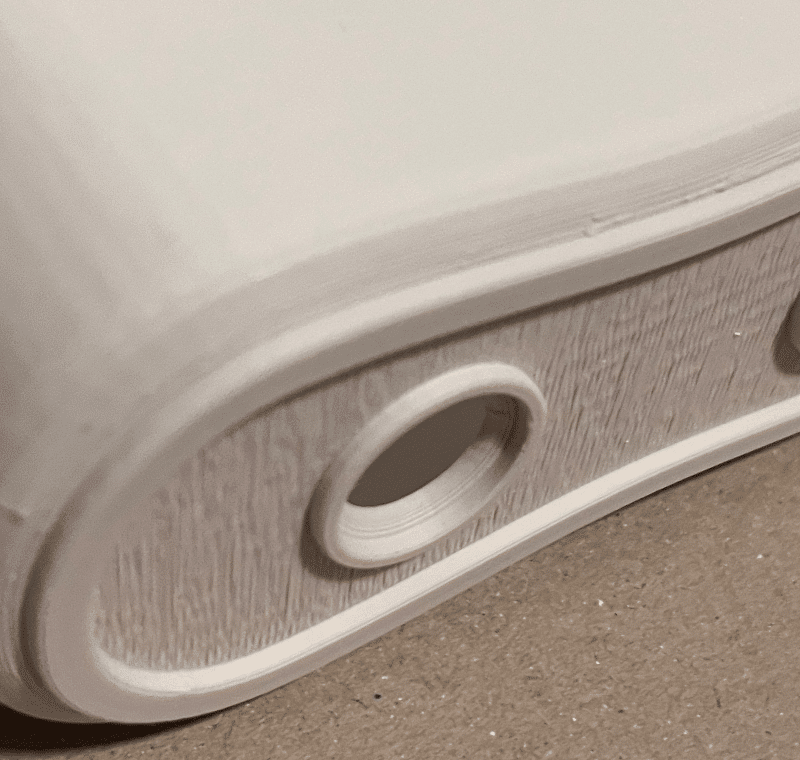
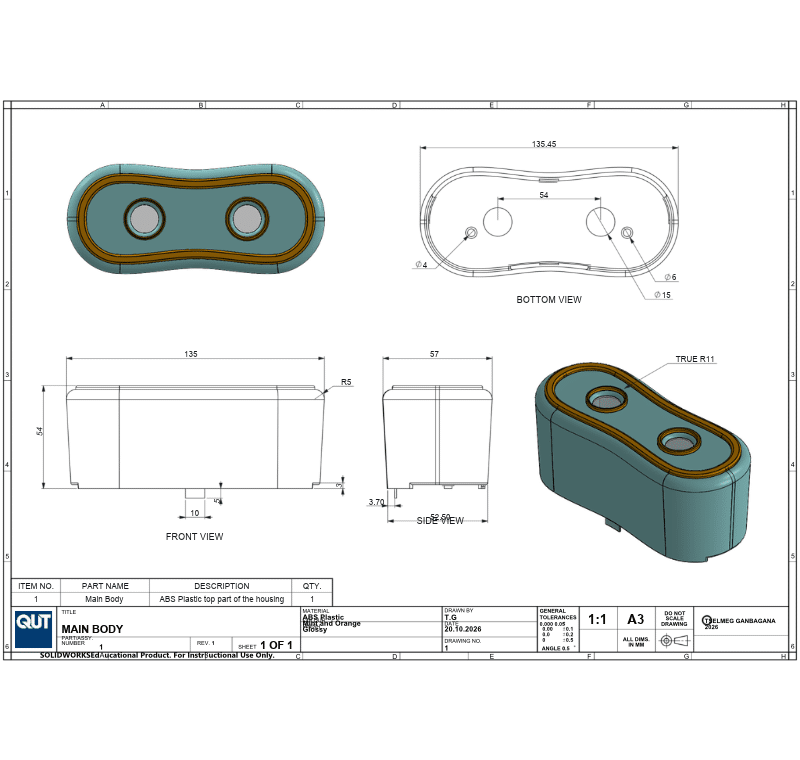
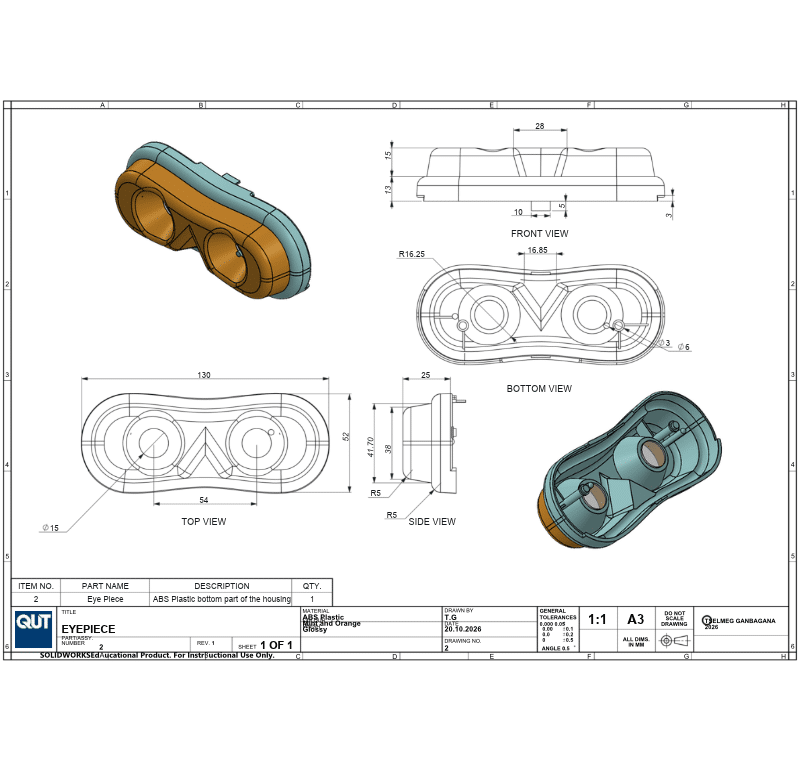
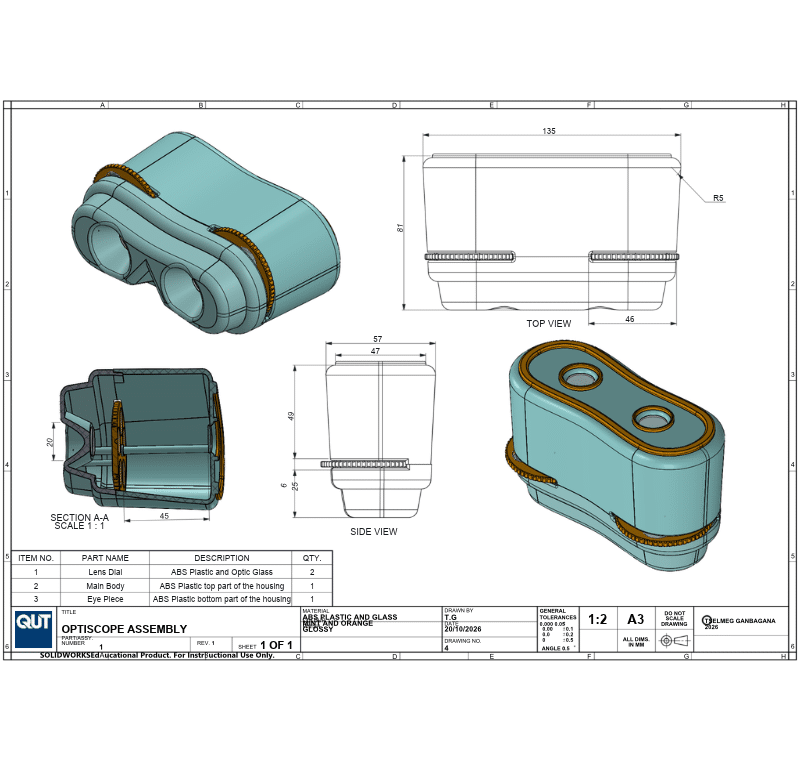
The prototyping stage involved translating the final OptiScope concept into a physical model to explore its form, proportions and overall usability. The prototype was developed using 3D modelling and 3D printing to test how the components fit together, including the dual viewing lenses and rotating lens selector. This process helped evaluate the product’s size, handling and mechanical arrangement, while identifying areas for refinement before finalising the design.
final protoype
technical drawings