Research and Opportunity
Who is this for?
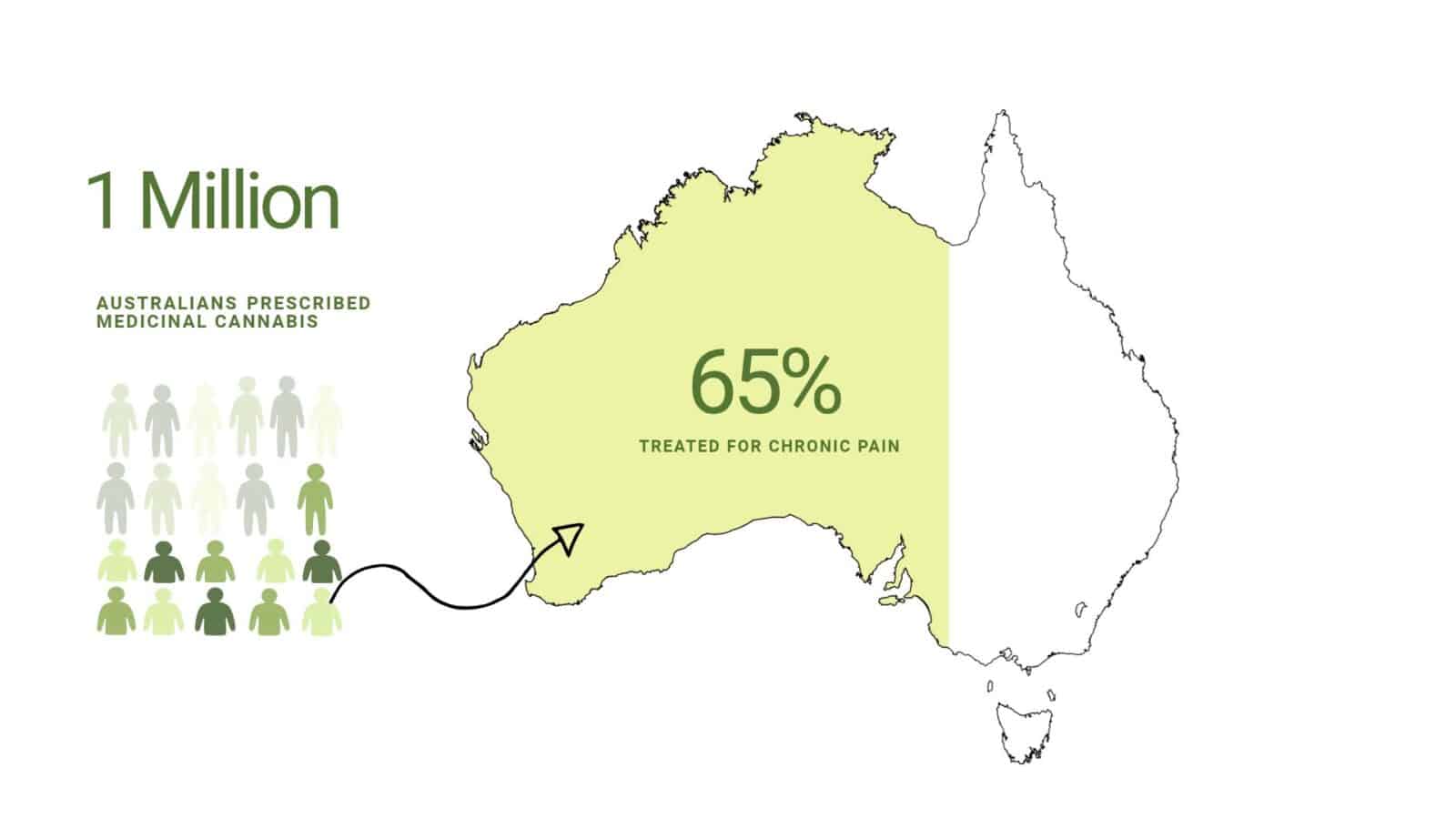
Around a million Australians now use medicinal cannabis, and 65% of prescriptions are for chronic pain from conditions like arthritis, MS and cerebral palsy. That pain reaches the hands. Despite legalisation a decade ago, stigma still means people hide their use or feel they have to defend it, even in their own home.
What did the research find?
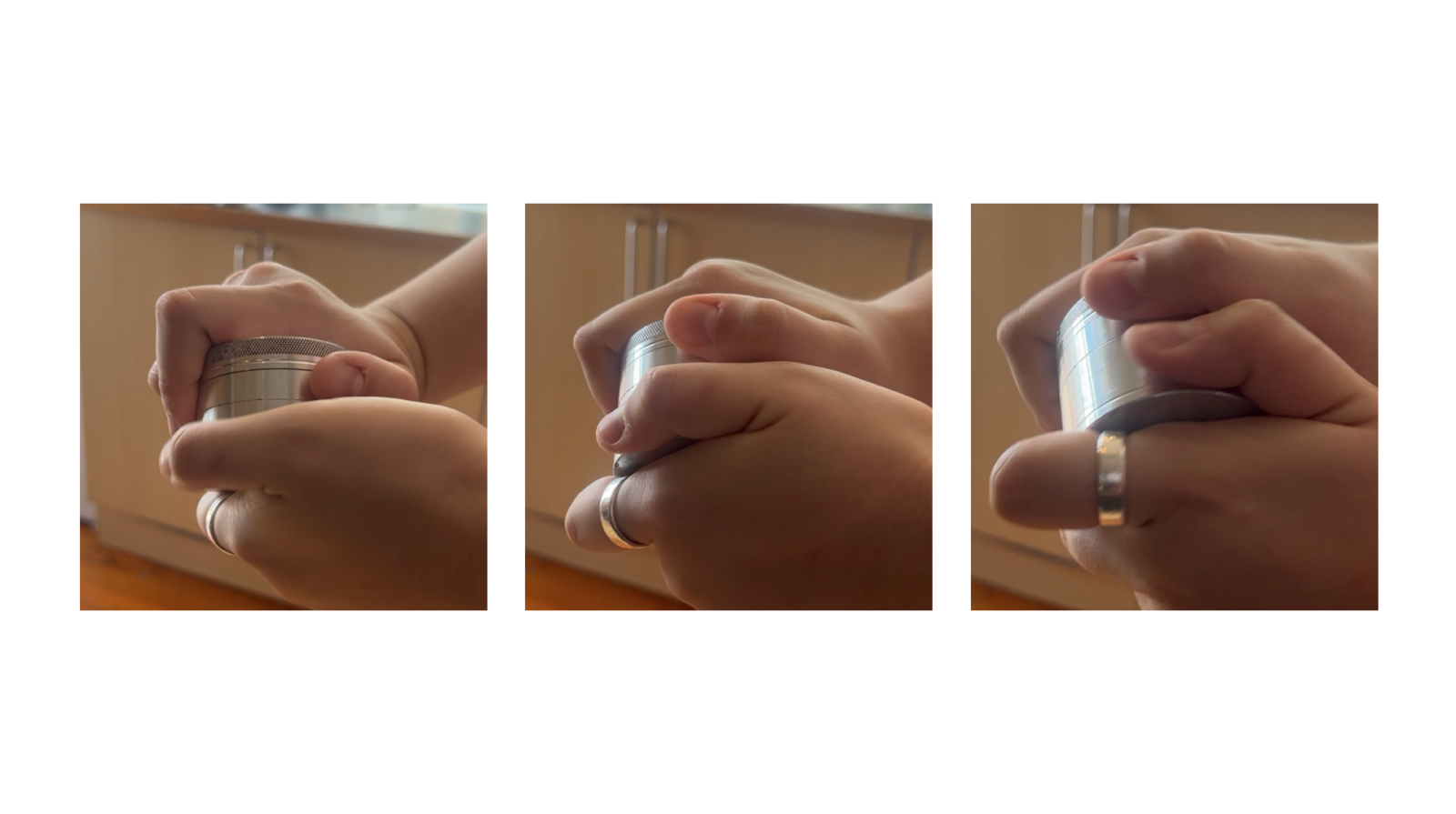
Six interviews (four users, one expert and one who was both), an at-home observation and 23 references showed the same thing. Preparing cannabis meant gripping small parts and twisting again and again, which aggravated symptoms in the hands. Stigma came up just as often. A decade after legalisation, people still hide their use or feel they have to defend it, even in their own home. Nobody should feel ashamed of looking after themselves.
“because of my pain in my hands and my like sort of lack of mobility and dexterity, it’s pretty hard to like have that repeated movement or even use the grinder”
– INT01U
“to people who, Don’t fully understand it medically, also because I am in the health field and study a health degree. I find that it sometimes comes up in conversations that in like uni or at work. Will have very negative views on it.”
– INT04U
What was missing from the market?
Some grinders are still plastic, which risks microplastics in what people consume. They all look like paraphernalia. Medicinal vaping and smoking devices are expensive and look medical, so they don’t belong in a home. Nothing was easy on the hands, safe to consume from and made for the home.
Primary research methods
- Name
- Research Report
- File Type
- application
- File Size
- 1 B
- Link
- Download File
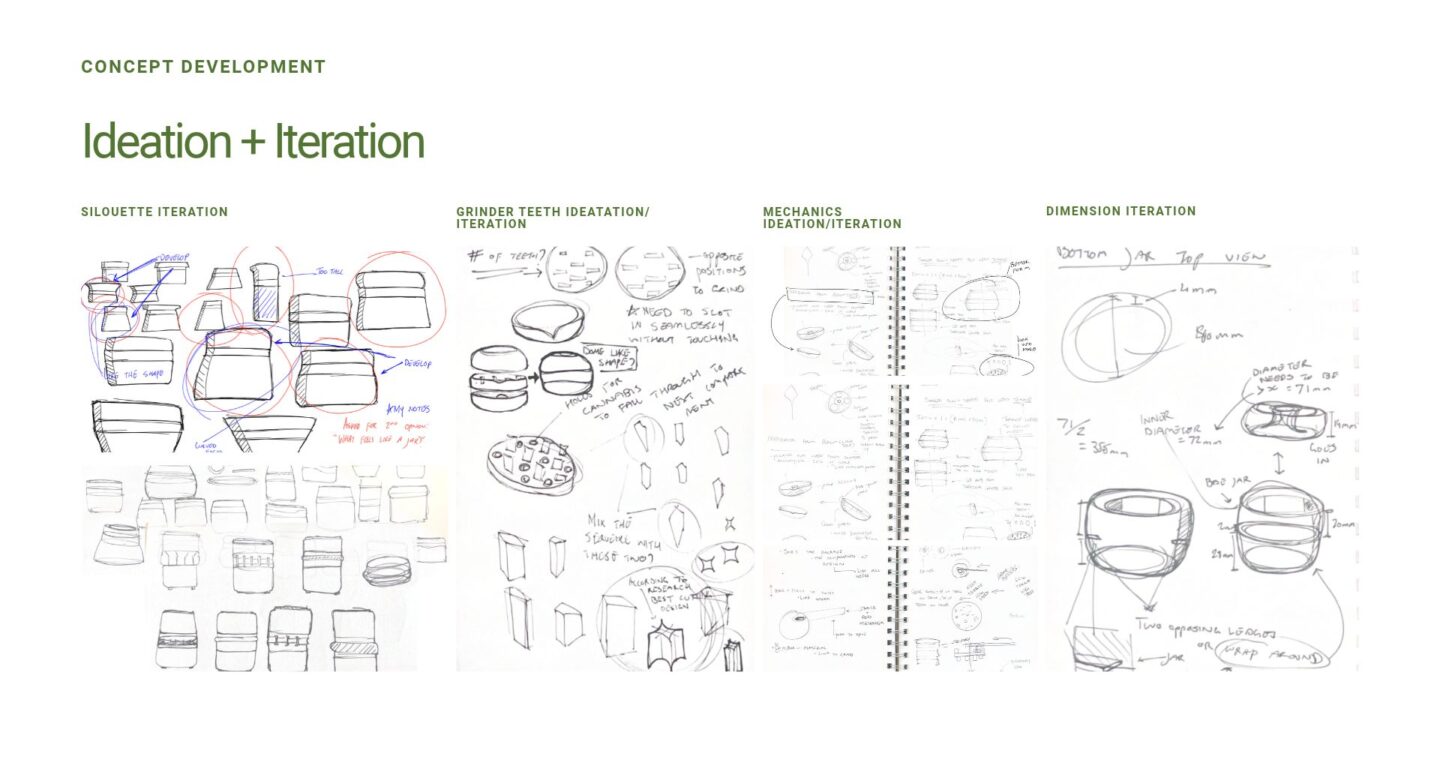
Design Development
Key considerations
-
Ease the hands
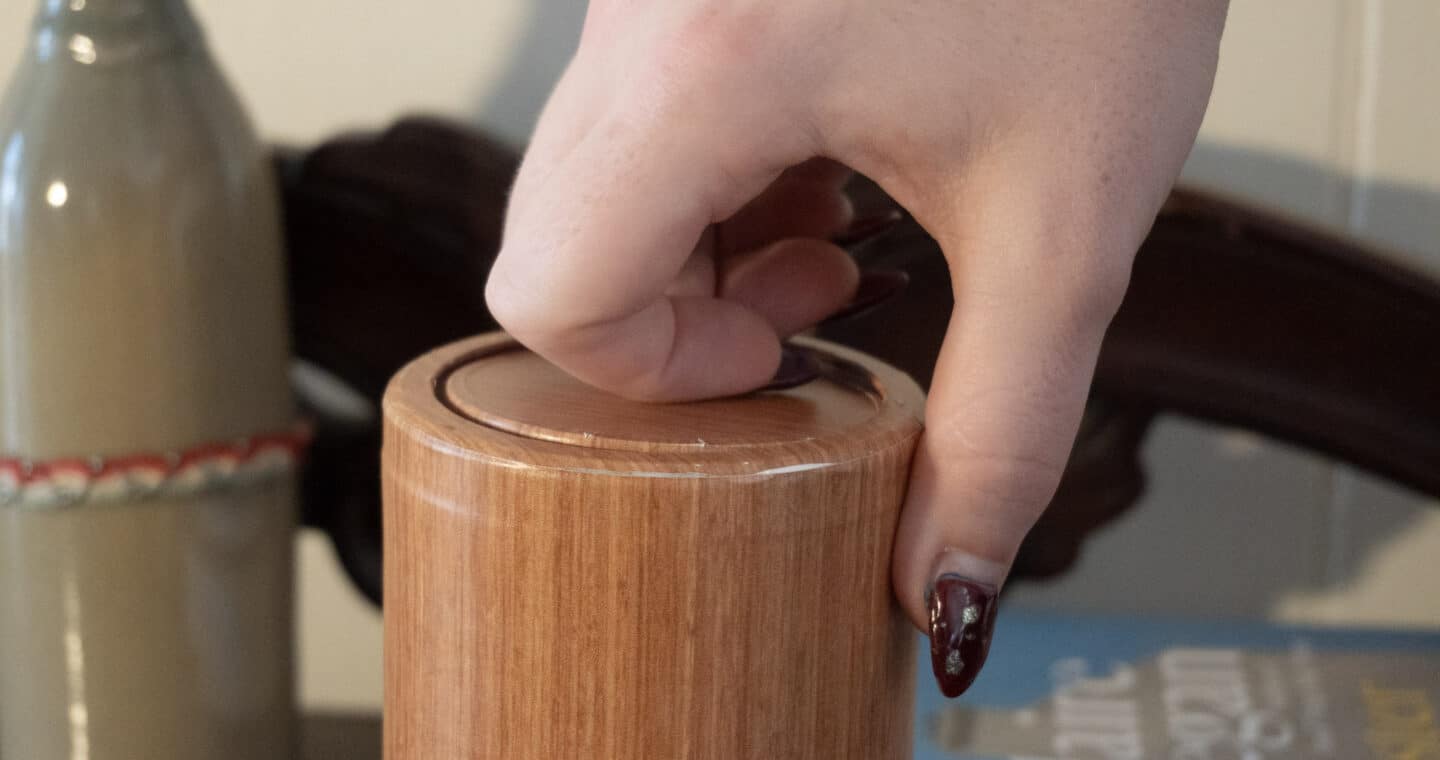
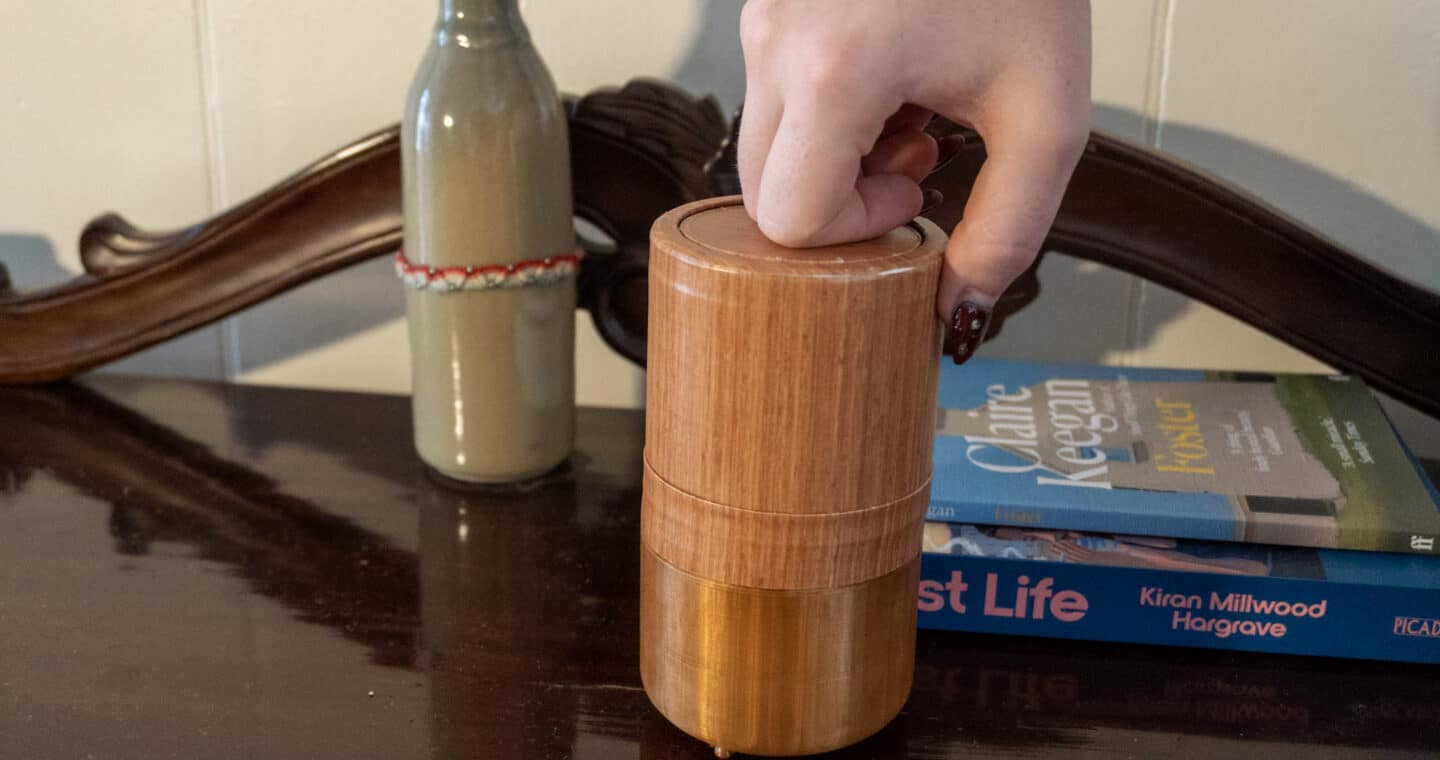
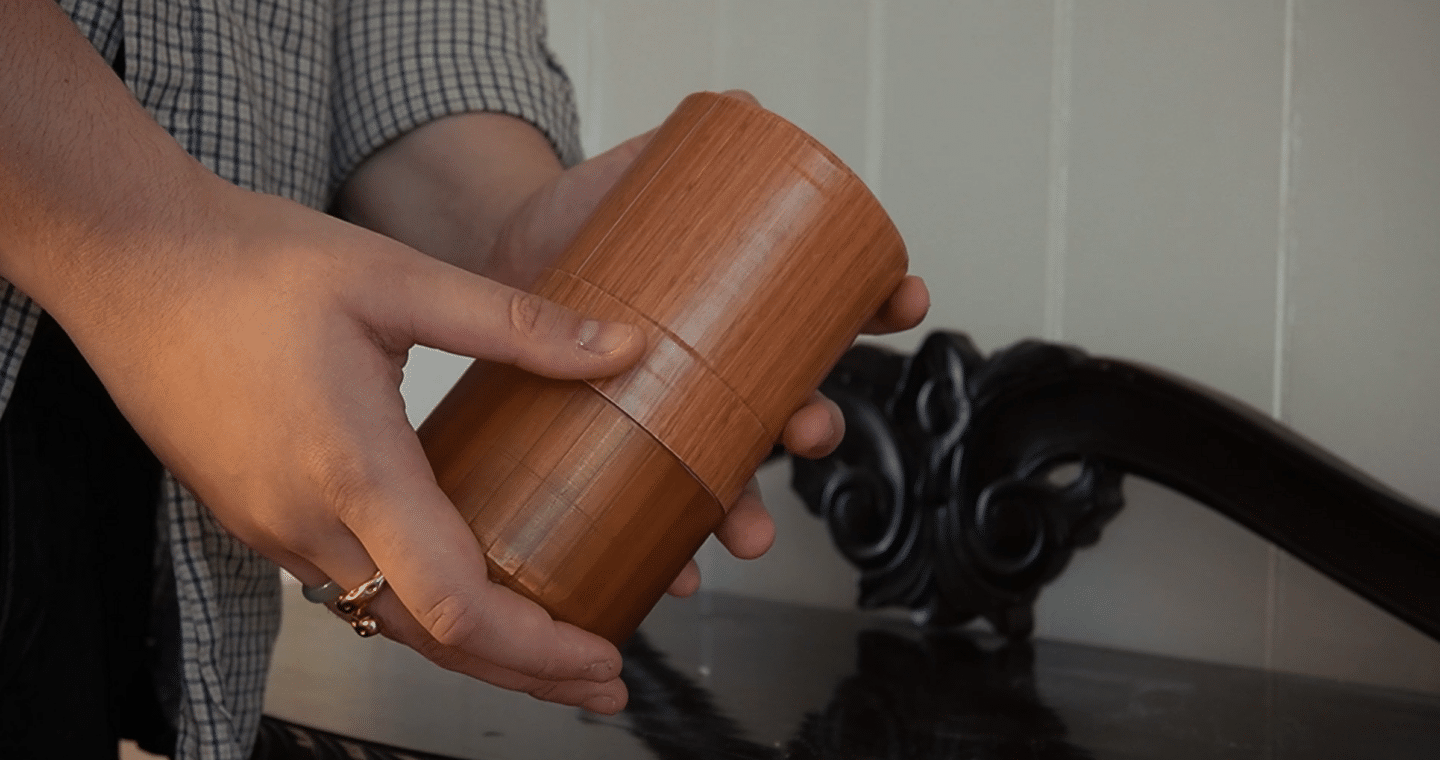
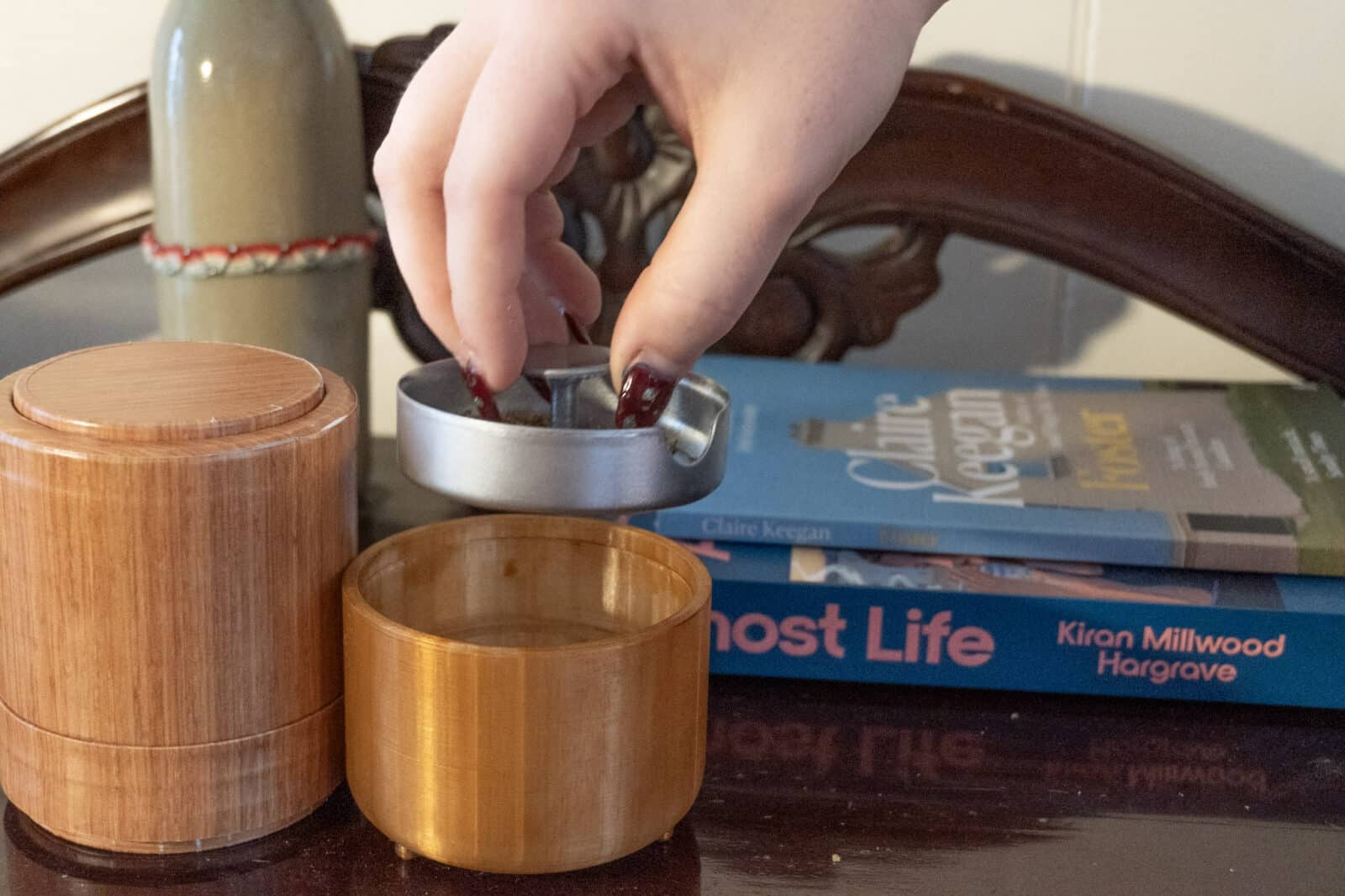
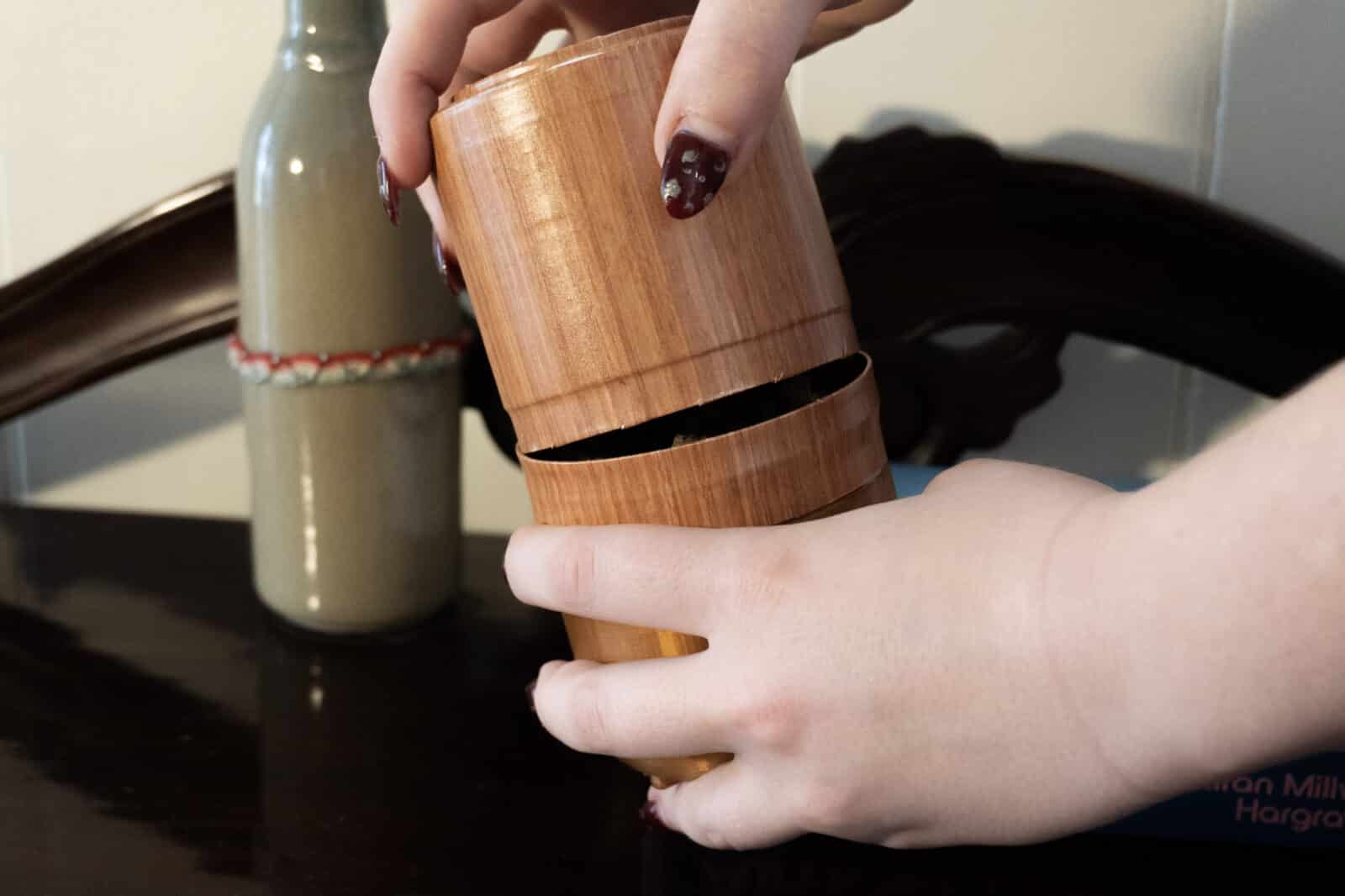
Standard grinders rely on a tight grip and repeated twisting, which research showed aggravated symptoms in the hands. ‘ground.’ swaps that for a push-down action that needs little grip strength and very little fine motor control. A lightweight body and a comfortable, stable grip keep the effort low.
-
Make it safe
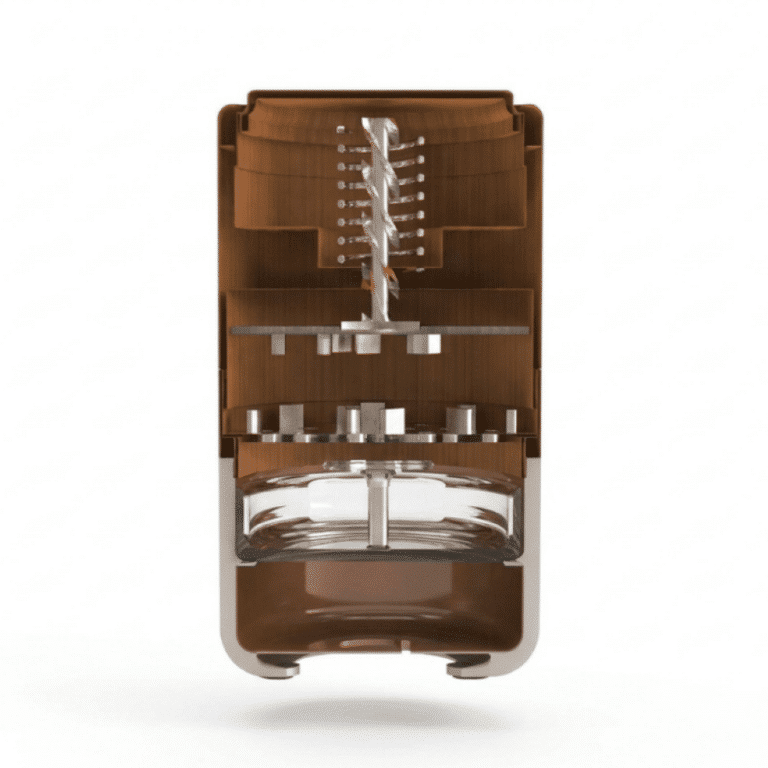
Existing grinders are often still plastic, which risks microplastics in what people consume. In ‘ground.’, stainless steel is the only material that touches the flower. Everything that matters for safety sits where the user can’t see it, so they can use it with confidence.
-
Make it belong
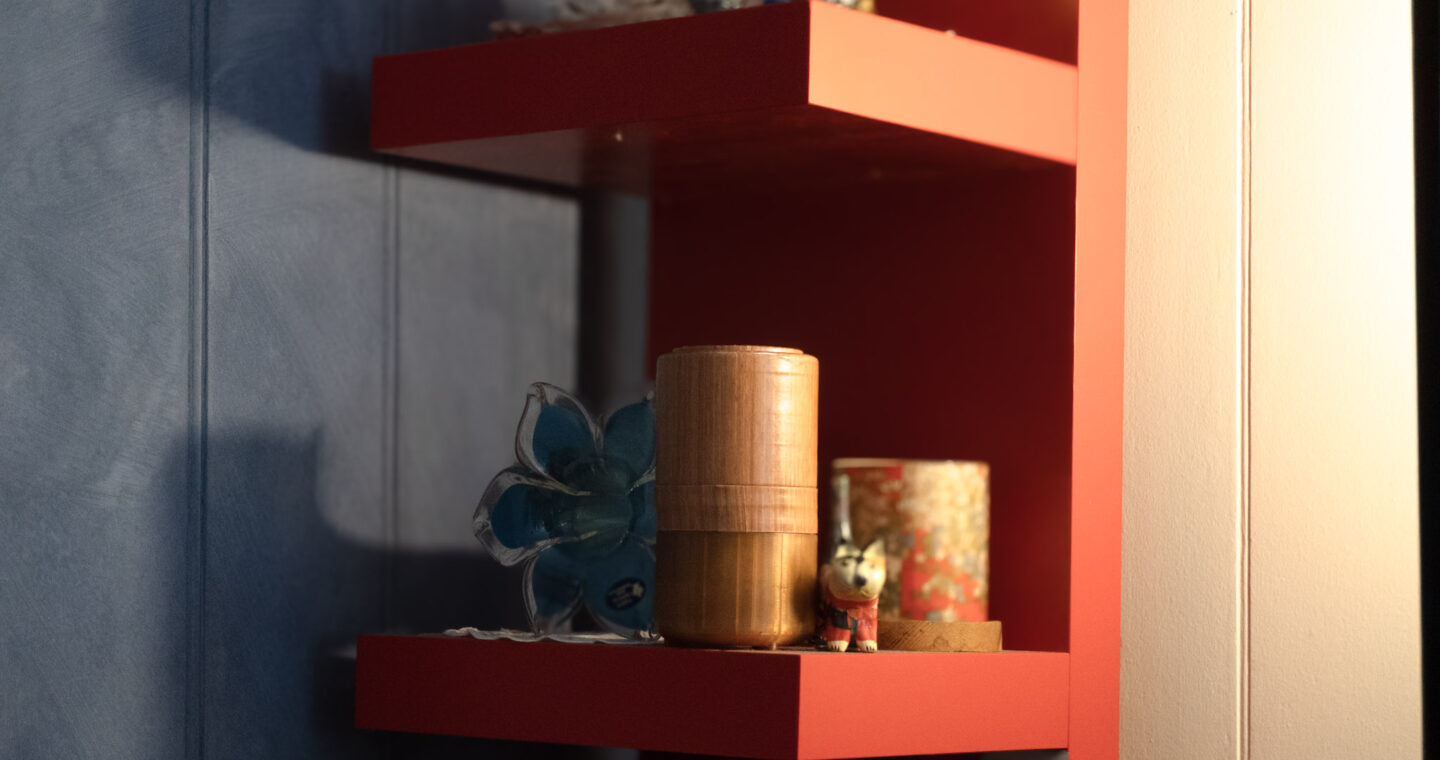
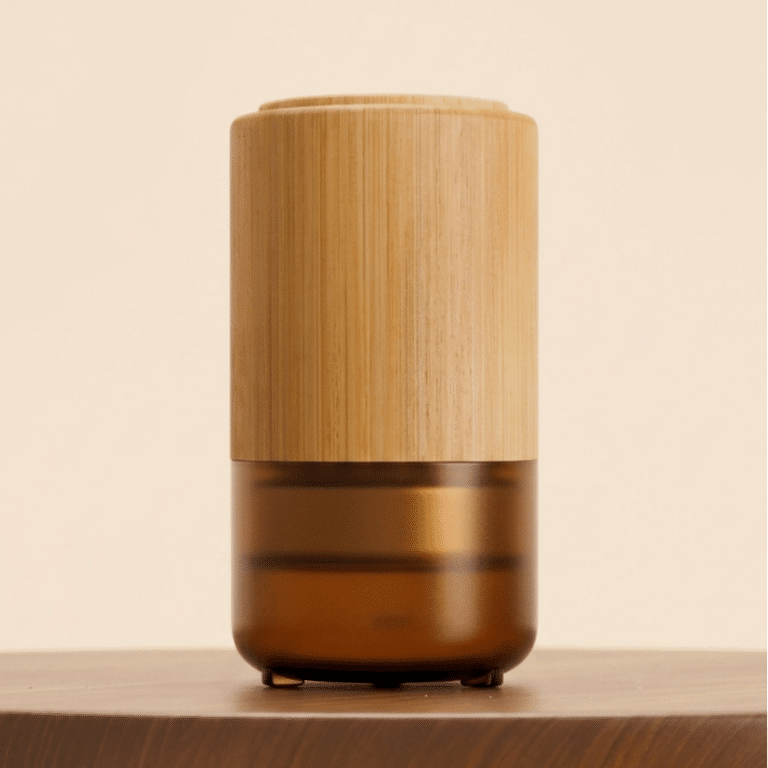
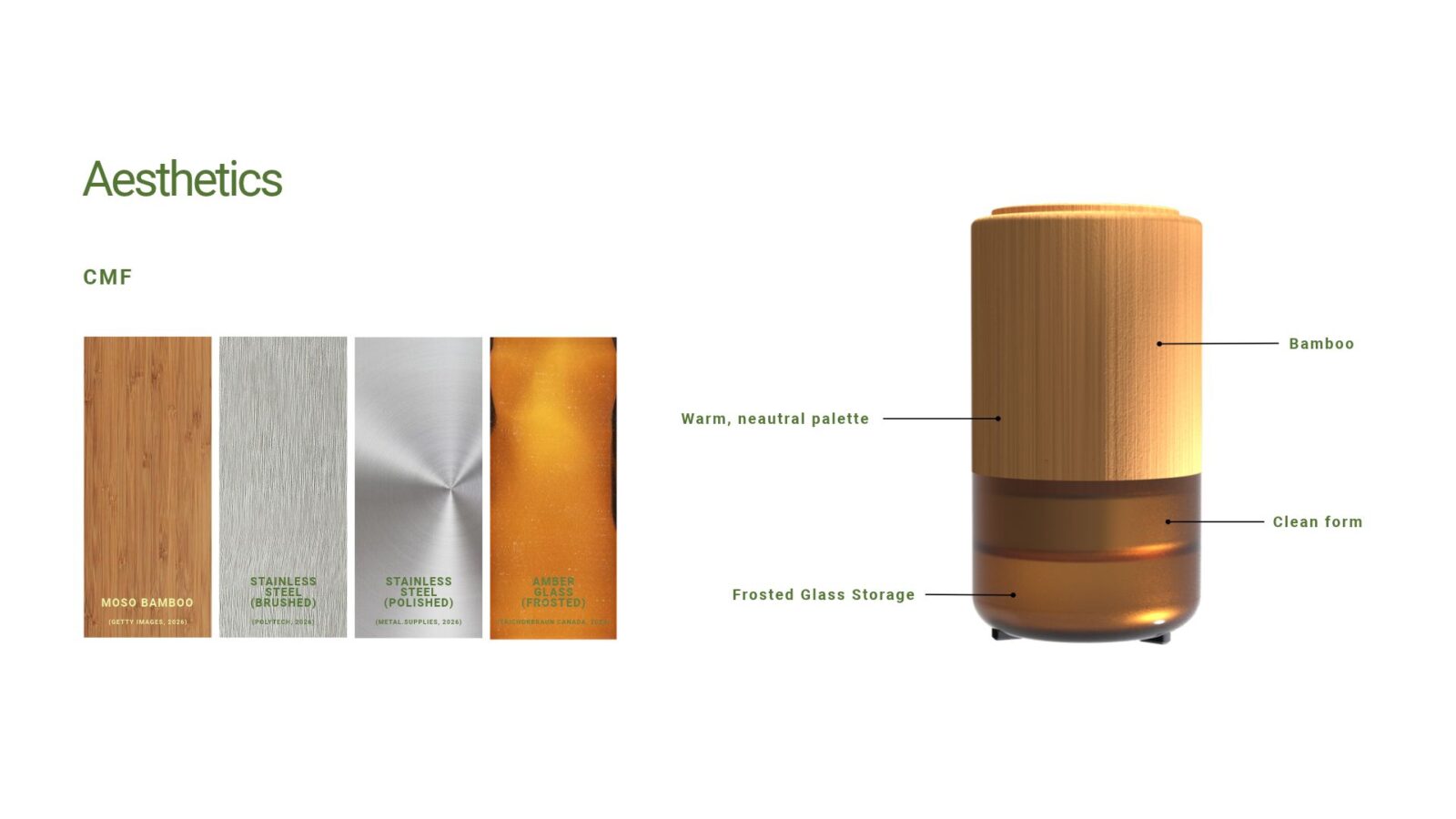
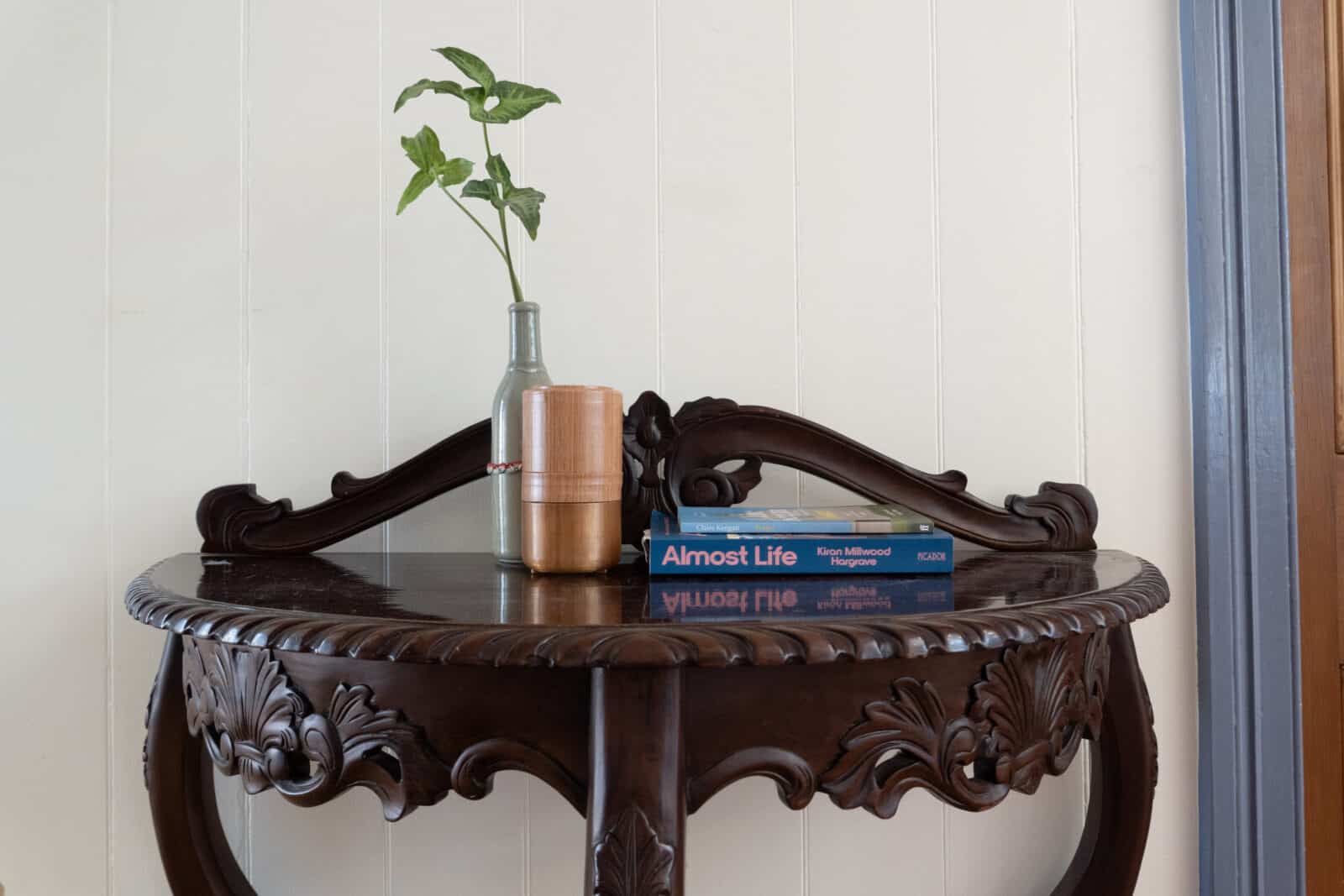
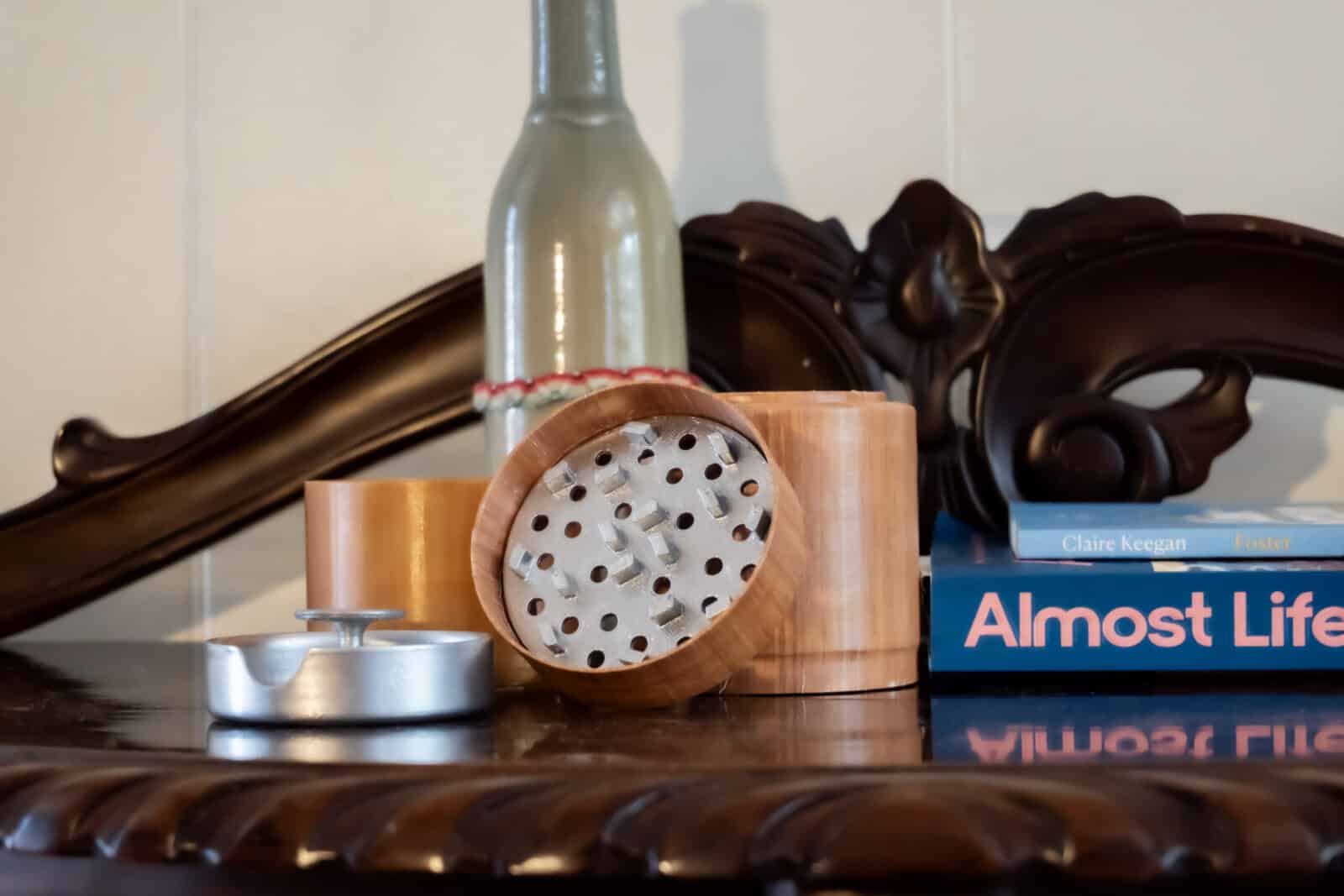
Many grinders look like paraphernalia, and medicinal devices often look clinical, so neither feels at home in a living room. ‘ground.’ uses warm bamboo, brushed stainless steel and frosted amber glass in a clean form that reads as decor. The frosted glass keeps what’s inside private, so users never have to hide it or explain it in their own home.
-
Challenge misconception
Stigma still follows medicinal cannabis, even a decade after legalisation, and it sits with the people in the room as well as the user. The silhouette of ‘ground.’ is shaped to be admired first, inviting onlookers to link cannabis with beauty instead of assumption. When beauty outshines stigma, it can change a mind.
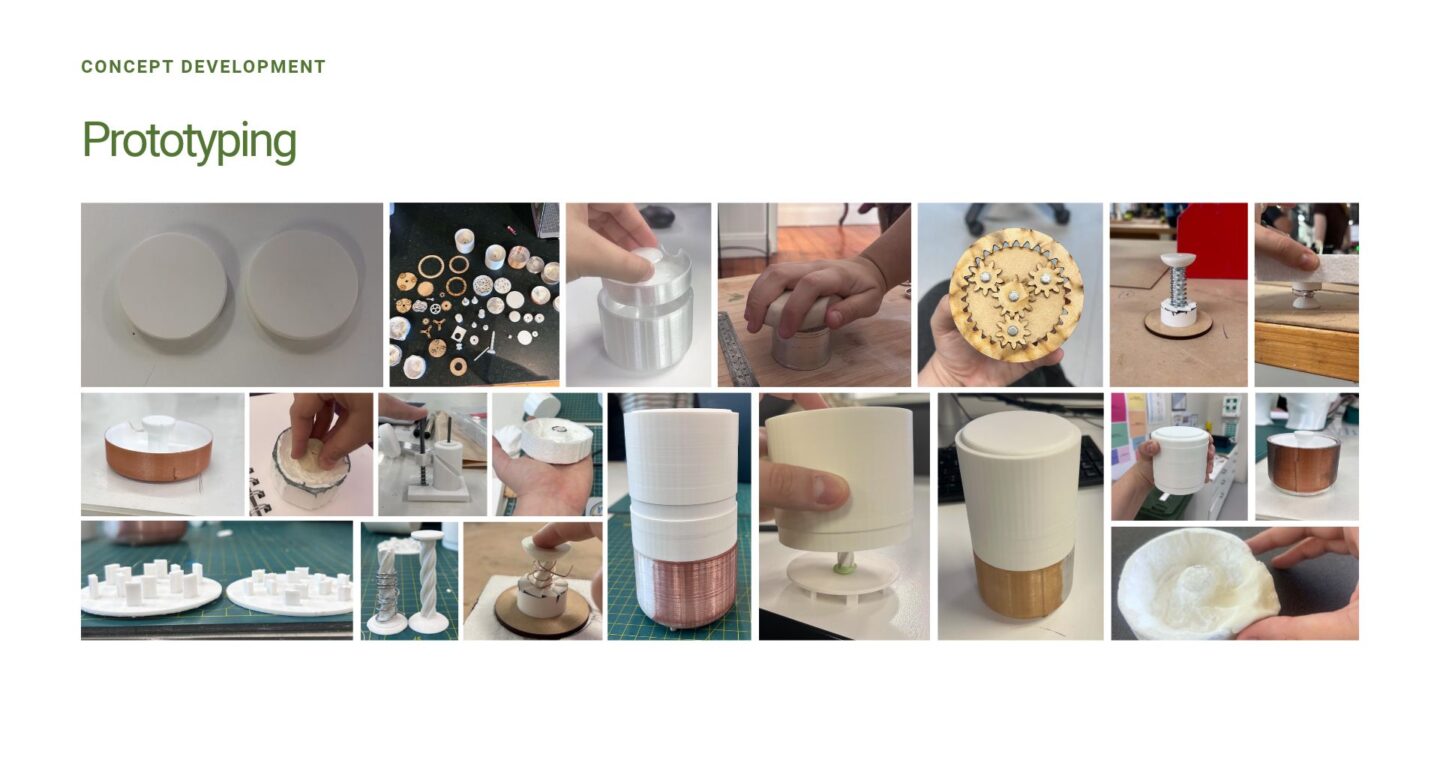
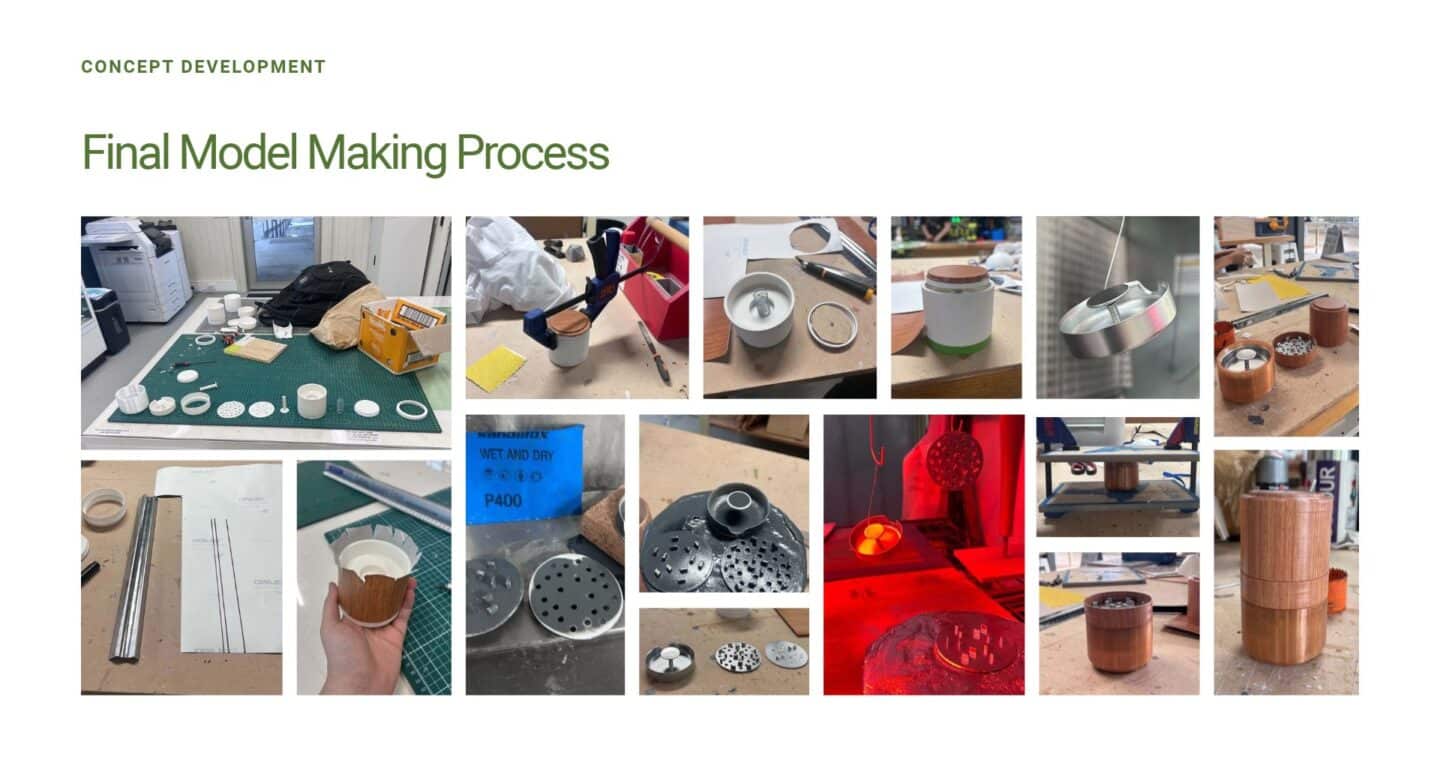
Process
Design outcome
-
Push-down grinding
Press down and up instead of gripping and twisting.
-
Low effort
Requires little grip strength or fine motor control.
-
Comfortable stable grip
-
Lightweight bamboo body
-
Easy-access storage
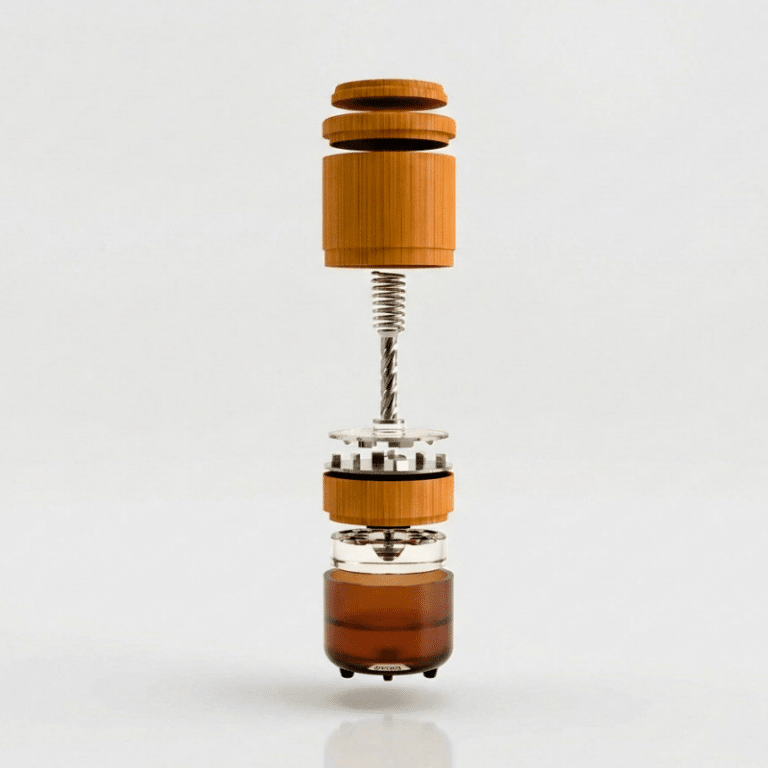
Keeps everything in one place, in the base. And the 4mm thick jar wall traps any smell.
-
Precision-cut teeth
A clean cut with less friction. Less friction means less resin secretion. Goodbye sticky herb grinders.
-
Stainless steel throughout the grind
The only material that touches the flower.
-
No plastic
No microplastics in what you consume.
Easy on the hands
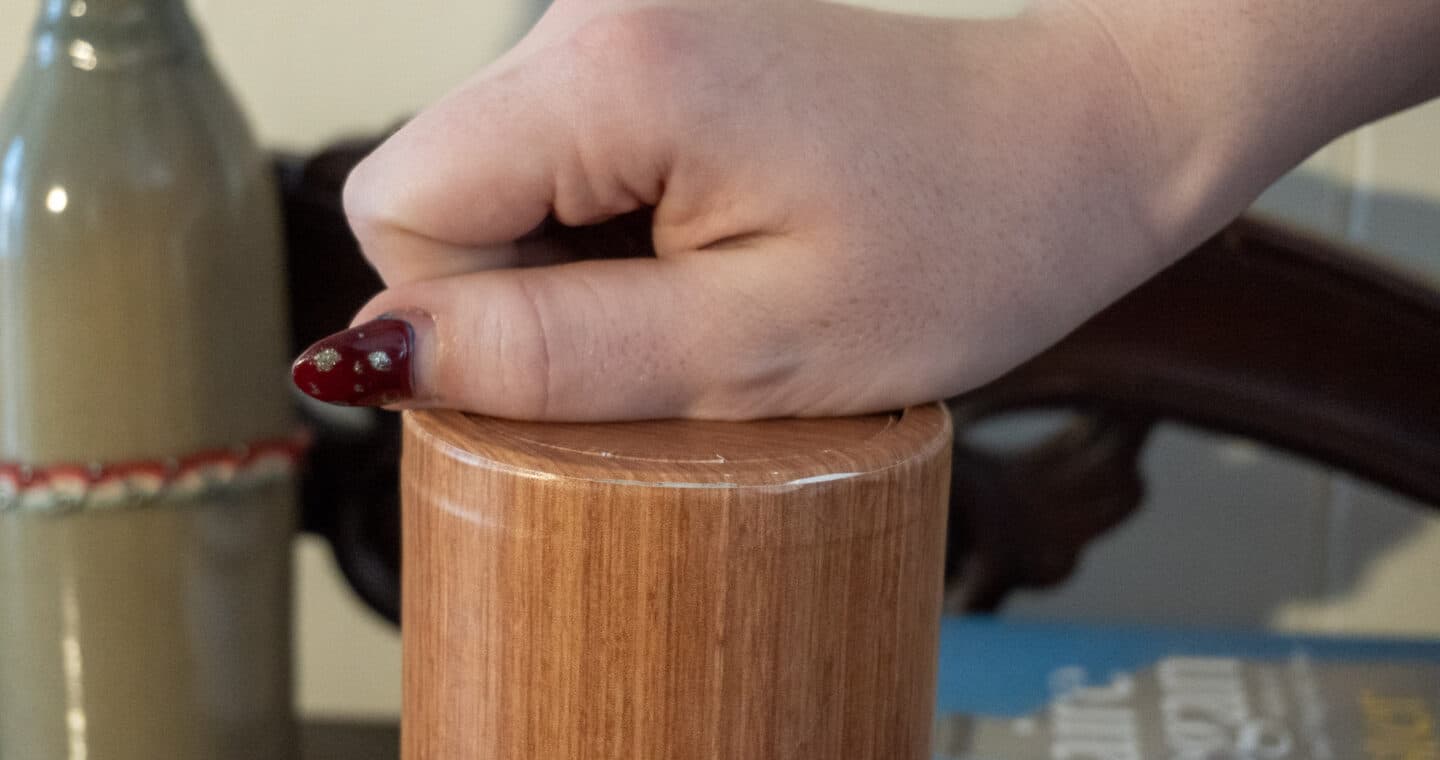
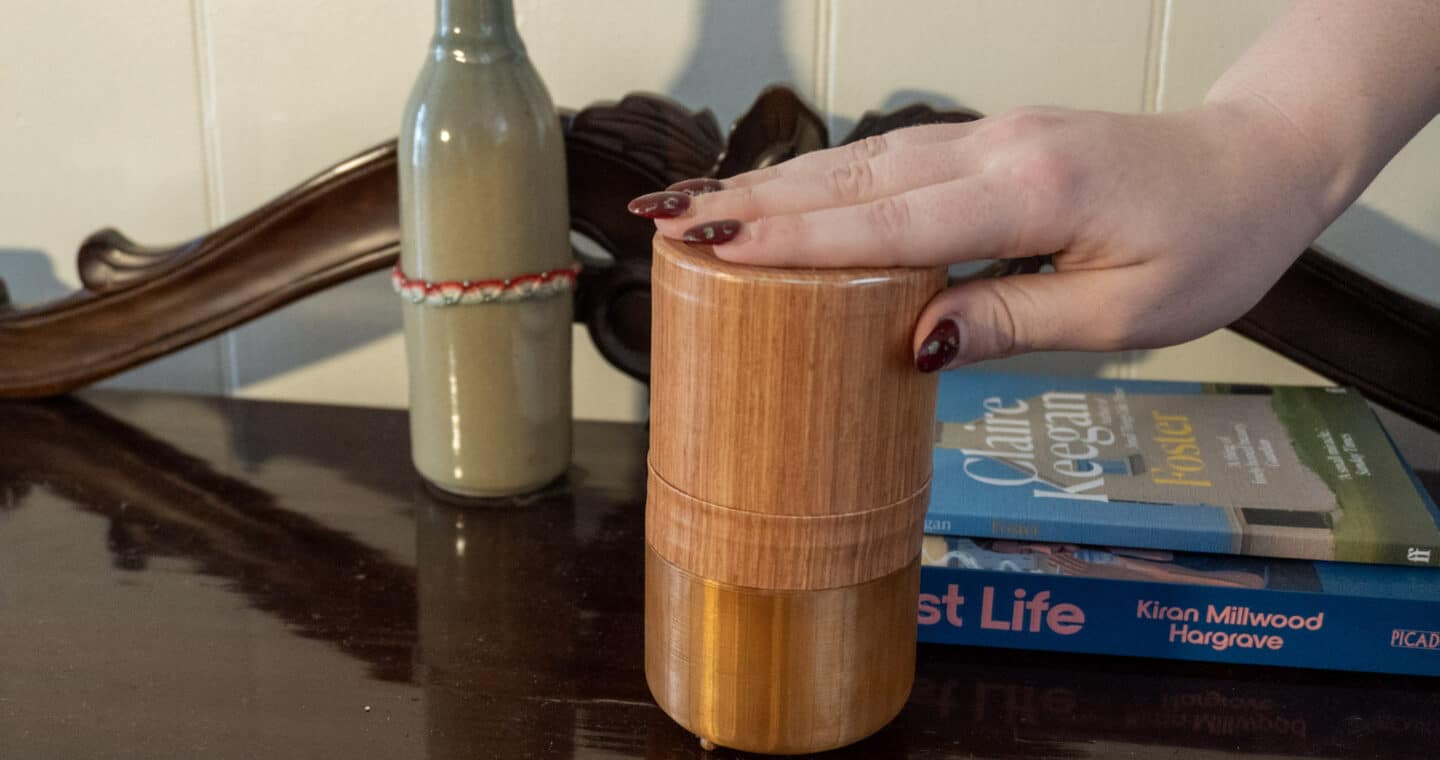
Hands don’t feel the same every day, and ‘ground.’ doesn’t expect them to. Because the grind comes from a push rather than a twist, the user chooses how they press. A press with the palm on a sore day or a firmer two fingered one on a strong day works equally well. They can take their time and use whatever technique feels best for their hands, so the grinder adapts to how they feel, not the other way around.
Materials with purpose
Bamboo is light in the hand and a quiet nod to cannabis as a grass. Frosted amber glass keeps what’s inside private while looking like decor. Brushed stainless steel is strong, and no plastic touches the flower.
Final model