Industrial - Bachelor
Kintra, for remote intergenerational connection
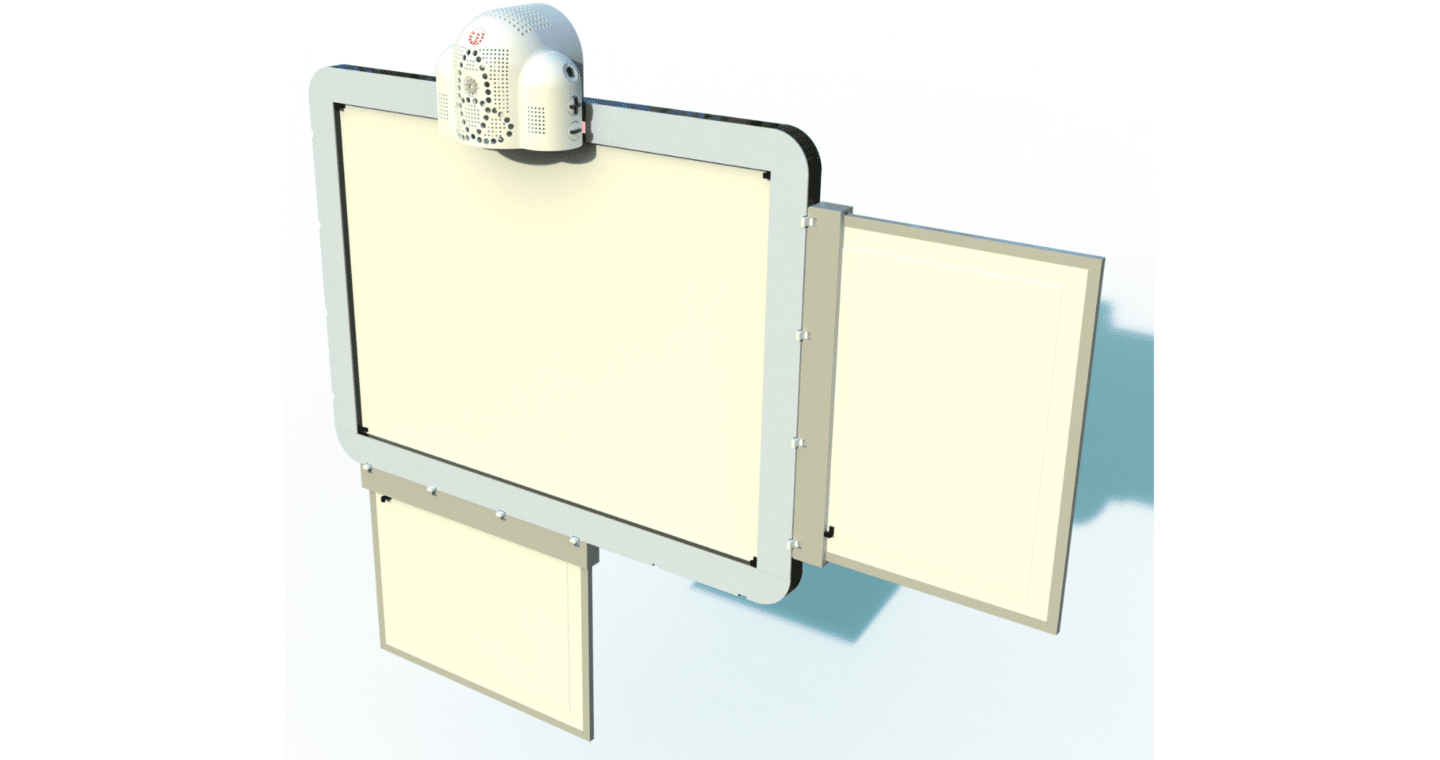
Kintra is a set of interconnected whiteboards designed to connect and improve the emotional closeness of grandparents and their teenage grandchildren.

Daniel Currie
Industrial - Bachelor
Kintra is a set of interconnected whiteboards designed to connect and improve the emotional closeness of grandparents and their teenage grandchildren.
As families become increasingly geographically dispersed, maintaining close relationships across generations has become more challenging. For grandparents and their teenage grandchildren, physical distance can limit opportunities for spontaneous interaction and shared experiences, making it harder to maintain emotional closeness as grandchildren grow older. Existing communication methods often rely on scheduled calls, messaging or screen-based interactions, which can feel forced or lack the meaningful engagement needed to sustain a relationship. Changing communication habits during adolescence further widen this gap, highlighting a need for new ways to encourage natural, engaging and meaningful connections between geographically distant generations.
Triangulation across secondary research, benchmarking and primary research, including interviews with teenagers, young adults, parents and grandparents, revealed several recurring challenges in maintaining long-distance intergenerational relationships. Findings highlighted that communication often becomes less frequent and more intentional as grandchildren enter adolescence, with spontaneous interactions declining as independence and social priorities increase. Both generations expressed a desire to stay connected, but existing methods such as phone calls and messaging can feel repetitive, require deliberate effort or lack opportunities for shared experiences. Research also identified that meaningful connection relies on more than simply maintaining contact, with shared activities, personal interest and a sense of involvement in each other’s lives playing an important role in emotional closeness. These findings highlighted the need for interactions that are accessible, low-effort and engaging for both generations.
There is an opportunity to enable spontaneous, low-effort interaction between grandparents and teenagers. Participants described contact becoming less frequent and less naturally initiated as teenagers became older, while availability was identified as the most common barrier to emotional closeness. Benchmarking also identified a gap for interactions requiring low setup and ongoing effort. Design could therefore support interaction that can occur in the moment, without requiring extensive planning, coordination or commitment from either person.
A second opportunity is to reduce reliance on conventional screen-based communication. Benchmarking showed that most existing solutions relied on phones, apps or websites, while phone calls were the most commonly reported communication method in the survey. This suggests an opportunity to explore more direct and dedicated forms of interaction that reduce dependence on conventional communication platforms. Such an approach could also reduce the number of steps required to participate, particularly for grandparents who may experience barriers associated with digital communication.
There is also an opportunity to support independent initiation of contact. Participants described teenagers not always naturally initiating communication, with parents sometimes prompting or facilitating contact. This aligns with secondary research highlighting the role of parents in maintaining grandparent-grandchild contact. As teenagers become more independent, design could support them in initiating
and responding to interactions directly, while also allowing grandparents to initiate contact
without requiring parental involvement.
A further opportunity is to support a sense of shared presence across distance. Participants most commonly reported missing being present for important moments, followed by everyday experiences and seeing each other’s reactions. This supports research identifying the loss of everyday awareness and natural interaction as a challenge of geographical separation. Rather than only enabling communication about these experiences, design could provide opportunities for grandparents and teenagers to participate in aspects of each other’s everyday and important moments despite being physically separated.
The final opportunity is to prioritise meaningful shared experiences rather than communication alone. Participants associated emotional closeness with the quality, depth and meaningfulness of interactions, while shared activities were described as providing common ground and supporting conversation. This aligns with research defining emotional closeness as multidimensional and related to relationship quality. Design could therefore create opportunities for grandparents and teenagers to do, experience or respond to something together, using shared activity as a way to support both interaction and conversation while accommodating teenagers’ independence and changing priorities.
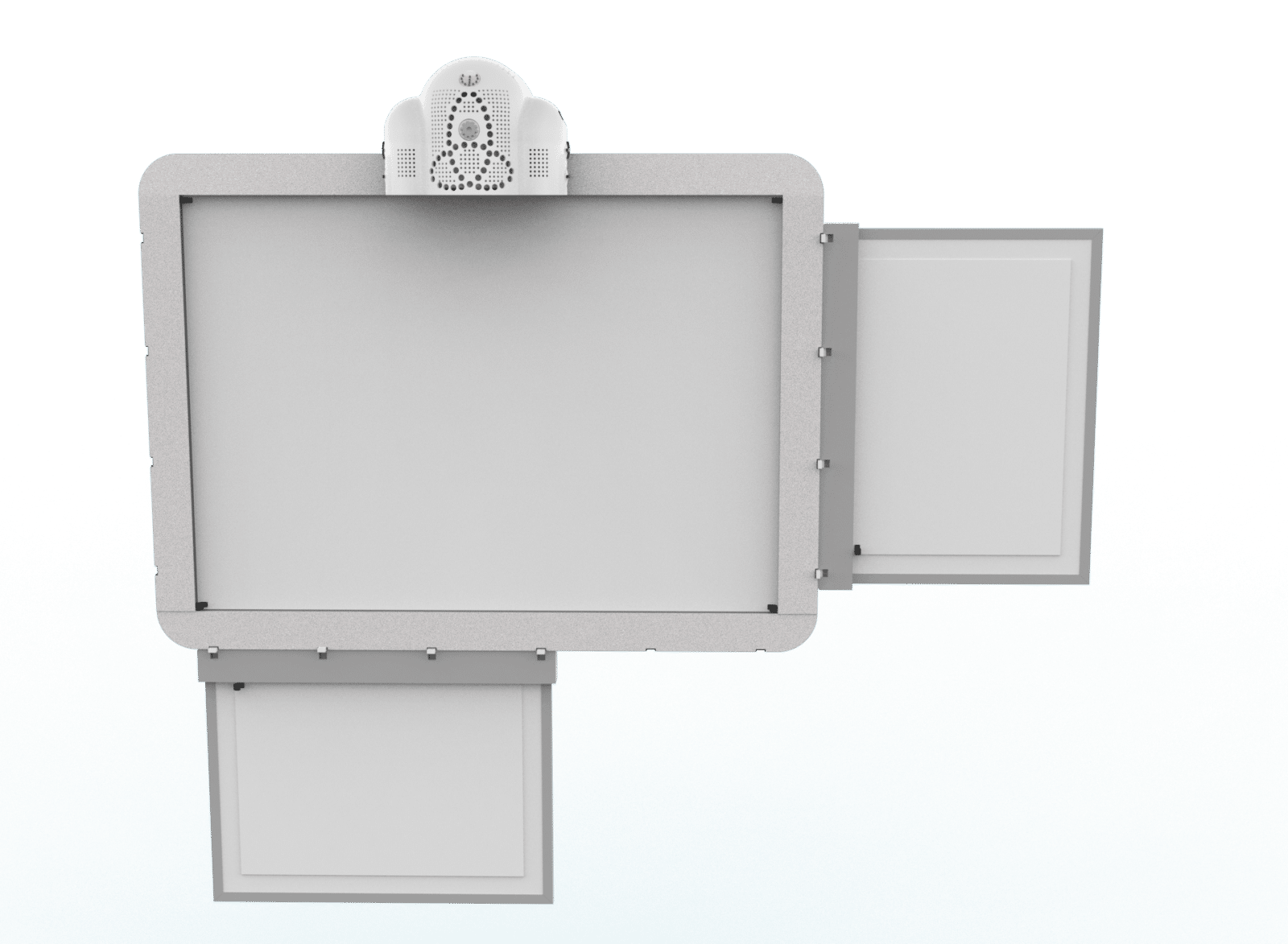
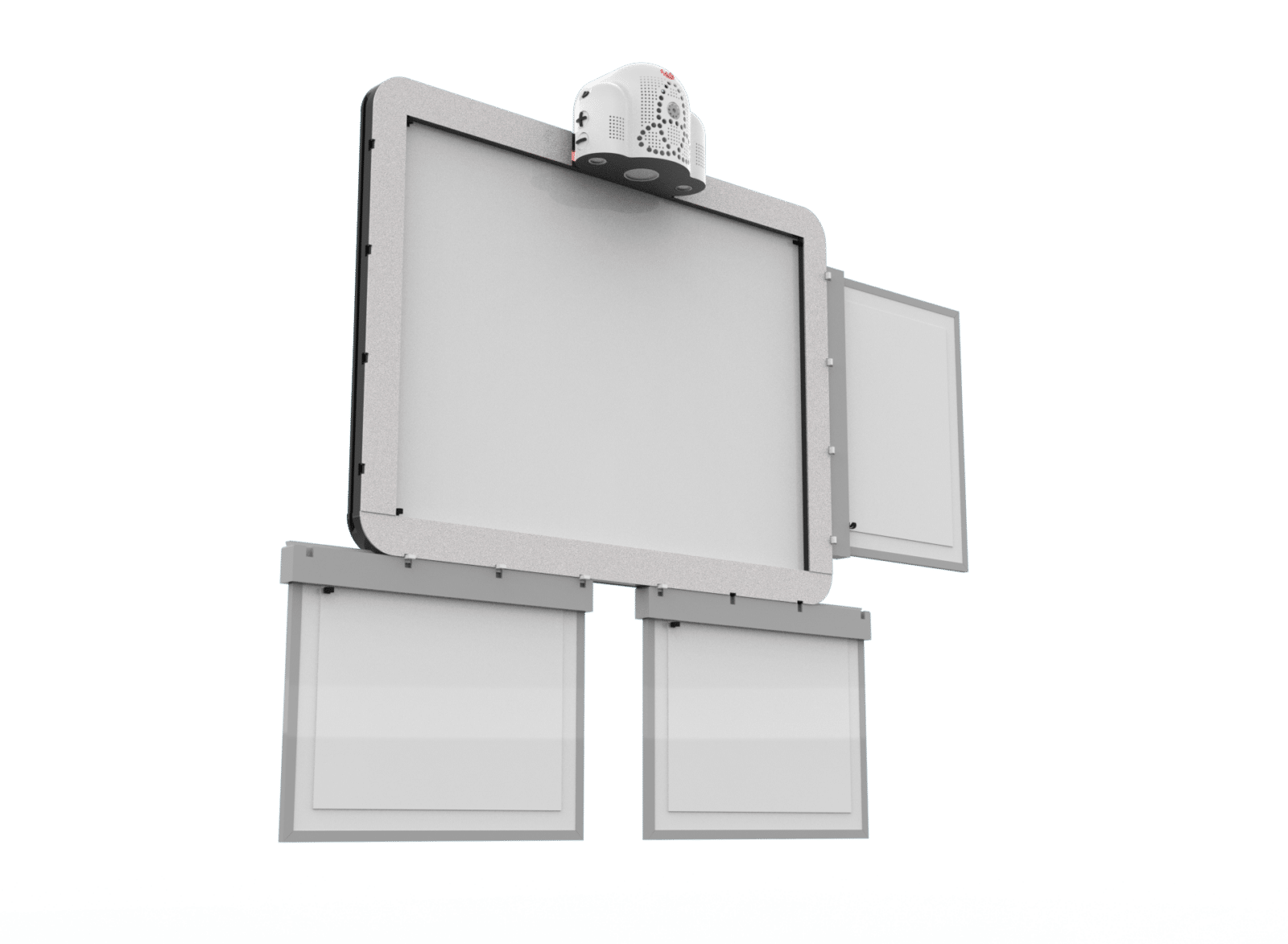
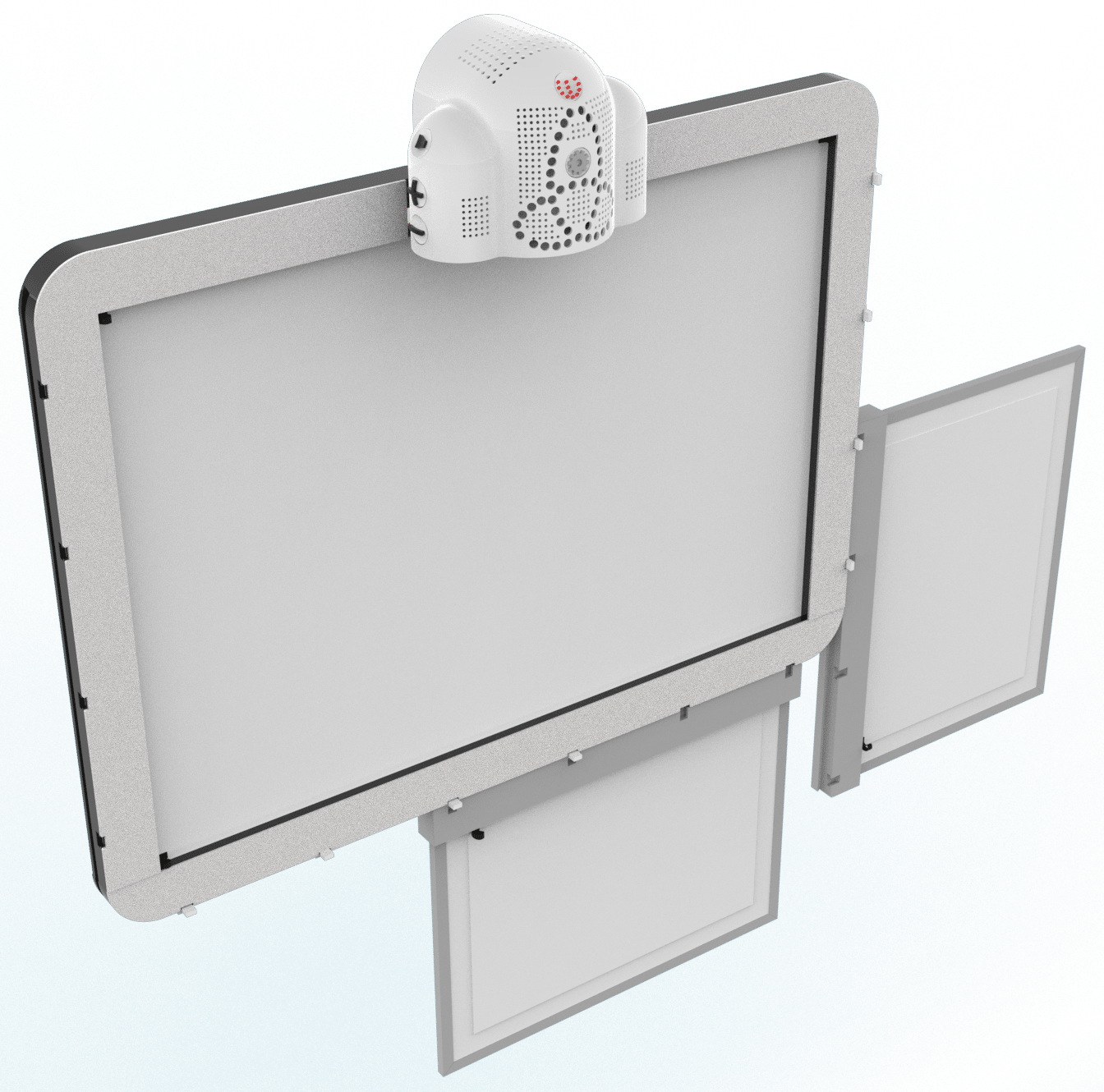
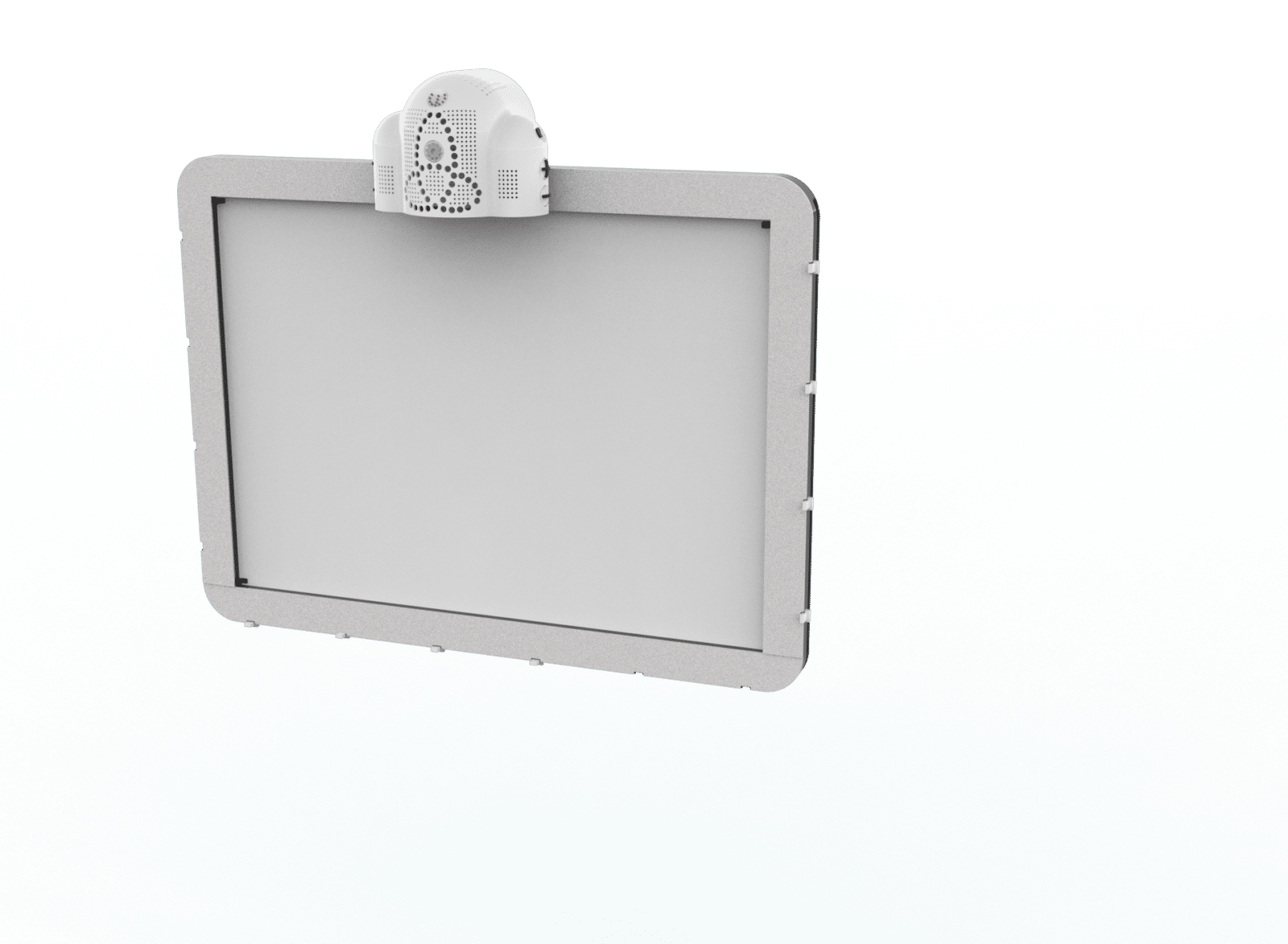
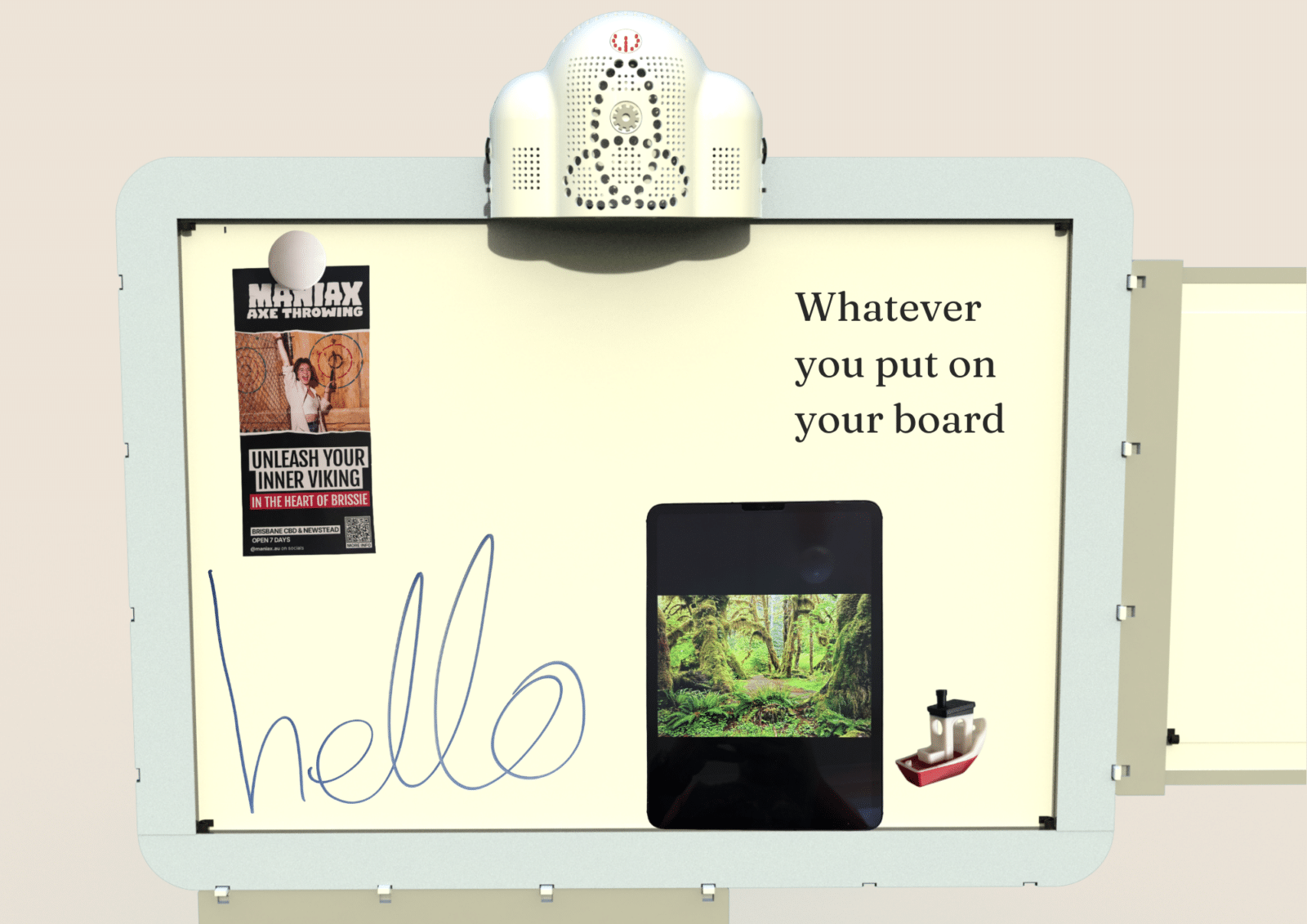
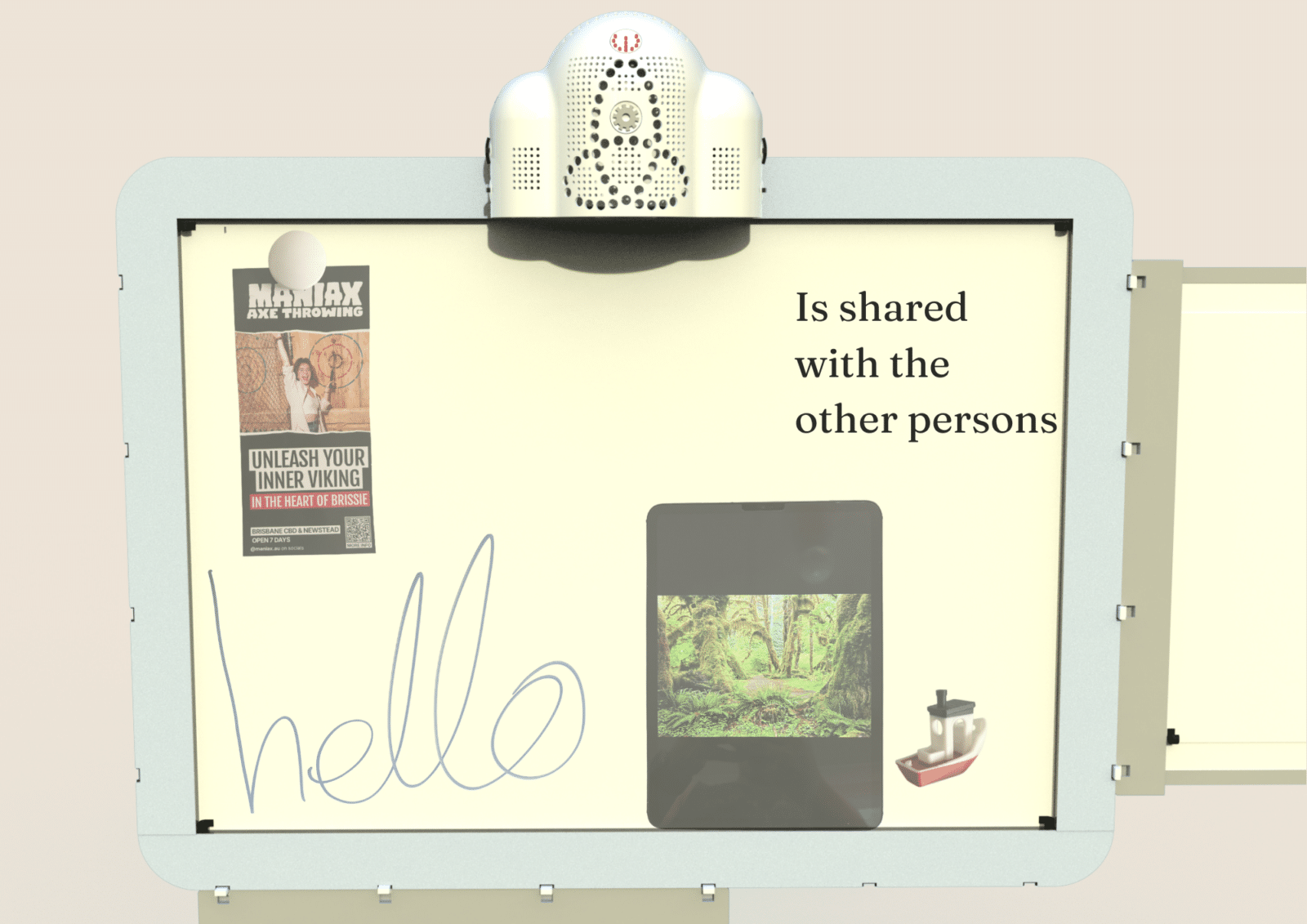
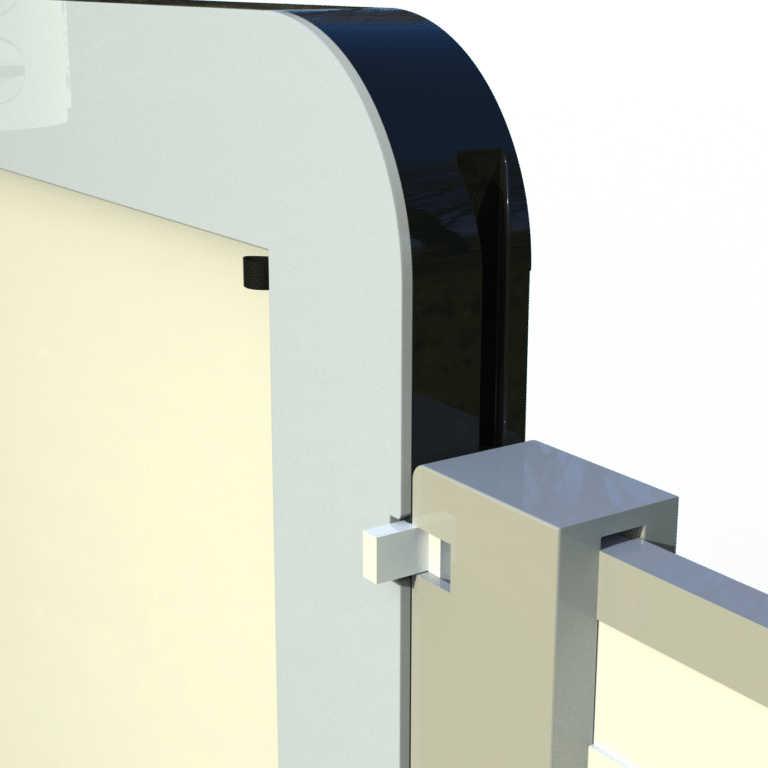
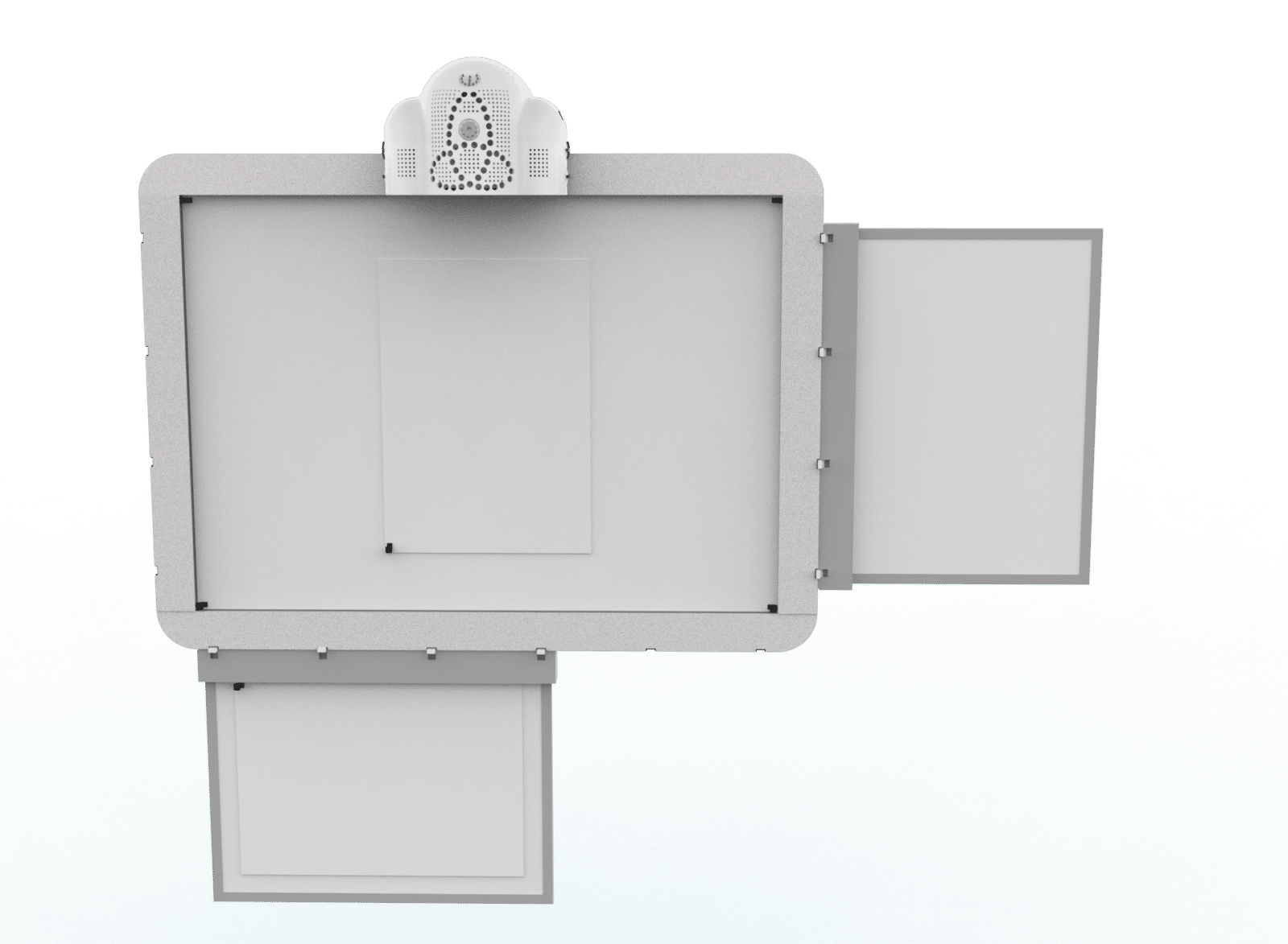
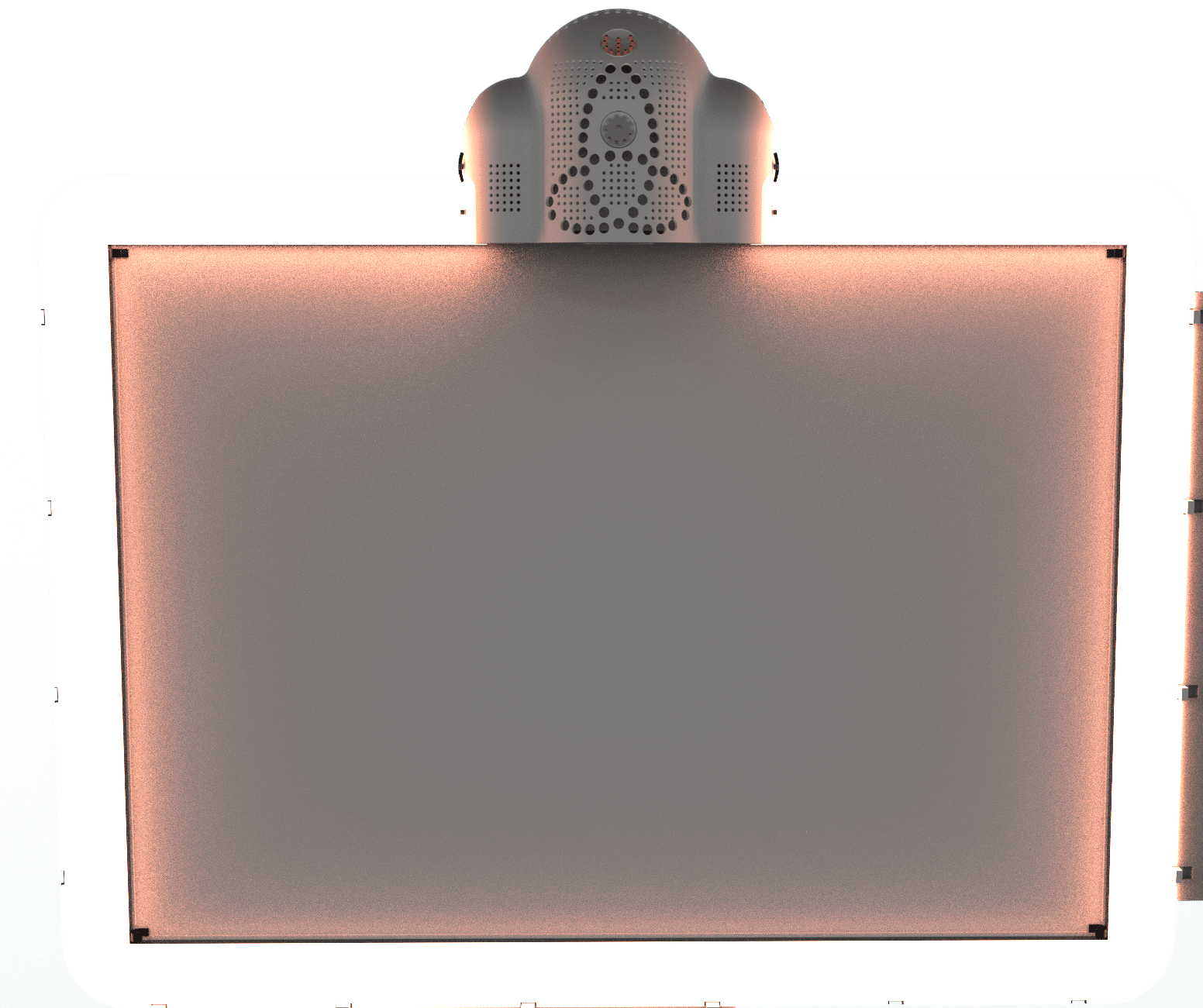
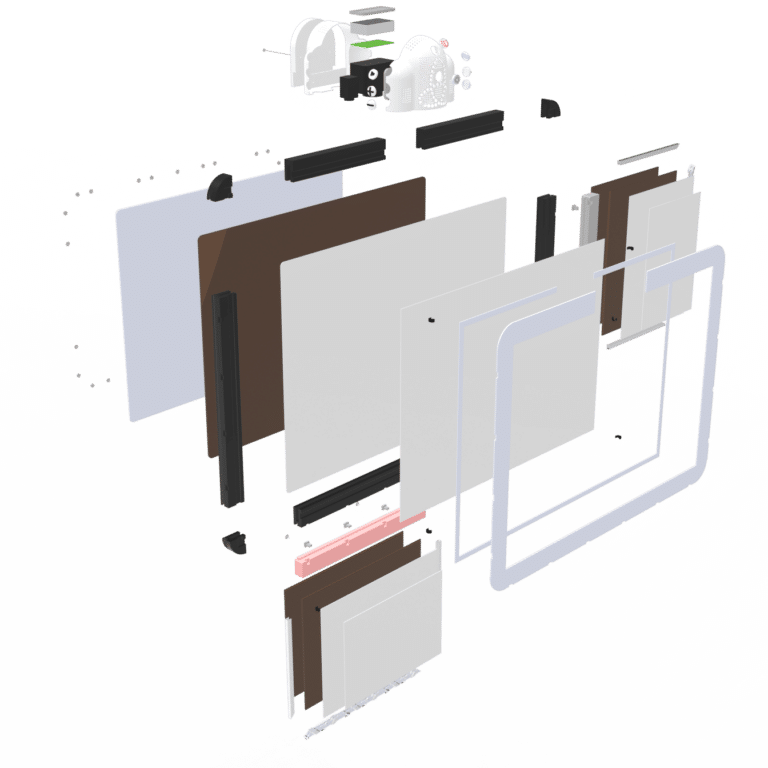
Kintra is a set of interconnected whiteboards designed to connect and improve the emotional closeness of grandparents and their teenage grandchildren. Kintra works by projecting whatever is inside the main bordered space, whether its writing, papers hung with magnets, your phone or even 3D objects, everything will be projected to the other persons Kintra the second you add anything new.
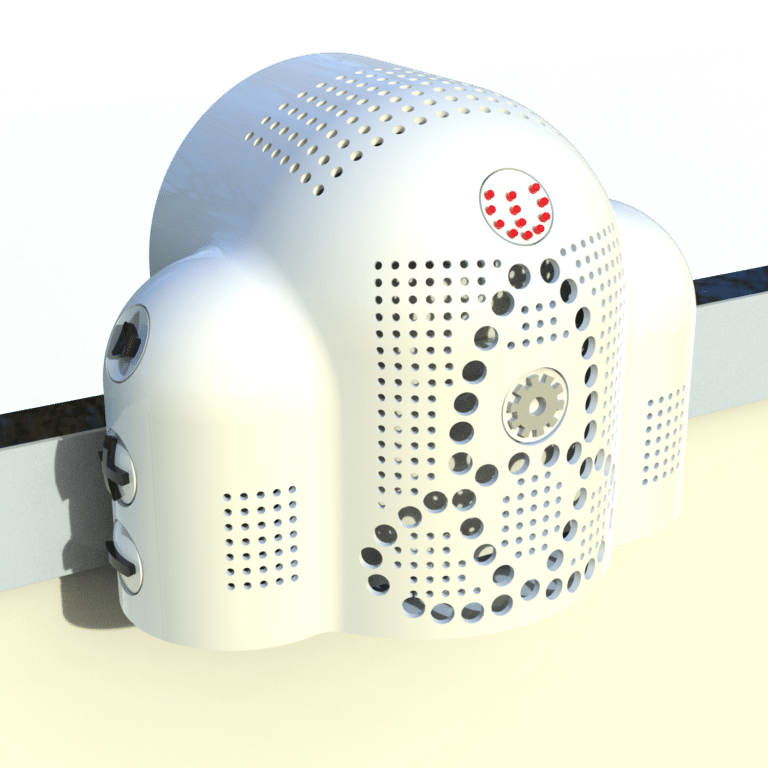
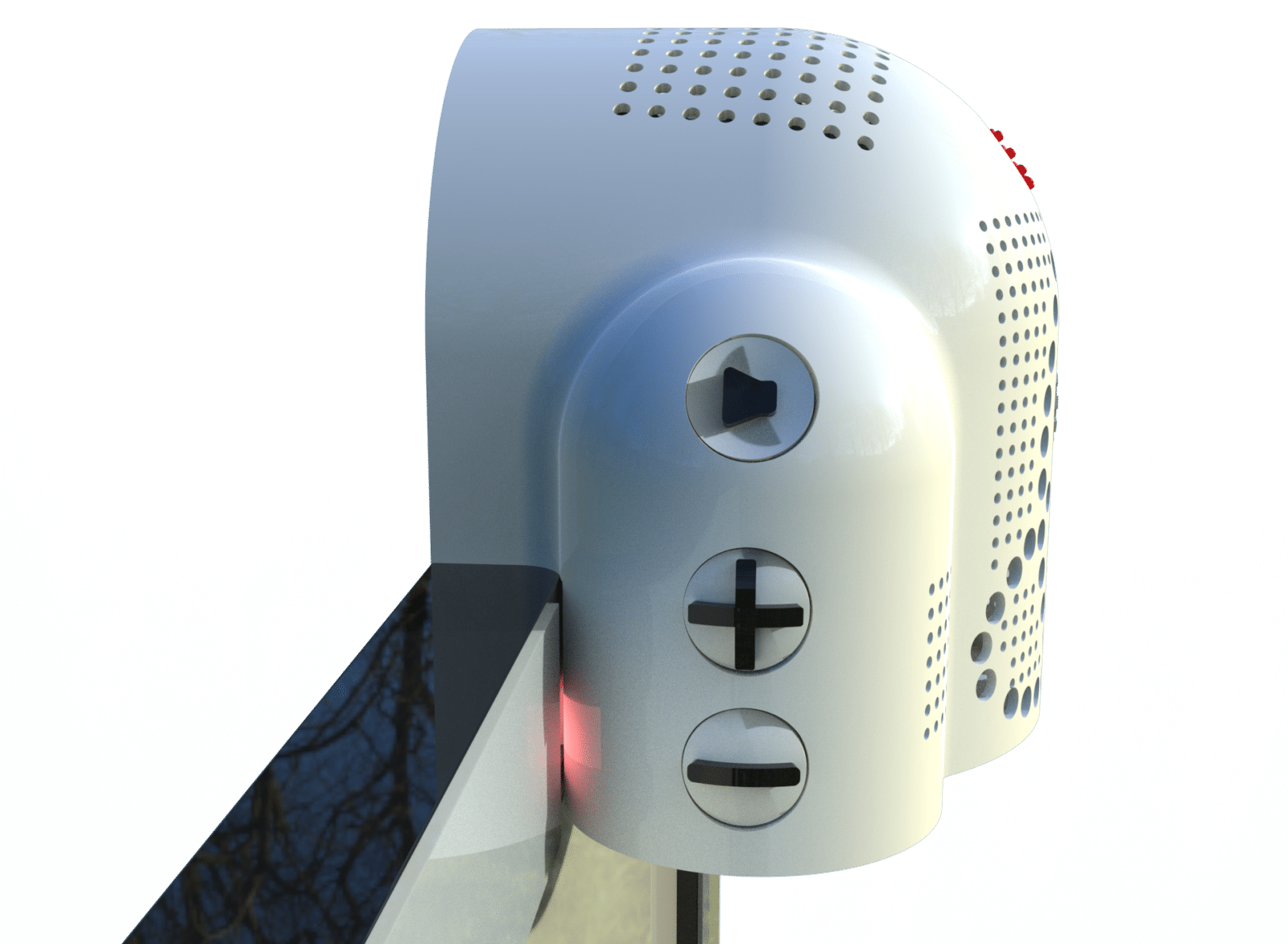
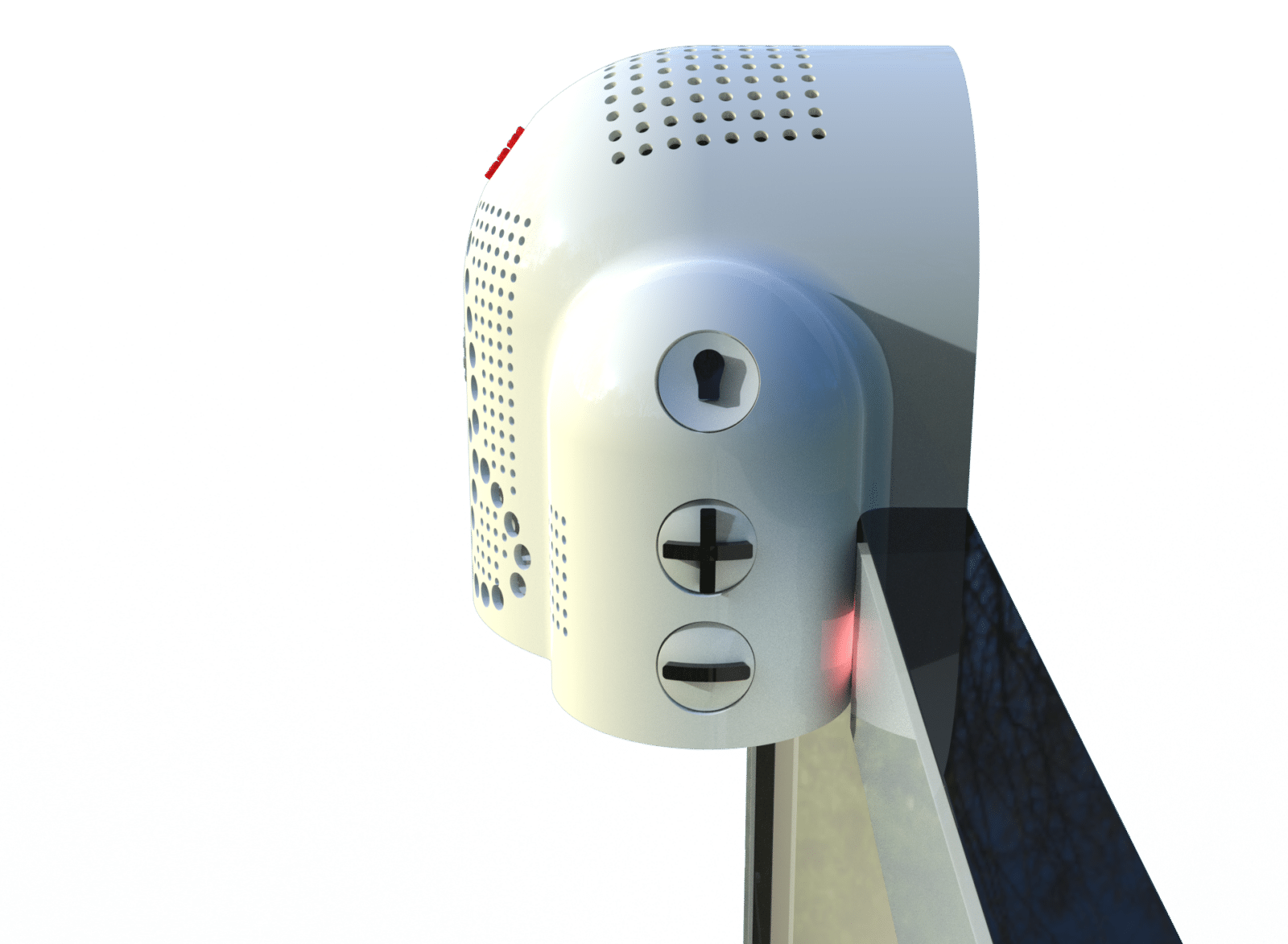
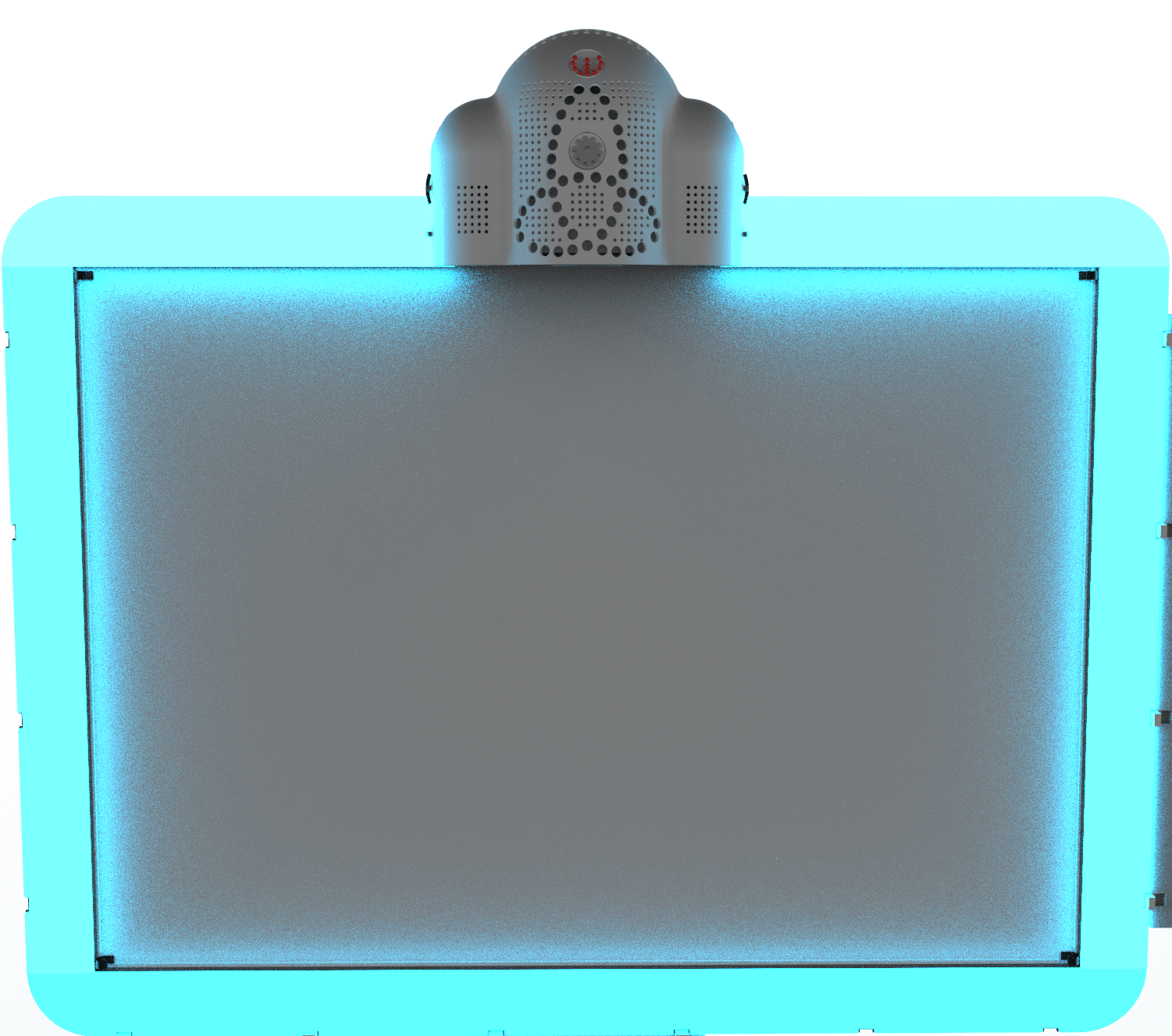
Kintra’s illuminated border flashes during its set active period when new content is projected from the paired board, accompanied by an audible notification. Users can customise the border lighting colour by pressing the light button, or turn it off entirely with a long press. Brightness can be adjusted using the + and – buttons. The same controls are used to adjust notification volume, allowing users to personalise both visual and audio alerts to suit their preferences.

Daniel is an industrial designer with a strong interest in sustainable design and product repairability. He enjoys creative problem-solving and exploring ways to make products more sustainable, functional and longer-lasting through thoughtful design.
"*" indicates required fields