Industrial - Bachelor
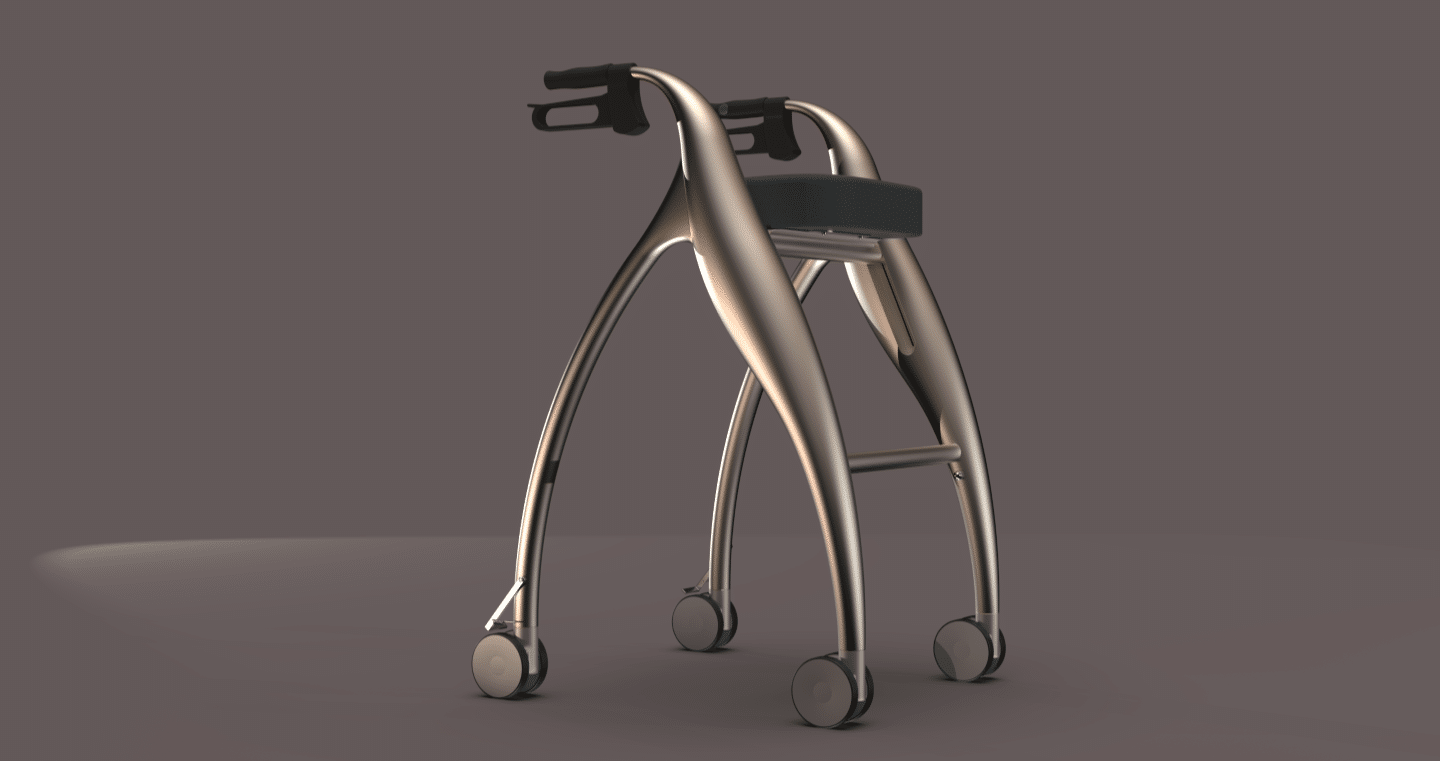
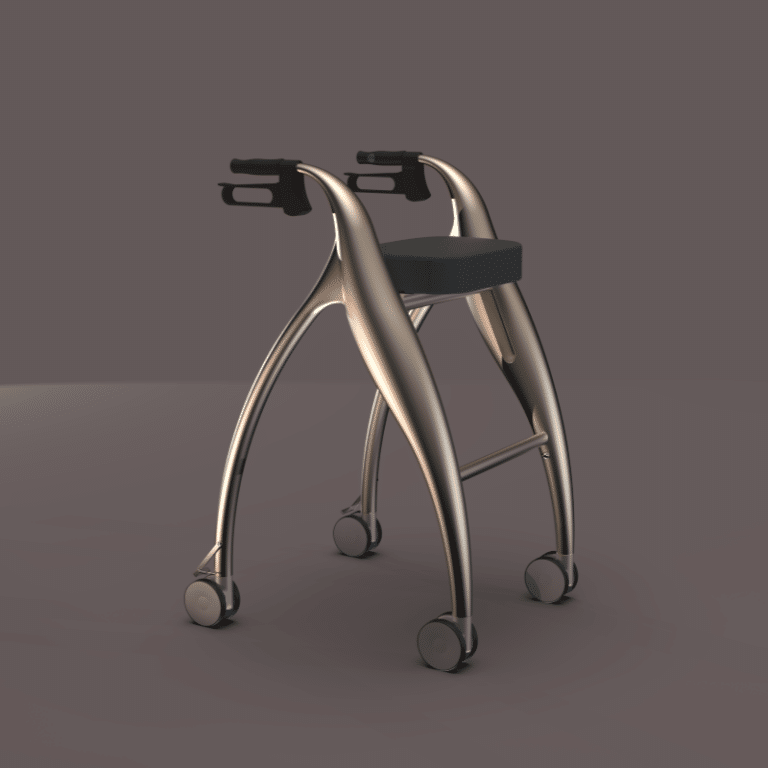
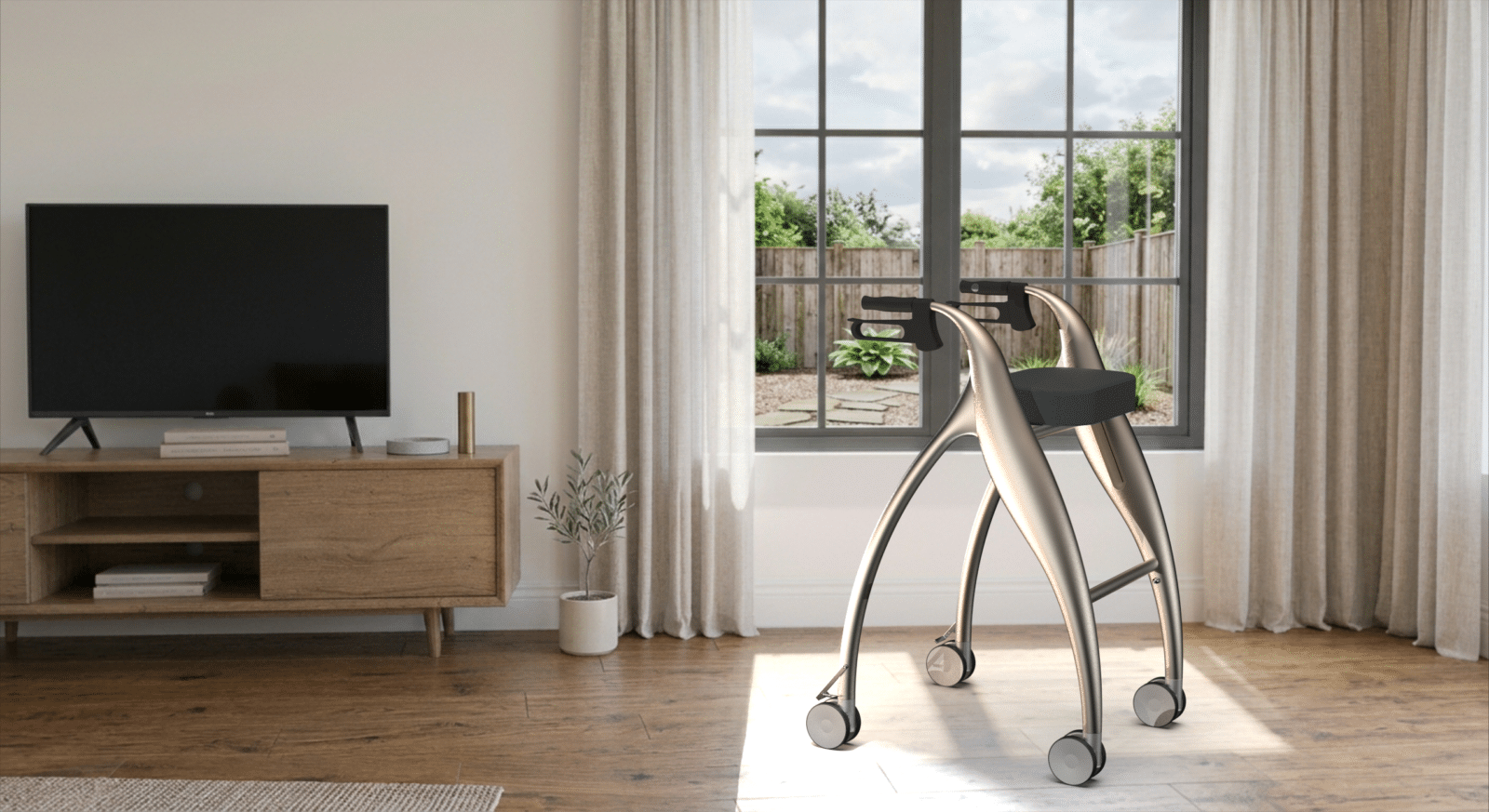
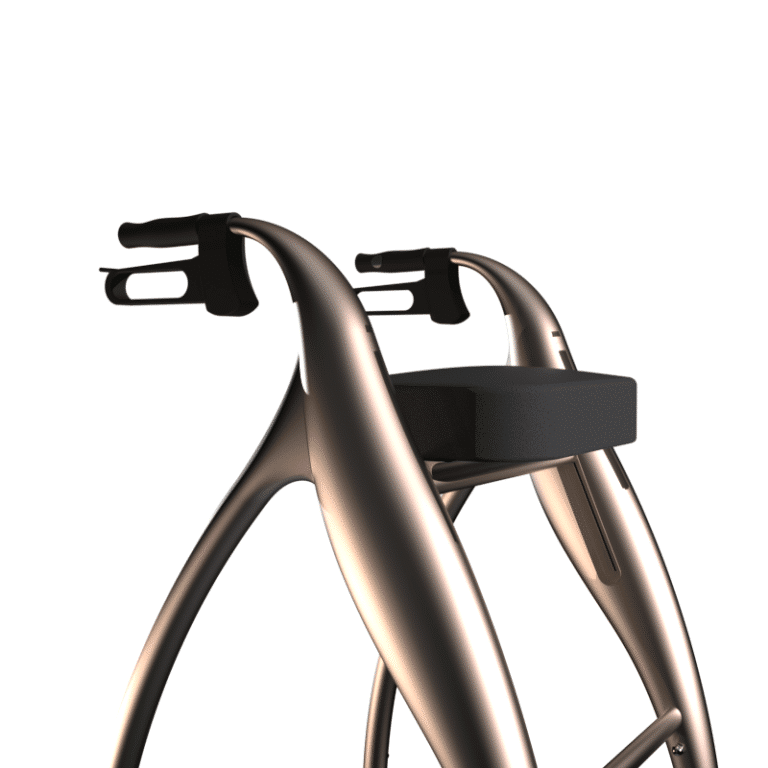
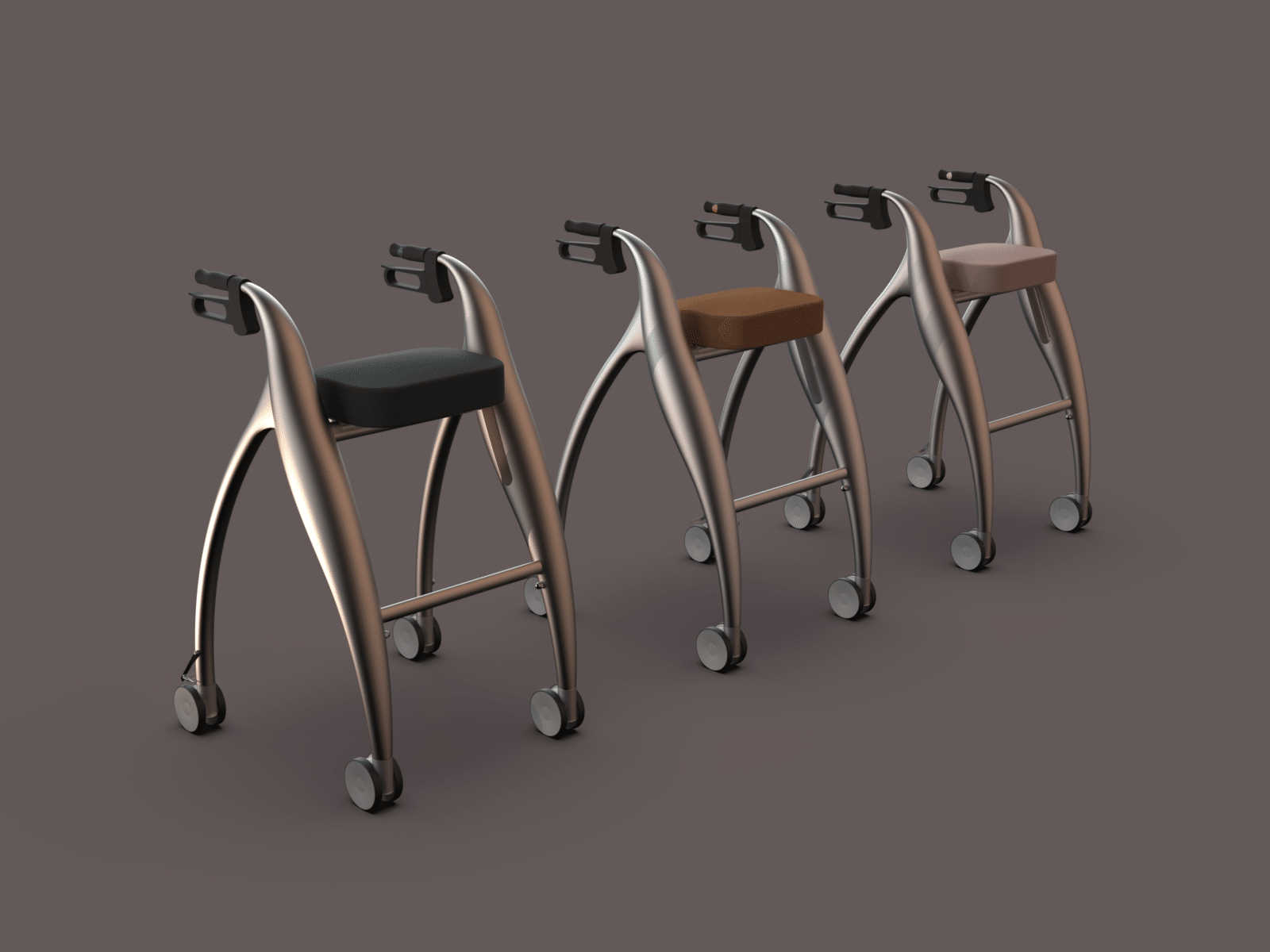
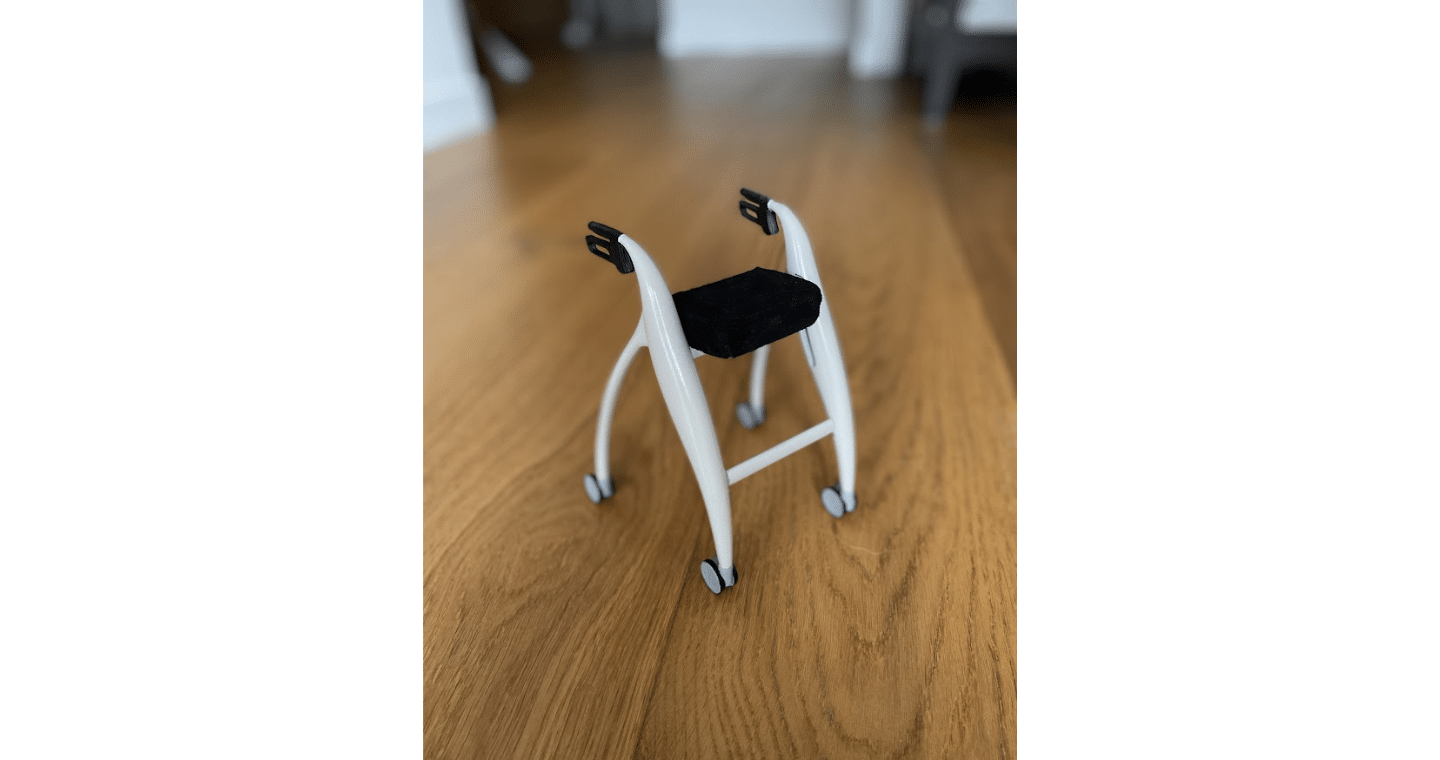
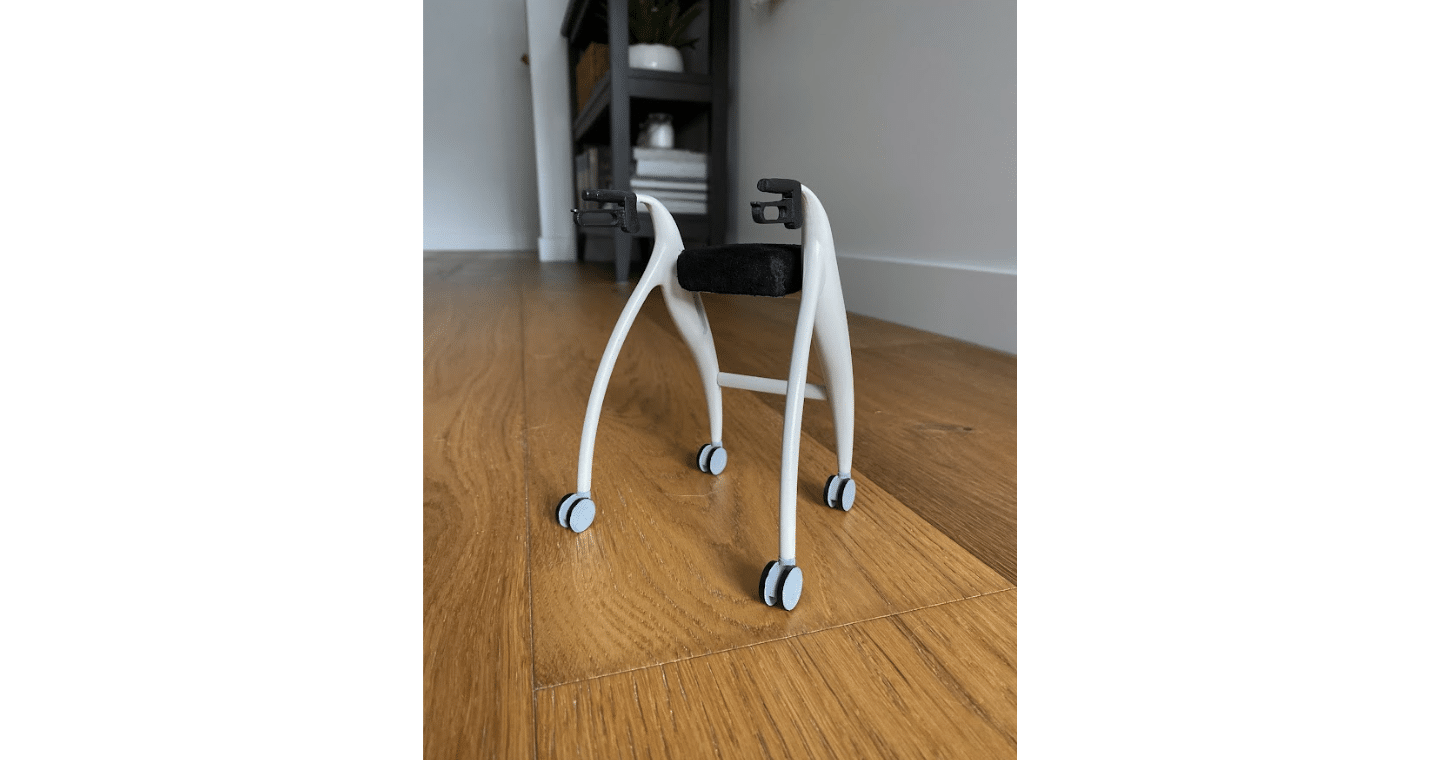
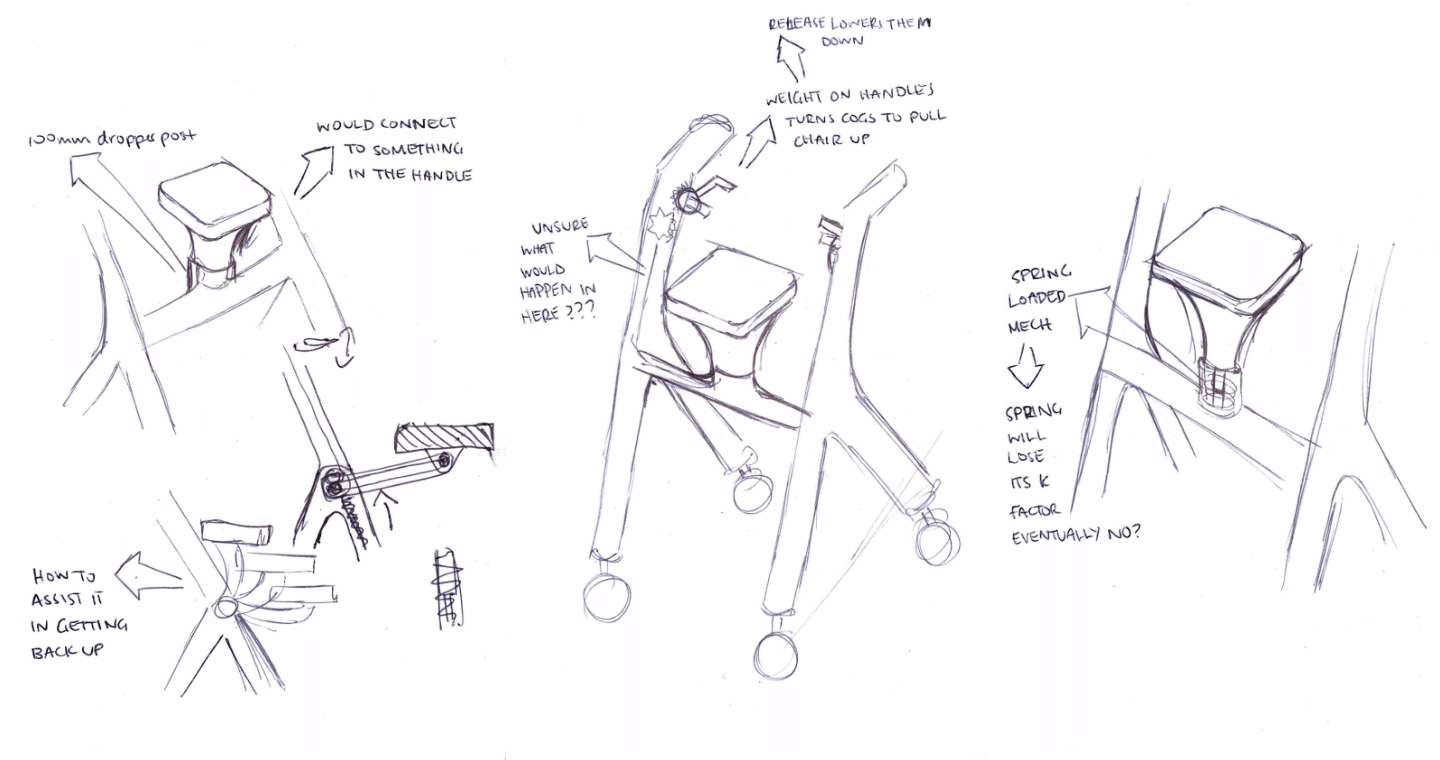
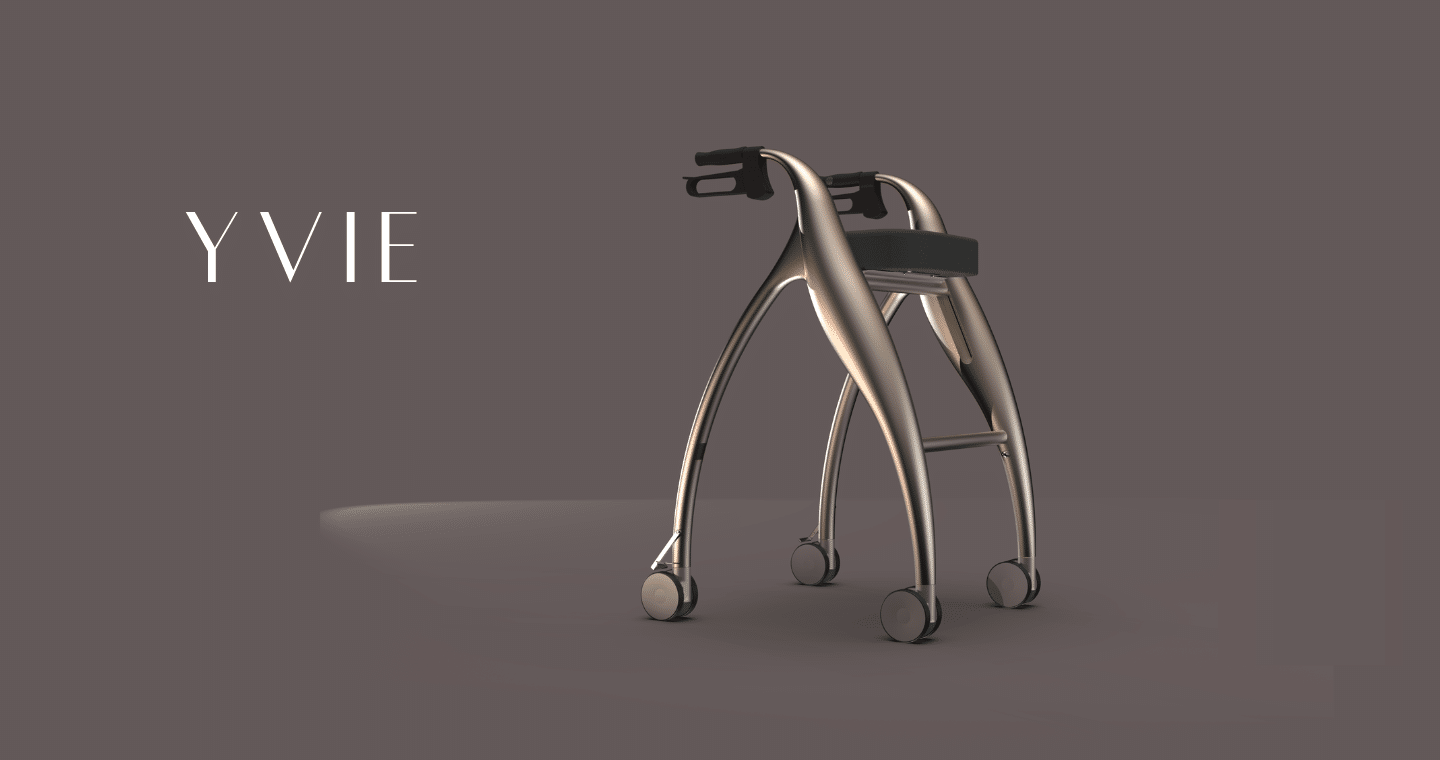
YVIE is an indoor, height-adjustable walker with a built-in sit-to-stand mechanism, making supported independence more desired for elderly adults living in communities. With many
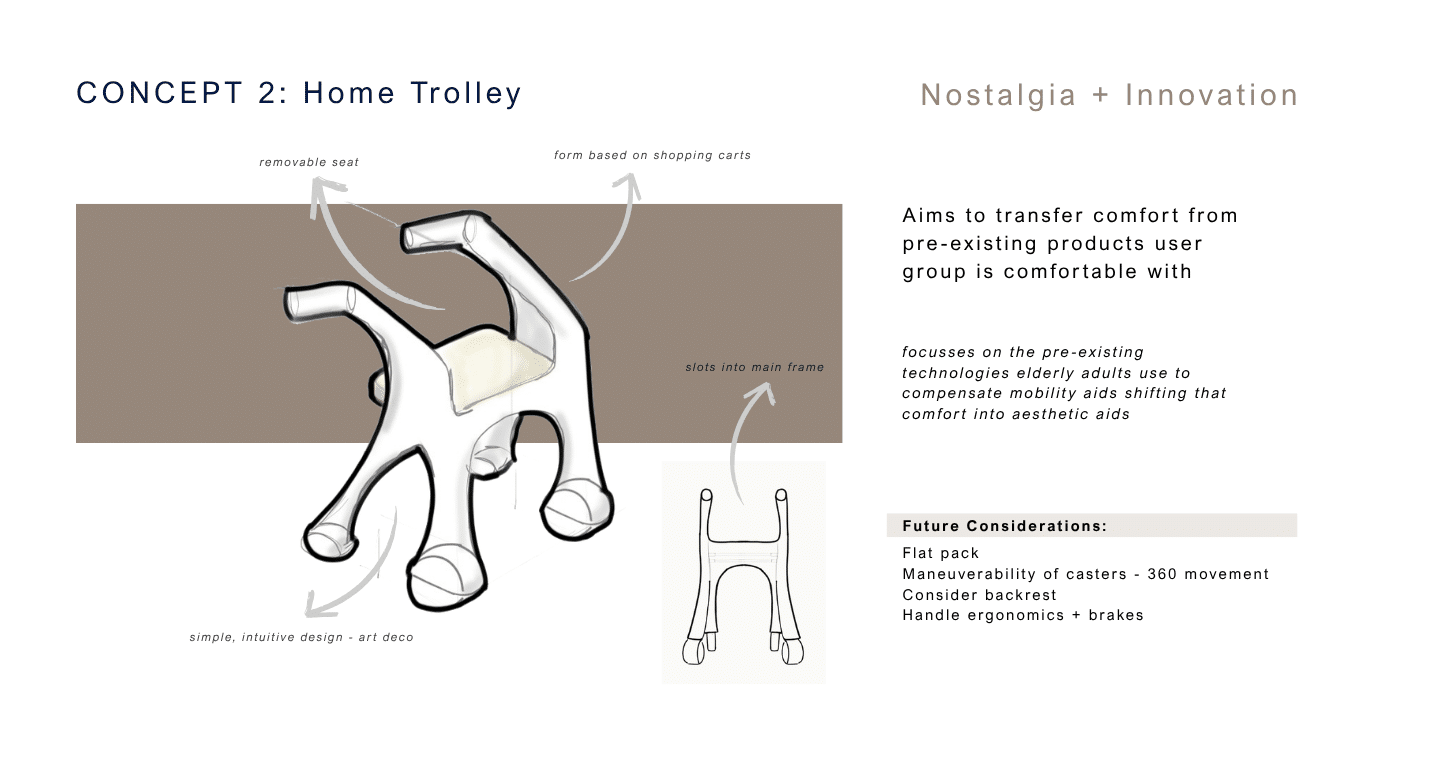
older adults feeling shame around the adoption of mobility aids, YVIE improves the ergonomics of a walker as well as the aesthetics. It has the potential to shift social identity and
become something users are proud to own and show off.
The rapid increase in the global population has led to a proportional rise in the elderly population. Simultaneously, fall rates amongst older adults is increasing with 53% of elderly falls occurring at home. Healthcare systems are struggling to keep up with this demand. Therefore, there is a need for intervention in order to alleviate this pressure and improve the overall wellbeing of elderly adults.
The adoption of mobility aids amongst older adults is closely related with their own personal and social identity. This was explored in the two research experiments deployed, which involved older adults themselves as well as experts in geriatric care. Through survey of the end-users, it was found that the most frequently answered reasons against adoption were social perception, pride and users deeming aids unnecessary. Suggested improvements for mobillity aid design were to improve the comfort, reduce the size and improve the aesthetics.
“… the number of clients that (I have saying) ‘I’ve been walking for 75 years without one, why do I need one now?””
– bluecare nurse
“… the mobility aid does reinforce that you feel disabled or you feel less capable than you once were”
– occupational therapist
“notion that they could be received as weak is very difficult on their mental health”
– informal carer
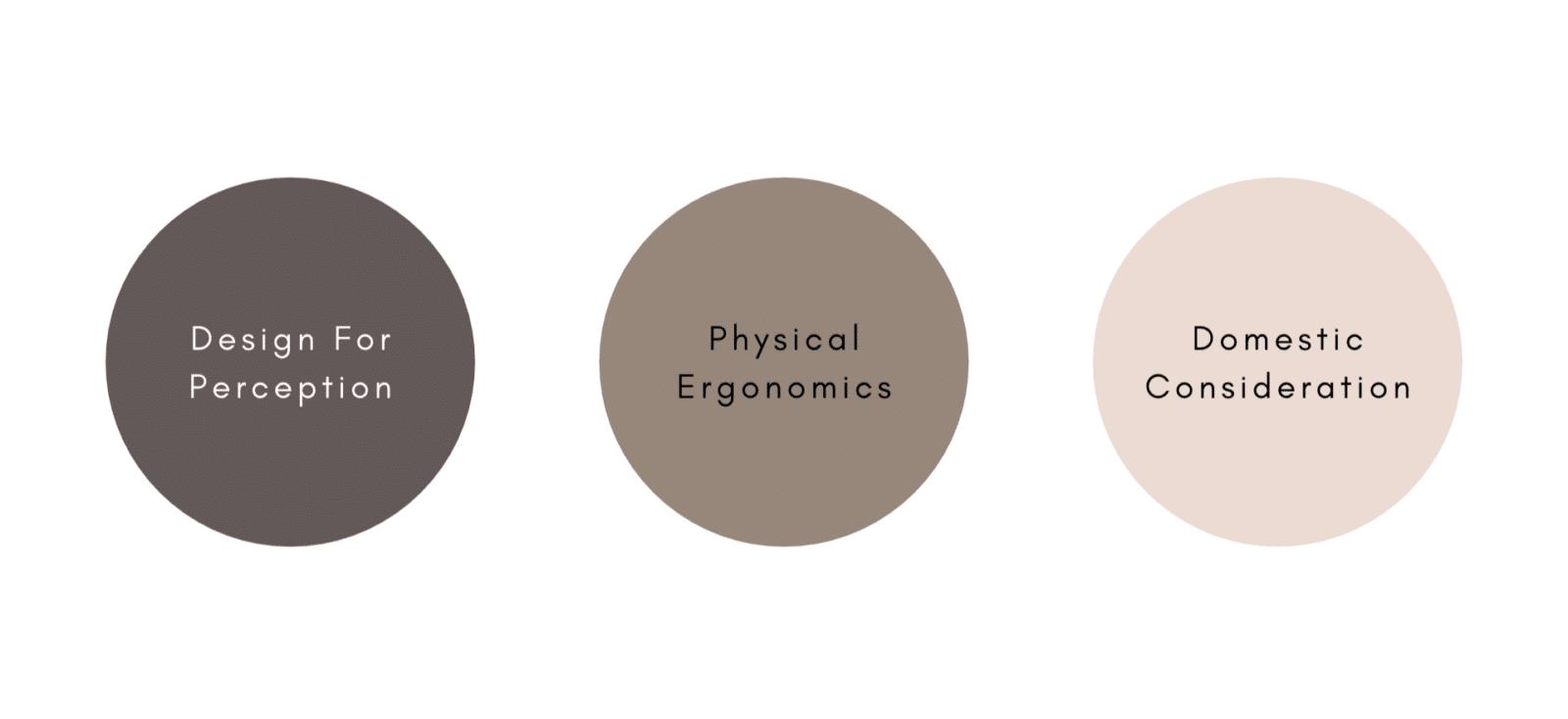
Older adults are profoundly protective of how they appear to society, family, friends and most importantly to themselves. As mentioned by the informal carer, independence and identity are extremely influential factors on their mental health and thus, it is functionally necessary to design for this in mobility aid design. Products that elderly users feel enhance the pre-existing stigma around mobility aids will likely be avoided and unused, posing a threat to their physical condition and safety. Specific design considerations regarding this are largely aesthetics, which was noted by the occupational therapist to have the potential to allow smoother integration into their daily lives. Therefore, in the manufacturing of product aesthetics, the product symbolism is a vital element; attention cannot be deferred but it can be reimagined.
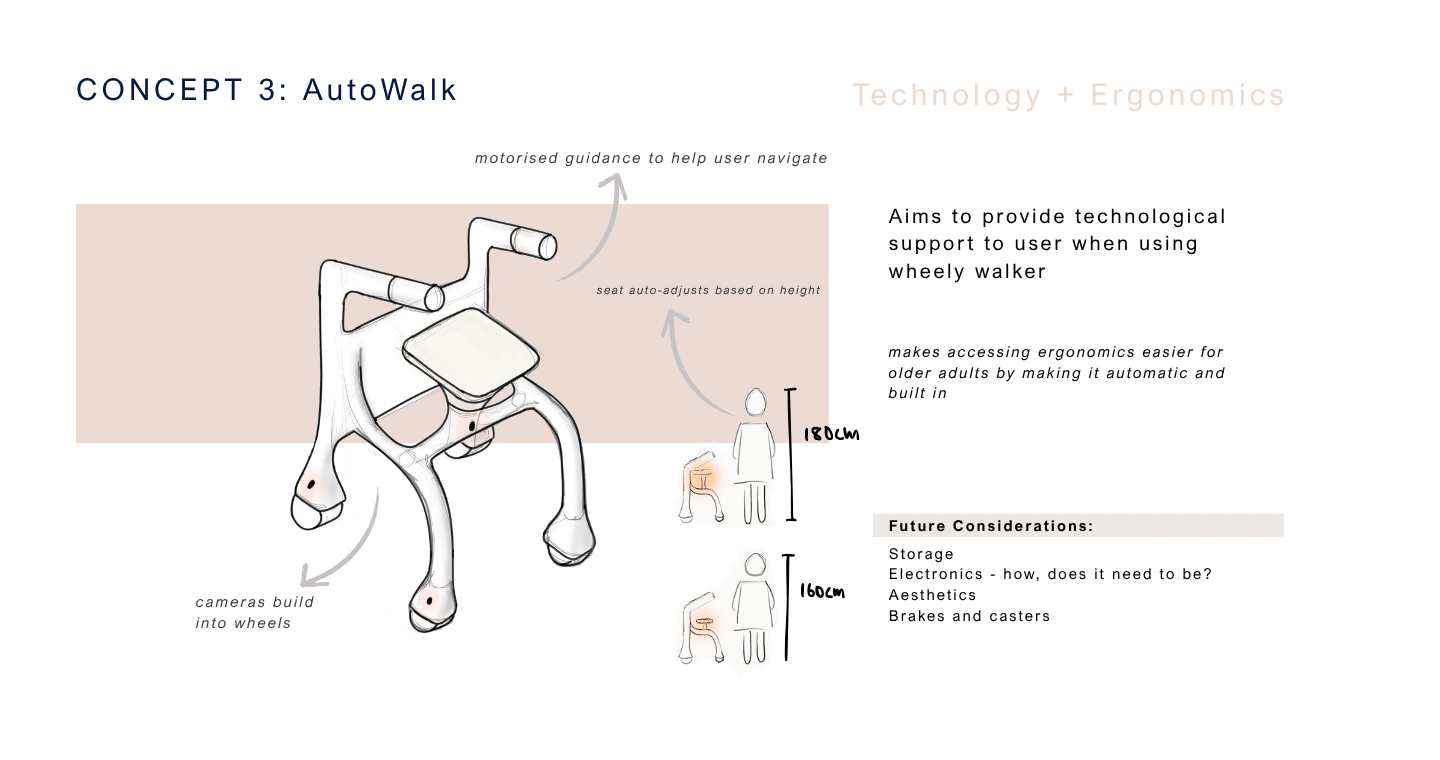
The area of ergonomics in mobility aid design is multi-faceted with many sub-components. The survey saw the majority of participants suggesting that redesigning the mobility aids to feel more comfortable to use has the potential to improve mobility aid adoption. Additionally, a more nuanced consideration mentioned by the BlueCare Nurse is the operational complexity of the current range of mobility aids, noting that multiple of her clients use them incorrectly. This corroborates with the Technology Acceptance Model in perceived ease of use but provides an emotional foundation.
Across all three interviews, concerns regarding domestic spaces were referenced highlighting a lack of future consideration in the original designs of the homes in which older adults are currently dwelling in. Home furnishings, multi-story homes, hallways and sharp corners were identified as environmental features that make navigating with a mobility aid much more difficult. Moreover, home is where older adults are expecting to be most comfortable and confident so domestic mobility aid use can feel like large step away from independence. However, their pursuit of independence and vigorous opposition of mobility aid dependence nurtures decreased mobility and involuntary mobility aid dependence. Overall, addressing both the physical and psychological elements of domestic homes are key to fostering a healthy relationship with mobility aid adoption.
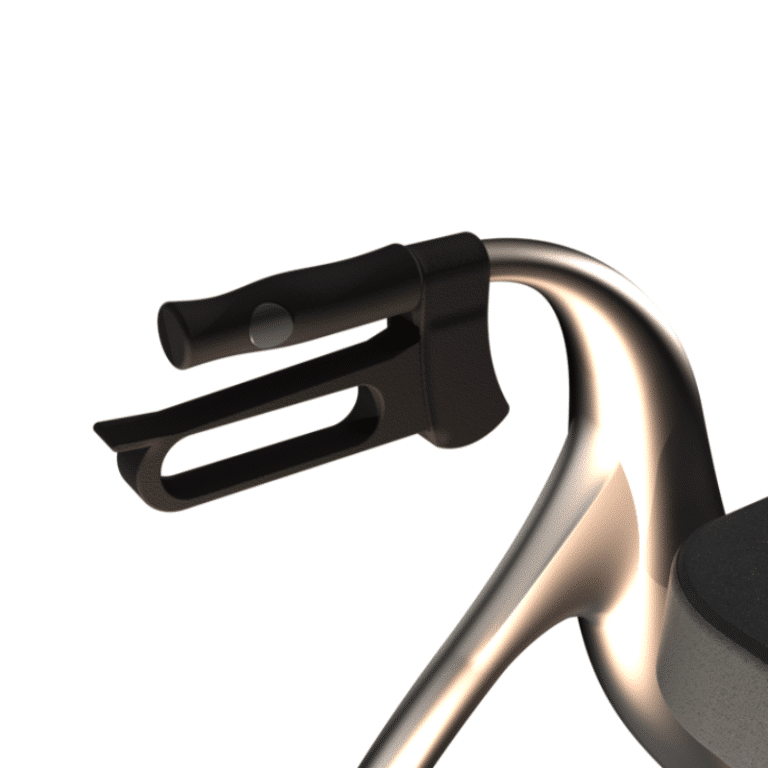
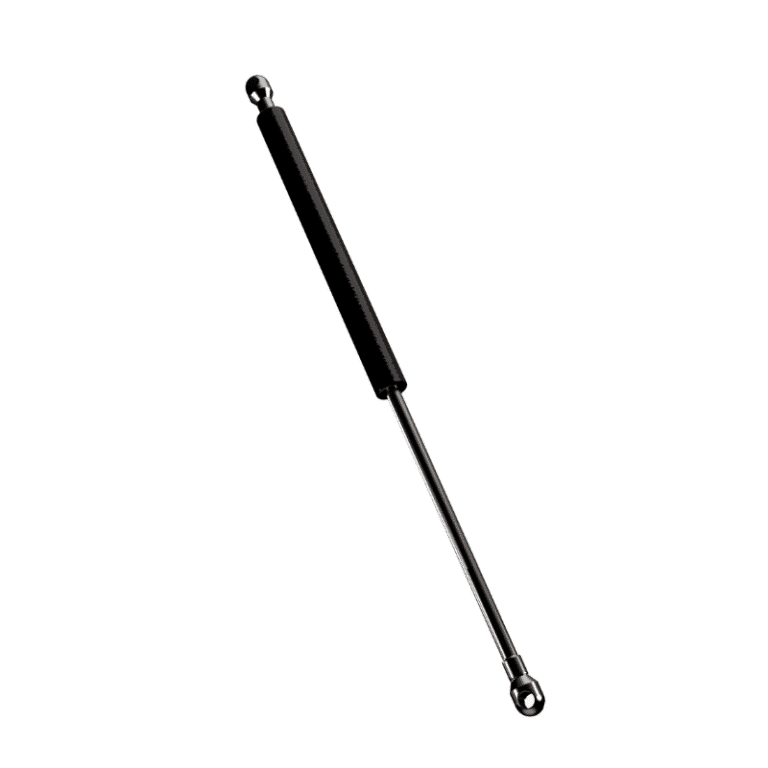
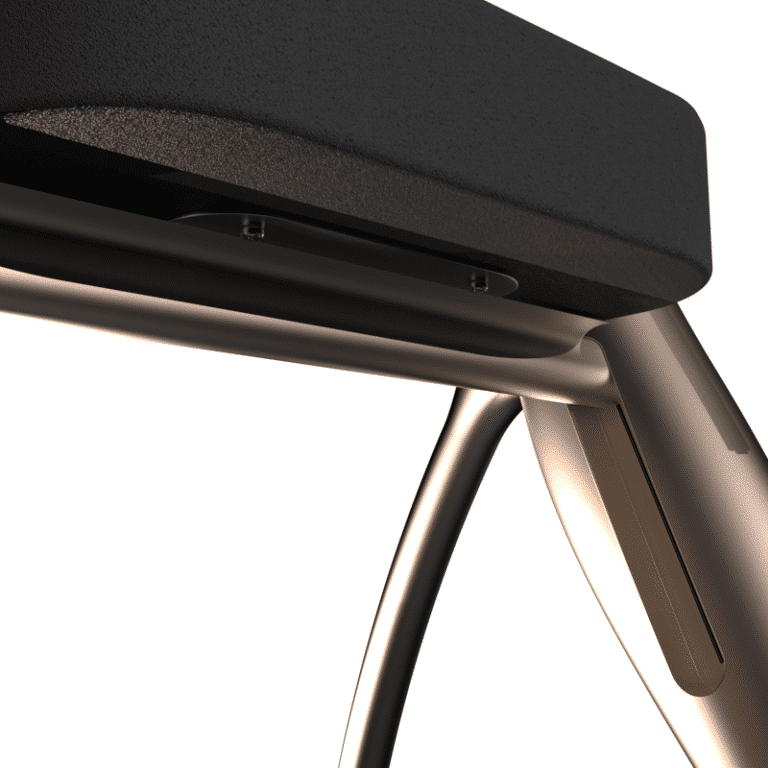
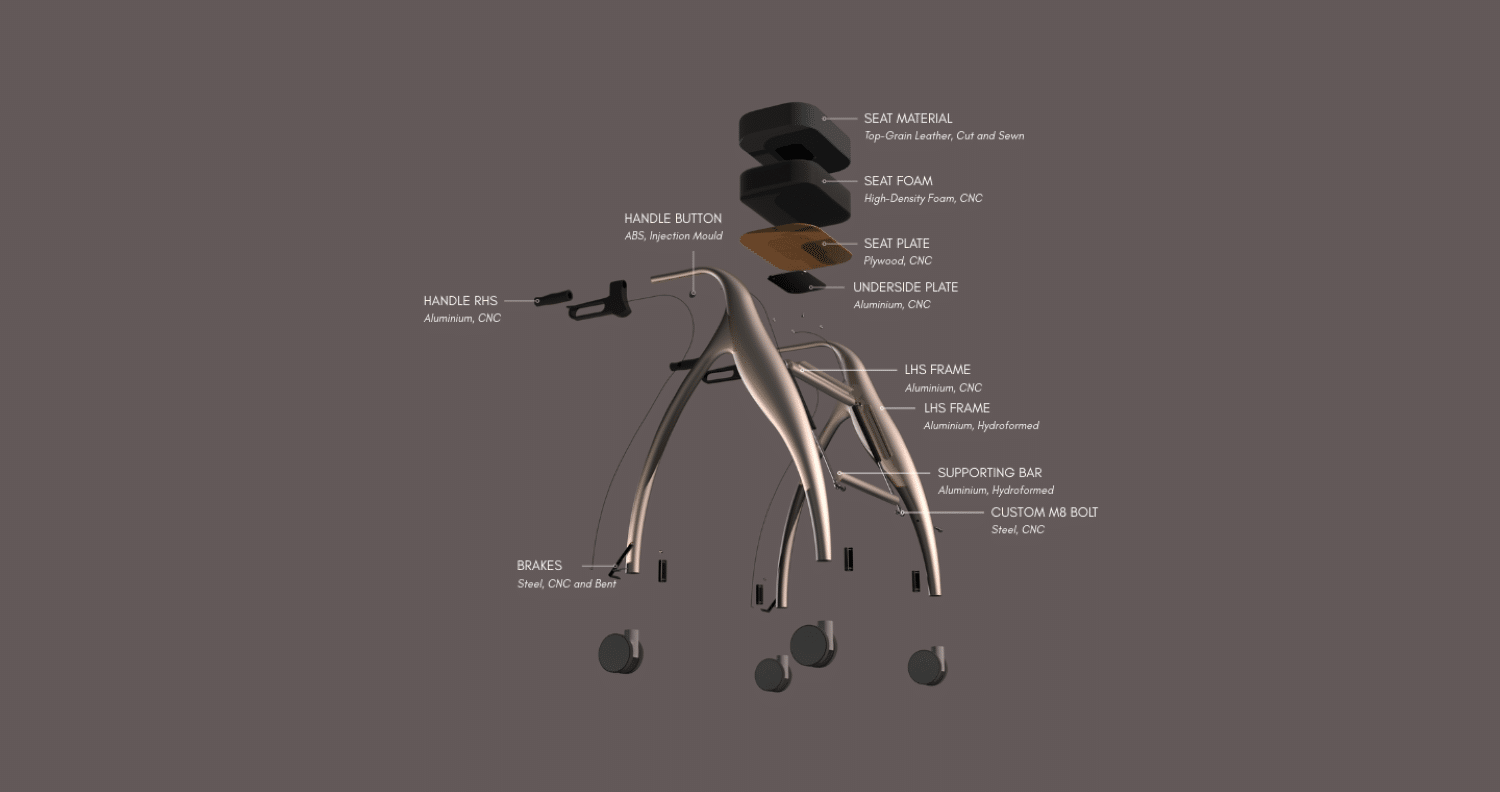
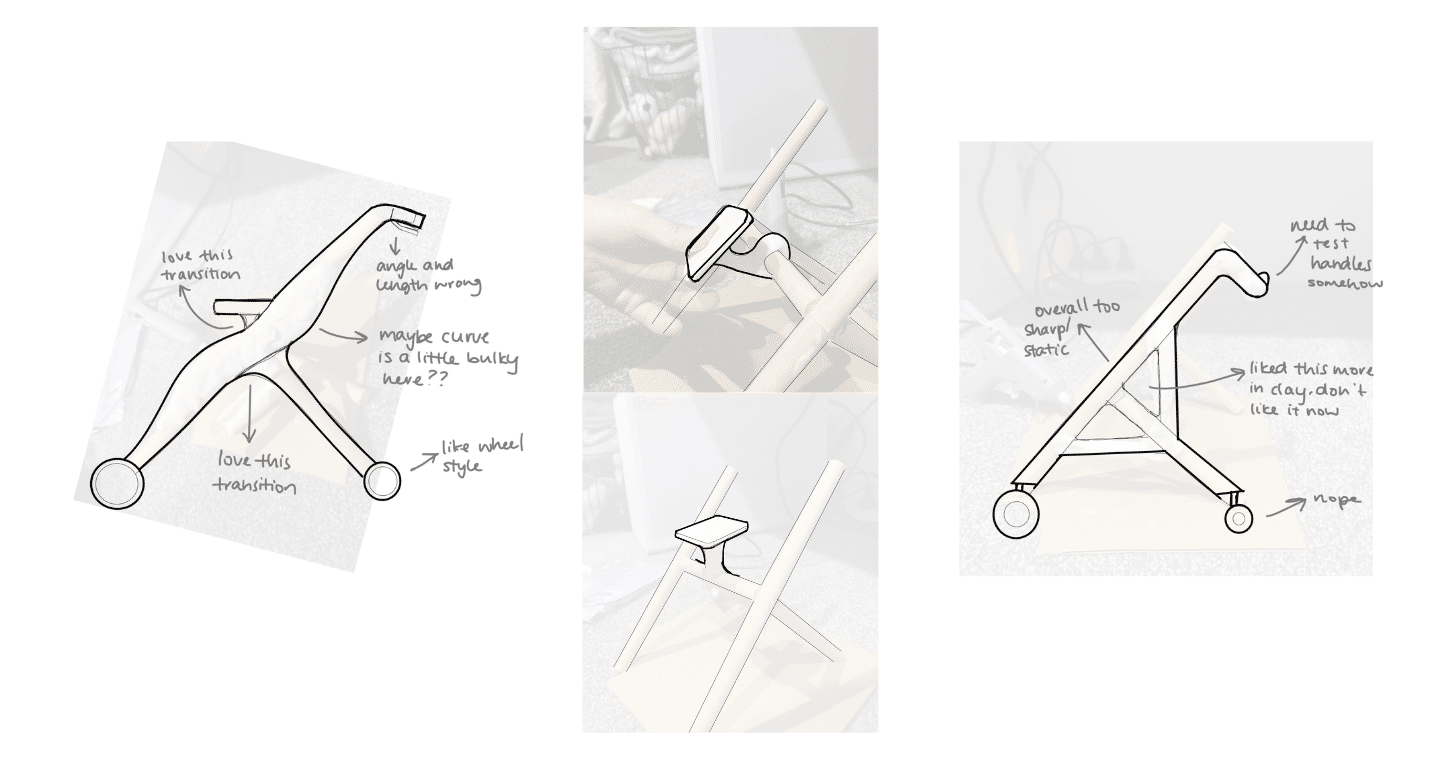
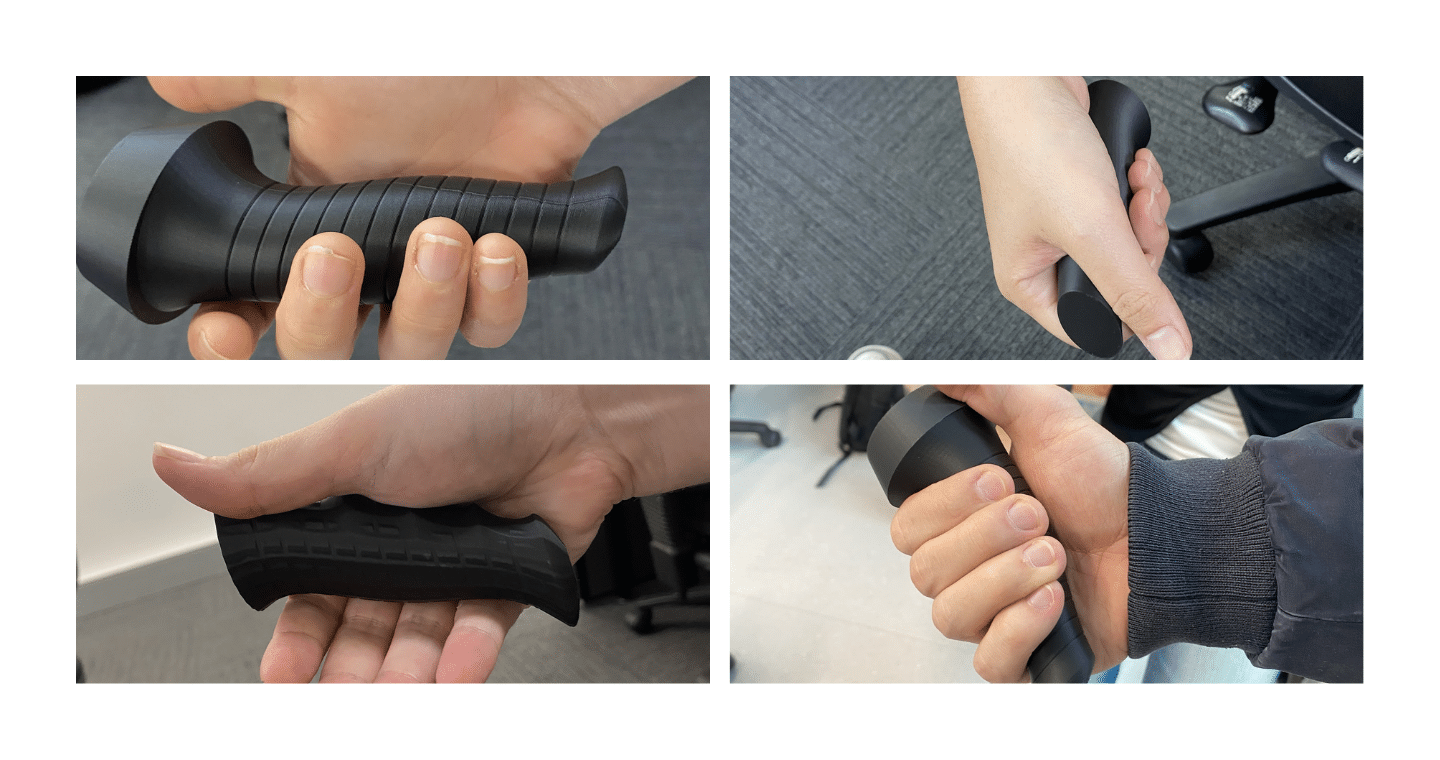
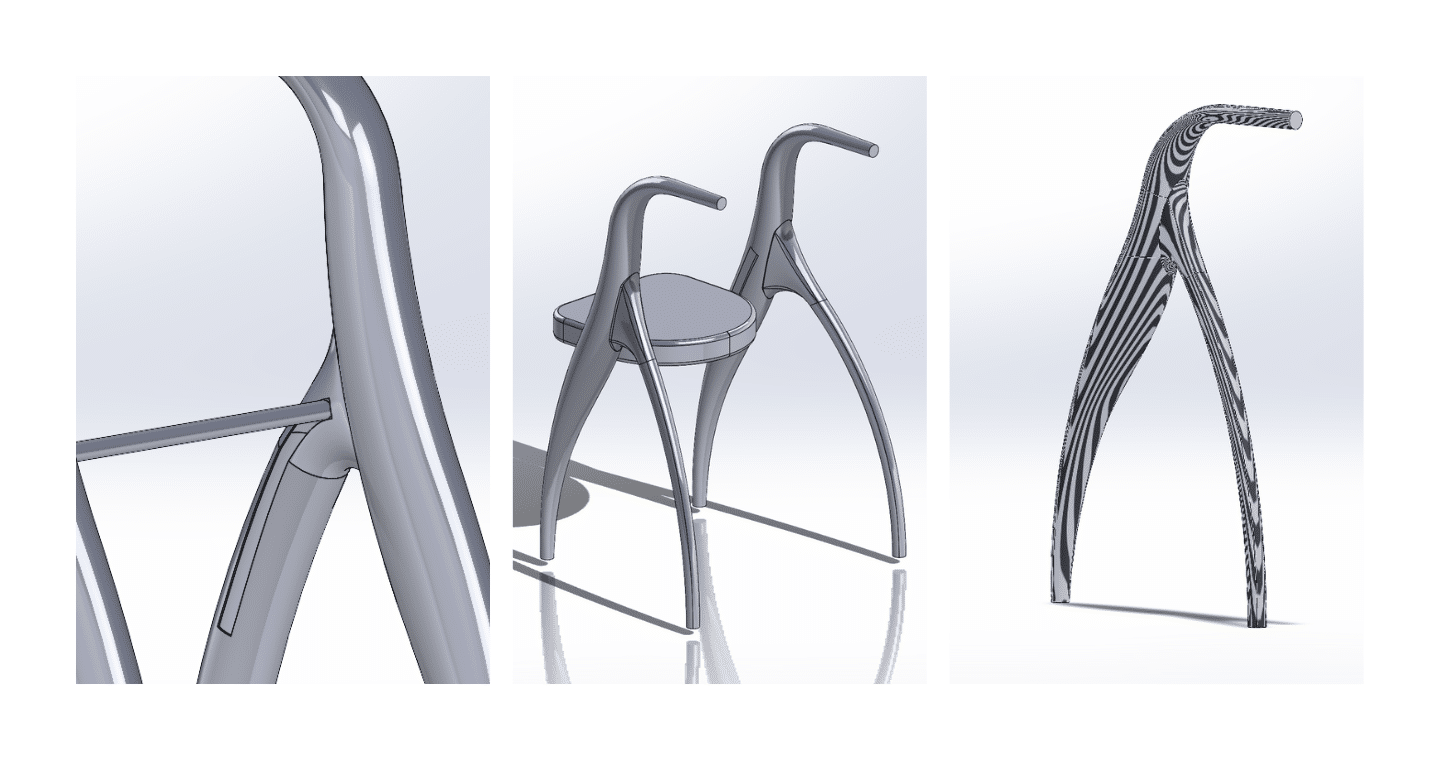
YVIE is made up of 13 custom-made components and 11 off-the-shelf components. All the custom-made componentry is hydroformed, CNC machined or injection moulded. Aluminium was chosen for the frame material because of its high tensile strength and lower mass. It is also commonly used in bicycle frames as cheaper but strong option for a variety of contexts such as road biking or adventure biking. The frame has a powder-coated finish to give it the champagne, satin finish. The leather is top-grain leather than would be cut and sewn, the plastic button is ABS, and the handles are rubber for high grip.
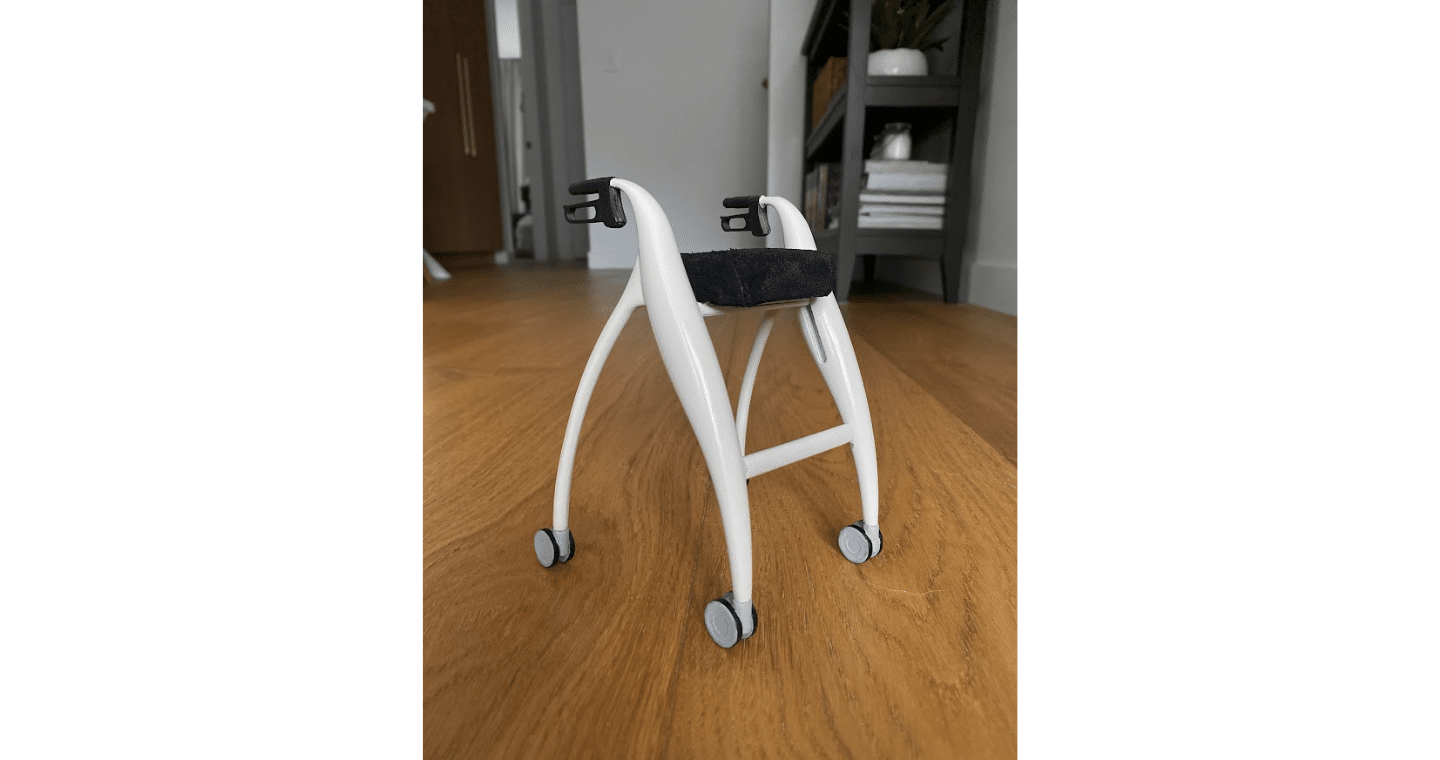
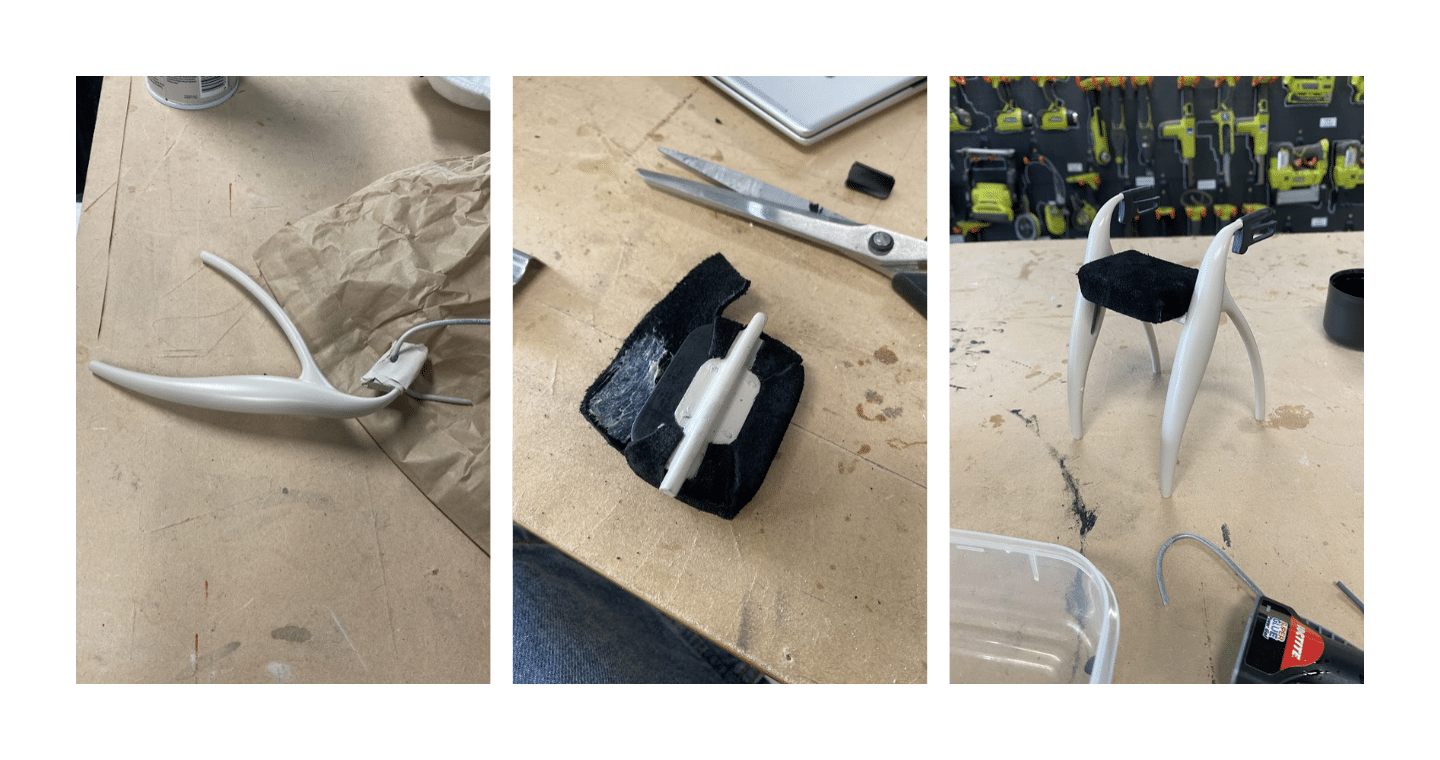
The final prototype was 3D printed, then wet sanded, spray painted and glossed, with the finer details being hand painted. Additionally the seat was made of suede leather that was made into a pattern and cement glued to the printed and painted seat bar.
Sacha Lee is an emerging Industrial Designer with an Interaction Design minor who is deeply passionate about the ways in which good, intentional design can impact the lives of different individuals and people groups. Having spent a year abroad, she aims to continue expanding her design influence from different cultures, backgrounds and lifestyles.

"*" indicates required fields