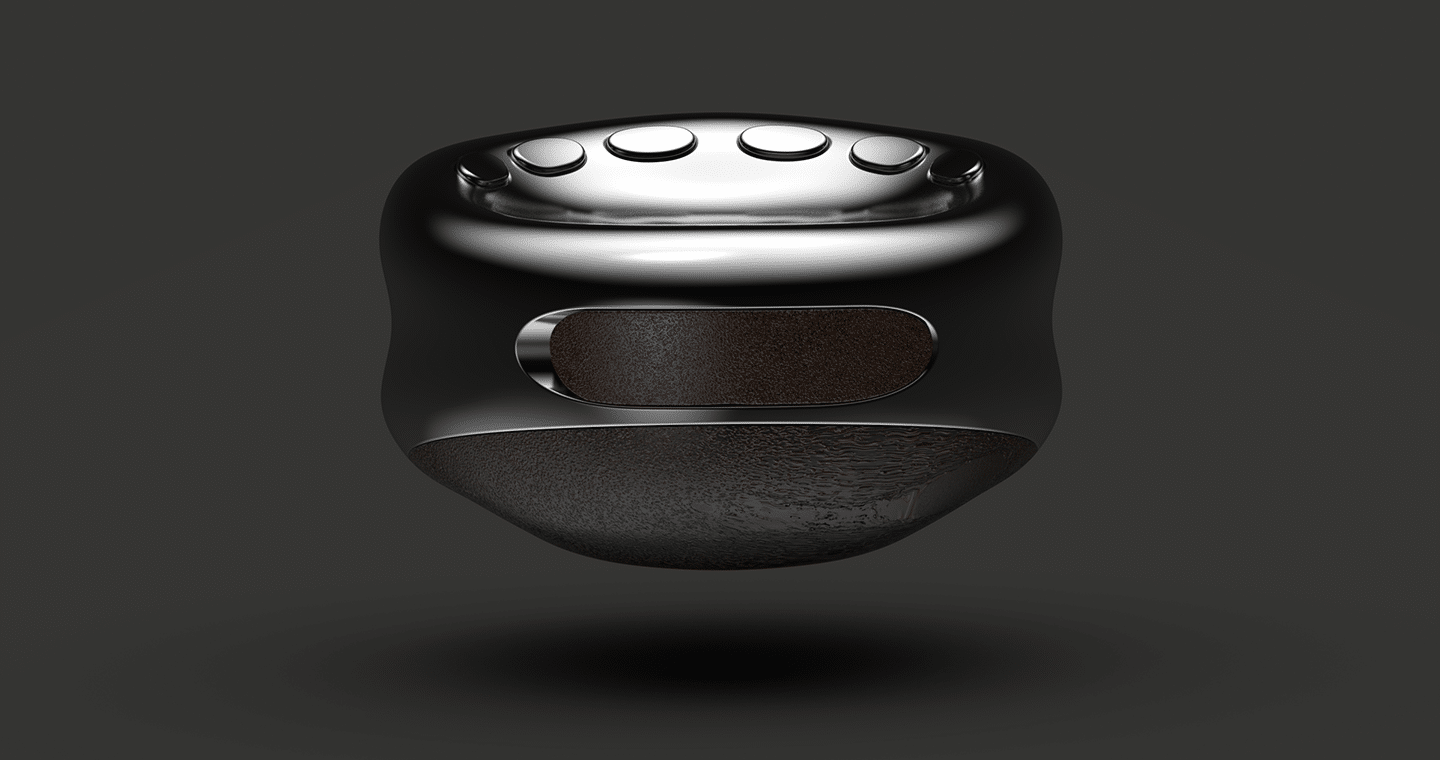
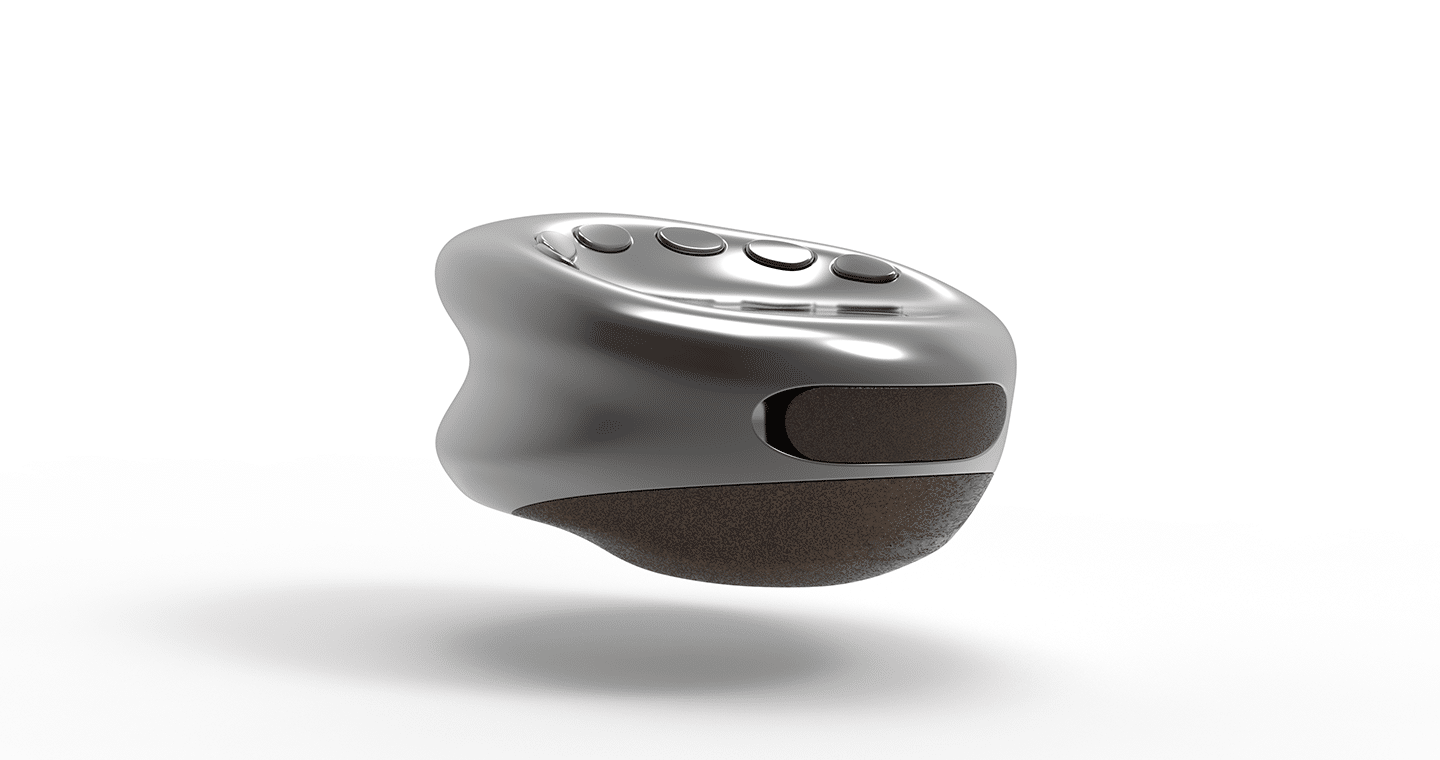
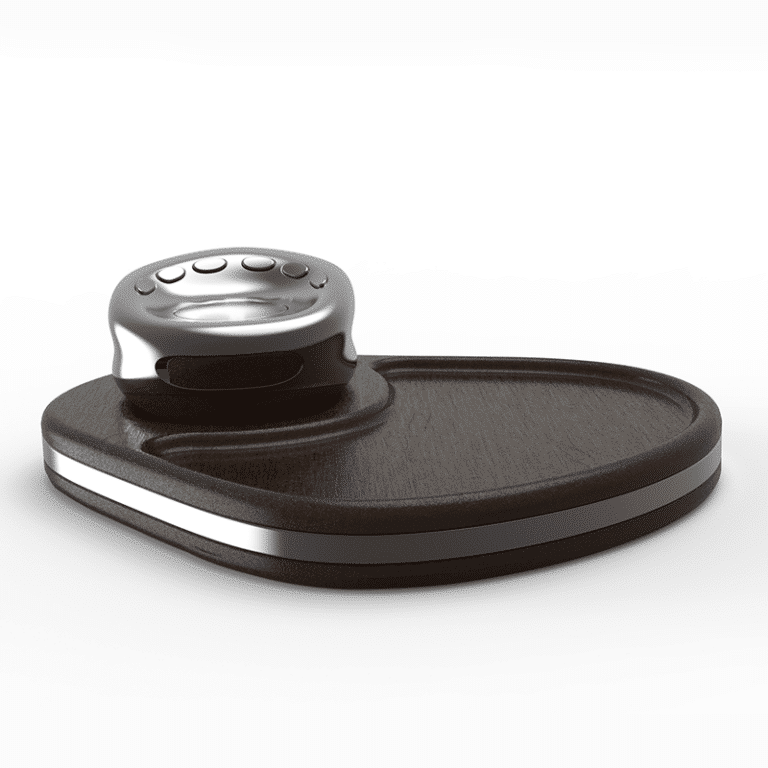
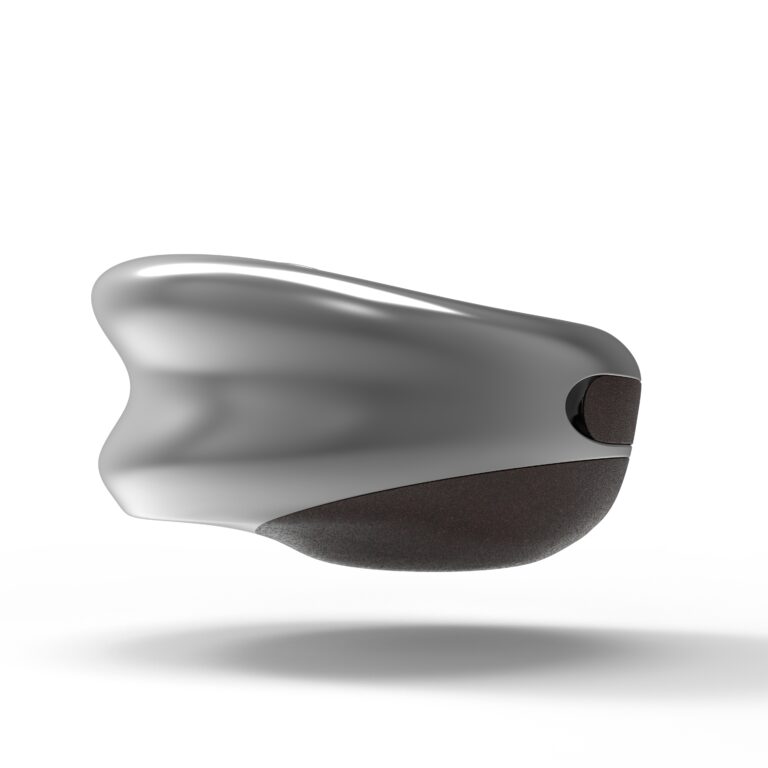
Clariva is a medical support companion designed for patients experiencing persistent, unexplained symptoms while seeking a diagnosis. Particularly relevant to those with potential autoimmune conditions, Clariva enables real-time symptom logging to build a more comprehensive and accurate picture of patients’ experiences, supporting more informed conversations with physicians and facilitating the diagnostic process.
Autoimmune diseases occur when the immune system mistakenly identifies the body’s own healthy cells, tissues and organs as threats, producing antibodies that attack them, causing inflammation and damage throughout the body. With approximately 130 associated symptoms and an estimated 80–160 distinct conditions (a figure debated due to inconsistencies in classification methods), they can present in vastly different ways, affecting almost any part of the body and developing at any stage of life. Autoimmune diseases are lifelong and largely incurable conditions, with treatment focused on managing symptoms, limiting further damage and preserving organ function. Beyond the impact of symptoms on patients’ quality of life, research has also identified a significant, yet often under-recognised, mortality burden associated with these conditions.
Problem
Despite affecting approximately 5% of the global population, autoimmune diseases remain notoriously difficult to diagnose. Many present with symptoms that are vague, invisible and have a significantly overlap with those of everyday illnesses, making it difficult to distinguish between conditions and accurately acknowledge symptom severity. Onset of the symptoms is also rarely consistent across patients, adding to the challenges faced in identifying the specific disease; symptoms fluctuate in severity, disappear during periods of remission and return during unpredictable flare-ups. By the time they reach a medical appointment, many of these experiences can be difficult to recall or communicate. Without a clear picture of how symptoms develop over time, important details can be overlooked, contributing to misdiagnosis, dismissal and prolonged diagnostic delays. When early diagnosis can mean the difference between preventing and sustaining irreversible damage, ensuring patients are heard and their experiences understood is more important than ever.
Opportunities
Currently, there are limited tools specifically designed to support patients and physicians throughout the autoimmune diagnostic journey. Diagnosis relies heavily on patients recounting their symptoms and medical history, alongside clinical assessments, blood work and further investigations to narrow down possible causes. However, with symptoms often vague, fluctuating and difficult to communicate, establishing an accurate picture of a patient’s health can be challenging. Furthermore, blood tests and antibody screening cannot always provide definitive answers, with false positives and negatives contributing to an often iterative process of repeated testing and investigation. Despite the complexity of this journey, research; including the results of two surveys and interviews revealed several opportunities that could support the diagnostic process.
Opportunity 1
Improve communication between patients and physicians in a way that improves accuracy and empowers the patient.
Opportunity 2
Improve the mental and emotional care across the journey in a way that prevents feelings of dismissal and gender biases.
Opportunity 3
Provide education to patients about diseases, appropriate tracking and self-advocacy so that they can benefit regardless of their eventual diagnosis.
Opportunity 4
Prevent escalation by ensuring early and accurate intervention
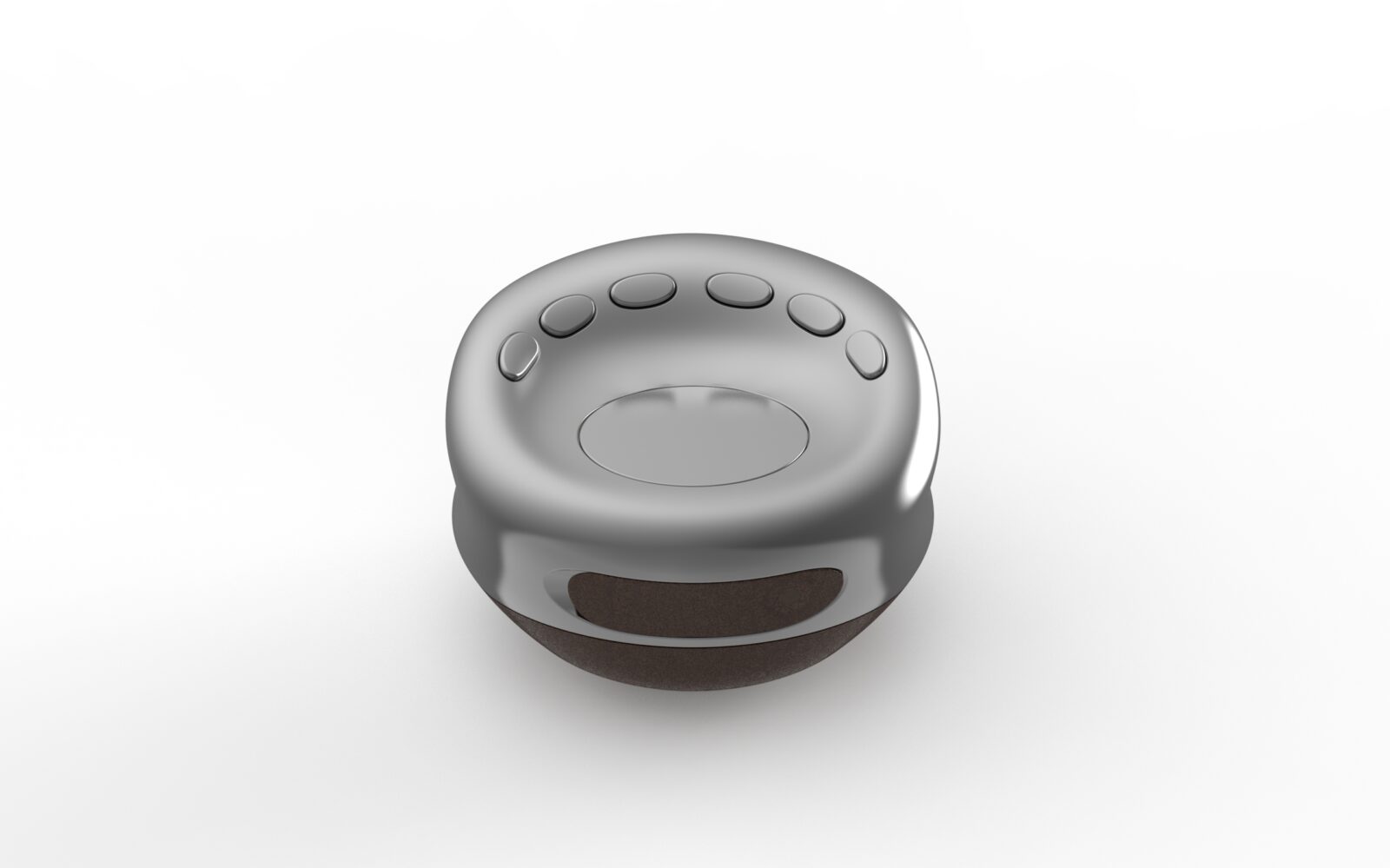
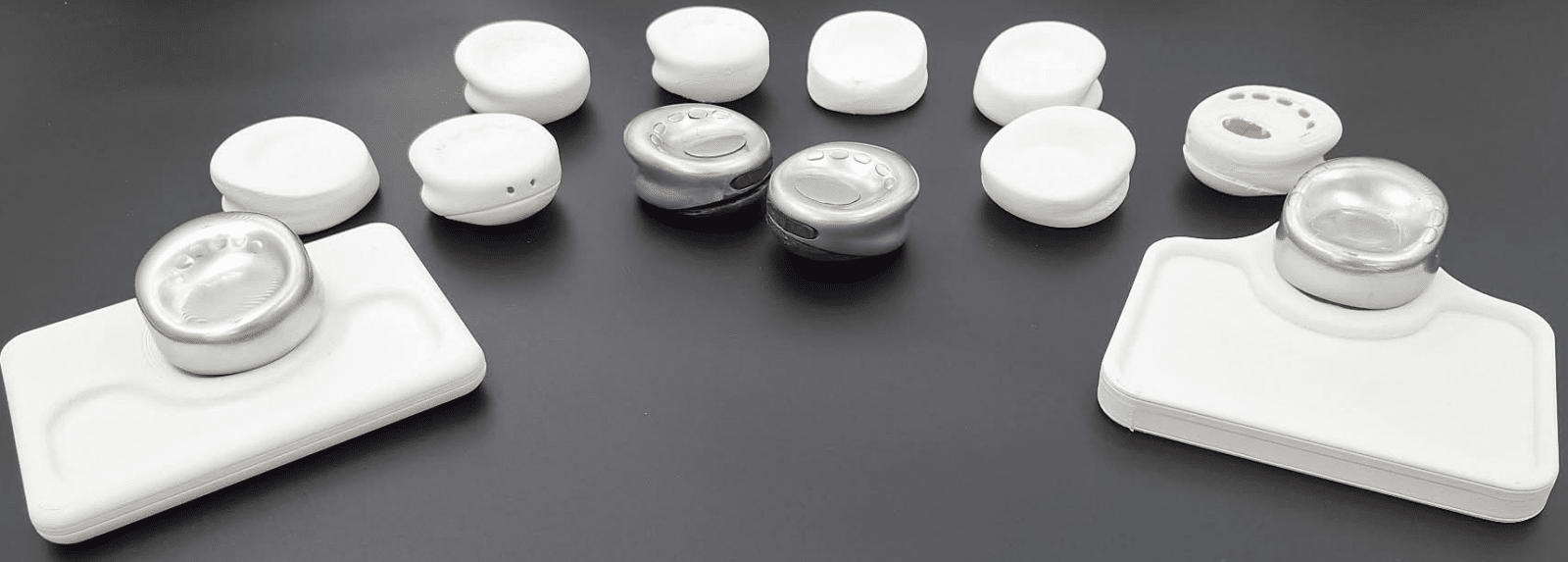
Clariva is a pocket-sized companion designed to bring clarity to the diagnostic journey. Combining everyday symptom logging with appointment support, it helps patients capture their experiences and communicate them more effectively with healthcare professionals.
Key Features
Portable
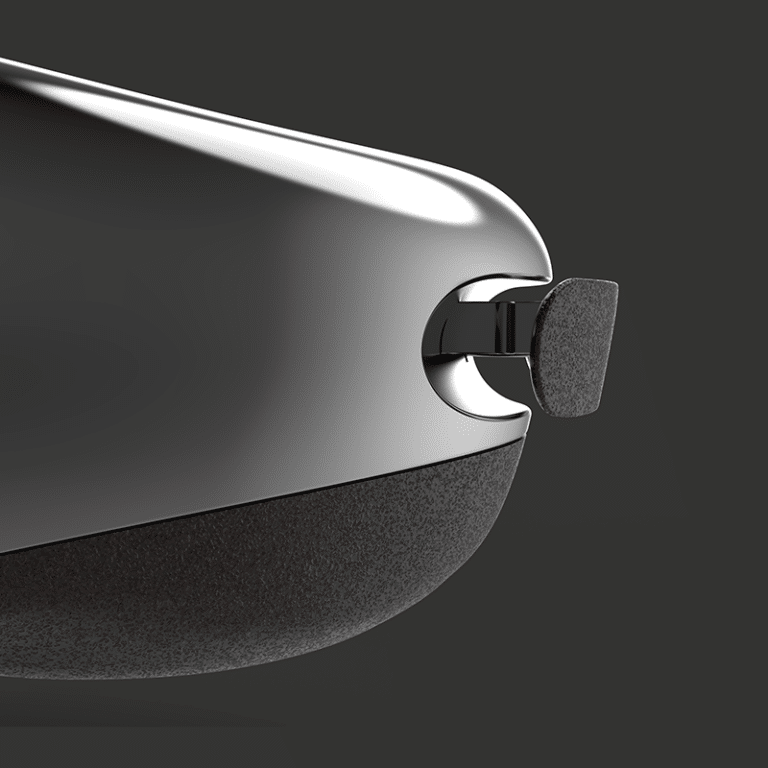
Designed to go wherever you do. Whether tucked into your pocket or purse, or attached using its discreet pop-out clip, Clariva is made to be carried with you throughout the day. Its portable design makes it easy to record symptoms as they happen, helping you capture important details in the moment and build a clearer picture of your health over time.
Unforgettable
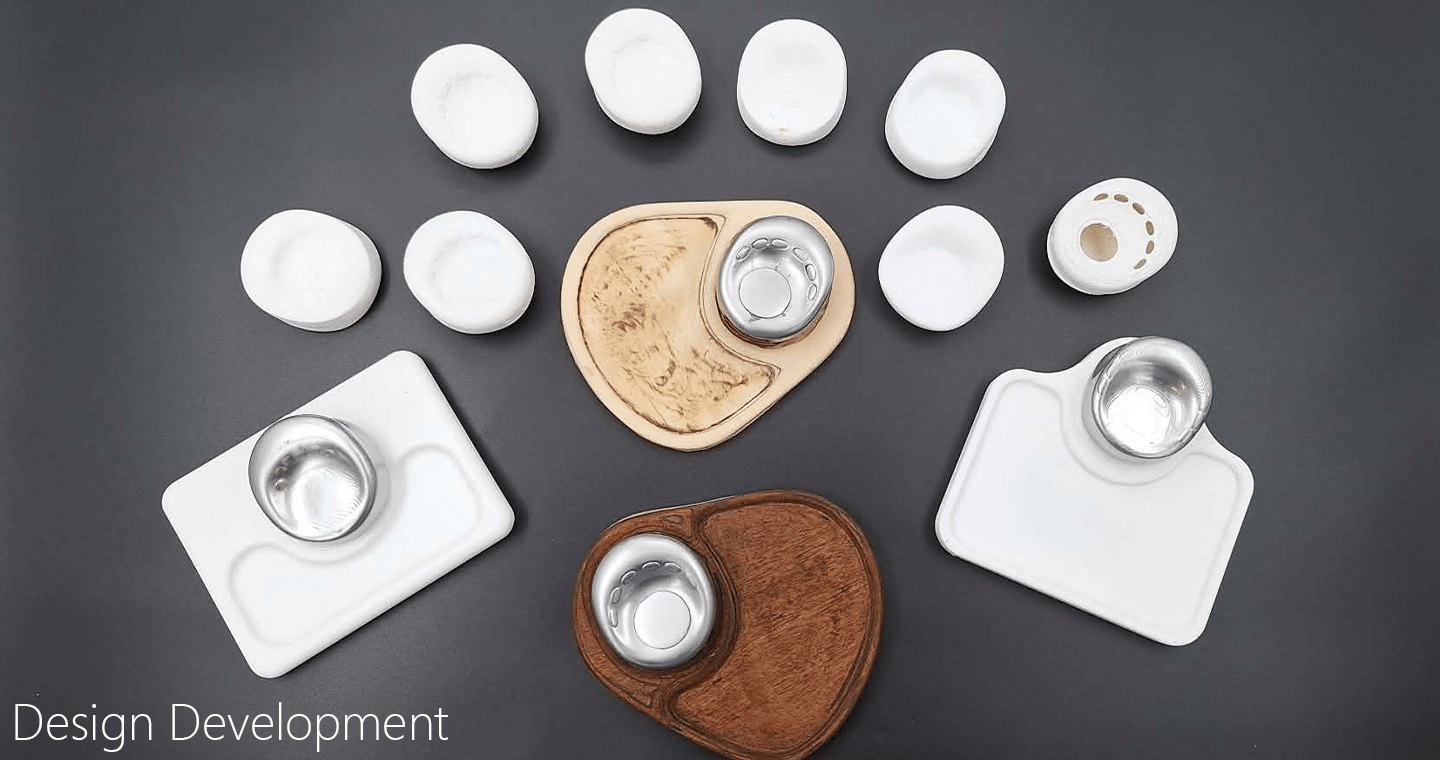
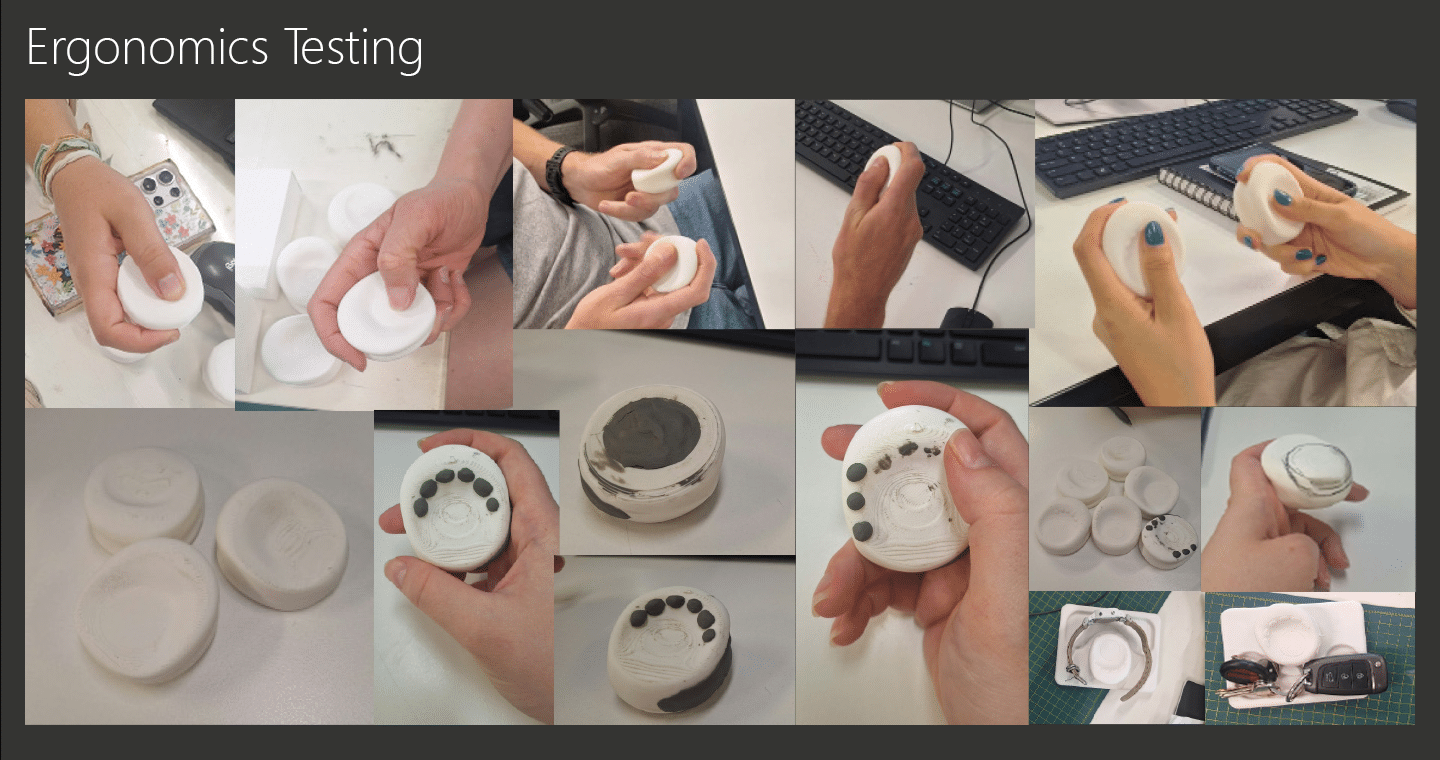
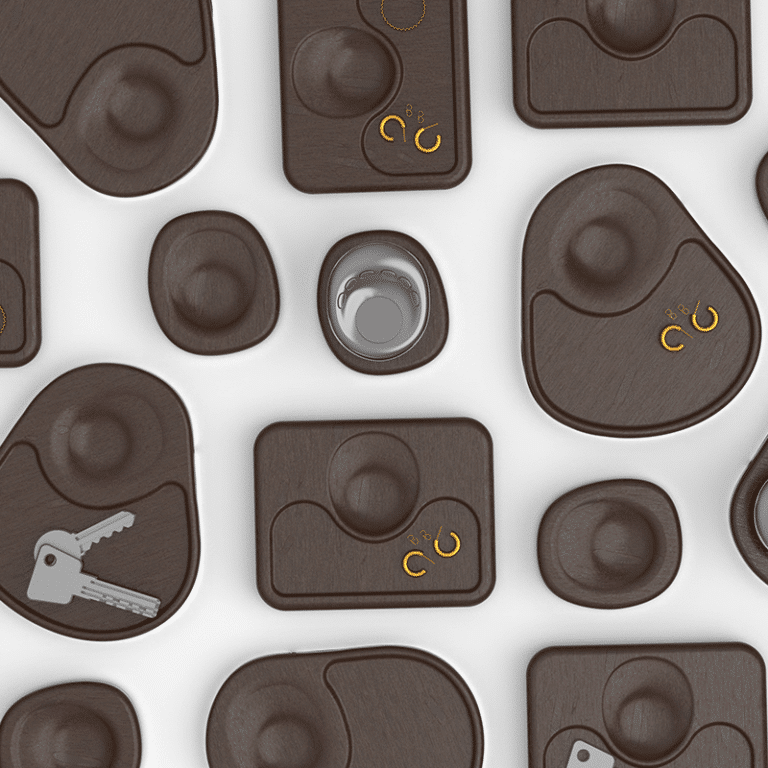
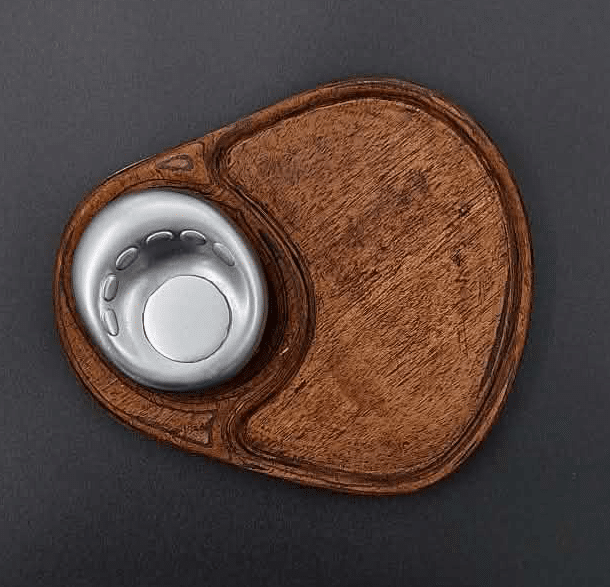
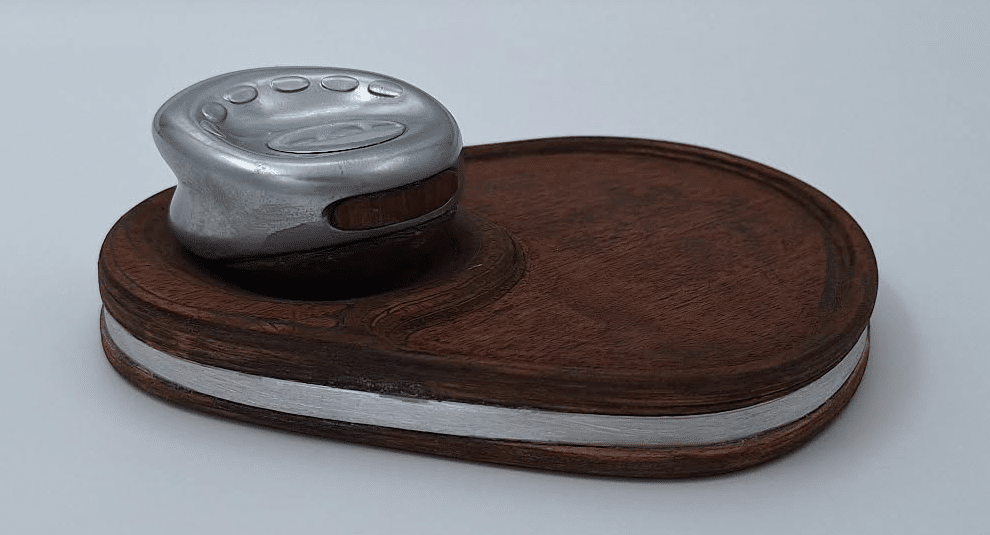
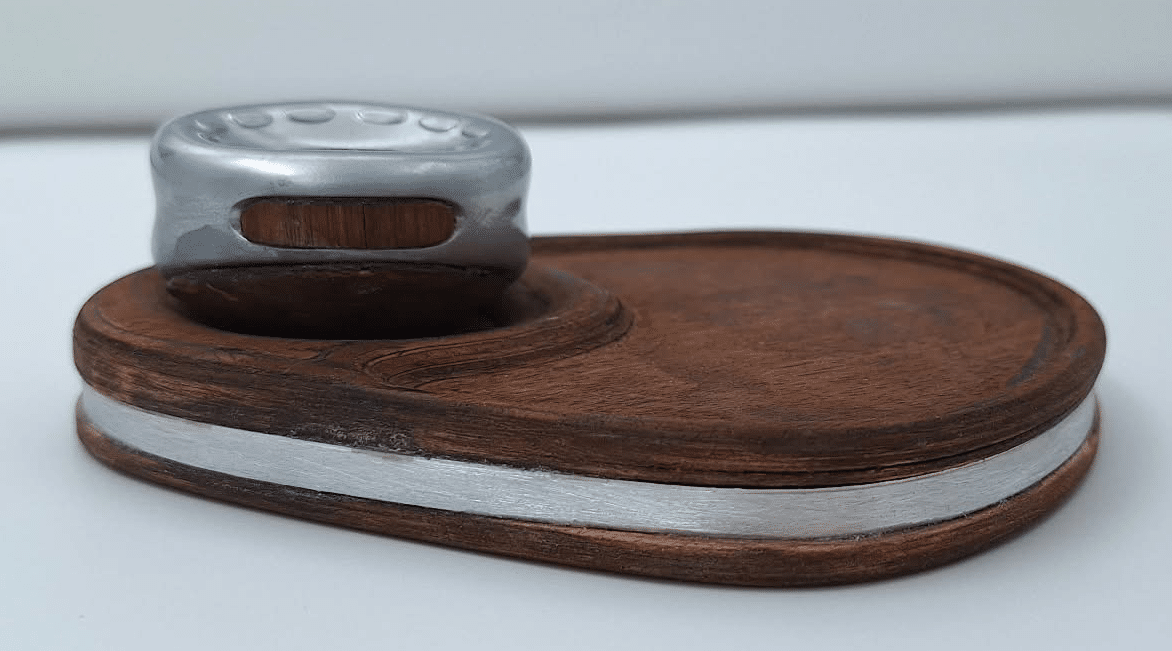
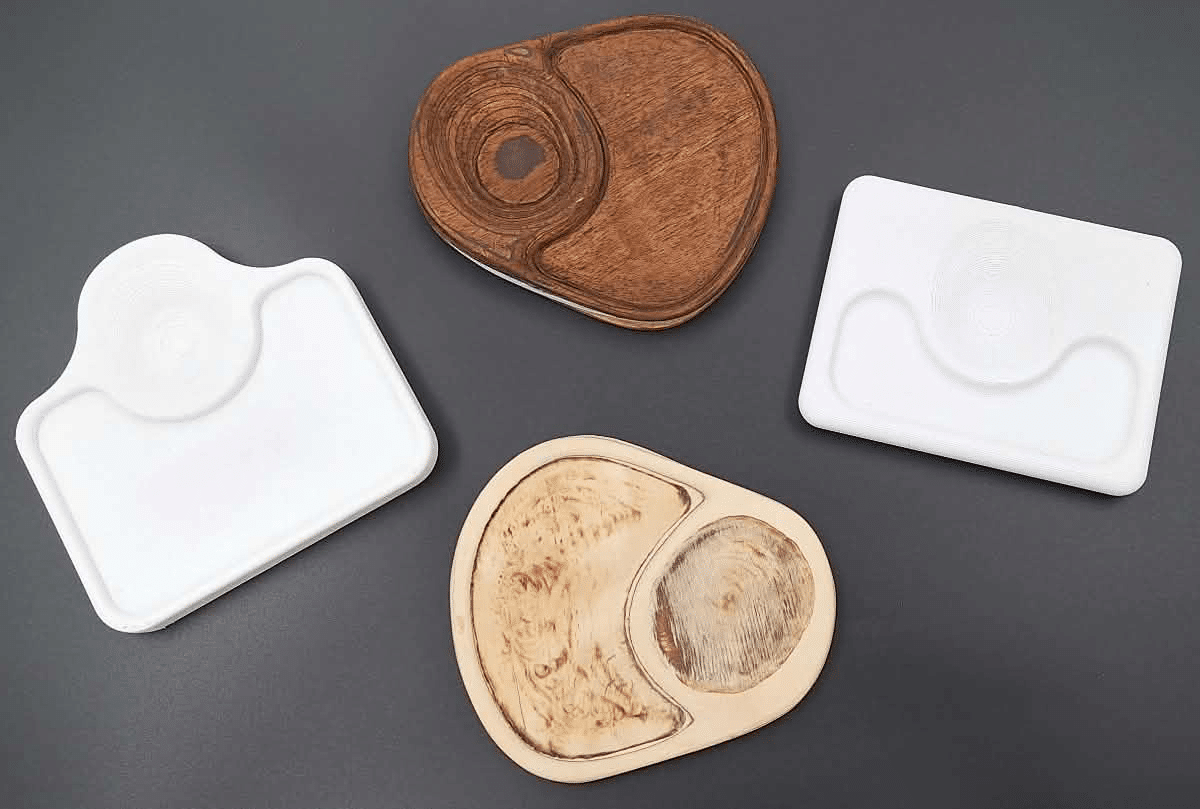
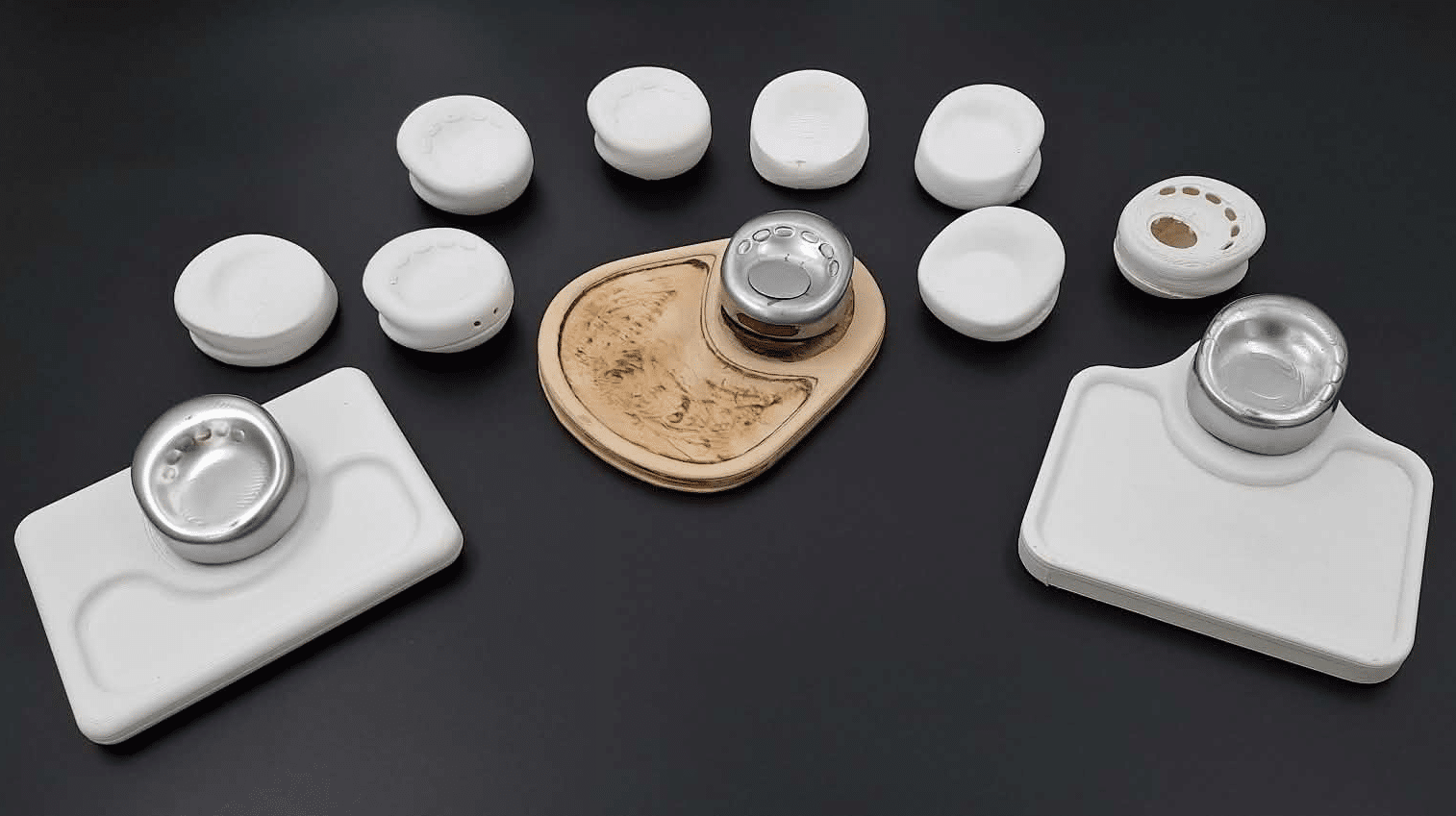
Designed to become part of your everyday routine. Recognising that managing symptoms can be challenging, particularly during periods of flare-ups, Clariva’s multifunctional charging base is designed to make daily use effortless. Providing a dedicated place to charge and store Clariva alongside your keys or other daily use items, the tray integrates the device into an existing daily habit. By keeping two everyday essentials together, you’re less likely to forget Clariva when heading out the door, ensuring it’s always ready when you need it.
Quality Material – Premium Feel
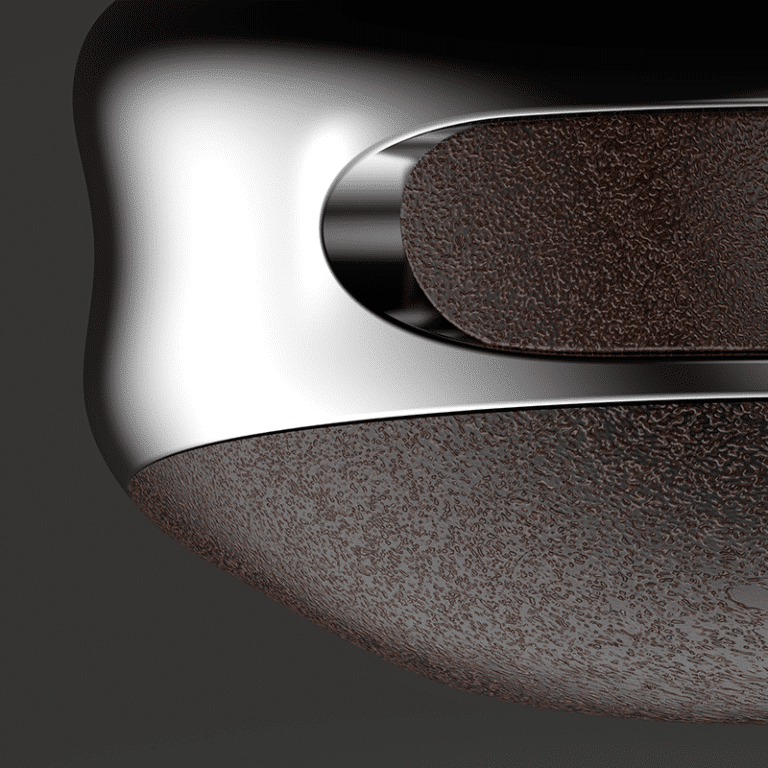
Premium materials, designed to feel familiar. Clariva combines natural wood and metallic finishes to create a product that feels both solid and dependable, while maintaining a warm, approachable aesthetic. Carefully selected materials balance strength and durability with softer, familiar qualities, creating a premium everyday object rather than a conventional medical device. By prioritising desirability and discreet design, Clariva helps reduce the stigma often associated with visible health products, encouraging users to carry it with confidence.
Distraction Without Compromise
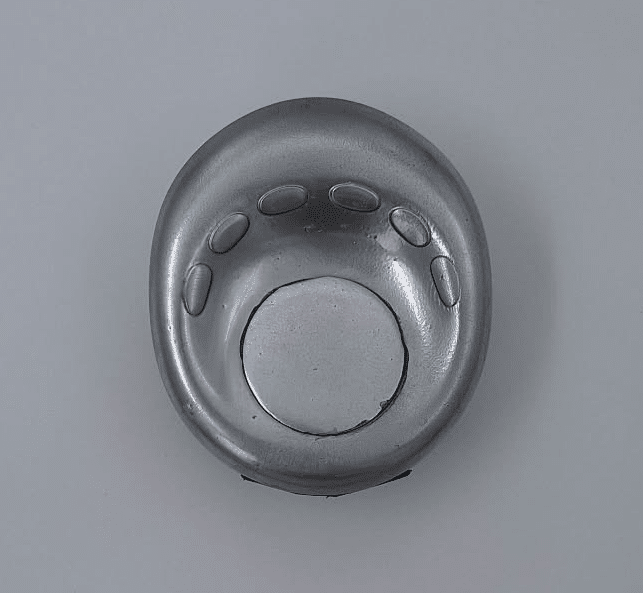
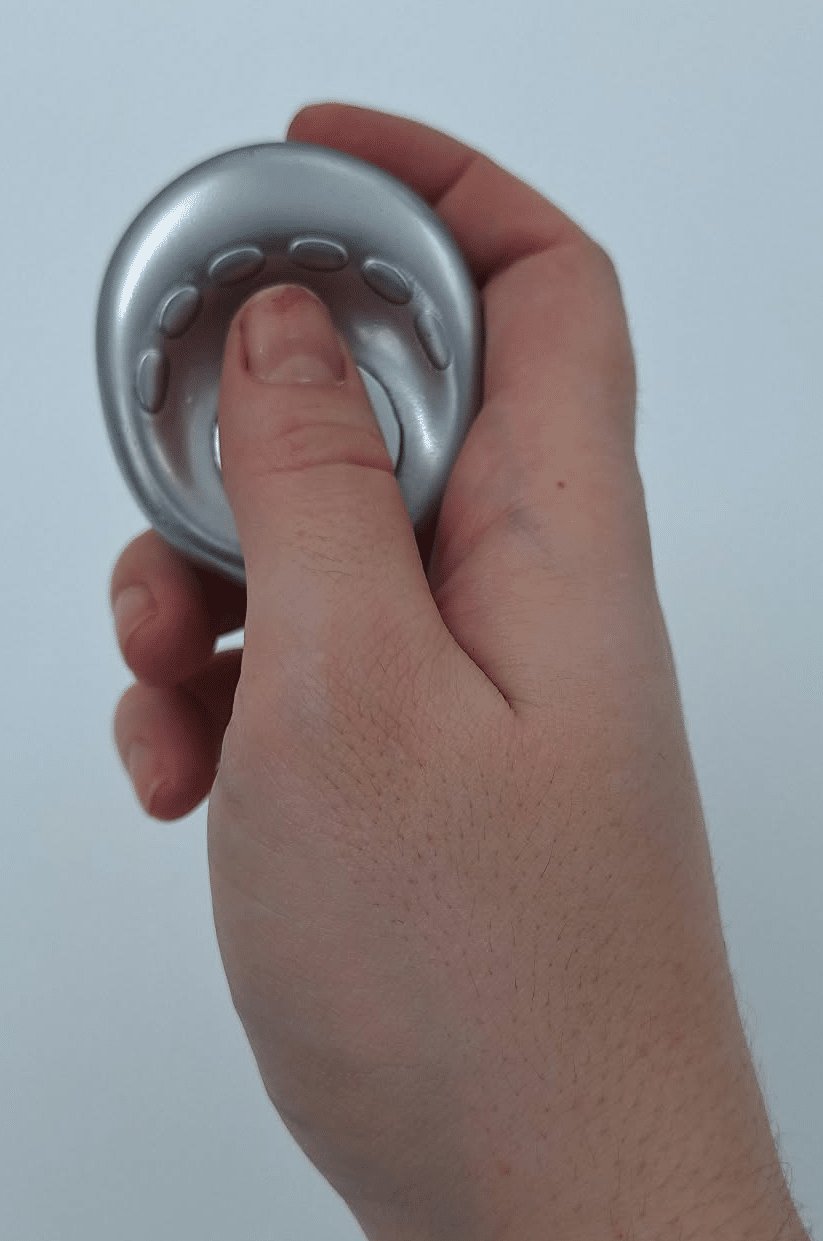
Flaring and need a distraction? During periods of increased symptoms or discomfort, Clariva can double as a discreet fidget device, offering a tactile distraction to help redirect your attention elsewhere. Its password-protected trackpad provides a secure locking feature, preventing accidental symptom entries while the device is being handled or used as a fidget. This allows you to interact with Clariva freely, without worrying about compromising the accuracy of your symptom records.
End-to-End Support
Step 1: Log and track your symptoms.
Capture symptoms as they happen and build a comprehensive, accurate record of your experiences over time. By bringing together patterns, changes and recurring symptoms, Clariva helps turn fragmented experiences into a clearer picture of your health.
Step 2: Prepare for and make the most of appointments.
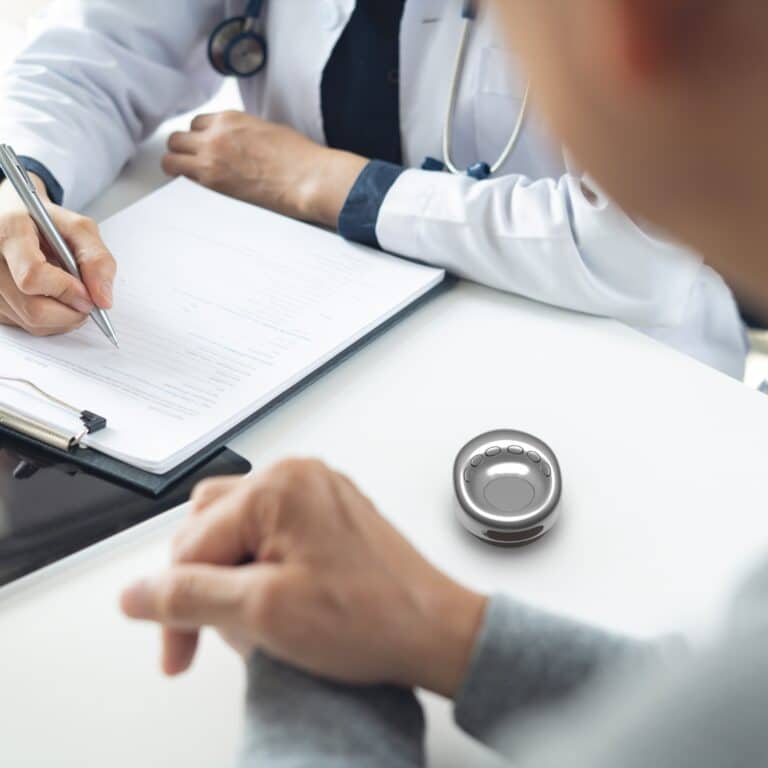
Clariva’s connected app uses your collected symptom data to help organise and prepare for medical appointments. Review past experiences, revisit symptoms you may have forgotten and create a list of concerns you want to discuss. Your information can then be exported as an interactive HTML report to share with medical professionals or uploaded directly to your device.
During appointments, Clariva’s appointment mode listens to and transcribes the conversation, providing a visual guide that tracks discussion points as they are addressed and prompts you to raise anything still outstanding. Afterwards, the transcript is sent to your app and organised into key action items, things to monitor and a complete conversation record, giving you a reliable reference to revisit whenever you need it.
Manufacturing
Clavira has several custom-made components which are manufactured in various ways.
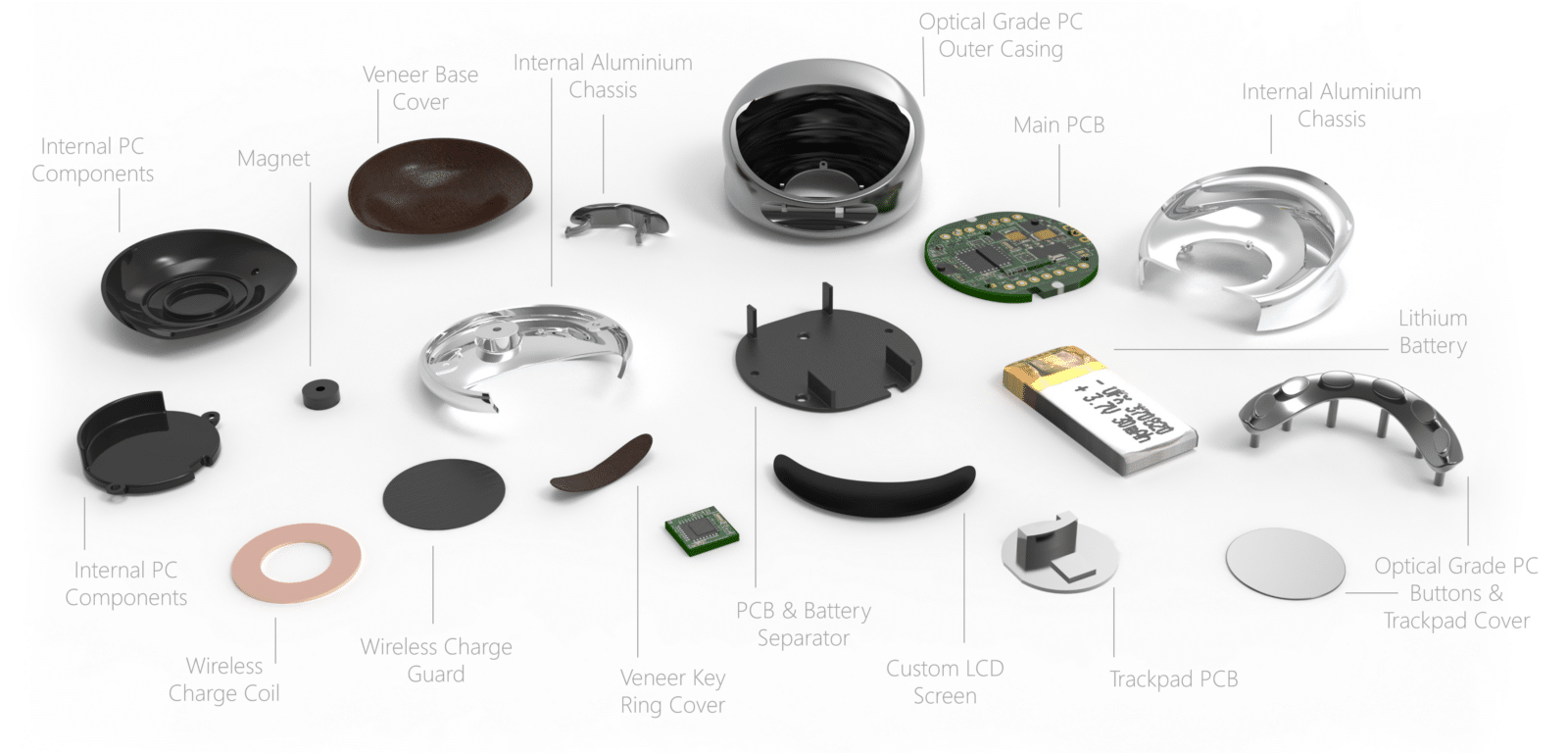
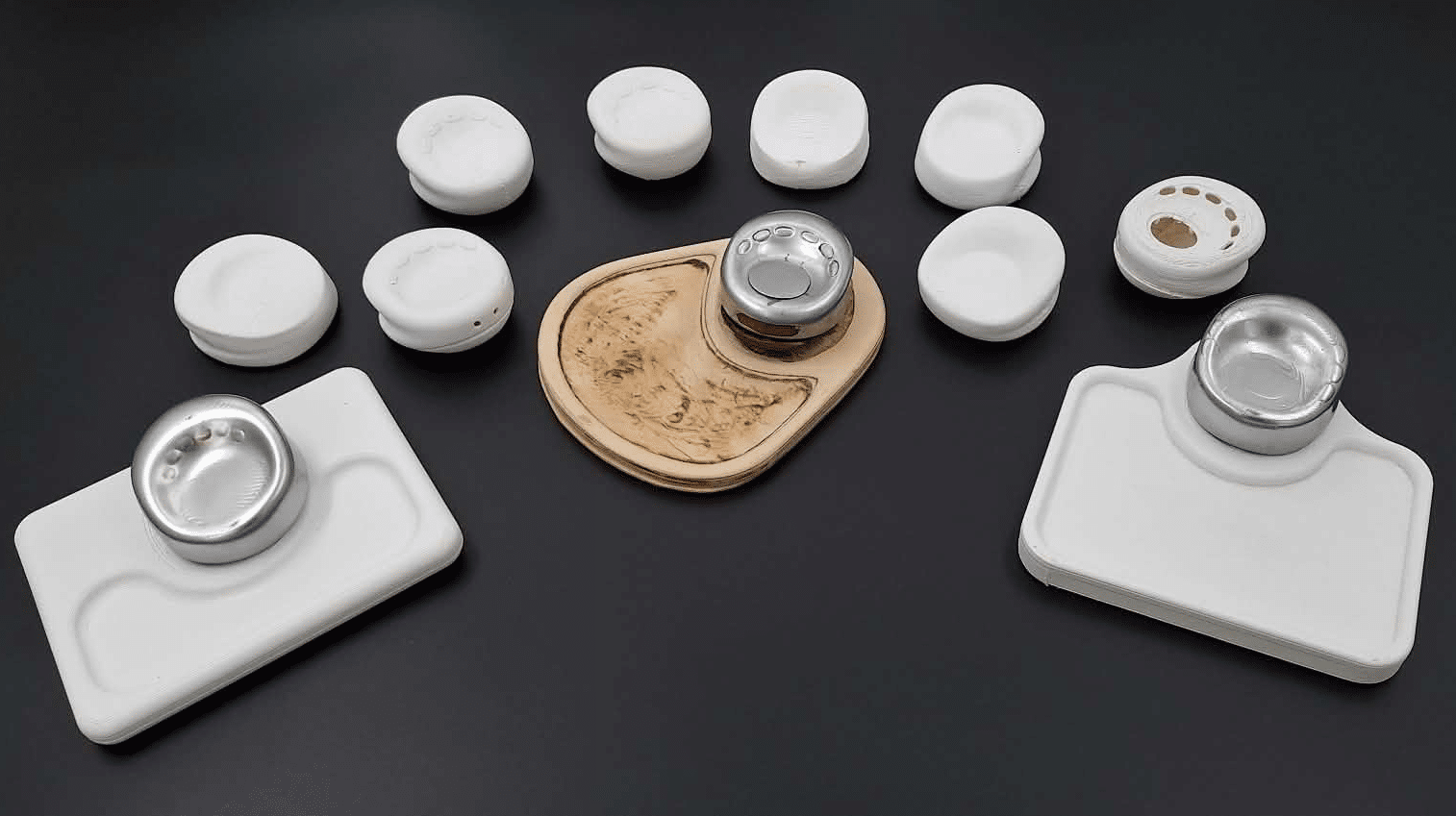
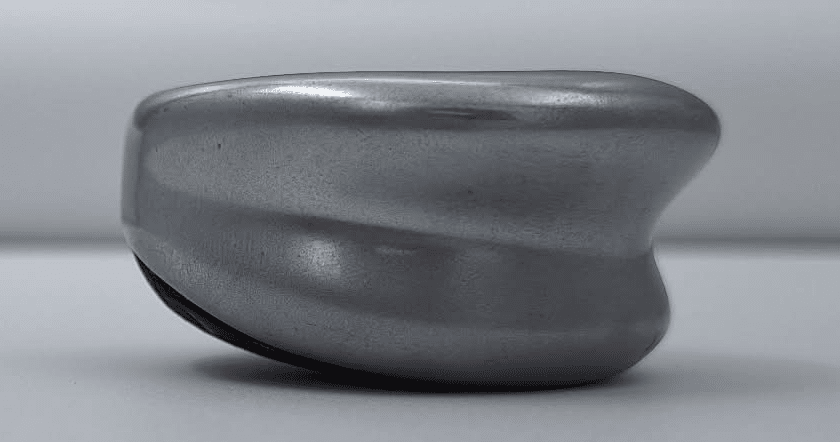
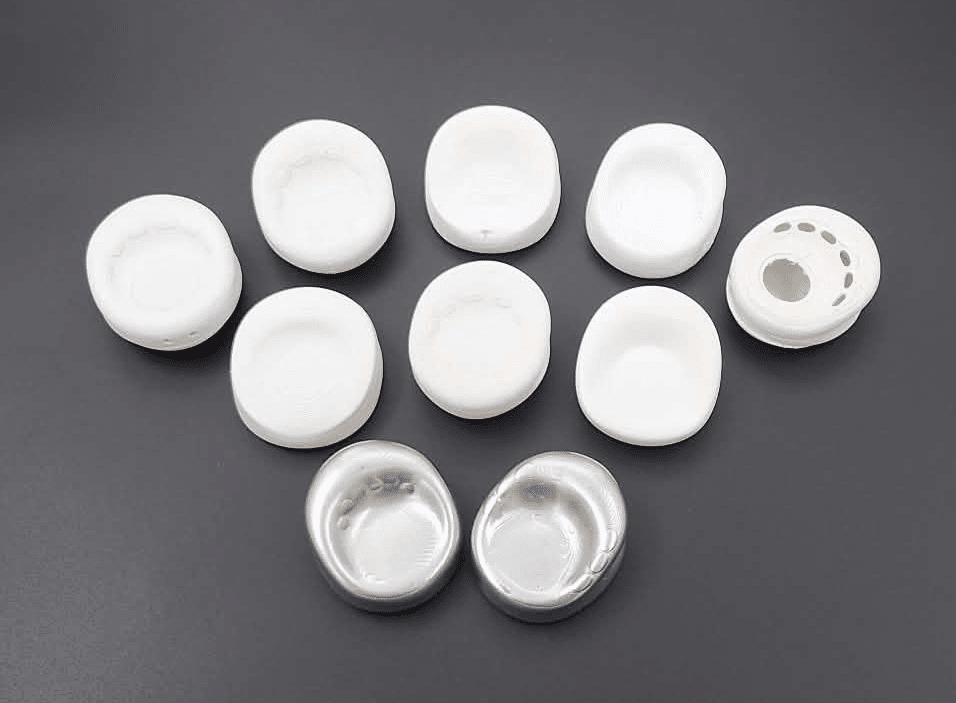
Firstly, the outer casing is made from injection moulded optical grade Polycarbonate finished with by being sprayed internally with a metallic coating. placing this coating internally means there are less concerns for finish scuff and damage throughout the products lifespan, but the product still maintains that cool heavier feeling reflective of actual metals while still remaining transparent enough for the hidden screen to function without needing to add any parting/change in material lines, which would make the screen the main feature, which wasnt the goal.
Secondly, a 2-part die casted aluminium chassis. this body forms the support for all the internal components while still ensuring that the external finish remains undisturbed and can be easily coated without having to avoid ribs and bosses. Having this body aluminium was important to bring some weight back in to the product to maintain the premium feel, and also to preserve the metallic look incase of finish chipping. having it so close to the external body should also support that cool feeling when you pick it up.
in addition to the chassis there are addition generic PC components which simplify the required die casting mould to reduce costs while also providing the necessary separation on internal components in compliance with safety standards.
2 external components are wrapped in a veneer, to provide a premium look and feel to unavoidable part lines and bring back the softness that was missing when the entire body was metallic looking. The veneer is a thin peice of wood moulded and glued to the internal supporting peices ensuring strong bonds and a lasting material joint.
Internally everything is secured with small screws supporting disassembly of components at end of life. The veneer caps, base cap and track pad cover will have to be secured using a heat activated glue which allows for them to eventually be disassembled for recycling while still keeping the securely attached to the body while its being used. The glue is supported by small snap clips but to ensure security does need the glue to confirm the joint.
Prototype
Jessie-May Volz
Driven Industrial Designer passionate about designing products that enhance peoples lived experiences through thoughtful, user-centred solutions. Enjoy's solving complex problems with practical, and intuitive design's that are accessible, and repairable. Eager to learn and contribute creativity, and empathy to design projects.