Industrial - Bachelor
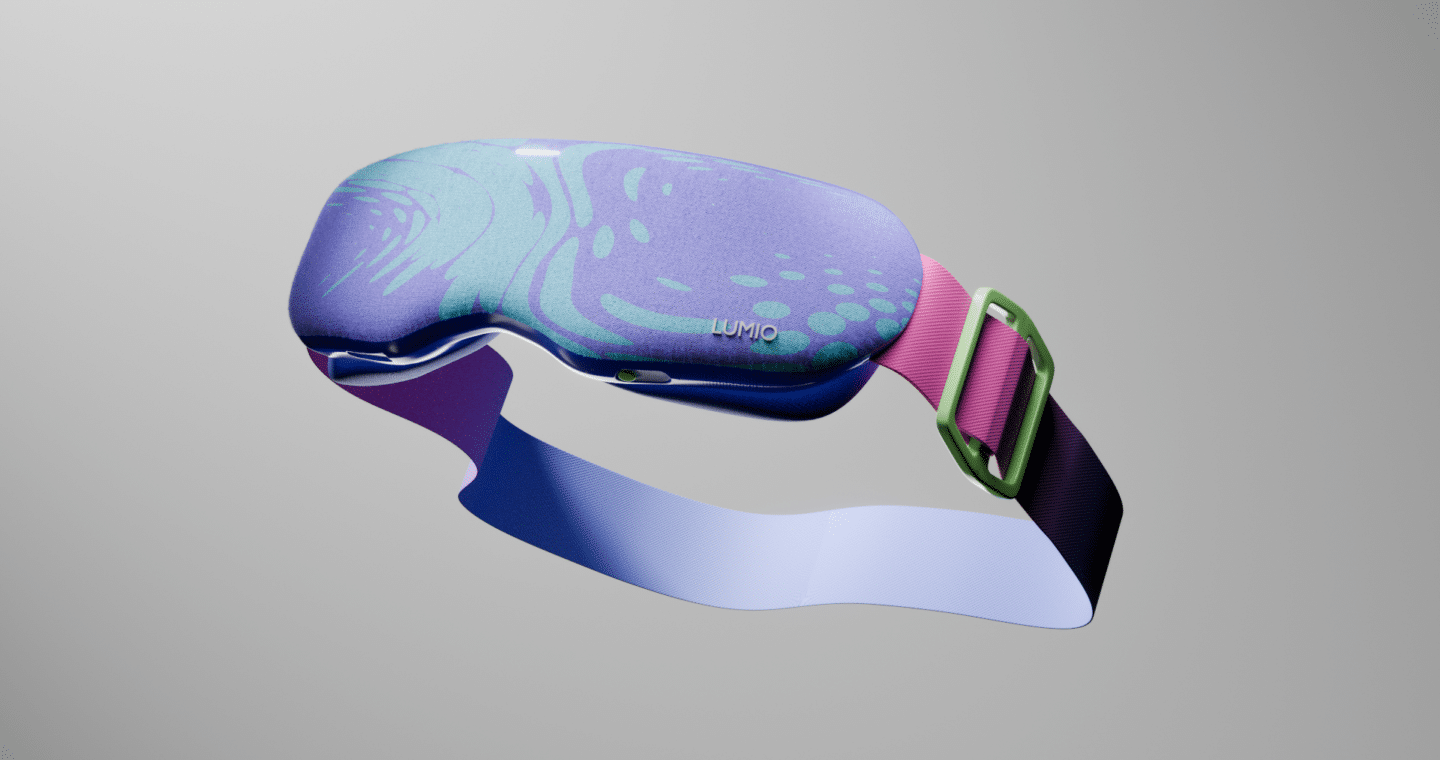
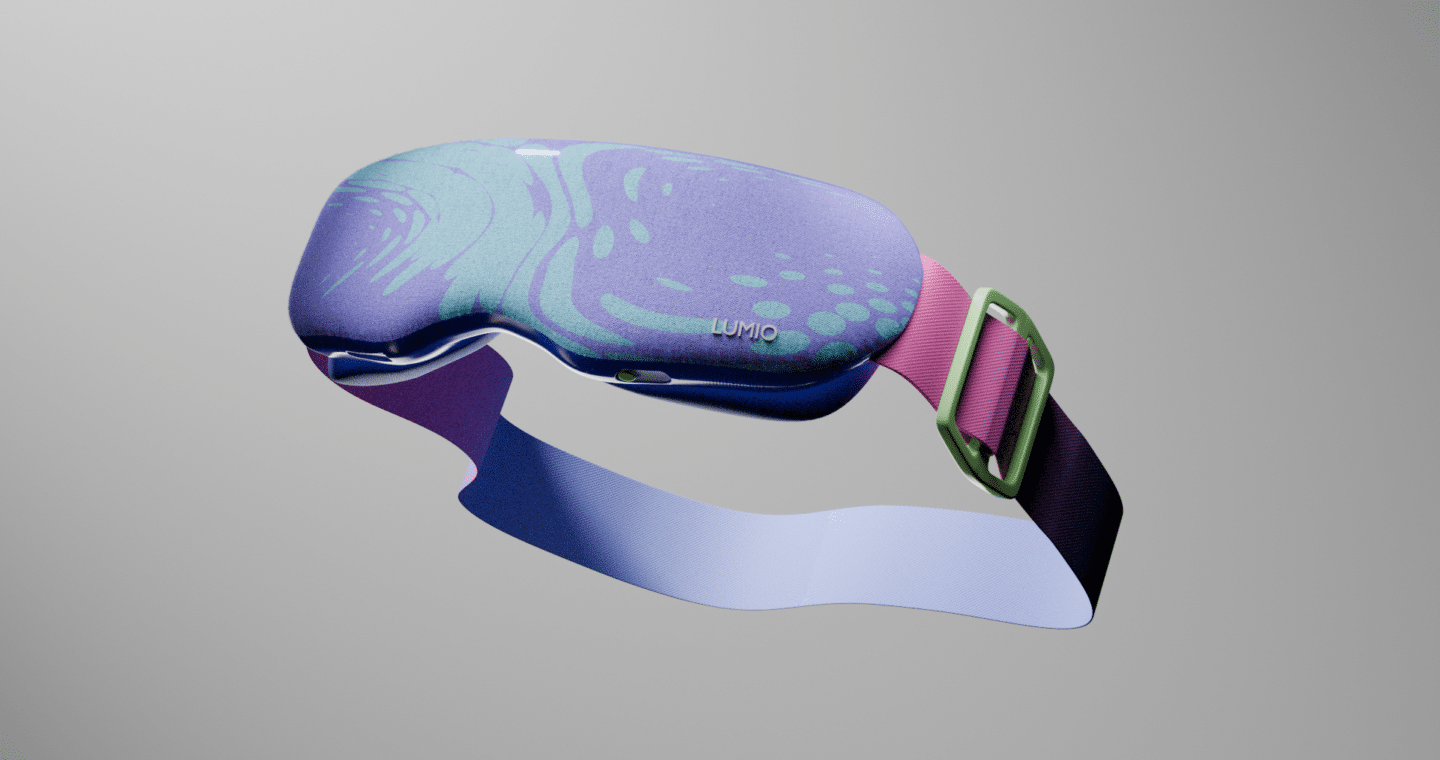
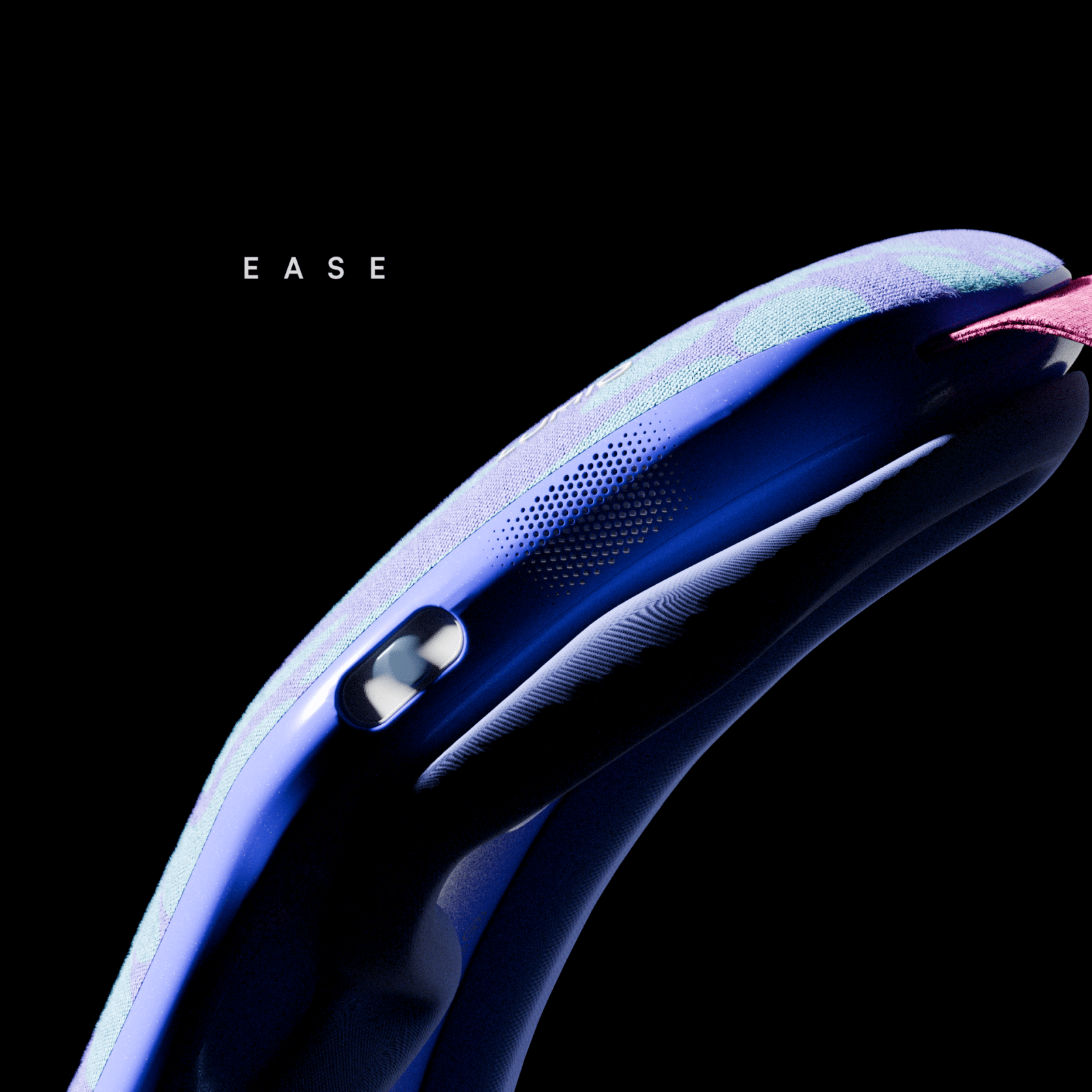
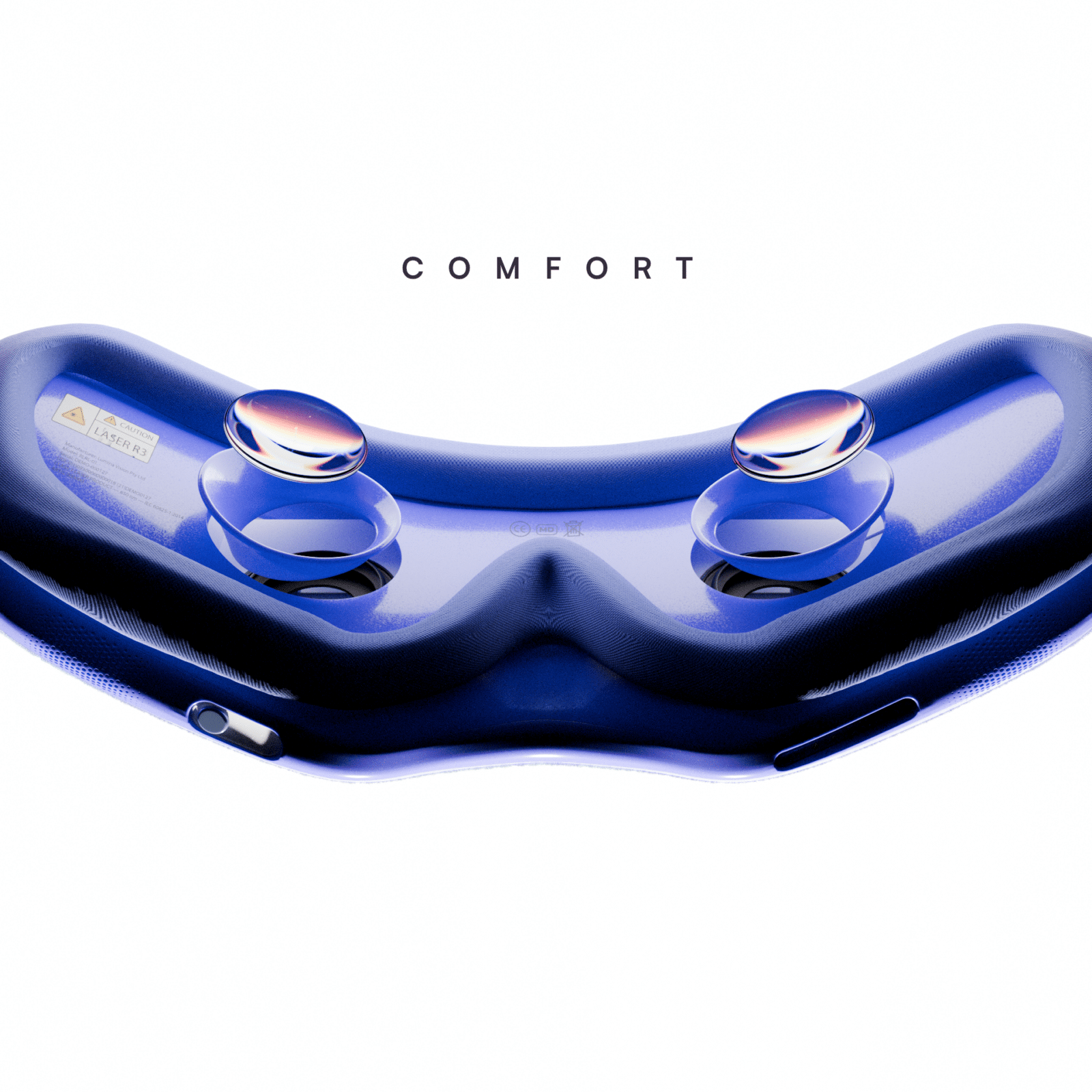
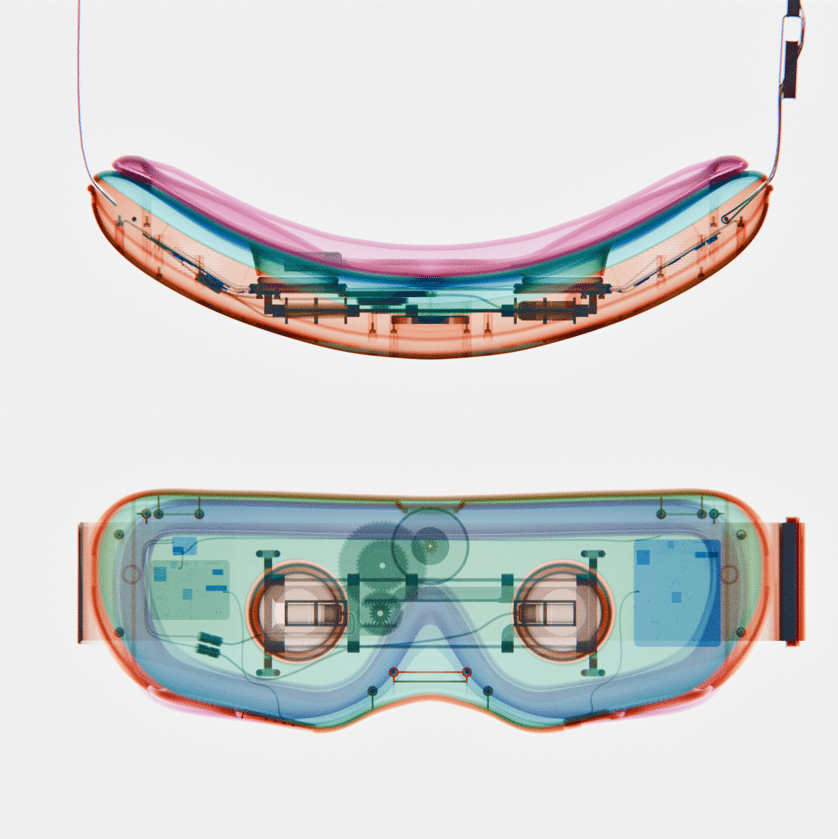
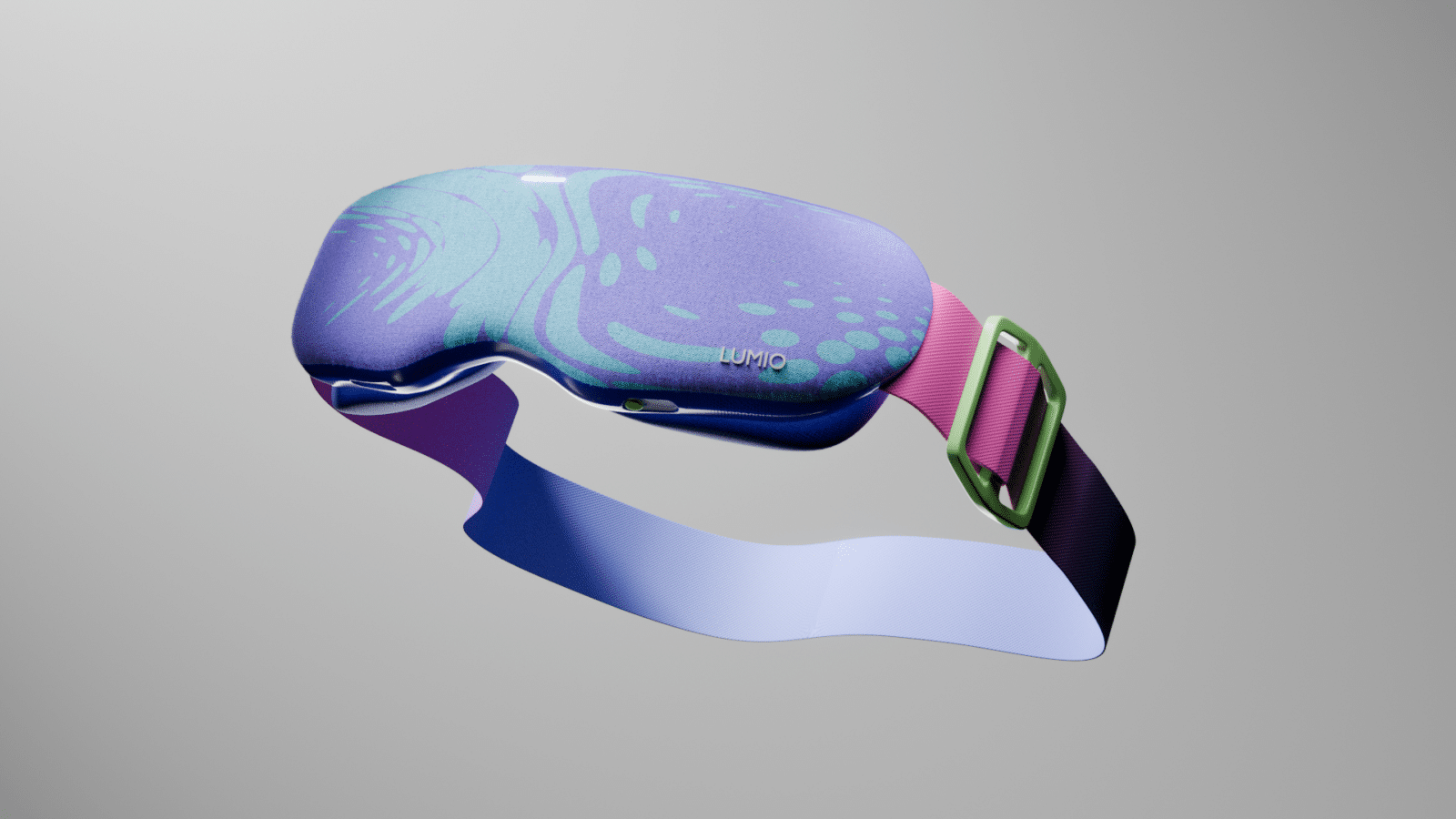
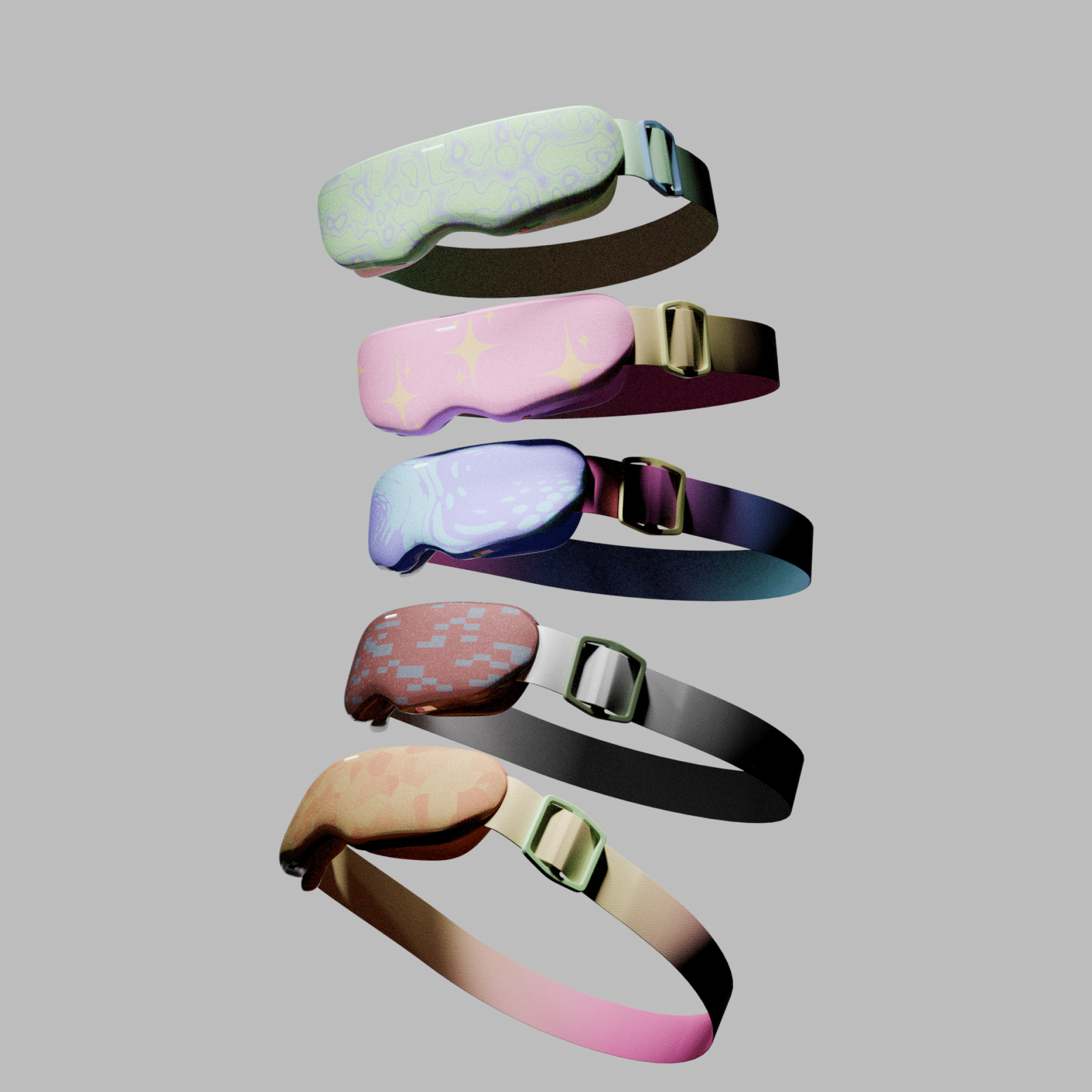
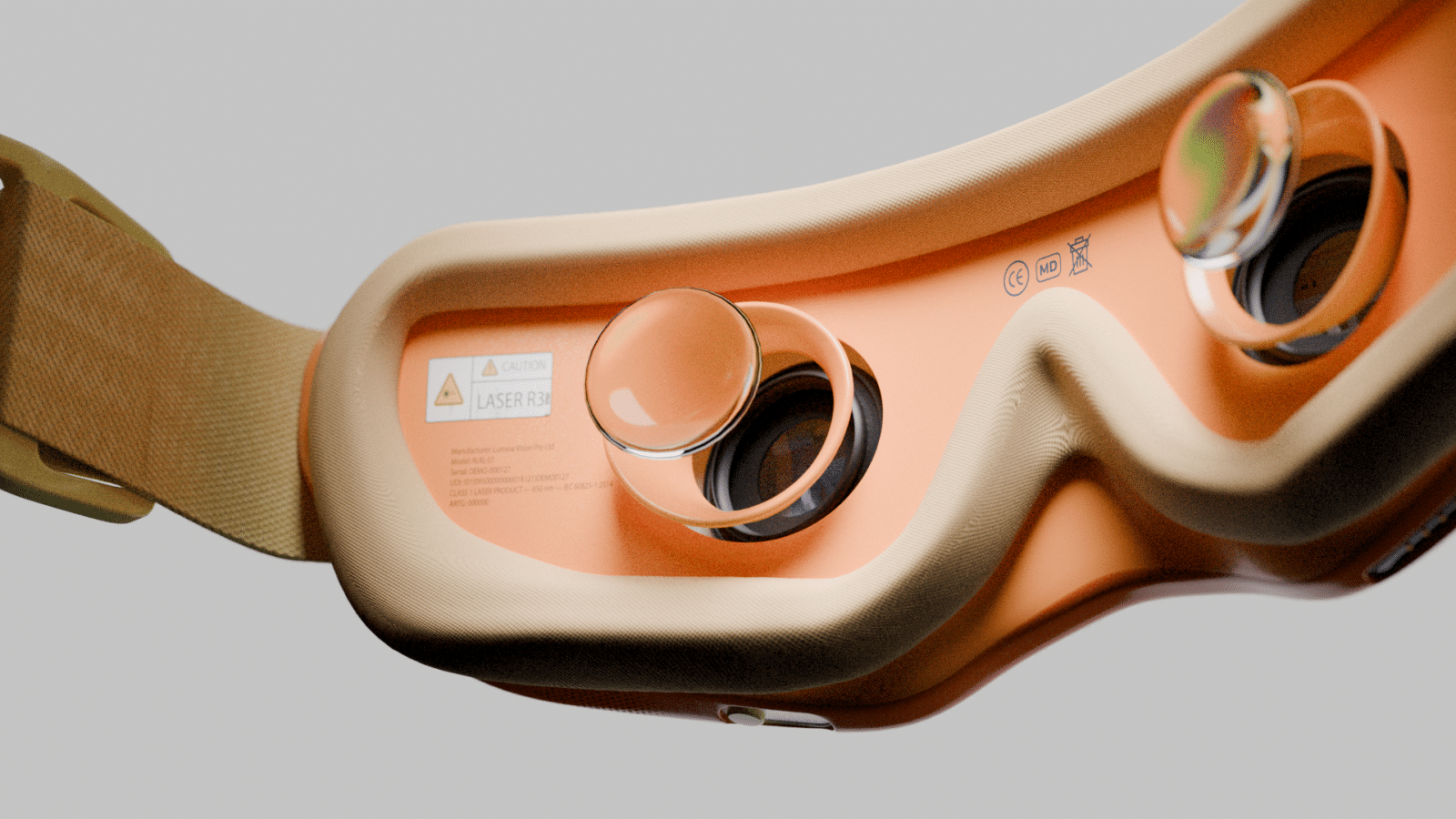
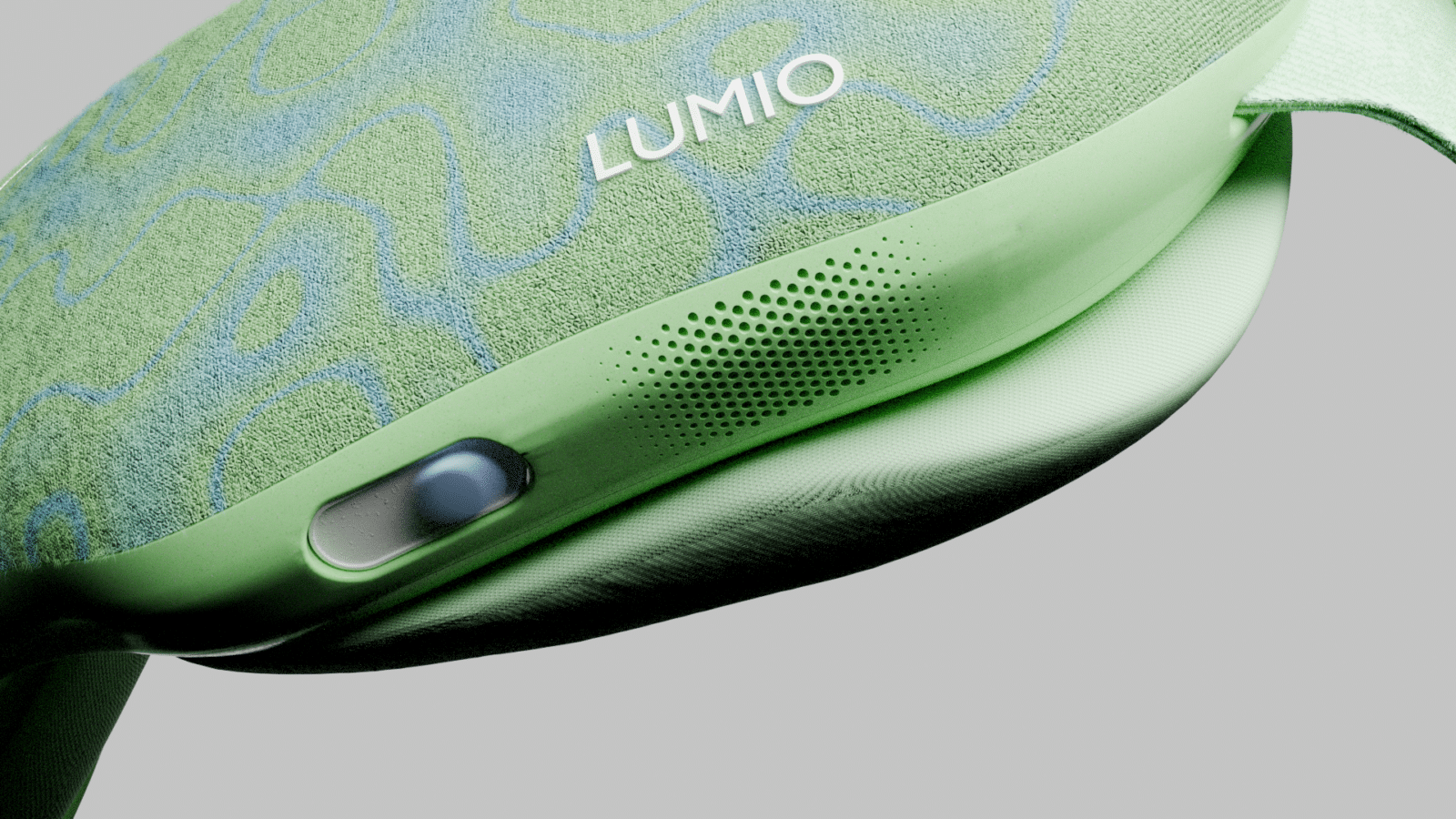
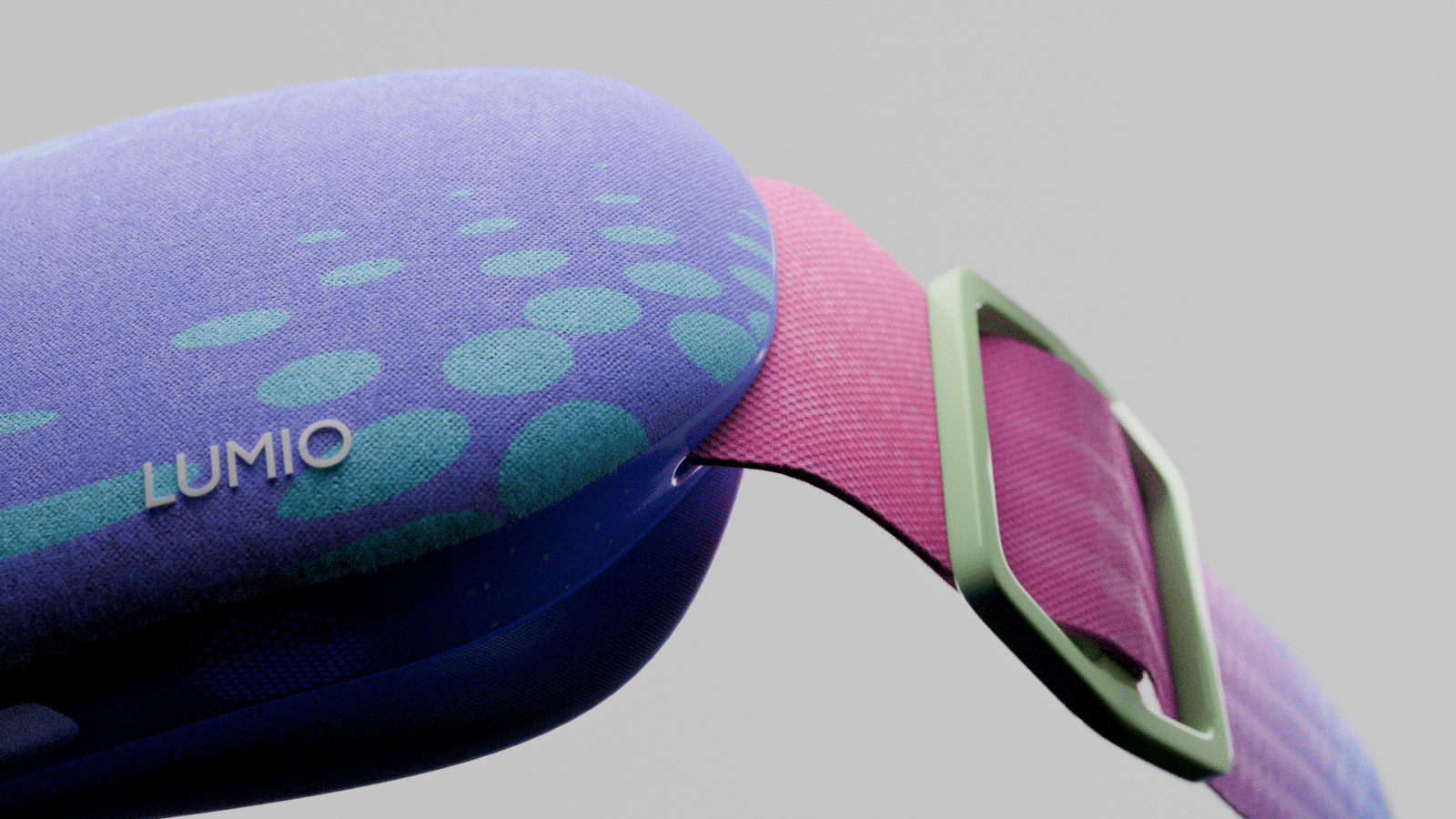
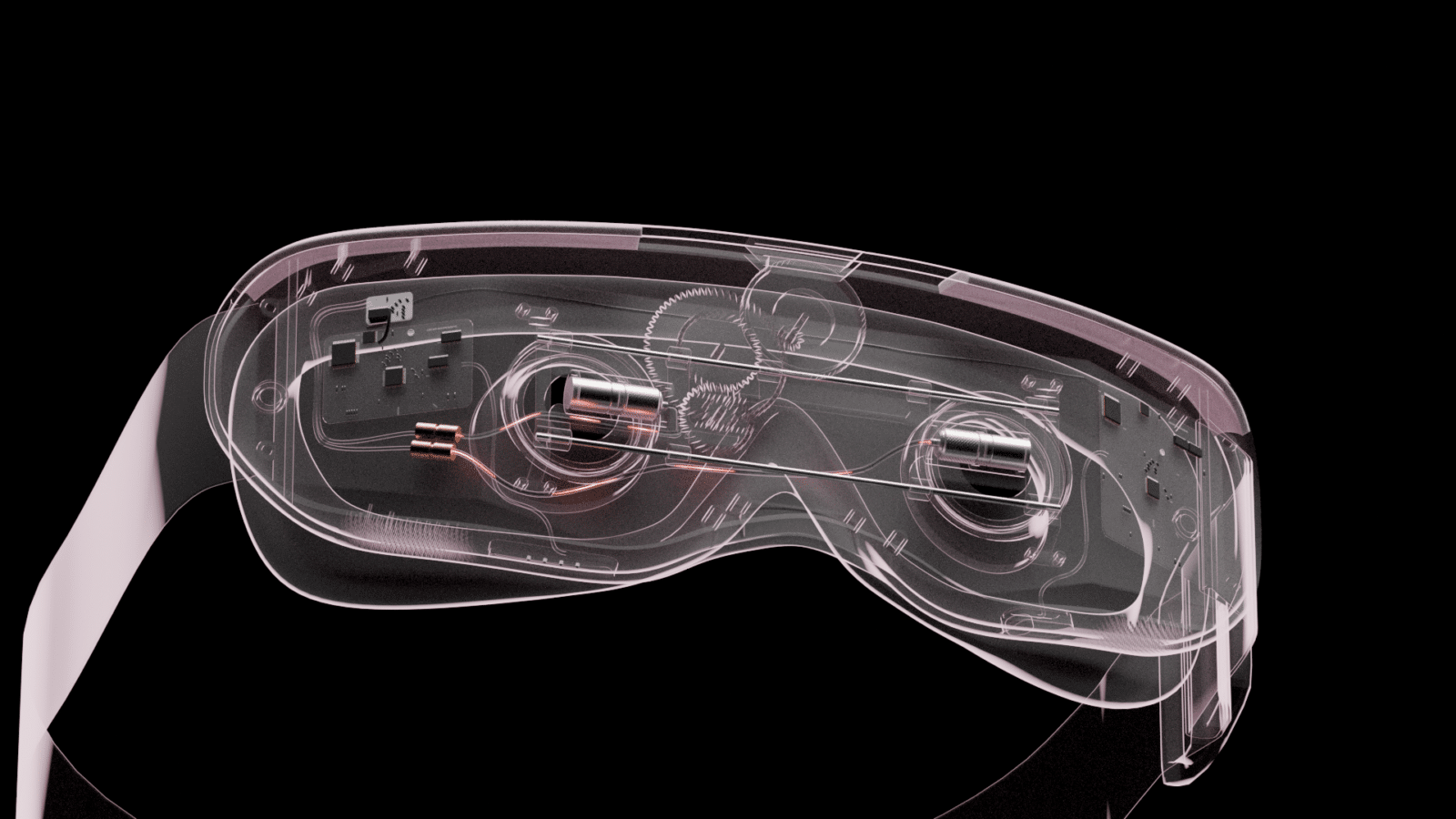
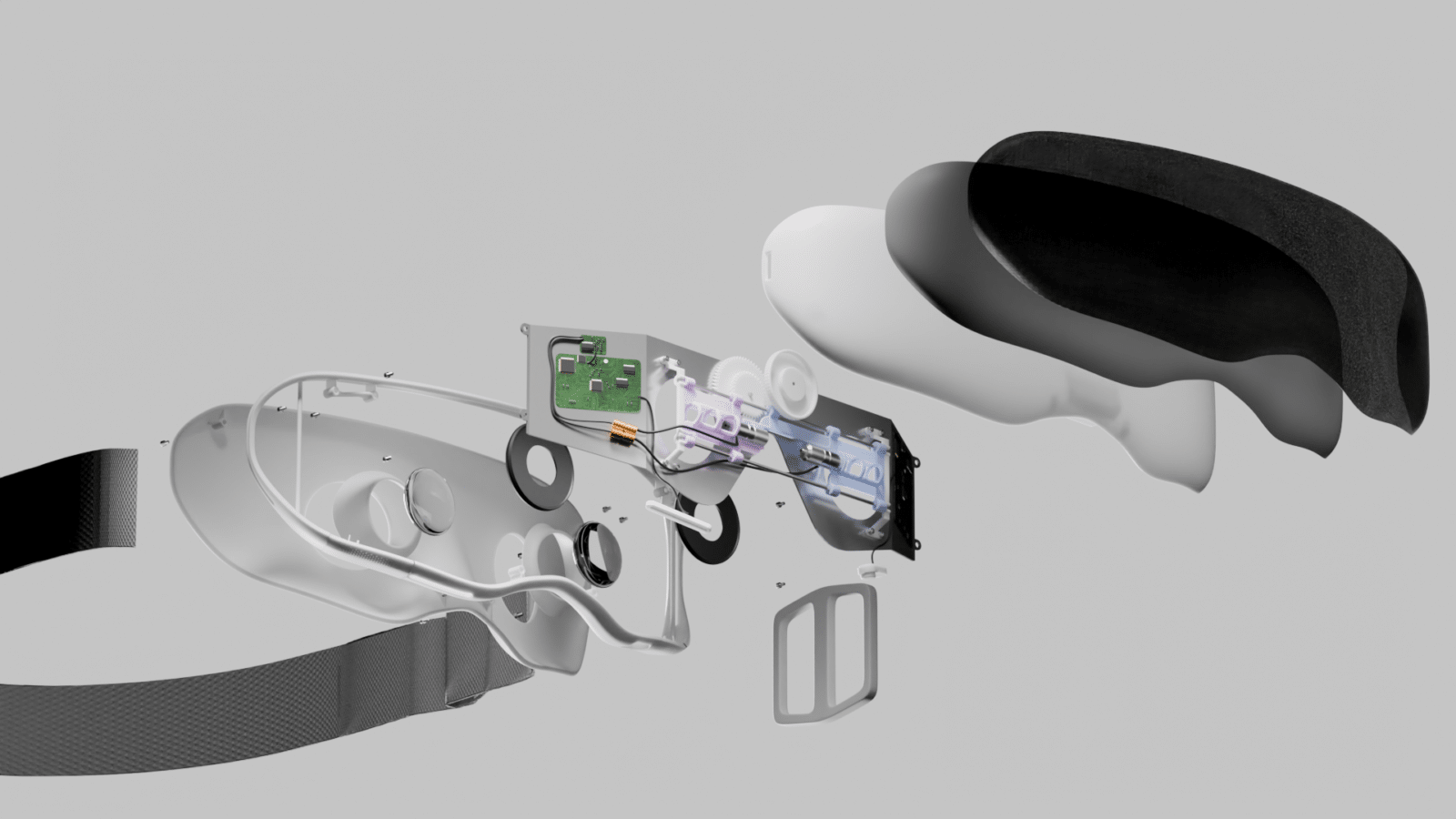
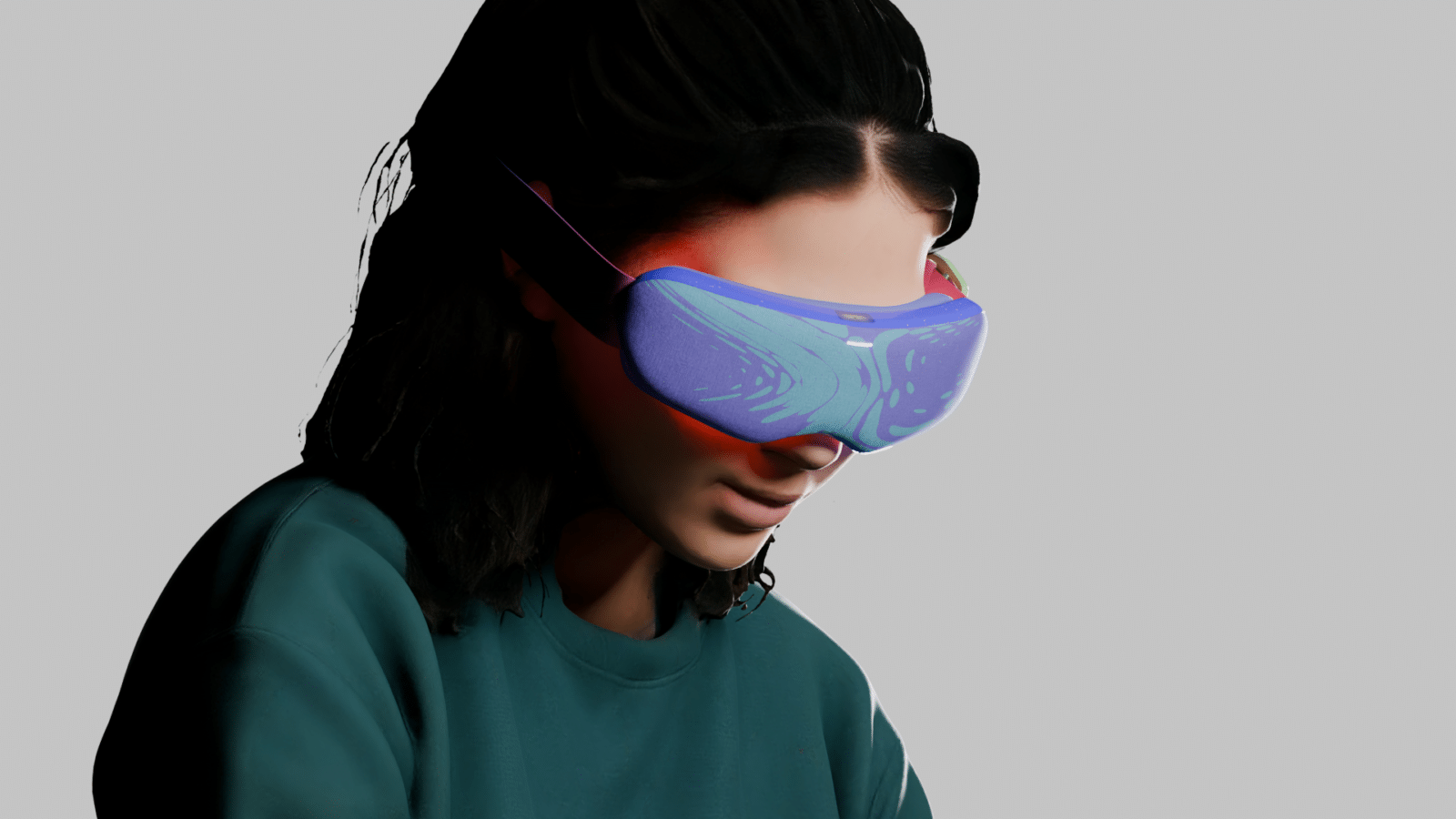
LUMIO is a wearable RLRL headset designed to make childhood myopia (nearsightedness) treatment more comfortable and accessible. With myopia affecting up to 80–90% of older adolescents in parts of East Asia and Singapore, LUMIO reimagines conventional desktop treatment as a portable, comfortable and engaging experience that integrates naturally into children's daily routines.
Myopia, or nearsightedness, is an eye condition that causes distant objects to appear blurry, commonly resulting from the eye growing too long. It has become an increasingly prevalent issue, particularly across East and Southeast Asia, where studies report that up to 70–90% of adolescents are myopic by age 18. As myopia is generally considered irreversible, there is growing interest in emerging technologies that can slow its progression.
Repeated Low-Level Red Light (RLRL) therapy is an emerging treatment for childhood myopia that uses controlled exposure to 650 nm red light. Clinical studies have shown promising results in slowing myopia progression, with some reporting a reduction in the eye’s axial length. Treatment typically involves looking into a fixed desktop device for three minutes, twice a day, with at least four hours between sessions. Despite promising findings, its long-term safety and biological mechanisms remain under investigation
Studies report that up to 70–90% of adolescents are myopic by age 18.
Morgan et al., 2021
Implementing positive compliance and adherence should be the fundamental design approach. More specifically, designing a device that caters for the potential barriers that parents and experts have identified, and integrates seamlessly into the child’s routine rather than being perceived as a burden.
The experience of the treatment should be explored. Exactly how the child spends those three minutes twice a day is something to consider. Factors like boredom, irritation, discomfort, or any negative experience should be explored and improved upon. Specifically, feedback on treatment progress for the user or other sensory engagement was identified as relevant design opportunities by experts.
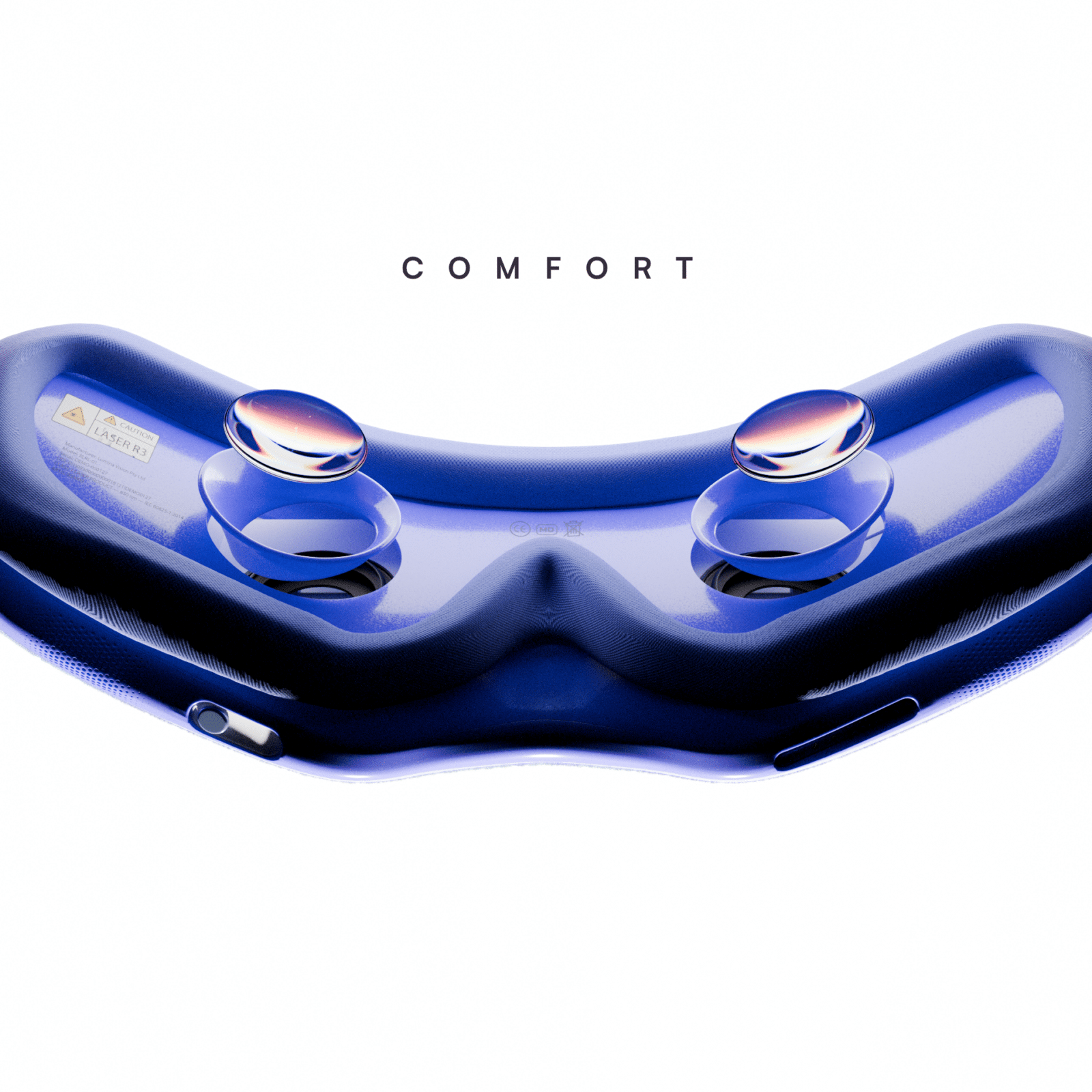
Experts raised concerns over repeated three minute treatments would lead to uncomfortability and possibly the child not finding the device desirable. Therefore opportunities around its ergonomic design emerged. Its environment meaning where the treatment happens, and what’s done with the device after treatment also emerged as design gaps and opportunities.
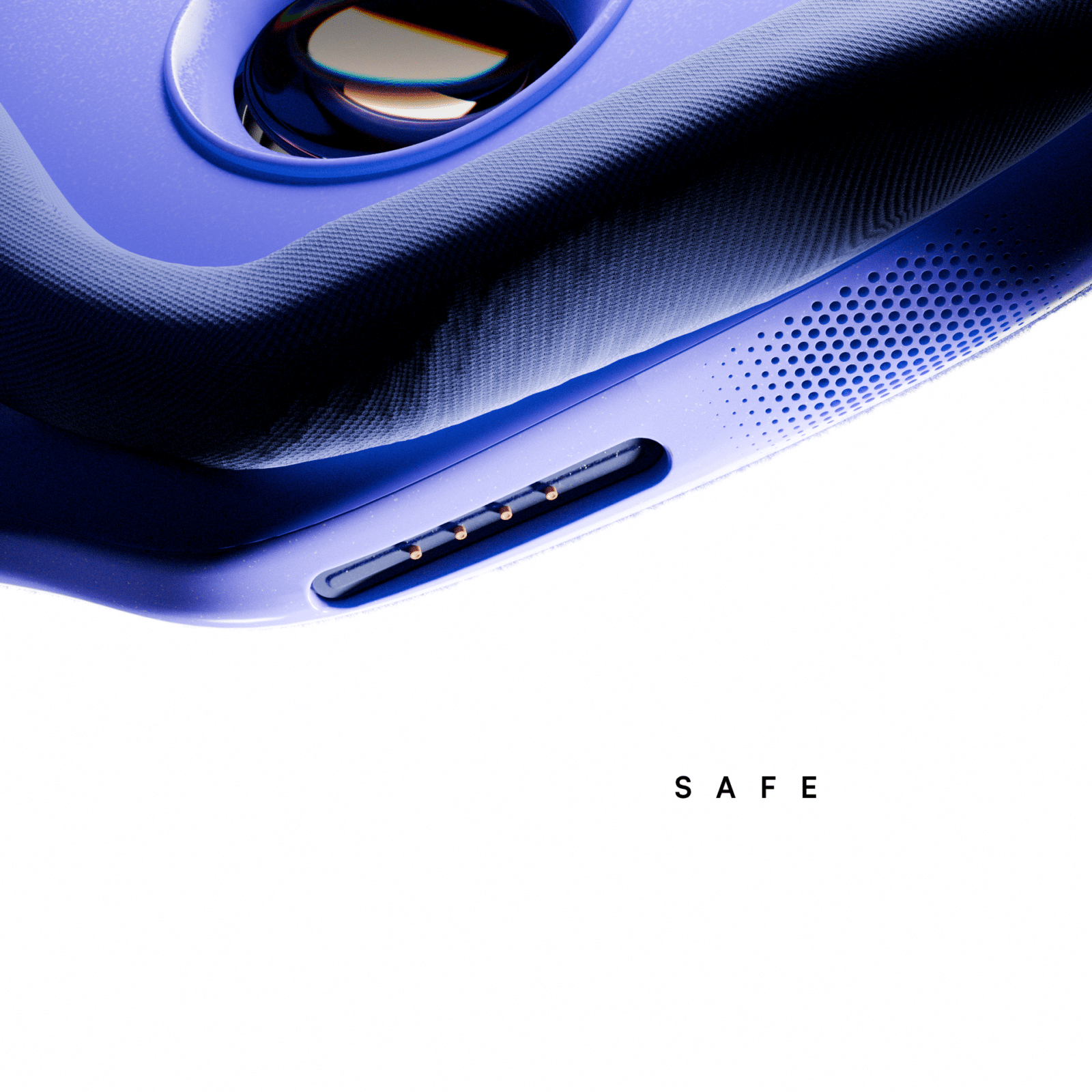
Because of the sensitivity around safety of children’s eyes, any design solution should directly reflect or improve on all safety considerations in the current TGA approved RLRL desktop device from eyerising international. The safety of paediatric eye treatment is multifaceted and extends beyond light therapy concerns alone, such as stability and impact resistance, hygiene, material safety, sharp objects, electrical cable safety, and so on.
Big problems and the smallest details are equally fascinating to Riley Mackay, an industrial designer with an eagerness to learn. Riley enjoys wicked problems through thorough research and considered product design. His real passion lies in 3D modelling and visualisation, where he enjoys bringing ideas to life and communicating the finer details of a design.
"*" indicates required fields