Industrial - Bachelor
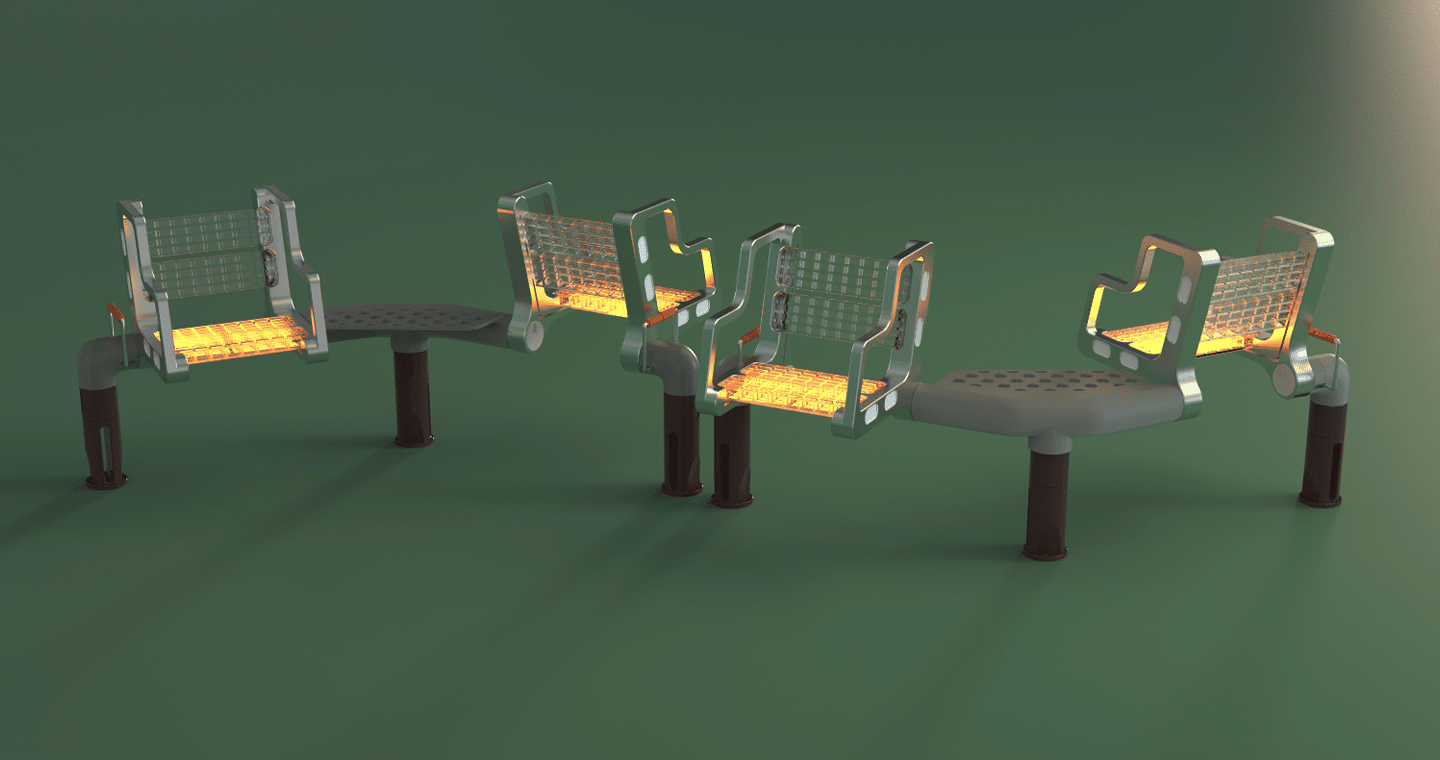
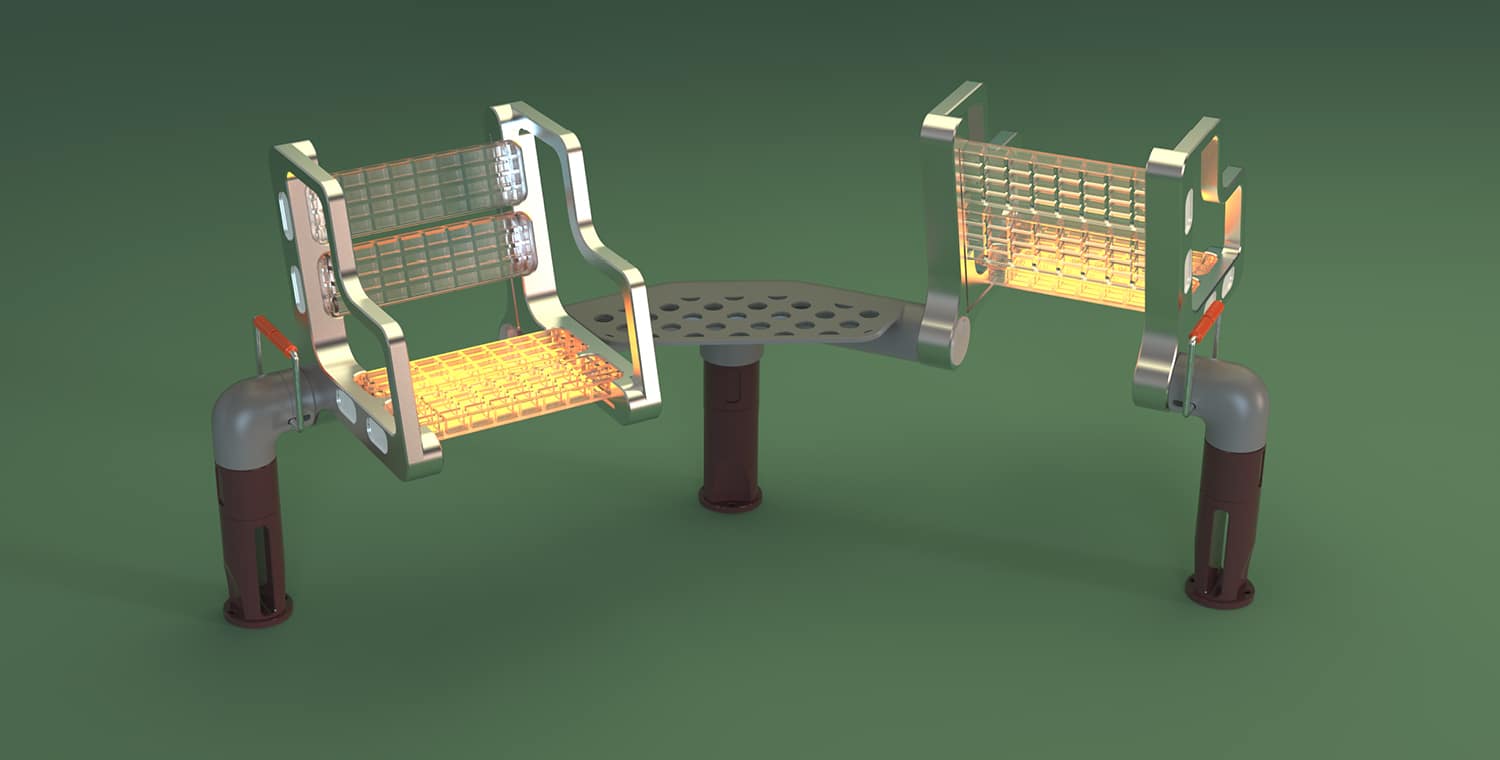
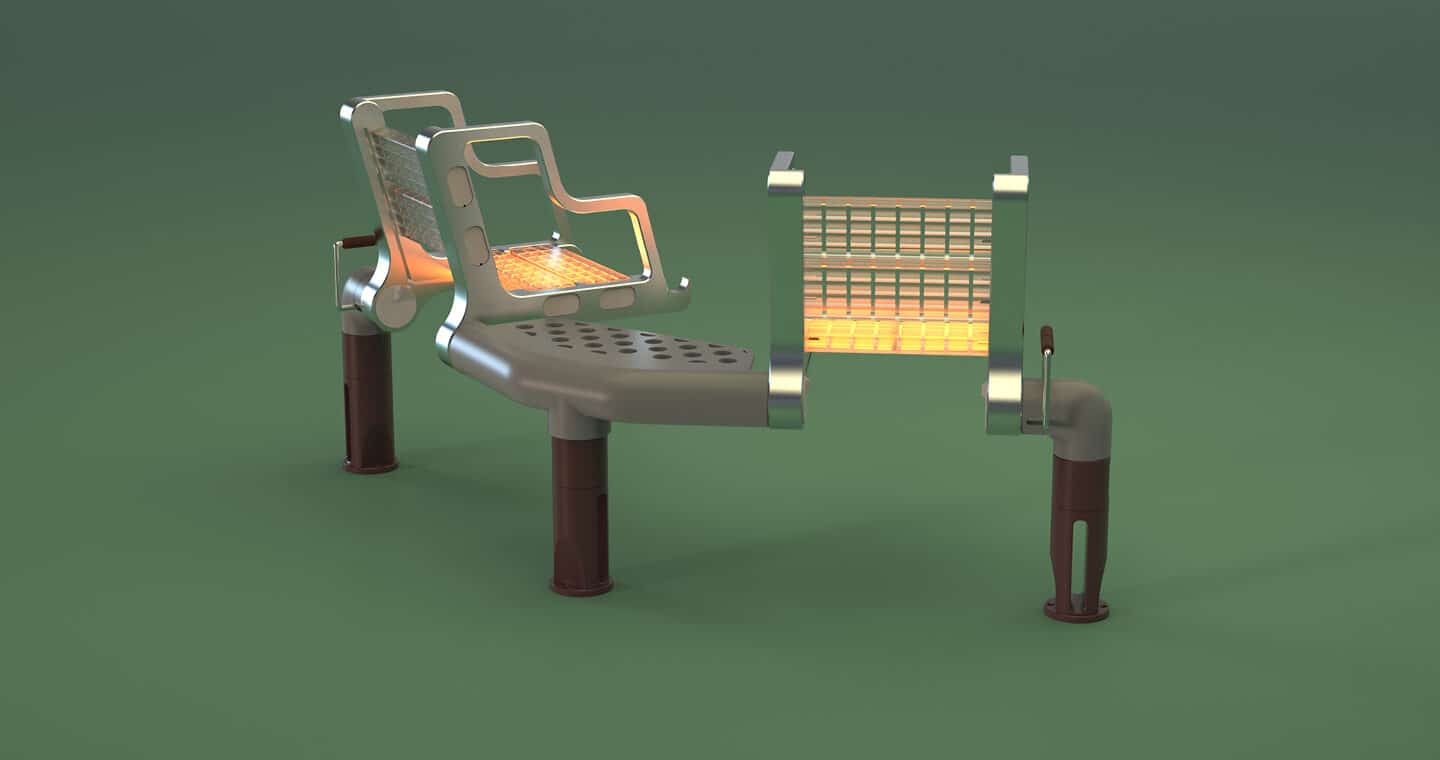
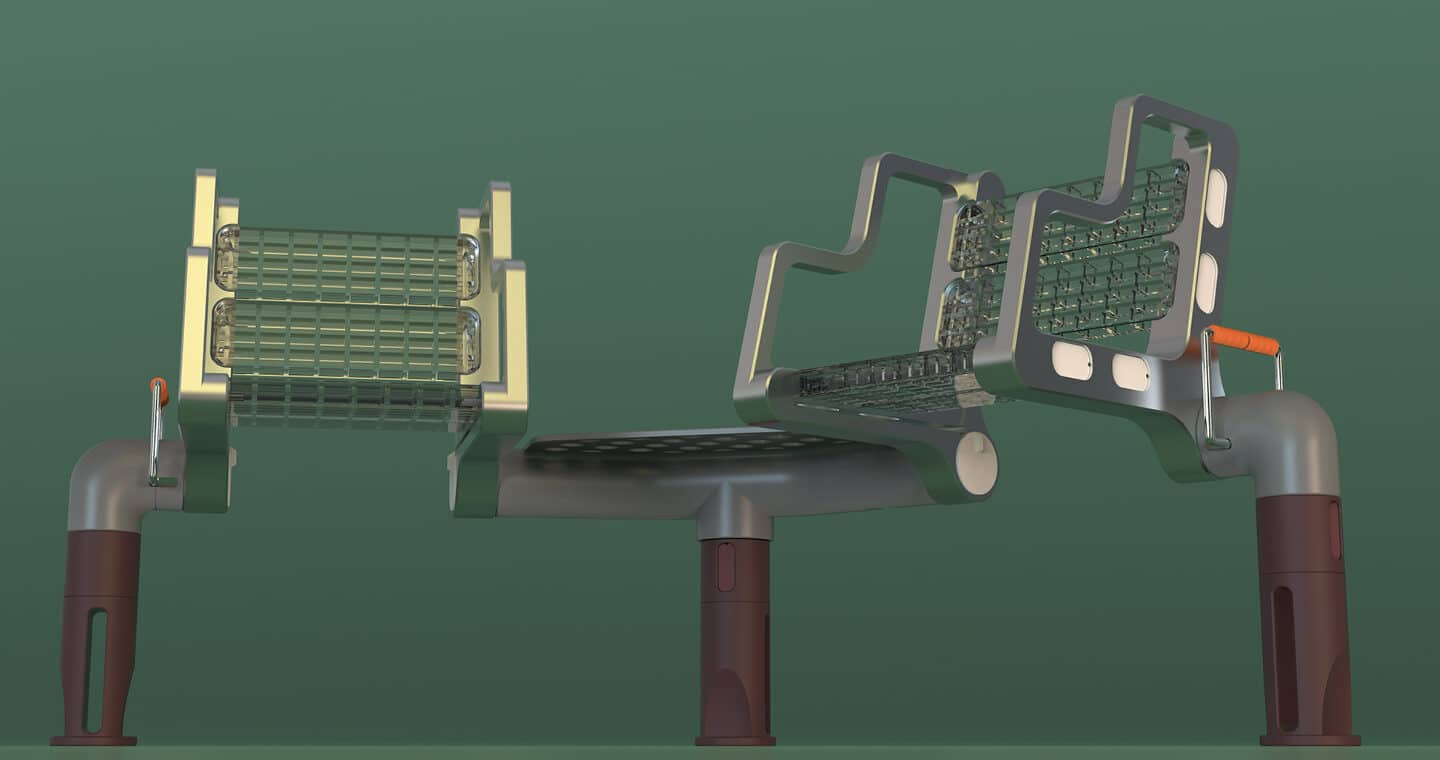
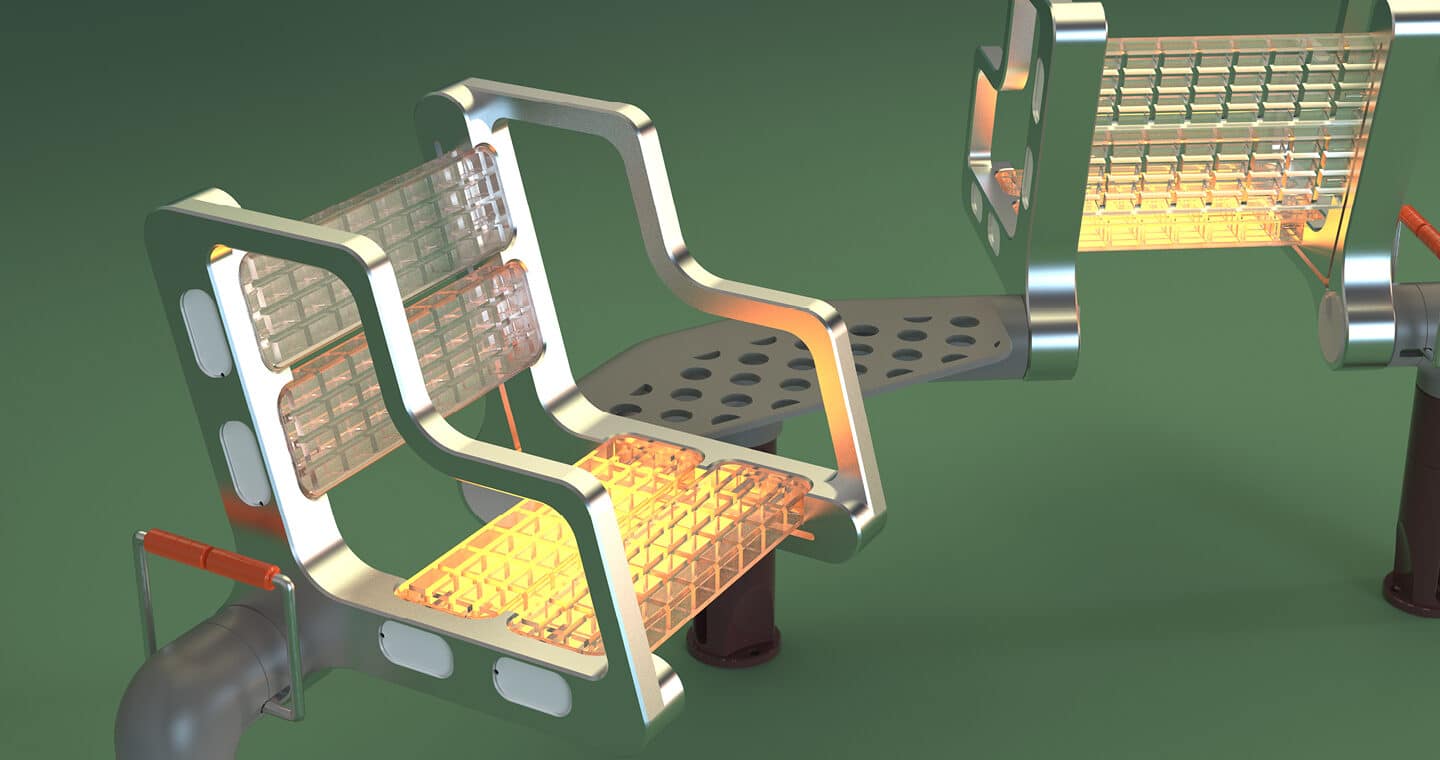
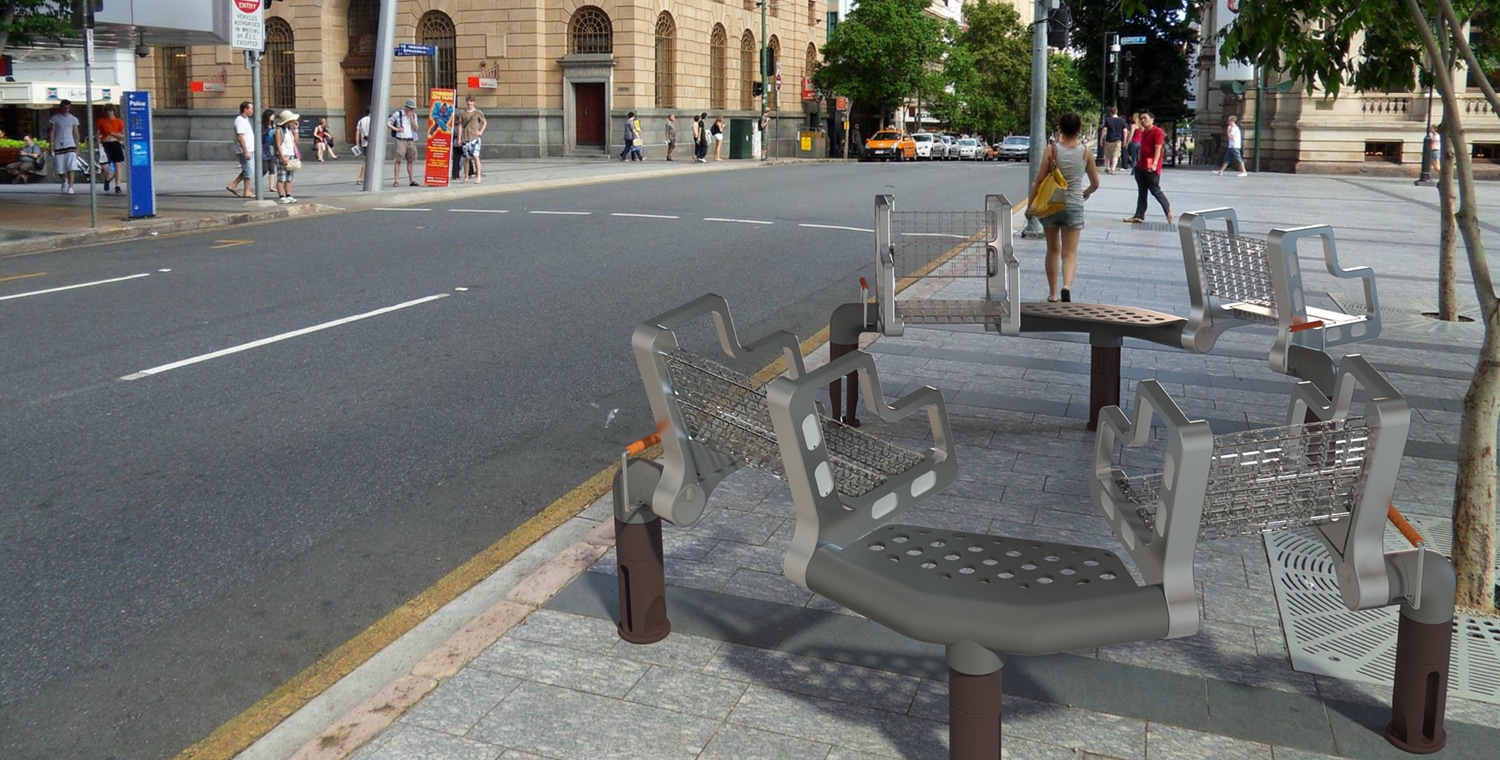
A new design for public facing spaces, the P975 looks to offer a more engaging, innovative and personal form of public seating found in transport facility hubs. The seating looks to improve public transport facilities through a design that serves from both a functional and social standpoint, with the intention of creating spaces that are ideally more comfortable and inviting with their inclusion.
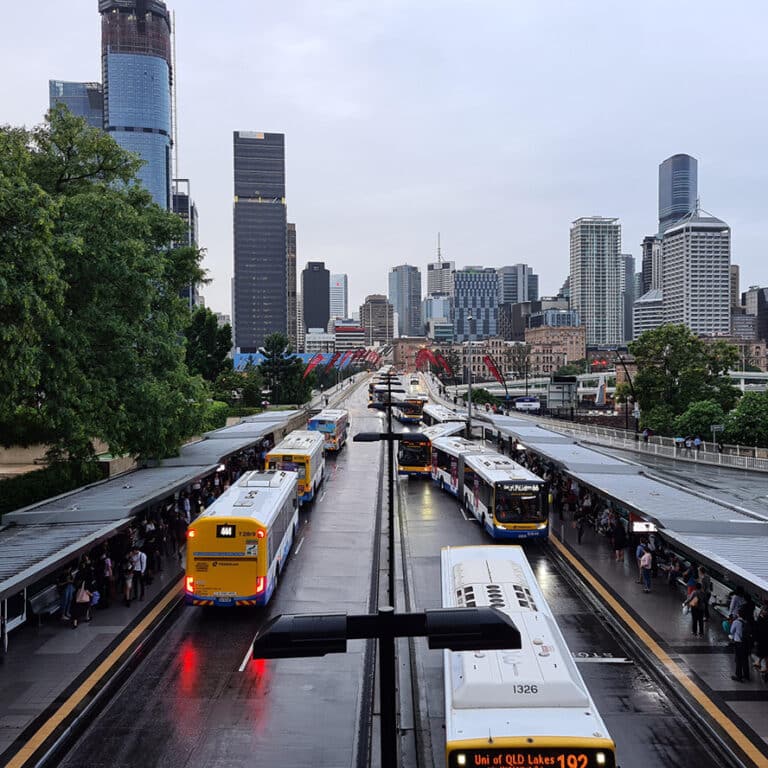
The goal from the outset of this project was improving the sociability and accessibility of the seating found in these facilities, and research revealed that addressing these aspects was far more complex than first perceived. Crucial qualitative data was collected from observations conducted at five locations throughout the Brisbane CBD and a focus group of nine individuals aged 70 and above. The combination of this data uncovered from these research endeavours alongside anthropometric data and standards compliancy became the backbone of the design going forth.
When it comes to the physical support of seating and what users desire, features such as reachable armrests, that provide a stable and clear surface are vital. Adequate backrest support which sits at an appropriate angle and provides a comfortable seating experience while also allowing for greater confidence in sitting-to-standing transitions. Users identified that certain seating examples lacked adequate supportive features and thus led to a lower overall experience with the seat.
Anthropometric data regarding different percentile users as well as Australian Standards, must guide the dimensional decisions made throughout the concept development phase, with particular attention made to the seating height and depth. Utilising anthropometric data will also minimise the need for users to compensate for a design, mitigated through a consideration of seat geometry and supportive features that can provide users more independence and ease in their interaction and transferring in the seat.
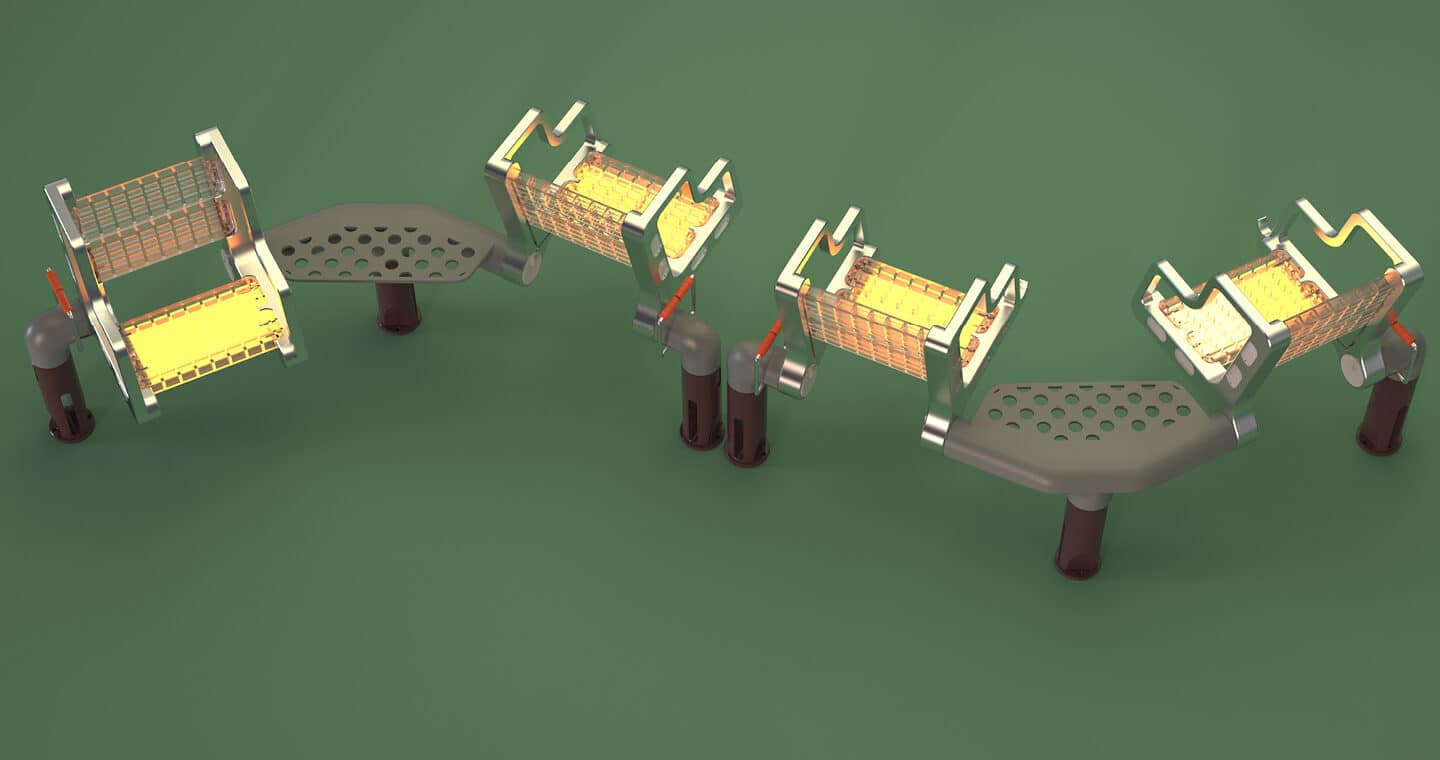
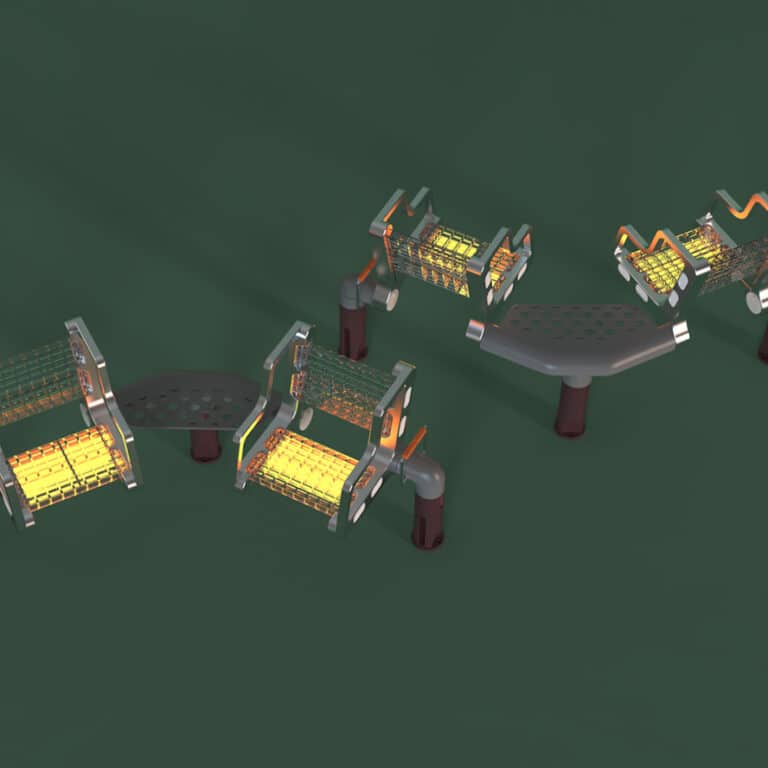
Clearly defined seating that is addressed through considered anthropometric data, implementation of way-finding and material choices that indicate seating surfaces. Alongside this, having variety in social layout that allows users to opt for sharing a bench with a stranger or be separated. The seating geometry needs to urge users to share seating with others that through slight adjustments in orientation in the layout to better accommodate for couples or groups.
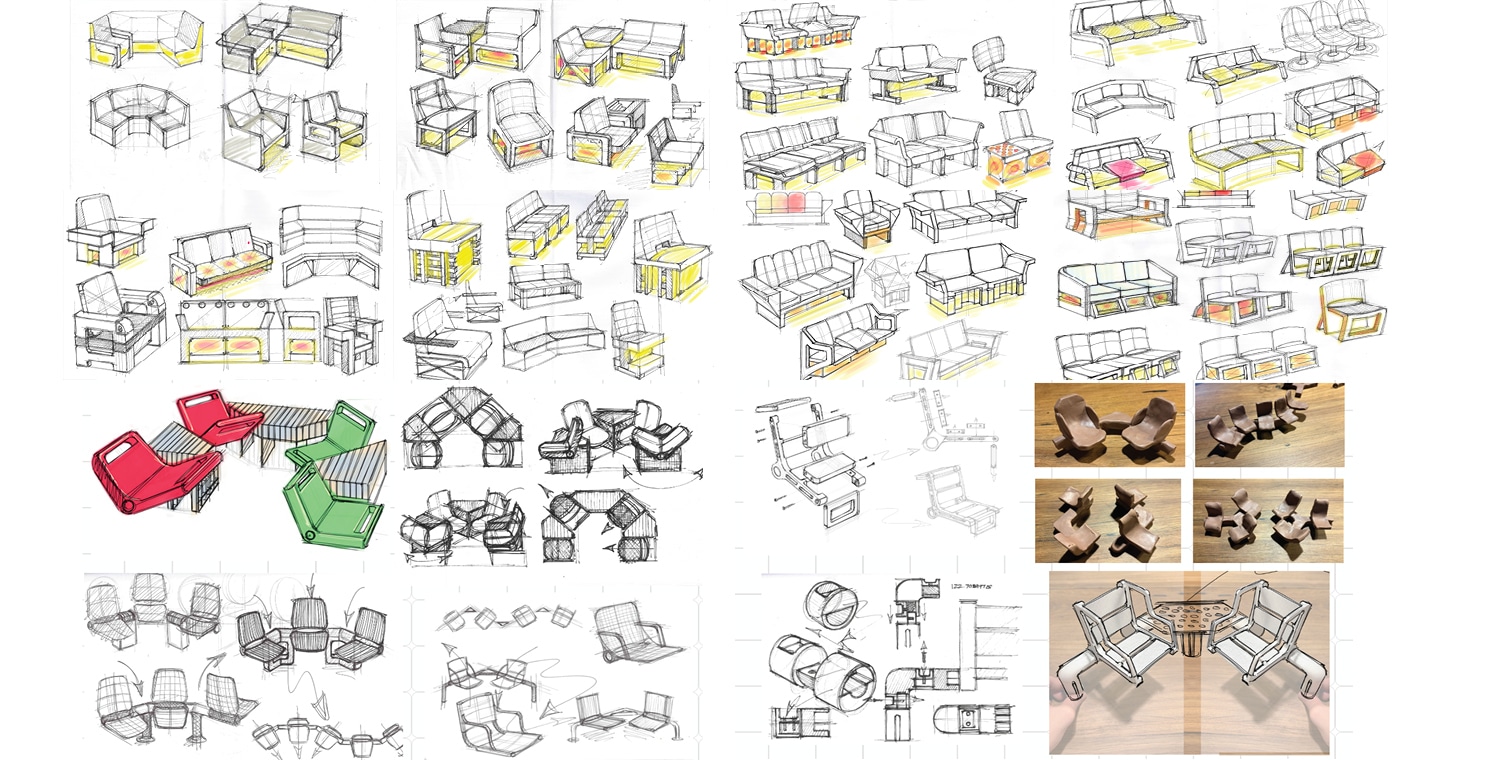
The design process took direct influence and guidance from the data identified in the research phases of the project. Initial ideation began with exploring form and function, how these elements intersect and how they could impact my design.
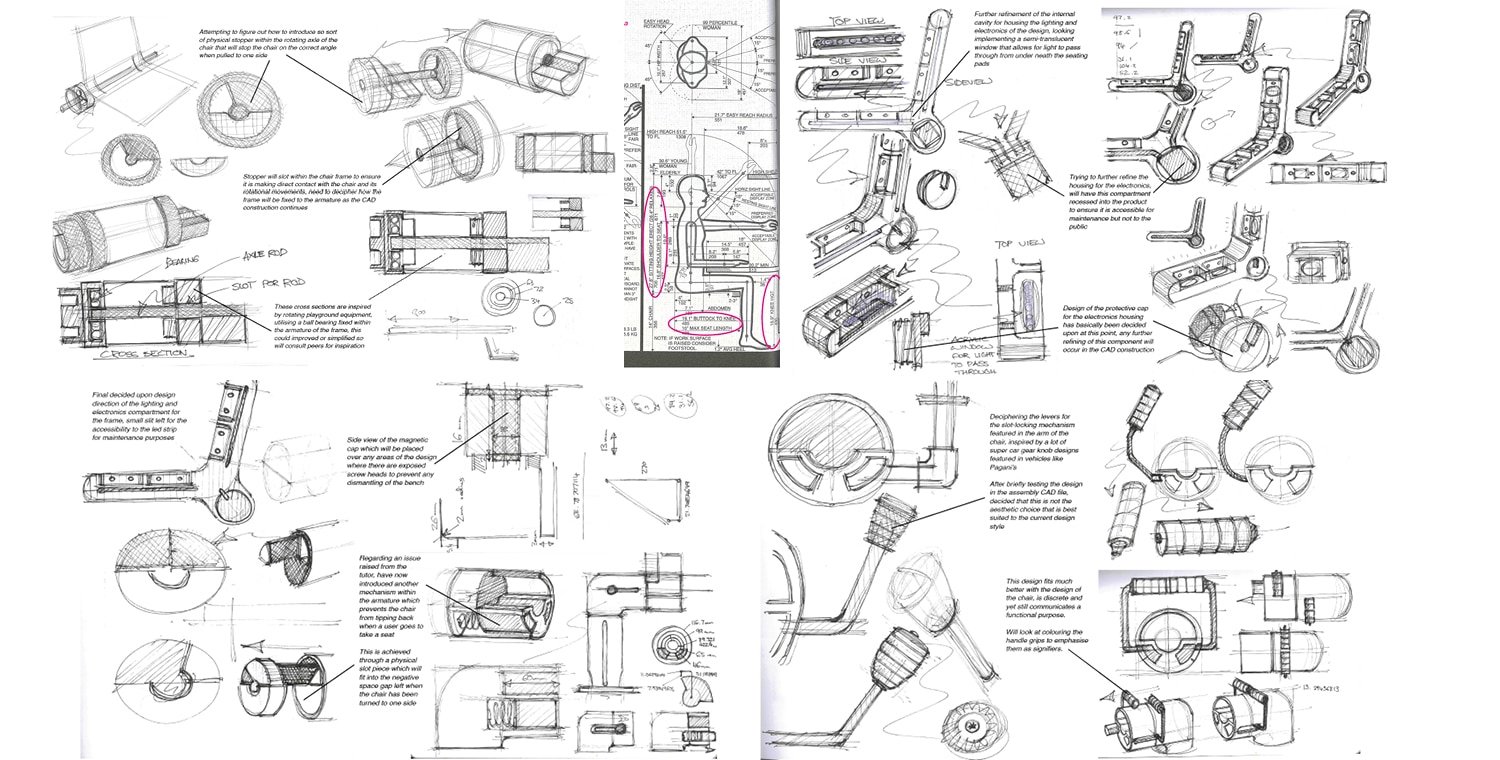
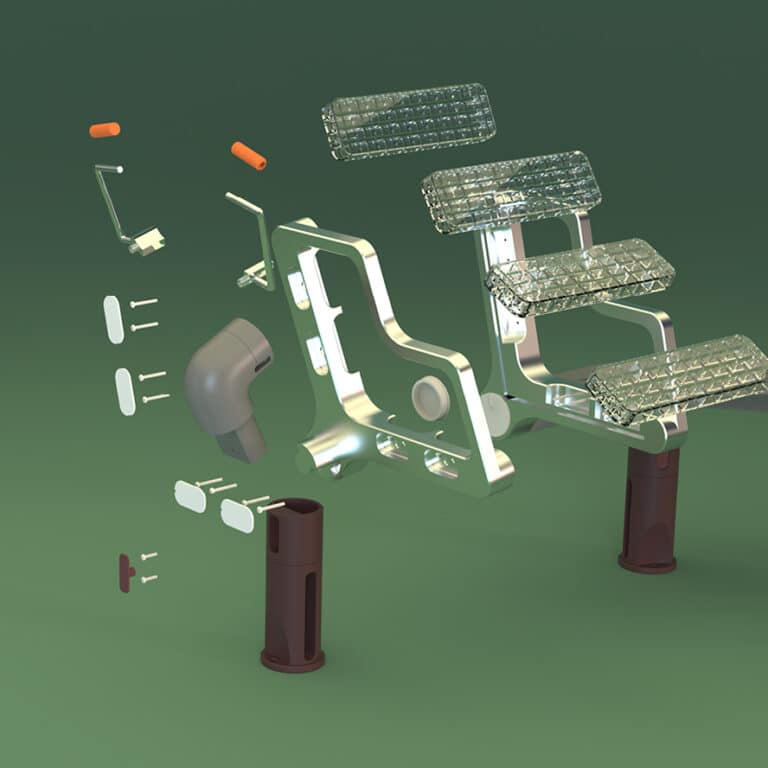
As the ideation process became more specific, more details such as manufacturing considerations and dimensional decisions were made as the project moved into the CAD development and subsequent final design.
A new form of public seating design for public facing spaces, the P975 looks to offer a more engaging, innovative and personal form of public seating found in transport facility hubs that can accomodate for both different physical abilities and social preferences. Built for the next generation, the P975 looks to improve not just existing public transport spaces from a functional standpoint but also from a social standpoint, creating spaces that are more comfortable and inviting to substantially enhance there usability.
Askin is a driven, creative and up-and-coming designer who strives to make meaningful comments or connections through his output. His skills lean towards visual presentation and aesthetics, however he is well versed in areas of art and design history. Both of these characteristics lend him the skillset to both visually and verbally communicate designs in a unique manner.
"*" indicates required fields