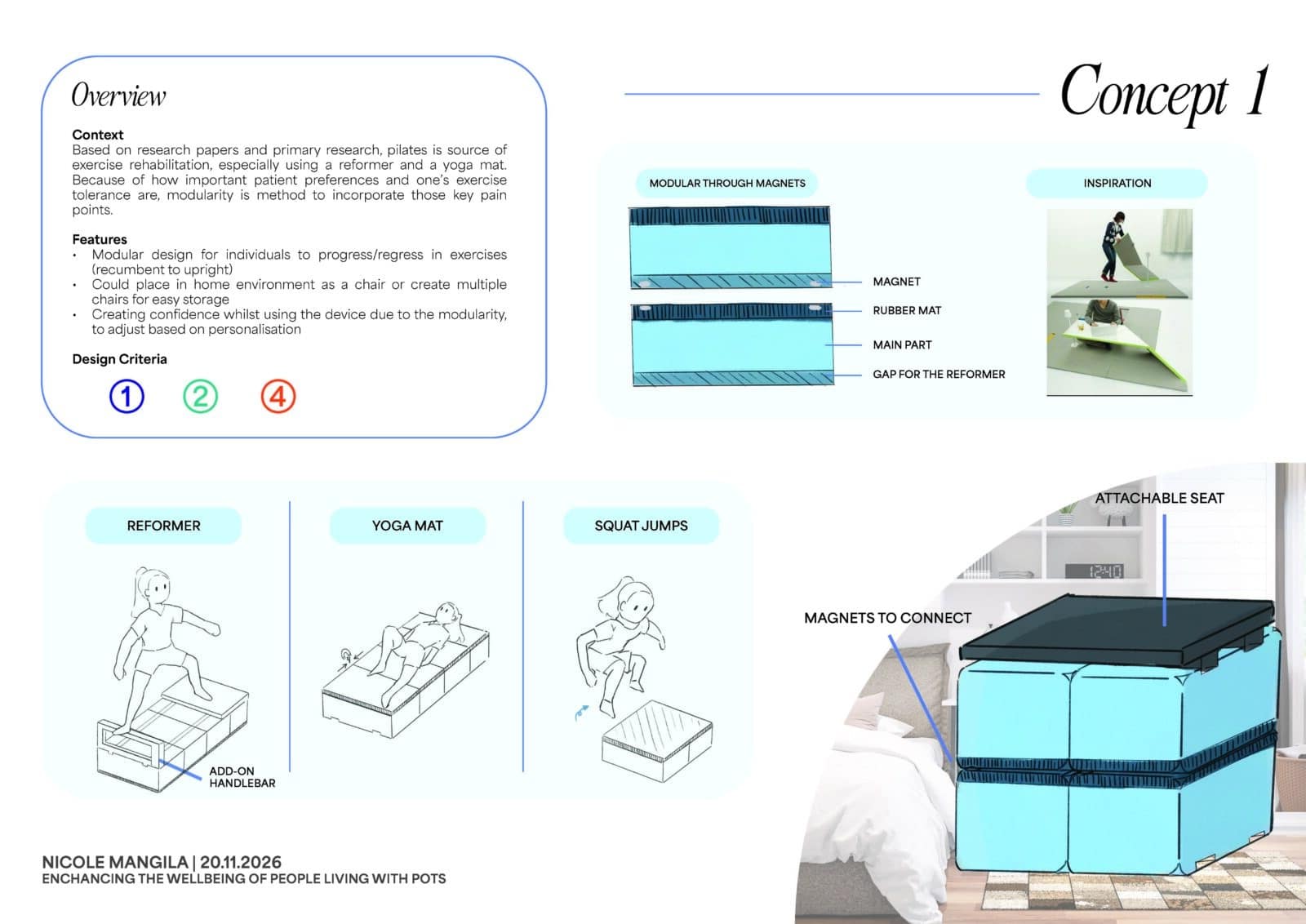
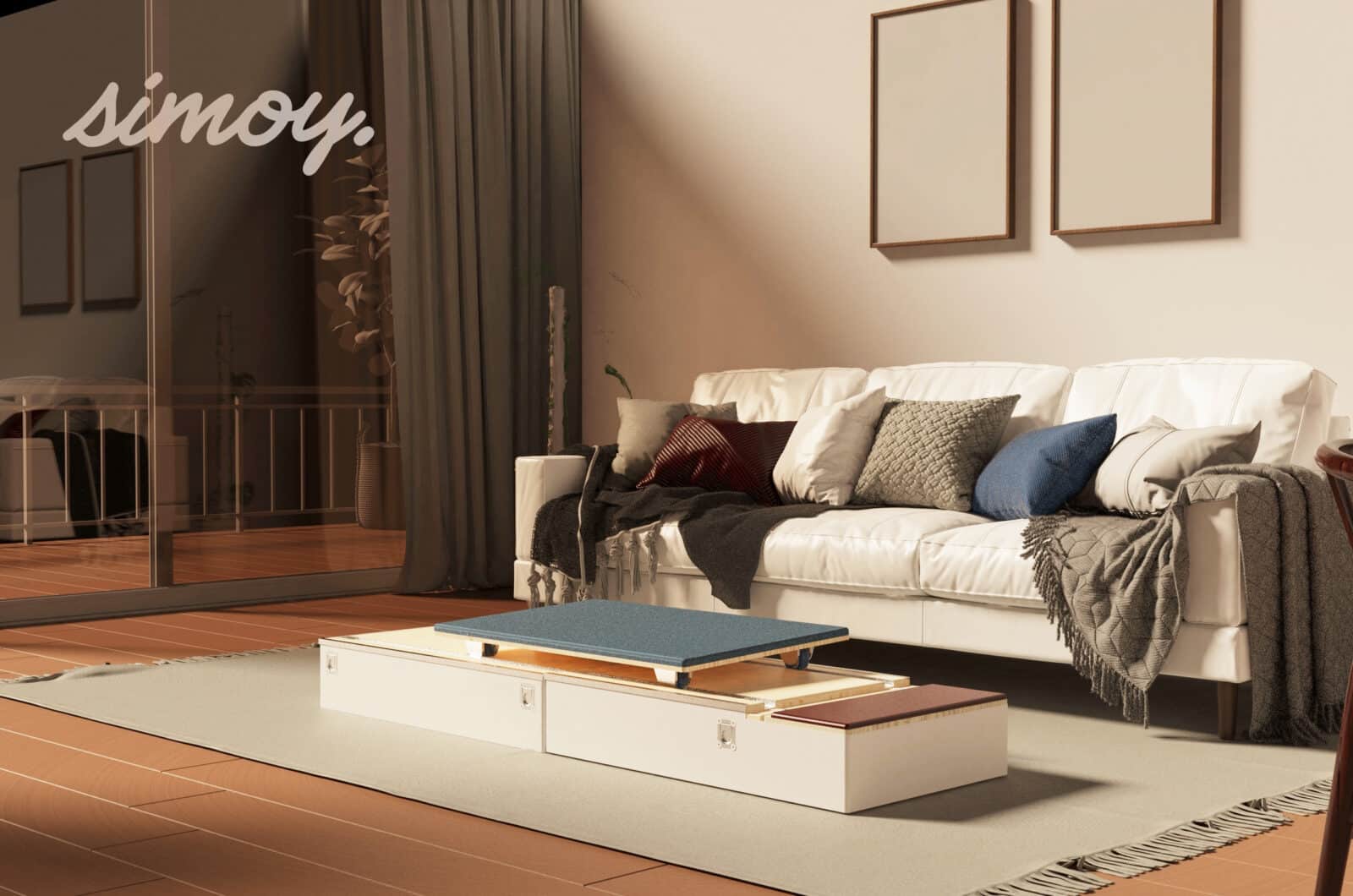
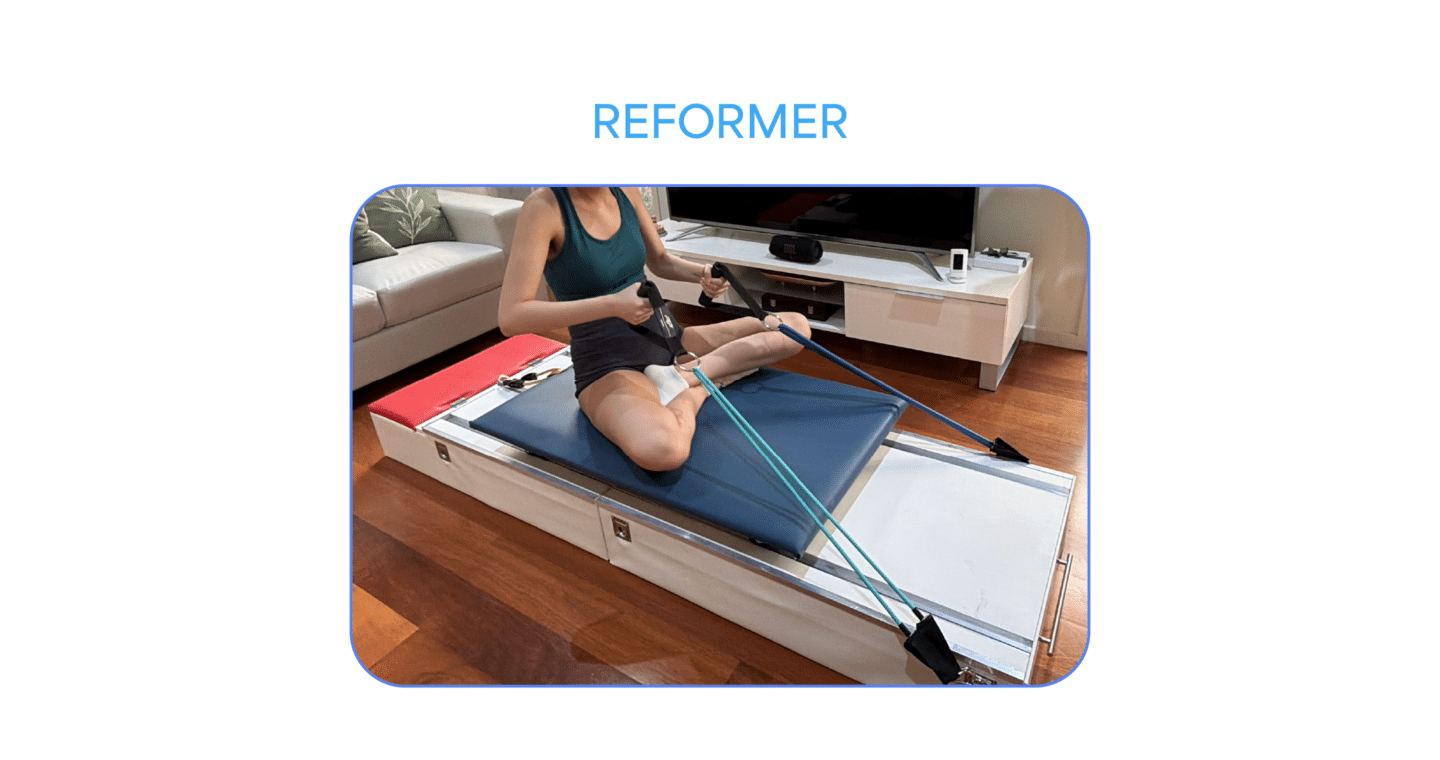
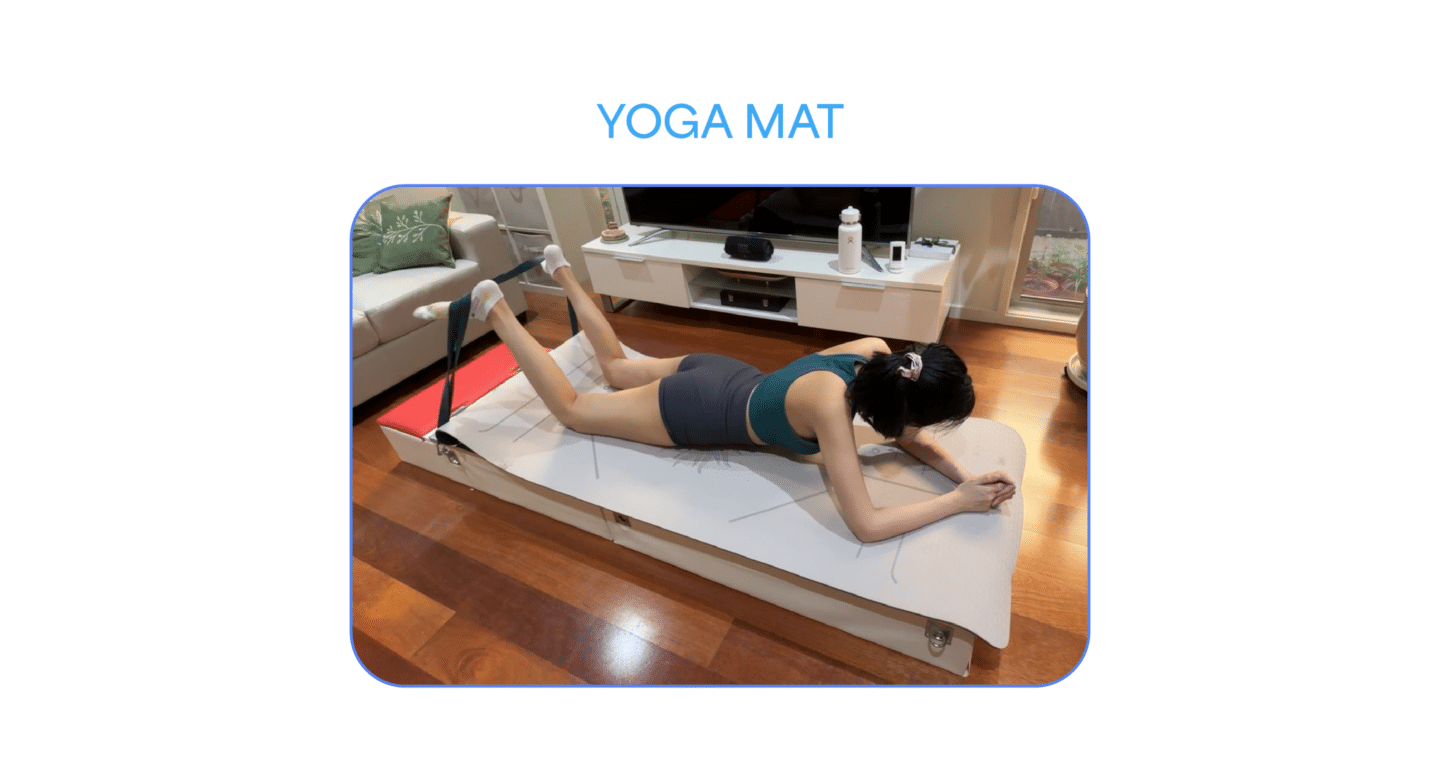
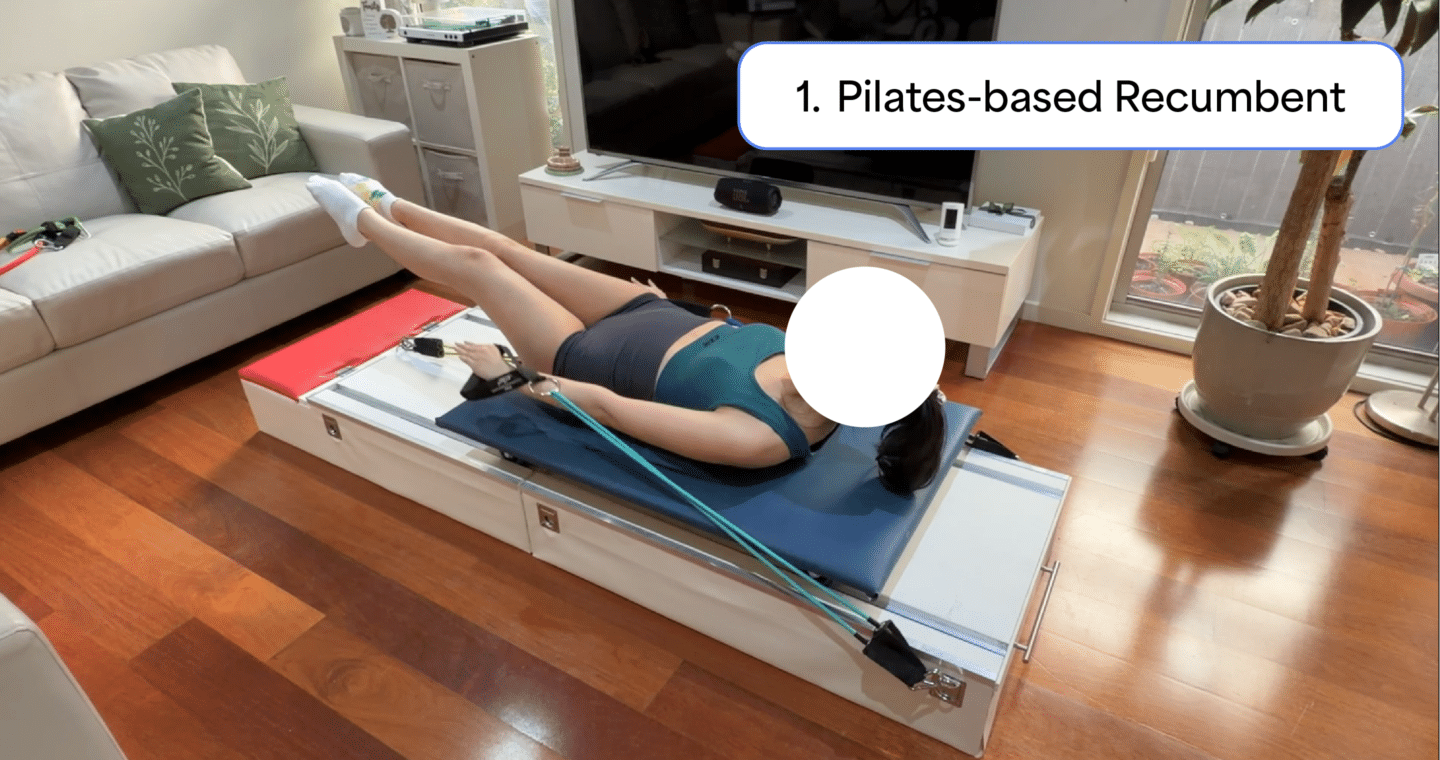
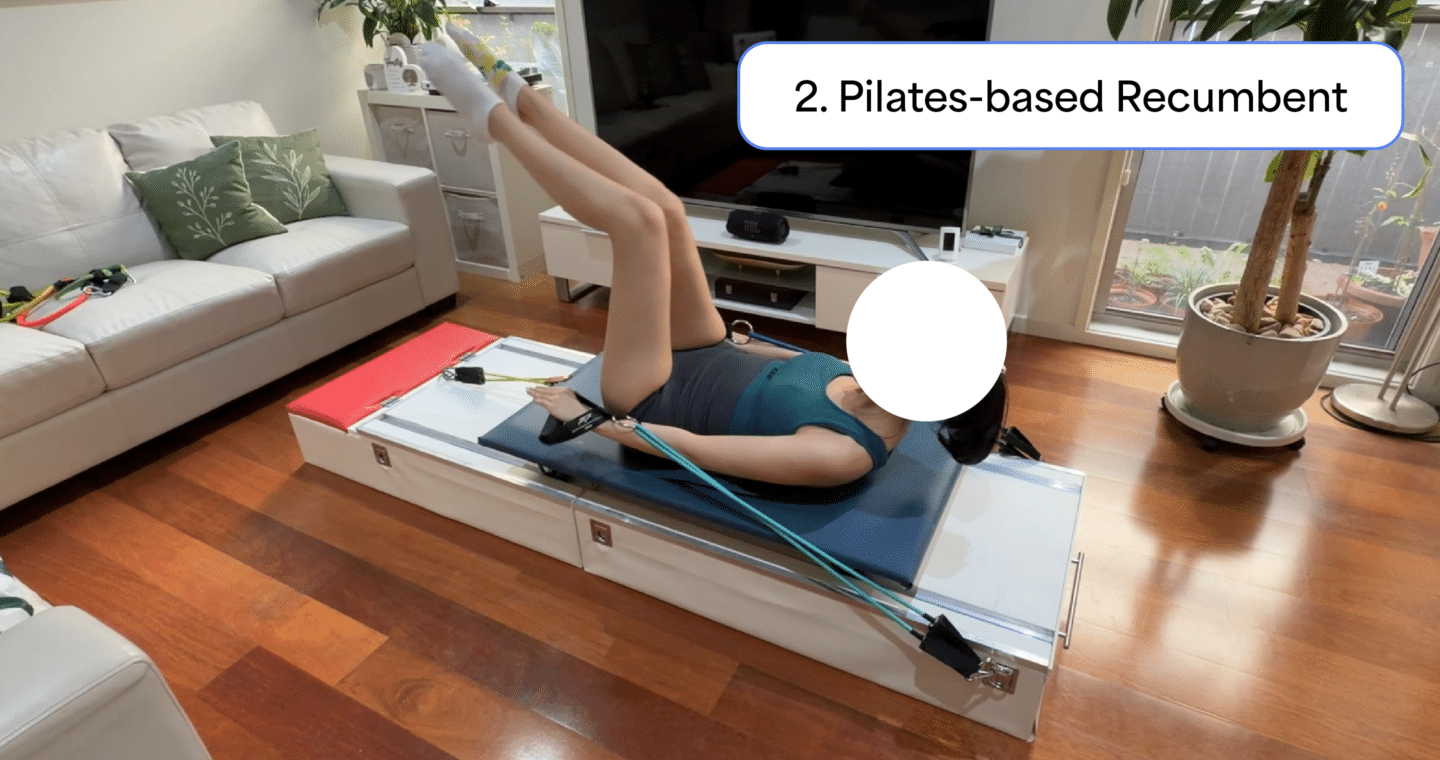
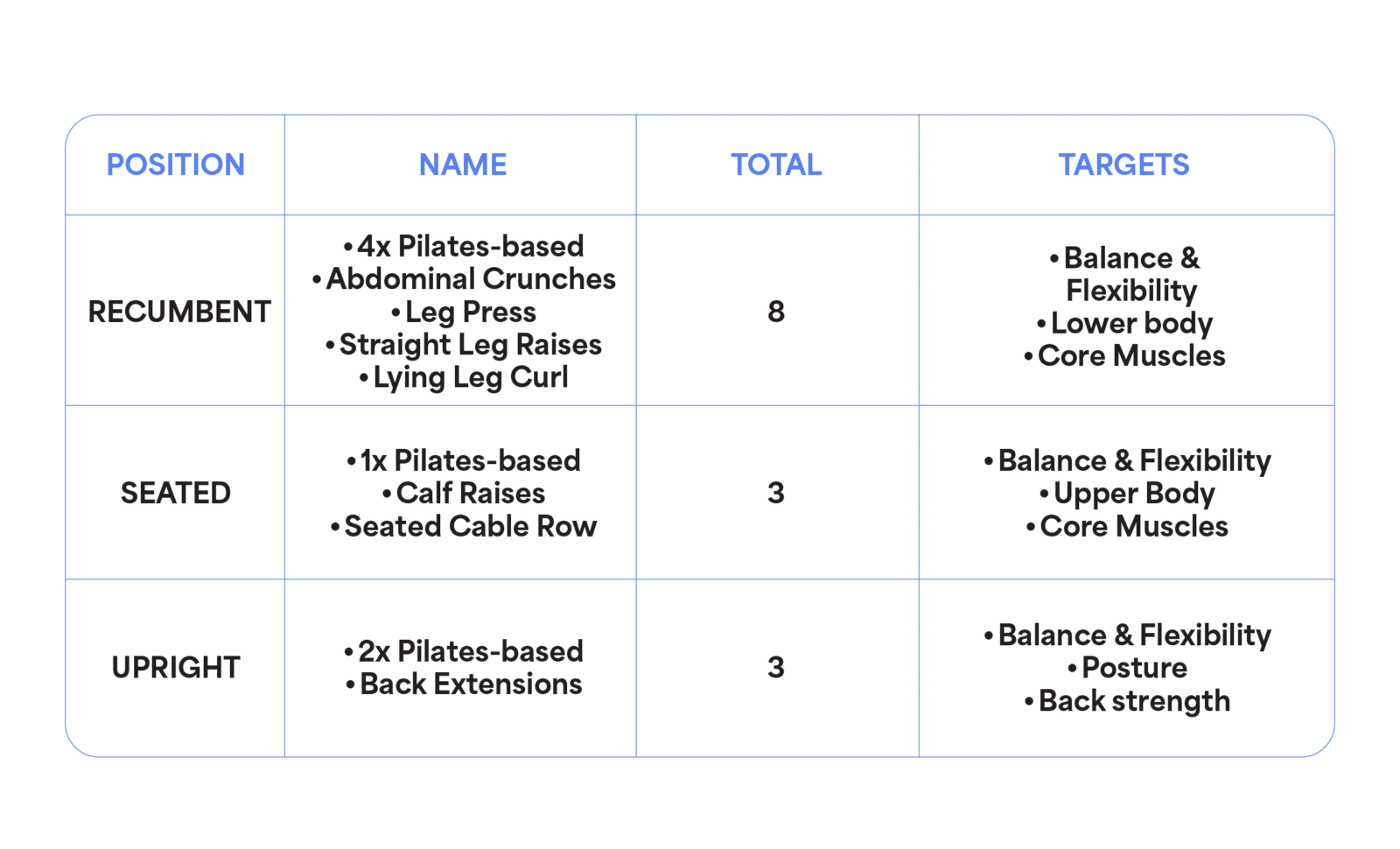
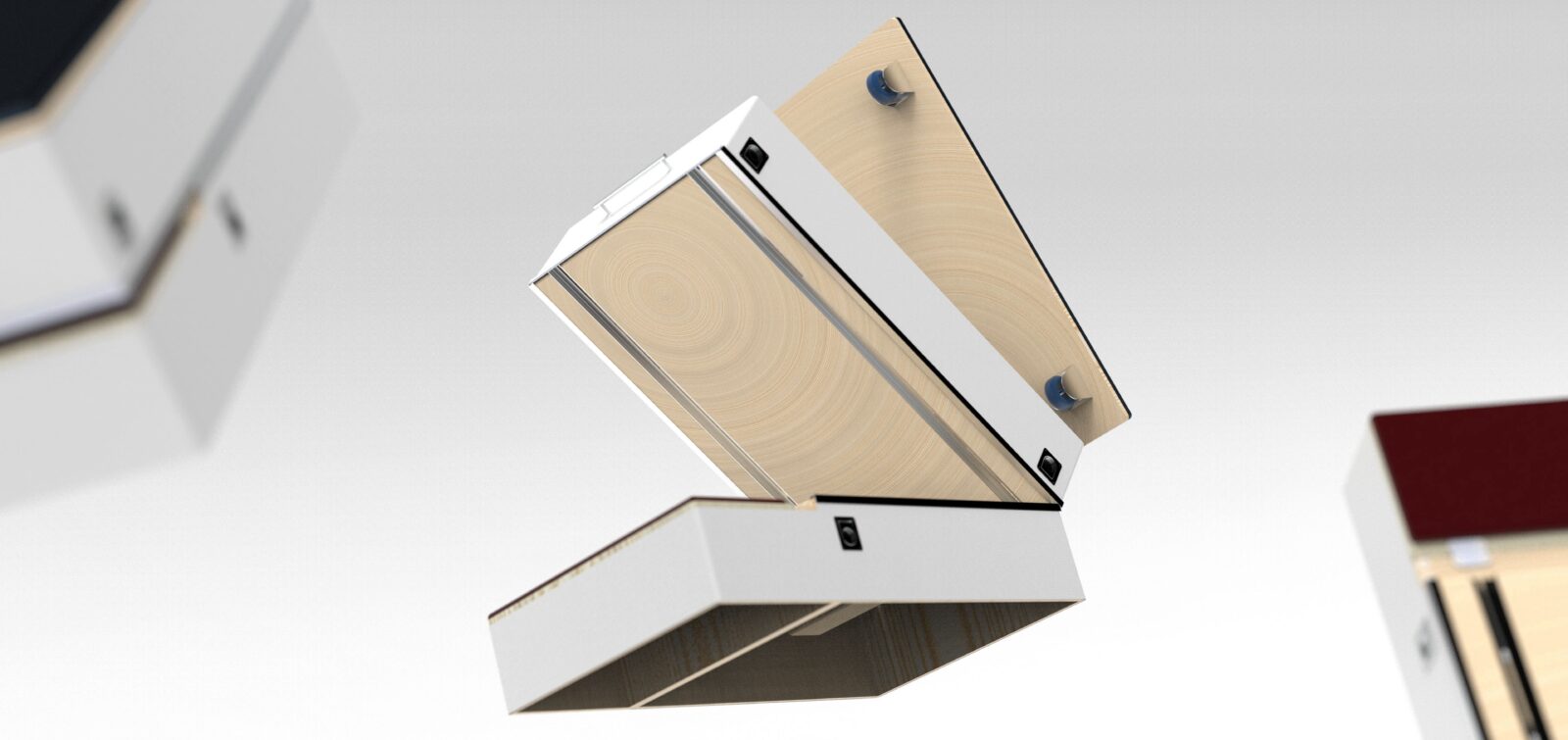
Simoy redefines exercise rehabilitation for people living with POTS by combining accessibility, modularity, and furniture into one adaptable system. Transforming between an ottoman, reformer, and yoga mat, it supports up to 14 exercise variations across recumbent, seated, and upright positions, making rehabilitation more accessible, affordable, and flexible.
Exercise is one of the most effective interventions for managing POTS, yet rehabilitation often remains expensive, inaccessible, or dependent on specialist support. Simoy strives to make rehabilitation available beyond the clinic, empowering people to build strength, confidence, and independence through movement from home.
What is POTS?
Postural Orthostatic Tachycardia Syndrome (POTS) is a chronic disorder of the autonomic nervous system that causes an abnormal increase in heart rate when moving from lying down to standing. Common symptoms include dizziness, fatigue, light-headedness, brain fog, exercise intolerance and fainting. These symptoms can significantly impact daily activities and quality of life. While there is no cure, structured exercise rehabilitation is widely recognised as an effective strategy for improving cardiovascular function, symptom management, and overall wellbeing.
Why Accessible AND MODULAR Exercise Rehabilitation
Delayed Diagnosis in POTS
With an average diagnostic delay of 6.9 years in Australia, many people living with POTS spend years without appropriate support. As exercise is a cornerstone of symptom management, accessible home-based rehabilitation can help individuals maintain strength and function without relying solely on specialist-led treatment.
Concurrent Conditions
Many people living with POTS also experience concurrent conditions such as Ehlers-Danlos Syndrome (EDS), chronic fatigue syndrome (ME/CFS), migraines, and autoimmune disorders. These conditions can further impact mobility, energy levels, and access to rehabilitation, highlighting the need for adaptable exercise solutions that can accommodate varying levels of ability and symptom severity.
Physical Deconditioning
When people living with POTS spend prolonged periods resting, sitting, or lying down to avoid symptoms such as dizziness and fatigue, they can experience physical deconditioning over time. This often leads to reduced cardiovascular fitness, loss of muscle mass, and worsening exercise intolerance, creating a cycle in which everyday activities become increasingly difficult. Accessible exercise rehabilitation is essential for safely rebuilding strength and endurance, helping individuals manage symptoms while improving their overall quality of life.
Financial Stress
For many people living with POTS, the cost of managing their condition extends beyond medical expenses. Australians with POTS lose an average of $40,000 in personal income each year, while carers lose approximately $21,000 annually due to reduced work capacity and ongoing care responsibilities. Accessible home-based rehabilitation can help reduce the need for frequent specialist visits, lowering associated costs and making long-term exercise therapy more attainable and sustainable.
“When you meet a person with POTS, it is one person with POTS”
Caelum Schild – Senior Exercise Physiologist / Partner at LOFTY HEALTH AND WELLNESS
clinician recommended exercise progression
According to Gonçalves Leite Rocco et al. (2024) in the Journal of Multidisciplinary Healthcare, the recommended clinical progression for POTS rehabilitation begins with low-intensity recumbent exercise (laying down) to build cardiovascular fitness. As individuals adapt, they gradually transition to upright exercises to improve endurance and functional tolerance to standing activities. Finally, resistance training is incorporated to strengthen the lower body and core muscles, enhancing circulation, stability and overall physical function.
Below are the recommended exercises for POTS rehabilitation:
RECUMBENT EXERCISES (EXC. Pilates)
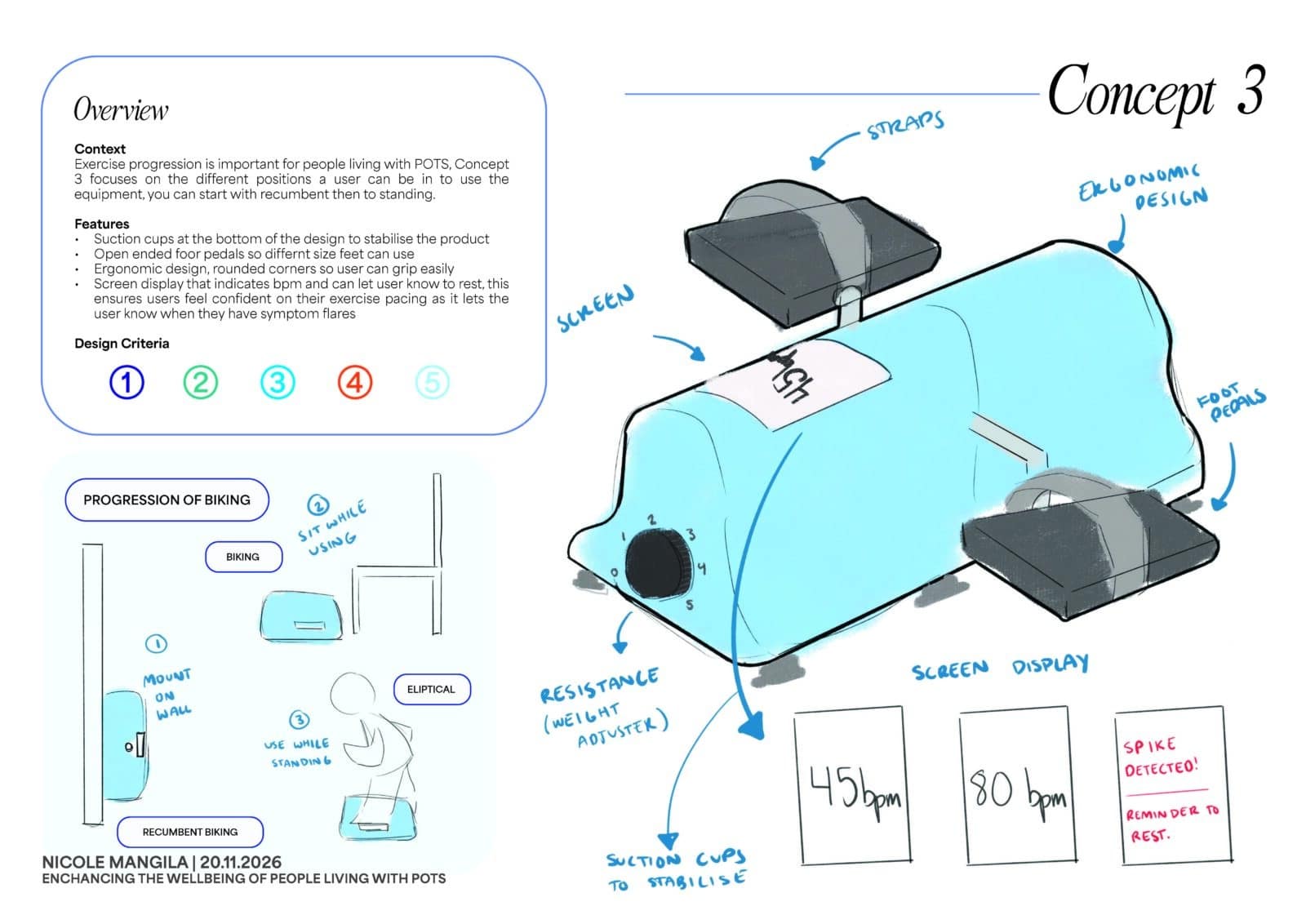
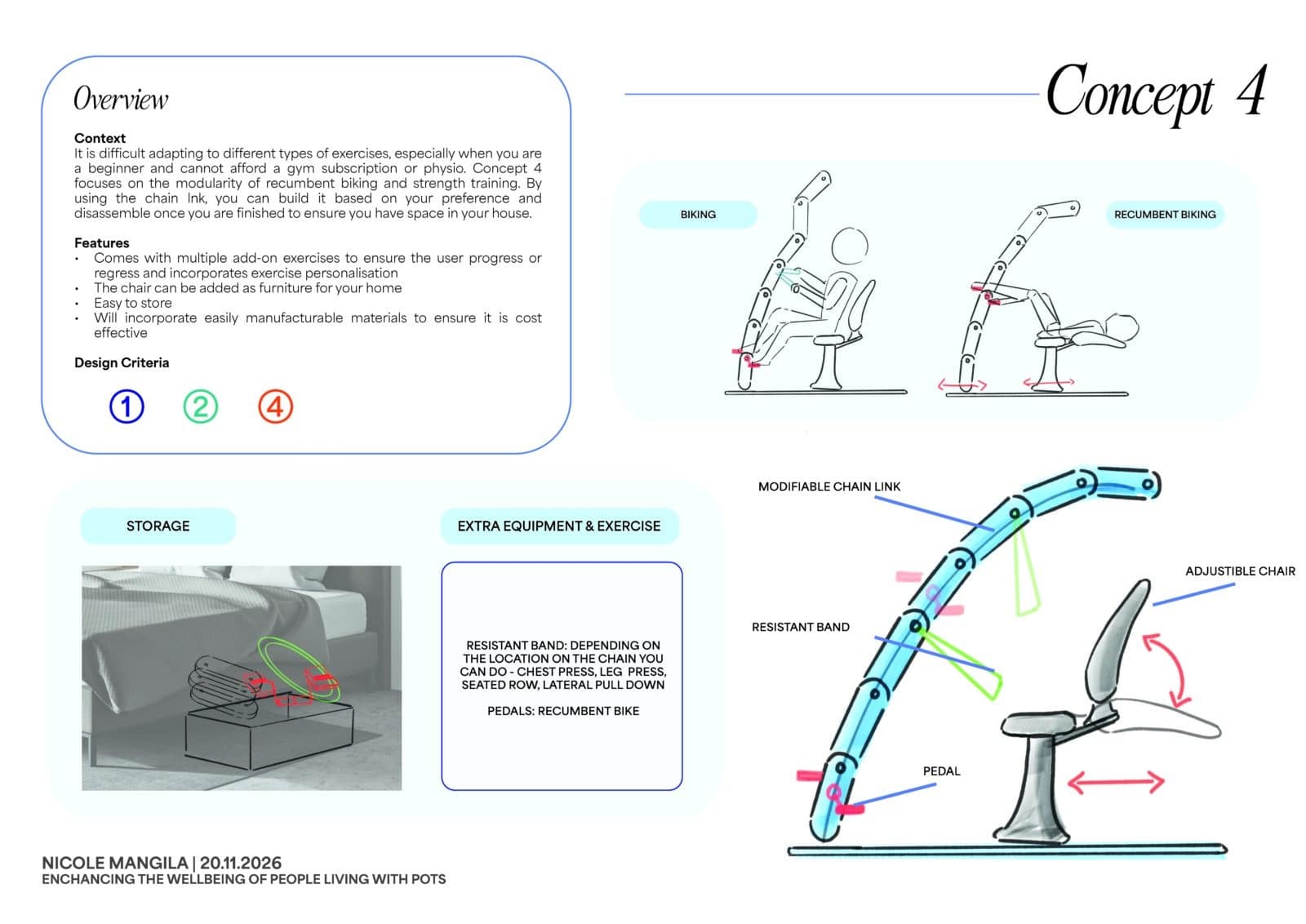
Recumbent Biking: This helps improve cardiovascular fitness without the strain of standing.
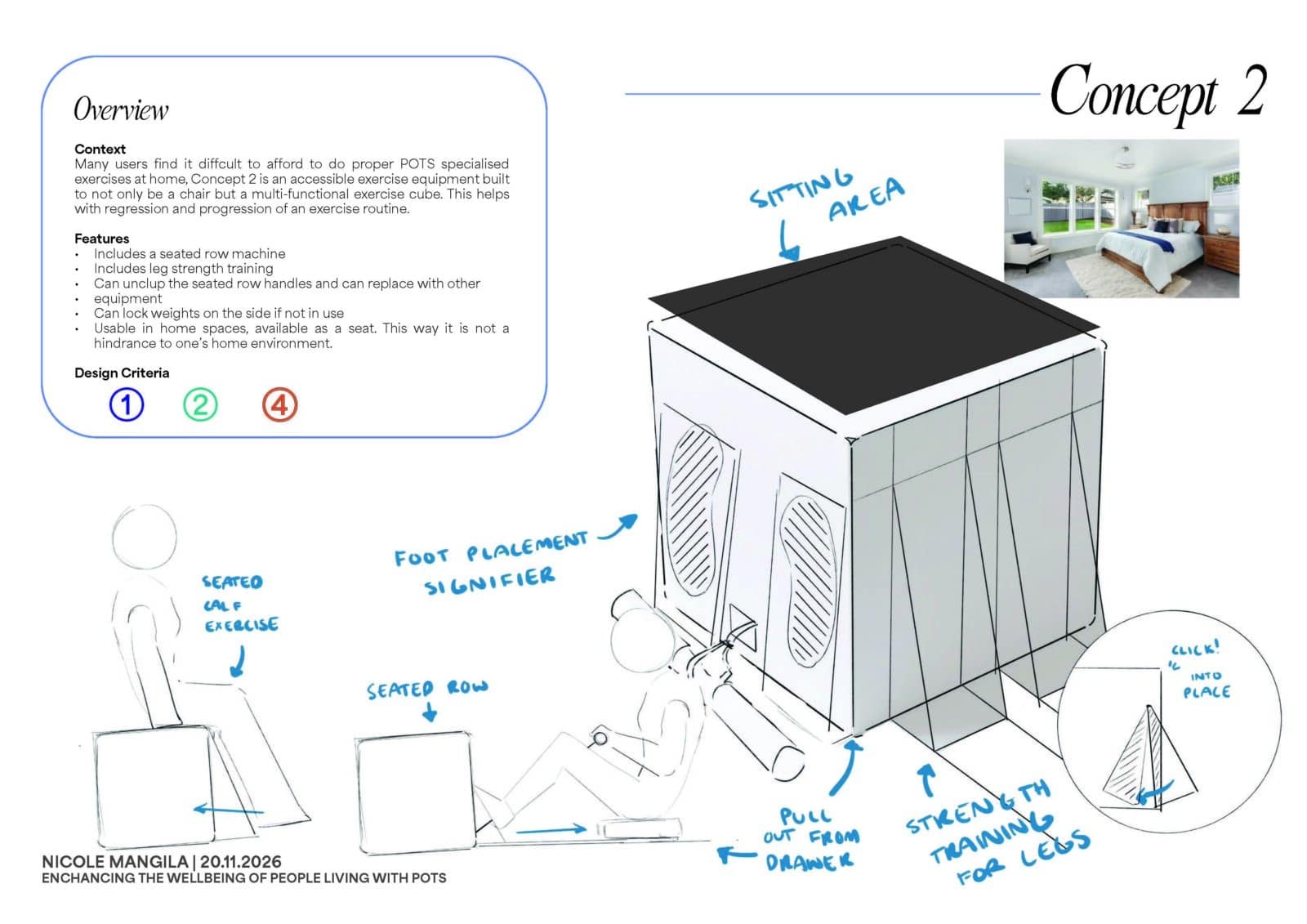
Rowing: Using a rowing machine can strengthen your heart and improve overall endurance.
Swimming: Swimming or using a kickboard in the pool provides a full-body workout while keeping you in a horizontal position
STRENGTH TRAINING
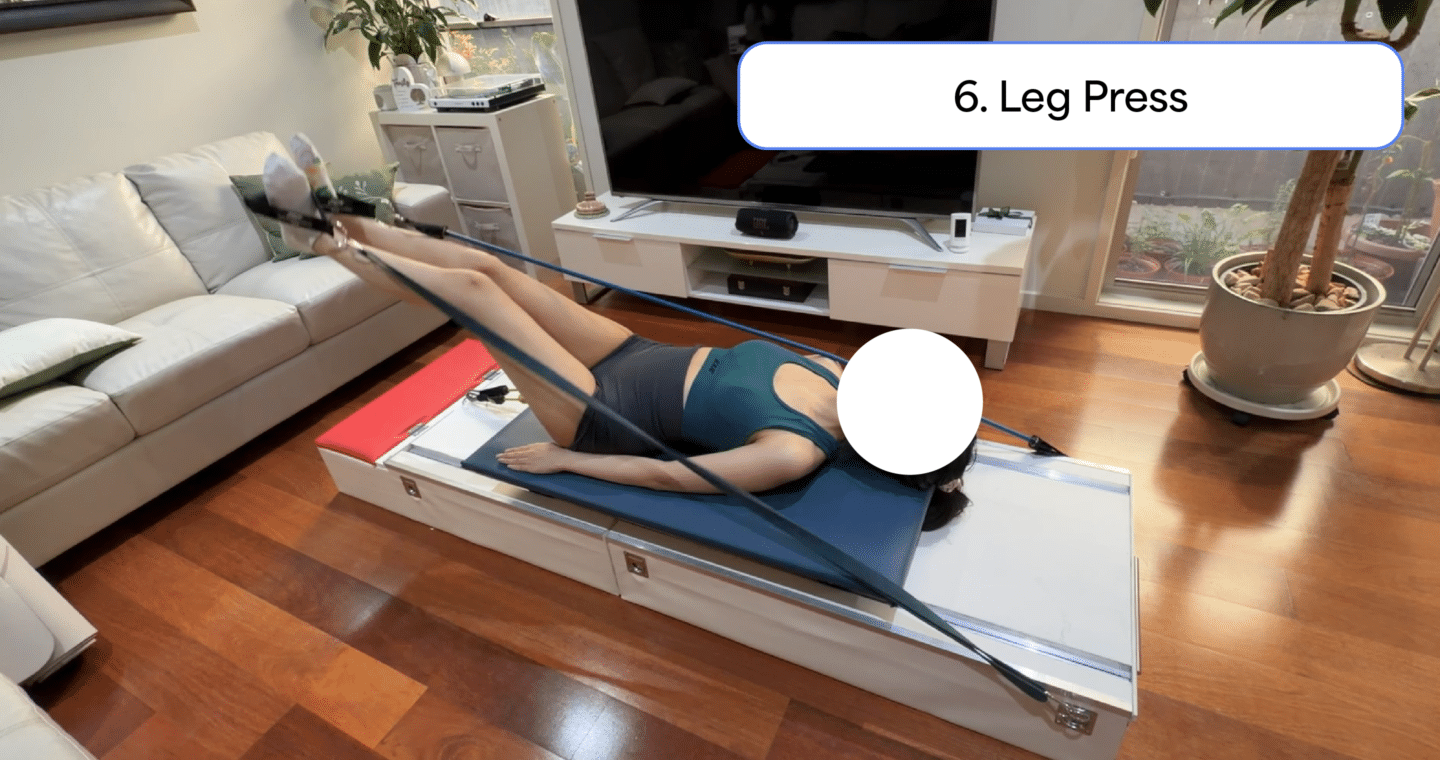
Seated Leg Press: Strengthens the lower body, which helps with blood circulation.
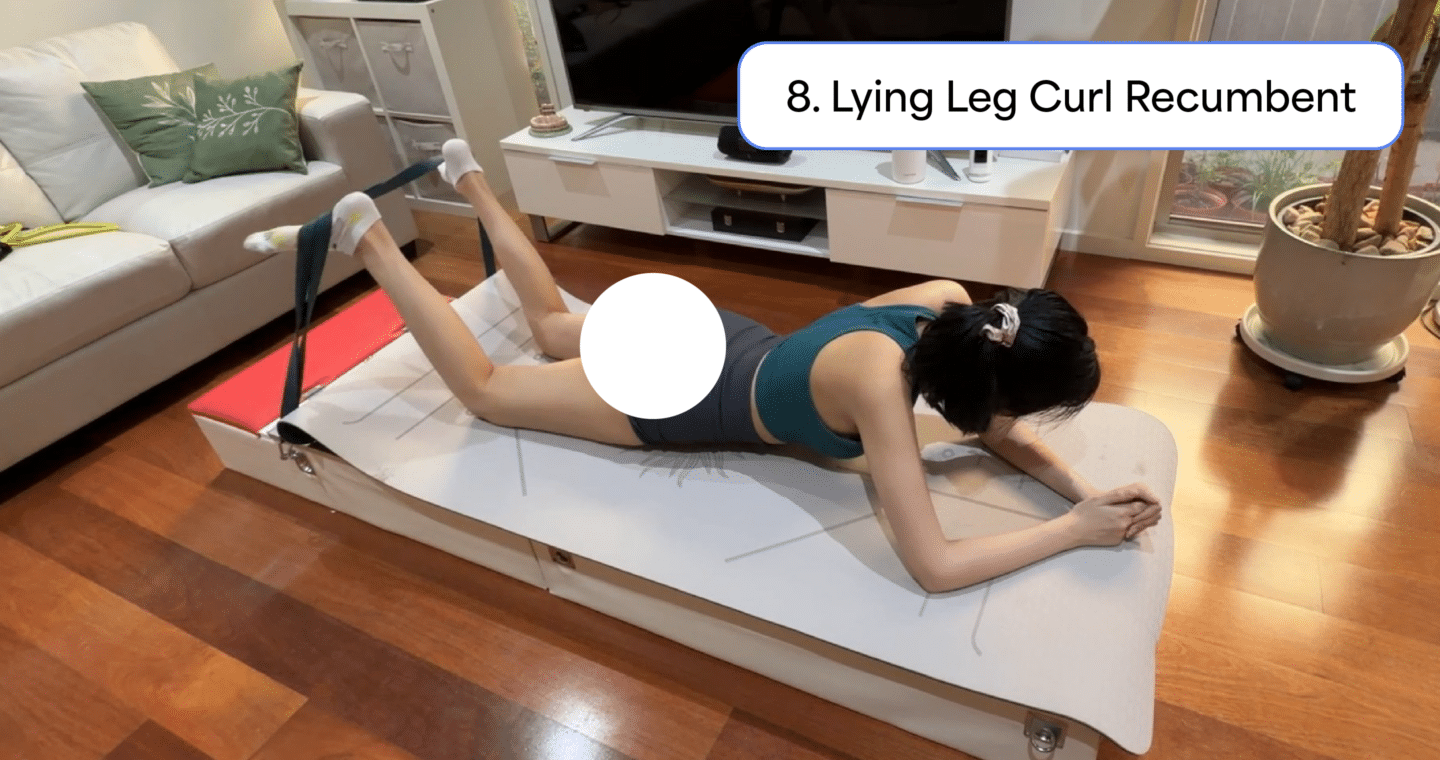
Leg Curl and Leg Extension: Focuses on the hamstrings and quadriceps.
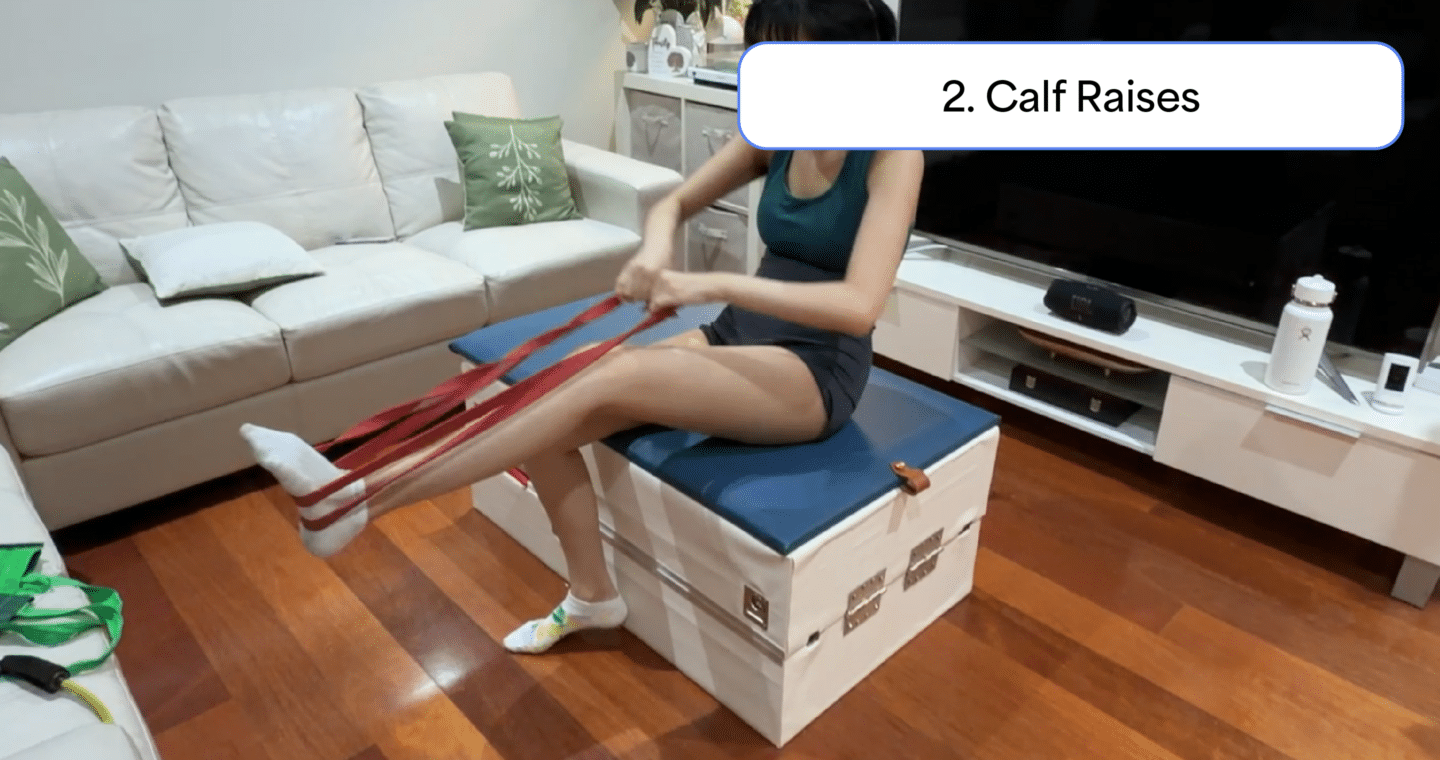
Calf Raises: Improves muscle tone in the calves, aiding in blood return to the heart.
Chest Press and Seated Row: Strengthens the upper body and core.
CORE EXERCISES
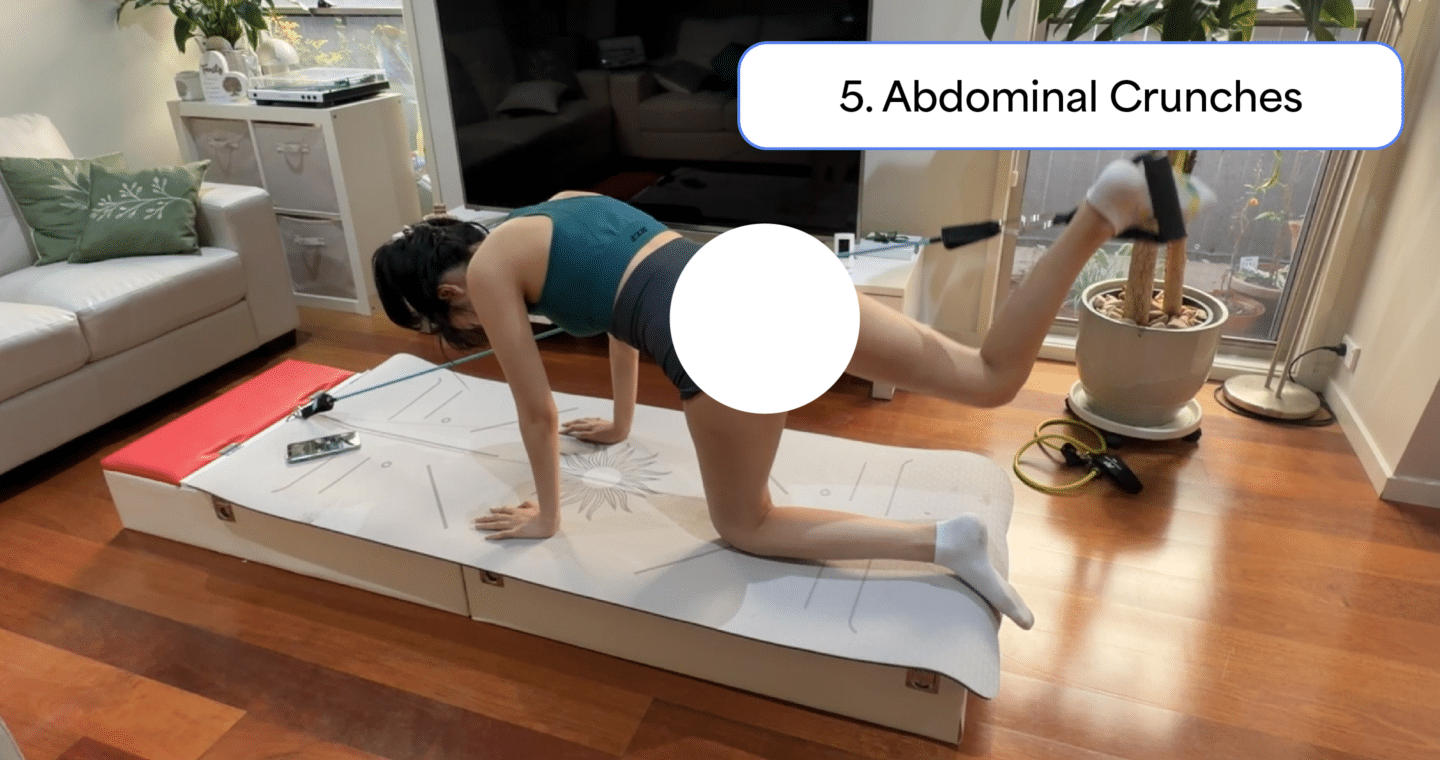
Abdominal Crunches: Strengthens the core muscles.
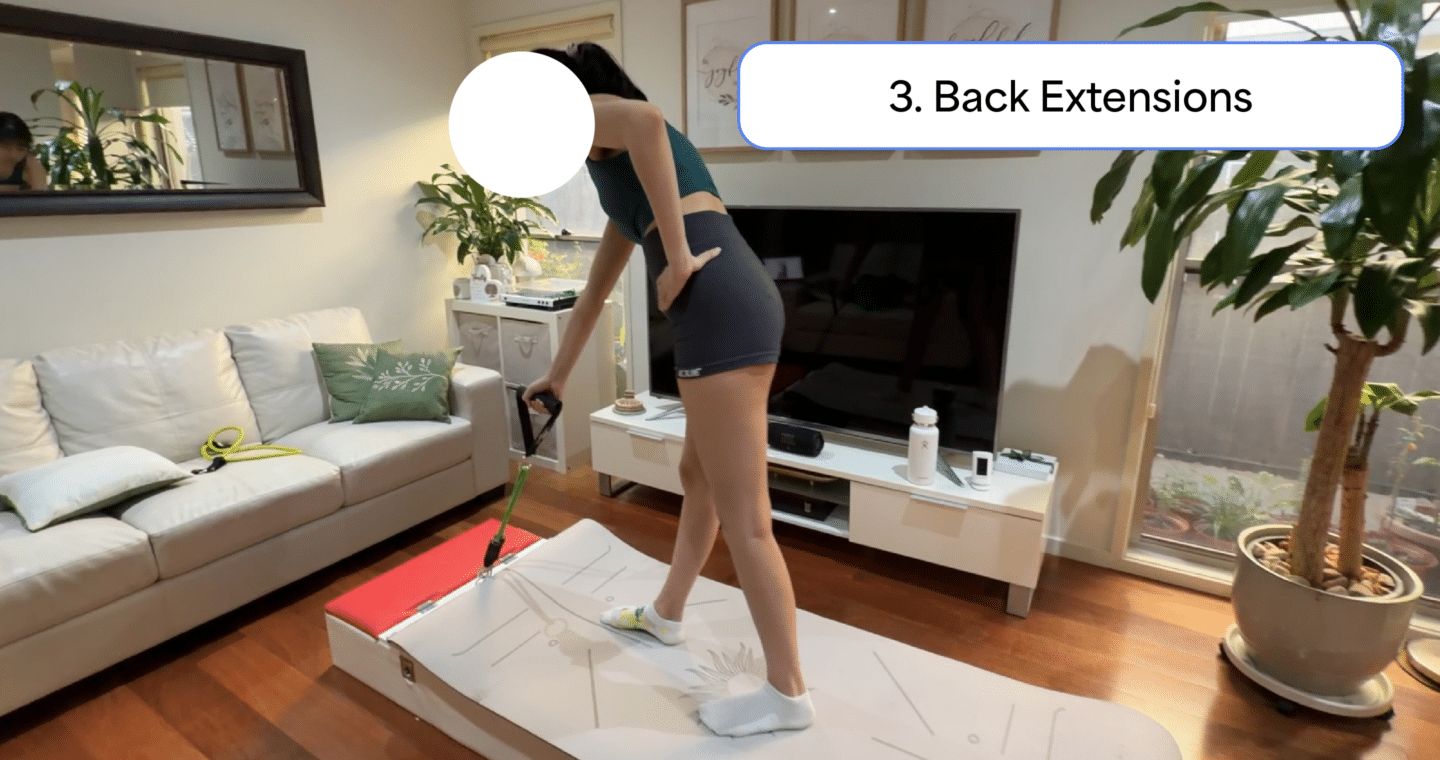
Back Extensions: Helps improve posture and back strength.
FLEXIBILITY & BALANCE
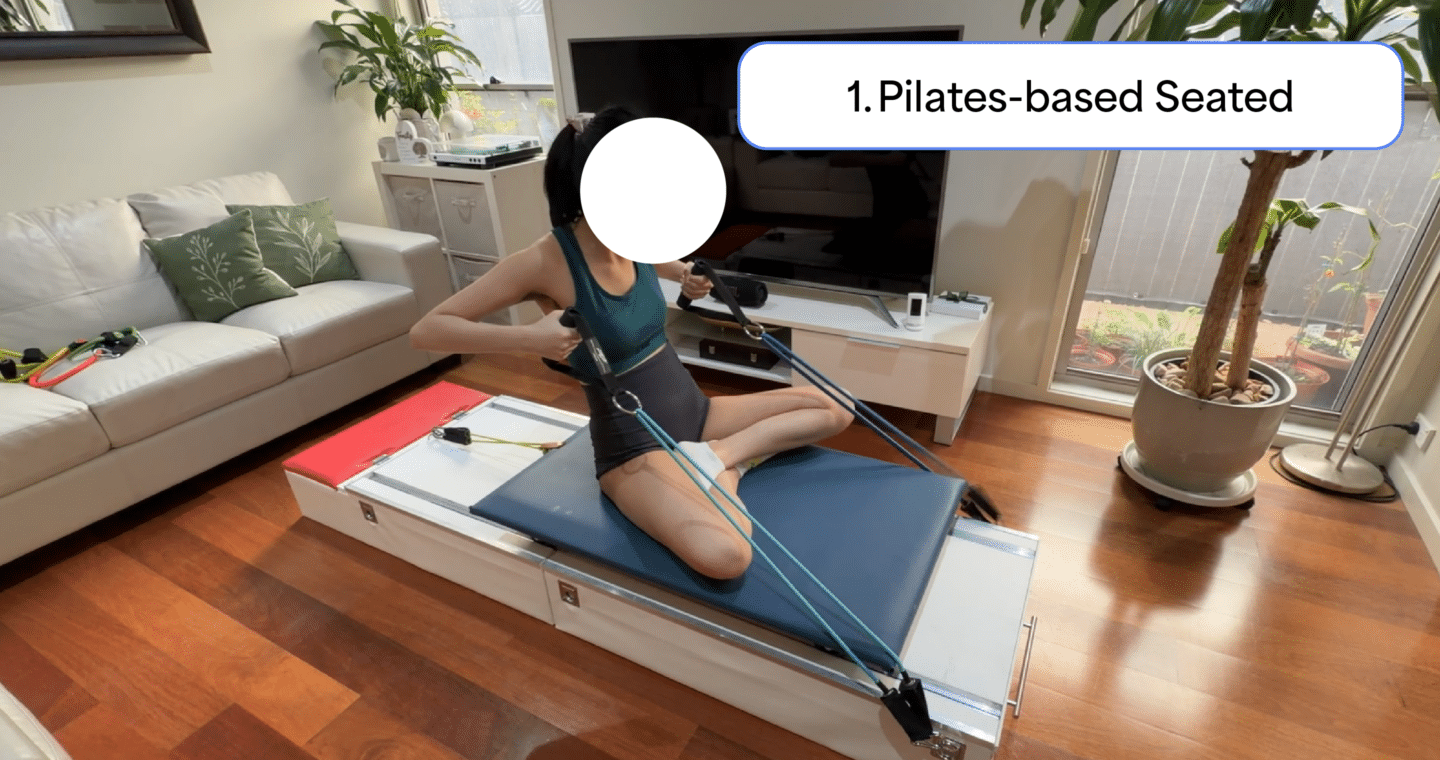
Pilates-Based Exercises: Any Pilates exercises that can be done on the floor are beneficial.
Seated Ball Exercises: Sitting on an exercise ball and performing leg lifts or marches can improve balance and core strength.
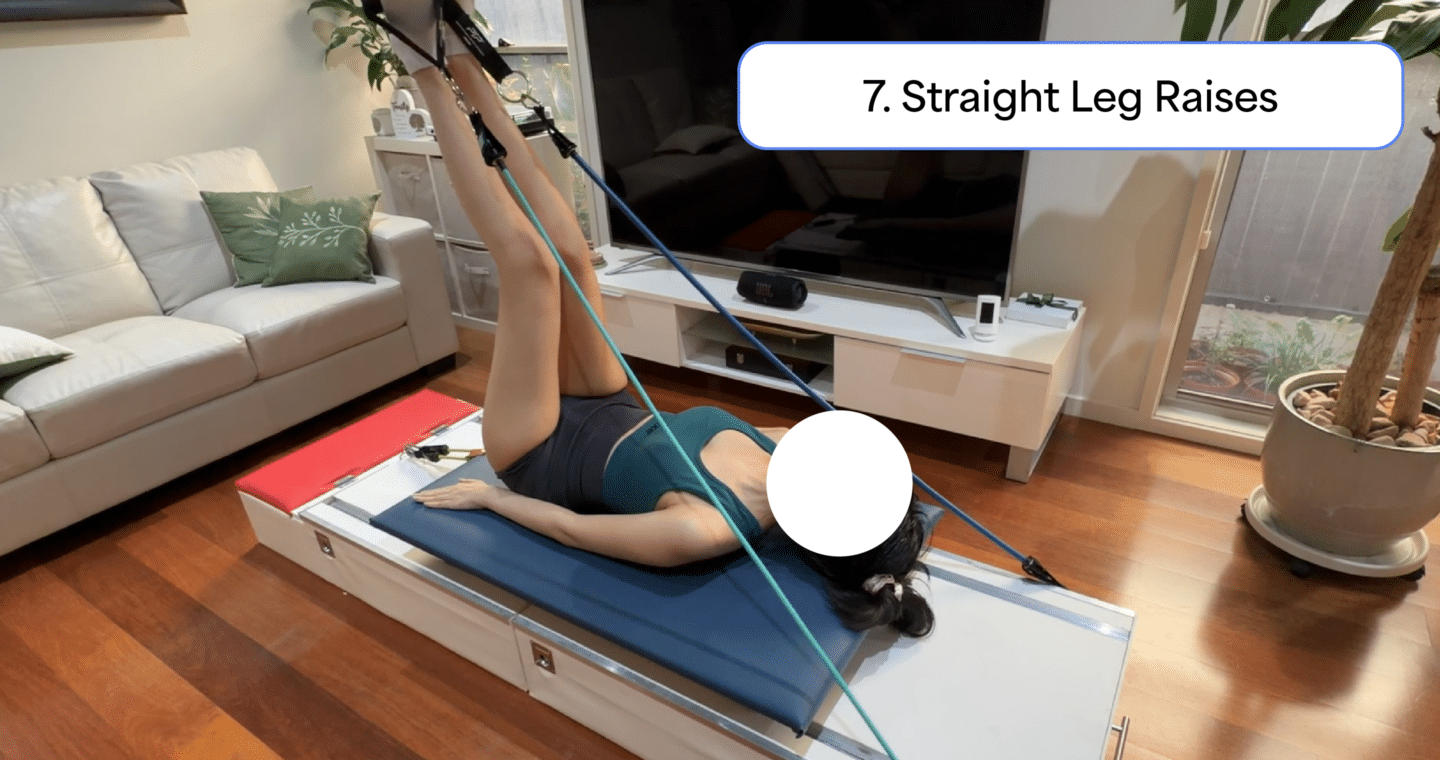
Straight Leg Raises: Helps strengthen the thigh muscles and improve leg stability.
How Simoy Responds
Research revealed that successful rehabilitation extends beyond exercise alone, requiring accessibility, patient preference, adaptable progression and ease of use. Simoy responds to these needs through an integrated system that accommodates fluctuating symptoms, supports independent use and fits seamlessly within the home environment. Rather than prescribing a single rehabilitation pathway, the design enables individuals to engage with movement on their own terms, creating a more approachable and sustainable rehabilitation experience for people living with POTS.
To support this flexibility, Simoy incorporates a broad range of recommended rehabilitation exercises within a single product. This allows users to choose activities that align with their abilities, symptoms and preferences, recognising that no two experiences of POTS are the same. By offering multiple exercise options and progression pathways, Simoy promotes greater autonomy, engagement and long-term adherence to rehabilitation.
“A healthy man wishes for a million things, an unhealthy man wishes for one”
interview participant #1 – self-diagnosed with pots
“You kind of need a bunch of suggestions [for exercise and rehabilitation], so then you can go, okay, which ones sound like they’d fit.”
Interview Participant #4 – diagnosed with pots
“Rehabilitation must adapt to the person, not force the person to adapt to rehabilitation”
survey responder #5 – physiotherapist & Phd Candidate with 5 to 10 years of pots treatment
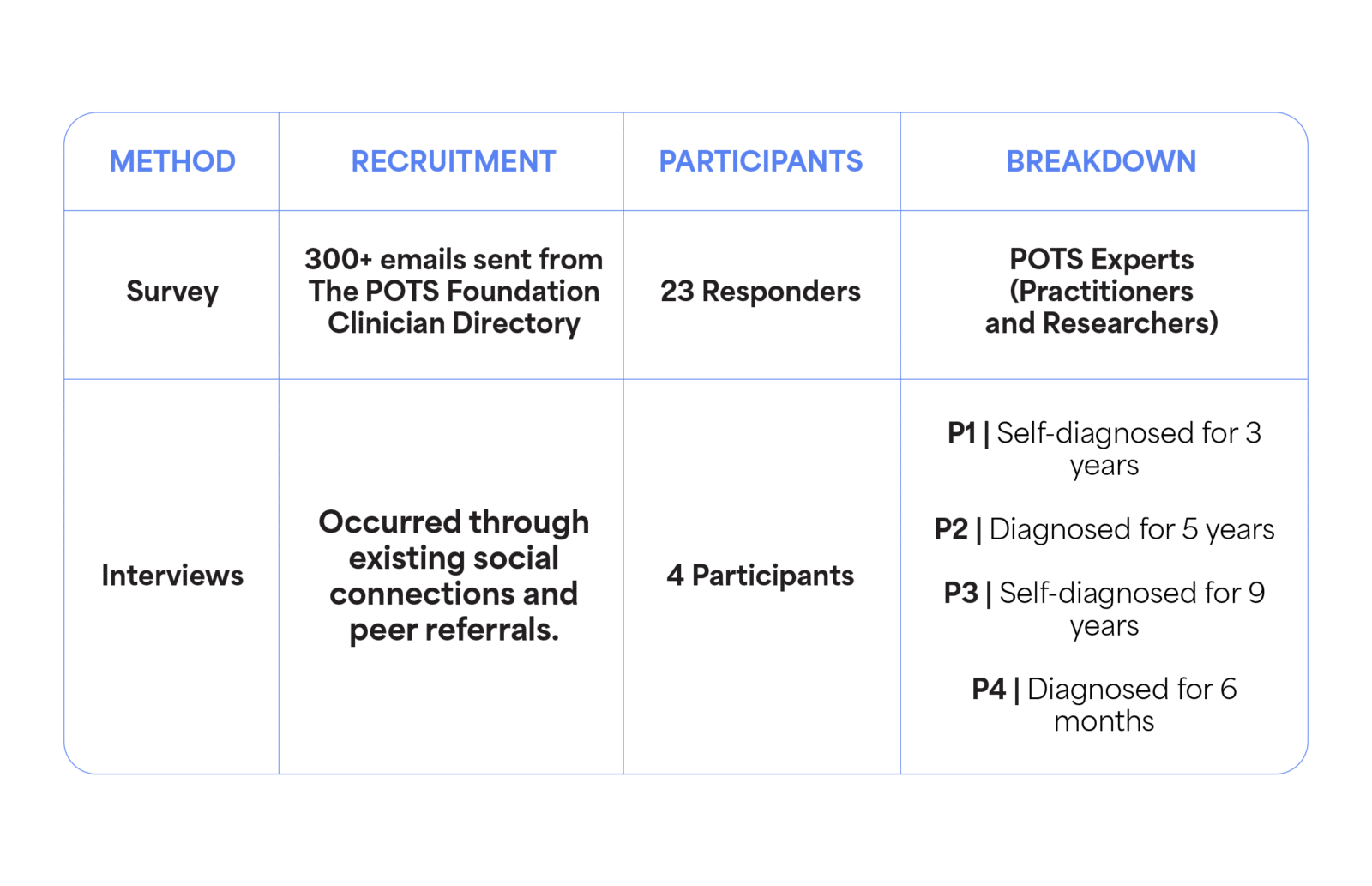
Primary Research Methods
Name
Research Report on Accessible POTS Exercise Rehabilitation
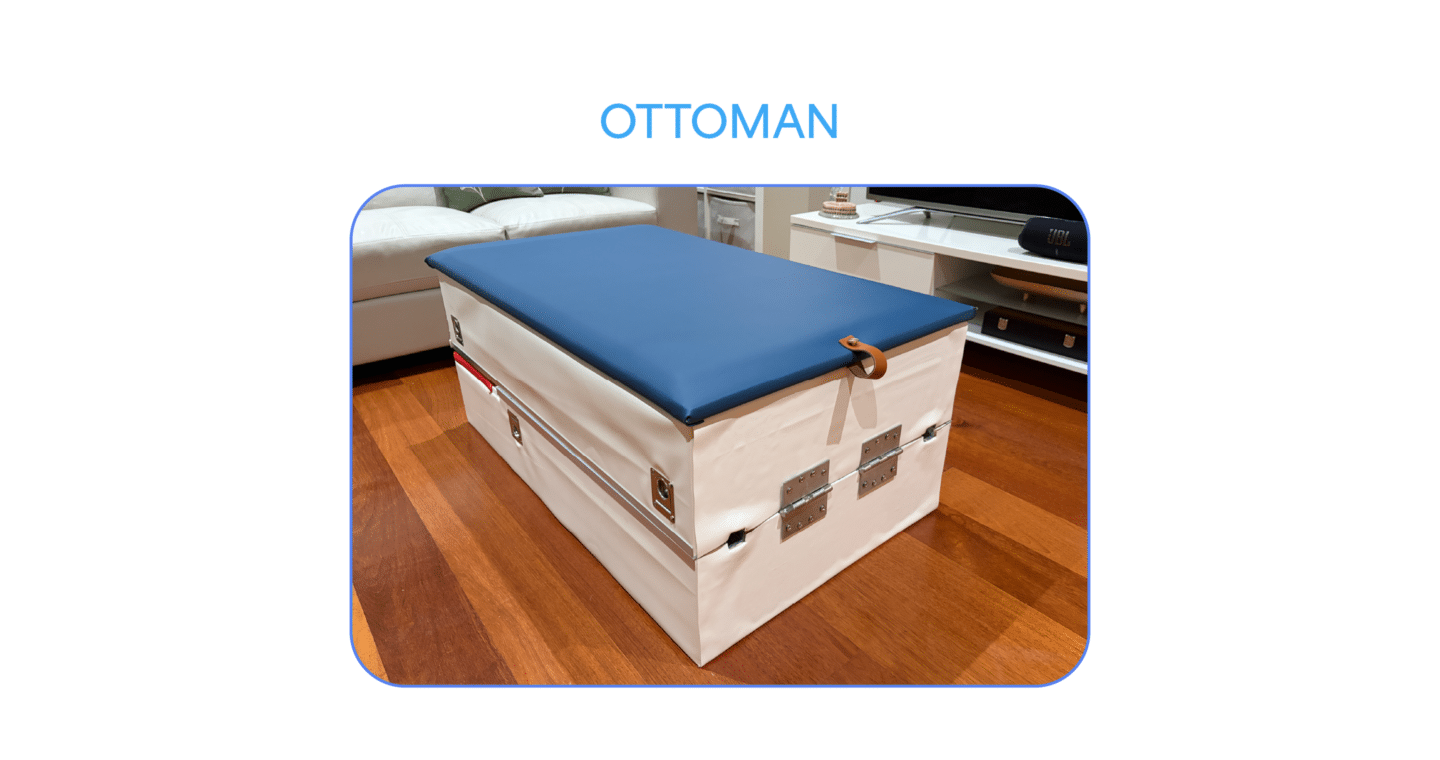
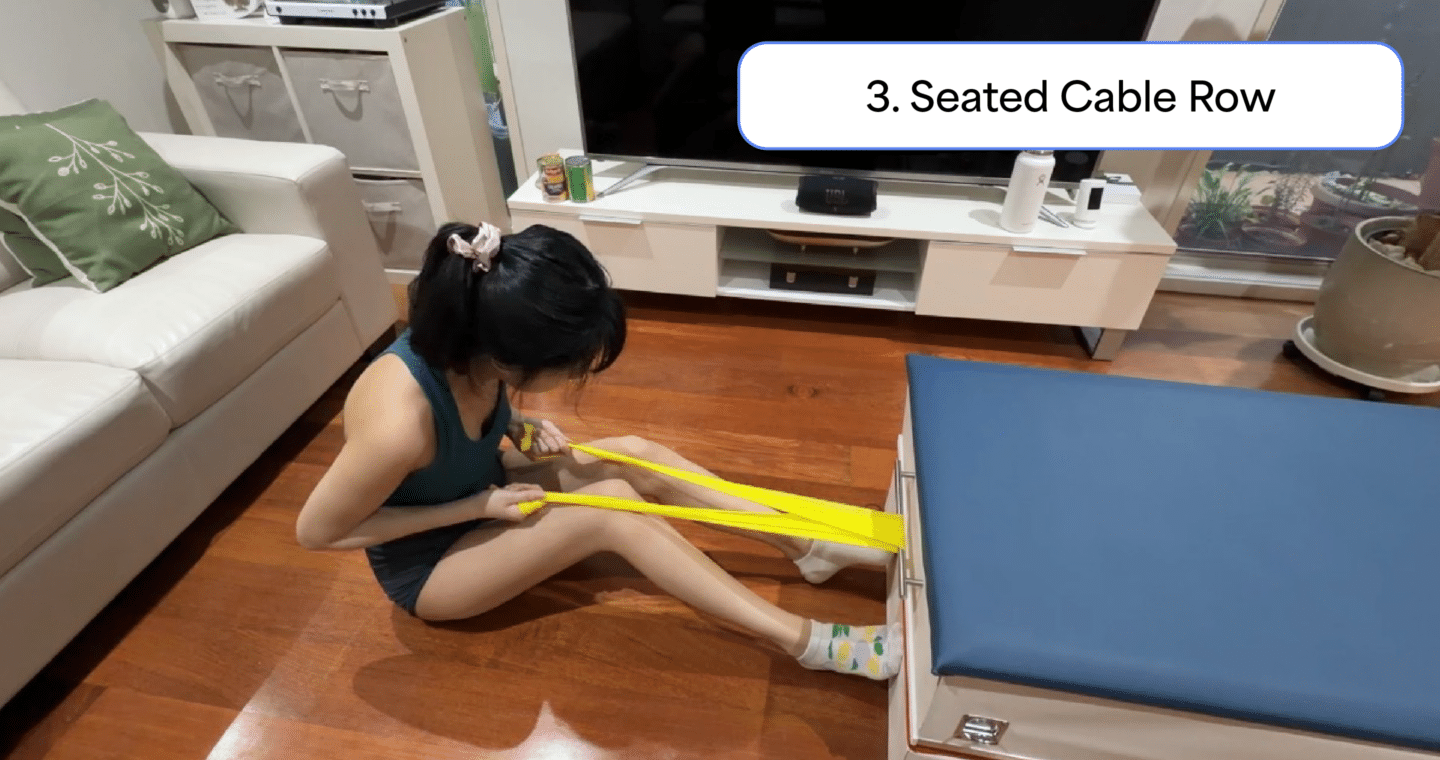
In its ottoman mode, the product functions as both a footrest and coffee table, allowing it to integrate seamlessly into the home environment. The form also supports seated rehabilitation exercises, including leg presses, while the integrated side handle serves as an anchor point for resistance bands, enabling seated cable row exercises. By combining everyday furniture with exercise functionality, the design encourages convenient and accessible rehabilitation throughout the day.
Reformer
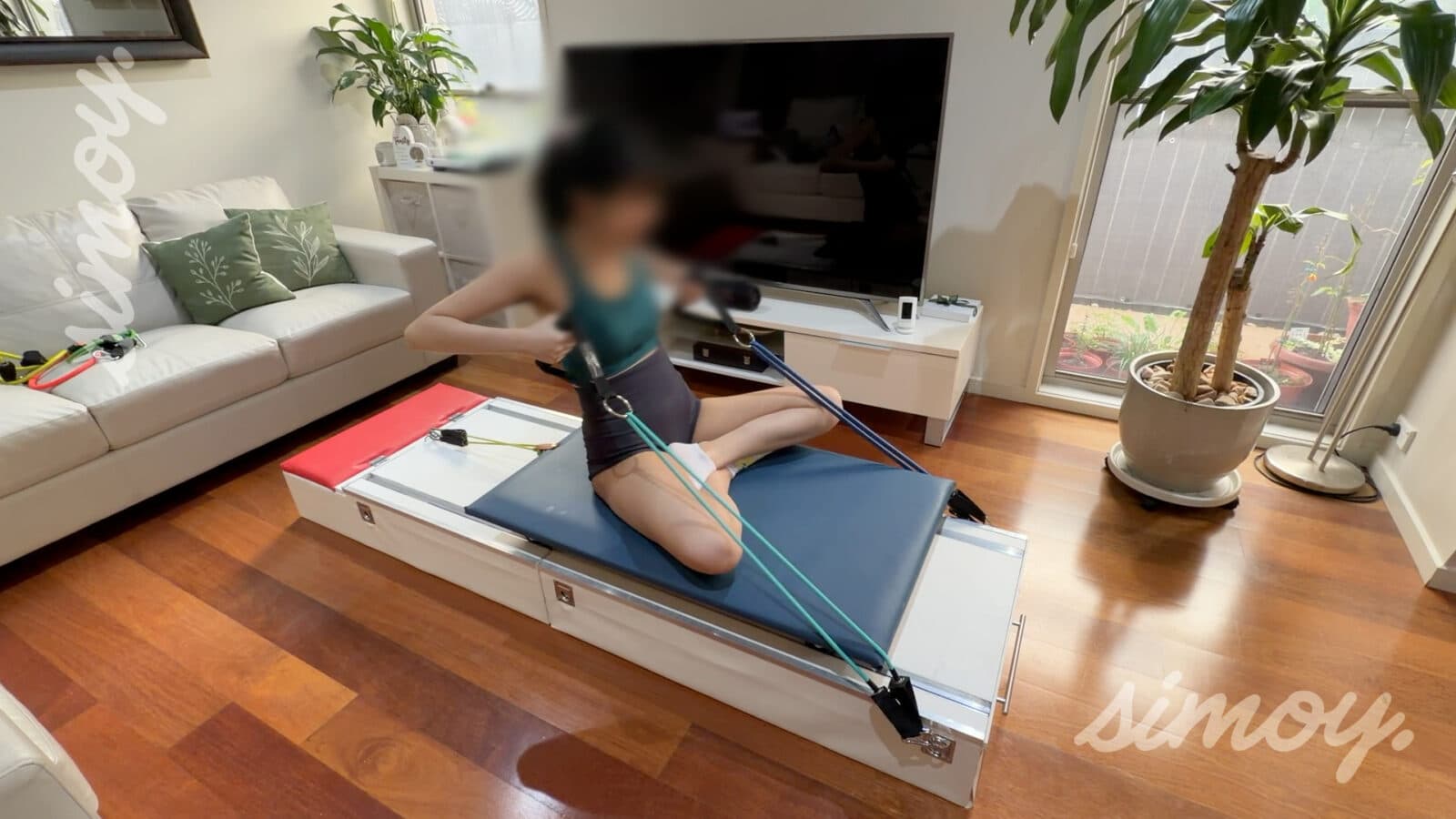
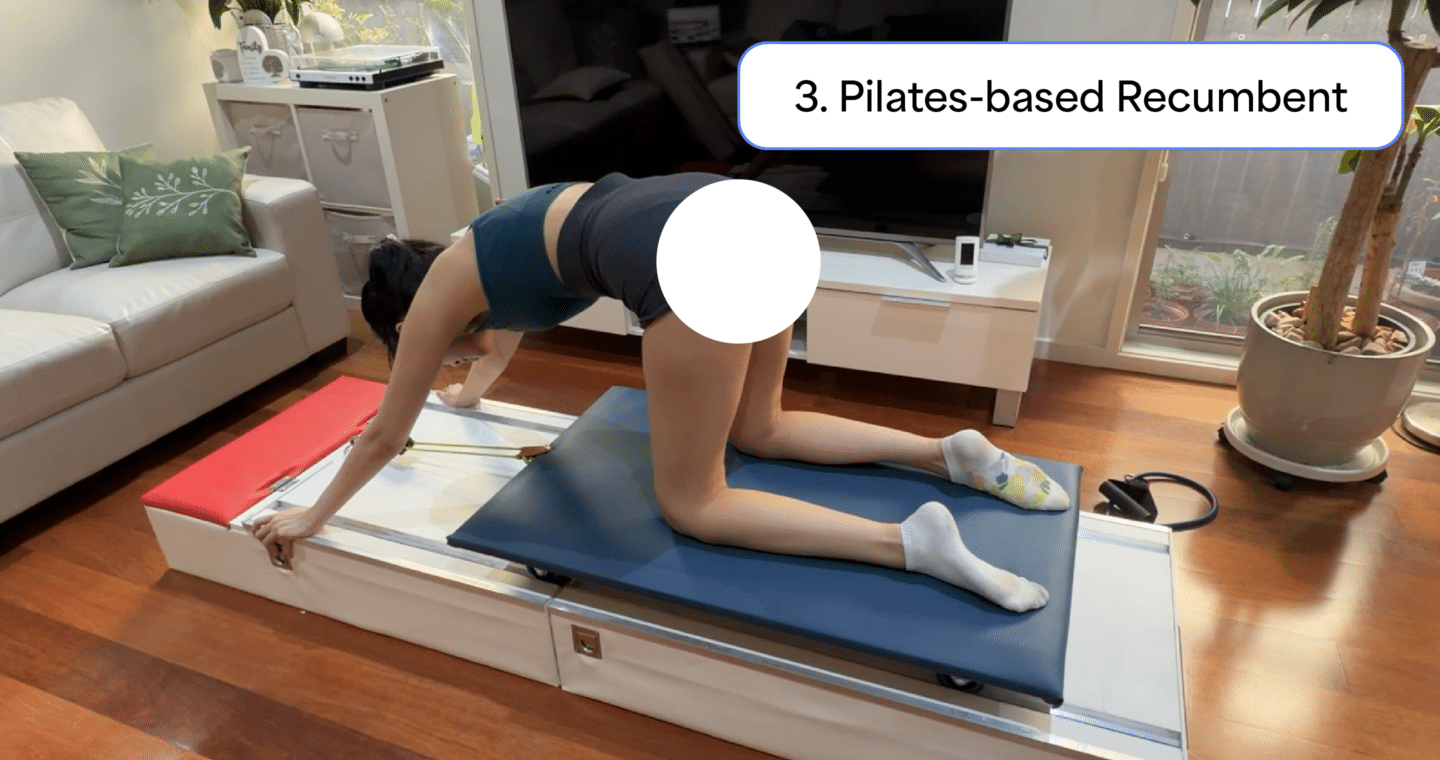
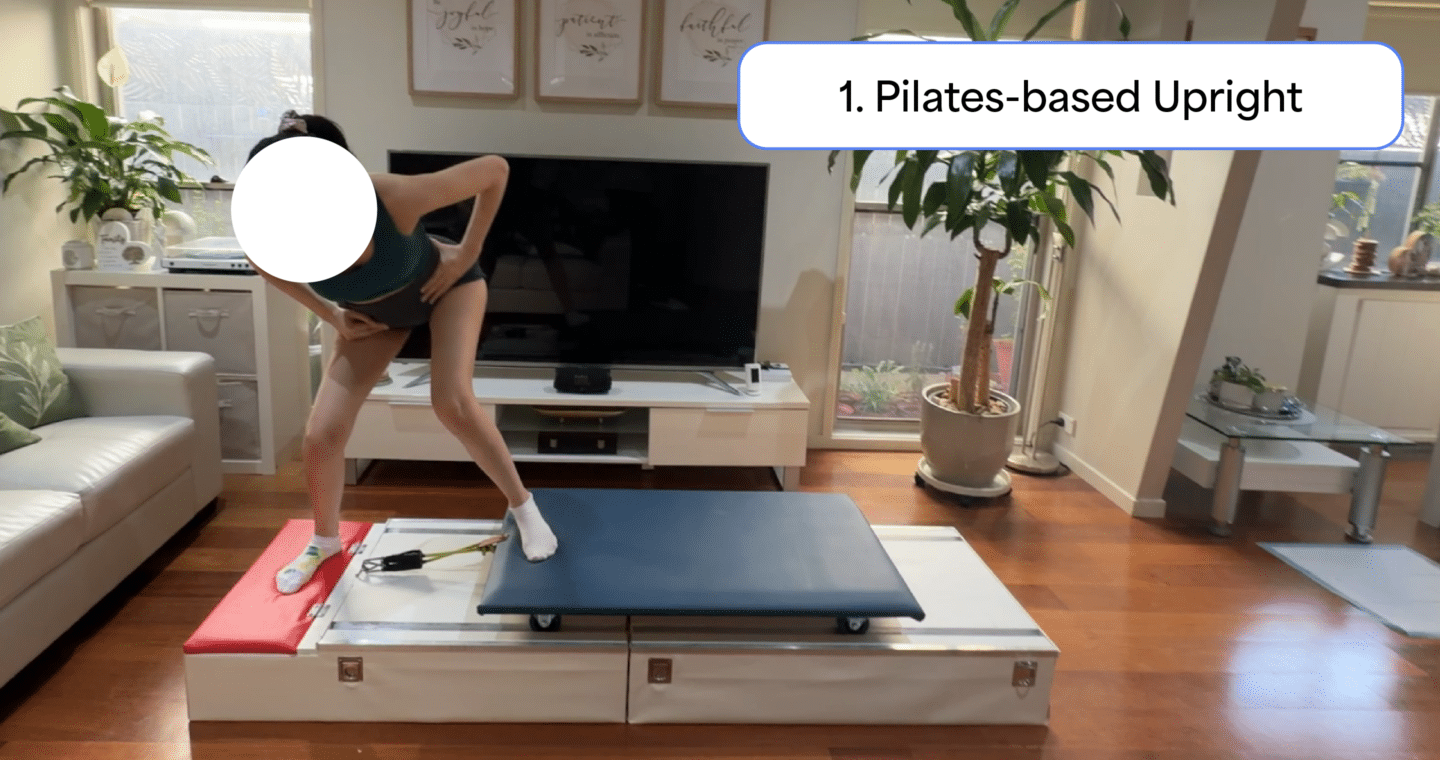
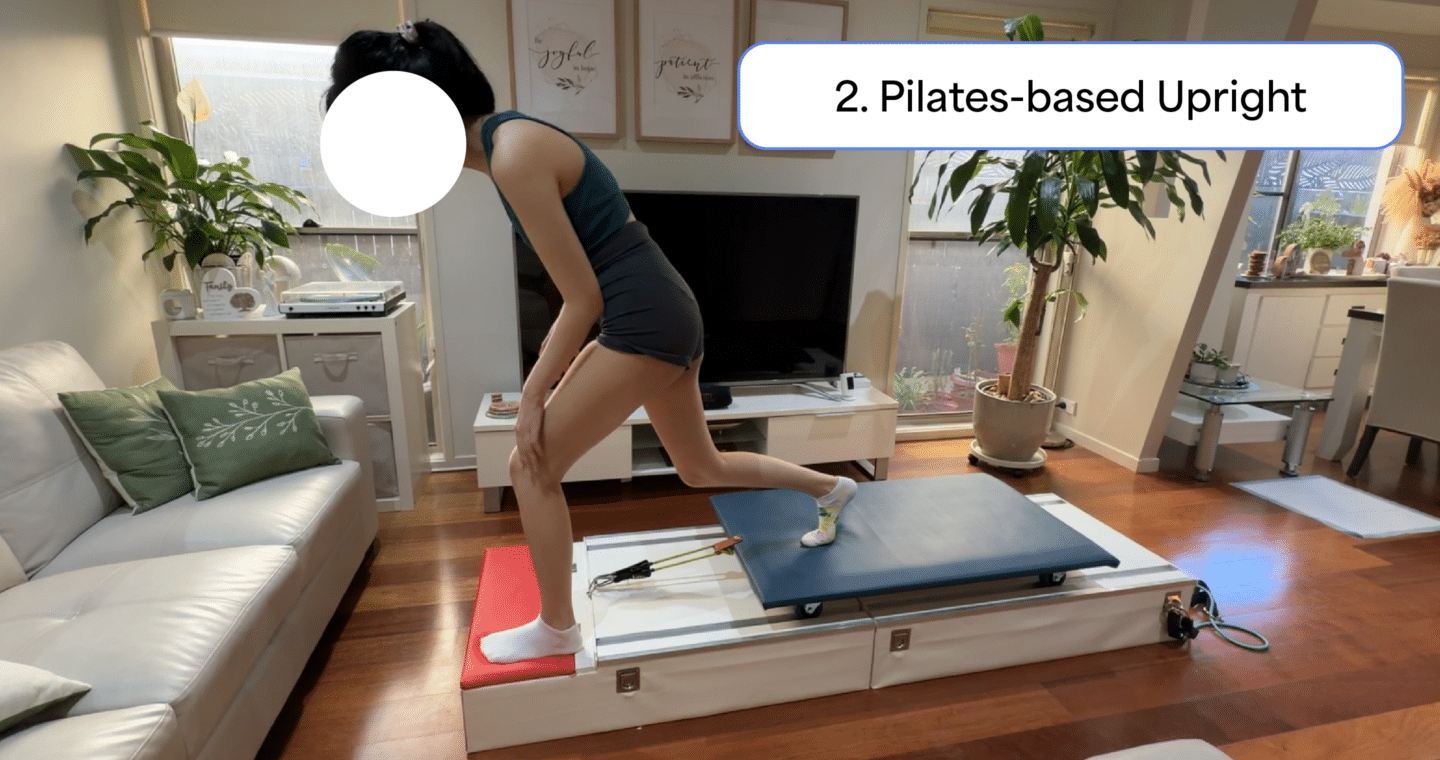
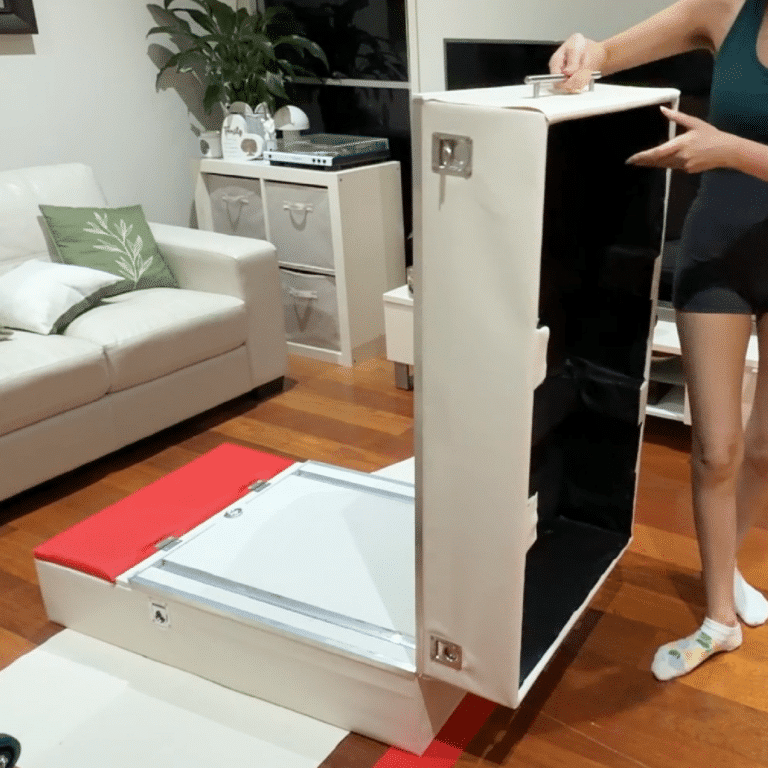
In reformer mode, the product supports a wide range of Pilates-based rehabilitation and endurance exercises in recumbent, seated, and upright positions. This versatility allows users to tailor their exercise routine to their current symptoms, energy levels, and stage of rehabilitation. By accommodating different levels of ability and progression, the design encourages safe, adaptable and long-term participation in exercise.
Yoga Mat
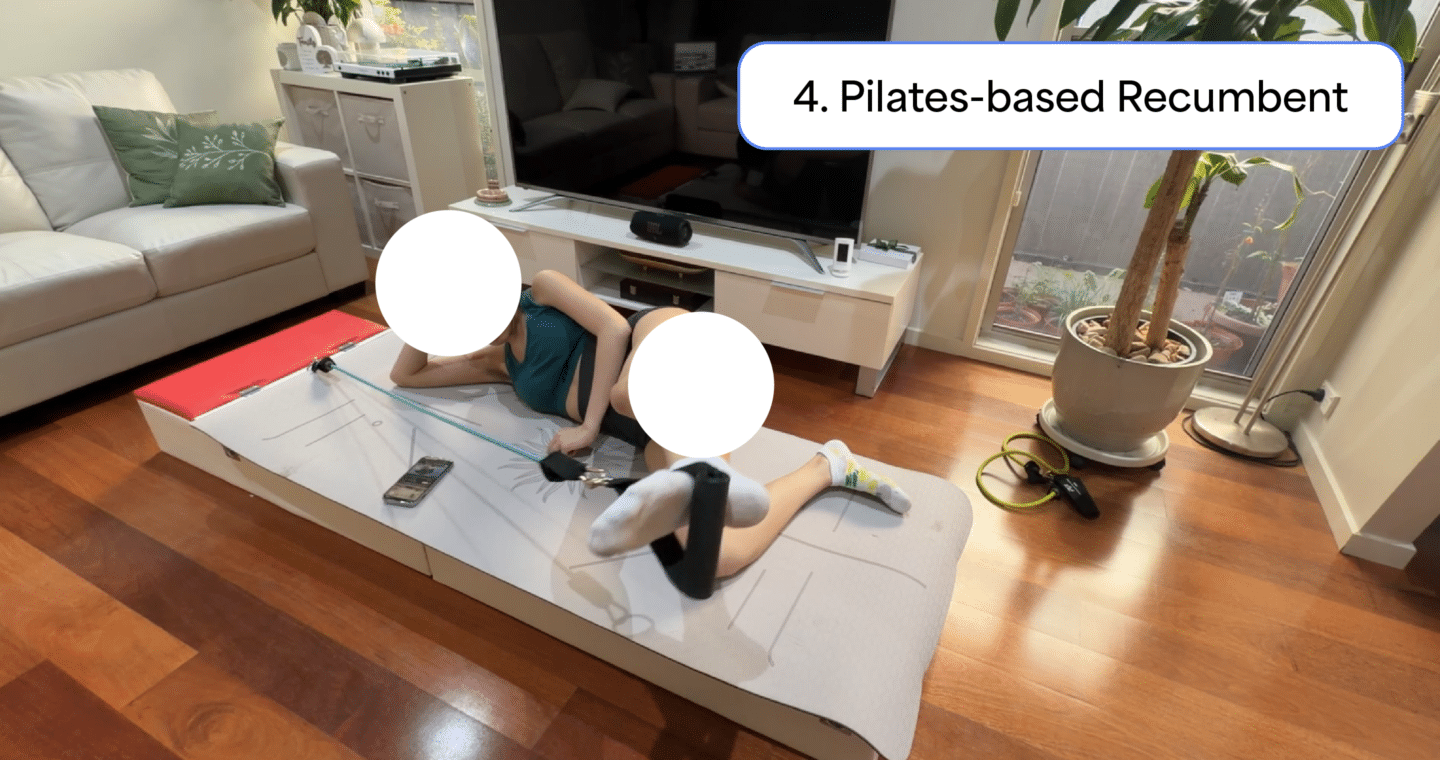
In yoga mat mode, the product supports a variety of floor-based rehabilitation and Pilates exercises while providing convenient resistance band attachment points through the integrated flush pulls positioned around the frame. This allows users to quickly set up and perform exercises such as Pilates movements, leg raises, lying leg curls and other resistance-based activities. By combining a dedicated exercise surface with adaptable anchoring points, the design promotes versatile, low-impact rehabilitation within a compact home environment.
TYpes of exercises in simoy
Recumbent Exercises
Seated Exercises
Upright Exercises
SUMMARY OF EXERCISES
Features
1. Opening the Reformer
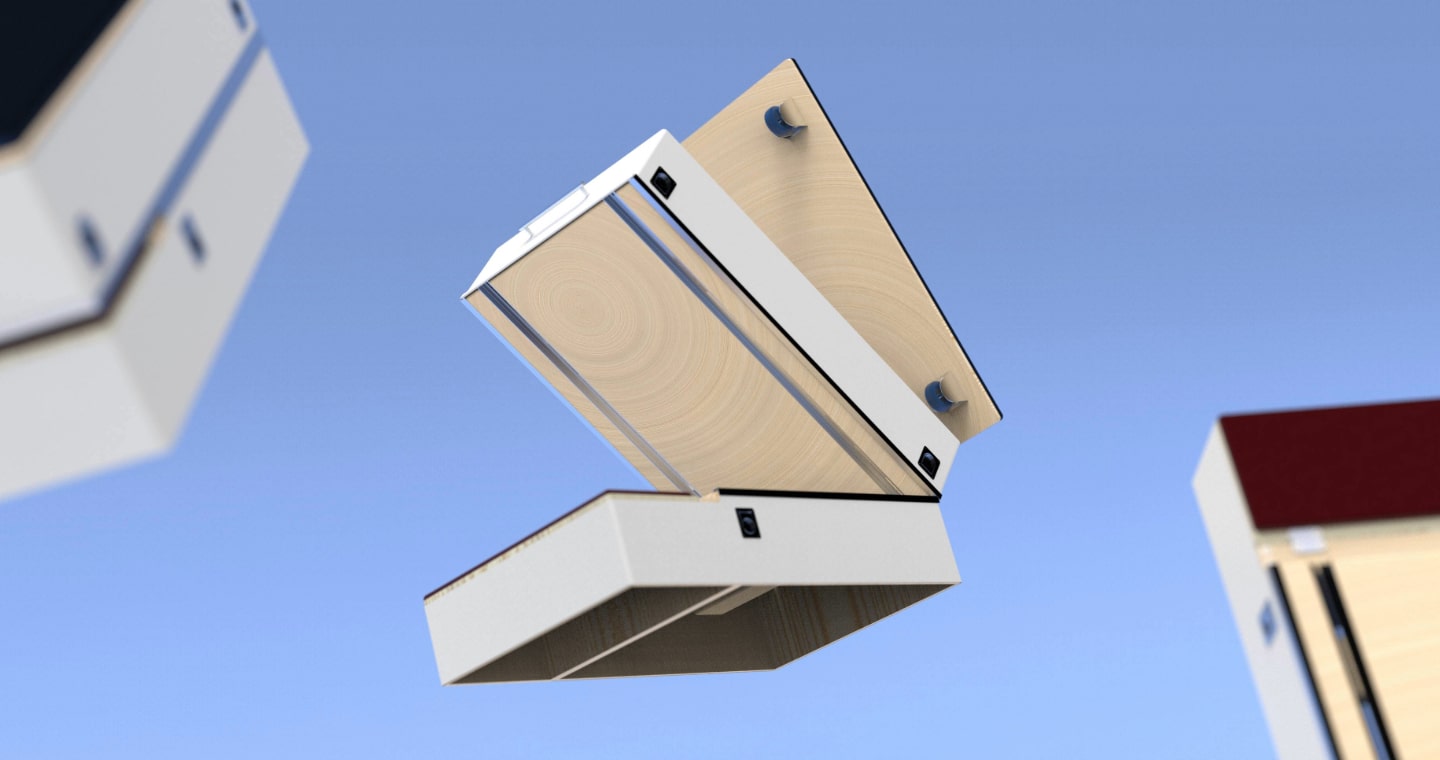
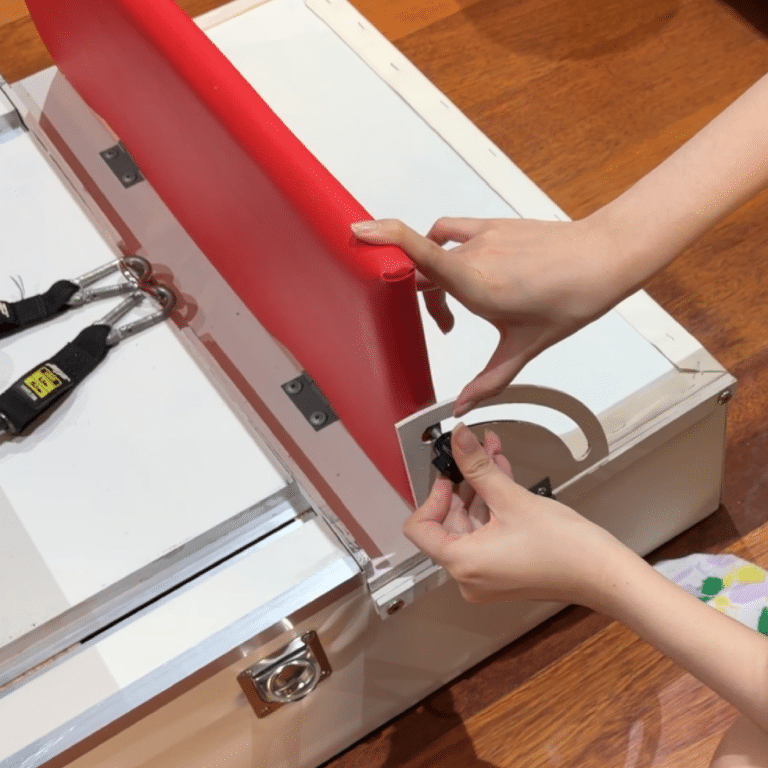
Using the large, rounded handle, the ottoman can be opened like a book, providing easy access to its reformer mode. The oversized form improves grip and usability, making transitions between modes simple and comfortable. This accessible opening mechanism supports independent use, allowing users to quickly adapt the product to their rehabilitation needs with minimal effort. Beyond opening the product, the handle also functions as an attachment point for resistance bands, enabling seated cable row exercises and expanding the range of rehabilitation activities available within a single form.
2. Storage Space
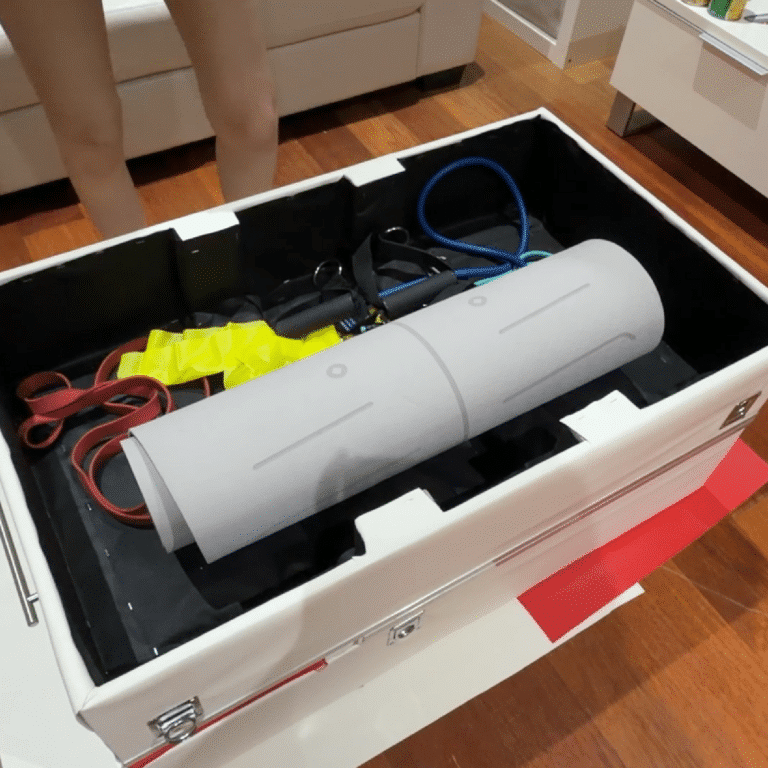
To access the integrated storage space, simply lift the blue cushion from the ottoman. The removable cushion provides quick and intuitive access to the compartment, allowing exercise accessories to be neatly stored when not in use. By keeping equipment organised and within reach, the design reduces setup time and supports a seamless rehabilitation experience. The concealed storage also helps maintain a clean, furniture-like appearance, allowing the product to blend comfortably into the home environment.
Equipment:
2x – 1m, 4.2kg (LIGHT) Resistance Bands with Carabiners
2x – 1m, 7.5kg (MEDIUM) Resistance Bands with Carabiners
2x – 1m 12.4kg (HEAVY) Resistance Bands with Carabiners
1x – 600mm 5.5 kg (LIGHT) Resistance Bands with Carabiners | For the reformer resistance
1x – 600mm 7.5kg (MEDIUM) Resistance Bands with Carabiners | For the reformer resistance
1x – 600mm 12.4kg (HEAVY) Resistance Bands with Carabiners | For the reformer resistance
2x Handles
1x Yoga Mat
3. Resistance in Reformer
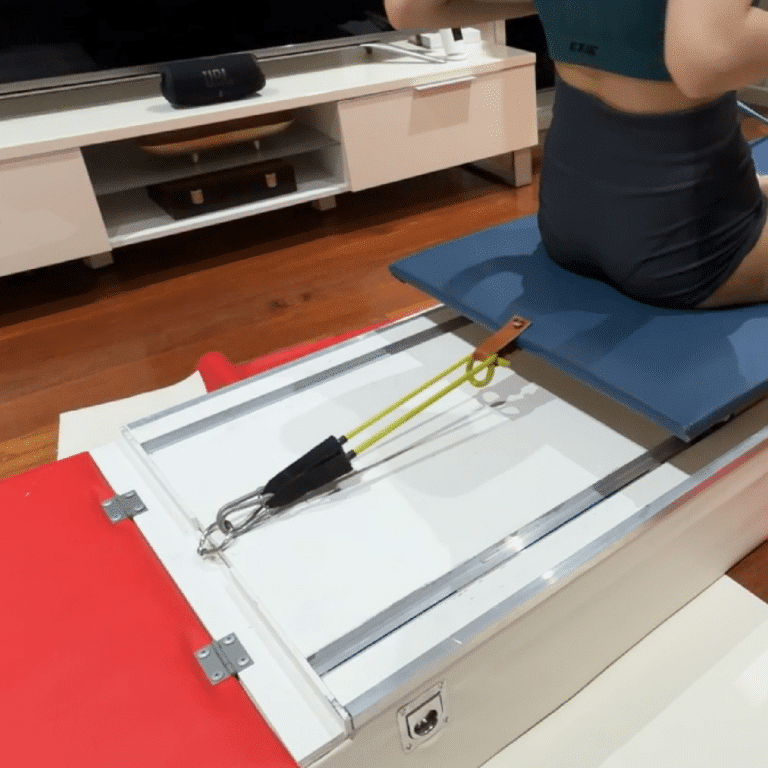
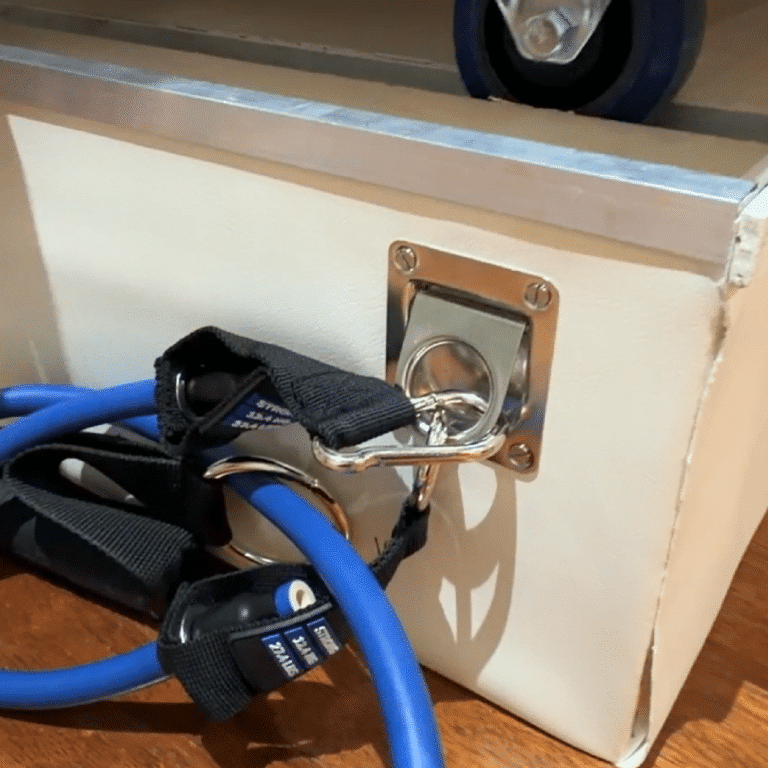
The resistance band can be securely attached to the front of the reformer and the leather loop on the blue cushion, creating an anchor point for a variety of exercises. This configuration allows users to comfortably push or pull against the band’s resistance, supporting both strength and rehabilitation training. By integrating the attachment points into the product itself, the design enables quick setup and seamless transitions between exercises, encouraging consistent and accessible movement at home.
Different resistance band strengths also act as adjustable progression levels, allowing users to tailor the intensity of each exercise to their current abilities, stage of rehabilitation, or daily energy levels.
4. Flush Pulls
The six flush pulls positioned around the product serve as both durable carrying points and integrated attachment anchors for resistance bands. Engineered to support loads of up to 200 kg, they make it easy to lift, reposition, and transport the product while maintaining a clean, unobtrusive appearance. When used as resistance band anchor points, the distributed placement of the pulls enables a wider range of exercise configurations, supporting adaptable rehabilitation and strength training. By combining two functions into a single feature, the design maximises versatility without compromising its furniture-like aesthetic.
5. Adjustible Foot Rest
Using the metal guide, the footrest can be adjusted to the most comfortable and effective angle for each exercise, then securely locked in place using the adjustment knob. This allows users to customise their positioning based on their mobility, comfort and rehabilitation requirements. By providing stable foot support in a range of angles, the design accommodates different exercise types and body mechanics, helping users maintain proper form and perform movements safely and effectively.
6. Castors and Track
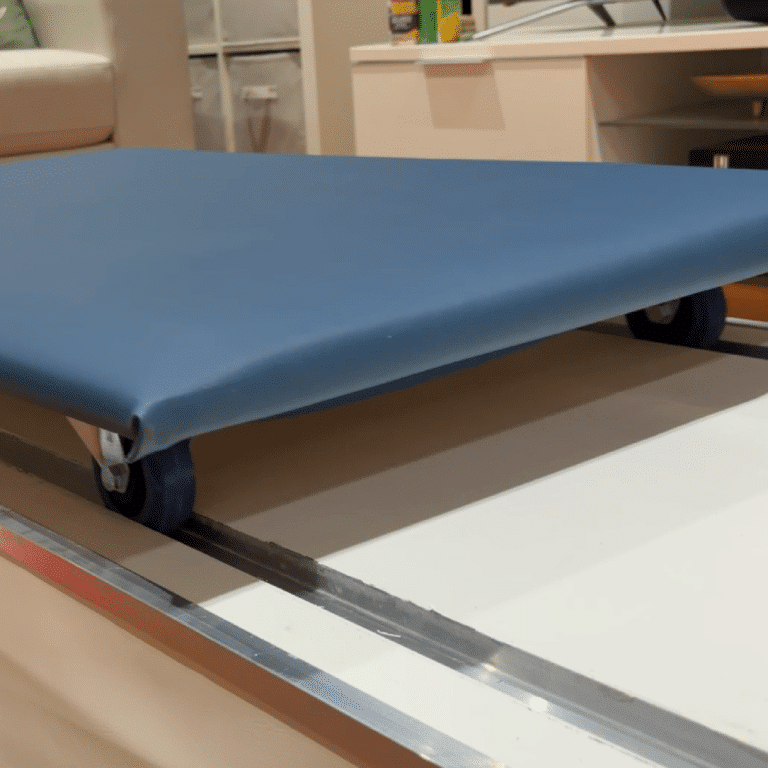
Castors rated to support loads of up to 200 kg are guided by aluminium corner washers, ensuring smooth and controlled movement during reformer-based exercises. This guidance system helps maintain stability and alignment as the carriage moves, providing a more comfortable and reliable user experience. By reducing friction and supporting fluid motion, the design enables effective low-impact exercise while accommodating a wide range of users and rehabilitation needs.
Design for manufacture
Plywood
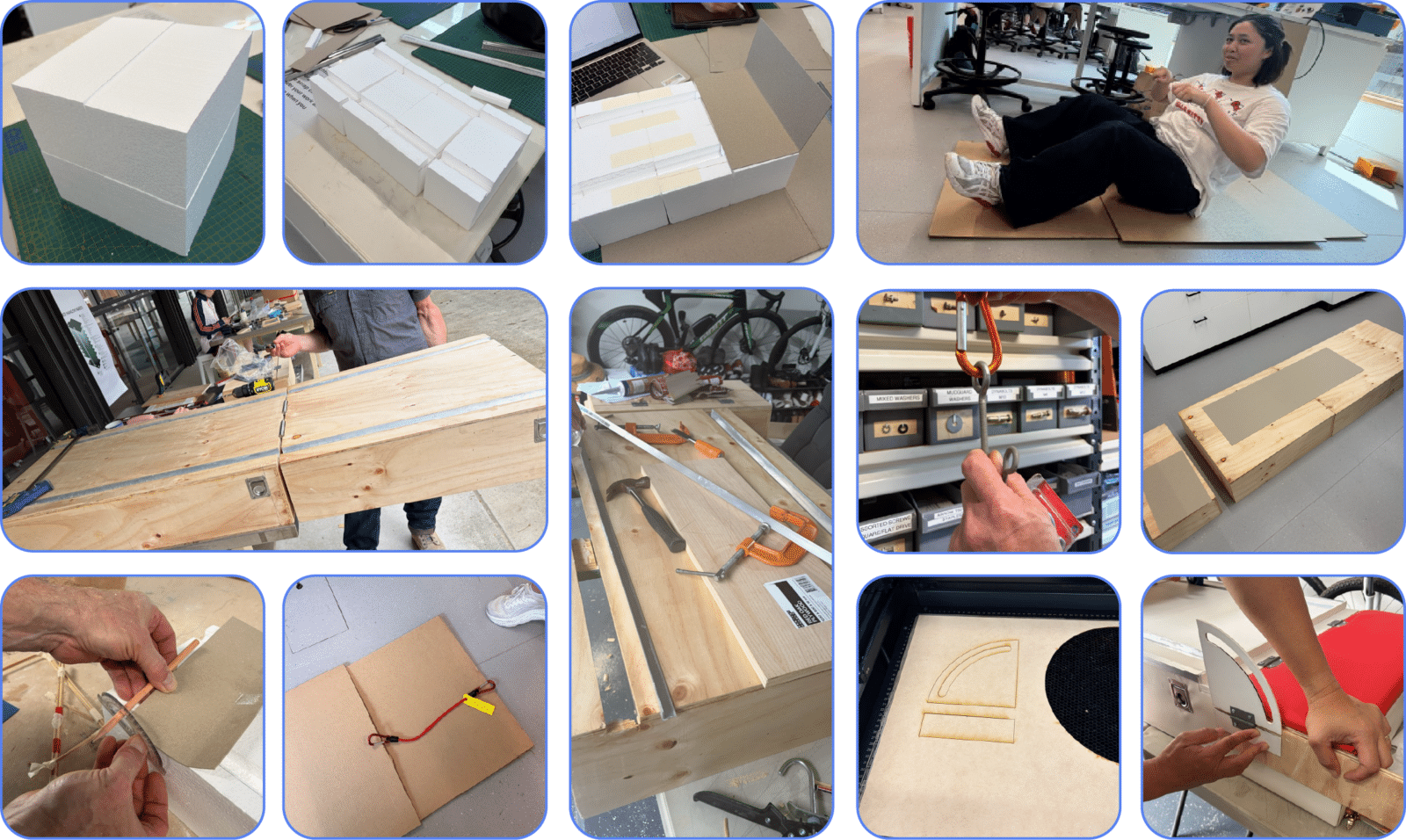
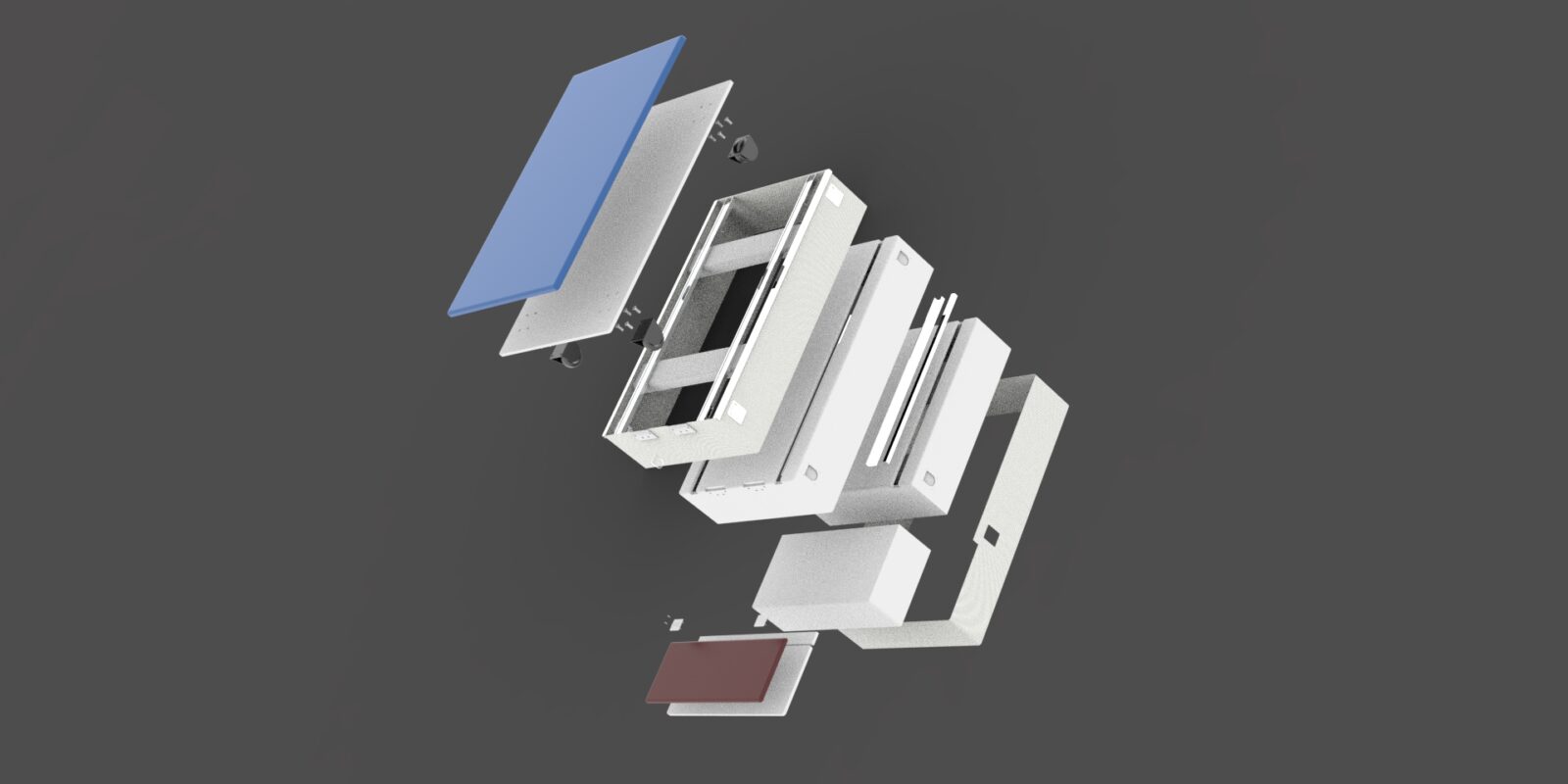
Foundational boxes: The product is built around a series of foundational boxes, reinforced with internal wooden support beams to ensure structural stability and load-bearing strength. Each box is permanently assembled using nail gun construction, creating a rigid and durable framework that is not intended to be disassembled.
Moving seat: The moving seat is upholstered to provide comfort during use while also softening edges and corners. This reduces the risk of contact with sharp surfaces, creating a safer and more approachable experience for users during rehabilitation exercises.
Leather
Touch Points: Leather is used in areas that experience the most contact and foot traffic due to its durability, sweat-resistant properties, and ease of maintenance. Its smooth, non-porous surface allows sweat and stains to be quickly wiped away, supporting hygiene and reducing ongoing upkeep.
Exterior upholstery: Leather is also used as the primary exterior material, giving the product a refined, furniture-like appearance while providing durability for everyday use. The upholstery is secured to the structure using staple gun construction, ensuring a clean, taut finish that can withstand repeated use and movement.
Aluminium
Tracks: The reformer tracks are constructed from durable metal to support the combined weight of both the user and the moving seat without bending or deforming during use. To further enhance strength and stability, the tracks are anchored to the internal wooden support beams within each box, ensuring smooth and reliable movement throughout the rehabilitation experience.
Corner washers: Aluminium corner washers are fitted along the edges of the product to create smooth transitions around corners and support the leather upholstery. This helps maintain a clean, refined finish by preventing wrinkles and distortion in the material, contributing to the product’s furniture-like appearance and overall build quality.
Off the shelf
– Screws, washer, spring washer and nuts
– Castors
– Hinges
– Metal guide for the foot rest
– Flush pulls
– Resistance Bands kit
Upholstery Fabric
Storage box upholstery: The largest box is upholstered with black fabric, which is secured to the structure using staple gun construction. This box serves as the primary storage compartment for exercise equipment, allowing accessories to be stored neatly and kept easily accessible when needed. By integrating storage directly into the product, the design helps reduce clutter and supports a more organised rehabilitation experience within the home.
SIMOY PRODUCT DEMO
“Going to the gym is expensive and accessing other types of low-cost exercise is not great.”
Interview Participant #3 – diagnosed with pots for 9 years
“Exercise is medicine for POTS”
Dr Benjamin Levine, developer of the Levine/Dallas POTS Exercise Protocol
Nicole Mangila
Nicole is an industrial designer committed to creating meaningful solutions that benefit both people and the planet. Through a human-centred design philosophy, an opportunistic approach to problem-solving, and a versatile skill set, they develop products that promote inclusivity, innovation, and positive user experiences. Their design interests span assistive, medical, and musical products.