Put the Australian Walking Track Grading System into practice.
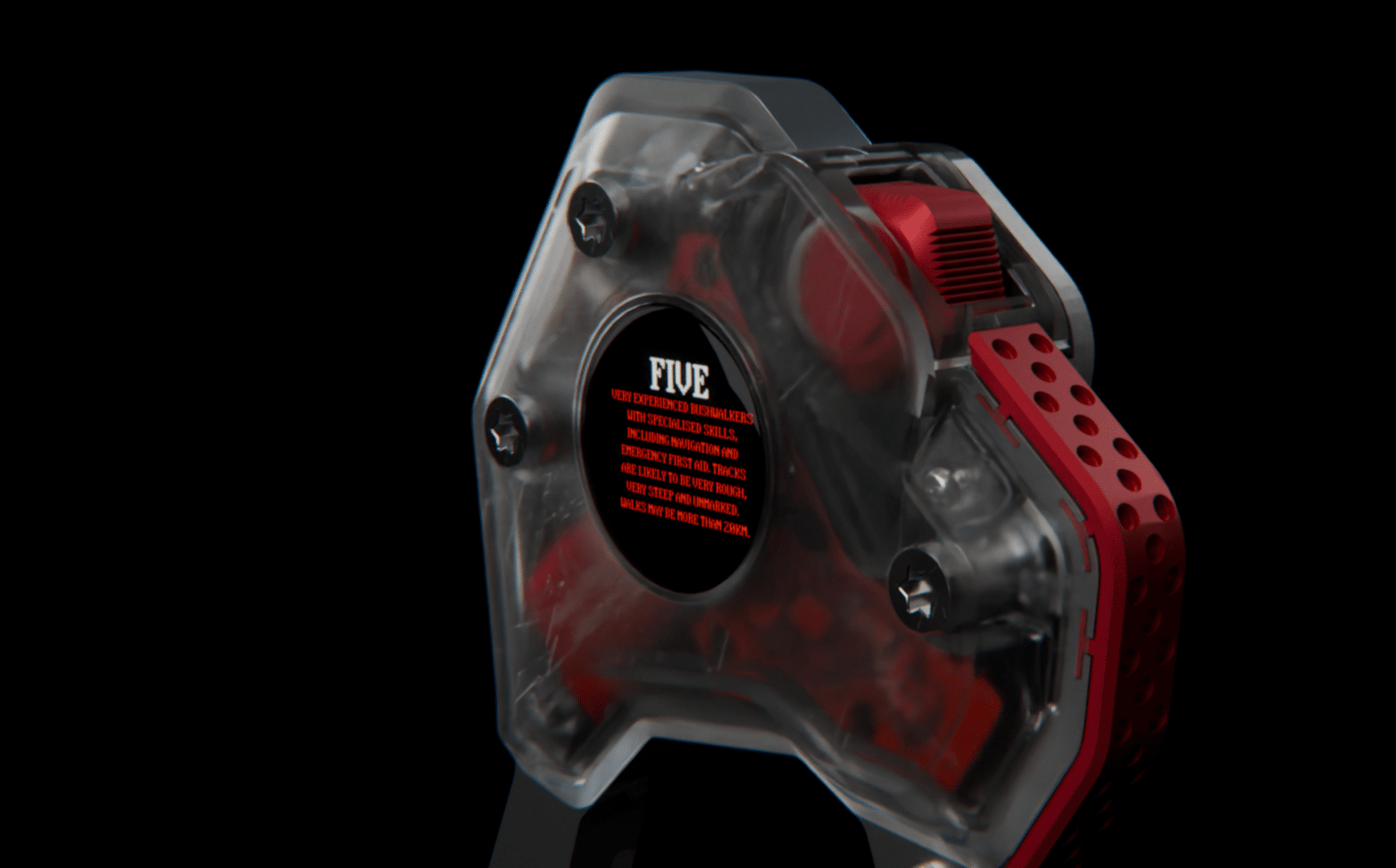
When surveyed, most respondents said they were at least somewhat familiar with the grading system, and almost half were very or extremely familiar. But hikers also described distrusting it. It was stated that the grading felt vague, and difficulty varied widely within a single band. Knowing what a grade means didn’t make it easier to tell one from the next on the trail.
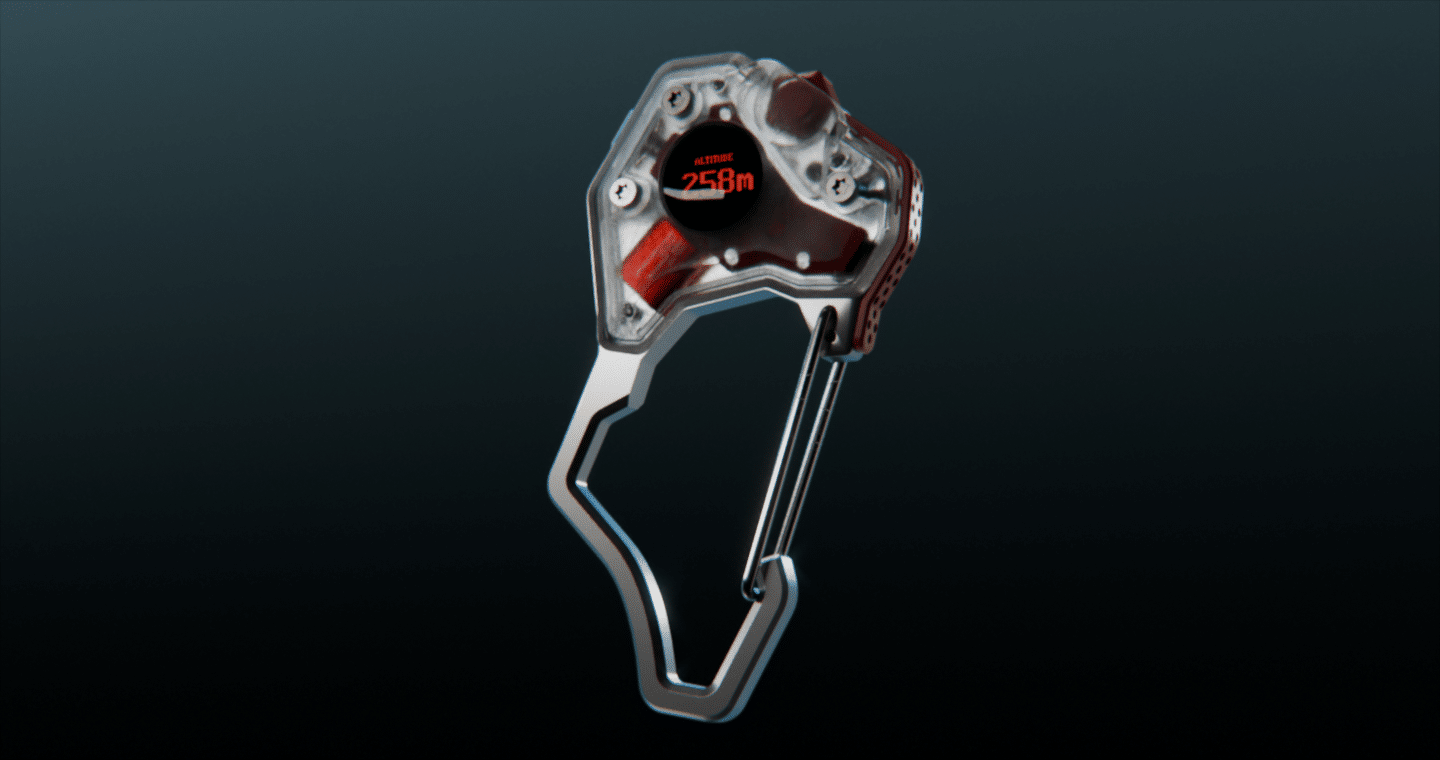
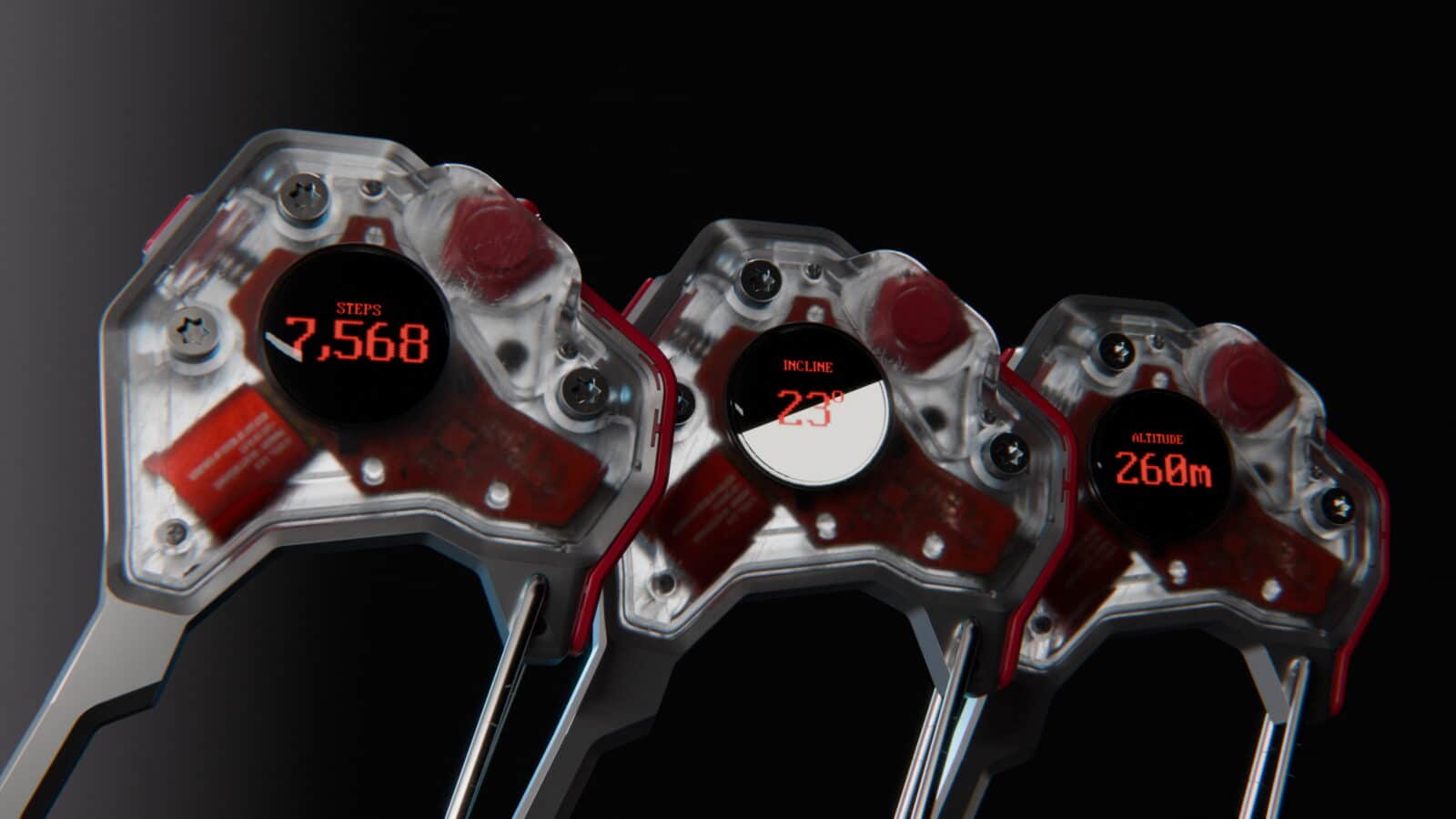
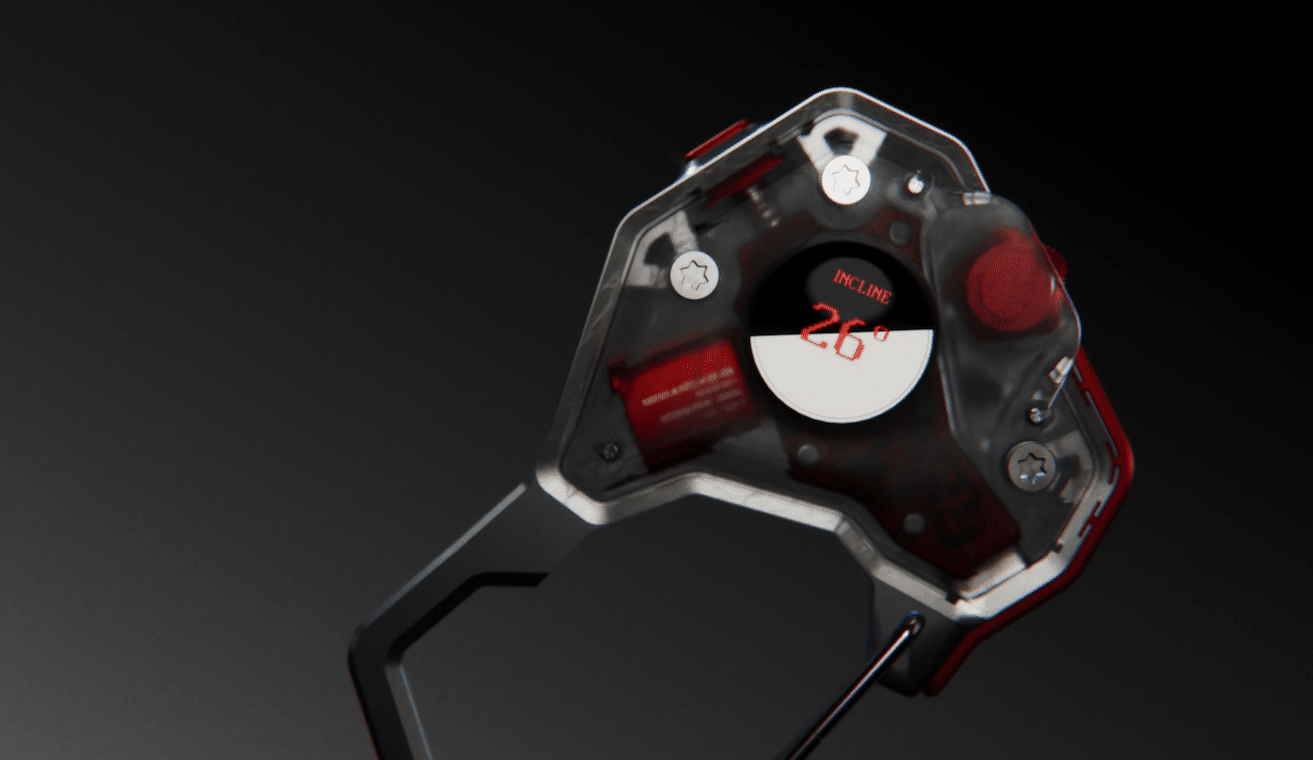
Terminus uses built-in measurement tools to help hikers cross reference a trail’s difficulty with its marked grade.
Track your progress.
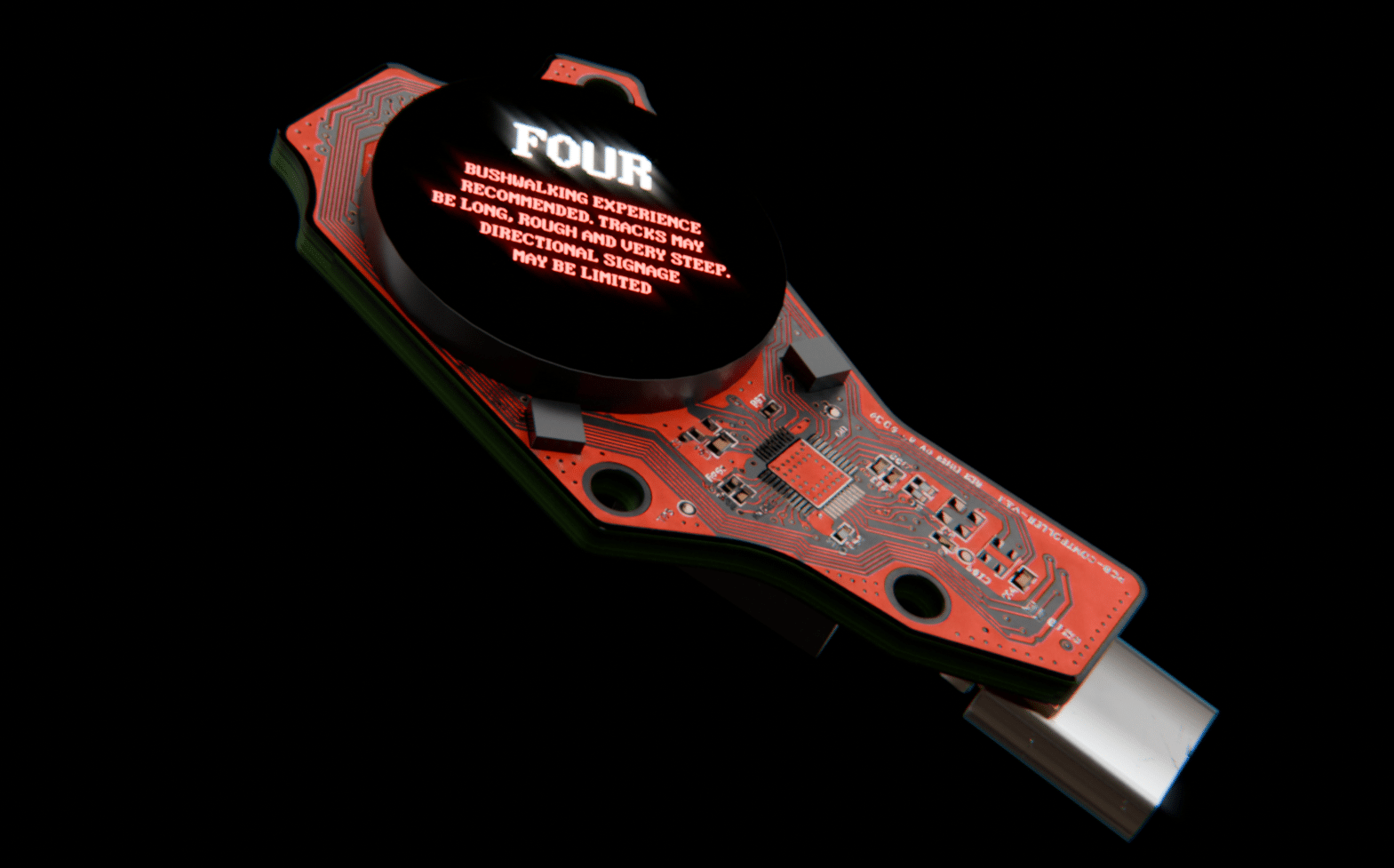
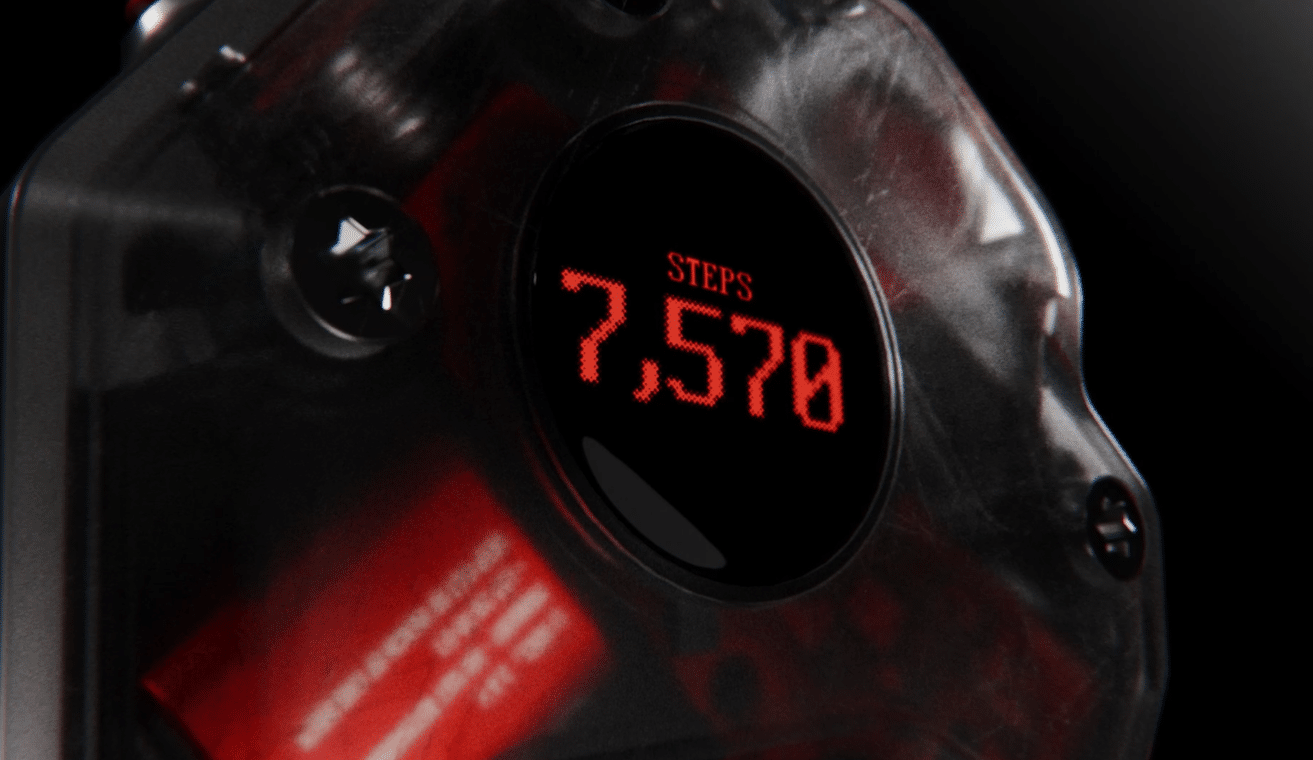
The built in measurement features identify the rough grade of a trail, and also help to track your personal progress. A bluetooth module connects and sends data to your mobile phone directly. The bluetooth connectivity can also be used to conduct safety tests and battery checks on the distress beacon.
Call for help in an emergency.
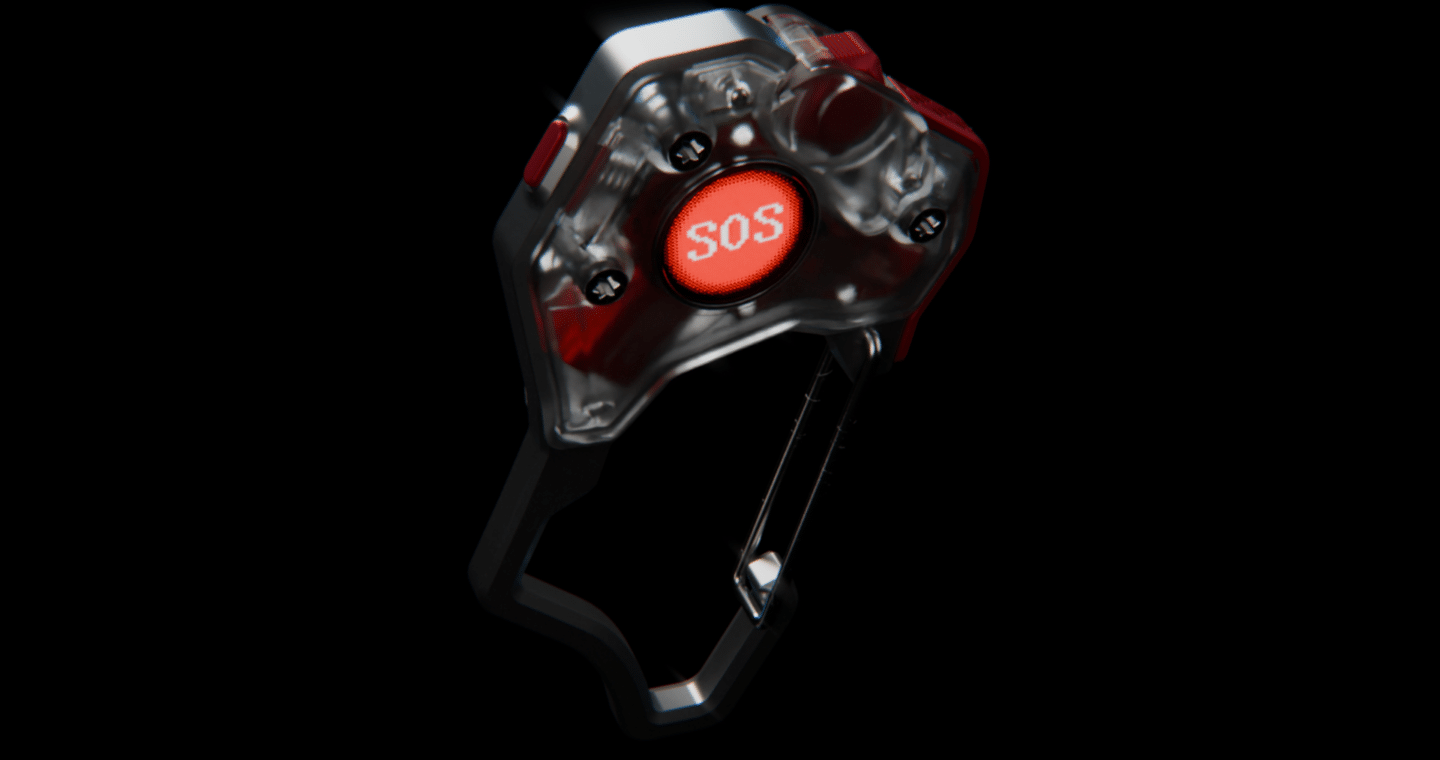
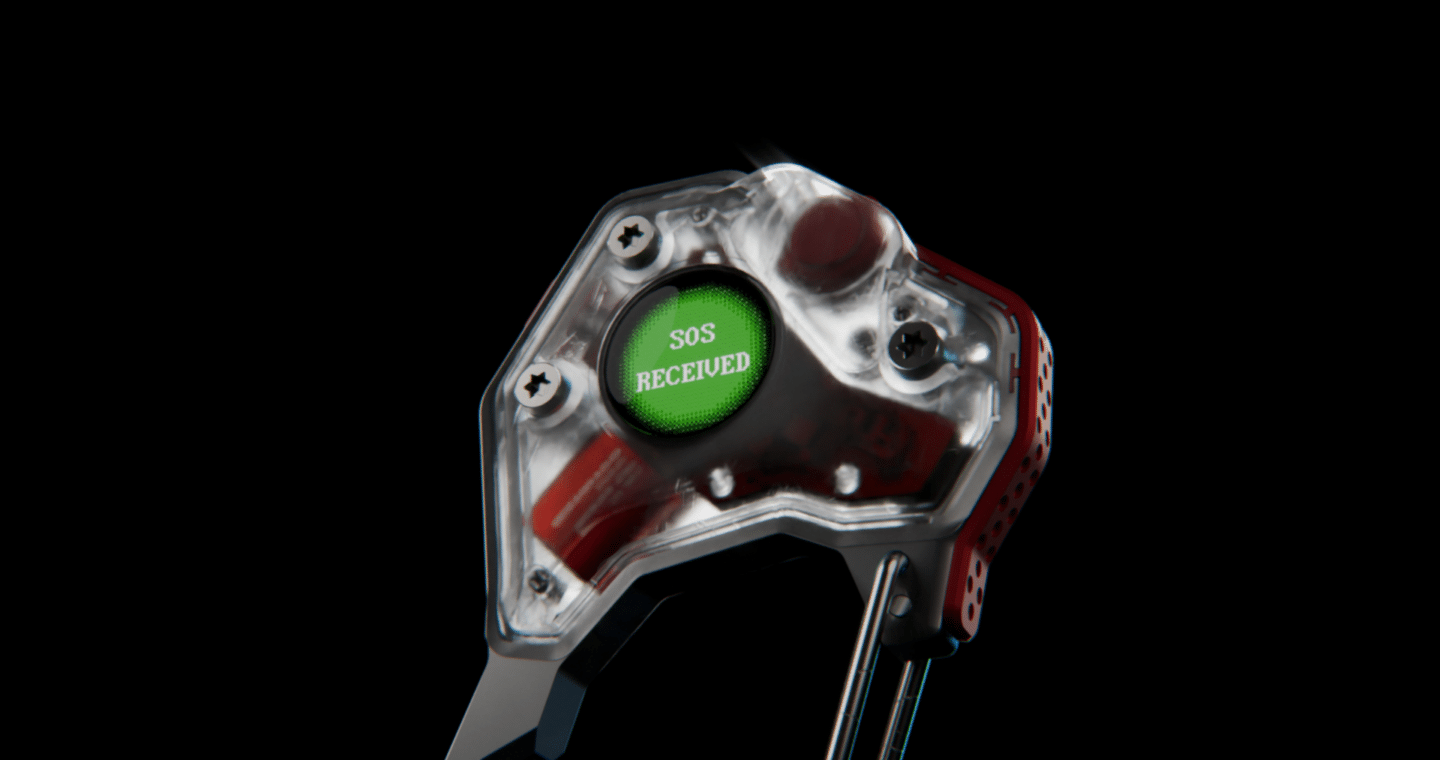
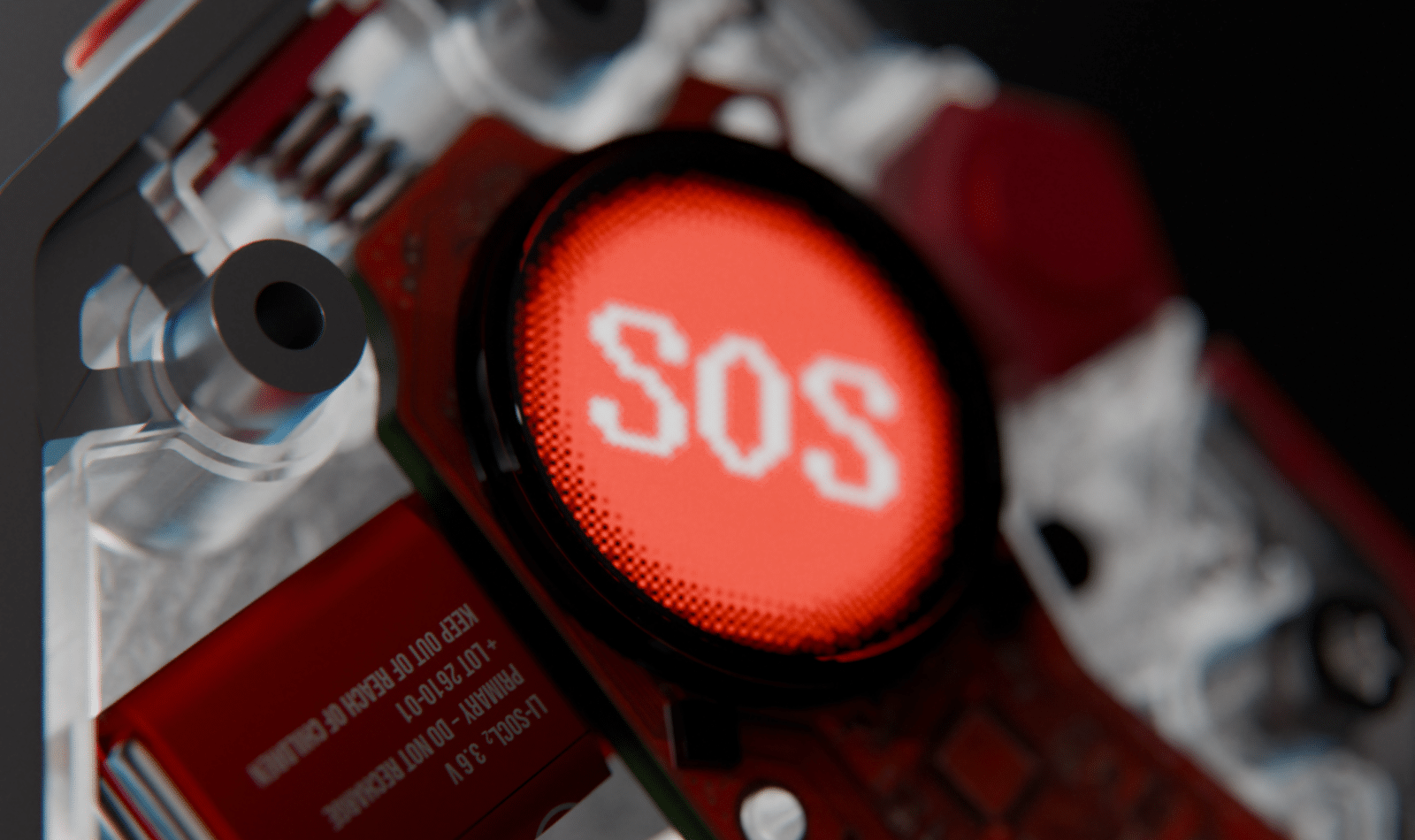
When things go sideways, hikers need a way to call for help. Terminus connects to the existing Global Navigation Satellite System (GNSS), so it works without phone reception. When activated, it sends a distress signal on the standard 406 MHz frequency used by rescue services worldwide. Satellites pick up the signal and pass it to the authorities who coordinate the response. Once received, a confirmation is sent back to the device through the satellite network, so the hiker has confirmation that their signal has been locked onto.
The device uses two seperate batteries. A rechargeable LiPo battery for the main device, and a non rechargeable Li-SOCl₂ battery which powers only the beacon.
Proposed ProductiON considerations
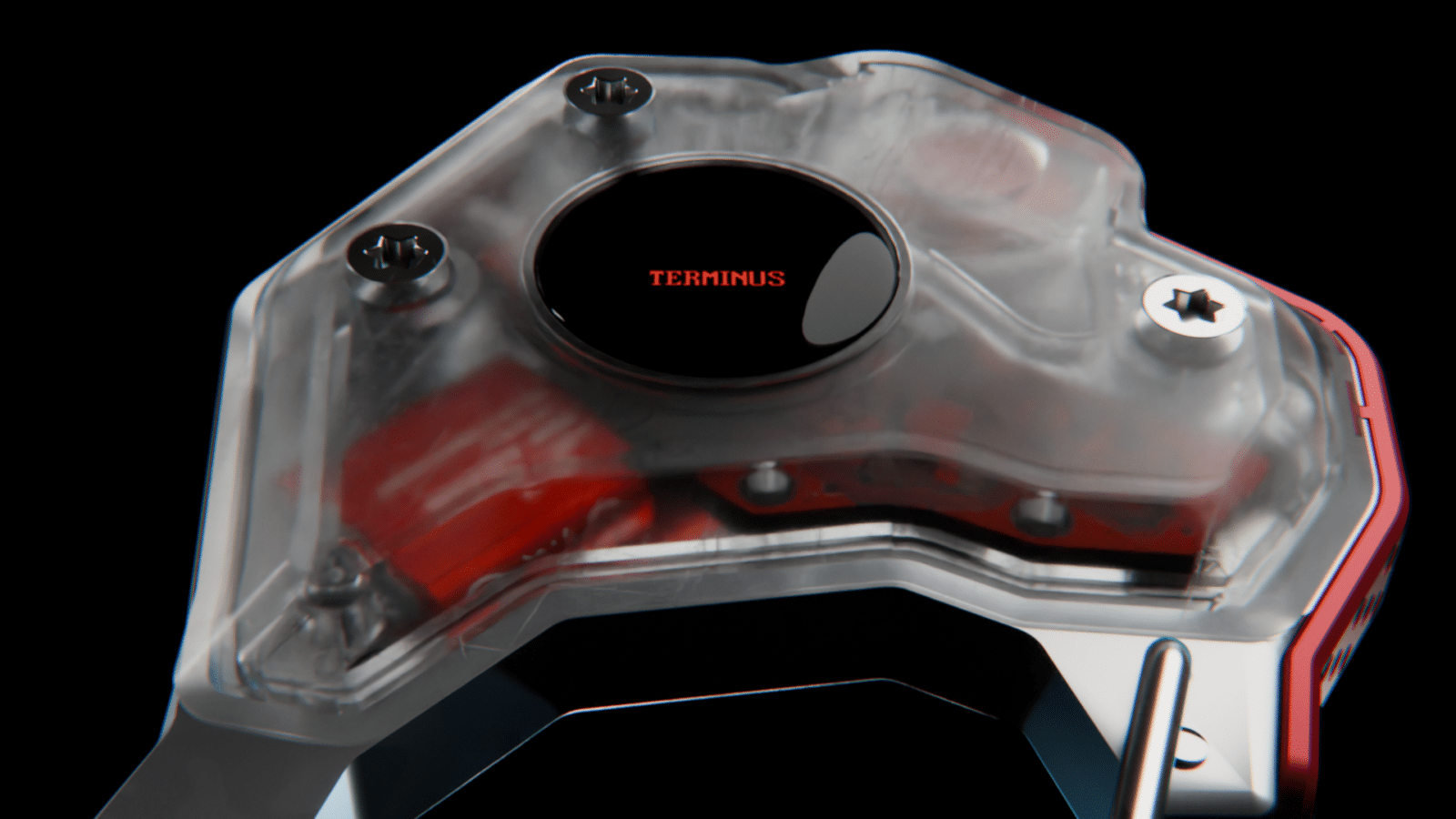
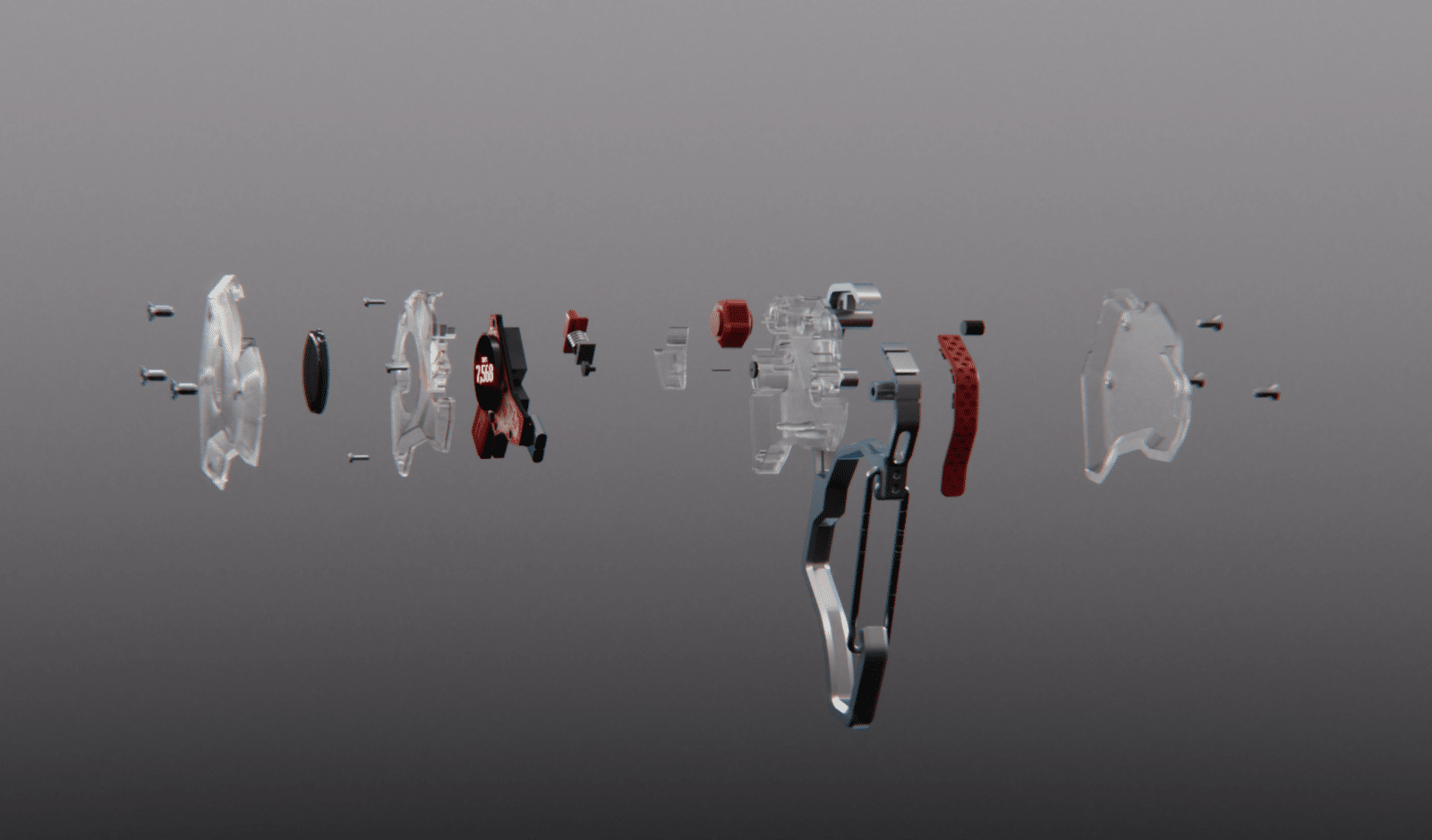
Terminus’ outer and inner shells are injection moulded frosted polycarbonate (PC), while the centre ring and carabiner body is a single CNC machined 6061 aluminium component with an anodised silver finish.
The outer shells are held on with T8 Torx screws and can be swapped for alternative colourways. While the outer shells are easily removable, the inner components are held together in their own sealed, tamper-resistant enclosure. Because the batteries are sealed in, users cannot access them easily, which mitigates a significant safety risk for a distress beacon.
The namesake.
Terminus’ aesthetic language is targeted at those introduced to hiking through social media, who, through research, were found to overestimate their abilities relative to their experience.
Terminus is named after the Roman god of boundaries and limits, and is designed to identify your personal limits and help you safely push yourself in nature. It also shares the same outline as the topographic view of Mount Beerwah, the most deadly mountain in SEQ.
See more of my work
My portfolio